Lillehammer — Olympic town day trip
Lillehammer is 2 hours by train from Oslo: the 1994 Winter Olympics venue, Maihaugen open-air museum, and a handsome wooden town on Lake Mjøsa.
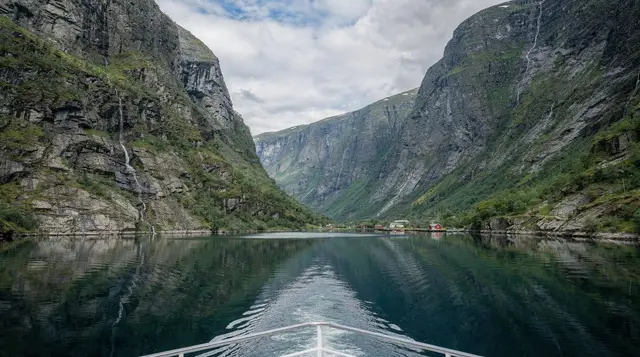
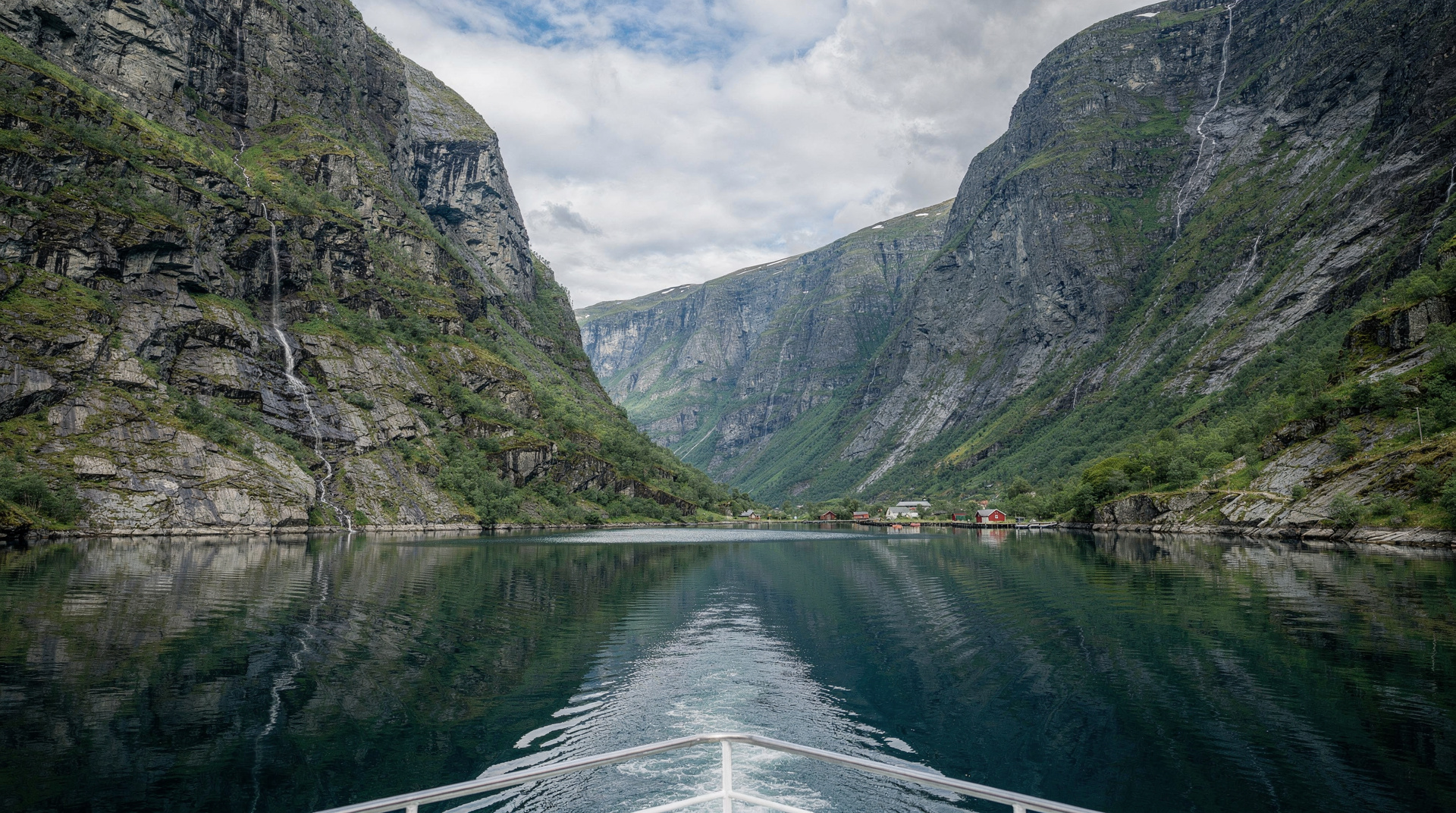
From Oslo: one-way self-guided tour to Bergen (rail and cruise)
Duration: Full day
- Scenic railway
- Fjord cruise
Quick facts
- Best time
- Year-round; winter (December–March) for ski atmosphere; summer (June–August) for lake and Maihaugen
- Days needed
- 1 full day (early train required); overnight for ski season
- Getting there
- Vy train from Oslo S — approximately 2 hours, trains run hourly
- Budget per day
- NOK 800–1600 (USD 86–172) including return train, Maihaugen, and lunch
Two hours north and a different world
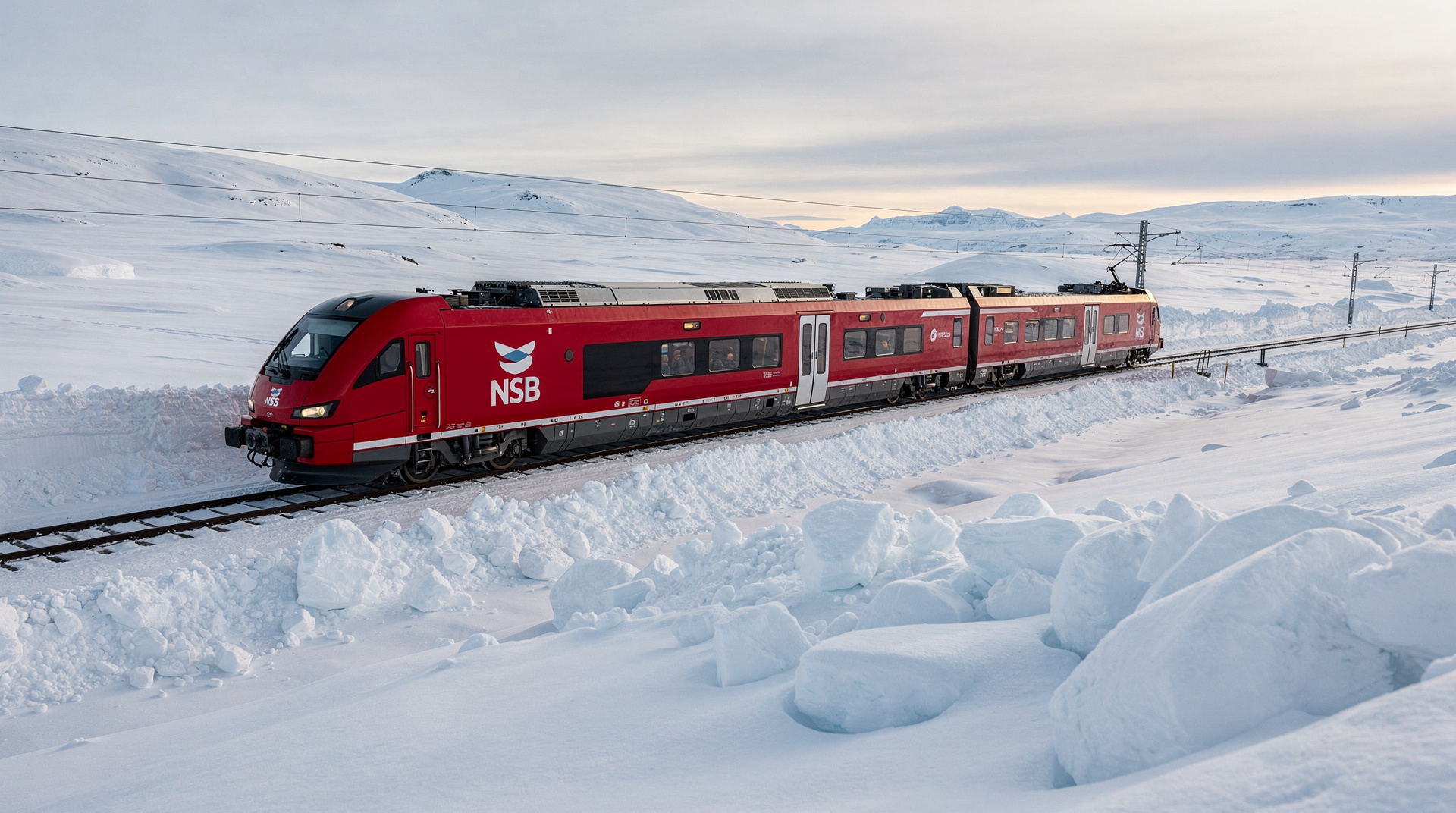
The train from Oslo Central Station north to Lillehammer follows the Gudbrandsdalen valley, gradually climbing from the city’s suburban sprawl into a wider landscape of farms, rivers, and forested hills. In winter, snow arrives about halfway along the route; by the time you step off at Lillehammer station, the air is colder and dryer than Oslo’s fjord climate and the town sits at the northern end of Lake Mjøsa — at 365 square kilometres, Norway’s largest lake — with mountains rising behind it on three sides.
| Where | Gudbrandsdalen valley, 2 hours north of Oslo by train |
| Getting there | Vy train from Oslo S, hourly departures, advance tickets from around NOK 199 |
| Time needed | 1 full day; overnight if skiing at Hafjell or Sjusjøen |
| Cost | Around NOK 900–1 200 (USD 97–129) solo day trip, train + Maihaugen + food |
| Best time | Summer for Maihaugen and the lake; winter for the ski atmosphere |
Lillehammer is a town of 30,000 people that hosted the 1994 Winter Olympics and has been trading on that legacy ever since — not in a tacky way, but in the way that a genuine sports culture and a well-preserved set of venues does. The Olympic venues still function. The Hakon Hall still holds international ice hockey. The Lysgårdsbakkene ski jump still hosts FIS competitions. The cross-country trails where Norwegian athletes won medals in 1994 are still groomed in winter for recreational skiing. For a sporting heritage experience, Lillehammer does this more honestly than most places that hosted the Games decades ago.
But Lillehammer is not only about the Olympics. Maihaugen — Norway’s largest open-air museum — predates the Games by about a century. The wooden town centre along the Storgata pedestrian street is genuinely pretty. And the setting on Lake Mjøsa, with the Gudbrandsdalslågen river flowing through town, means that even without the Olympic context, this would be a pleasant northern Norwegian town worth a day.
Getting there
By Vy train: The standard approach. Trains depart Oslo S (Central Station) roughly hourly throughout the day and reach Lillehammer in approximately 2 hours. Tickets booked in advance on the Vy website or app are significantly cheaper than day-of prices (advance tickets from around NOK 199 / USD 21 each way; standard prices NOK 370+ / USD 40+). The train is comfortable, with cafe car on most services.
Aim for an 8am or 9am departure from Oslo to have a full day in Lillehammer. The last useful return trains leave Lillehammer in the early-to-mid evening; check timetables on the Vy app before you go.
By car: About 180 kilometres on the E6 motorway north, roughly 2 to 2.5 hours. A car gives flexibility for reaching the ski venues and outer attractions, but parking in the town centre requires navigating Norwegian parking apps (EasyPark). Most day-trippers take the train.
Maihaugen — the main reason to come
Maihaugen is Norway’s largest open-air museum and one of Scandinavia’s most important cultural heritage sites. The collection, spread across a hillside above the town, consists of around 200 historic buildings relocated from across the Gudbrandsdalen valley and reassembled in a working open-air context. These include farm complexes from the 17th and 18th centuries, a stave church from around 1150 (among the oldest surviving stave churches outside churches still in use), a 19th-century Norwegian town street, and domestic interiors from across four centuries of rural life.
What distinguishes Maihaugen from similar Scandinavian open-air museums is the quality of interpretation and the honest, sometimes uncomfortable honesty about Norwegian history — including a section on Norway’s Nazi occupation that doesn’t soften the complexity of collaboration and resistance. This is not a nostalgic heritage theme park; it’s a serious museum that happens to be outdoors.
Practical notes: Maihaugen is a 15-minute walk from the train station or a short taxi ride. Entry is NOK 200–260 (USD 22–28) depending on season; the museum is open year-round but hours are reduced in winter (mid-September through May, the buildings are sometimes closed and the experience is mainly outdoors with limited costumed interpretation). Summer (June–August) is when the full experience is available, with demonstrations of traditional crafts, guided tours, and period-costumed staff.
Budget at least 2–3 hours for Maihaugen; you can easily spend a full morning here.
The 1994 Winter Olympics venues
The Olympic Park (Olympiaparken) sits on the hillside above the town and groups several venues in a walkable complex.
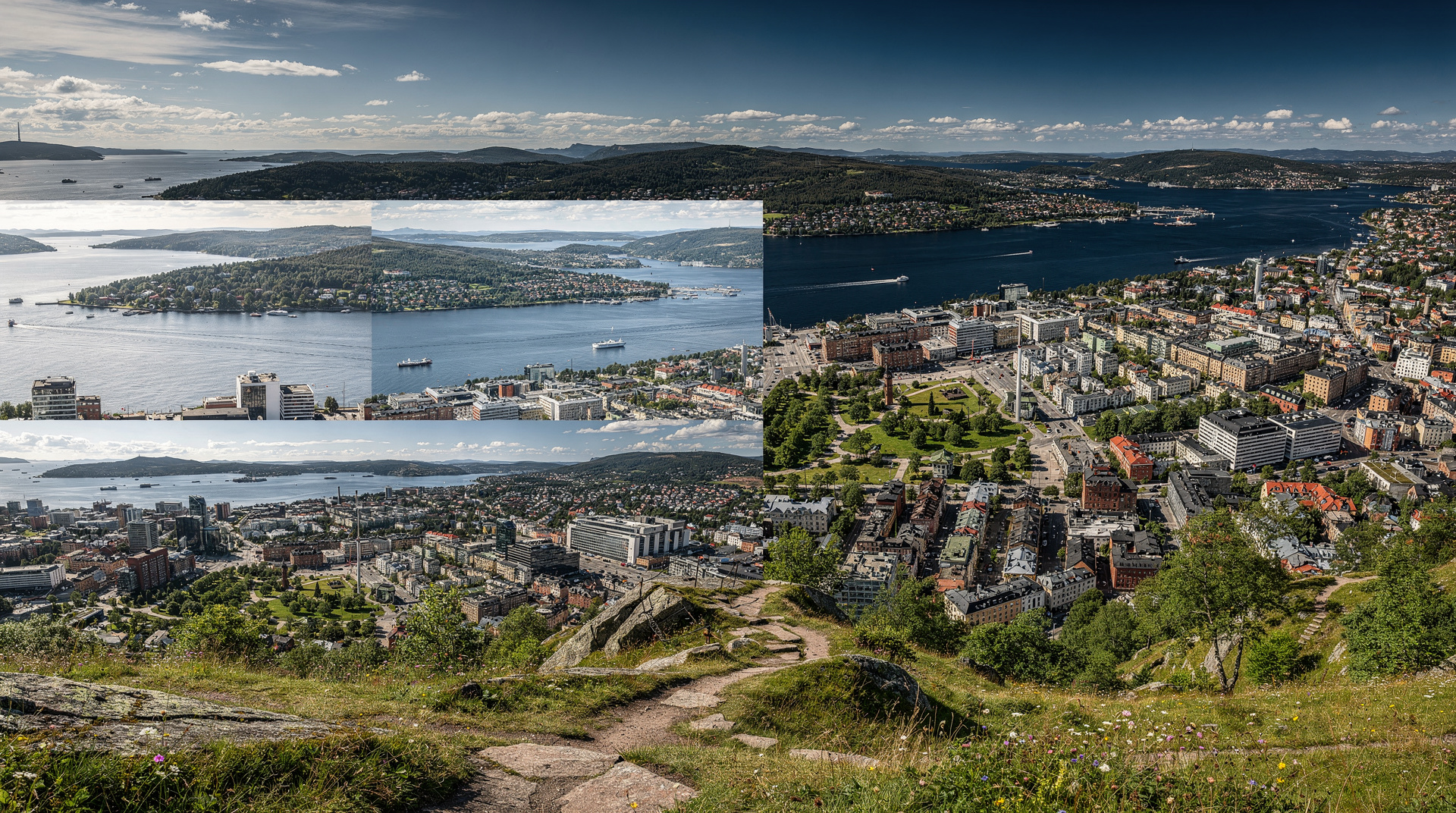
Lysgårdsbakkene: The Olympic ski jump — actually two jumps, normal hill (90 m) and large hill (120 m) — remains one of Norway’s most dramatic sporting structures. You can take the lift to the jump’s platform and look out over the town and lake from the same vantage point the jumpers use. This is not a simulation; it’s the real thing, still used for competition. The view alone is worth the cable car fare (around NOK 130 / USD 14).
Hakon Hall: The Olympic ice hockey arena is used for both national league games and international competitions. If your visit coincides with a game, attending is an excellent evening addition to the day. Tickets are inexpensive by any international standard — major local games rarely exceed NOK 150–200 (USD 16–22).
The Olympic Museum (Norsk Olympisk Museum): Located in Hakon Hall, this covers both the summer and winter Olympics history with a strong emphasis on Norwegian athletes. The permanent exhibition is well-designed for sports fans and includes equipment, footage, and — inevitably — a lot about the 1994 Games. Admission is around NOK 150 (USD 16).
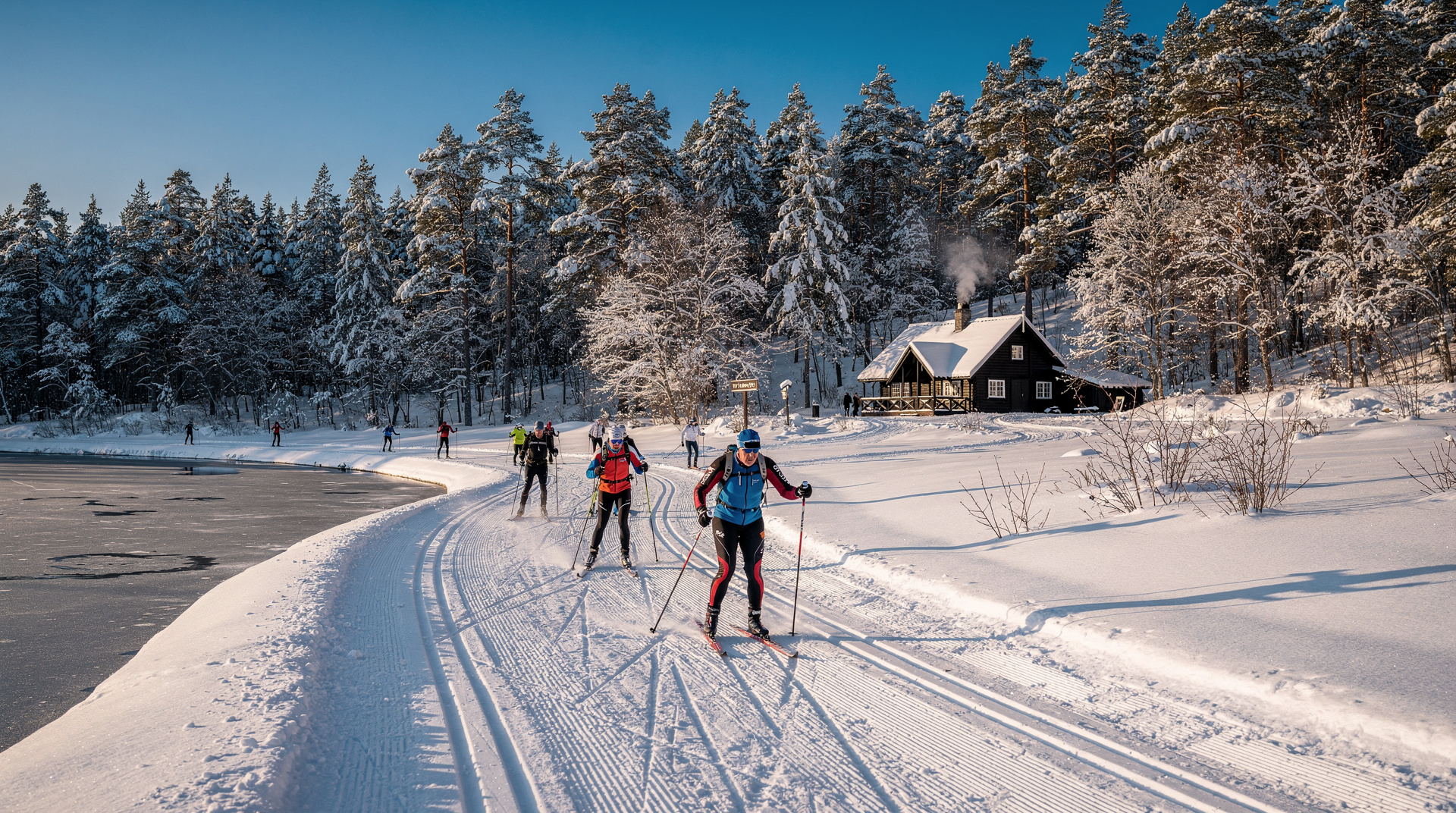
Cross-country skiing: In winter, the Olympic cross-country trails in the Sjusjøen area (15 km from town, accessible by local bus) are groomed and open to recreational skiers. This is where Norwegian Olympic champions trained and raced; skiing the same trails with views over the valley is a genuine experience for cross-country enthusiasts.
The town: Storgata and the lake
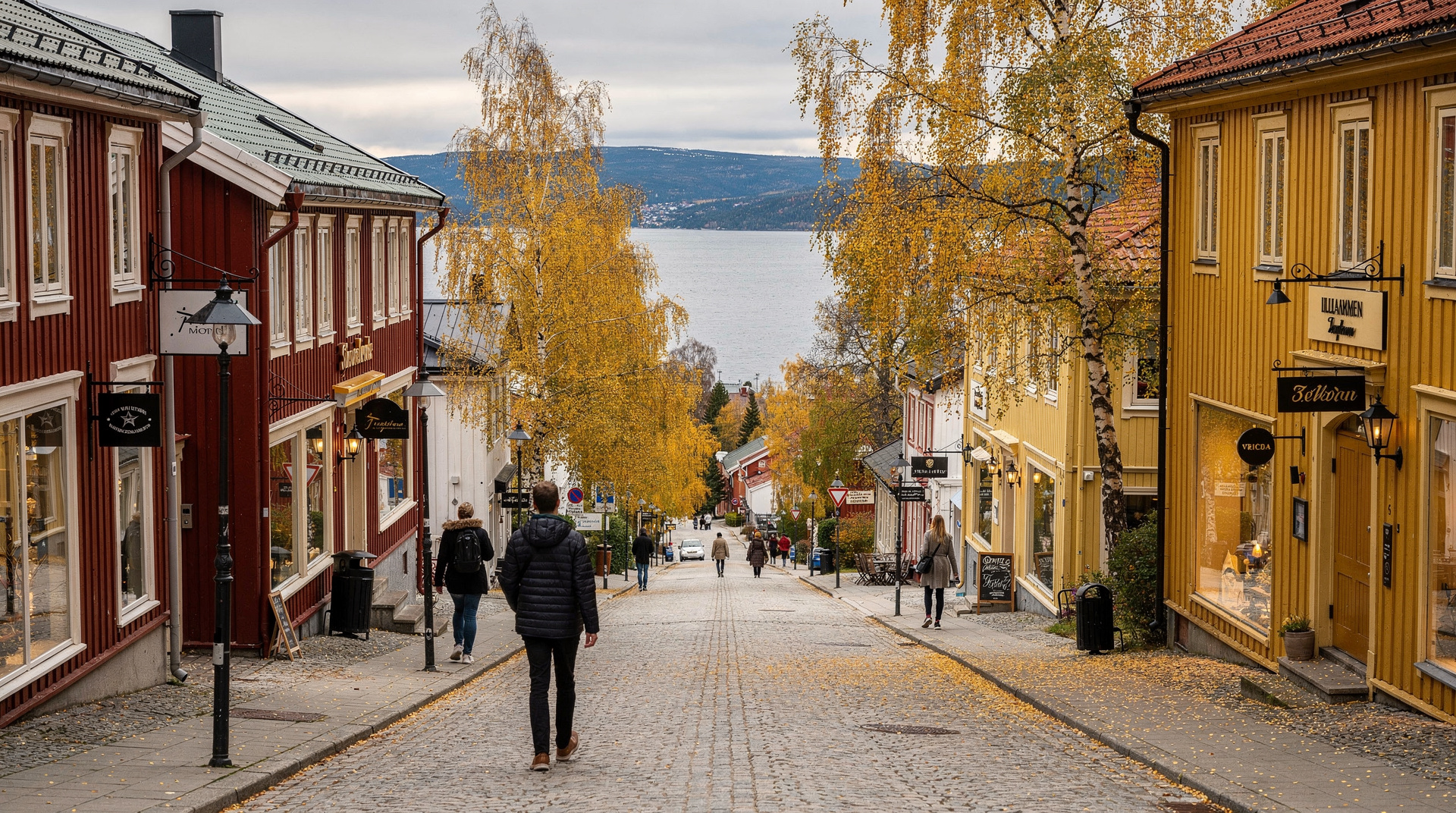
Lillehammer’s pedestrian main street, Storgata, is pleasant for a post-museum wander. The street is lined with preserved wooden 19th-century commercial buildings and has a concentration of cafés, bakeries, and artisan shops that caters more to Norwegian residents than tourist gift shops — a welcome contrast to some tourist-town main streets.
The lake waterfront below the station is worth 30 minutes: Lake Mjøsa is striking in scale, with the opposite shore barely visible on clear days. A promenade runs along the waterside and is used by Lillehammer residents as a running and cycling path. In summer, boat services operate on the lake; in winter, the lake freezes and the ice is thick enough for ice fishing.
For lunch, the central Bakers Plass area has several options at Norwegian café prices (lunch NOK 200–320 / USD 22–34 per person). The fish-focused restaurants along the waterfront are generally better than the tourist-facing Storgata options.
Honest assessment of the day trip
The case for Lillehammer is: two good museums (Maihaugen and the Olympic Museum), a genuinely intact Olympic park, a handsome town, a beautiful lake, and a comfortable train journey that’s itself scenic. For visitors interested in sports history, open-air museum culture, or winter activities, this earns its place as one of the better Oslo day trips.
The case against: it requires a long day (leave Oslo at 8–9am, return by 7–8pm) and has a higher total cost than fjord-based alternatives. At NOK 400 in train tickets (advance purchase) plus museum entry plus food, you’re looking at NOK 900–1,200 (USD 97–129) for a solo day trip. The town itself is small enough that you’ve seen the highlights by mid-afternoon. If you’re not interested in either the Olympic heritage or Maihaugen specifically, the fjord islands or Nordmarka offer better value and require less travel time.
The comparison guide at best day trips from Oslo is honest about when Lillehammer makes sense and when other options are stronger.
Lillehammer in winter: the real reason to overnight
As a day trip, Lillehammer is best in summer when Maihaugen is fully open. In winter, however, the logic shifts: if you ski, Lillehammer deserves an overnight stay rather than a rushed day trip. The Sjusjøen plateau has one of Norway’s finest cross-country trail networks, the alpine slopes at Hafjell are 15 minutes from town, and the atmosphere of a genuine Norwegian ski town in full winter — lantern-lit streets, snowmobile tracks crossing the main road, ski après happening in real cafés rather than manufactured après-ski bars — is distinctive.
The ski day trips from Oslo guide covers the logistics of both Lillehammer and the closer options (Norefjell, Trysil) that require less travel time.
Practical day planning: making the most of a limited window
A Lillehammer day trip requires more discipline than most Oslo excursions because the 2-hour train each way consumes a significant portion of daylight. In summer, this barely registers — you’re working with 18–19 hours of light. In December, however, you have roughly 6–7 hours of useful daylight in Lillehammer itself between the 9am train arrival and the 4pm dusk. That limits what you can fit comfortably.
Suggested summer day structure:
- 08:20 departure from Oslo S (check Vy app for exact times; trains run roughly each hour)
- 10:20 arrival at Lillehammer; walk 15 minutes to Maihaugen
- 10:30–13:00: Maihaugen (2.5 hours minimum for the highlights)
- 13:00–14:00: lunch in town (Storgata or the lake waterfront)
- 14:00–16:00: Olympic Park, ski jump platform, Olympic Museum
- 16:00–17:00: town walk, lakefront, Storgata browsing
- 17:20–19:30: return train to Oslo; dinner in Oslo
Suggested winter day (December):
- 08:20 departure
- Prioritise the Olympic Museum and ski jump platform in the morning light
- Lunch at Lillehammer Handverksbakeri on Storgata
- Afternoon in Maihaugen (the indoor permanent exhibitions are excellent in winter)
- 16:20 return train — arrive Oslo in time for dinner
This structure works. What doesn’t work is arriving at noon hoping to do everything: you’ll be rushing Maihaugen and leaving the ski jump for the last ferry in the dark.
Lake Mjøsa in summer: more than scenery
Lake Mjøsa contributes more to a Lillehammer summer visit than it first appears. The historic paddle steamer Skibladner — the world’s oldest operational paddle steamer, built in 1856 — runs day cruises on the lake from Lillehammer from late June through late August. A cruise to Gjøvik and back takes most of a day, but the shorter evening cruise from Lillehammer harbour (approximately 2–3 hours, available on selected dates) is a practical option that adds a genuine experience without consuming your entire day.
The Skibladner is legitimately historic: it has been operating on the same lake continuously since 1856, and a ride on its polished wood decks with the engine room visible below and Lillehammer’s hillsides receding behind you is one of Norway’s better heritage transport experiences. Check the Skibladner website for the current season’s schedule before building your Lillehammer day around it.
The lake waterfront in Lillehammer also has a small beach area (Strandtorget) used for swimming in summer. The water is warmer than the Oslofjord (typically 19–22 °C in July) because the lake is shallower and sheltered. Families with children often combine a Maihaugen morning with an afternoon at the lake.
Hafjell and Sjusjøen: the skiing in more detail
Hafjell, about 15 minutes from Lillehammer by car or local bus, hosted the 1994 Olympic alpine events and remains one of Norway’s better-regarded alpine resorts for its size — good grooming, a manageable vertical of around 830 metres, and a strong reputation for family-friendly terrain alongside genuine black runs for confident skiers. Day lift passes run roughly NOK 500–650 (USD 54–70) in peak season.
Sjusjøen, a plateau about 15 km from town, is the cross-country skiing centre — this is where Norwegian Olympic athletes trained in the run-up to 1994, and the network of groomed trails (hundreds of kilometres, connecting to the wider Nordseter area) is among the best accessible from a single Norwegian town. Ski rental and instruction are available at several points on the plateau.
Together, Hafjell and Sjusjøen make Lillehammer a legitimate short ski break, not just a day-trip curiosity — a genuine alternative to travelling further north for snow if your Oslo trip falls in winter. The ski day trips from Oslo guide is honest about how Lillehammer compares to closer options like Norefjell for those who don’t want the full overnight commitment.
Beyond the day trip: the Oslo–Bergen route
Lillehammer sits on the Norwegian railway network at a point where, if you continue north past the town, you eventually reach Otta and then join the Dovrfjell route towards Trondheim. The Oslo–Bergen route goes a different direction — west from Oslo via Geilo and Myrdal — but Lillehammer’s position on the E6 corridor makes it a logical first overnight stop for travellers driving north to the Lofoten Islands or Tromsø.
For those doing the Norway in a Nutshell route from Oslo, Lillehammer is not on the standard circuit (which goes Oslo → Myrdal → Flåm → Bergen). See the Norway in a Nutshell guide for what that route covers and how Lillehammer fits separately.
Fitting Lillehammer into the rest of your Oslo stay
Lillehammer works best when it is one chosen day inside a longer plan, not an afterthought. If you are still deciding how long to spend in the capital, the how many days in Oslo guide helps you see where a full day away from the city fits. The Oslo in 3 days and Oslo in 4 days itineraries both leave room for one excursion, and Lillehammer is a natural candidate if sport or open-air museums are your thing.
Travellers who prefer the water to the mountains have alternatives close to the city. The Oslofjord and its islands give a lighter day with far less time on the train, and the Oslo fjord day trips guide lays out the options. If your interest is museums, the best museums in Oslo ranked list shows what you can see without leaving town, which is worth knowing before you commit a whole day to a long train ride.
Budget matters too: the Oslo trip cost breakdown puts a Lillehammer day into context next to everything else you will pay for. And if the weather turns, the Oslo winter activities guide gives you indoor and outdoor fallbacks back in the city. For a second look at the mountain side of the region, Holmenkollen offers a ski-jump view without leaving Oslo, a useful comparison with the Lysgårdsbakkene platform described above.
Frequently asked questions about Lillehammer
How long is the train from Oslo to Lillehammer?
Approximately 2 hours by Vy train from Oslo S. Trains run roughly hourly. Book on the Vy app or website; advance tickets are significantly cheaper than walk-up prices. The journey follows the Gudbrandsdalen valley and is scenic, particularly in winter with snow on the hillsides.
Is one day enough for Lillehammer?
One full day is enough to cover Maihaugen, the Olympic Park, the ski jump viewpoint, and the town. You need an early start — aim for an 8am or 9am train from Oslo. If you’re a skier wanting to use the cross-country trails or alpine slopes, an overnight stay is strongly recommended to make it worthwhile.
What is Maihaugen and why is it worth visiting?
Maihaugen is Norway’s largest open-air museum: 200 historic buildings relocated and reassembled on a hillside, including a medieval stave church, 17th and 18th century farm complexes, and a 19th-century town street. It covers four centuries of Norwegian rural and small-town life. The interpretation is honest and occasionally challenging. Summer gives the fullest experience with costumed demonstrations; it’s still worth visiting in winter for the buildings and the permanent indoor exhibitions. Allow 2–3 hours minimum.
Can you ski at Lillehammer as a day trip from Oslo?
Technically yes, but it’s a long day. The Olympic cross-country trails at Sjusjøen are accessible by local bus from the town and are open to recreational skiers in winter. The Hafjell alpine resort is 15 km from Lillehammer. Given the 2-hour train journey each way, most skiers find an overnight stay more practical. The ski day trips guide is honest about which slopes are genuinely accessible as day trips and which require a night.
Is Lillehammer suitable for families with children?
Yes, particularly for families with children interested in sports, history, or outdoor activities. The Olympic venues are child-friendly (the ski jump viewing platform is particularly impressive). Maihaugen has activities for children in summer. Lake Mjøsa is good for families who enjoy water activities. The town is compact and safe to navigate with children.
What is the best time of year to visit Lillehammer?
Summer (June–August) for the full Maihaugen experience, lake activities, and long days. Winter (December–March) for snow atmosphere, potential skiing, and the Olympic venues against a snowy backdrop. Spring (April–May) and autumn (September–November) are quieter and cheaper but Maihaugen runs reduced programming and the ski season is either over or not yet started.
Is Lillehammer better as a day trip or an overnight?
As a day trip, Lillehammer works well in summer when daylight is abundant and Maihaugen is fully open — you can comfortably cover the museum, Olympic Park, and town in one long day. In winter, an overnight changes the calculation entirely: with only 6–7 hours of usable daylight in December, a day trip forces you to choose between Maihaugen and the ski venues, whereas staying over lets you actually use the Sjusjøen trails or Hafjell slopes rather than just look at them. See ski day trips from Oslo for an honest comparison against closer alternatives.
Top experiences
Bookable activities with verified prices and instant confirmation on GetYourGuide.