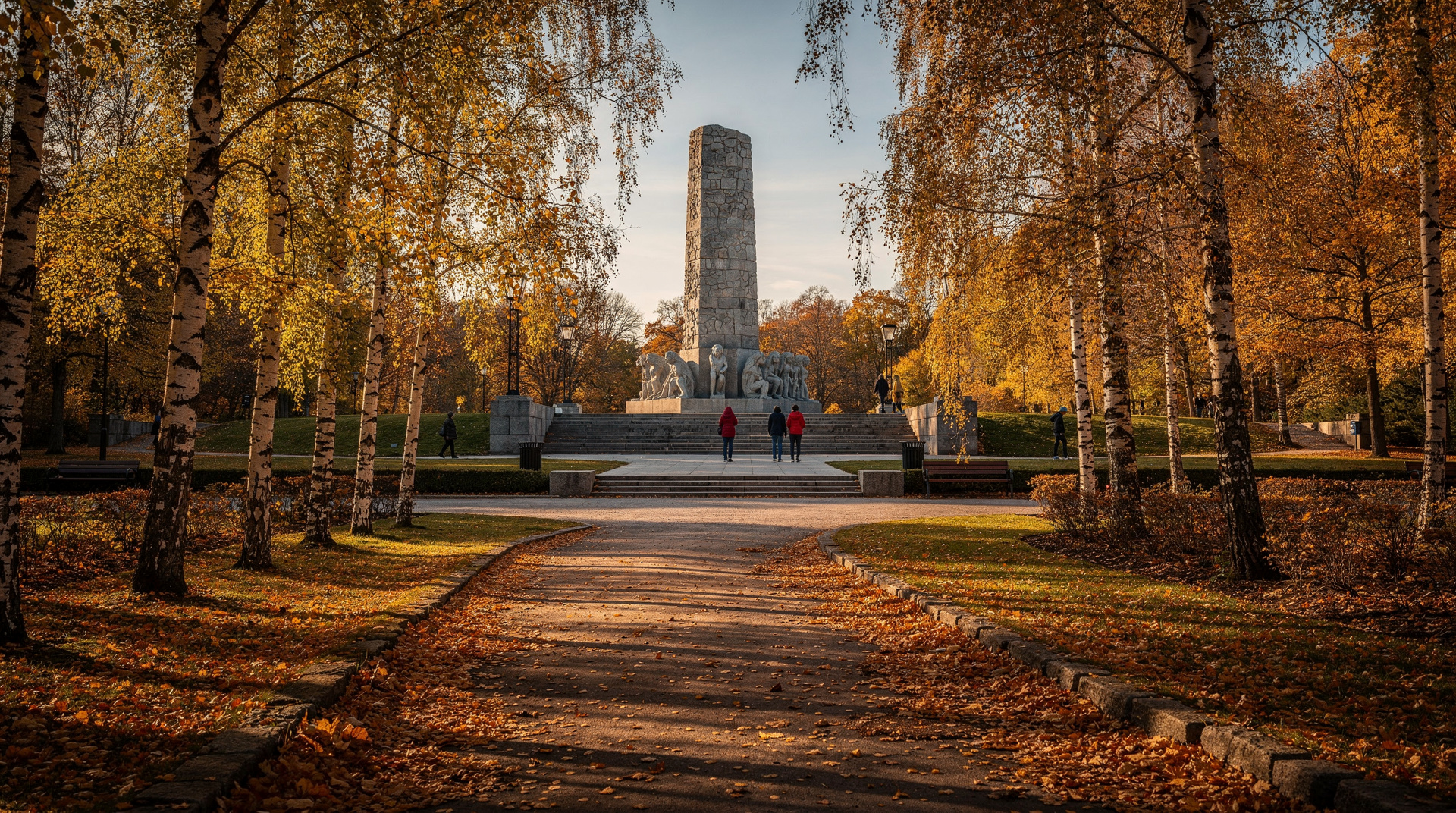
Lillehammer day trip from Oslo: Olympics, Maihaugen and Lake Mjøsa
From Oslo: self-guided Norway in a Nutshell round trip (Flåm train and Nærøyfjord cruise)
Duration: Full day
- Flåm Railway
- Nærøyfjord cruise
How do you get to Lillehammer from Oslo by train?
Vy express train from Oslo S toward Trondheim, alight at Lillehammer. Journey approximately 1h55m–2h10m. Fares from NOK 299–449 (USD 32–48) return booked in advance at vy.no. Trains run every 1–2 hours. The Olympic Park is 2 km uphill from the station; town centre is a 10-minute walk.
Two hours north: the Olympic town worth the journey
| Where | Lillehammer, Gudbrandsdalen valley, 180 km north of Oslo |
| Getting there | Vy train from Oslo S, 1h55m–2h10m |
| Cost | NOK 299–449 return (advance); NOK 220–550 for museums/activities |
| Time needed | Full day (departure ~8am, return by evening) |
| Best time | June–August for full Maihaugen and bobsled; winter for skiing |
Lillehammer sits at the northern tip of Lake Mjøsa, Norway’s largest lake, about 180 km north of Oslo in the Gudbrandsdalen valley. It hosted the Winter Olympics in 1994 — arguably the most fondly remembered of the modern Winter Games — and has been processing that legacy with varying success in the 30 years since.
The facilities are real and still partially active: the ski jump is intact, the bobsled track runs summer sessions, the speed skating oval hosts competitive events. The Norwegian Olympic Museum is first-rate. And beyond the Olympics, Lillehammer has one of Norway’s best open-air folk museums (Maihaugen), a lakefront location of genuine beauty, and a human-scaled town centre that is pleasant rather than spectacular but comfortable to spend a day in.
The two-hour train journey from Oslo is the main investment. It’s worth it for those who approach Lillehammer as a full-day destination rather than an obligation to the 1994 nostalgia.
Getting there: the Vy train north
The Dovre/Bergensbanen express trains from Oslo S toward Trondheim serve Lillehammer directly. Journey time is approximately 1h55m to 2h10m depending on the service. The route runs through Oslo’s northern suburbs, then into the broader Mjøsa landscape — the lake appears on the right side of the train south of Lillehammer and is visible for much of the final 40 minutes.
Fares: Book in advance at vy.no or the Vy app. Advance fares for the specific departure: NOK 299–449 (USD 32–48) return. Last-minute walk-up fares are substantially higher (NOK 499–699 / USD 54–75). Children 4–15 pay 50% of the adult fare.
Frequency: Trains toward Trondheim (the ones that stop at Lillehammer) run approximately every 1–2 hours. Check the Vy timetable for the specific services — not all trains toward Trondheim stop at Lillehammer.
At the station: Lillehammer station is a 10-minute walk from the town centre (Storgata, the main pedestrian street). The Olympic Park at Lysgårdsbakkene is about 2 km uphill from the station — walk (20–25 minutes, some uphill), or take a local bus (check Ruter/Innlandet routes at the station).
The Olympic Park: ski jump, museum and bob rides
The ski jump (Lysgårdsbakkene)
The Lysgårdsbakkene ski jump complex is the defining Olympic venue — the image that most people carry of Lillehammer 1994, with the town and lake spread below the jump ramp. In winter it’s used for competitive ski jumping. In summer, the jump tower is accessible as a viewpoint.
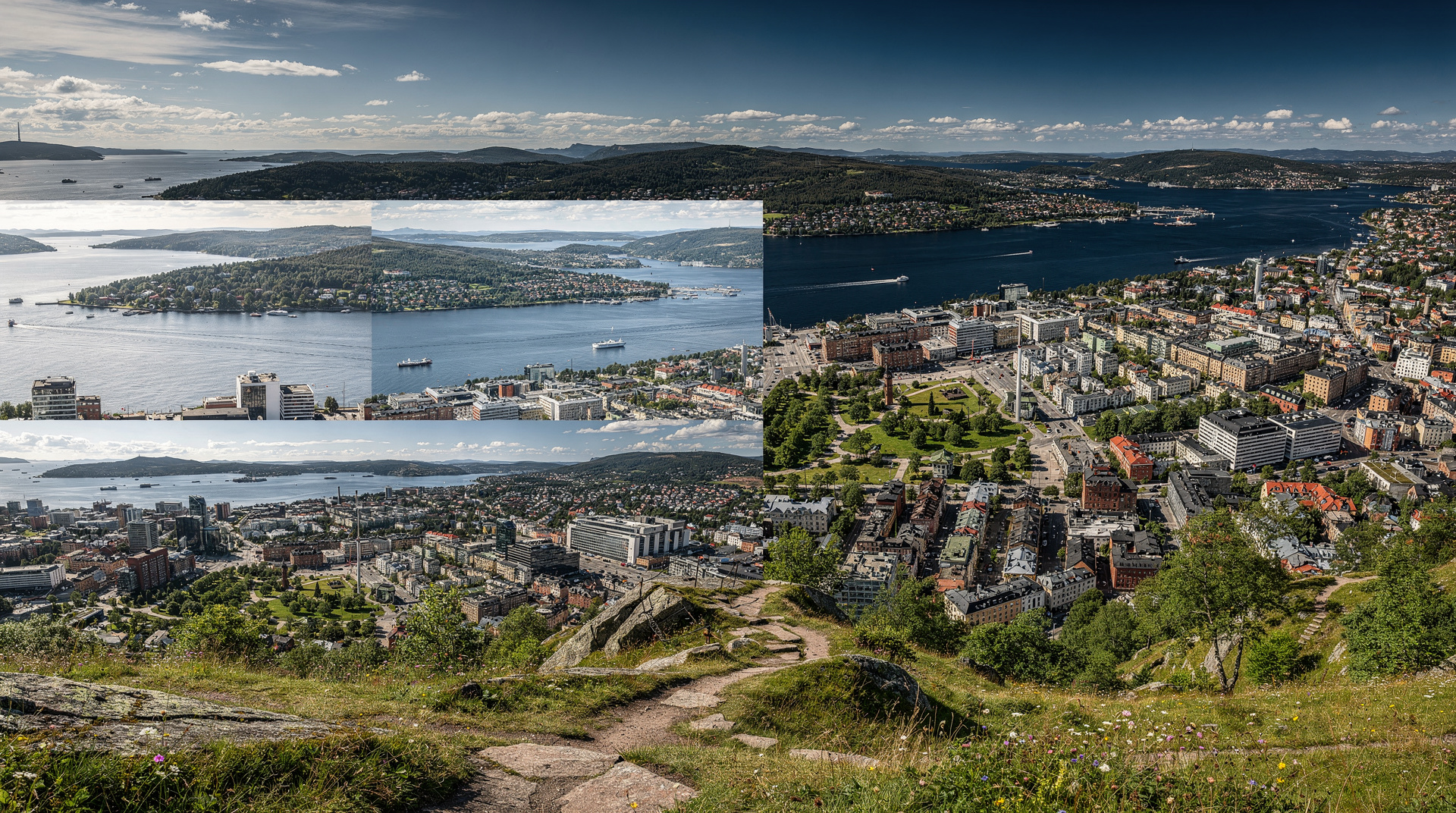
The viewing platform at the top (90 metres above the outrun) can be reached by foot (a stiff climb up the hill behind the complex) or by chairlift (operates in summer). From the top, the panorama of Lillehammer, Lake Mjøsa, and the Gudbrandsdalen valley to the north is excellent — the scale of the hill and the town’s position on the lakeshore are both more dramatic in person than in photographs.
The descent slope of the 90-metre jump is visible from the base of the complex. Looking up at it from the bottom gives an immediate sense of the angle — approximately 35–38 degrees — that elite ski jumpers negotiate at 90+ km/h. This is the experience that makes the ski jump viewpoint worth the uphill.
Chairlift (seasonal): approximately NOK 120–150 (USD 13–16) return. On foot it’s free.
Norwegian Olympic Museum
The Norwegian Olympic Museum (Norsk Olympisk Museum) is inside the Olympic Park complex, in the speed skating arena building. It covers both the history of the Olympic Games broadly and Norway’s Olympic history specifically — Norway being one of the most successful Winter Olympics nations relative to population.
The collection includes equipment from multiple Olympians, extensive Lillehammer 1994 material, and exhibits on current Norwegian Olympic athletes. The presentation is modern and the space is good. Entry: NOK 160 (USD 17) adults, NOK 80 (USD 9) children. Allow 60–90 minutes.
Summer bobsled
The Hunderfossen bobsled/luge track near Lillehammer operates summer sessions on a wheeled sled that runs the original Olympic track. This is a genuine thrill activity — the track is the real one, the speeds are significant, and the experience is not available many places outside active Winter Olympics cities.
Sessions run in summer (typically June–August), often by reservation. Check the Lillehammer Olympic Park website (olympiaparken.no) for current availability and booking. Cost: approximately NOK 350–500 (USD 38–54) per person. This is worth the premium for those who specifically want the Olympic bobsled experience; skip if the budget is tight.
Maihaugen: Norway’s best folk museum
Maihaugen is 1.5 km from the town centre in a park setting on the hillside. It is Norway’s largest open-air museum — 185 historic buildings from the Gudbrandsdalen valley, spanning 500 years, arranged in a landscape that mimics the original valley settlements. Unlike the more compact Norsk Folkemuseum in Oslo, Maihaugen is genuinely spacious: walking the full circuit takes 2–3 hours at a relaxed pace.
The buildings cover: medieval farm complexes, a stave church section, 18th and 19th-century village buildings, urban townhouses from Lillehammer itself (relocated), and a significant Sami section. The indoor museum building contains a large collection of Norwegian folk art and everyday objects from the same period.
In summer (June–August), Maihaugen has the full complement of outdoor demonstrations — traditional crafts, occasional farm activities, costumed interpreters in some buildings. Outside summer, the outdoor areas are accessible but demonstrations reduce significantly.
For those who visited Norsk Folkemuseum in Oslo: Maihaugen is bigger, more varied, and (in summer) more alive. If you choose to do only one Norwegian folk museum, Maihaugen is the better one.
Entry: NOK 220 (USD 24) adults, NOK 110 (USD 12) children. Open daily (May–September); reduced hours October–April.
Getting there from the town centre: Walk from Storgata (15–20 minutes uphill) or local bus (stop: Maihaugen). The Olympic Park and Maihaugen are in different directions from the town centre — plan accordingly.
Lillehammer town
The town itself is pleasant without being a major tourist destination. The main pedestrian street Storgata runs parallel to the lake and has cafés, shops, a market square (Banebrygga), and the Lillehammer Art Museum (Kunstmuseum). The art museum has a decent collection of Norwegian 19th and 20th-century art — better than its national obscurity suggests; worth an hour if you’re interested in Norwegian painting.
The waterfront on Lake Mjøsa (Strandtorget) is the most attractive part of the town centre: the lake is Norway’s largest (the view covers 70+ km of water) and the waterfront has a broad promenade with good cafés and usually a pleasure boat or two at the pier.
The traditional ferry Skibladner (the world’s oldest serving paddle steamer, built in 1856) sails the length of Mjøsa in summer. A full Skibladner journey to Gjøvik or Hamar is a full-day extension; a shorter cruise from Lillehammer and back is available. Check at the waterfront for the current season schedule.
Where to eat in Lillehammer
Nikkers Restauranthus: Mid-range Norwegian restaurant near the waterfront, reliable for a proper Norwegian lunch. NOK 200–300 (USD 21–32) per main course.
Bryggeriet Lillehammer: Brewpub in the town centre, serving local beer and pub food. More casual; good for a lunch stop before the museum afternoon.
Café Mjøsa: Lakefront café, ideal for a coffee and cake with the Mjøsa view. Prices at standard Norwegian café level.
The food quality in Lillehammer is generally consistent and slightly below Oslo price levels (typically 15–20% cheaper for comparable dishes).
Full day itinerary
7:45am: Train from Oslo S. Arrive Lillehammer approximately 9:45am.
10:00am–12:00pm: Walk or bus to Maihaugen. 2-hour circuit including indoor collection.
12:00–1:00pm: Lunch on Storgata or the waterfront.
1:00–3:30pm: Olympic Park — ski jump viewpoint (chairlift), Olympic Museum.
3:30–4:00pm: Town centre walk, waterfront, ice cream.
4:15pm: Train back to Oslo. Arrive approximately 6:15–6:30pm.
This day is full without being rushed. Add the summer bobsled (1 hour) between the Olympic Museum and return if it’s available and desired.
When to visit Lillehammer
Summer (June–August): Maihaugen fully operational, bobsled running, long evenings, lake swimming possible. Peak season for the Olympic Park.
Autumn (September–October): Excellent foliage in the Gudbrandsdalen valley, fewer crowds, the town is quieter and more genuinely Norwegian in character.
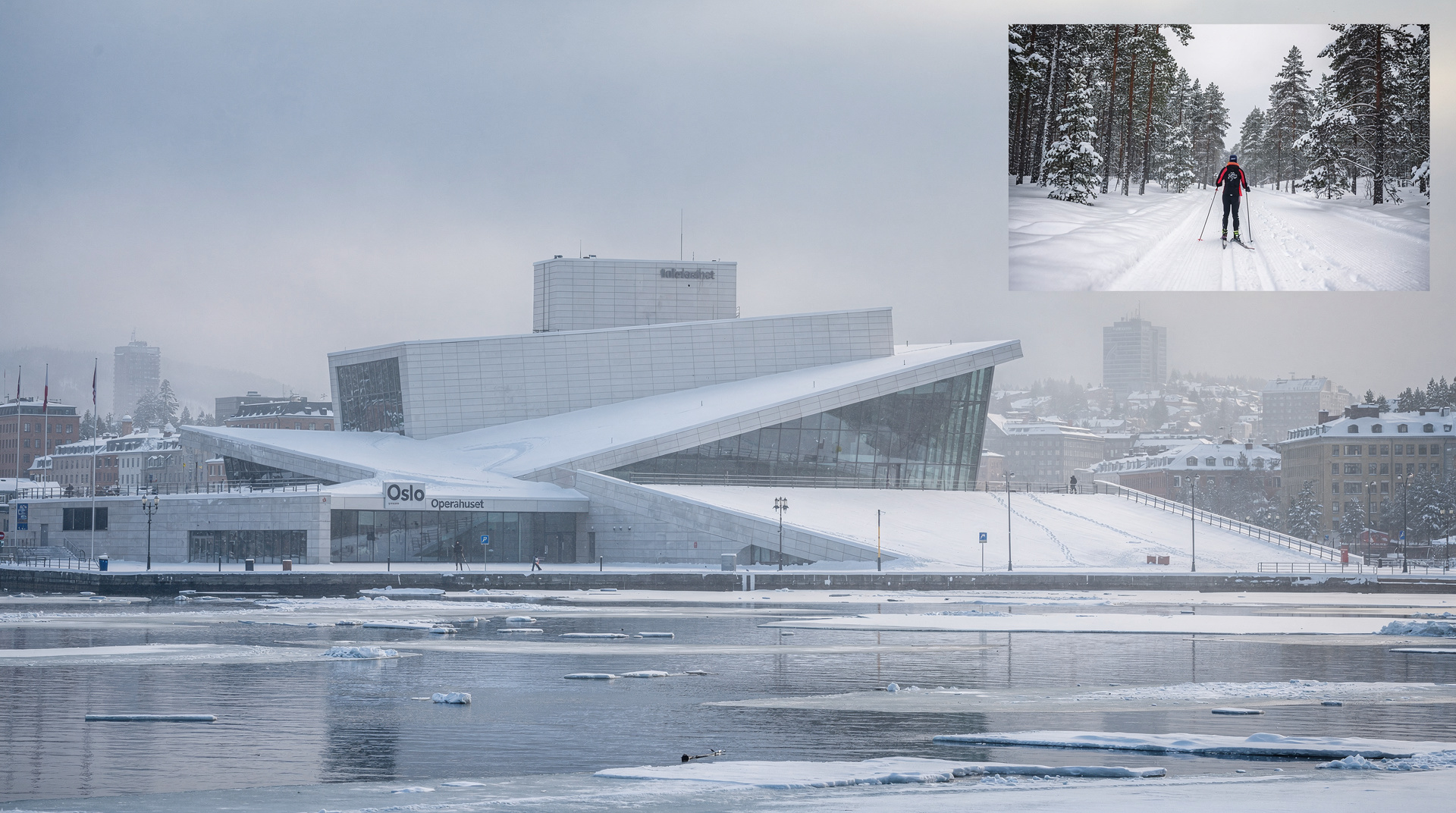
Winter (December–February): Lillehammer has genuine ski activity — Nordseter ski area is nearby. The town has a proper Norwegian winter atmosphere. The Olympic venues have events. The day is shorter (6–7 hours of light in December), so plan the schedule accordingly.
The Oslo winter itinerary includes a Lillehammer option for winter visits. The full day trips guide compares all Oslo day trip options for different interests.
Lillehammer vs Oslo’s other day trips
Lillehammer is the longest of Oslo’s common day trips, and it’s worth weighing against closer alternatives before committing a full day to the journey:
| Day trip | Travel time | Best for |
|---|---|---|
| Lillehammer | ~2 hours each way | Olympics history, folk museum, winter sports culture |
| Fredrikstad | ~1 hour each way | Old Town fortress, walkable historic streets |
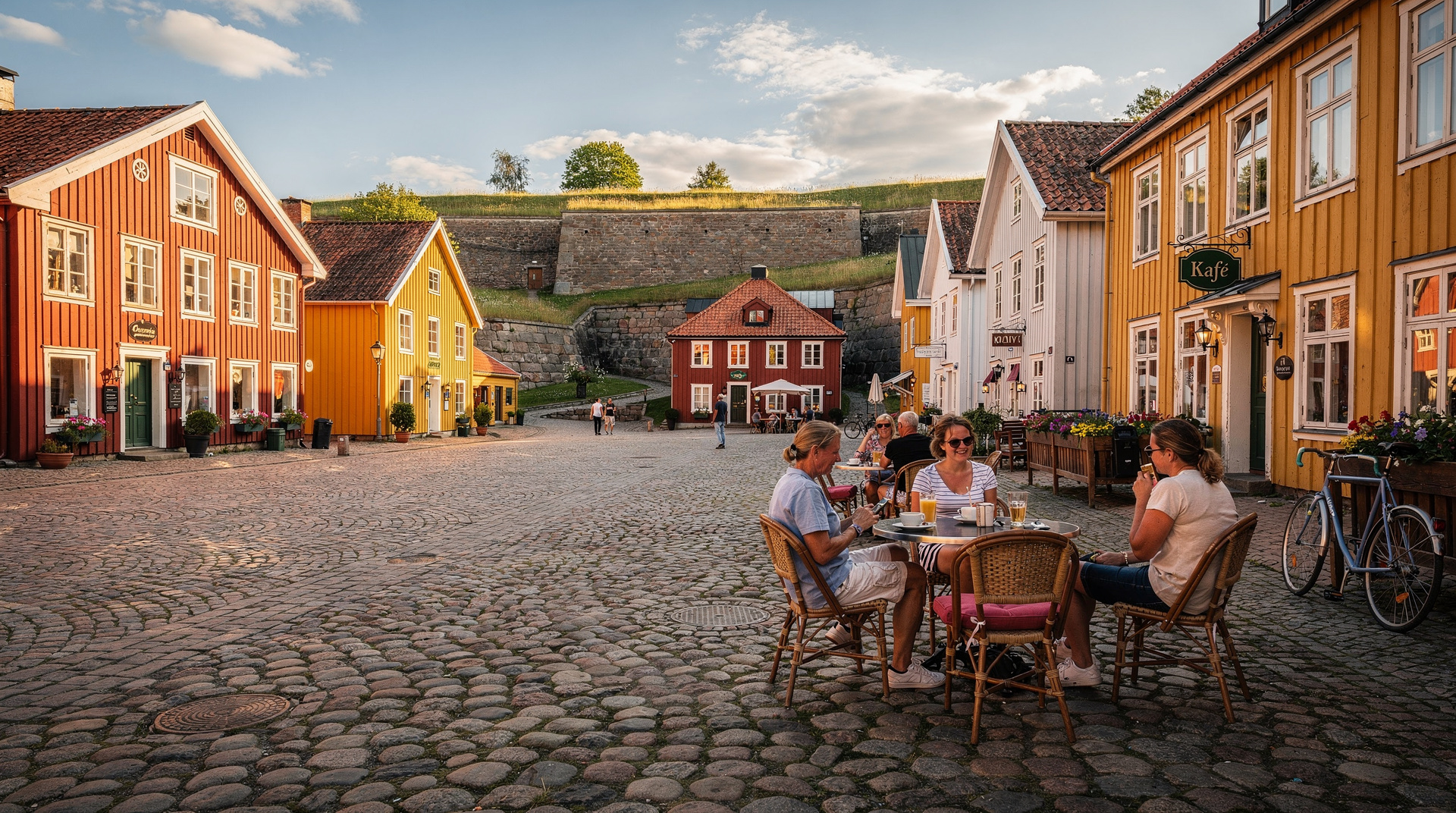
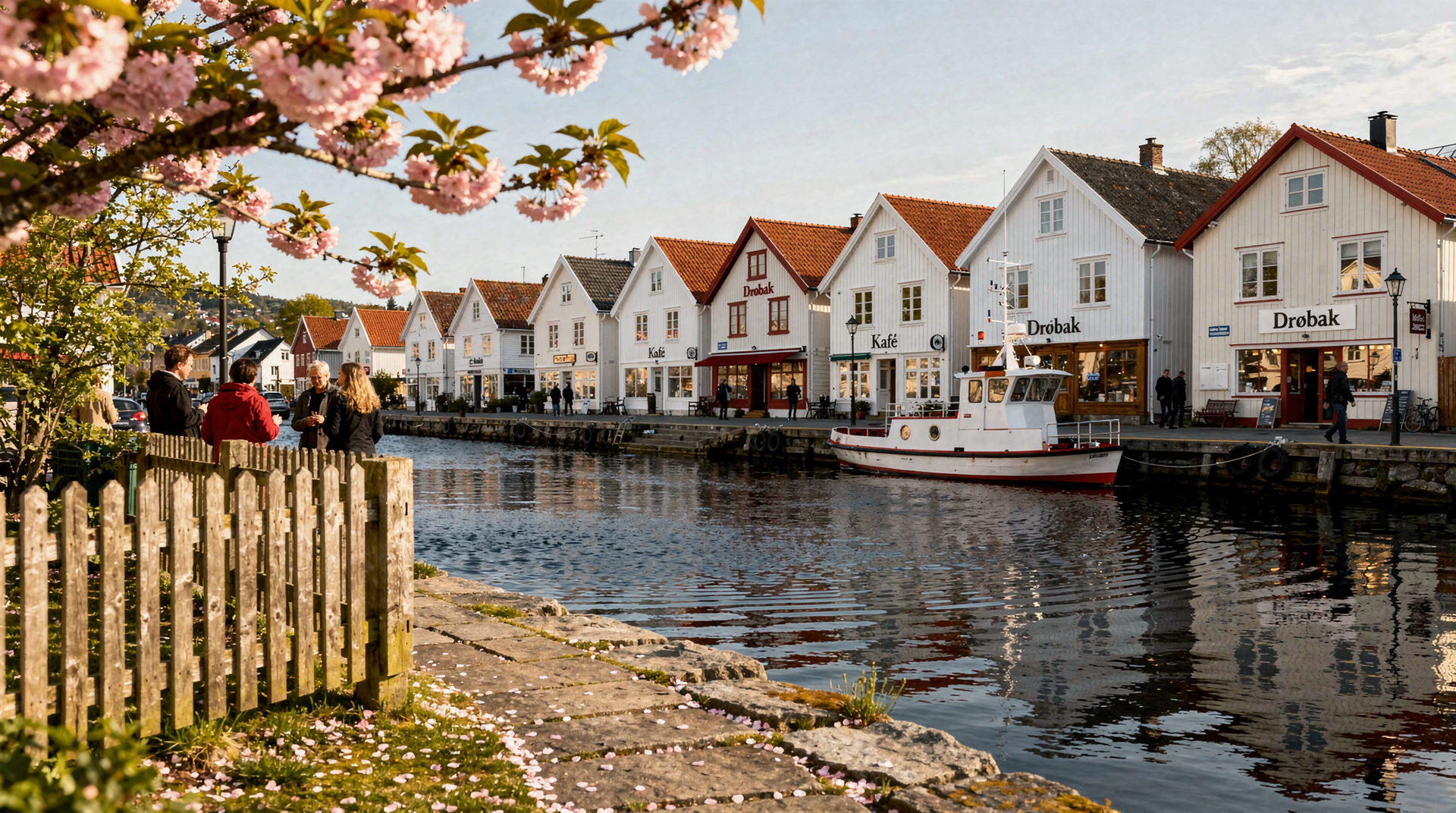
| Drøbak | ~40 min each way | Small coastal town, Christmas House, short outing |
| Bergen | Full day / overnight | Fjord scenery, requires more time commitment |
If your schedule allows only a half-day, Drøbak or Fredrikstad make more sense. Lillehammer requires committing a genuine full day given the 4-hour round-trip journey, so it’s best reserved for visitors with a specific interest in the Olympics or folk museums rather than a default day-trip choice.
Booking tips and seat selection
Vy’s advance fares release roughly 90 days ahead and get progressively more expensive as the departure date approaches, so booking as soon as your dates are fixed is the single biggest cost saver on this trip. Window seats on the right-hand side heading north give the best views of Lake Mjøsa in the final 30–40 minutes of the journey. Vy trains have a café car serving coffee, sandwiches and snacks — reasonably priced by Norwegian standards — useful if you skip breakfast for an early departure. Wifi on board is generally reliable, useful for checking the Olympic Park’s current opening hours or booking a same-day bobsled slot if you decide on the train.
Weather and what to wear
Lillehammer’s inland valley location means noticeably colder winters and warmer summer days than coastal Oslo — expect a 2–4°C difference in either direction depending on season. In summer, light layers are sufficient for the Maihaugen walk and town centre, but the exposed ski jump viewing platform can be windy even on a warm day, so bring a light jacket. In winter, dress as you would for genuine Norwegian winter conditions: insulated boots, a proper coat, and gloves, since the Olympic Park’s outdoor areas involve standing around in the cold rather than continuous movement.
Combining Lillehammer with the Bergen railway route
For travellers continuing on to Bergen by train rather than returning directly to Oslo, Lillehammer sits on a different line (the Dovrebanen toward Trondheim) than the Bergen railway (which runs via Hallingdal and Myrdal). The two routes diverge at Oslo, so Lillehammer cannot easily be combined with a Bergen journey on the same day — treat it as a separate excursion rather than a stopover en route to the west coast.
Fitting Lillehammer into your wider Oslo plan
A full day away from the capital is a real commitment, so it helps to decide where it sits in your stay. If you are still working out the length of your trip, the guide on how many days in Oslo shows what a longer stay makes room for, and the 3-day itinerary or 4-day itinerary are the natural places to slot an excursion like this one.
Lillehammer suits travellers who enjoy museums and open-air history. If that is you, the Norsk Folkemuseum guide is a useful comparison before you decide which folk museum deserves your time, and the Holmenkollen guide covers Oslo’s own ski jump if you want to see how the two Olympic-era hills compare.
Winter visitors can pair the trip with the Oslo winter activities guide, and anyone watching their budget should read Oslo on a budget before adding museum entries, a chairlift and a train fare to the same day. For the practical side of arriving back in the capital in the evening, the Ruter public transport guide explains how to get from Oslo S to your accommodation.
Frequently asked questions about Lillehammer day trip from Oslo
Is Lillehammer worth visiting on a day trip from Oslo?
Yes, if you have a specific interest in Olympics history, Norwegian folk culture, or winter sports culture. The ski jump views are genuinely dramatic, the Maihaugen folk museum is one of Norway's best, and the town is pleasant. It's a longer day than Drøbak or Fredrikstad, but the combination of venues and town gives enough for a full day.Can you ride the Lillehammer bobsled in summer?
Yes — the Hunderfossen bobsled track near Lillehammer operates summer bob sessions (a wheeled sled on the original track). This is a significant summer thrill activity and popular with visitors. Separate ticket; book in advance during July–August. Check the Lillehammer Olympic Park website for current session times and availability.What is Maihaugen?
Maihaugen is Norway's largest open-air museum, located 1.5 km from Lillehammer town centre. It contains 185 historic Norwegian buildings relocated from across the Gudbrandsdalen valley, plus a significant indoor collection. The museum is larger and more comprehensive than Norsk Folkemuseum in Oslo. Open year-round; summer is best for outdoor areas and demonstrations.What can you see from the Lillehammer ski jump?
The Lysgårdsbakkene ski jump in the Olympic Park has a viewing platform accessible by foot or chairlift. From the top, you see Lillehammer town and Lake Mjøsa below. In winter it's a ski jump; in summer it's a viewpoint. The descent from the jump ramp (180 metres) is visible from the bottom — the sense of scale is more dramatic than photographs convey.Is Lillehammer good for children?
Good for children aged 8+, especially those interested in sports. The ski jump viewing platform, summer bobsled rides, and Maihaugen's outdoor spaces work well for older children. For younger children (under 6), the 2-hour train journey is long and the activities are less immediately engaging than Oslo's closer alternatives.
Top experiences
Bookable activities with verified prices and instant confirmation on GetYourGuide.
Oslo: Oslo Pass with public transport and free museum entry
- Instant confirmation
- Free public transport
- Skip museum queues
Oslo: guided sightseeing fjord cruise on a premium silent electric boat
- Silent electric boat
- Free cancellation
- Best seller
Oslo: guided walking tour of central Oslo with a local guide
- Local guide
- Small group