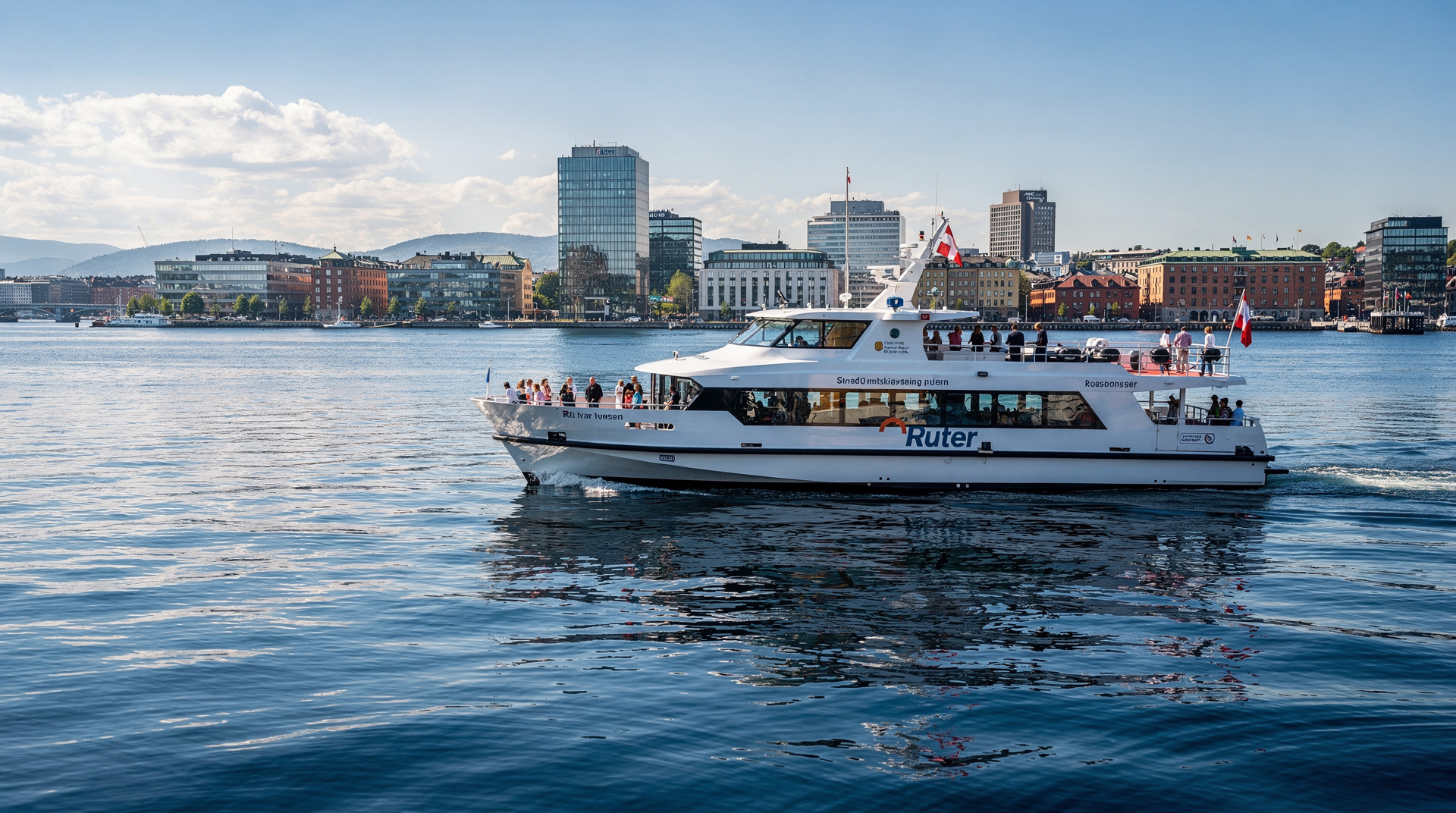
Drøbak day trip from Oslo: fjord town, Oscarsborg and the Christmas House
From Oslo: Drøbak and Oscarsborg Fortress day trip
Duration: Full day
- Fjord cruise
- Historic fortress
How do you get to Drøbak from Oslo?
Bus 500 from Oslo Bussterminal (Jernbanetorget/Oslo S) to Drøbak. Journey approximately 50 minutes. Covered by Ruter (check zone — Drøbak is in zone 2; you may need a zone-extension ticket beyond a standard inner-city fare). Buses run roughly hourly. No booking needed.
The fjord town with a WWII story
Drøbak is one of those places that rewards visitors who get beyond the tourist brochure summary. The brochure version is: “charming fjord town, Christmas House, painted wooden houses, 50 minutes from Oslo.” All true. The deeper version adds: a fortress in the middle of the fjord that sank a Nazi heavy cruiser on the first night of the German invasion, giving the Norwegian royal family and government 10 critical hours to escape north. A World War II story as dramatic as anything in Norway, playing out on an island you can reach by a 5-minute boat crossing.
Drøbak is small enough to explore thoroughly in a day and interesting enough to deserve the attention. It’s also significantly less visited by international tourists than the fjord destinations to the north and west — you’ll share Drøbak mostly with Norwegian day-trippers and residents rather than tour groups.
| Where | Drøbak, Oslofjord’s western shore |
| Cost | Bus ~NOK 58–65; fortress entry ~NOK 100–140 |
| Time needed | Half-day to full day |
| Getting there | Bus 500 from Oslo Bussterminal, ~50 min |
| Best time | June–August for swimming; year-round for the town and fortress |
Getting there: Bus 500 from Oslo
Bus 500 departs from Oslo Bussterminal beneath Oslo S station (Jernbanetorget) and runs south along the Oslofjord’s western shore, passing Ingierstrand and reaching Drøbak in approximately 50 minutes. The bus runs roughly hourly throughout the day; check the Ruter app for the current schedule.
Ticket note: Drøbak is in Ruter zone 2. A standard inner-city single ticket (zone 1) does not cover the full journey. You need either a zone 1-2 ticket (approximately NOK 58–65 / USD 6–7 on the Ruter app) or the combination Vy/Ruter day pass that covers the extended zone. Check the Ruter app for the current fare to “Drøbak sentrum” — the app calculates the correct zones automatically when you enter the destination.
The bus journey is pleasant — the road runs close to the fjord for much of the route, with open water views on the right side (sit on the right side southbound). The Ingierstrand stop (about 15 minutes from Oslo) passes the art deco beach if you want to break the journey for a swim on the way back.
Return buses: The last evening bus from Drøbak runs at approximately 11pm on weekdays and slightly earlier on Sundays — check the exact last departure time in the Ruter app before setting out.
Drøbak town: what to see
The town centre is compact and best explored on foot. The main strip, Niels Carlsensgate, runs parallel to the fjord through a sequence of 18th and 19th-century wooden houses in yellows, reds, and whites — well-maintained, genuinely historic rather than reconstructed.
The Julehuset (Christmas House)
The Julehuset at Niels Carlsensgate 6 is the main visitor draw and a year-round Christmas shop occupying a traditional wooden building. The interior is elaborately decorated for Christmas throughout the year — gnomes, wooden ornaments, Advent calendars, Norwegian Christmas traditions. The shop has been here since 1993 and is identified by Visit Norway as one of Norway’s official Christmas destinations.
It’s charming for families with young children and will feel commercial and slightly repetitive to adults visiting without children. Allow 30–45 minutes for a browse and a purchase; the genuinely Norwegian Christmas items (the carved wooden nisse figures, traditional straw stars, Norwegian flag decorations) are a better souvenir than the generic tourist shop versions in Oslo.
The town bakeries and cafés
Drøbak has several good traditional cafés along the main street. Doktorens Kjøkken (The Doctor’s Kitchen) near the waterfront is consistently well-regarded for its smørbrød and cakes. Kvitfjell (further along the main street) has outdoor seating in summer. For a town of its size, the café quality is higher than the tourist-destination baseline — the local customer base keeps standards up.
The Follo Museum
The small Follo Museum on the main street has a permanent collection covering local history from the Stone Age through the 20th century. Worth 30–45 minutes for history enthusiasts; skip for those primarily interested in the fortress and beach.
Oscarsborg Fortress: the serious reason to come
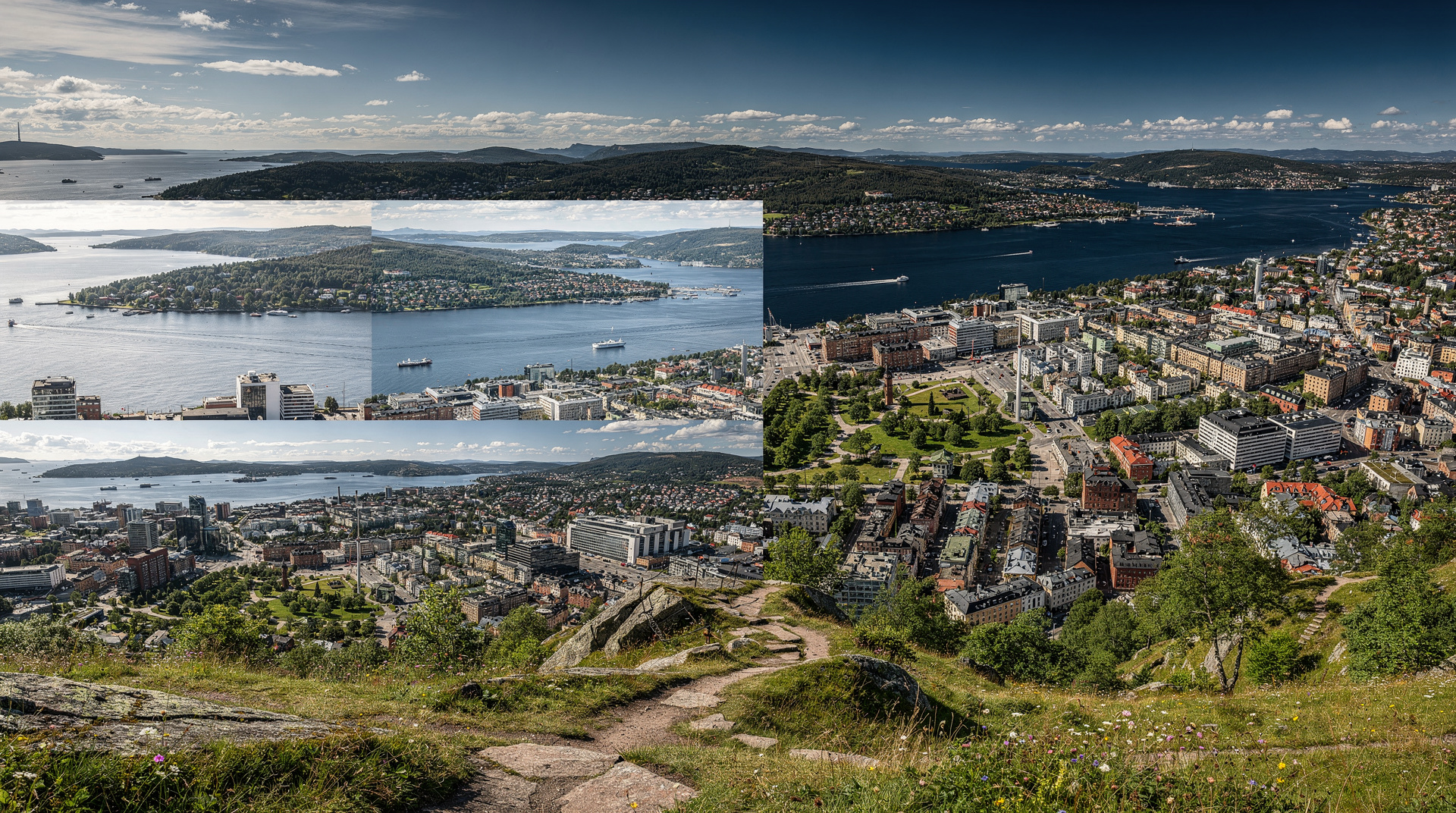
Oscarsborg Fortress (Oscarsborg festning) sits on a small island in the middle of the Drøbak Sound — the narrowest point in the Oslofjord. From the Drøbak waterfront you can see it clearly: a circular ring fortress with dark towers above the waterline.
The fortress was built in the 1840s–1860s on the site of earlier fortifications dating to the medieval period. Its purpose: to defend Oslo from naval attack through the Drøbak Sound. On 9 April 1940, that purpose was tested.
At 4:20am on the first morning of the German invasion of Norway, the heavy cruiser Blücher — flagship of the German invasion fleet, carrying the Gestapo and administrative personnel intended to immediately occupy Oslo — entered the sound in the dark. Oscarsborg fired three artillery shells and two torpedoes at point-blank range. The Blücher sank with over 800 casualties. It remains at the bottom of the fjord.
The delay the sinking caused — approximately 10 hours — gave the Norwegian royal family, the government, the Storting (parliament), and Norway’s gold reserves enough time to evacuate Oslo. King Haakon VII refused to abdicate under German pressure from a farmhouse north of Oslo, broadcasting a defiance that galvanised Norwegian resistance. The event is one of the most consequential moments in Norwegian history, and it happened here.
The fortress museum is excellent — not large, but specific and well-curated, with the torpedo room (the actual Whitehead torpedoes that sank the Blücher are on display), personal accounts from the crew, photographs, and the broader context of Norway’s April 1940 campaign.
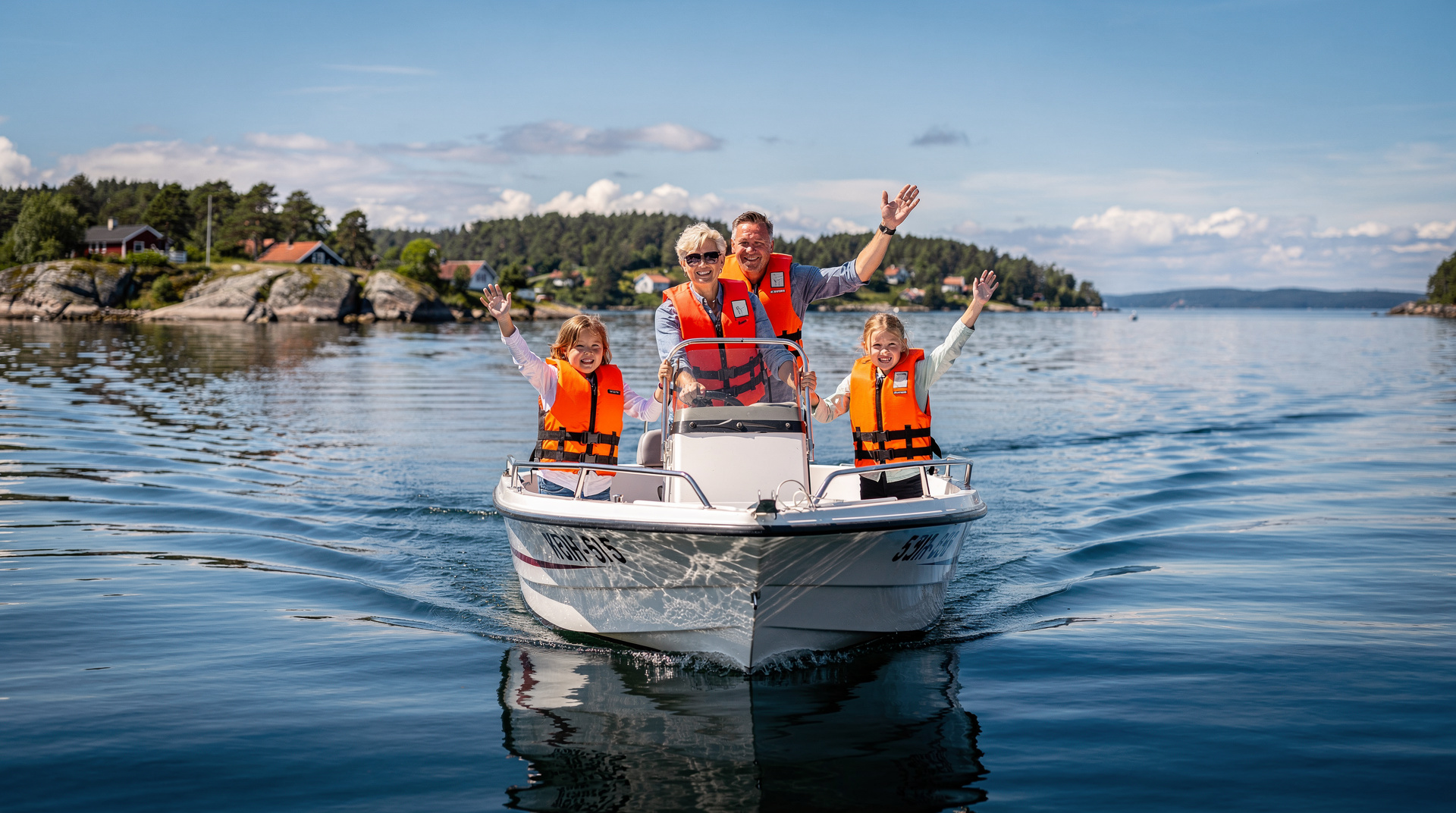
Getting there from Drøbak pier: A small passenger ferry runs to the island several times daily in season. The crossing is 5 minutes; the ferry runs on a fixed schedule posted at the pier. Cost: approximately NOK 30–50 (USD 3–5) return (check at the pier for current fares — cash or card accepted).
Fortress entry: Museum entry is approximately NOK 100–140 (USD 11–15) adults; reduced for children. Check current rates at the ticket desk on arrival.
Time needed: Allow 90 minutes for the museum and a walk around the fortress. Combined with the ferry crossing, plan for 2 hours for the Oscarsborg portion of the day.
The beach and swimming
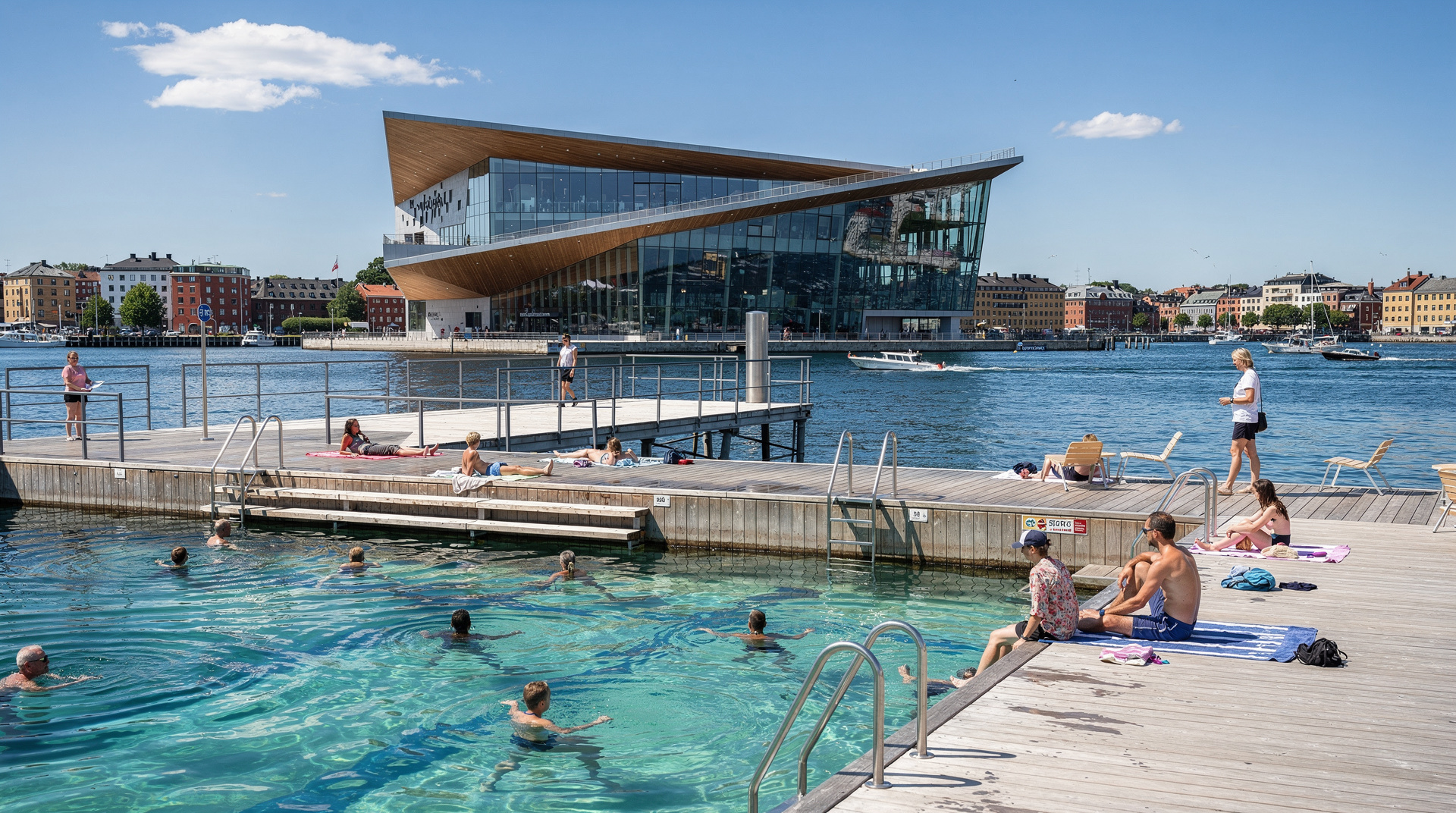
Drøbak has a small public beach, Drøbak beach, approximately 5 minutes walk north of the main street. It’s a proper fjord swimming beach — not extensive, but real: clean water, a sandy/pebbly shore, gradual entry suitable for children, and views across the fjord to Oscarsborg and the eastern shore.
Swimming season: June through August; water peaks at 18–21°C in July. The beach has a small changing area but no lifeguard. A snack kiosk operates in season.
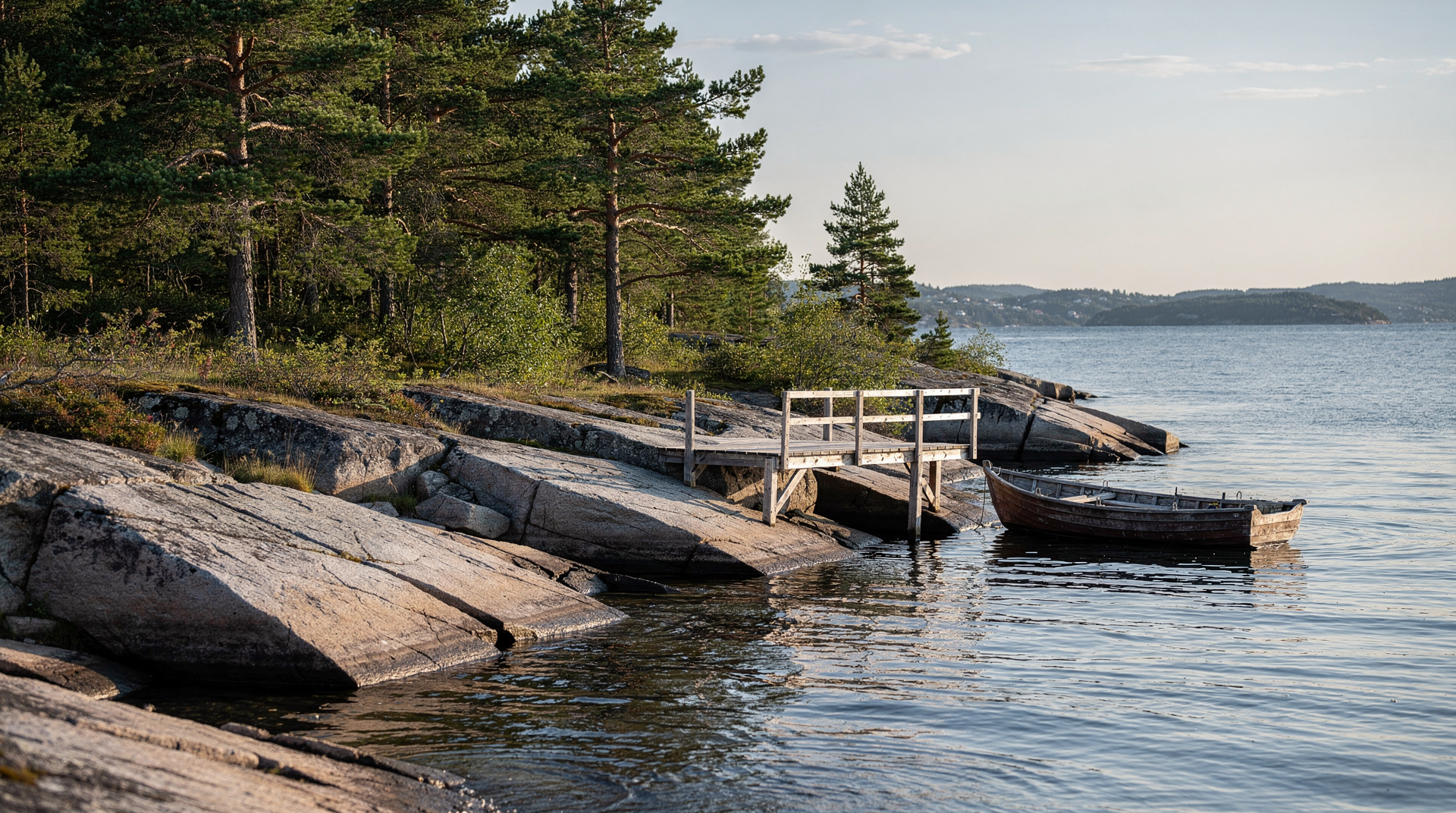
Drøbakøya: A small rocky island is accessible from the beach at low tide by wading across a shallow channel (knee-deep on most adults). The island extends the swimming and sunbathing area and gives views back to the town. Children love crossing to it; return before the tide rises.
A full day plan for Drøbak
9:00am: Bus 500 from Oslo Bussterminal toward Drøbak. Arrive approximately 9:50am.
10:00–11:00am: Walk the main street, Niels Carlsensgate. Browse the Julehuset; pick up coffee and a pastry at one of the cafés.
11:00am–1:30pm: Ferry to Oscarsborg Fortress. Museum and fortress walk. Return to Drøbak pier.
1:30–2:30pm: Lunch at a town café. Try the smørbrød or a bowl of shrimp.
2:30–4:30pm: Beach and swimming at Drøbak beach. Optional: cross to Drøbakøya.
4:30pm: Browse the town; ice cream. Head to the bus stop.
5:00pm: Bus 500 back to Oslo. Arrive Oslo S approximately 5:50pm.
This schedule leaves a full Oslo evening free. Adjust for your preference — the fortress can occupy the afternoon if you’re more interested in history than swimming.
Half-day version
If you’re combining Drøbak with Oslo city activities, a half-day works well: take the 10am bus (arrive ~10:50am), do the Julehuset and town walk, have lunch, return on the 2:30pm bus (arrive ~3:20pm). The Oscarsborg Fortress doesn’t fit a half-day comfortably unless you arrive early; prioritise it on a full-day visit.
Practical details
Getting back: Bus 500 from Drøbak sentrum bus stop (visible from the main street). The stop is near the pier. Check the Ruter app for return times before leaving Oslo — missing the last bus means a taxi or an extended wait.
Where to eat: The main street cafés handle lunch well (NOK 180–280 / USD 19–30 for a meal). The fortress has a seasonal café. Pack snacks and water for the beach if you prefer.
Toilets: Available at the pier, the Julehuset building, and Oscarsborg Fortress.
Weather: Drøbak sits in an open fjord position and is exposed to wind. Bring a light layer even in summer — the boat crossing and the beach can be breezy.
Combining with Ingierstrand: The Bus 500 stops at Ingierstrand (about 15 km before Drøbak). For a summer day combining a beach and a town visit, alight at Ingierstrand for a swim on the way south or the way back. Check departure times from Ingierstrand in the Ruter app to ensure you can connect.
The day trips guide puts Drøbak in context with Oslo’s other day trip options. The swimming spots guide covers how Drøbak beach compares with Oslo’s own fjord swimming. For the full fjord geography context, see the Oslofjord destination guide.
Drøbak vs Oslo’s other easy day trips
If you’re deciding between Drøbak and Oslo’s other popular day trips, here’s how it compares:
| Destination | Travel time | Best for | Car needed? |
|---|---|---|---|
| Drøbak | ~50 min bus | WWII history + fjord town + beach | No |
| Nesodden | ~25 min ferry | Quick nature escape, less to see | No |
| Fredrikstad | ~1 hour train | Old Town fortress architecture | No |
| Lillehammer | ~2 hours train | Winter Olympics history, mountains | No |
Drøbak has the edge for variety in a single day — few other Oslo day trips combine a genuine WWII story, a swimming beach, and a charming town centre this compactly.
Combining Drøbak with Nesodden
If you have more than one day for excursions, Drøbak and Nesodden make a good pairing across two separate half-days rather than trying to combine them in one — they’re on opposite sides of the inner Oslofjord and not efficiently linked by public transport to each other. Treat them as separate outings, each worth 4–6 hours.
Fitting Drøbak into the rest of your Oslo trip
Drøbak works best as a change of pace between city days. If you are still sketching your plan, the Oslo in 3 days itinerary and the Oslo and Oslofjord islands day show where an out-of-town outing sits comfortably, and how many days in Oslo helps you decide whether you can spare one for the fjord shore.
The history at Oscarsborg pairs naturally with what you see in the capital. The Akershus Fortress guide covers the other great defensive site of the city, and the Norwegian Folk Museum guide fills in the wider story of how Norwegians lived. If the wartime chapter grabs you, Viking Planet is a good counterpoint from a much earlier era.
Travelling with children is where Drøbak shines, so the Oslo with kids guide and the family fjord activities guide are natural companions. For other ways onto the water, the Oslofjord ferries guide explains the boats that link the city with the islands, and the Oslofjord cruises overview compares the longer options if you would rather see the fjord from a deck.
Budget matters in Norway, so a quick look at the Oslo public transport guide will make the zone and ticket question simpler, and the free things to do in Oslo page offers ideas for the days around your excursion. If you want more variety, fjord day trips from Oslo lists further outings.
Frequently asked questions about Drøbak day trip from Oslo
Is Drøbak worth visiting?
Yes, for a half-day to full day escape from Oslo. The combination of the compact wooden-house town, the Oscarsborg Fortress (significant WWII history), the fjord beach, and the Julehuset Christmas House makes it one of the most varied easy day trips in the Oslo region. Particularly good for families and history enthusiasts.What is the Julehuset in Drøbak?
Julehuset is a year-round Christmas shop and exhibition in Drøbak's main street. It sells Norwegian Christmas decorations, traditional *nisse* (gnomes), and festive items and presents itself as the home of Father Christmas in Norway. It has been a family visitor attraction since the 1990s. Open year-round, though the atmosphere is most aligned with summer visitors and December.How do you get to Oscarsborg Fortress from Drøbak?
A small passenger ferry runs from Drøbak pier to Oscarsborg island, approximately a 5-minute crossing. The ferry runs several times daily in season (May–September) and costs NOK 30–50 (USD 3–5) return — check current prices at the pier. No booking needed for the ferry, but the fortress museum entry is separate.Can you swim at Drøbak?
Yes — Drøbak has a small public beach near the town centre with safe fjord swimming from June through August. The water is clean and the beach is shallow enough for children. There's also a small island accessible at low water (Drøbakøya) that extends the beach area. Not a large sandy beach, but a pleasant fjord swimming spot.Is Drøbak suitable for children?
Yes — one of the best family day trips from Oslo. The Julehuset is specifically appealing to young children; the Oscarsborg Fortress has excellent WWII content for older children and teenagers; the beach is safe for swimming. The town is small and pedestrian-friendly.How long should you spend in Drøbak?
A half-day (4–5 hours including travel) covers the town and Julehuset. A full day adds Oscarsborg Fortress, beach swimming, and a long lunch. Most visitors find 5–6 hours in the town and fortress satisfying, allowing return to Oslo for evening.
Top experiences
Bookable activities with verified prices and instant confirmation on GetYourGuide.