Oslo — Norway's fjord capital
Complete Oslo travel guide: districts, costs, fjord saunas, museums, transport — honest advice for every budget.
Oslo: Oslo Pass with public transport and free museum entry
Duration: 24-72 hours
- Instant confirmation
- Free public transport
- Skip museum queues
Quick facts
- Best time to visit
- May–September (peak summer) or December–March (winter sports)
- Days needed
- 3–5 days for a solid visit
- Getting there
- Flytoget from Gardermoen (19 min) or Vy regional train (25–30 min, cheaper)
- Budget per day
- NOK 950–2 500 (USD 100–270) depending on your style
Why Oslo surprises almost every visitor
Oslo does not work hard to seduce you. There are no neon skylines, no ancient ruins spilling onto pedestrian squares, no budget-airline hordes clutching selfie sticks at every corner. What the Norwegian capital offers instead is something quieter and, for many travellers, ultimately more satisfying: a compact, walkable city where the fjord comes right up to the doorstep, where world-class museums sit beside free-entry sculpture parks, and where a floating sauna session at dusk is a perfectly normal Tuesday evening in summer.
Let us be honest upfront: Oslo is one of the most expensive cities in Europe. A sit-down lunch will cost NOK 200 to 350 (USD 21–38). A pint of craft beer is NOK 100 to 130 (USD 11–14). A taxi across the city centre runs NOK 200 or more. If you are travelling on a shoestring, Oslo demands careful planning — but it is absolutely doable, especially with free attractions like Vigeland Park, free access to the Opera House roof, and a city riddled with walking trails.
What this guide does is walk you through every Oslo neighbourhood, explain the transport system, give you realistic budgets by travel style, flag the tourist traps, and link to the deeper guides for each corner of the city. Think of it as your orientation before you start planning the details.
| Where | Head of the Oslofjord, southeast Norway |
| Getting there | Flytoget from Gardermoen (19 min) or Vy regional train (25–30 min, cheaper) |
| Time needed | 3–5 days for a solid visit |
| Cost | NOK 950–2 500/day (USD 100–270), depending on style |
| Best time | May–September for the fjord and city life; December–March for winter sports |
Understanding Oslo’s districts
Oslo sits at the head of the Oslofjord, flanked by forested hills called the Marka. The city is small enough to cycle across in under an hour, but each district has its own character.
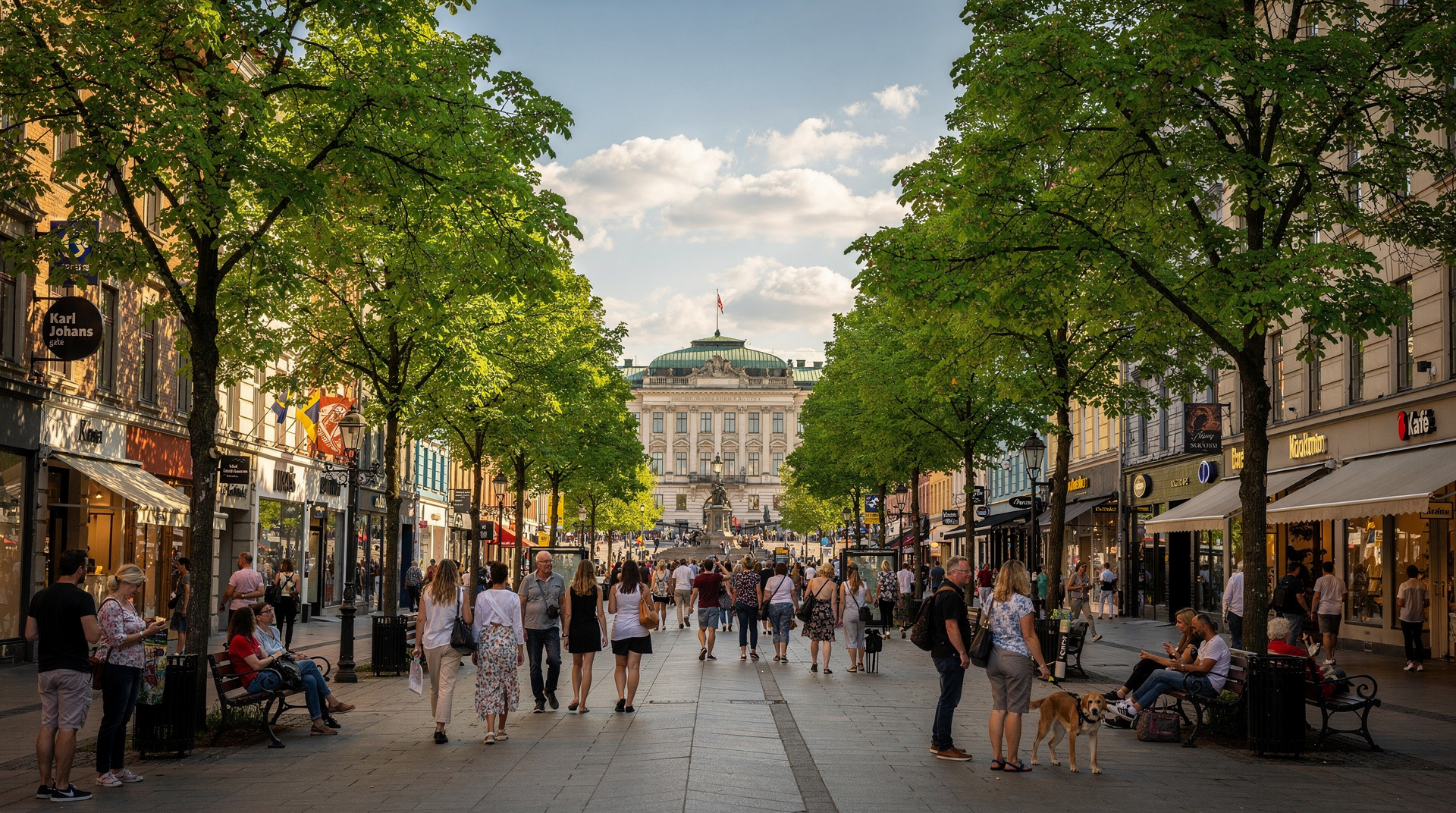
Sentrum (city centre) is the commercial and civic heart: Karl Johans gate runs from Oslo Central Station to the Royal Palace, lined with department stores, the National Theatre, and parliament. Much of what tourists tick off in a day sits within walking distance of this axis. For depth, read our Sentrum & Karl Johans gate guide.
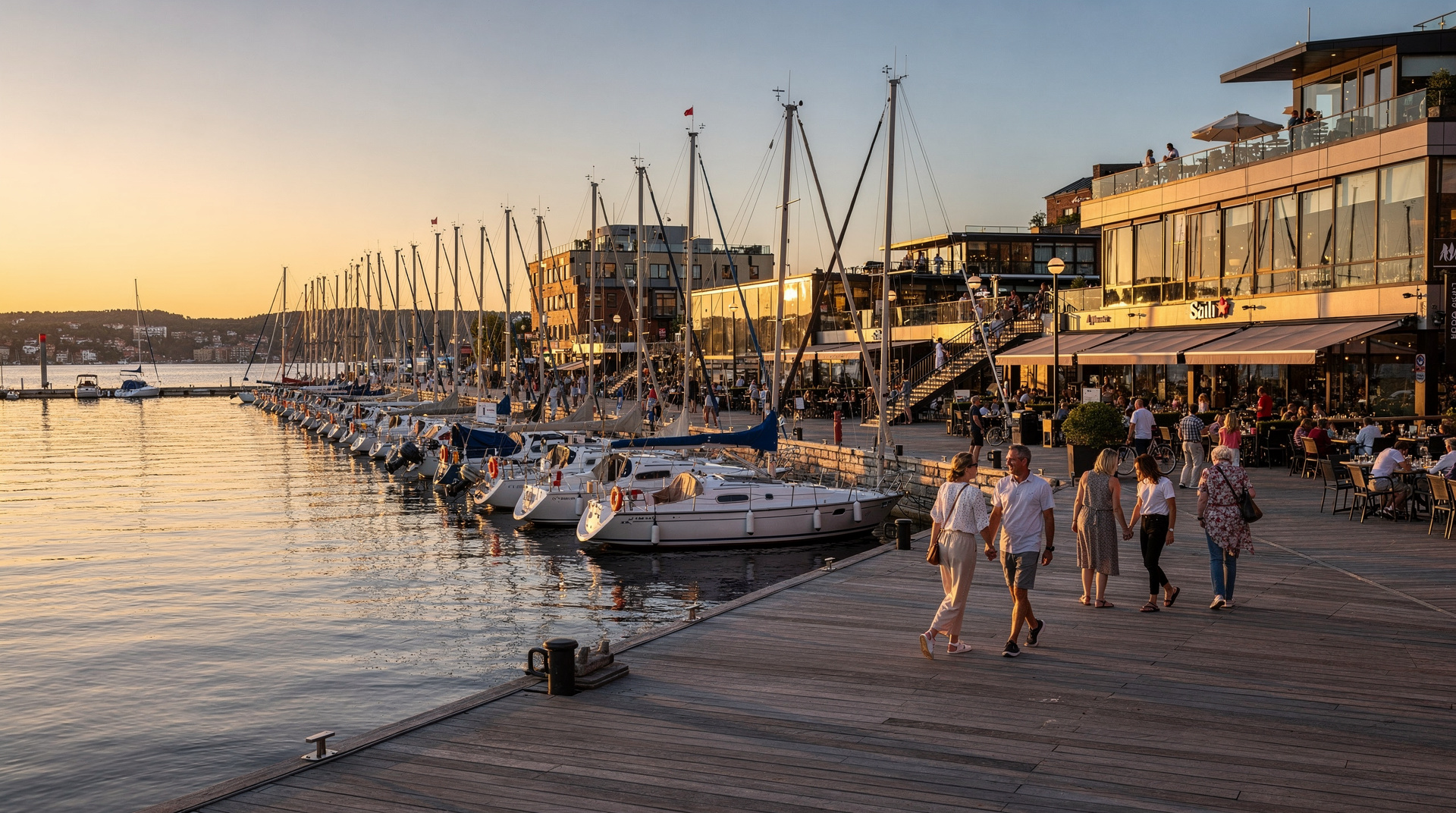
Aker Brygge and Tjuvholmen form Oslo’s gentrified western waterfront. Former shipyard buildings now house restaurants, galleries, and the Astrup Fearnley Museum of Modern Art. This is also where you catch the summer ferry to Bygdøy and where Oslo’s famous floating saunas are moored. Our full guide covers Aker Brygge and Tjuvholmen in detail.
Bygdøy is the museum peninsula to the southwest — home to the Fram Museum, Kon-Tiki Museum, and the Norsk Folkemuseum open-air village. Note that the Viking Ship Museum is closed for a major renovation and will not reopen until approximately 2027. For Viking content in the meantime, the Viking Planet and the Historical Museum in Sentrum are your best alternatives.
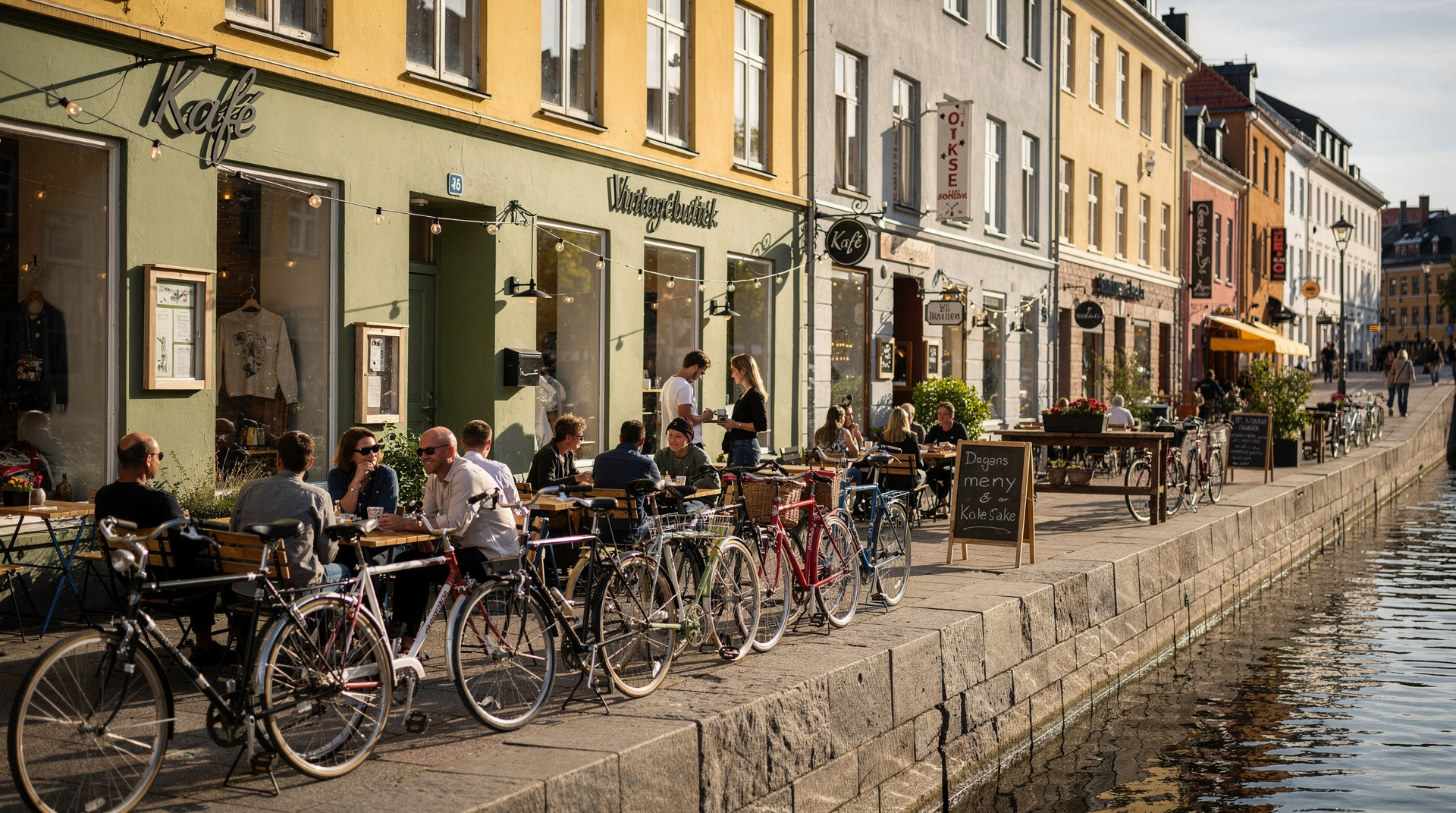
Grünerløkka is Oslo’s hip, creative east-side neighbourhood: vintage shops, specialty coffee roasters, independent galleries, and the best street-food scene in the city. Spend a half-day here and you will understand why locals are fiercely attached to it. See the Grünerløkka guide.
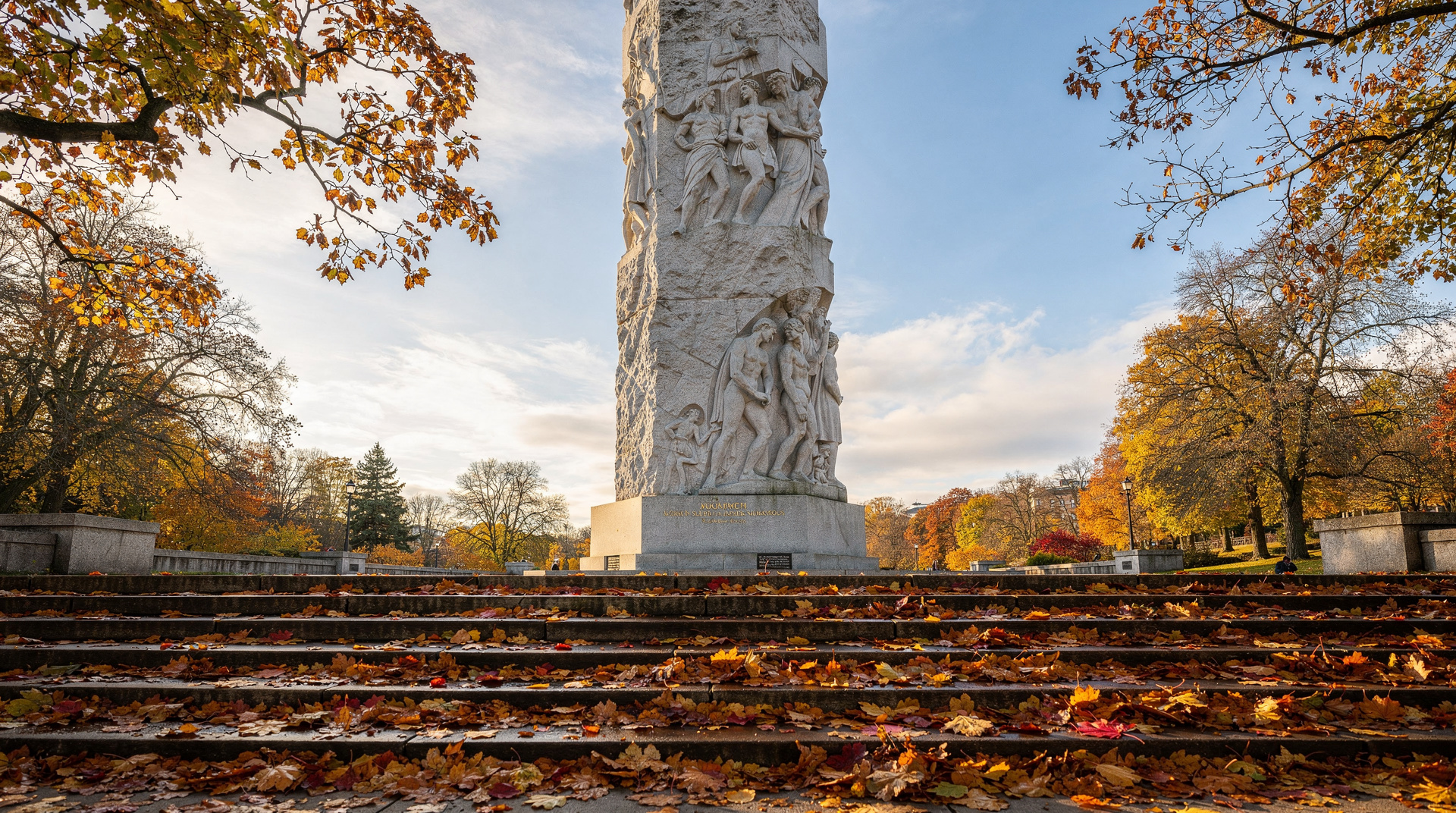
Frogner is the city’s elegant west end, home to Vigeland Park — the largest sculpture installation by a single artist in the world, entirely free to enter, open around the clock. Frogner’s wide streets are lined with early-twentieth-century apartment buildings, embassies, and upscale restaurants. Full details at Frogner and Vigeland Park.
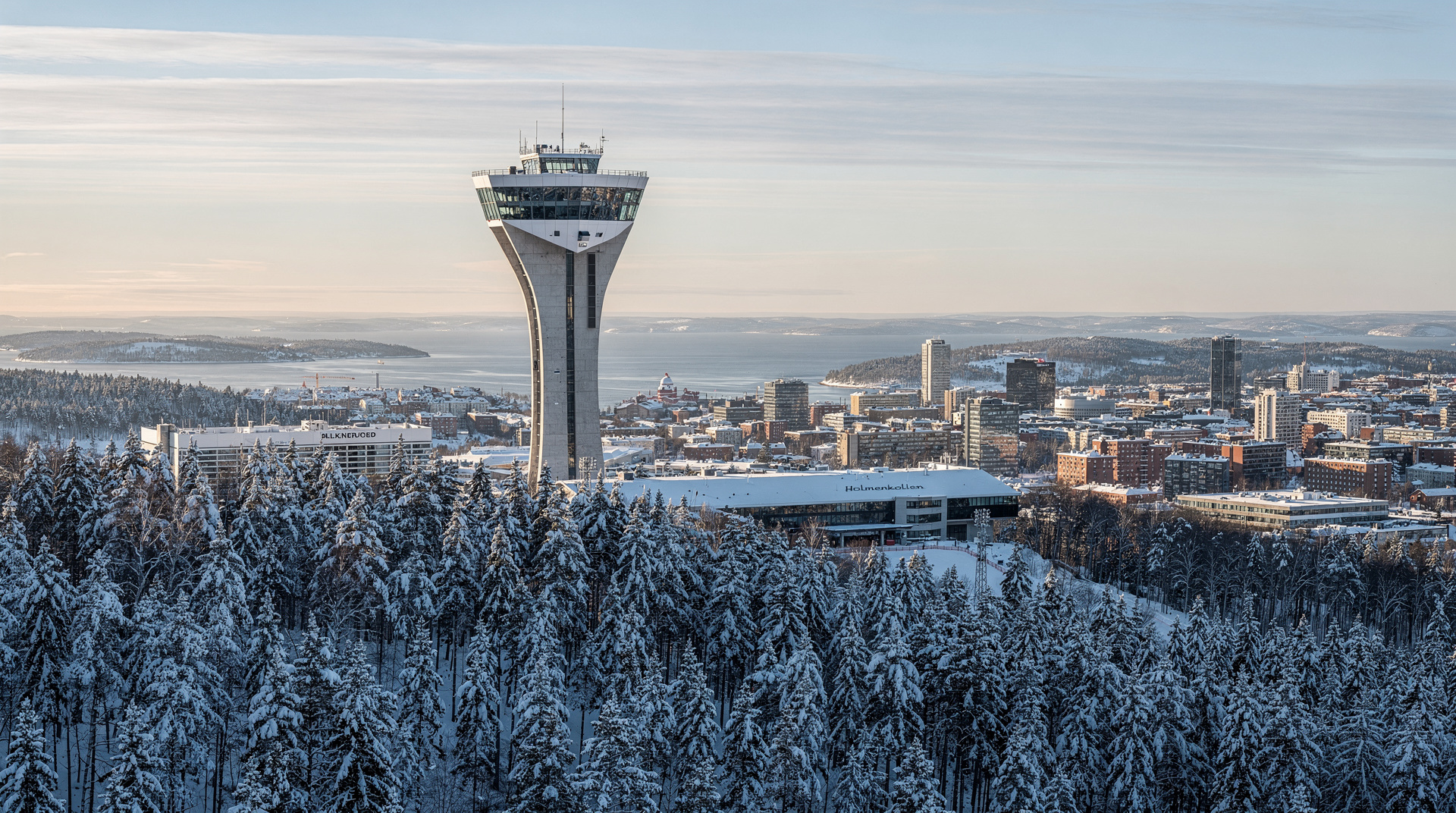
Holmenkollen sits high in the forested hills above the city. The iconic ski jump is visible from the fjord on clear days. A short T-bane (metro) ride from the centre brings you to panoramic views, ski trails, and the Ski Museum. Read the Holmenkollen guide.
Grønland and Tøyen form Oslo’s most multicultural district, east of the centre: Pakistani, Somali, and Middle Eastern shops and restaurants, the Botanical Garden, and — just to the south in Bjørvika — the striking new Munch Museum. This is where you eat well without destroying your budget. Our guide covers Grønland and Tøyen.
Bjørvika is Oslo’s newest urban district, shaped by the Opera House (2008) and the Barcode skyline. The Deichman Bjørvika public library and the Munch Museum both opened here in 2020. Full coverage at Bjørvika and the Opera House.
Choosing a district to base yourself in
| District | Best for | Trade-off |
|---|---|---|
| Sentrum | First-timers, sights within walking distance | Tourist-priced restaurants near Oslo S |
| Grünerløkka | Value, food, local atmosphere | 10–15 minutes by tram from the centre |
| Aker Brygge/Tjuvholmen | Waterfront, saunas, National Museum | Premium pricing on the harbourfront |
| Grønland/Tøyen | Budget eating, multicultural food scene | Fewer polished tourist amenities |
| Frogner | Elegant streets, Vigeland Park on your doorstep | Quieter evenings, further from nightlife |
For a deeper comparison of Sentrum against the cheaper, more local alternative, see the Sentrum guide’s honest base-yourself verdict.
Getting to Oslo
From Oslo Gardermoen Airport (OSL)
The airport sits about 47 km north of the city centre. Your main choices:
Flytoget (Airport Express Train): departs every 10 minutes, reaches Oslo S (Central Station) in about 19 minutes. Adult single NOK 230 (USD 25). Fast, reliable, dedicated trains. Note: Flytoget is scheduled to merge into the Vy regional network by late 2027; for now it operates independently.
Vy regional train (R10/R11): takes 25 to 30 minutes, costs around NOK 130 to 150 (USD 14–16) depending on the fare class. Slower but fine for most travellers; you can use your Ruter card for the Oslo portion but need a separate Vy ticket for the airport leg.
Bus (Flybussen): around 40 to 50 minutes to the city centre, NOK 180 to 250 (USD 19–27). Useful if you have lots of luggage and are staying in the western suburbs.
Taxi: around NOK 700 to 900 (USD 75–97) — only sensible if you are splitting the cost in a group or arriving very late at night.
For a thorough breakdown, see Oslo airport to city centre: all options compared.
Getting around Oslo
Oslo’s public transport system is called Ruter and it is one of the best in Europe. A single-journey ticket costs NOK 42 (USD 4.50) and covers all modes — bus, tram, T-bane (metro), ferry, and local trains — for 90 minutes. Buy via the Ruter app or at ticket machines; paper tickets at kiosks cost NOK 55 (USD 6). The 24-hour ticket (NOK 130 / USD 14) pays off quickly if you plan more than three trips in a day.
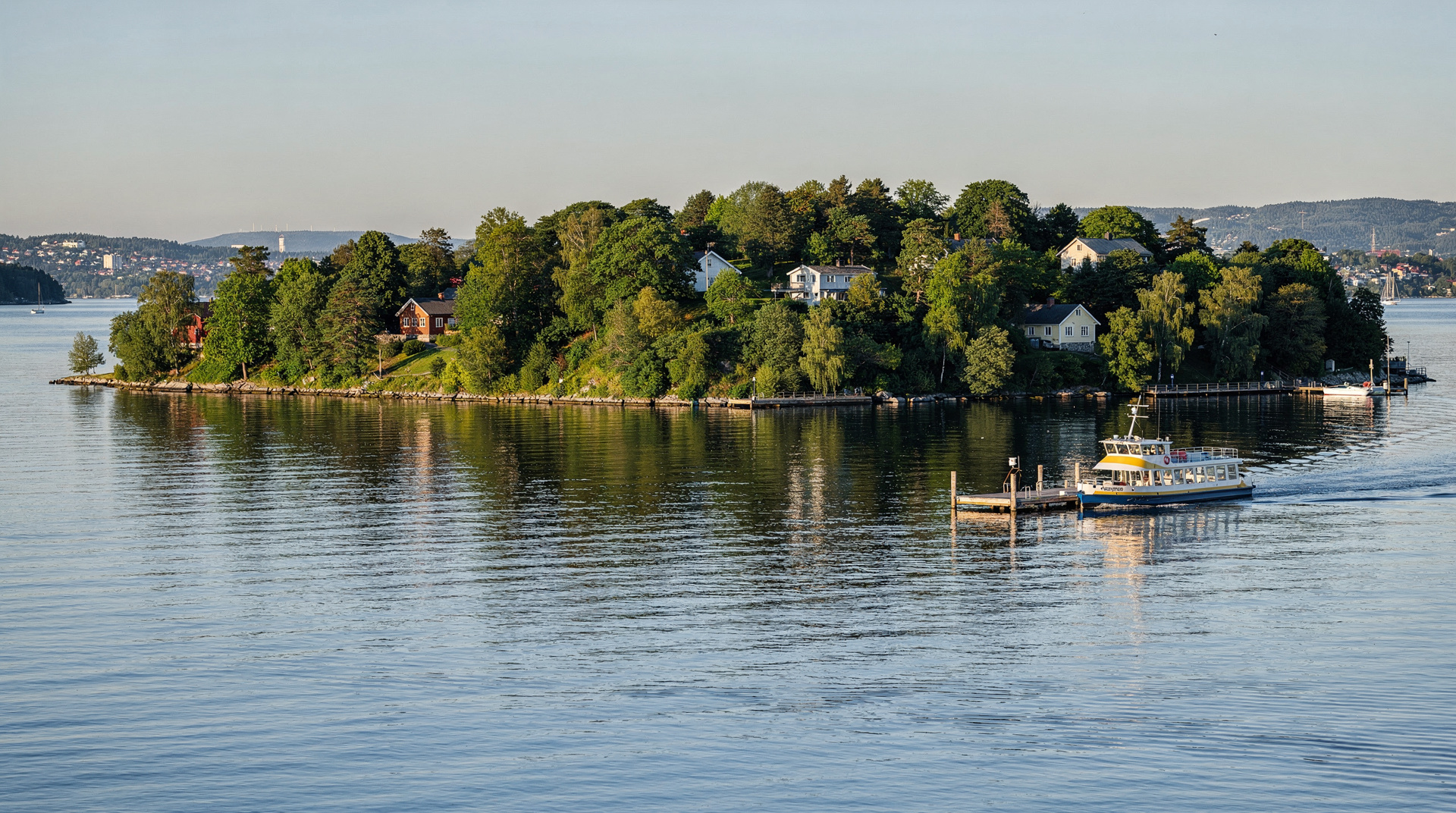
Key lines to know: T-bane line 1 goes from the city centre to Holmenkollen and Frognerseteren in about 30 to 35 minutes. Tram 12 connects Majorstuen (near Vigeland Park) with the eastern neighbourhoods. Ferry route 91 runs from Aker Brygge to the Oslofjord islands in summer. Bus 30 goes from the centre to Bygdøy.
A car is unnecessary — and an active nuisance — in central Oslo. Parking is expensive and road tolls apply on most entry routes. Rent a bike instead: the city bike-share scheme (Bysykkel) costs NOK 49 per day (USD 5) via the app and the dock density is excellent.
For a full rundown, visit getting around Oslo by public transport.
Oslo Pass: is it worth it?
The Oslo Pass bundles unlimited public transport with free entry to most museums. It costs NOK 595 for 24 hours, NOK 845 for 48 hours, or NOK 1 055 for 72 hours (adult, 2026 prices). Whether it pays off depends entirely on your itinerary. If you are cramming Bygdøy museums plus the Munch Museum plus the National Museum into a 48-hour sprint, it is probably worth it. If you are spending most of your time in free parks and the waterfront, it is not. Use our Oslo Pass calculator to run the numbers, or read the honest analysis at Is the Oslo Pass worth it?
Honest budget guide
Oslo forces budget honesty. Here are realistic daily spend figures for May 2026:
Backpacker (NOK 950–1 300 / USD 100–140): hostel dorm, self-catered breakfast, one sit-down meal at a neighbourhood café, Ruter day ticket, free parks and street walking. Possible but requires discipline — alcohol and museum entry will blow this budget fast.
Mid-range (NOK 1 700–2 400 / USD 183–258): private room in a 3-star hotel or Airbnb, two restaurant meals per day, a couple of museum entries, Ruter day ticket, one paid activity. This is the sweet spot for most international travellers.
Comfortable (NOK 2 700–4 000 / USD 290–430): well-located hotel, one nicer dinner with wine, guided experiences, relaxed pace. Still not “luxury” by Oslo standards — a designer hotel and Michelin dining will push you past NOK 6 000 a day easily.
For targeted advice, see what a trip to Oslo actually costs and Oslo on a budget: real strategies that work.
When to go to Oslo
Summer (June–August)
This is Oslo’s showpiece season. The city is fully alive: terraces packed until midnight, ferries to the Oslofjord islands every half hour, open-air concerts, outdoor bathing. Oslo sits at 59.9°N — it does not get true midnight sun, but in June and early July there are only two to three hours of genuine darkness. The light at 10 pm in late June is extraordinary. Temperatures reach 20–25°C (68–77°F), sometimes higher. Book accommodation early; demand peaks in July.
One important thing to clarify: aurora borealis tours are actively marketed from Oslo. Do not buy them. Oslo is too far south to reliably see the northern lights. For aurora chasing, you need to be at least in Tromsø or the Lofoten Islands — a full day’s travel north. See our guide why you will not see northern lights in Oslo.
Autumn (September–October)
Crowds thin out, prices dip, and the Marka forests turn copper and gold. September is arguably the best month to visit: long days (10–12 hours of daylight), warm enough for fjord activities, museums quiet, accommodation available. Our Oslo in autumn guide covers the season in detail.
Winter (December–March)
Oslo transforms into a Nordic winter city. The Marka provides excellent cross-country skiing trails, the Holmenkollen Ski Festival draws international crowds in early March, and the Christmas markets are atmospheric (if brief — they typically run from late November through mid-December). Expect 6–8 hours of daylight, temperatures of -7 to 3°C (19–37°F), and a city that is genuinely quieter and cheaper. Fjord cruises and island ferries mostly do not run November through April. For specifics, see Oslo in winter: what is actually worth doing and our 3-day winter Oslo itinerary.
Spring (April–May)
The city emerges tentatively. Syttende Mai (Norwegian National Day) on 17 May is one of the best days to be in Oslo — the entire city parades in traditional dress along Karl Johans gate. Shoulder-season prices, minimal queues, and the cherry trees in Ekebergparken at their peak.
For a full seasonal overview, see best time to visit Oslo.
Oslo’s must-do experiences
Beyond the standard sightseeing circuit, these are the experiences that define Oslo for most visitors:
Floating sauna on the fjord. Oslo has several harbour saunas where you alternate between a 90°C sauna and a plunge into the fjord. This is not a tourist gimmick — it is how Osloians socialise year-round. The sauna scene at Aker Brygge and Tjuvholmen is the most central; Sørenga Sjøbad (near the Opera House) is also popular. Our floating saunas guide covers every venue honestly.
Oslofjord cruise. A silent electric boat glides out past the fortress islands, the scent of seawater replacing exhaust fumes, oystercatchers calling from the rocks. This is not a cruise-ship experience — it is a 90-minute perspective shift that makes the whole city make sense. The evening shrimp buffet cruise is a special treat.
Vigeland Park at golden hour. More than 200 bronze, granite, and cast-iron sculptures populate Frogner Park’s central axis. The Monolith — a writhing column of 121 human figures — is one of the most extraordinary pieces of public art in Europe. It is free, open 24 hours, and best experienced when the crowds thin out. Read the full Vigeland sculpture park guide.
The new Munch Museum in Bjørvika. The asymmetrical tower designed by Herreros Arquitectos holds the world’s largest collection of Munch works — more than 26 000 pieces, only a fraction on display at any time. The building’s cantilevered upper floors lean out over the fjord. Read our Munch Museum guide before visiting.
Hiking in Nordmarka. Within 30 minutes of the city centre by T-bane or bus, Oslo’s northern forest offers hundreds of kilometres of marked trails. In summer: wildflower meadows and swimming in forest lakes. In winter: lit cross-country ski tracks. Sognsvann lake is the closest and most accessible entry point — a 30-minute loop around the lake is suitable for all fitness levels. Deeper routes into Nordmarka reward multi-hour hikes with genuine solitude.
Tourist traps to avoid
Being honest matters here. The strip of restaurants along the lower half of Karl Johans gate and immediately around Oslo S cater almost exclusively to tourists — prices are 20 to 30% higher than in the surrounding neighbourhoods and quality is mediocre. Walk five minutes in any direction and you will find better food at better prices.
The Karl Johans gate souvenir shops sell the same Viking helmet and moose fridge magnet at prices that would make a Bergen shopkeeper blush. If you want quality Norwegian design or craft, head to the Grünerløkka shops or Mathallen food hall.
Alcohol is expensive everywhere in Norway (NOK 80 to 130 / USD 9–14 for a beer at a bar), but the bars in the tourist waterfront district charge at the top of that range. Vinmonopolet (the state alcohol monopoly) is actually excellent and stocks a wide range — buy wine or spirits there if you plan to drink in your accommodation.
For more, see Oslo tourist traps: what to skip and what to spend on.
Planning your time in Oslo
One day: Walk Karl Johans gate, visit the National Museum or Akershus Fortress, stroll to Aker Brygge, and take the harbour ferry to Bygdøy for an afternoon at the Fram or Kon-Tiki Museum. Our 1-day Oslo itinerary organises this efficiently.
Two to three days: Add Grünerløkka, the Munch Museum, Vigeland Park, and a morning fjord cruise or sauna session. See the 2-day and 3-day itineraries.
Four to five days: Day-trip to the Oslofjord islands, ride the T-bane to Holmenkollen, or take the Bergensbanen train west. The summer 5-day itinerary combines city and fjord beautifully.
With family: Oslo is genuinely child-friendly. The open-air Norsk Folkemuseum, Viking Planet interactive exhibits, Tusenfryd amusement park, and island beach days all work well with children. See Oslo with kids: the honest guide.
Oslo for different kinds of travellers
Solo travellers find Oslo unusually easy to navigate alone: public transport is reliable, the city is safe to walk at night, and museum and restaurant culture doesn’t penalise single diners the way some cities do. The Oslofjord ferries and Nordmarka trails are also genuinely pleasant solo activities.
Couples get the most out of a floating sauna session, a fjord cruise at golden hour, and a splurge dinner at one of the Bjørvika or Aker Brygge waterfront restaurants — Oslo does romantic understatement well, even if it rarely markets itself that way.
Families benefit from the concentration of hands-on museums at Bygdøy (Fram, Kon-Tiki, the open-air Folkemuseum), the accessible flat terrain of most central districts, and free attractions like Vigeland Park and the Oslofjord islands. See Oslo with kids for the honest version of what works and what doesn’t.
Budget travellers need discipline but genuinely have options: free parks and hiking, a robust hostel scene, and food halls like Mathallen that beat restaurant prices without sacrificing quality. See Oslo on a budget.
Active travellers — hikers, skiers, kayakers, swimmers — arguably get more from Oslo than any other traveller type, given the direct T-bane access to Nordmarka and the fjord’s swimming and paddling options right at the city’s edge.
Day trips from Oslo
The city’s position at the top of the Oslofjord makes several excellent day trips straightforward by public transport.
Drøbak is a small wooden-house town 60 km south — the closest point where the fjord narrows and feels genuinely scenic. It has a small aquarium, an excellent Christmas shop, and good swimming in summer. Reach it by bus 541 from Ås or by express boat from Aker Brygge in summer.
Fredrikstad is Norway’s best-preserved fortified old town, a 70-minute train ride southeast. The cobblestone Gamlebyen (old town) on the east bank of the river deserves a half-day of wandering.
Lillehammer, site of the 1994 Winter Olympics, sits 2 hours north by train. The Maihaugen open-air museum and the Norwegian Olympic Museum are both first-rate.
For a two-day trip, the Norway in a Nutshell from Oslo route — Bergensbanen to Myrdal, the Flåmsbana mountain railway down to Flåm, a fjord cruise along Nærøyfjord, and back via Bergen — is one of the great railway journeys in Europe and completely feasible as a 2-day extension from Oslo.
Frequently asked questions about visiting Oslo
How many days do you need in Oslo?
Three days is the practical minimum for seeing the main highlights without rushing. Two days is possible for a focused visit but involves trade-offs. Five days lets you include Bygdøy, Grünerløkka, a fjord cruise, a day trip, and Holmenkollen comfortably. Our how many days in Oslo guide helps you match your time to your interests.
Is Oslo really that expensive?
Yes. Oslo consistently ranks among the five most expensive cities in Europe for visitors. A reasonable mid-range day — hotel, two meals, transport, and one paid activity — runs NOK 1 700 to 2 400 (USD 183–258). That said, the city is full of free experiences (Vigeland Park, Opera House roof, most outdoor spaces), and eating at neighbourhood bakeries and food halls rather than tourist restaurants makes a significant difference. For real numbers, see is Oslo expensive? A realistic cost breakdown.
Can you see the northern lights in Oslo?
No, not reliably. Oslo sits at 59.9°N — well below the auroral zone. While exceptionally powerful solar storms occasionally produce visible aurora this far south, marketing “northern lights tours” from Oslo is misleading. If seeing the aurora is your goal, plan to travel to Tromsø, the Lofoten Islands, or northern Finland. Read the full explanation at why there are no northern lights in Oslo.
What is the best way to get from Oslo airport to the city?
The Flytoget airport express (19 minutes, NOK 230) is the fastest option. The Vy regional train (25–30 minutes, around NOK 145) is almost as fast and meaningfully cheaper. Buses take 40 to 60 minutes depending on traffic. Taxis cost NOK 700 to 900. Full breakdown at Oslo airport to city.
When is the best time to visit Oslo?
May to September offers the most comfortable conditions and the widest range of activities. July is peak tourist season with maximum daylight. September combines pleasant weather with thinning crowds. December to February suits winter-sports enthusiasts, skiers, and those who enjoy atmospheric Christmas markets and dramatically low visitor numbers. See best time to visit Oslo for a detailed seasonal breakdown.
Is the Oslo Pass worth buying?
It depends on your itinerary. If you plan to visit multiple museums and use public transport frequently, the 48-hour pass often pays off. If you are spending more time in free parks, the waterfront, and cheap food markets, it probably does not. Use our honest Oslo Pass analysis or the pass calculator tool to run your specific numbers.
Do I need to tip in Oslo?
Tipping is not culturally expected in Norway. Service charges are included in restaurant bills. Rounding up the total or leaving 10% at a sit-down restaurant is a kind gesture but never obligatory. At bars and cafés, tipping is not the norm. Taxis: no expectation, though rounding to the nearest NOK 50 is common.
Top experiences
Bookable activities with verified prices and instant confirmation on GetYourGuide.
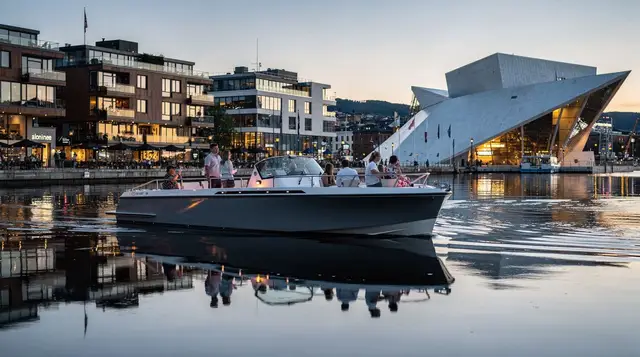
Oslo: guided sightseeing fjord cruise on a premium silent electric boat
- Silent electric boat
- Free cancellation
- Best seller
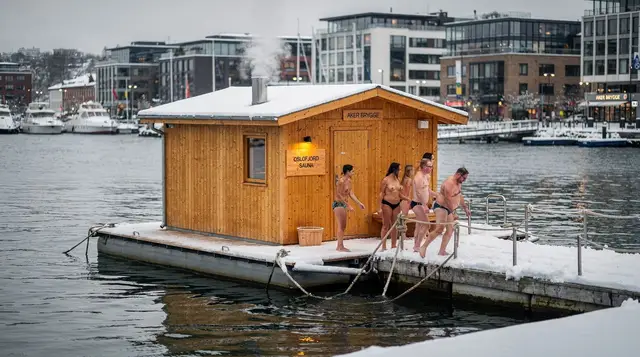
Oslo: self-service public floating sauna ticket, Tjuvholmen
- Floating sauna
- Fjord swim
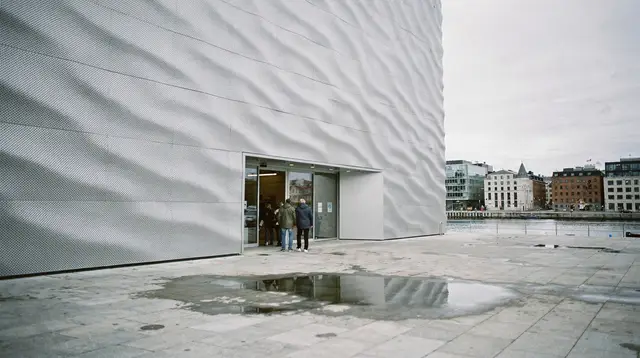
Oslo: Munch Museum admission ticket
- Skip the ticket line
- Instant confirmation
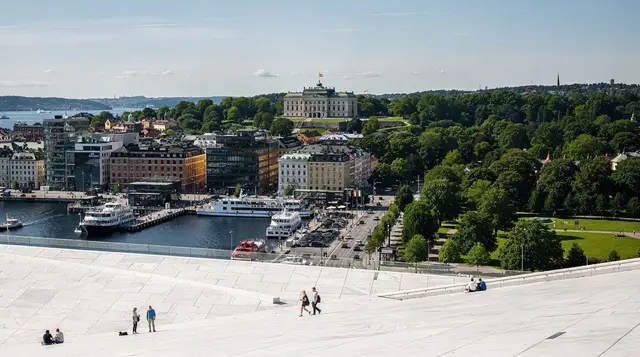
Oslo: 3-hour highlights bike tour
- Small group
- Bike included
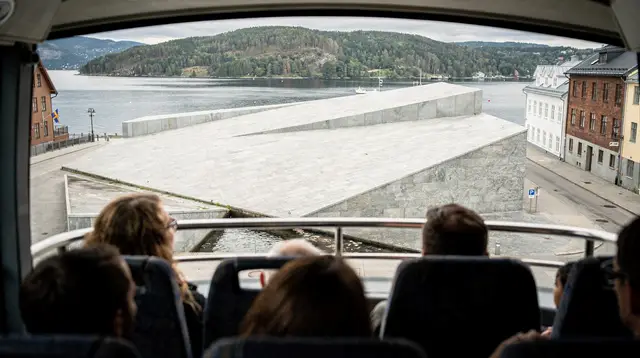
Oslo: City Sightseeing hop-on hop-off bus tour
- Instant confirmation
- Audio guide

Oslo: fjord evening cruise with shrimp buffet
- Shrimp buffet
- Best seller