Oslo trip cost: full realistic budget breakdown for 2026
Oslo: Oslo Pass with public transport and free museum entry
Duration: 24-72 hours
- Instant confirmation
- Free public transport
- Skip museum queues
How much does a trip to Oslo cost?
Budget travellers can manage roughly NOK 900–1 200 per person per day (USD 97–129) with hostel, supermarket meals, and free activities. Mid-range (hotel, mix of restaurants and self-catering, a few museums) runs NOK 1 800–2 600 (USD 195–280) per day. A comfortable trip for two over 3 days typically costs NOK 12 000–18 000 (USD 1 290–1 935) all-in.
Why Oslo costs what it costs
Norway’s high cost of living is structural. The country has a strong krone, high minimum wages (meaning restaurant and hotel staff are paid well), high taxes on alcohol, and significant import costs. This isn’t tourist extraction — Norwegians themselves pay these prices. The silver lining: quality is correspondingly high. Transport runs on time, food is generally good, and accommodation standards are reliable.
| Budget/day | NOK 900–1,200 (USD 97–129) |
| Mid-range/day | NOK 1,800–2,600 (USD 195–280) |
| Luxury/day | NOK 3,500+ (USD 376+) |
| Biggest cost | Accommodation, then food |
| 3-day trip for two | NOK 12,000–18,000 (USD 1,290–1,935) |
This guide gives you realistic numbers for every category, based on current 2026 prices in NOK, with USD equivalents at approximately 9.3 NOK to the dollar.
Accommodation
This is your single largest cost. Options run from hostel dormitories to boutique hotels, with a wide range in between.
Budget hostels (dorm): NOK 300–500 / USD 32–54 per person per night Key choices: Anker Hostel (Grünerløkka area), Oslo Hostel Haraldsheim, Oslo Vandrerhjem Lyngholmen (island hostel, summer only). Dorm beds in an eight-bed room at the lower end; private rooms in hostels run NOK 900–1 400 / USD 97–150.
Budget hotels / aparthotels: NOK 900–1 400 / USD 97–150 per room per night Thon Hotels has several mid-budget properties in good locations. The Citybox chain offers clean, minimal rooms at NOK 800–1 200 / USD 86–129.
Mid-range hotels: NOK 1 400–2 200 / USD 150–237 per room per night Scandic and Nordic Choice (Clarion, Quality) chains fill this bracket with reliable quality in central locations. The Scandic Victoria near Oslo S often has competitive rates.
Boutique/luxury hotels: NOK 2 200–4 500+ / USD 237–484+ per room per night The Sommerro hotel in Frogner (a converted 1930s building), The Thief at Tjuvholmen, and Amerikalinjen near Oslo S are the standout high-end options.
Average for planning: Assume NOK 1 400–1 800 / USD 150–194 per room per night for a comfortable mid-range double in a central location with breakfast included.
Food and drink
Food costs in Oslo span a wide range depending on approach.
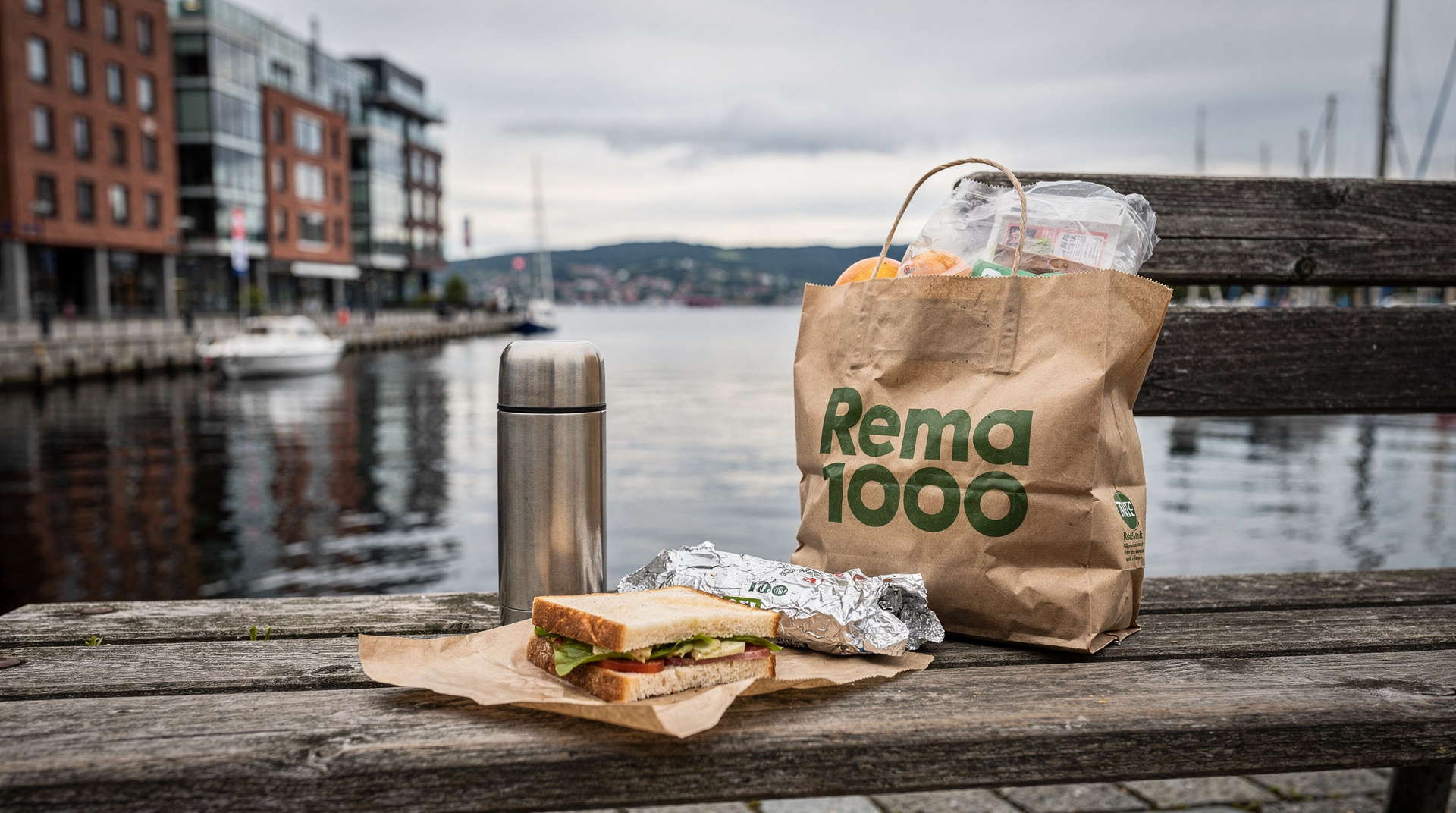
Supermarket self-catering (all meals): NOK 150–250 / USD 16–27 per person per day Kiwi, Rema 1000, Coop Extra, and Meny are the main supermarkets. A full day’s food — breakfast supplies, sandwich and fruit for lunch, pasta and sauce for dinner — costs around NOK 150–200 / USD 16–22 per person. Norwegian supermarket food is excellent and varied. Buy smoked salmon (laks), good bread, and brunost (brown cheese) for a genuinely Norwegian experience at normal prices.
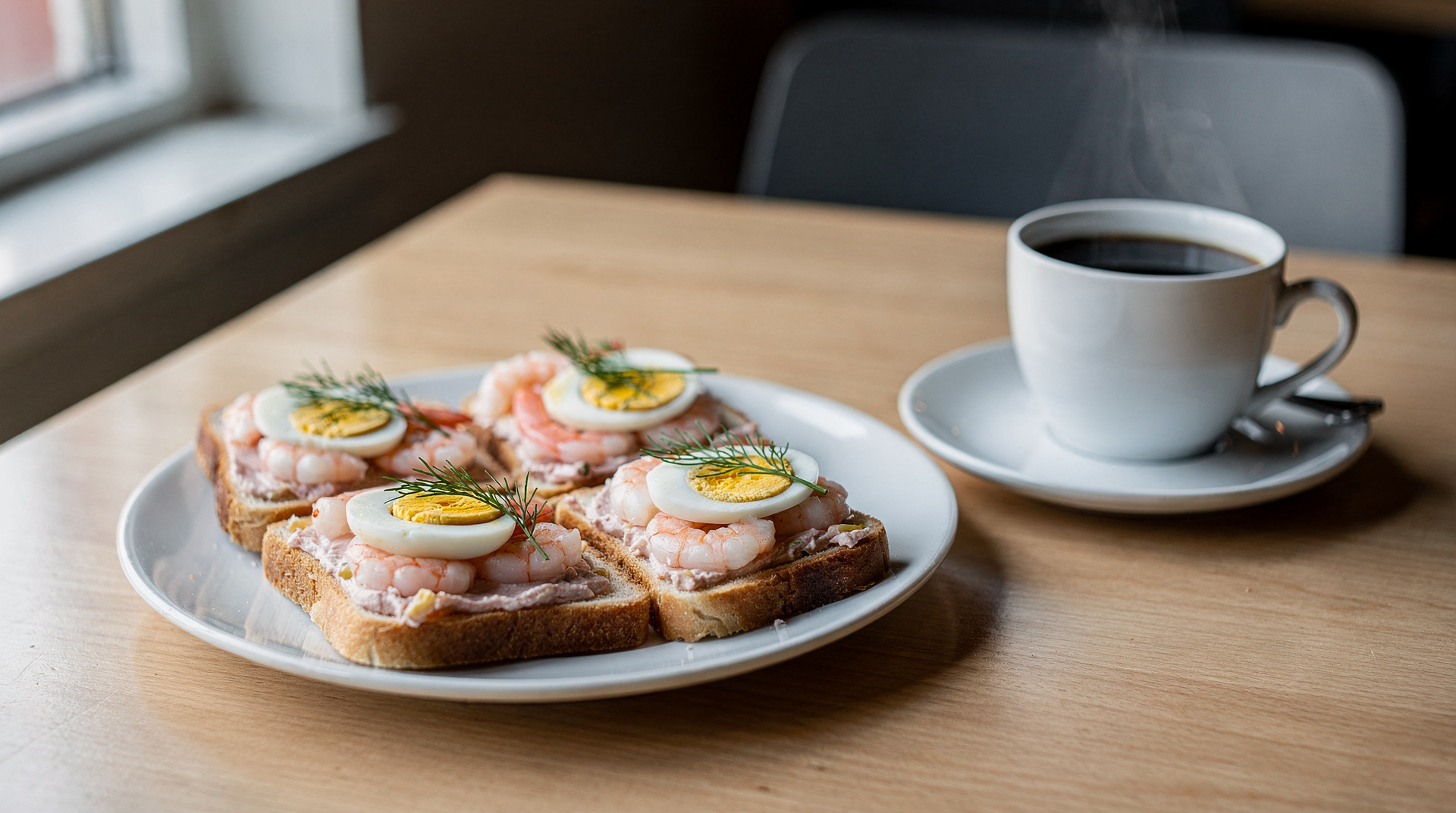
Budget eating out (mix of street food and cheap restaurants): NOK 350–500 / USD 38–54 per person per day Key spots: Mathallen food hall in Grünerløkka (open Tuesday–Sunday), the market stalls at Grønland Torg (Middle Eastern and Asian food, kebab wraps from NOK 120 / USD 13), Asylet café bar (Grünerløkka, reasonably priced by Oslo standards). A lunch wrap or bowl costs NOK 120–160 / USD 13–17. An evening meal at a budget restaurant or food market runs NOK 200–280 / USD 22–30 with a soft drink.
Mid-range eating out (restaurants for most meals): NOK 700–1 000 / USD 75–108 per person per day A sit-down café lunch costs NOK 180–250 / USD 19–27 with a drink. An evening meal at a mid-range restaurant — say, Fiskeriet Youngstorget for fish, or one of the Grünerløkka options on Thorvald Meyers gate — costs NOK 280–420 / USD 30–45 per person with a beer.
Alcohol note: Norway taxes alcohol heavily. A beer at a bar costs NOK 100–130 / USD 11–14. A glass of wine is NOK 120–160 / USD 13–17. Spirits in a cocktail cost accordingly. The system is deliberately discouraging — Vinmonopolet (state alcohol monopoly) sells wine and spirits at more reasonable prices for off-licence purchase (a bottle of mid-range wine costs NOK 150–230 / USD 16–25). Buying before going out significantly reduces costs.
Transport
Single Ruter zone 1 ticket (app): NOK 42 / USD 4.50 24-hour Ruter pass (zone 1): NOK 155 / USD 17 (adult, app) 7-day Ruter pass (zone 1): NOK 360 / USD 39 (adult)
For a 3-day visit, buy a 24-hour pass on each active day (three purchases = NOK 465 / USD 50) or a 7-day pass (NOK 360 / USD 39) if you’ll be in the city all seven days. The 7-day pass includes the harbour ferry to Bygdøy and the island ferries.
If you’re also using the Oslo Pass (which includes unlimited transport), you don’t need to buy Ruter passes separately.
See the full breakdown at Ruter guide.
From the airport: Add NOK 124–243 / USD 13–26 each way for the Vy or Flytoget airport train (see airport to city guide). Budget NOK 250–480 / USD 27–52 round-trip per person for the airport transfer alone.
Attractions and activities
Most major Oslo museums charge entry:
- Munch Museum: NOK 180 / USD 19
- National Museum (Nasjonalmuseet): NOK 200 / USD 22
- Norsk Folkemuseum: NOK 220 / USD 24
- Fram Museum: NOK 165 / USD 18
- Kon-Tiki Museum: NOK 165 / USD 18
- Viking Planet: NOK 240 / USD 26
- Akershus Fortress interior: NOK 120 / USD 13; grounds free
Free attractions that cost nothing at all:
- Vigeland Sculpture Park (always free)
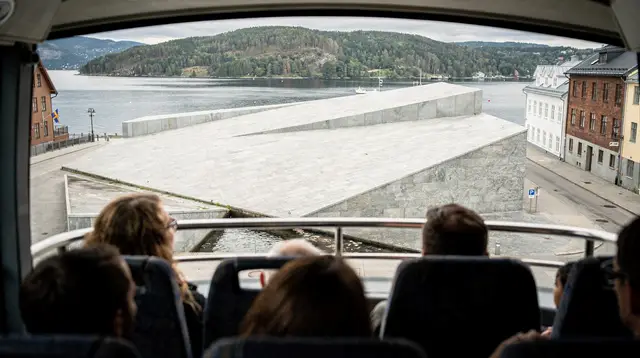
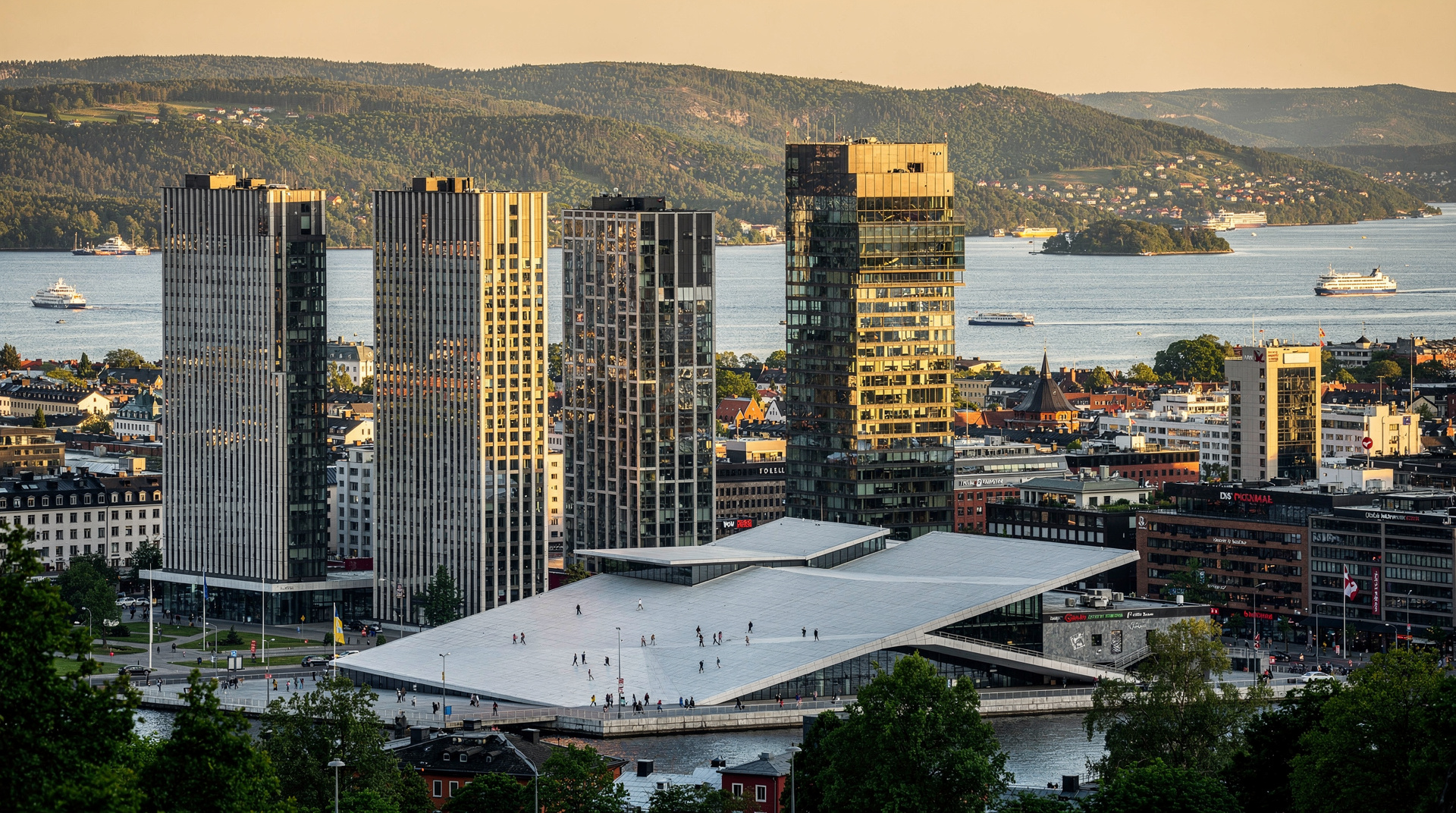
- Oslo Opera House roof (always free)
- Ekebergparken sculpture park (free)
- Nordmarka hiking (T-bane fare only)
- Oslofjord island beaches (ferry fare only)
- Astrup Fearnley Museum (free on Sundays)
- Royal Palace changing of the guard (free, daily summer)
See the full list in the free things in Oslo guide.
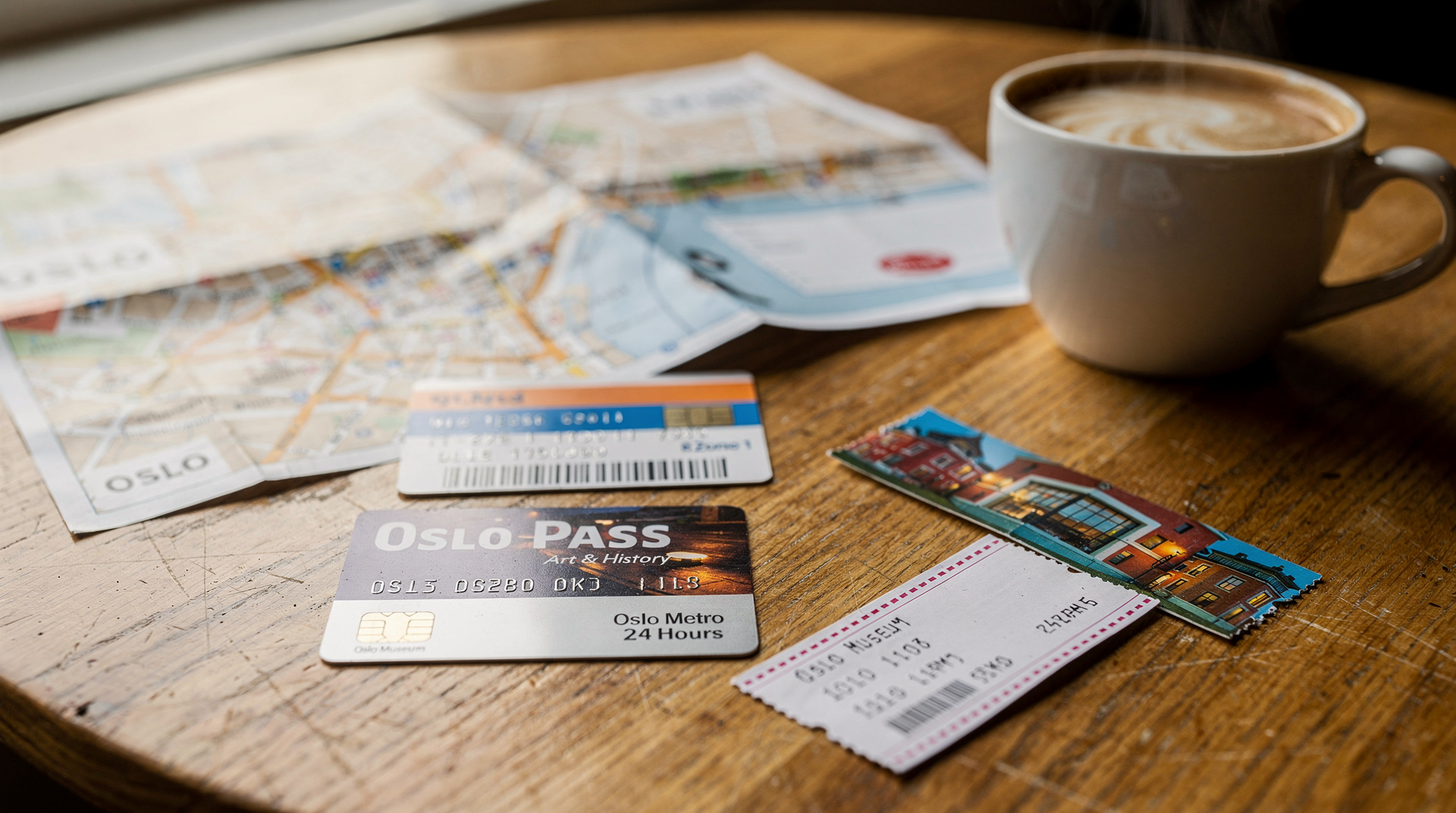
The Oslo Pass (24-hour: NOK 595 / USD 64; 48-hour: NOK 895 / USD 96; 72-hour: NOK 1 095 / USD 118) covers free entry to 30+ attractions plus unlimited Ruter transport. For a visitor planning 3 or more paid museums in 48 hours, it typically saves NOK 200–400 / USD 22–43. Run your exact itinerary through the Oslo Pass calculator.
Sample total budgets for a 3-day trip for two people
Budget trip (hostel, self-catering + one restaurant meal per day, free activities):
- Accommodation: 2 nights × NOK 600 (two dorm beds): NOK 1 200 / USD 129
- Food: 3 days × NOK 400 (two people, mostly self-catering): NOK 1 200 / USD 129
- Transport: 2 × Ruter 7-day pass: NOK 720 / USD 77
- Airport transfer: 2 × Vy return: NOK 496 / USD 53
- Museums/activities: 2–3 free, 1 paid each (2 × NOK 180): NOK 360 / USD 39 Total: approximately NOK 3 976 / USD 428 for two people over 3 days
Mid-range trip (hotel, mixed eating, a few museums):
- Accommodation: 2 nights × NOK 1 600 (double room): NOK 3 200 / USD 344
- Food: 3 days × NOK 800 (two people, restaurant lunches, street food evenings): NOK 2 400 / USD 258
- Transport: 2 × Ruter 7-day pass + airport: NOK 1 210 / USD 130
- Museums: 2-day Oslo Pass (×2): NOK 1 790 / USD 192 Total: approximately NOK 8 600 / USD 925 for two people over 3 days
Comfortable/luxury trip (boutique hotel, full restaurant dining, tours):
- Accommodation: 2 nights × NOK 2 800 (boutique hotel): NOK 5 600 / USD 602
- Food: 3 days × NOK 1 600 (two people, restaurant lunches and dinners): NOK 4 800 / USD 516
- Transport: Flytoget return (×2) + Oslo Pass (includes transport): NOK 2 166 / USD 233
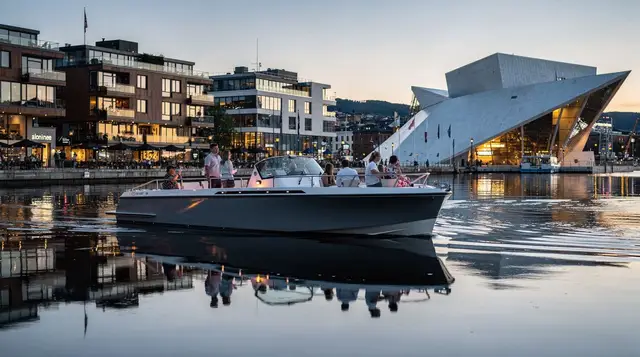
- Activities: silent electric cruise + 72-hour Oslo Pass (×2): NOK 3 690 / USD 397 Total: approximately NOK 16 256 / USD 1 748 for two people over 3 days
Money-saving strategies
The Oslo on a budget guide covers these in depth, but the headline moves:
- Eat supermarket breakfasts and lunches; go out for dinner once. This alone saves NOK 400–600 / USD 43–65 per person per day.
- Use the 7-day Ruter pass if you’re staying 3+ days — it costs the same as two 24-hour passes.
- Time museum visits for free days — Astrup Fearnley is free Sundays; check other museums’ free-admission days.
- Picnic on the islands or in Vigeland Park rather than buying café food.
- Book accommodation well in advance — Oslo prices surge in summer and during events like the Holmenkollen Ski Festival (March).
- Pre-purchase alcohol from Vinmonopolet before going to bars or hosting an evening in your accommodation.
For a full itemised daily cost table, see the companion Oslo daily costs guide.
Hidden costs that catch visitors by surprise
Planning an Oslo trip based on headline accommodation and food costs is only part of the picture. These additional costs often surprise first-time visitors:
Luggage storage at Oslo S: If your hotel check-in is at 15:00 and you arrive at 08:00, you’ll need somewhere to store bags. Left luggage at Oslo S charges NOK 50–120 / USD 5.40–13 per bag per day depending on locker size. Budget this in if you have a typical early-morning flight arrival.
Alcohol: A beer at a bar costs NOK 100–130 / USD 11–14. If you plan on any social drinking, this adds up very quickly. The mitigation strategy: buy wine and beer from Vinmonopolet (state monopoly, reasonable prices, open Mon–Fri and Saturdays) and enjoy a drink at your accommodation before going out. A bottle of mid-range wine from Vinmonopolet costs NOK 150–220 / USD 16–24.
Museum entry for families: Oslo’s museums do not offer blanket family ticket discounts. Each child 4+ pays half price; adults pay full. A family of two adults and two children visiting the Norsk Folkemuseum (adults NOK 220 each, children NOK 110 each) pays NOK 660 / USD 71 total — which adds up across multiple museums. The Oslo Pass includes children 0–15 free with a paying adult, which is where it genuinely saves money for families.
Ferry to Bygdøy in summer: The seasonal Bygdøy ferry (Ruter line 91) is included in the Oslo Pass but requires a Ruter ticket (NOK 42 / USD 4.50 per trip) if you’re buying individual tickets. For a family doing the round-trip twice in a day, that’s NOK 336 / USD 36 — worth noting.
Guided tours: If you’re booking any guided experiences — walking tours, bike tours, boat cruises — budget NOK 350–750 / USD 38–81 per person. The major private tour operators (GuideOslo, Freetour, boat cruise operators) are priced at a premium reflecting Norwegian wage costs.
How accommodation prices vary by booking time
Oslo hotel pricing is highly variable by season and booking lead time:
- Peak summer (July–August): Demand is highest. A mid-range hotel that costs NOK 1 400 / USD 150 in April can cost NOK 2 200 / USD 237 in July. Book 6–8 weeks ahead for summer stays.
- Holmenkollen Ski Festival (early March): All accommodation in Oslo at a premium during the ski festival weekend. Book 3–4 months ahead.
- 17 Mai (Constitution Day, May 17): Oslo fills with domestic visitors celebrating the National Day. Accommodation prices spike for this weekend; book early.
- Shoulder season (May and September): Best value for mid-range hotels. Prices are lower, quality is the same.
- Winter (January–March): Lowest prices but also lowest daylight. If skiing in Nordmarka or Holmenkollen is your goal, this is the cheapest time to visit.
Cancellation policies: Norwegian hotels typically offer free cancellation up to 24–48 hours before arrival on flexible rates. Book flexible rates wherever the price difference is under NOK 200 / USD 22 — Oslo’s weather can be unpredictable enough to justify flexibility.
Currency: exchange rates and payment
Norway uses the Norwegian krone (NOK). In mid-2026, the approximate exchange rate is:
- 9.3 NOK = 1 USD
- 10.0 NOK = 1 EUR
- 12.0 NOK = 1 GBP (approximate)
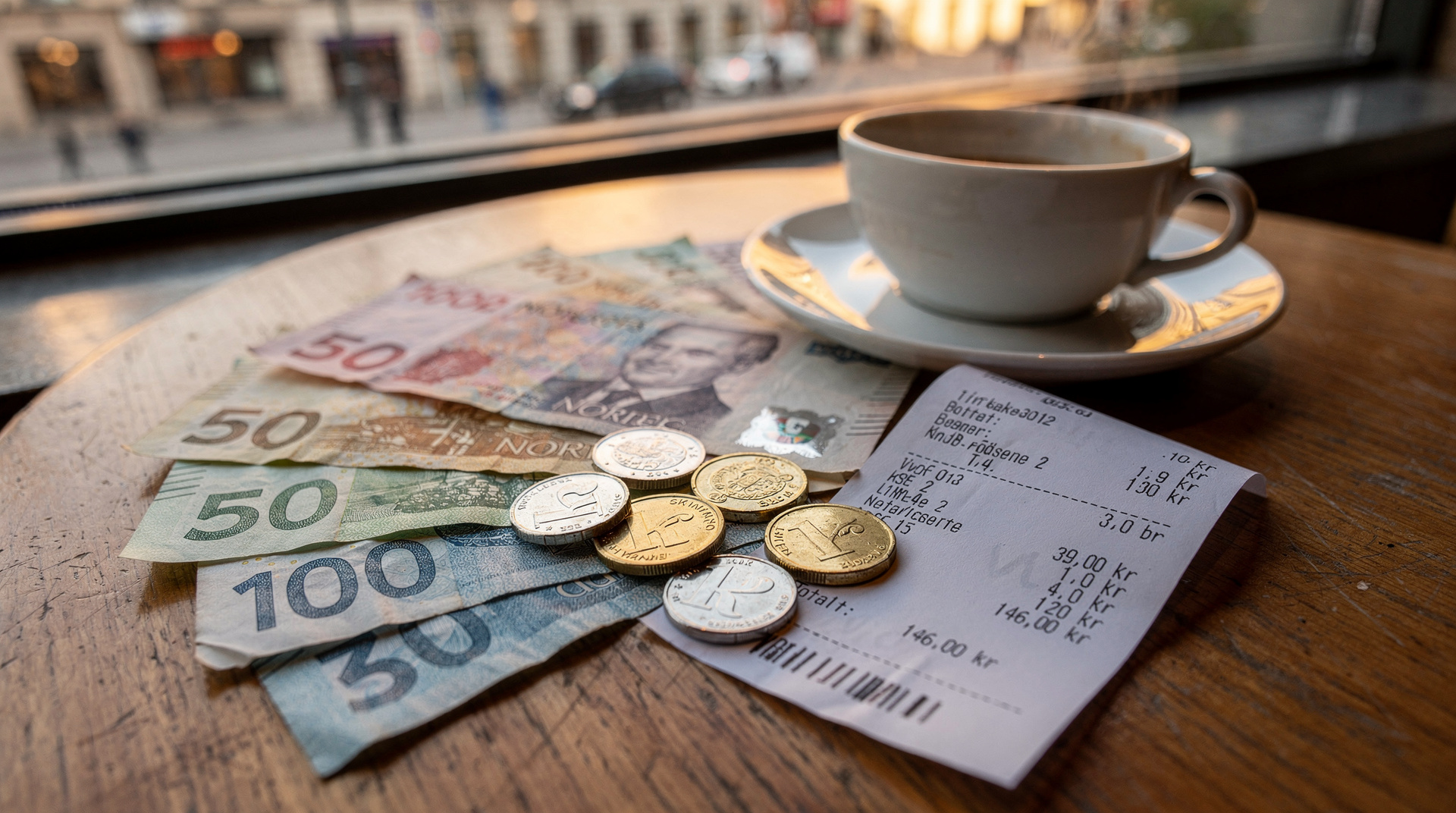
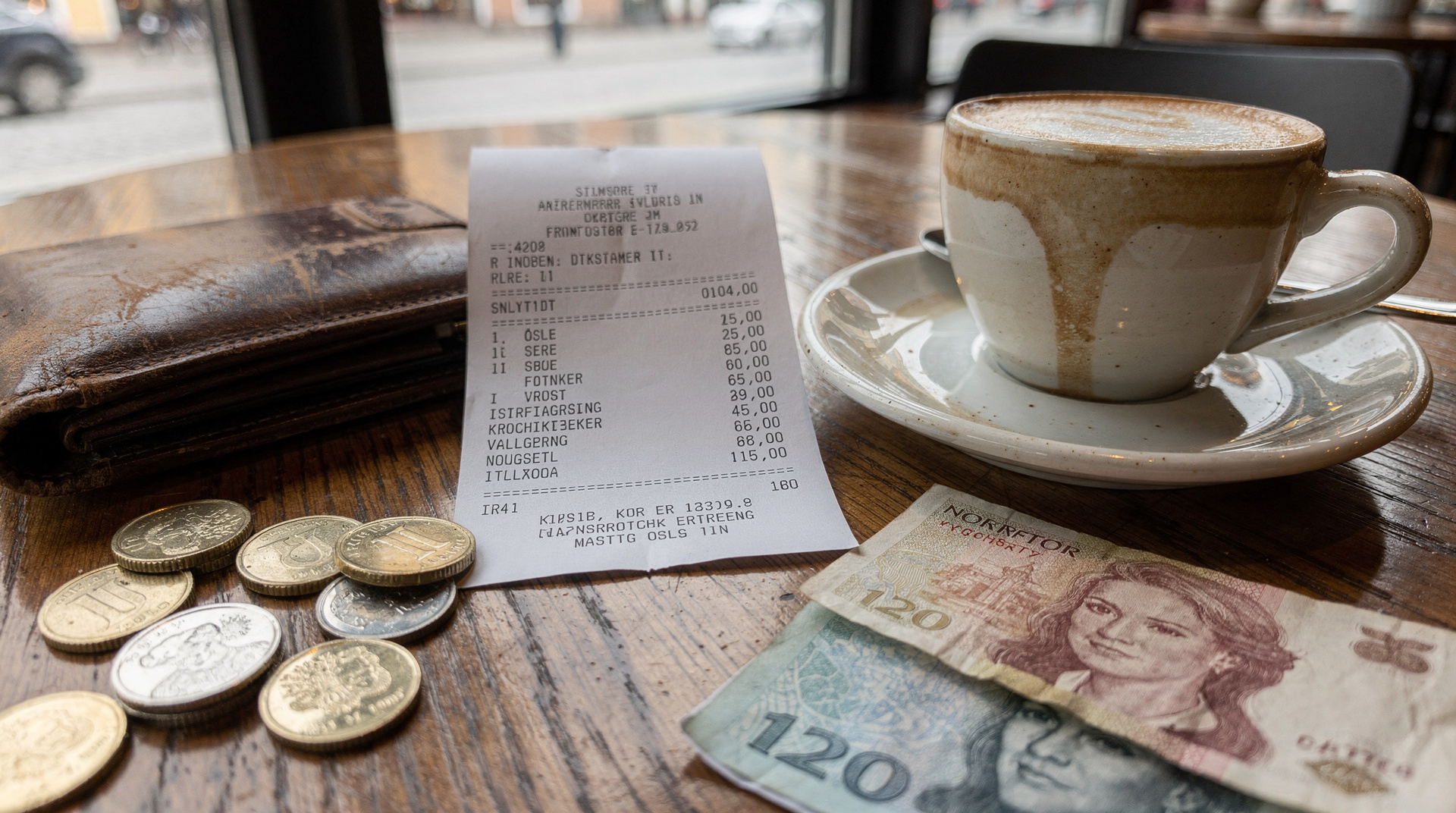
Norway is one of the world’s most cashless societies. Card and contactless payment is accepted at every restaurant, museum, supermarket, market stall, and transport ticket machine. You do not need cash. ATMs are available if you need to withdraw NOK, but the vast majority of visitors complete an entire Oslo trip without touching a Norwegian banknote.
Currency card tip: Loading a multi-currency travel card (Wise, Revolut) with NOK before you travel, rather than letting your home bank convert on the fly, typically avoids both the foreign transaction fee and a less favourable exchange rate — worth doing even for a short 3-day trip given how card-dependent Norway is.
Foreign transaction fees: If your card charges a foreign transaction fee (typically 1.5–3%), this adds up over a full trip. Wise, Revolut, or a fee-free travel card eliminates this cost — worth sorting before you travel.
How Oslo compares to other expensive cities
Numbers in isolation don’t mean much without a benchmark. If you’ve travelled recently to Zurich, Geneva, Copenhagen, or Stockholm, Oslo will feel familiar rather than shocking — it sits in the same top tier of European cost of living, generally a notch above Copenhagen and Stockholm and roughly on par with Zurich for food and accommodation. Travellers coming from London, Paris, or Berlin should expect a genuine step up, commonly 30–50% on equivalent food and lodging. The is Oslo expensive guide goes deeper on this comparison with category-by-category detail.
How costs scale beyond a 3-day trip
The sample budgets above cover a 3-day trip, but costs don’t scale linearly for longer stays — some costs drop on a per-day basis the longer you stay. A 7-day trip typically brings the average daily accommodation cost down slightly (many hotels offer a small multi-night discount), and a 7-day Ruter transport pass (NOK 360) becomes clearly better value than daily 24-hour passes once you’re staying 3 or more days, as covered in the Ruter guide.
Food costs scale roughly linearly, since there’s little economy of scale in daily meals. As a rough rule: multiply the daily figures above by your trip length, then subtract 5–10% for the accommodation and transport savings that come with a longer stay.
Cutting cost without cutting the experience
The gap between a budget and mid-range Oslo trip is mostly about pace and frequency, not access to the good stuff. Vigeland Park, the Opera House roof, and the fjord islands cost the same — free or ferry-fare only — whether you’re on a shoestring or a comfortable budget.
The single highest-leverage move for any budget level is shifting where you eat: the overpriced food warning guide and budget eats guide both identify specific restaurants and areas worth avoiding regardless of your overall daily budget, since paying a tourist-area premium doesn’t buy better food, just a worse ratio of quality to price. The cheap eats guide has the specific venue-by-venue picks if you want to eat well on a tight budget rather than simply eating less.
Group and family cost dynamics
Costs don’t simply multiply per person once you’re travelling as a family or group. Hotel rooms are priced per room rather than per person, so a family of four sharing two rooms pays roughly double a couple’s accommodation cost, not quadruple. Museum entry is the opposite — costs scale close to linearly per person since there’s rarely a family bundle beyond the standard child discount, which is exactly where the Oslo Pass earns its keep for families (children 0–15 free with a paying adult). Groups of friends splitting an Airbnb or apartment rather than hotel rooms can bring the accommodation-per-person figure down significantly below the hotel-based numbers used in the sample budgets above, especially for stays of 4 nights or more.
Tipping
Tipping is not obligatory in Norway. Service staff are paid a living wage and tipping culture is much more relaxed than in the US. Rounding up to the nearest NOK 50 or adding NOK 20–50 at a restaurant is appreciated but never expected. Taxi drivers are not typically tipped. At bars, most people do not leave a separate tip on card transactions.
The Oslo Pass: when it saves money and when it doesn’t
When the Oslo Pass saves money:
- You’re visiting 3 or more paid museums in a 48-hour window
- You’re a family with children 4–15 (children included free with a paying adult)
- You’re planning to use Ruter public transport regularly (it’s included)
When it doesn’t:
- You’re primarily visiting free attractions (Vigeland, Opera House, hiking)
- You’re eating mostly from supermarkets and spending little on activities
- You have an Oslo Pass for only 24 hours and aren’t visiting multiple museums
The break-even calculation: a 48-hour Oslo Pass costs NOK 895 / USD 96. Ruter 2-day transport is approximately NOK 310 / USD 33 (two 24-hour passes). That leaves NOK 585 / USD 63 to cover in museum savings. Two medium-priced museums (say, Munch at NOK 180 and Fram at NOK 165) totals NOK 345 / USD 37 — short of break-even. Add the National Museum (NOK 200 / USD 22) and you’ve reached NOK 545 / USD 59 — close to break-even. Three museums plus transport in 48 hours makes the pass work.
Use the Oslo Pass calculator with your specific itinerary to get a precise answer. The honest Oslo Pass review analyses several realistic visitor profiles.
Frequently asked questions about Oslo trip cost
Is Oslo the most expensive city in Europe?
It consistently ranks among the top three, alongside Zurich and Geneva. For travellers used to Western European capitals, expect to pay roughly 30–50% more than you would in London, Paris, or Berlin for equivalent food and accommodation.How much should I budget per day in Oslo?
Budget: NOK 900–1 200 / USD 97–129. Mid-range: NOK 1 800–2 600 / USD 195–280. Luxury: NOK 3 500+ / USD 376+. These figures include accommodation, food, transport, and activities but not international flights.What is the most expensive part of visiting Oslo?
Accommodation is typically the largest cost, followed by food and drink. A standard double hotel room in a central location costs NOK 1 200–2 200 per night (USD 130–237). A restaurant lunch costs NOK 150–280 per person (USD 16–30).How much does food cost in Oslo?
A supermarket lunch (bread, cheese, fruit) costs NOK 80–120 (USD 9–13). A casual restaurant main course runs NOK 180–320 (USD 19–34). A beer at a bar costs NOK 100–130 (USD 11–14). Dinner at a mid-range restaurant costs NOK 350–550 per person (USD 38–59) with a drink.Is the Oslo Pass worth it for managing trip costs?
It depends on your itinerary. A 48-hour Oslo Pass at NOK 895 (USD 96) includes unlimited public transport and free entry to 30+ museums. If you visit 3 or more museums and use public transport daily, it typically saves money. Use the Oslo Pass calculator before buying.
Top experiences
Bookable activities with verified prices and instant confirmation on GetYourGuide.