Oslo on a budget: the master money-saving guide
Oslo: Oslo Pass with public transport and free museum entry
Duration: 24-72 hours
- Instant confirmation
- Free public transport
- Skip museum queues
How can I visit Oslo on a budget?
The main levers: eat supermarket meals for breakfast and lunch (saving NOK 300–500 per day), use a Ruter 7-day pass instead of individual tickets, time museum visits for free-entry days, picnic on the Oslofjord islands (free to enter on a Ruter ticket), and stay in a hostel. A genuinely budget visit runs NOK 750–950 per person per day (USD 81–102) including accommodation.
The budget travel reality check
Let’s be honest about what “budget travel” in Oslo actually means. Oslo is one of the two or three most expensive cities in Europe. A hostel dorm bed starts at NOK 340 / USD 37 per night. A supermarket meal costs NOK 60–120 / USD 6.50–13. Even being rigorous, you’ll spend more per day here than in Prague, Lisbon, or Bangkok.
But there’s a difference between “expensive by global standards” and “not worth doing on a tight budget.” Oslo has an unusually long list of genuinely excellent free experiences — and the strategies for reducing costs are specific and achievable. A budget visitor who knows the system can have a far better trip than a mid-range visitor who doesn’t.
This guide lays out every effective strategy, in order of impact.
| Realistic daily budget | NOK 750–950 (USD 81–102), incl. hostel |
| Biggest lever | Supermarket breakfast/lunch (saves NOK 300–500/day) |
| Free highlights | Vigeland Park, Opera House roof, Nordmarka, Ekebergparken |
| Transport | 7-day Ruter pass (NOK 360) beats individual tickets after ~9 trips |
| Alcohol strategy | Vinmonopolet bottles over bar drinks |
Strategy 1: eat from supermarkets for most meals (saves NOK 300–500 / USD 32–54 per day)
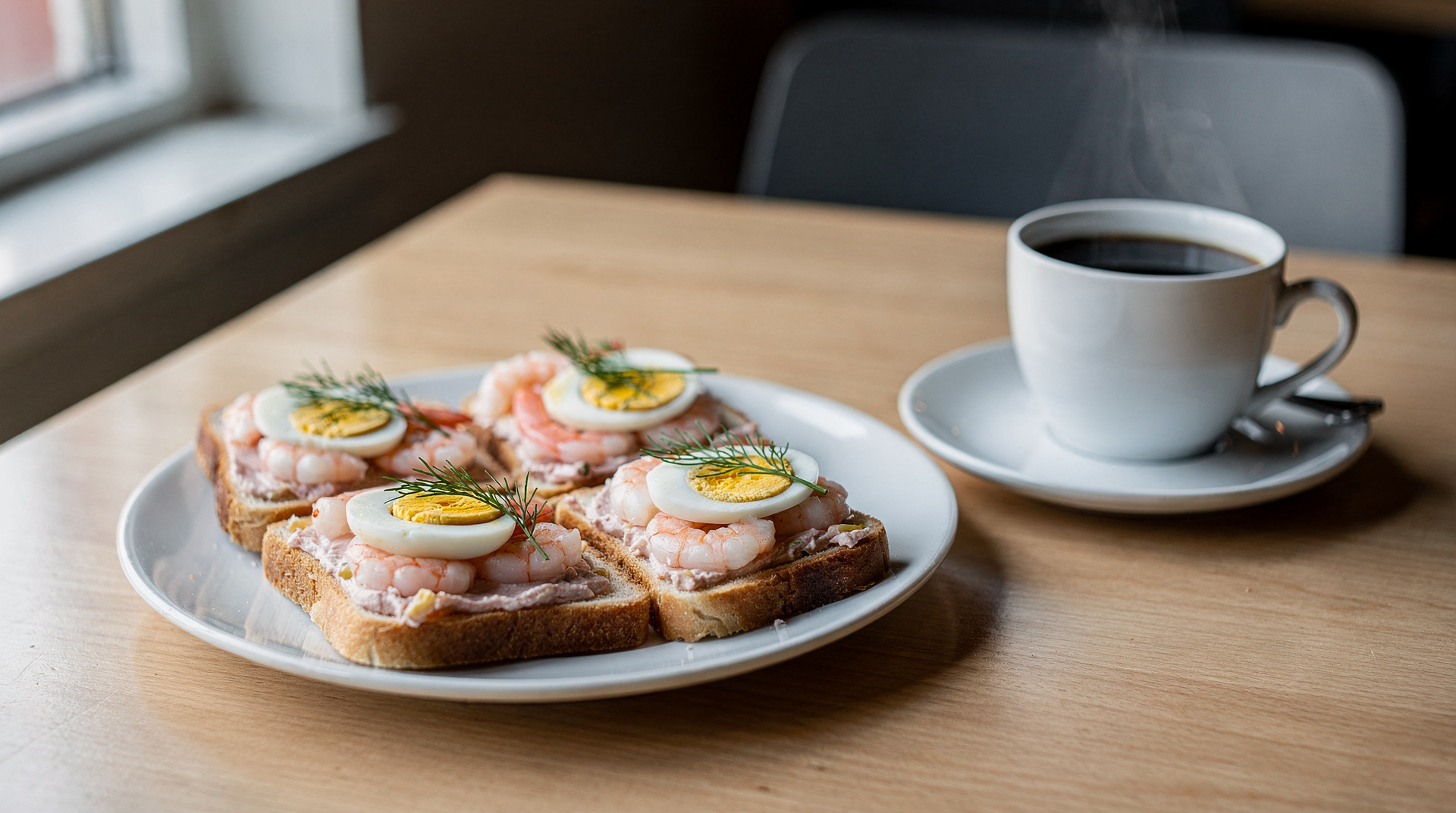
This single strategy has the largest impact on Oslo budgets. The gap between supermarket prices and restaurant prices in Oslo is extreme.
A sit-down restaurant lunch: NOK 180–280 / USD 19–30 A supermarket lunch (sandwich, fruit, drink): NOK 65–95 / USD 7–10 Difference: NOK 115–185 / USD 12–20 per meal, per person
Do this for breakfast and lunch and eat out once for dinner, and you’ve cut your food budget by more than half.
Best supermarket chains:
- Kiwi (discount, convenient locations throughout the city)
- Rema 1000 (similar pricing to Kiwi, slightly larger stores)
- Coop Extra (budget range)
- Meny (premium supermarket with excellent quality, mid-priced)
What to buy for Oslo street/picnic food:
- Smoked salmon (laks): NOK 45–80 / USD 5–9 for a pack — outstanding quality
- Flatbread (knekkebrød) or good bread: NOK 20–35 / USD 2–4
- Brunost (brown goat-cow cheese): NOK 40–55 / USD 4.30–6 — a Norwegian food experience
- Geitost or Jarlsberg cheese for sandwiches
- Makrell i tomat (tinned mackerel in tomato) — a Norwegian institution, NOK 15–25 / USD 1.60–2.70
- Fresh fruit and vegetables: reasonably priced
- Pålegg (cold cuts) for open sandwiches
Where to eat your picnic: Vigeland Park, the Opera House roof, the Oslofjord island beaches, the grassy banks of the Akerselva river through Grünerløkka.
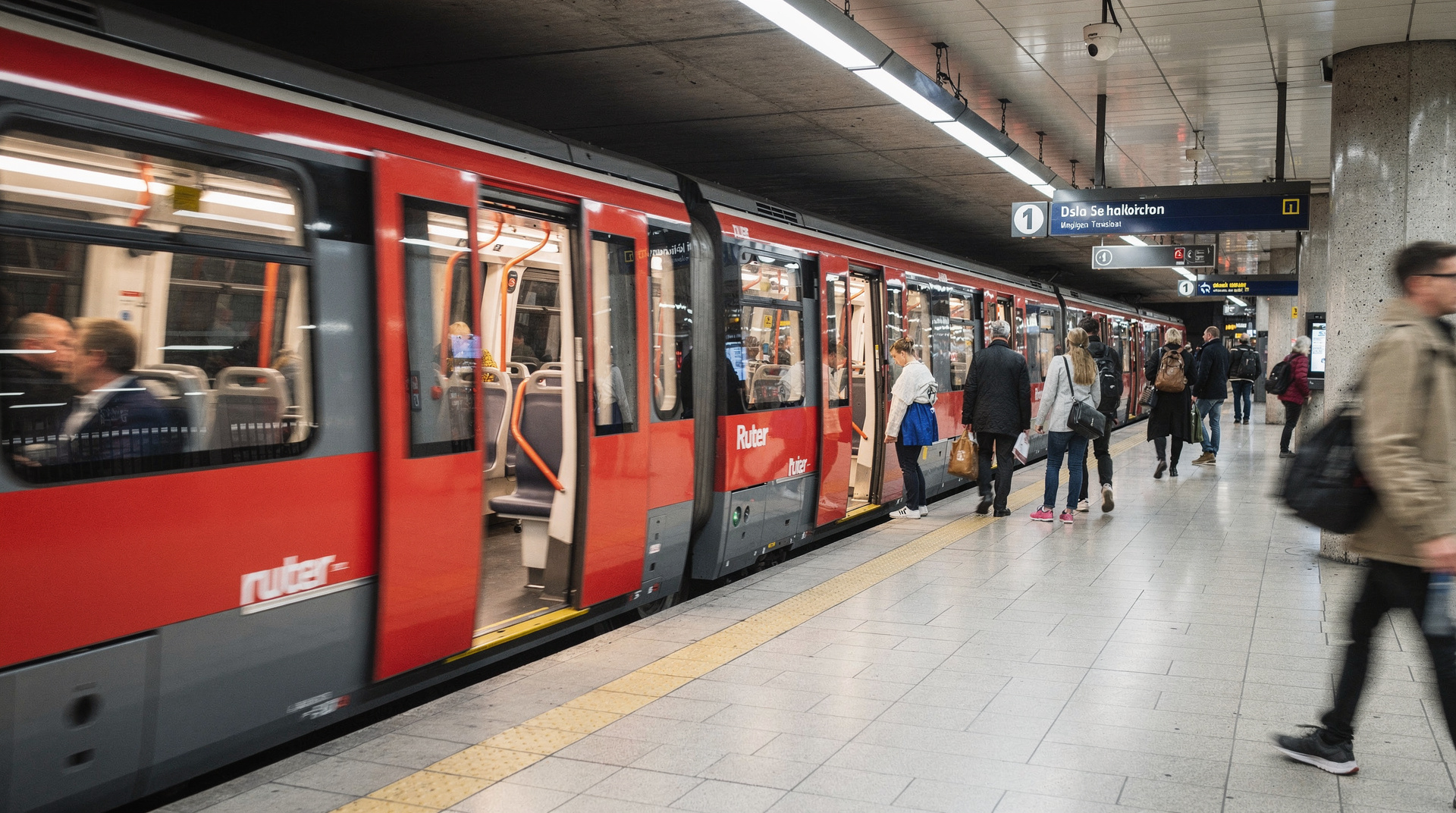
Strategy 2: get a 7-day Ruter pass (saves NOK 60–120 / USD 6.50–13 over 3–4 days)
Individual zone 1 Ruter tickets cost NOK 42 / USD 4.50 each. A 7-day pass costs NOK 360 / USD 39.
If you make 4+ trips per day for 3+ days, the 7-day pass costs less than buying individual tickets. More importantly, it removes the mental cost of rationing transport — you can take a tram for a single stop without guilt, which makes exploring the city easier and more natural.
Buy it the moment you arrive at Oslo S on the Ruter app. It covers all buses, trams, T-bane, local trains, and harbour ferries (including the island ferries). See the full guide to Ruter tickets and zones.
Strategy 3: use the ferry to free islands (save vs paid boat tours)
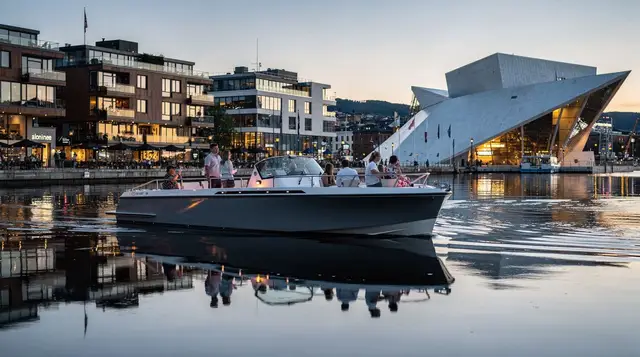
The Ruter island ferries from Vippetangen to Hovedøya, Gressholmen, Nakholmen, Bleikøya, and Langøyene are covered by your zone 1 ticket. The islands are free to enter. Swimming (especially at Langøyene’s sandy beaches in summer) is free.
Compare this to a private Oslofjord boat tour that costs NOK 350–700 / USD 38–75 per person. The public ferry doesn’t give you a commentary, but it gives you access to the actual islands — which are the point.
Pack a supermarket picnic, spend a full day island-hopping in summer, and you’ve had one of Oslo’s best experiences for NOK 42 / USD 4.50 (or free if you have a 7-day pass). The Oslofjord ferries guide explains all routes and timings.
Strategy 4: prioritise genuinely free attractions
Oslo’s free highlight list is longer than most visitors expect:
- Vigeland Sculpture Park (Frognerparken): Always free. 212 sculptures by Gustav Vigeland across a well-maintained park. Budget 2–3 hours.
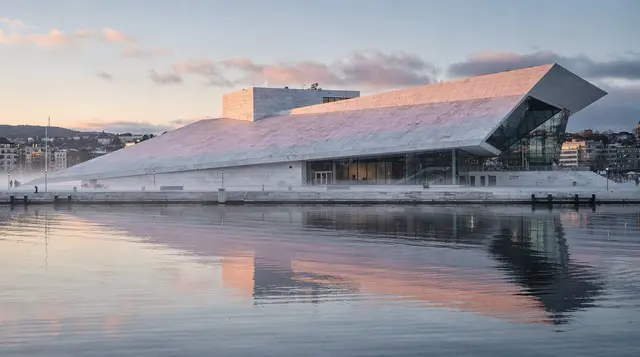
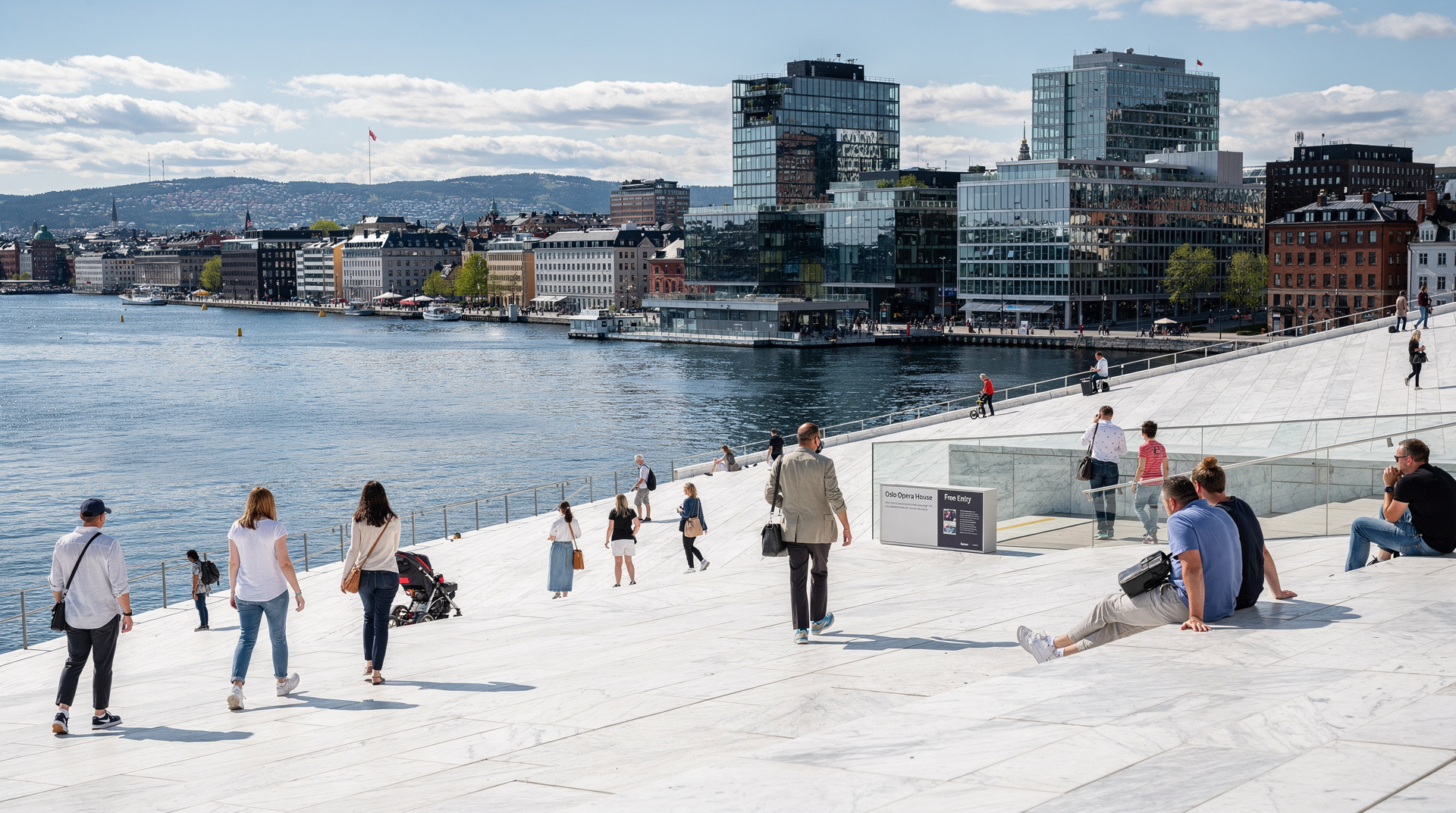
- Oslo Opera House (Operahuset) roof walk: Free at any hour. One of Europe’s most impressive pieces of public architecture, with a sloped marble roof you can walk up.
- Ekebergparken sculpture park: Free. Outdoor sculptures by Rodin, Bourgeois, and others on a hillside with panoramic views over Oslo and the Oslofjord.
- Nordmarka hiking via T-bane line 1: Take the metro to Frognerseteren (zone 1 ticket), hike for free, return via Sognsvann (zone 1). A full day in a genuine forest for one metro fare.
- Akershus Fortress grounds: The ramparts and courtyard are free to walk. The museum interiors require a ticket (NOK 120 / USD 13).
- Karl Johans gate walking route: Free. Oslo’s central street from Oslo S to the Royal Palace, passing Parliament, the National Theatre, and the University.
- Botanical garden (Botanisk hage): Free. A well-maintained garden in the Tøyen district adjacent to the Natural History Museum.
- Akerselva river walk: Free. 8 km urban nature walk along the river from Maridalen to the Oslofjord. Waterfall at Akersfossen (Grünerløkka end).
See the complete list in the free things in Oslo guide.
Strategy 5: time museum visits strategically
Some museums have free or discounted entry at specific times:
- Astrup Fearnley Museum (modern art, Tjuvholmen): Free on Sundays (otherwise NOK 180 / USD 19)
- National Museum (Nasjonalmuseet): Check current free-entry policy — it varies and may include Thursday evenings.
- The Viking Planet has its own pricing (NOK 240 / USD 26) with no free day, but the experience is comprehensive enough to justify the cost if Viking history interests you.
If you do want to visit multiple paid museums, the Oslo Pass may save money. Run the numbers on the Oslo Pass calculator. For a budget trip hitting mostly free sights, skip it.
Strategy 6: cheap restaurant options that locals actually use
When you do want a hot meal out, these options are priced at local rather than tourist rates:
- Kebab shops on Thorvald Meyers gate (Grünerløkka): Full kebab + drink from NOK 120–140 / USD 13–15. Oslo’s cheapest hot meal.
- Grønland Torg market stalls: Diverse food including Vietnamese, Ethiopian, Pakistani, and Middle Eastern options. Meals from NOK 100–150 / USD 11–16. Grønland is 15 minutes on foot east of Oslo S.
- Mathallen food hall (Grünerløkka): Higher quality street food — open Tuesday–Sunday. A bowl or sandwich costs NOK 130–190 / USD 14–20. Not ultra-cheap, but good value for Oslo.
- Student canteens (kantiner): Several of Oslo’s university buildings have public-accessible canteens. A hot meal costs NOK 80–110 / USD 9–12 — significantly cheaper than any café or restaurant. Check the Studentsamskipnaden (SiO) website for locations.
- Supermarket hot counters: Meny and Spar supermarkets often have hot food counters with warm dishes priced NOK 80–120 / USD 9–13.
The complete guide is at cheap eats in Oslo.
Strategy 7: alcohol — buy from Vinmonopolet
Bar drinks in Oslo are extremely expensive: a beer is NOK 100–130 / USD 11–14, a glass of wine is NOK 120–160 / USD 13–17. This is not a tourist tax; Norwegians pay the same.
Vinmonopolet is the state-run alcohol monopoly where wine, spirits, and stronger beer are sold. Prices are significantly lower than bars: a decent bottle of wine costs NOK 140–220 / USD 15–24. Stock up for your accommodation.
Supermarkets sell beer with up to 4.7% ABV. Anything stronger requires Vinmonopolet (open Mon–Fri and Saturdays; closed Sundays — this matters).
Strategy 8: budget accommodation options
- Anker Hostel (Grünerløkka): Excellent location on the Akerselva river. Dorm beds from NOK 340 / USD 37.
- Oslo Vandrerhjem Haraldsheim: 15–20 minutes from centre by bus. Clean, well-run, from NOK 300 / USD 32 per dorm bed.
- Citybox Oslo (Oslo S area): Small, minimal private rooms from NOK 750–1 000 / USD 81–108 per room. No restaurant or unnecessary frills.
- Airbnb in outer neighbourhoods (Grønland, Sagene, Sinsen): Private rooms from NOK 500–700 / USD 54–75 per night in shared apartments. These areas have excellent T-bane and tram connections.
Realistic budget daily total
| Category | Low-end | Mid-budget |
|---|---|---|
| Accommodation (per person) | NOK 340 (dorm) | NOK 700 (budget private) |
| Food (supermarket + one cheap meal out) | NOK 200–260 | NOK 350–400 |
| Transport (7-day pass amortised) | NOK 51 | NOK 51 |
| Activities (1 paid museum, rest free) | NOK 80–90 | NOK 80–90 |
| Total per person per day | NOK 671–741 | NOK 1 181–1 241 |
| USD equivalent | USD 72–80 | USD 127–134 |
With careful choices, NOK 750–950 / USD 81–102 per person per day is achievable for a full, rich Oslo experience. See the itemised version at Oslo daily costs.
A sample 3-day budget itinerary in NOK
Here’s a complete realistic 3-day budget visit for one person, costed in NOK:
Day 1 — Waterfront and Bjørvika
- Breakfast: supermarket (Kiwi near Oslo S): NOK 65
- Walk to Opera House roof (free): NOK 0
- Munch Museum: NOK 180
- Lunch: kebab at Grønland Torg: NOK 125
- Tram to Aker Brygge (covered by 7-day pass): NOK 0
- Astrup Fearnley Museum exterior + waterfront walk (free): NOK 0
- Dinner: Mathallen food hall: NOK 160
- Evening: Akershus Fortress ramparts (free): NOK 0 Day 1 total: NOK 530
Day 2 — Bygdøy and Vigeland
- Breakfast: supermarket: NOK 65
- Bus 30 to Bygdøy (covered by 7-day pass): NOK 0
- Fram Museum: NOK 165
- Supermarket picnic lunch (bought at Meny near Bygdøynes): NOK 90
- Walk to Vigeland Sculpture Park (free): NOK 0
- Tram back to centre (covered by 7-day pass): NOK 0
- Dinner: Grønland Vietnamese restaurant: NOK 170 Day 2 total: NOK 490
Day 3 — Islands and Grünerløkka
- Breakfast: supermarket: NOK 65
- T-bane/tram to Vippetangen (7-day pass): NOK 0
- Island ferry to Langøyene (7-day pass): NOK 0
- Full day on the islands: NOK 0
- Lunch: supermarket picnic (prepared before ferry): NOK 100
- Return to centre by ferry (7-day pass): NOK 0
- Grünerløkka neighbourhood walk (free): NOK 0
- Dinner: kebab on Thorvald Meyers gate: NOK 125
- Evening: Akerselva riverside walk (free): NOK 0 Day 3 total: NOK 290
Trip totals (3 days, excluding accommodation): Food and entry: NOK 1 310 / USD 141 7-day Ruter pass (activated day 1): NOK 360 / USD 39 Total without accommodation: NOK 1 670 / USD 180
Add hostel dorm: 3 nights × NOK 370 = NOK 1 110 / USD 119
Grand total for 3 days: NOK 2 780 / USD 299 — that’s approximately NOK 927 / USD 100 per day including accommodation. A full, rich Oslo visit.
Free and low-cost entertainment in the evenings
Oslo’s evenings don’t have to be expensive. Options that cost little or nothing:
Blå club/bar (Grünerløkka): One of Oslo’s best music venues. Regular concerts and DJ nights. Entry varies from free to NOK 200 / USD 22 depending on the act. Tuesday and Thursday nights are often free.
Latter comedy club (Grünerløkka): Norwegian-language comedy but occasionally has English-language nights. Check the programme.
Free outdoor concerts: Oslo’s summer calendar has regular free outdoor concerts in Youngstorget, Rådhusplassen (City Hall square), and various neighbourhood events. Check the Visitoslo events calendar.
Evening walk on the Opera House roof: Free, always open. A completely different atmosphere at 21:00 in June when the sky is still light and the city is cooling down.
Vigeland Park at sunset: The park never closes. A summer sunset at the Monolith fountain in June is a genuinely beautiful, completely free experience.
Free days and discounted entry schedule
Keep this reference list for timing your museum visits:
- Astrup Fearnley Museum: Free every Sunday (otherwise NOK 180 / USD 19)
- National Museum: Check for free Thursdays or periodic free evenings — policy may vary. Verify on nasjonalmuseet.no before visiting.
- Nobel Peace Center: Check for free days; typically has some free periods.
- Botanical Garden: Always free
- Vigeland Sculpture Park / Frogner Park: Always free
- Ekebergparken: Always free
- Opera House: Always free entry and roof access
Credit cards and travel money
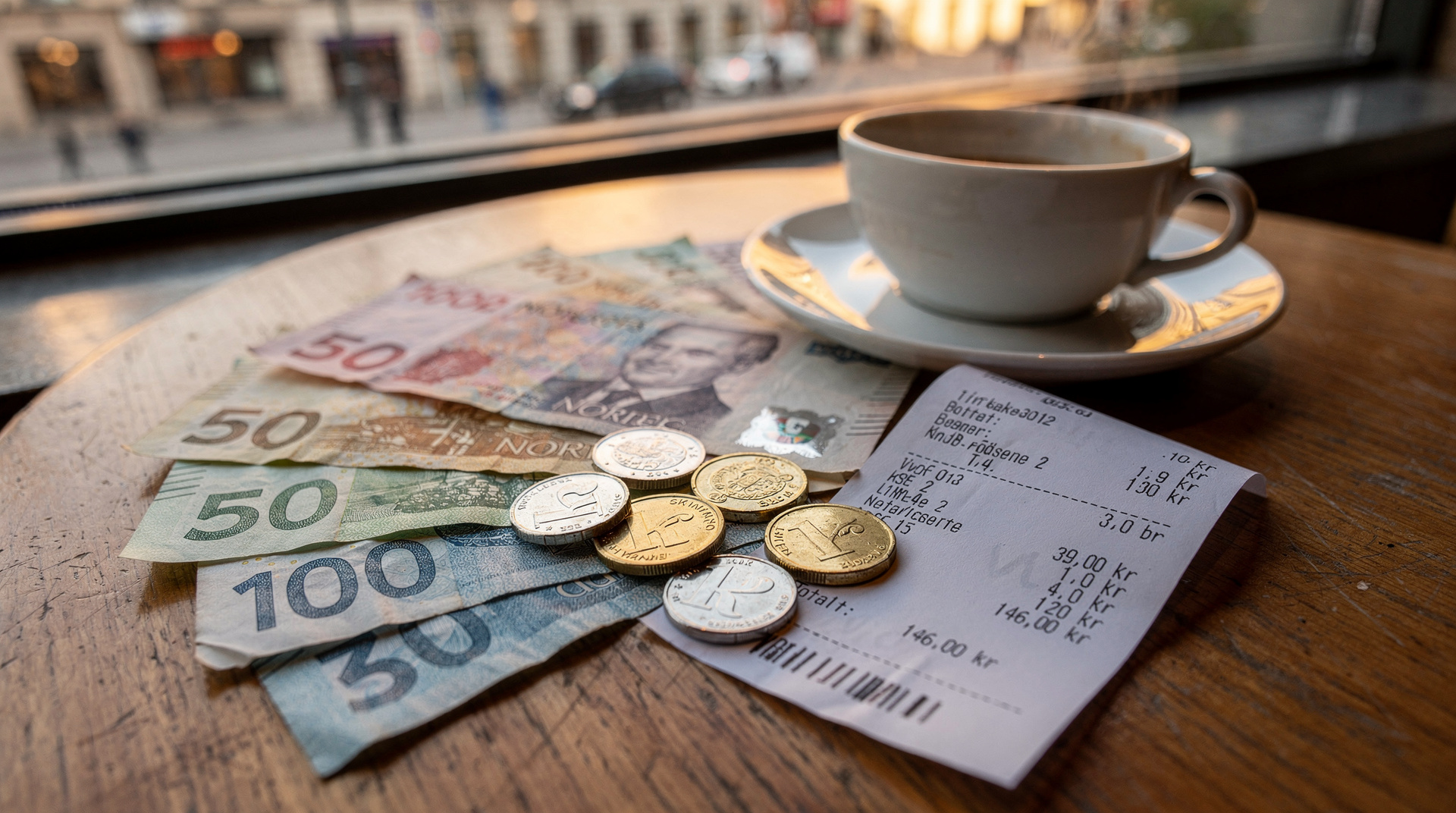
Norway is cashless and card-friendly. However, a card with foreign transaction fees will add 1.5–3% to every purchase — on a week’s trip spending NOK 5 000 / USD 538, that’s an additional NOK 75–150 / USD 8–16 in invisible fees.
Budget travellers should use: Wise (prepaid, interbank rate), Revolut (fee-free up to monthly limits), or a designated travel credit card with zero foreign fees. This is a genuinely meaningful saving on a tight budget, and takes 5 minutes to set up before travel.
Withdrawing cash: ATMs are available if you need NOK for a specific purchase, but the practical need for cash in Oslo is minimal. Some older farmers’ markets in outer areas may be cash-only, but this is rare.
Booking accommodations strategically
Oslo accommodation prices are lowest on weekdays (Tuesday–Thursday) and highest on weekends and around major events. If you have flexibility in your travel dates:
- Arriving Monday, leaving Thursday saves NOK 200–600 / USD 22–65 per night vs a Friday-Sunday stay at most hotels.
- March (outside the Holmenkollen festival weekend) and November are the cheapest months for Oslo hotels.
- Summer weekend bookings should be made 4–6 weeks in advance; summer weekdays can often be found with 2 weeks’ notice.
For the full comparison of how Oslo costs compare to other European capitals, see is Oslo expensive.
Budget travel by season
Season changes the accommodation side of a budget trip more than anything else. Summer (June–August) has the highest hostel and hotel rates and the busiest free attractions, but the longest daylight and the free island ferries make it the best season for maximising value from a Ruter pass. Winter (November–March) drops hotel rates 20–40% and museums are quiet, but you’ll need to budget for warm layers if you haven’t packed for it — see the Oslo in winter guide for what’s genuinely free in the cold months. Shoulder season (September, early May) often gives the best overall value: lower prices than summer with most outdoor activities still running.
Budget accommodation and activities, compared
| Category | Cheapest option | Typical saving vs. standard |
|---|---|---|
| Sleep | Hostel dorm (NOK 300–340) | NOK 400–700/night vs. hotel |
| Eat | Supermarket meals | NOK 300–500/day vs. all restaurants |
| Move | 7-day Ruter pass | Breaks even after ~9 single tickets |
| See | Free attractions (Vigeland, Opera roof, Nordmarka) | Full days with NOK 0 entry |
| Drink | Vinmonopolet + home drinking | NOK 200–400/night vs. bar drinks |
Where to go next when planning on a budget
Once the basics are in place, a few other pages on the site help you fine-tune the plan. If you are still deciding whether the trip is worth the money at all, is Oslo worth visiting weighs the cost against what you get. For a view of the overall bill, Oslo trip cost puts the pieces together, and the budget weekend itinerary shows how a short stay can be sequenced around free sights.
Food is where most of the savings and most of the traps sit. The budget eats guide and the Mathallen food hall guide cover the better-value options, while the overpriced food warning tells you which kinds of places to walk past. If you travel alone, solo travel in Oslo explains how to keep the per-person cost down, and where to stay in Oslo helps you pick a base that keeps transport simple.
Finally, the Oslo Pass guide and the Oslo Pass vs individual tickets comparison are worth a read before you commit to a pass, and getting around Oslo covers the practical side of moving between the free sights without spending extra.
Frequently asked questions about Oslo on a budget
What is the cheapest way to eat in Oslo?
Kiwi, Rema 1000, Coop Extra, and Meny supermarkets. A sandwich, fruit, and drink for lunch costs NOK 60–90 (USD 6.50–9.70). Norwegian supermarkets stock excellent smoked salmon (laks), brown cheese (brunost), open-faced sandwich ingredients (smørebrød) and are genuinely pleasant to shop in.Are there free museums in Oslo?
Vigeland Sculpture Park is always free. The National Museum has a free entry day (currently Thursdays after 18:00 — check before visiting as policies can change). Astrup Fearnley Museum is free on Sundays. Ekebergparken sculpture park is always free. The Opera House is free to enter and walk on the roof.Is it worth getting the Oslo Pass on a budget trip?
Only if you plan to visit 3+ paid museums in 48 hours. The 48-hour Oslo Pass (NOK 895 / USD 96) saves money if you'd otherwise pay NOK 895+ in separate museum tickets and transport. For a budget trip focused on free sights, the Oslo Pass is probably not worth it.Where can I find cheap accommodation in Oslo?
Anker Hostel in Grünerløkka offers dorm beds from NOK 340 (USD 37). Oslo Vandrerhjem Haraldsheim has similar rates. Booking.com and Airbnb sometimes have budget private rooms for NOK 700–900 (USD 75–97) in outer areas well-served by public transport.Is Oslo expensive for solo travellers?
The biggest solo premium is the single supplement on hotel rooms. Hostel dorm beds eliminate this — a dorm bed costs the same regardless of whether you're solo or in a group. For a solo traveller in a hostel eating mostly supermarket food, NOK 750–850 per day (USD 81–91) is achievable.What is the single biggest money-saver in Oslo?
Switching breakfast and lunch from restaurants to supermarkets. The gap between a NOK 200+ restaurant meal and a NOK 70–90 supermarket lunch is larger in Oslo than in almost any other European city, and doing this for two meals a day easily saves NOK 300–500 (USD 32–54) per person, per day.Can you visit Oslo on a budget in winter?
Yes, and it's arguably easier than summer — hotel rates drop 20–40% and the main free attractions (Vigeland Park, the Opera House roof, Nordmarka trails accessible by T-bane) all work in winter too. The main winter-specific cost is warm clothing if you haven't packed for it, and food/drink prices stay unchanged year-round.
Top experiences
Bookable activities with verified prices and instant confirmation on GetYourGuide.