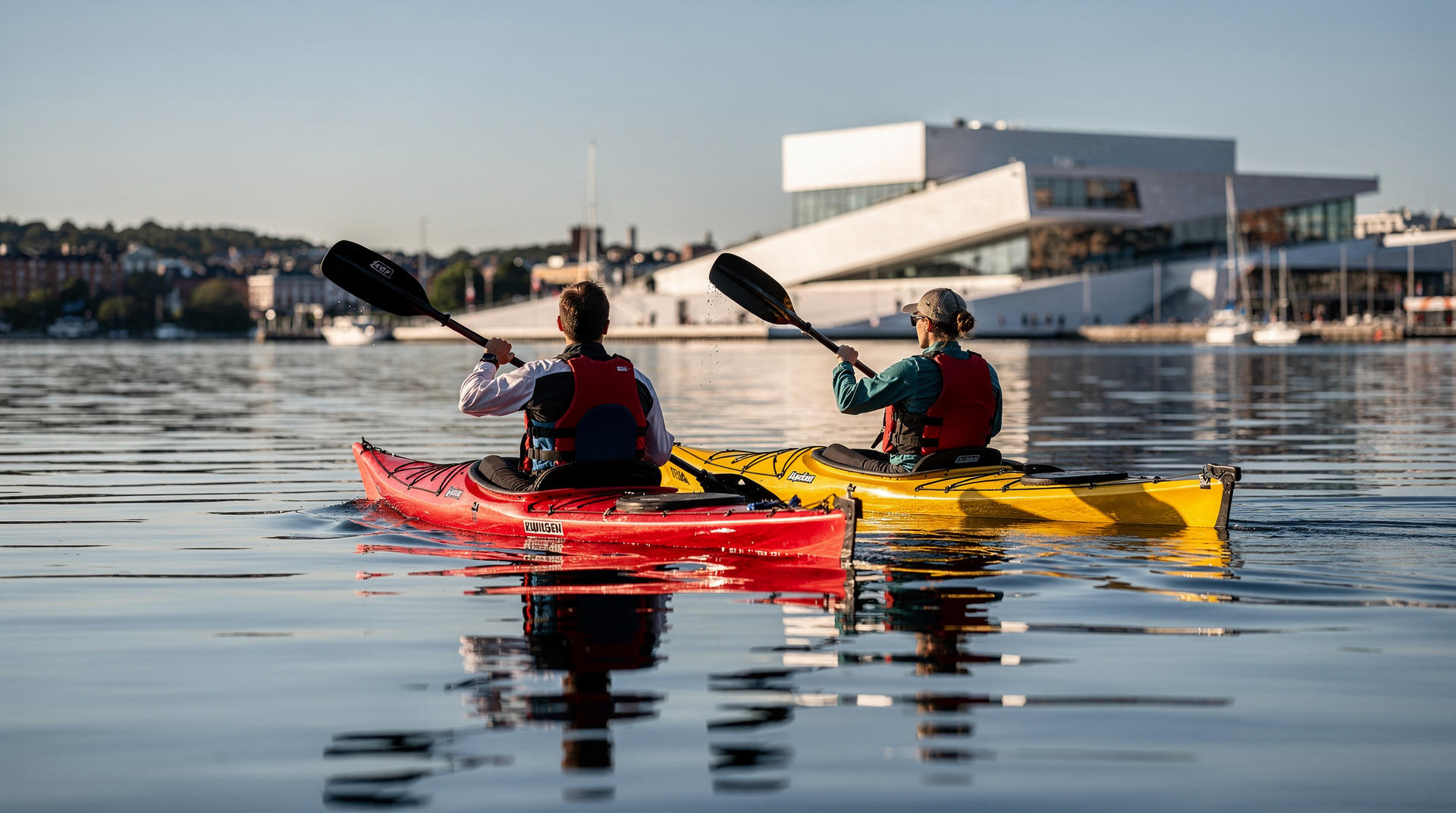
The Oslofjord — Oslo's island-dotted playground
Sail, swim, kayak or relax on the Oslofjord. Honest guide to cruises, islands, and getting on the water from central Oslo.
Oslo: guided sightseeing fjord cruise on a premium silent electric boat
Duration: 2 hours
- Silent electric boat
- Free cancellation
- Best seller
Quick facts
- Best time
- June–August for swimming and cruises; December–January for moody winter light
- Days needed
- Half-day to 2 days depending on activities
- Getting there
- Aker Brygge pier (central Oslo) — Ruter ferries depart every 30–60 min
- Budget per day
- NOK 350–900 (USD 38–97) depending on boat tours vs free swimming
Oslo’s backyard sea — and why it matters
Most visitors to Oslo spend their first day on land: the Munch Museum, Aker Brygge, the Opera House rooftop. By day two, those who stay near the quays start to notice the water. Ferries cross constantly. Kayakers thread between sailing dinghies. White hulls bake in the summer sun. The Oslofjord is not a distant postcard — it begins at the bottom of the city’s main street and runs 100 kilometres south to the open Skagerrak sea.
For a city of 700,000 people, Oslo has an extraordinary relationship with this body of water. On a warm June evening, half the city seems to be on or near the fjord: some paddling, some cruising on glass-sided electric boats, some queuing at the floating saunas beside Tjuvholmen. The fjord is genuinely part of daily life, not a tourist add-on, which is one reason experiences here feel less manufactured than comparable water activities in other Scandinavian capitals.
This guide focuses on the inner Oslofjord — the stretch between central Oslo and roughly Drøbak, 40 kilometres south — where the bulk of activities, islands, and day excursions cluster. The outer fjord (south of Drøbak and the narrow Drøbaksund channel) is calmer, wider, and the territory of longer overnight cruises.
| Where to start | Aker Brygge pier, 10 min walk from Oslo Central Station |
| Typical cost | NOK 200 (ferry, on a Ruter pass) to NOK 900 (guided cruise or sauna session) |
| Time needed | 2 hours for a cruise, half a day for islands, a full day to combine both |
| How to book | Public ferry needs no booking; cruises and saunas book directly with operators or ahead online in July |
| Who it suits | Anyone in Oslo for 2+ days — locals treat it as a default afternoon, not a special excursion |
What the fjord actually looks like
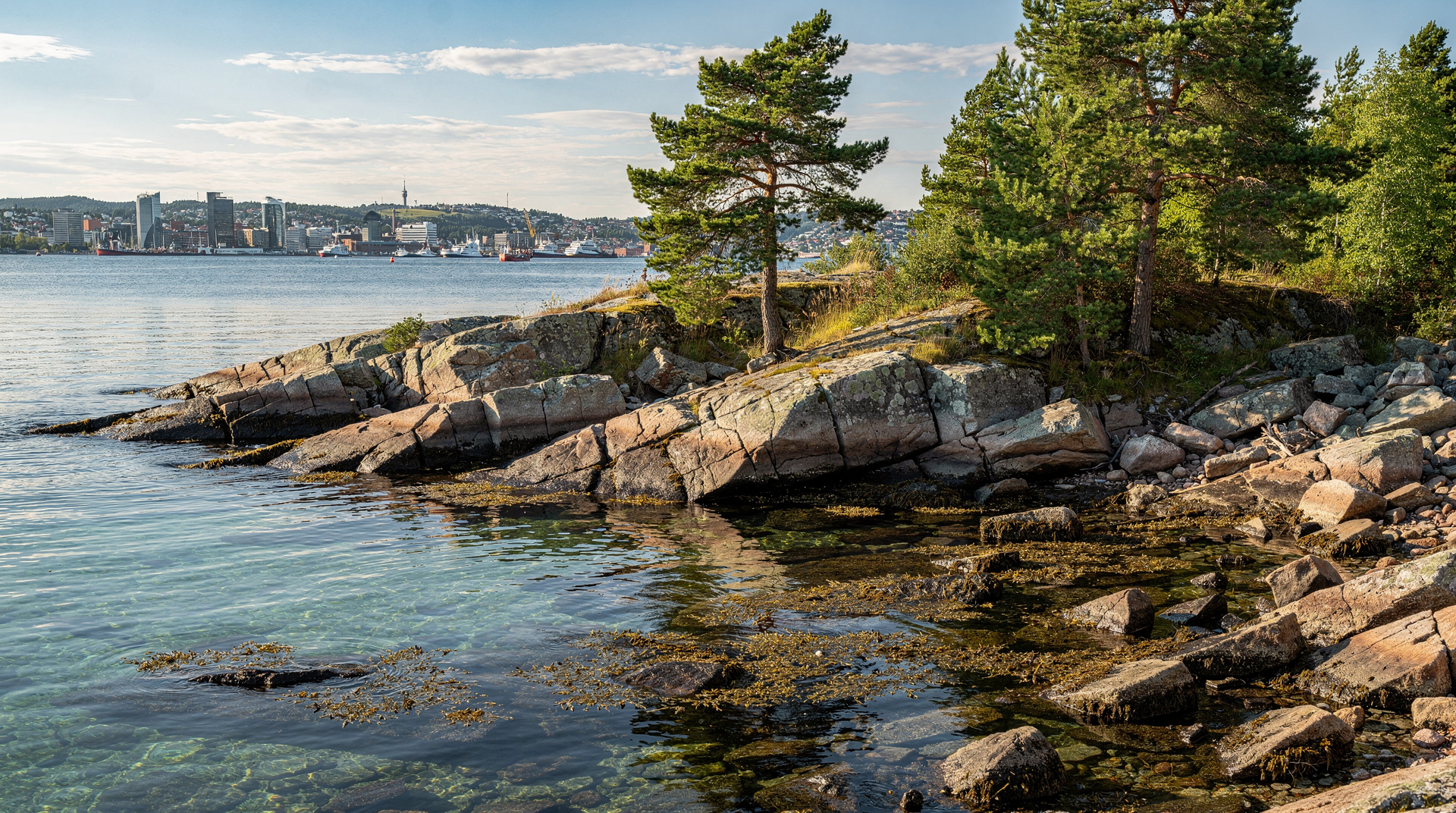
The inner Oslofjord sits between two shores: Nesodden to the west, a forested peninsula that curves like a protective arm around the water, and the eastern shore where towns like Østfold line up south towards Fredrikstad. Between these shores, dozens of small islands break the surface — the archipelago that locals call skjærgården (the island garden). These islands vary from tiny rocky outcrops with a single jetty to substantial green landmasses like Hovedøya, large enough for forest walks and the ruins of a medieval monastery.
Water temperatures peak at around 20–22 °C in July and early August — not warm by Mediterranean standards but perfectly swimmable, and genuinely refreshing in the context of Oslo’s brief, brilliant summers. From late September the water cools rapidly. By October, only the hardy or the sauna-primed are going in voluntarily.
The fjord can be choppy in autumn and winter, when westerly winds race down the valley. Summer days are often glassy-calm, especially in the mornings before the afternoon sea breeze picks up.
Getting on the water: the honest options
Public ferry (cheapest and often best)
The simplest way to experience the Oslofjord costs nothing extra if you already have a Ruter travel card. The public ferry network departs from Aker Brygge (pier 3) and from Vippetangen (near Akershus Fortress), reaching the main inhabited islands — Hovedøya, Langøyene, Gressholmen, Nakholmen — in 10 to 25 minutes. Ferries run roughly every 30–60 minutes in summer, less frequently outside the peak season. You board exactly as you would a bus: tap your Ruter card or use the app.
This is the local approach. In summer, the boats fill with Oslonians carrying towels, cold-boxes, and paddleboards. There are no audio guides, no scenic commentary, and no crew-prepared shrimp. What you get instead is an honest slice of how the city uses its own fjord. If you’re new to Ruter’s ticketing and zones, the Oslo public transport guide covers exactly how the ferries fit into the wider network. For a fuller rundown of routes and timings specifically, see the Oslofjord ferries guide.
Electric cruise boats
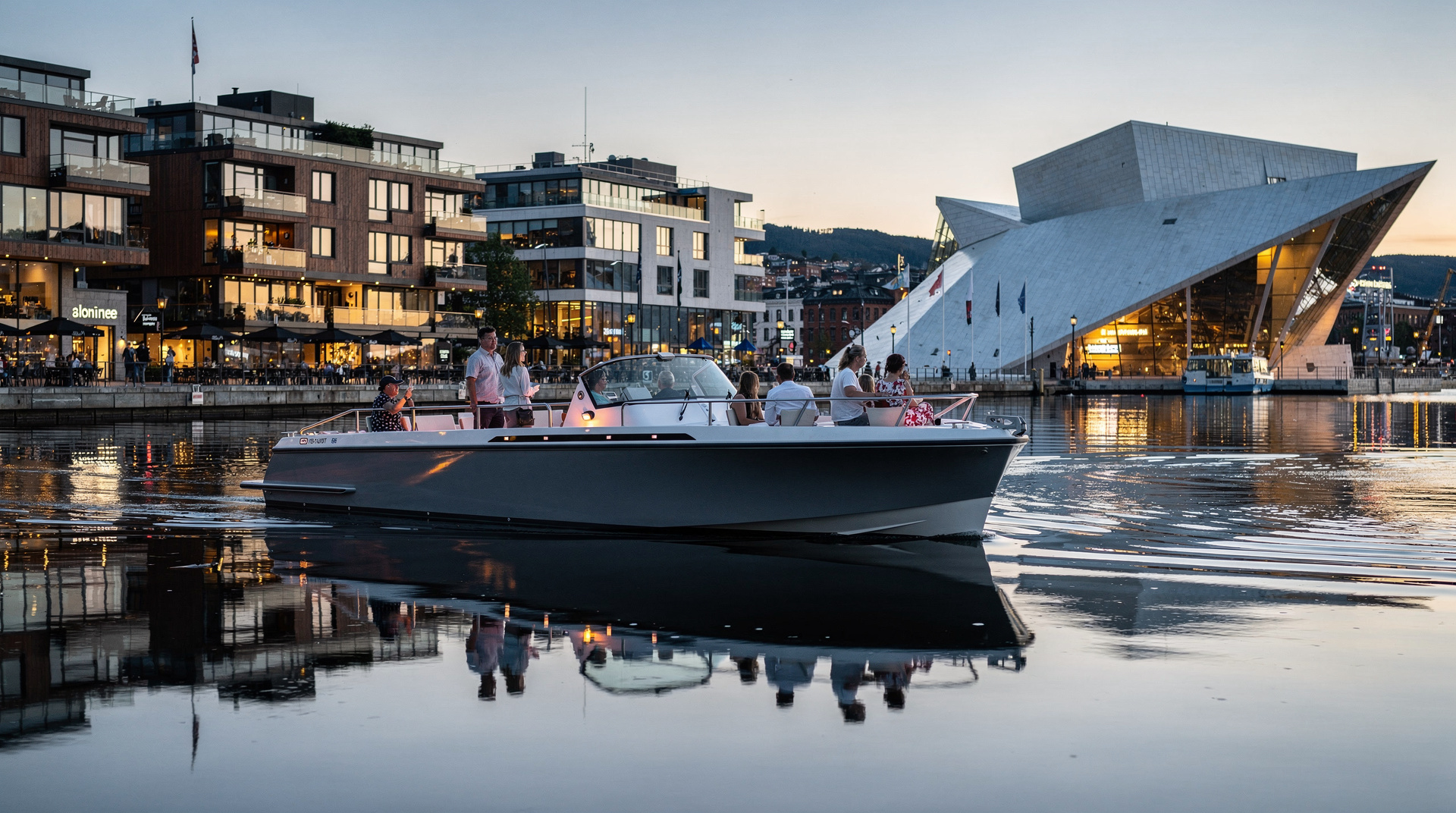
The new generation of silent electric tour boats — catamarans and purpose-built vessels with glass hulls or open decks — represent the best-value guided way to see the fjord. They’re genuinely quiet: no diesel rumble, just the sound of the water and the occasional seagull. A typical cruise lasts 2 hours and covers the inner islands, sometimes including a stop at Bygdøynes pier. Commentary is usually in Norwegian and English.
See the silent electric cruise guide for a detailed breakdown of what’s included and which vessels we recommend.
Sailing ships and classic wooden boats
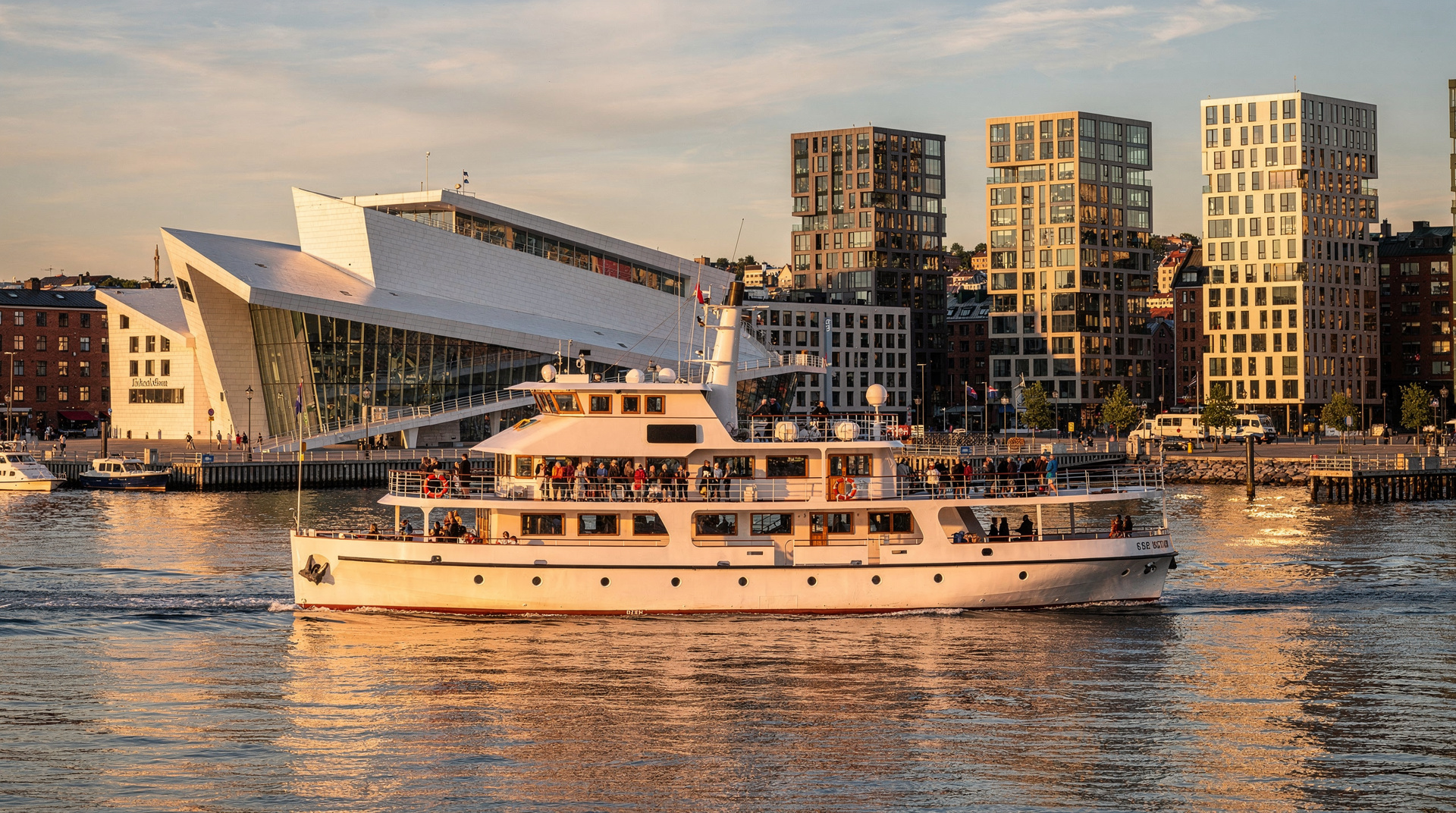
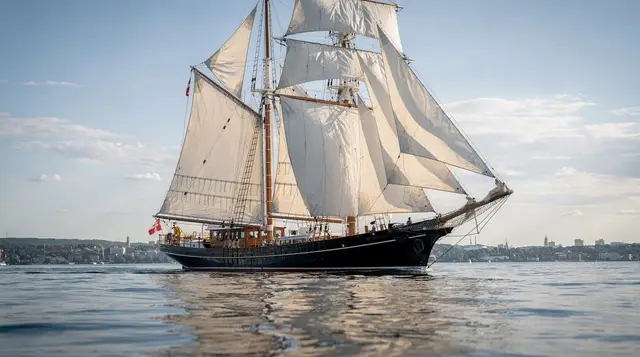
Several operators run cruises aboard traditional rigged vessels — either replicas of 19th-century schooners or genuine restored wooden boats. These are slower, more atmospheric, and better for photography. The sailing ship cruises typically run in summer only, lasting 2–3 hours. They’re particularly good for the shrimp-and-beer experience that Oslonians have been doing for decades: buy freshwater-boiled shrimp from the Aker Brygge kiosk, peel them on deck, eat with your fingers, and let the city recede.
Kayaking
For independent travellers with some paddling experience, kayaking the inner fjord is one of Oslo’s most underrated activities. You can rent from outfits near Tjuvholmen or join a guided 3-hour tour that takes in islands unreachable by ferry. The water is calm enough for beginners in good weather; the key risk is afternoon wind. See the kayaking Oslofjord guide for rental points and recommended routes.
SUP and paddleboarding
Stand-up paddleboarding has exploded in Oslo. On summer mornings, the inner harbour around Tjuvholmen and the Operastranda beach is dotted with paddlers. Rentals are easy to find. The SUP guide covers the best launch spots.
Private and sunset cruises
For special occasions or small groups, a private charter removes the schedule constraints of a shared boat entirely — you set the route and the pace. The private Oslofjord cruise guide covers realistic costs and how far in advance to book. For a lower-key option, the evening sunset fjord cruise times its route to catch the light over the islands, which in a Nordic summer can mean a 10pm departure and still-bright skies.
Which way should you actually see the fjord?
With five very different ways to get on the water, the right choice depends on budget, time, and what kind of experience you want. This is how they stack up:
| Option | Best for | Typical duration | Typical cost | Book ahead? |
|---|---|---|---|---|
| Public ferry | Independent travellers, tightest budgets | 10–25 min per leg | Included in a Ruter day pass | No |
| Electric cruise | First-timers wanting commentary + comfort | ~2 hours | NOK 500–700 (USD 54–75) | Recommended in summer |
| Sailing ship | Photography, atmosphere, shrimp-and-beer | 2–3 hours | NOK 550–750 (USD 59–81) | Yes, weeks ahead in July |
| Kayak / SUP | Active travellers, calm-weather days | 1–3 hours | NOK 300–600 (USD 32–65) rental/tour | Only for guided tours |
| Private charter | Small groups, full flexibility | 2+ hours, custom | NOK 3,000+ (USD 320+) for the boat | Yes, several days ahead |
The which Oslofjord cruise to pick guide goes deeper into matching a specific operator to your group and dates.
The floating saunas
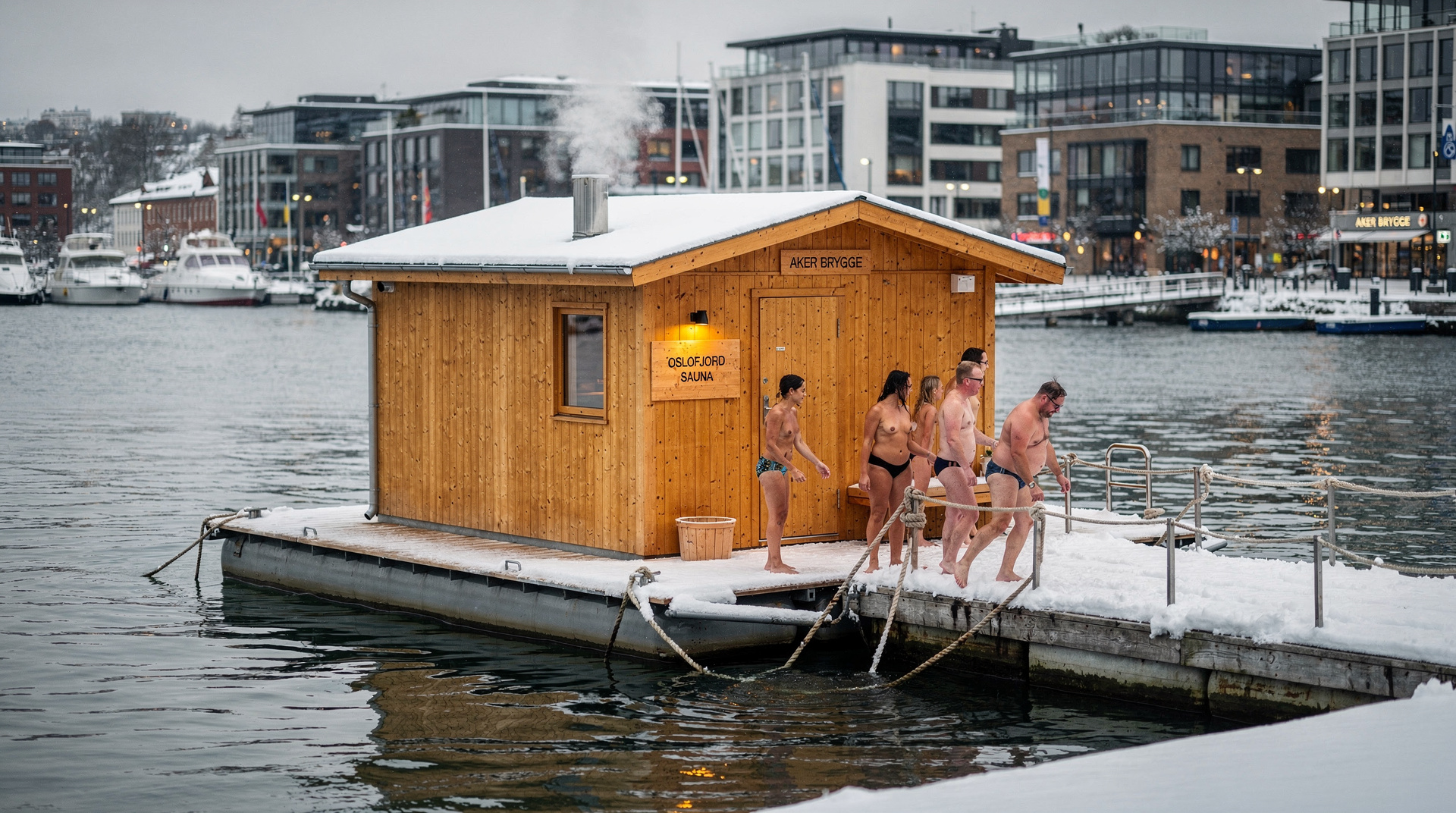
Oslo’s floating saunas have become one of the city’s signature experiences — and for good reason. The concept is simple: a small wooden sauna heated to 80–90 °C floats on the fjord, you roast, then step outside and jump into the sea, then return to the sauna. Repeat until transcendent.
The best-known cluster sits at Tjuvholmen, a short walk from Aker Brygge. Kystbadet and Kadettangen are the main public facilities. In summer you can book in advance online; walk-ins work outside peak hours. The etiquette is relaxed: swimwear is standard at the public saunas (nude is not required, unlike some private saunas).
Read the full floating saunas guide for booking links, etiquette, and honest opinions on which facilities are worth the price. For a closer look at the Tjuvholmen cluster specifically, see the Tjuvholmen sauna guide, and for the etiquette and safety around the cold-water plunge itself, the sauna and cold plunge guide is worth reading before your first dip.
Swimming and beaches on the fjord
You don’t need a sauna session to get in the water. Langøyene, reachable by summer ferry from Aker Brygge or Vippetangen, has the fjord’s most popular sand beach and a summer-only campsite. Closer to the centre, the Operastranda beach beside the Opera House and the small coves around Bygdøy are easy to reach on foot or by bus. Water quality throughout the inner fjord meets EU bathing standards, and lifeguards cover the main beaches in July and August. The Oslo swimming spots guide and the wider Oslo beaches guide both cover the full list, including a few quieter spots away from the Langøyene crowds.
Shrimp on the fjord — an Oslo ritual
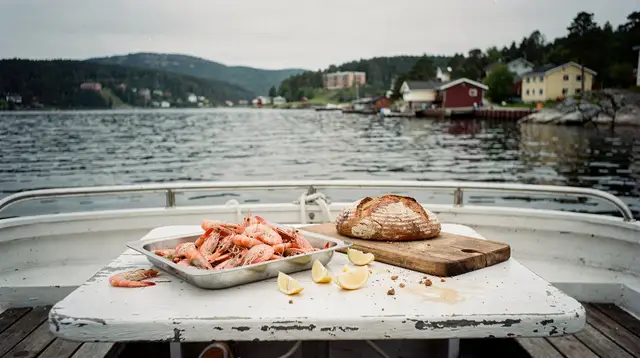
The rekesafari — a shrimp cruise or simply buying fresh shrimp from a fishing boat and eating it on the water — is one of those experiences that genuinely belongs to this city. Oslo’s shrimp are caught in the deep cold water of the outer fjord, then cooked aboard the trawler. When a fishing boat docks at the Aker Brygge pontoon, a small crowd materialises. You buy by weight (expect around NOK 200–280 / USD 22–30 per kilo), collect bread, butter, mayonnaise, and lemon from the kiosk, and find a spot on the harbour wall.
An evening shrimp buffet cruise — typically a 2.5 to 3-hour trip with open shrimp and sides — is a more organised version of this ritual. These run primarily from May through September and book up quickly in July. Check the shrimp buffet cruise guide for dates and honest value assessment.
Seasonal reality check
The fjord calendar is tightly tied to temperature. In practical terms:
June to August is the sweet spot. Ferries run full schedules, all island facilities are open, water temperatures allow swimming, and the long days (up to 18–19 hours of light in June, though true midnight sun doesn’t reach Oslo at 59.9°N) mean you can be on the water at 9pm and still have full light. Book popular cruises and sauna sessions at least a week ahead.
May and September are good shoulder seasons. Some ferry schedules are reduced; water is cold for swimming but fine for kayaking. Prices drop and crowds thin.
October to April is limited but not dead. The winter fjord cruise guide covers what actually runs. A few operators continue year-round with heated indoor cabins. The moody grey light and snow-dusted islands have their own visual drama.
Base yourself at Aker Brygge or Tjuvholmen
Almost all fjord activities depart from the Aker Brygge and Tjuvholmen waterfront — a ten-minute walk from Oslo Central Station. The Aker Brygge and Tjuvholmen destination guide covers the wider neighbourhood beyond the pier itself, including the design museums and apartment blocks that have transformed this stretch of waterfront over the past two decades. This is also where the best post-cruise restaurant options cluster. For restaurants, skip the tourist-facing places on the quay (overpriced, underwhelming) and walk one block inland to the streets around Stranden. Our food guide has specific recommendations.
If you’re building an itinerary around the fjord, the Oslo summer fjord and city 5-day itinerary combines fjord activities with the city highlights efficiently. For a tighter one-day plan that keeps everything on and around the water, see the Oslo and Oslofjord islands day itinerary.
Day trips anchored to the fjord
The Oslofjord is also the launching point for two of Oslo’s best day trips. Drøbak — the fjord’s “Christmas town” — sits 40 kilometres south and is reachable by ferry or bus. The Drøbak destination guide covers the Oscarsborg Fortress and what makes this small town worth a half-day. Further south, Nesodden’s forested peninsula rewards those who want quiet coastal walks and a genuine artist-community atmosphere. See the Nesodden guide for the logistics.
For the full archipelago experience — hopping between multiple islands in a single day — the island hopping guide walks through the best routes and combinations. Travelling with children changes the calculus slightly — shorter ferry hops and a beach with shallow water beat a 3-hour sailing cruise — and the family fjord activities guide covers age-appropriate options in detail.
The fjord’s role in Oslo’s identity
Oslo was founded by Harald Hardrada in 1048 (or thereabouts — the historical record is not precise) precisely because of the fjord. The inner harbour gave shelter; the Glomma and Drammenselva rivers flowing into the fjord provided waterways for timber. The city grew outward from the water, then as population expanded in the 19th and 20th centuries, spread up into the hillsides. But the water remained central to how Oslonians thought about their city.
The environmental story of the fjord is one of Oslo’s genuine achievements. By the 1970s, the inner harbour was significantly polluted — raw sewage, industrial runoff, and decades of neglect had made the fjord unsuitable for swimming. The city spent thirty years and considerable resources reversing this. Today the water quality in the inner Oslofjord meets EU bathing water standards, the fish population has recovered, and seals are occasional visitors to the harbour. This is not an accident or a natural state: it’s the result of deliberate environmental policy, and it’s worth knowing when you’re swimming off Langøyene or eating freshly caught shrimp.
The fjord also shapes Oslo’s architecture in ways that are easy to miss. The Opera House (opened 2008, designed by Snøhetta) was deliberately positioned at the water’s edge and built with a sloping marble roof designed to be walked upon — an architectural statement about public access to the waterfront. The adjacent Munch Museum (Edvard Munch Museet, 2021) is angled towards the fjord. The entire Bjørvika redevelopment area was built on reclaimed harbour land. The fjord is not background scenery for Oslo; it’s an active participant in the city’s design.
For the architectural context of Bjørvika and the Opera House, see the Bjørvika guide.
Honest assessment: is the Oslofjord worth it?
For most visitors, yes — but the experience depends on what you pay for. The free public ferry to Hovedøya followed by a picnic on the beach is one of Oslo’s best free afternoons. An organised electric cruise adds commentary and a relaxed pace at reasonable cost. The shrimp buffet cruise is genuinely fun if the weather cooperates and you like the social atmosphere of a shared boat.
Where value drops: overpriced “fjord experience” packages sold in hotel lobbies that bundle generic city tour segments with a short fjord transit. Book activities directly from pier operators or through trusted platforms, not bundled hotel packages.
The fjord is not a substitute for Norway’s western fjords — it lacks the dramatic walls of the Nærøyfjord or the scale of the Sognefjord. But as a city’s relationship with water goes, Oslo’s is exceptional. The fjord is woven into the city’s identity, its daily rhythms, and its best moments. Spend at least a few hours on it. Two honest, unsponsored takes worth reading before you decide what to book: one perfect summer day on the Oslofjord and the best fjord cruise we actually took.
Frequently asked questions about the Oslofjord
Is the Oslofjord the same as the Norwegian fjords I’ve seen in photos?
Not exactly. The Oslofjord is a long, relatively gentle inlet — beautiful but different from the narrow, cliff-walled western fjords like Nærøyfjord or Geirangerfjord. For dramatic mountain scenery rising from dark water, you need the Nærøyfjord or Sognefjord. The Oslofjord’s appeal is its accessibility, its islands, and its role in city life rather than grand geology.
Can you swim in the Oslofjord?
Yes, and many Oslonians do from June through August. Water temperature peaks around 20–22 °C in July. Langøyene island has the most popular summer beach. The operastranda and Tjuvholmen are central swimming spots. The water is clean — Oslo has invested heavily in water quality since the 1980s.
Do I need to book fjord cruises in advance?
In July and early August, yes — the popular evening shrimp buffet and sailing ship cruises fill up days or weeks ahead. The electric silent cruises have more departures and are easier to book last-minute, though weekends fill quickly. Shoulder season (May, early June, September) rarely needs advance booking.
What is the best way to experience the fjord for free?
Take a Ruter public ferry from Aker Brygge to Langøyene (summer only, roughly June to August) or Hovedøya, bring your own food and drink, and spend the afternoon on the rocks. The ferry costs nothing extra on a standard day pass. This is exactly what locals do.
Are the floating saunas worth the price?
At around NOK 280–350 (USD 30–38) for a session, the floating saunas are not cheap — but they’re a genuine Oslo experience with no close equivalent elsewhere. Sessions include unlimited sauna time with access to the fjord for cold plunges. The quality varies between facilities; Tjuvholmen’s established operators are more reliable than newer pop-ups. See the saunas compared guide.
Can I visit the Oslofjord islands in winter?
A few islands (mainly Hovedøya) are accessible year-round on reduced Ruter ferry schedules, but most island facilities close by October. Winter ferry frequencies are reduced. That said, a clear winter day on the fjord — snow on the rocks, still water, no crowds — has a stark beauty that some visitors prefer to the crowded summer version.
How far is the Oslofjord from the city centre?
The fjord effectively begins at Aker Brygge, a 10-minute walk from Oslo Central Station. You’re on the water in under 20 minutes from most central hotels. The ferry pier is the same quay you’d use to reach the islands — there’s no extra journey to “get to” the fjord.
Is the Oslofjord suitable for a day trip with young children?
Yes, with the right choices. A short public ferry to Hovedøya, a shallow-water beach, and a picnic make an easy half-day with kids of almost any age; a 3-hour sailing cruise or an evening shrimp buffet suits older children better. See the family fjord activities guide for age-specific recommendations.
What should I do if I only have a couple of hours in Oslo?
Head straight to Aker Brygge and take the public ferry to Hovedøya and back — it’s roughly 20 minutes each way, costs nothing extra on a standard Ruter pass, and gives a genuine sense of the fjord without committing to a full cruise. Combine it with a walk along the Tjuvholmen waterfront if you have any time left over.
Top experiences
Bookable activities with verified prices and instant confirmation on GetYourGuide.
Oslo: fjord evening cruise with shrimp buffet
- Shrimp buffet
- Best seller
Oslo: Oslofjord sightseeing cruise by sailing ship
- Classic sailing ship
- Free cancellation
Oslo: fjord cruise with live jazz music and shrimp buffet
- Live jazz
- Shrimp buffet
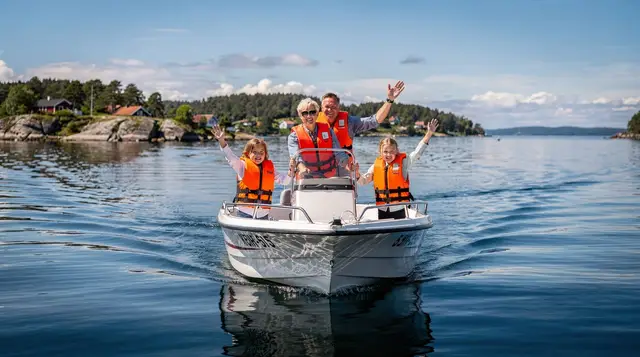
Oslo: island walks — island hopping tour (3 islands)
- 3 islands
- Local guide
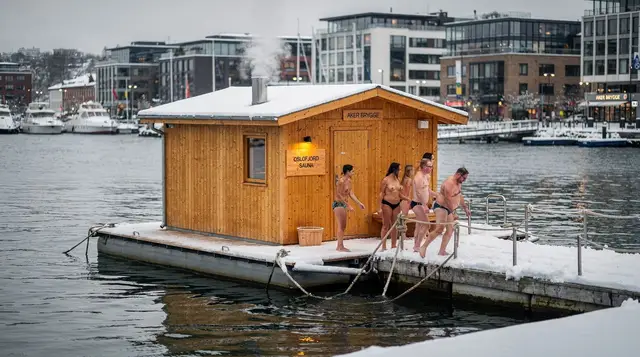
Oslo: self-service public floating sauna ticket, Tjuvholmen
- Floating sauna
- Fjord swim