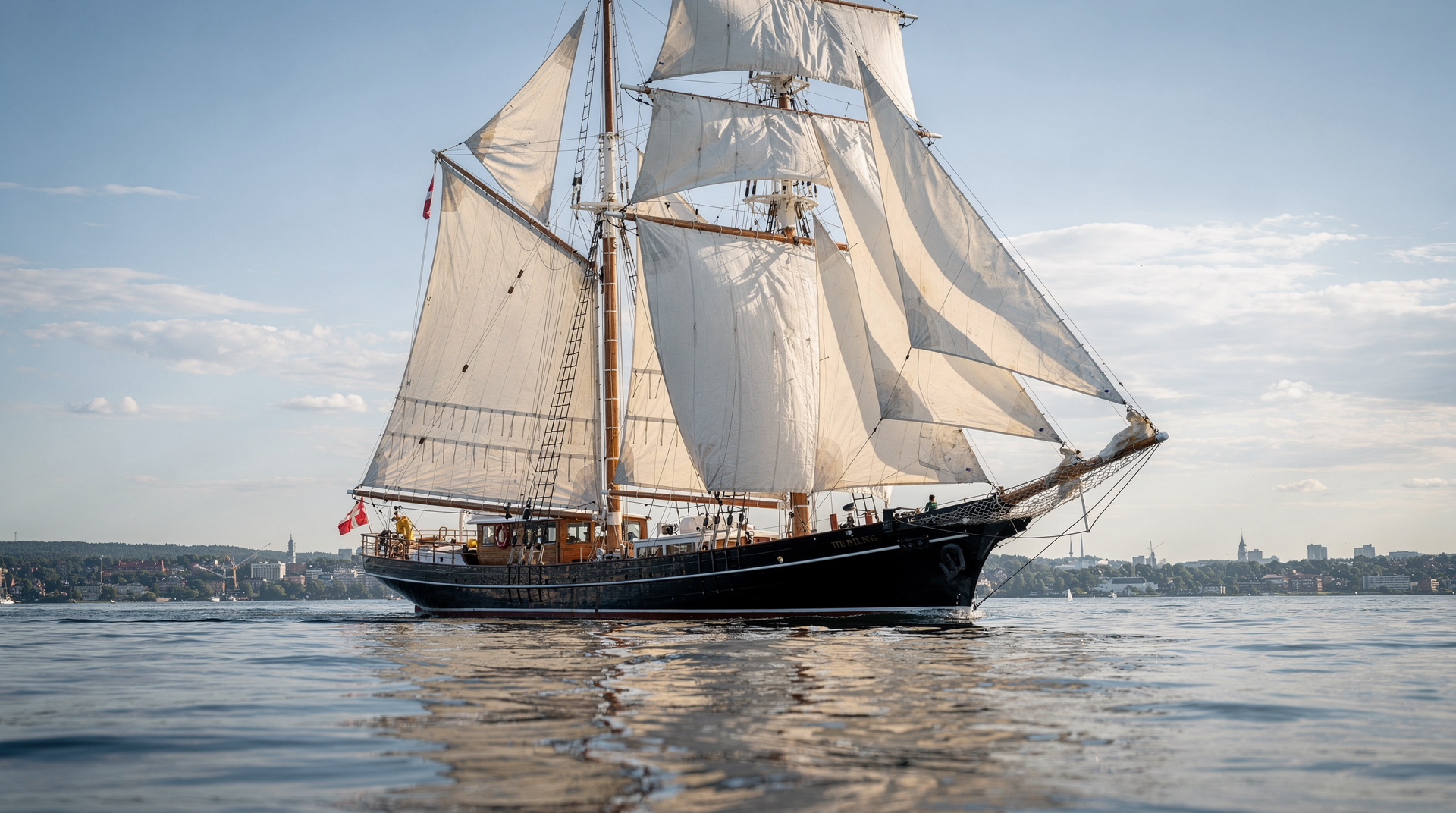
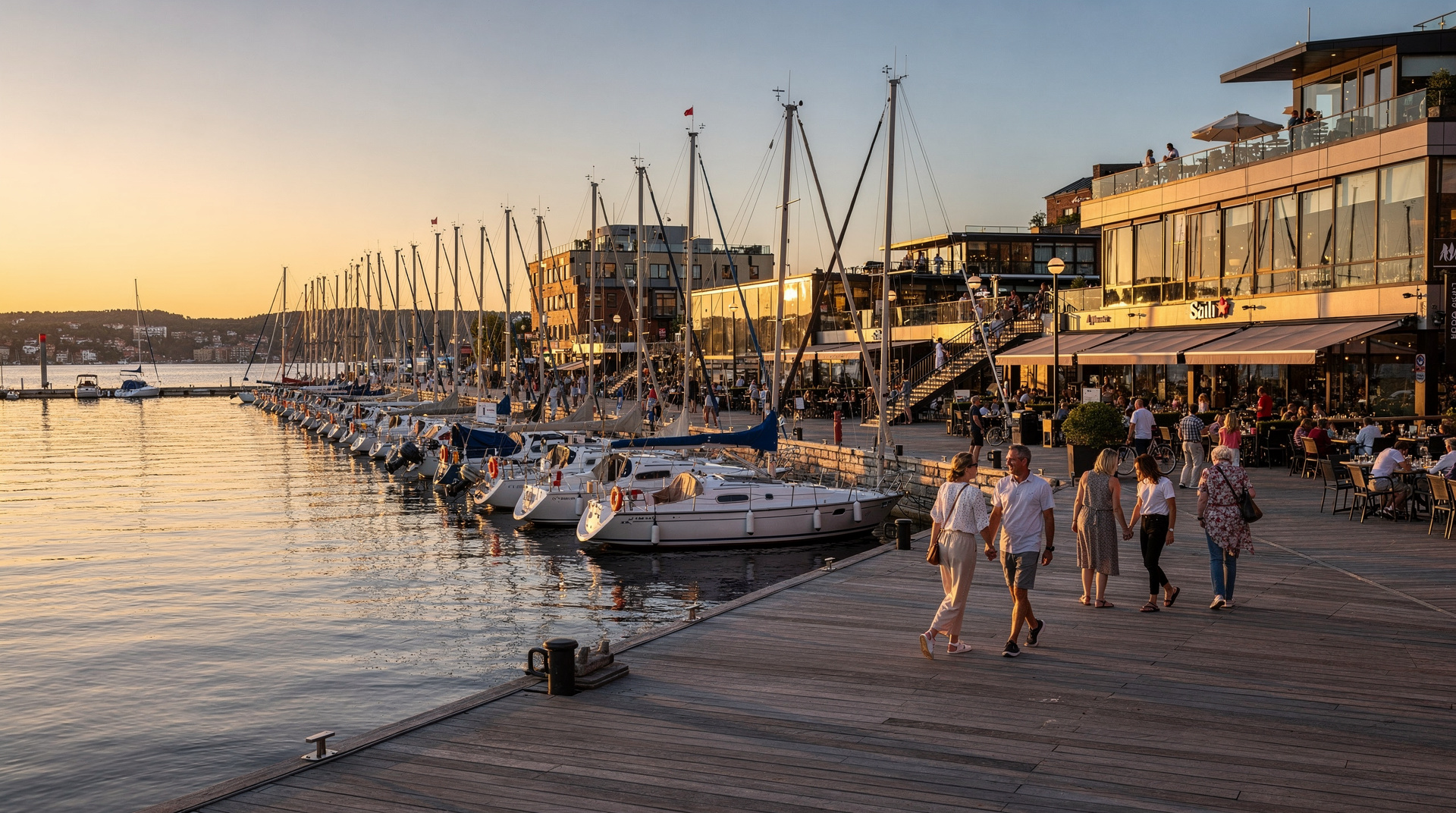
Oslo's silent electric boat cruise: what to expect, honest review
Oslo: guided sightseeing fjord cruise on a premium silent electric boat
Duration: 2 hours
- Silent electric boat
- Free cancellation
- Best seller
What is the silent electric boat cruise in Oslo?
The silent electric boat cruise is a 2-hour Oslofjord sightseeing cruise on a premium all-electric vessel. Because the boat runs on batteries with no diesel engine, the experience is genuinely quiet — you can hear the water, the audio commentary clearly, and the fjord atmosphere without any engine vibration. Departures are from Aker Brygge. Price is approximately NOK 299-350 per adult.
| Where | Departs Aker Brygge (Rådhusbrygge) |
| Cost | around NOK 299-380/adult |
| Time needed | 2-3 hours |
| Getting there | Tram 12/13 to Aker Brygge, 15 min walk from Oslo S |
| Best time | Evening in June-July for golden light; morning for calmer water |
What makes the silent electric cruise Oslo’s signature boat experience
There are a dozen ways to get on the Oslofjord from Oslo. What sets the electric cruise apart is something that sounds simple but feels profound on the water: silence.
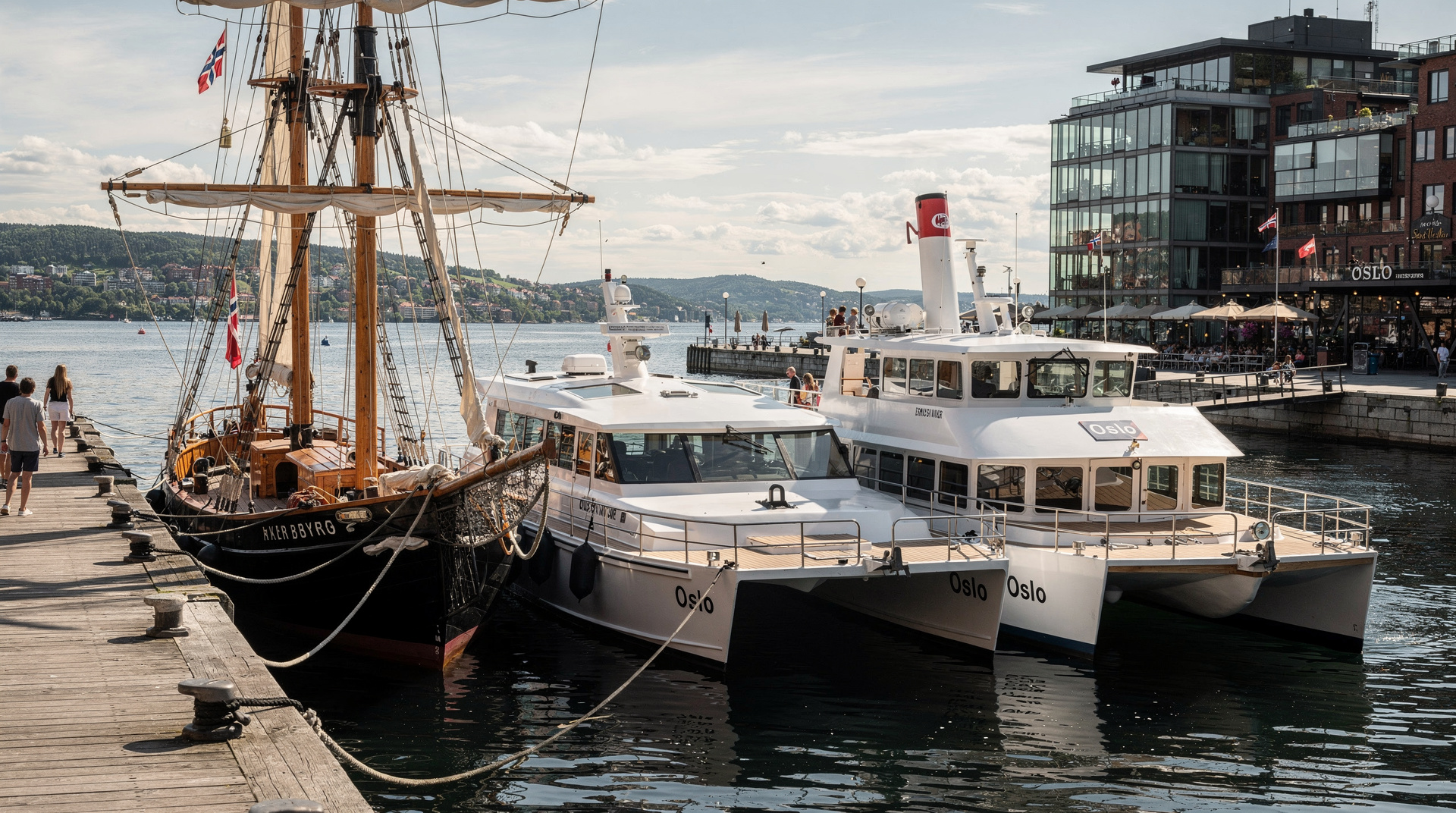
Most harbour cruise fleets worldwide run diesel engines. They are reliable, powerful, and constant — and they generate a background rumble that is part of the experience whether you notice it or not. In Oslo, a generation of Norwegian shipbuilders and operators decided to do it differently. The electric fleet — boats like the Elysium and similar battery-powered vessels — leave that noise behind entirely.
On the water, the difference is immediate. You hear the fjord: water against the hull, the call of common eiders, the creak of the mooring rope as you leave Aker Brygge. The audio commentary comes through clearly without competing with an engine. Conversations with whoever you are with feel natural rather than raised-voice shouting. The fjord becomes something you are inside rather than observing from a noisy platform.
This is why the silent electric cruise has become Oslo’s most-reviewed and highest-rated boat experience, and why it is the first recommendation for most visitors regardless of their interests.
Why the quiet changes the whole trip
Silence is easy to dismiss as a gimmick until you have spent time on a boat that has it. On a diesel boat you tend to retreat inside, put up with the vibration and wait for the commentary to repeat itself over the noise. On the electric boat you stay out on deck, because nothing pushes you indoors. People talk in normal voices, children listen to the audio guide, and photographers can hold a steady frame without the hum travelling through the rail.
It also fits the city the boat sails from. Oslo markets itself as a capital that takes its environment seriously, and the electric fleet is one of the most visible expressions of that on the water. If the theme interests you, our guide to green mobility in Oslo and the story of Scandinavia’s greenest capital give the wider context, and our personal write-up of the best fjord cruise we took shows how it felt from a passenger seat.
The route: what you actually see
Departures are from Aker Brygge (the main pier, called Rådhusbrygge, directly below Oslo City Hall). The route varies slightly by operator and season, but a typical 2-hour electric sightseeing cruise covers:
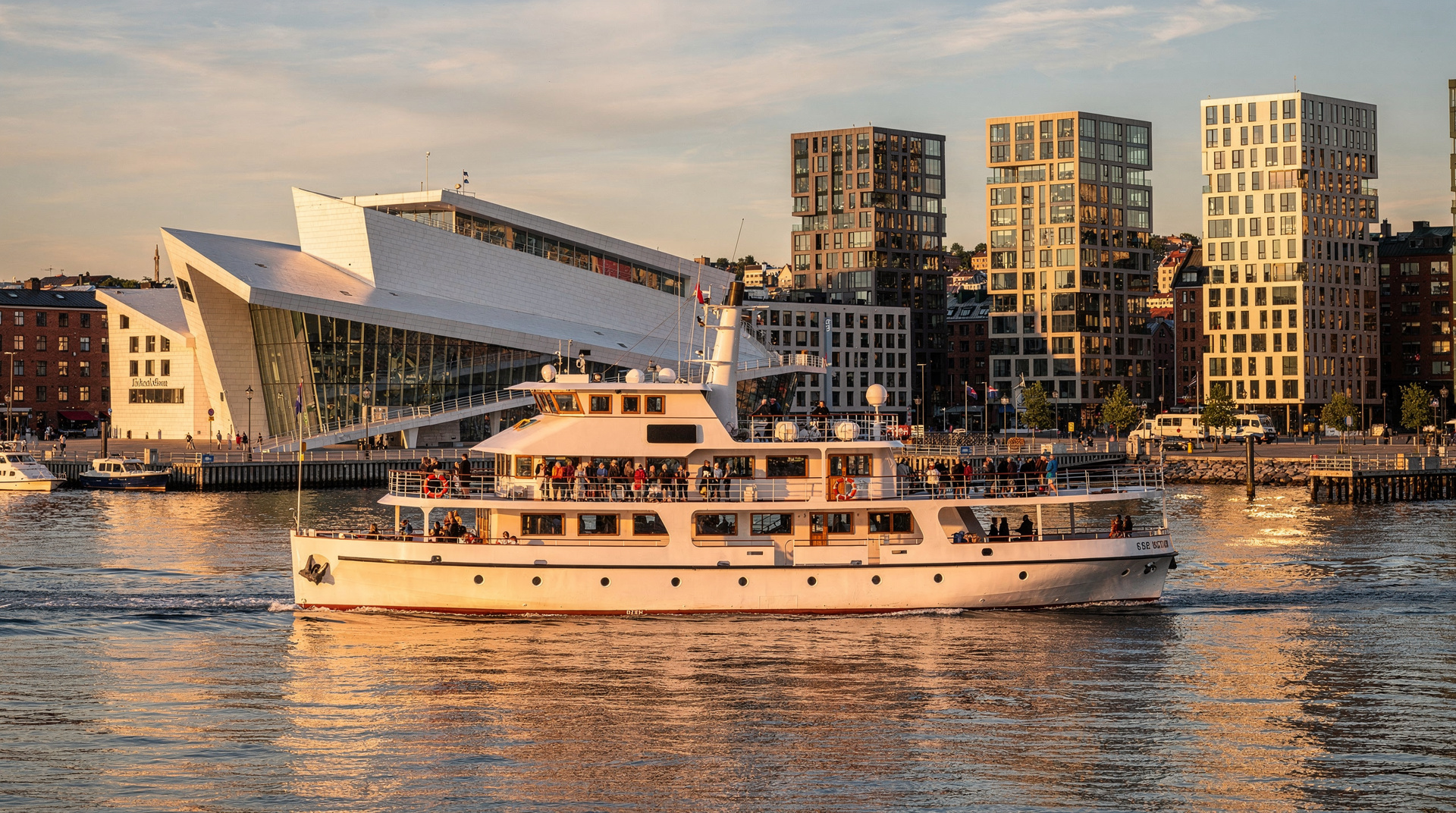
Inner harbour departure. Leaving from Aker Brygge, you immediately see the Oslo skyline from the water — the City Hall, the Opera House at Bjørvika, and the fortress hill of Akershus coming into view as you move away from the pier. This view is the one you see in most Oslo photography: the modern city reflected in the fjord water.
Akershus Fortress. The boat passes below the medieval fortress walls, giving you the view that arriving medieval ships would have had — the fortified headland designed to intimidate anyone approaching by sea. The audio guide explains the fortress history, including the German occupation during WWII.
Bygdøy peninsula. The route curves west around the forested Bygdøy peninsula. You can see the beaches at Huk and Paradisbukta from the water — in summer they are busy with swimmers. The peninsula looks very different from the fjord: undeveloped forest coming to the water, a sharp contrast with the urban waterfront elsewhere.
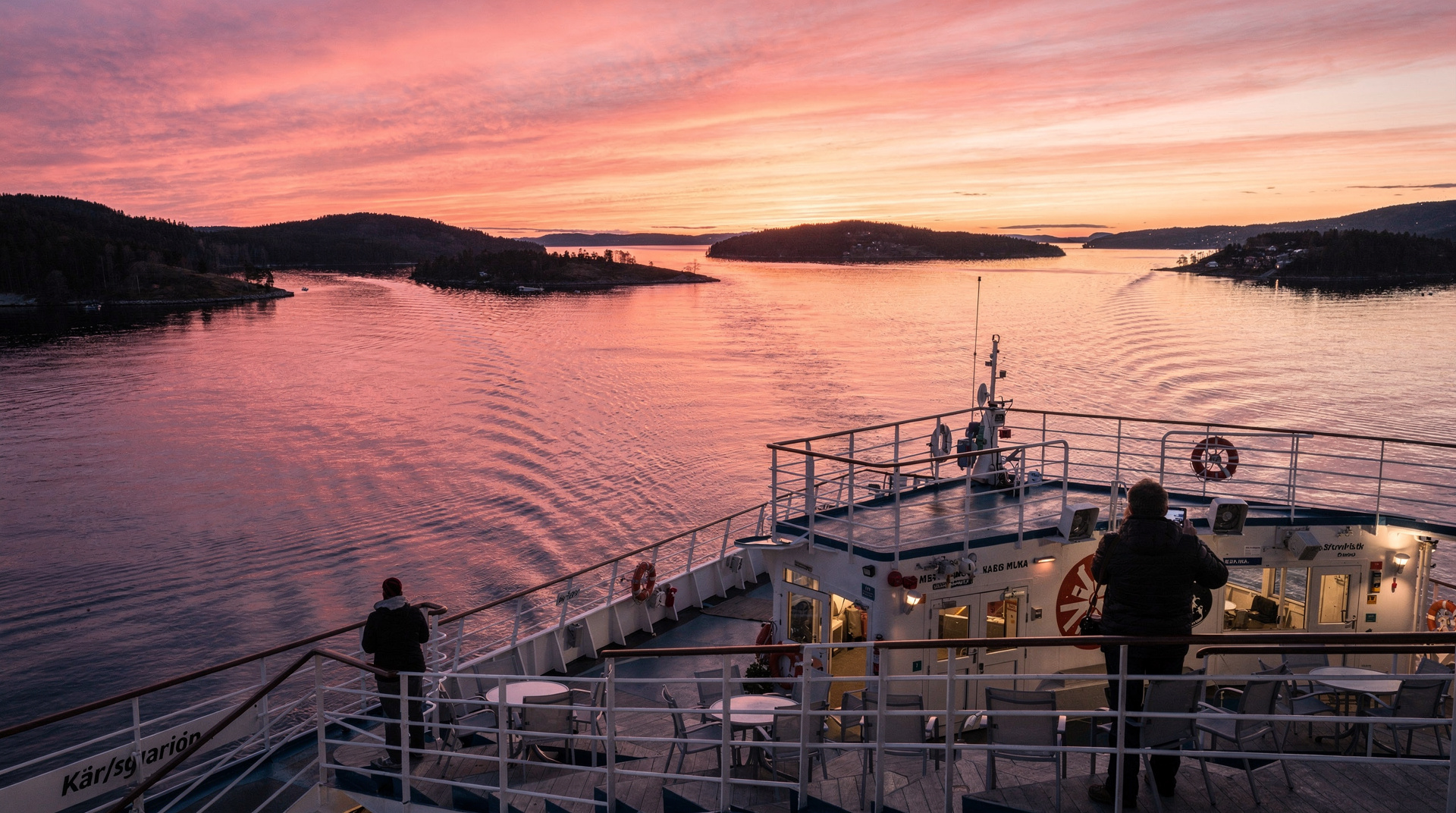
The island archipelago. The cruise ventures into the archipelago of small islands — Nakholmen, Lindøya, Bleikøya — that are served by the public ferries from Aker Brygge in summer. These islands are car-free communities and summer cottage settlements, almost entirely residential, giving a view of the Oslo that tourists rarely see: the private summer-cottage culture that defines how Oslo families actually spend their summers.
Return via the eastern harbour. The cruise returns past the opera house, giving a different angle on Bjørvika and the Barcode development.
How to get the most out of the audio guide
The audio commentary is the backbone of the trip, and because the boat is quiet you can follow it without straining. A few habits make it better. Choose your language before the boat leaves the pier rather than halfway through the first landmark. Keep the headphones or speaker volume low enough that you can still hear the water; the point of the cruise is that both layers coexist. When the commentary moves on to a landmark you have already passed, look back rather than ahead, since the skyline often changes most on the way out.
If you want to know more about what you glimpse from the deck, several of our guides go deeper than any commentary can. The medieval walls are covered in the Akershus Fortress guide, the peninsula in the Bygdøy destination page, and the waterfront architecture in the Opera House guide. Reading one of these the evening before turns a pleasant ride into something you understand while you are floating past it.
Who the electric cruise suits best
First-time visitors with limited time. The cruise gives a sense of how the city sits on its fjord in a single sitting, which is hard to get from the streets. If you are still deciding how to shape your stay, our two-day itinerary and three-day itinerary show where a cruise fits naturally.
Couples and friends who like to talk. The lack of engine noise makes this one of the few tours where conversation does not require leaning in and repeating yourself.
Families. Children can move between the covered seats and the open deck, and the unhurried pace suits a break from museum queues. For more ideas, see family fjord activities and Oslo with kids.
Photographers. The still platform and the open upper deck are an advantage, especially in the long evening light described below.
Travellers who want something more active. If you would rather paddle than sit, the kayaking guide covers a hands-on alternative on the same water.
Practical details
Departure pier: Rådhusbrygge / Aker Brygge, directly below Oslo City Hall. The pier is clearly signed. Tram lines 12 and 13 stop at Aker Brygge; it is a 15-minute walk from Oslo S via the waterfront.
Duration: Standard cruise: 2 hours. Extended electric audio cruise: 2.5-3 hours with a longer route.
Price (approximate, as of spring 2026):
- Adults: NOK 299-380 (~USD 32-41)
- Children (4-15): NOK 149-200 (~USD 16-22)
- Under 4: Free in most cases
- Family packages vary by operator
Season: Most electric cruises run from late April or May through September. Some operators extend to October. Winter sightseeing by electric boat is limited — see winter fjord cruise options.
What to bring: A light jacket even in summer — the fjord breeze is cooler than land temperatures. The boat has covered seating, but the best views and photos are from the open upper deck. Sunscreen for summer afternoon departures.
Accessibility: The electric cruise boats are generally accessible at the pier level; contact the operator in advance if you use a wheelchair, as boarding access varies by vessel.
Which electric cruise to choose
There are several electric cruise options available from Oslo in 2026:
Standard silent electric sightseeing cruise (2 hours): The most popular, best for most visitors. Audio guide included. Departs multiple times daily in high season.
Electric audio cruise with extended route (2.5-3 hours): Covers more of the fjord, reaches further into the island archipelago. Better for photography and those who want more time on the water. Price slightly higher.
Scenic fjord cruise with audio commentary: A slightly different vessel and route, similar concept. Worth comparing departure times if your preferred time is sold out for the first option.
All three are genuine electric boats with the defining silence characteristic. The differences are in route length and specific viewing angles rather than quality of experience.
Best time of day to cruise
Morning (10:00-12:00): Light comes from the east, illuminating the western side of the fjord and the Bygdøy shoreline particularly well. Water is typically calmer in the morning. Less crowded for photos.
Afternoon (14:00-16:00): Good for families with children who may have had a slower morning. Light becomes more dramatic as the afternoon progresses.
Evening (18:00-21:00): In summer, the extended Nordic light means the fjord is golden from roughly 19:00 onwards. This is the most photogenic time, especially in June and July when sunset approaches 22:00. The electric cruise in the evening light on the Oslofjord is one of Oslo’s finest experiences.
For sunset-specific cruise advice, see our sunset fjord cruise guide.
Is the electric cruise worth it compared to the public ferry?
A question worth addressing honestly: the Ruter public ferries from Aker Brygge go to the islands for a standard Ruter fare (about NOK 40-50 on a day pass, or included in Ruter tickets). The cruise costs NOK 299-380.
The difference is not just the route — it is the experience. The public ferry is functional transport to the islands; the cruise is specifically designed for sightseeing, with audio commentary, an unhurried route, and a boat designed to stay on the fjord rather than deliver passengers to specific piers.
If you just want to reach an island for a swim, the Ruter ferry is excellent and cheap. If you want a guided fjord experience, the electric cruise is worth the price.
Building a day around the cruise
Because the boat leaves from the waterfront, the surrounding hours are easy to fill without crossing the city. Before an afternoon or evening departure, wander the harbour front and the galleries of the Astrup Fearnley Museum, or walk through the Aker Brygge and Tjuvholmen area to get your bearings. Afterwards, the same district is a natural place to eat; our where to eat in Oslo guide helps you choose, and the overpriced food warning is worth a glance before you pick a table with a harbour view.
For a longer plan that combines the water with the city, the Oslo and Oslofjord islands day shows how to link a cruise with island time, and the island hopping guide explains how to reach the same islands you see from the deck. In the warmer months, our Oslo in summer guide shows what else the season offers.
Other ways to see the fjord
The electric cruise is the safe default, but it is not the only option, and a good choice depends on mood. If you want a toast and a table, the evening options in the dinner cruise guide are built for that. If you want the sound of canvas and wind rather than silence, the sailing option is the opposite experience. And if you would like to hire a whole boat for your group, see the private cruise guide. When a single comparison would help, the Oslofjord cruise roundup lays the choices side by side, and the Oslofjord destination page explains the water you will be sailing on.
If the weather is poor on the day you planned, do not write the trip off. Light showers pass, and the covered seating keeps the views available. If the forecast looks truly bad, move the cruise to another day and spend the morning indoors; our rainy-day museums guide has plenty to choose from.
Booking tips
Book in advance for summer weekends — July departures in particular sell out days ahead. Weekday morning slots in June and July are good alternatives if the weekend is full.
Cancellation policies vary by operator; most offer free cancellation up to 24-48 hours before departure. Check before booking.
For a full comparison of all cruise types, see the definitive Oslofjord cruise comparison, and use which cruise to pick if you want a personalised recommendation based on your group and budget.
Frequently asked questions about Oslo's silent electric boat cruise
How is the electric cruise different from a regular fjord cruise?
The key difference is the silence. Most harbour cruise boats worldwide use diesel engines, which create constant background noise and vibration. The electric cruise is battery-powered — the only sounds are water, wind, and the audio commentary. The effect is more contemplative, more suited to conversation, and makes the fjord feel more present rather than something you view through a window.How long is the silent electric cruise?
The standard cruise is approximately 2 hours. Longer versions (electric audio cruise with extended route) run 2.5-3 hours. Check the specific listing for the departure you are booking.What does the cruise cover?
The route typically starts from Aker Brygge, passes Akershus Fortress, curves around the Bygdøy peninsula, heads out through the island archipelago (Nakholmen, Lindøya, Bleikøya visible), and returns via the harbour. The audio guide explains the landmarks and history in English and other languages.Is the silent electric cruise good in bad weather?
The boats have covered seating inside and open deck seating on top. Light rain is manageable with a jacket; heavy rain reduces the outdoor experience significantly. The fjord views from inside the covered area are still good. Summer (June-August) has the most reliable weather, but May and September are also excellent.Can I bring food and drinks on the electric cruise?
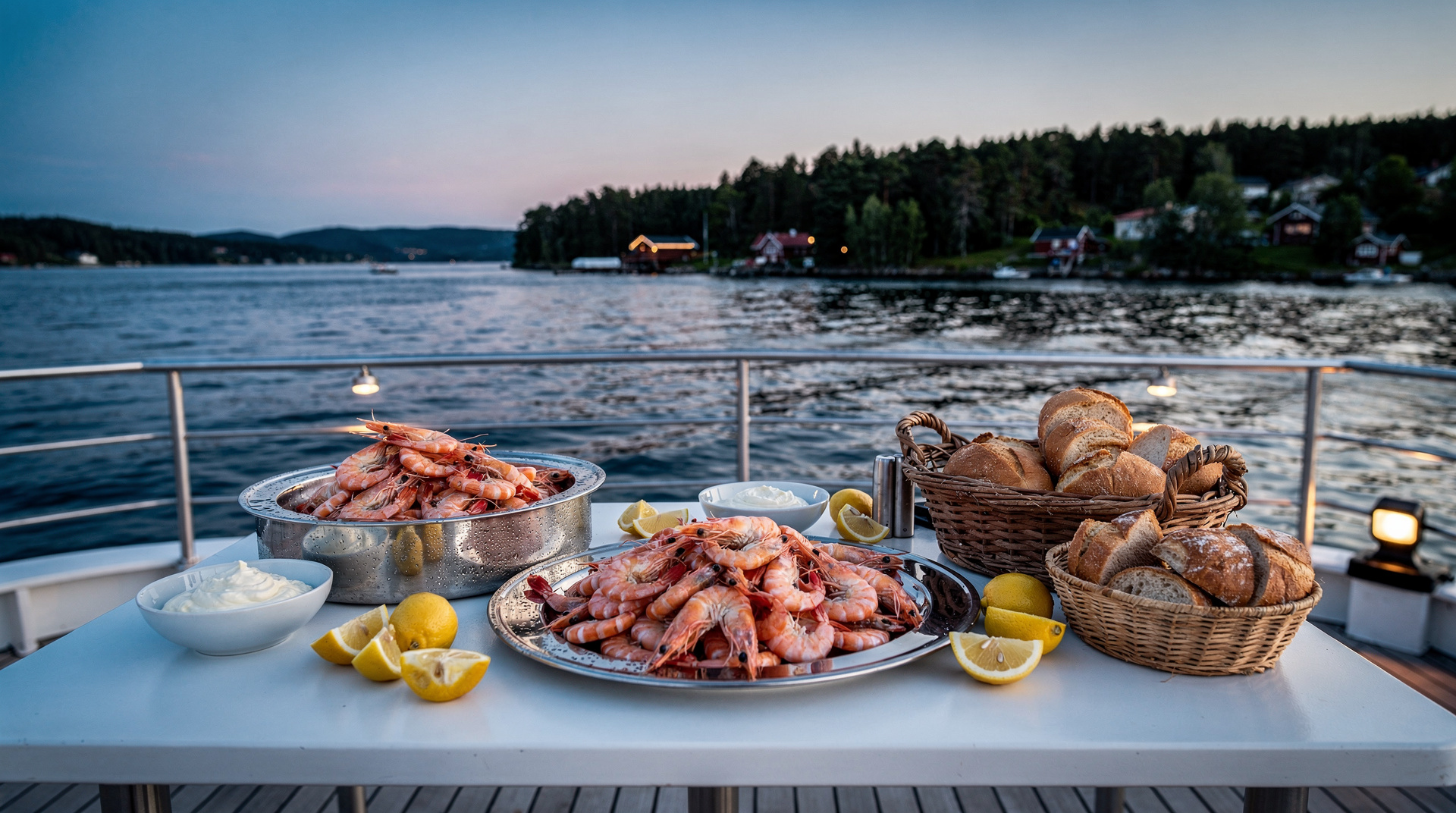
Most electric cruise operators have a small on-board bar with drinks (water, soft drinks, beer, wine). Some allow you to bring your own snacks. Check the specific operator's policy when booking.
Top experiences
Bookable activities with verified prices and instant confirmation on GetYourGuide.
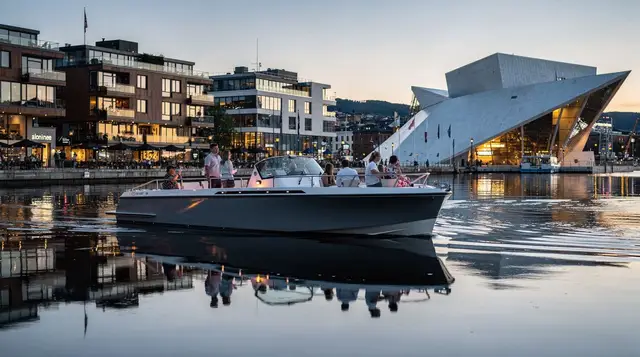
Oslo: guided sightseeing fjord cruise on a premium silent electric boat
- Silent electric boat
- Free cancellation
- Best seller

Oslo: 100% electric Oslofjord sightseeing cruise with audio guide
- Electric boat
- Audio guide
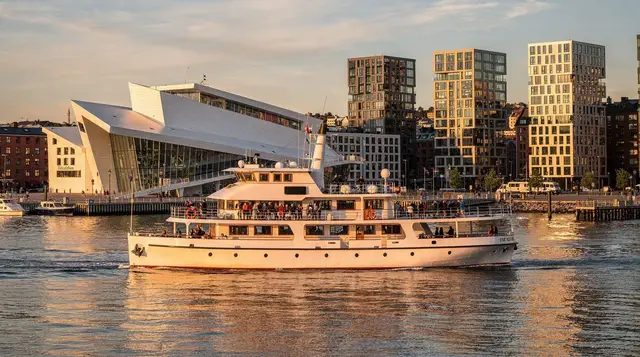
Oslo: scenic fjord cruise with audio guide commentary
- Audio guide
- Free cancellation
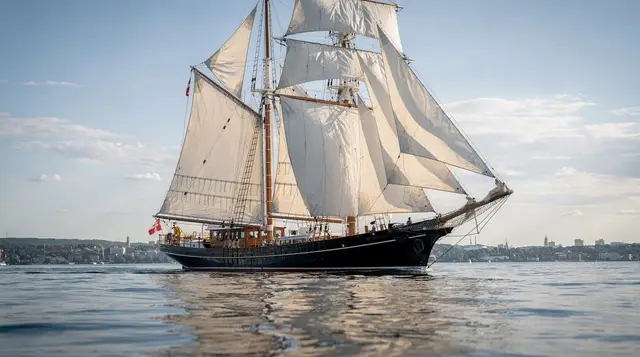
Oslo: Oslofjord sightseeing cruise by sailing ship
- Classic sailing ship
- Free cancellation