Winter fjord cruise Oslo: fish-soup cruise and what to expect in the cold season
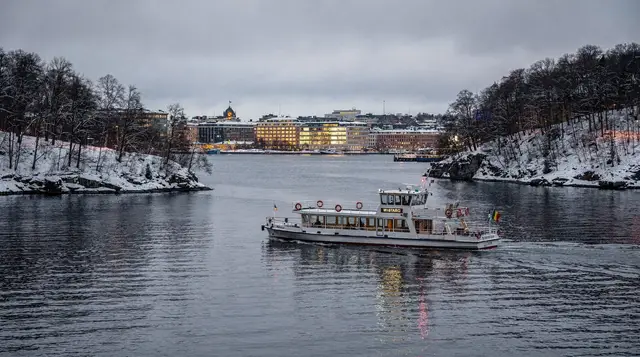
Oslo: skyline in winter with fish soup cruise
Duration: 2 hours
- Winter cruise
- Fish soup included
Is there a fjord cruise in Oslo in winter?
Yes, though options are very limited. The main winter offering is the fish-soup cruise (fisksuppe-cruise), which runs on selected days from December through March. It is a 1.5-2 hour heated-boat cruise on the Oslofjord with traditional Norwegian fish soup served on board. Most summer sightseeing cruises are closed from October to April. The fish-soup cruise is seasonal and popular — book ahead for December.
Fjord cruising in the Norwegian winter
Oslo in winter is not a city that hides indoors. The culture of friluftsliv — outdoor life regardless of weather — extends to the fjord, and a winter evening on the Oslofjord is a genuine Oslo experience that most summer visitors miss entirely.
The challenge for visitors is that most summer cruise operators close from October through April. The fjord does not close — it very rarely freezes, even in February — but the demand is low enough that maintaining full seasonal schedules is not economical for most operators.
The answer to winter fjord cruising is the fish-soup cruise: a specifically seasonal experience designed around the cold-weather context rather than fighting against it.
| Season | December–February/March, selected days |
| Duration | 1.5–2 hours, fully heated boat |
| Cost | Around NOK 450–550/person ($48–59) |
| Booking | 2–3 weeks ahead for December weekends |
| Daylight | Afternoon departure (~14:00) for any daylight views |
The fish-soup cruise (skyline winter cruise)
The Oslo fish-soup cruise — officially marketed by some operators as the “Oslo skyline in winter” cruise — runs on the Oslofjord on selected days from December through February or early March. Unlike the summer sightseeing cruises, which primarily offer views and commentary, this cruise is built around a Norwegian culinary experience: fisksuppe (fish soup).
What fisksuppe is: Traditional Norwegian fish soup is a cream-based broth made with cod or haddock (and often salmon, shrimp, or mussels), root vegetables, and dill. It is thick, warming, and deeply satisfying in cold weather — comfort food in the most literal sense. Served with good bread, it is one of the most genuine Norwegian food experiences available to visitors.
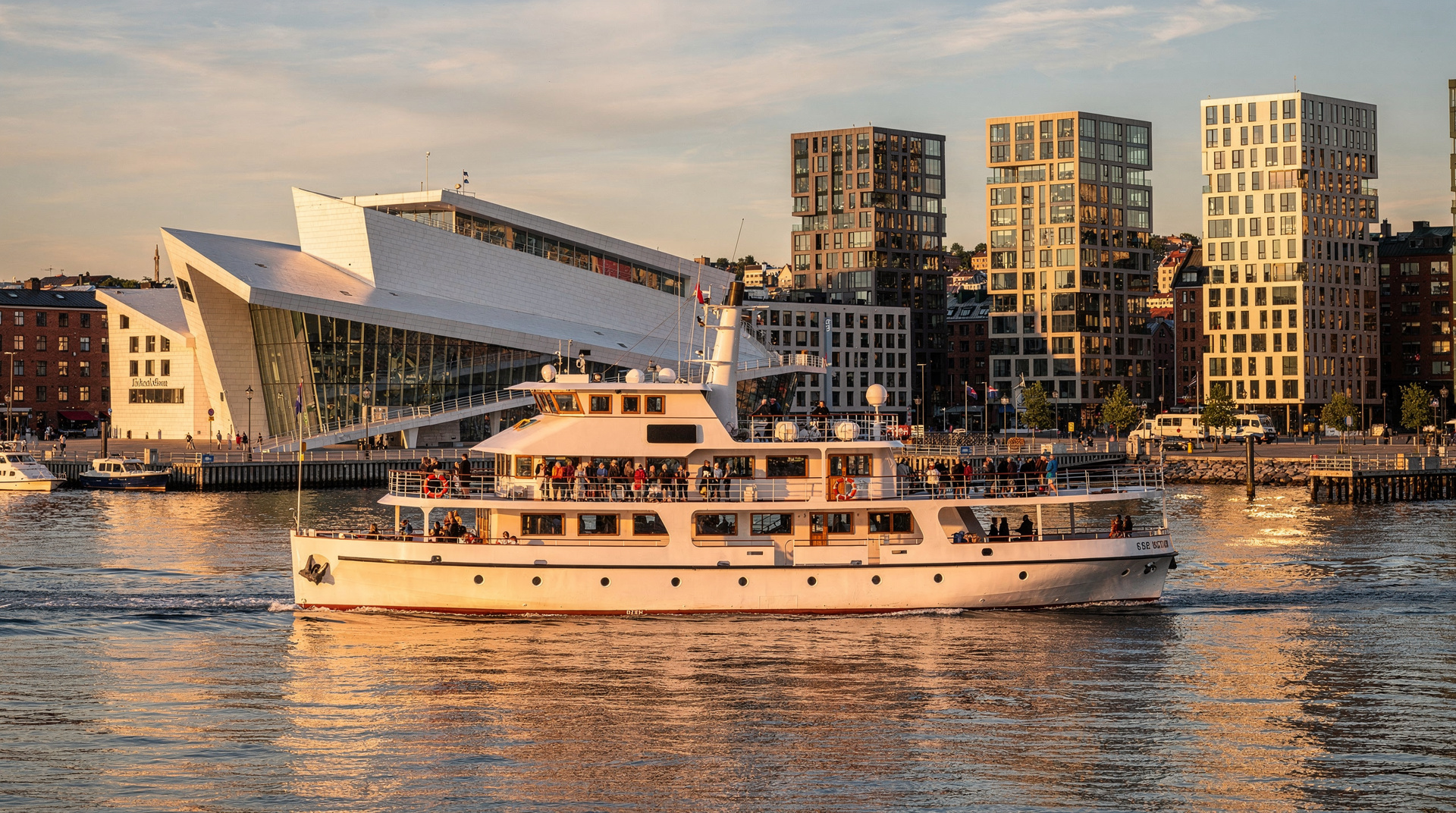
The cruise format: The boat is fully heated and enclosed — this is not an outdoor experience. You sit in the warm interior, receive a bowl of fish soup with bread, and watch the winter fjord through the windows. An audio guide or narrative covers the landmarks (Akershus Fortress, the Opera House, the island archipelago in the distance).
Duration: 1.5-2 hours. Shorter than summer cruises; the winter schedule is designed for comfort rather than extended sightseeing.
The fjord in winter: The inner Oslofjord in December-February is a completely different landscape from its summer character. The forested shores of Bygdøy are bare-branched. The summer cottage islands are deserted. Daylight is limited (sunrise around 09:15, sunset around 15:30 in December), so most evening departures are into darkness. The city lights reflect on the black water. Cormorants and herring gulls — the winter birds — replace the summer seabird mix.
It is not beautiful in the way summer fjord cruising is beautiful. It is atmospheric in a different way: stark, quiet, and specific to place and season. The Oslofjord in winter is Oslo’s own water, not a tourist backdrop.
Price: Approximately NOK 450-550 per adult (~USD 48-59) including fish soup. Drinks additional.
Booking: The December schedule is the most popular, especially in the weeks around the Christmas markets (usually running from late November through December 23). Book at least 2-3 weeks ahead for December weekend evenings.
What the Oslo skyline looks like in winter from the water
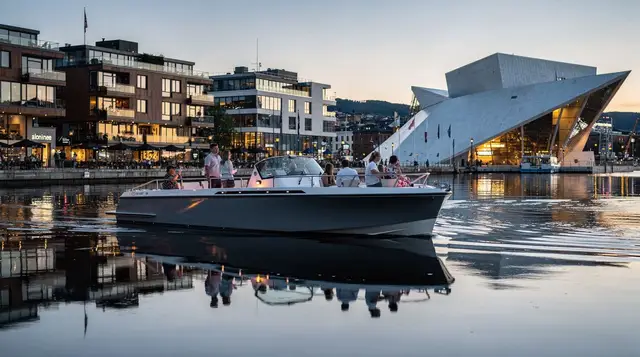
One thing the winter cruise offers that summer cannot: the full city-light reflection on the fjord at night. In summer, the long Nordic light means it barely gets dark until after midnight. In December, the city lights are fully visible from 16:00 onwards. The Opera House at Bjørvika is lit, the Akershus Fortress illuminates its medieval walls, and the hotels and office towers of the harbour cast lines of light across the dark water.
If you are an urban photographer, the winter evening cruise offers something genuinely difficult to capture from land: a moving platform with unobstructed 180-degree views of the illuminated Oslo waterfront.
Combining the winter cruise with Oslo’s winter scene
The fish-soup cruise works well as part of a winter Oslo day. A natural sequence:
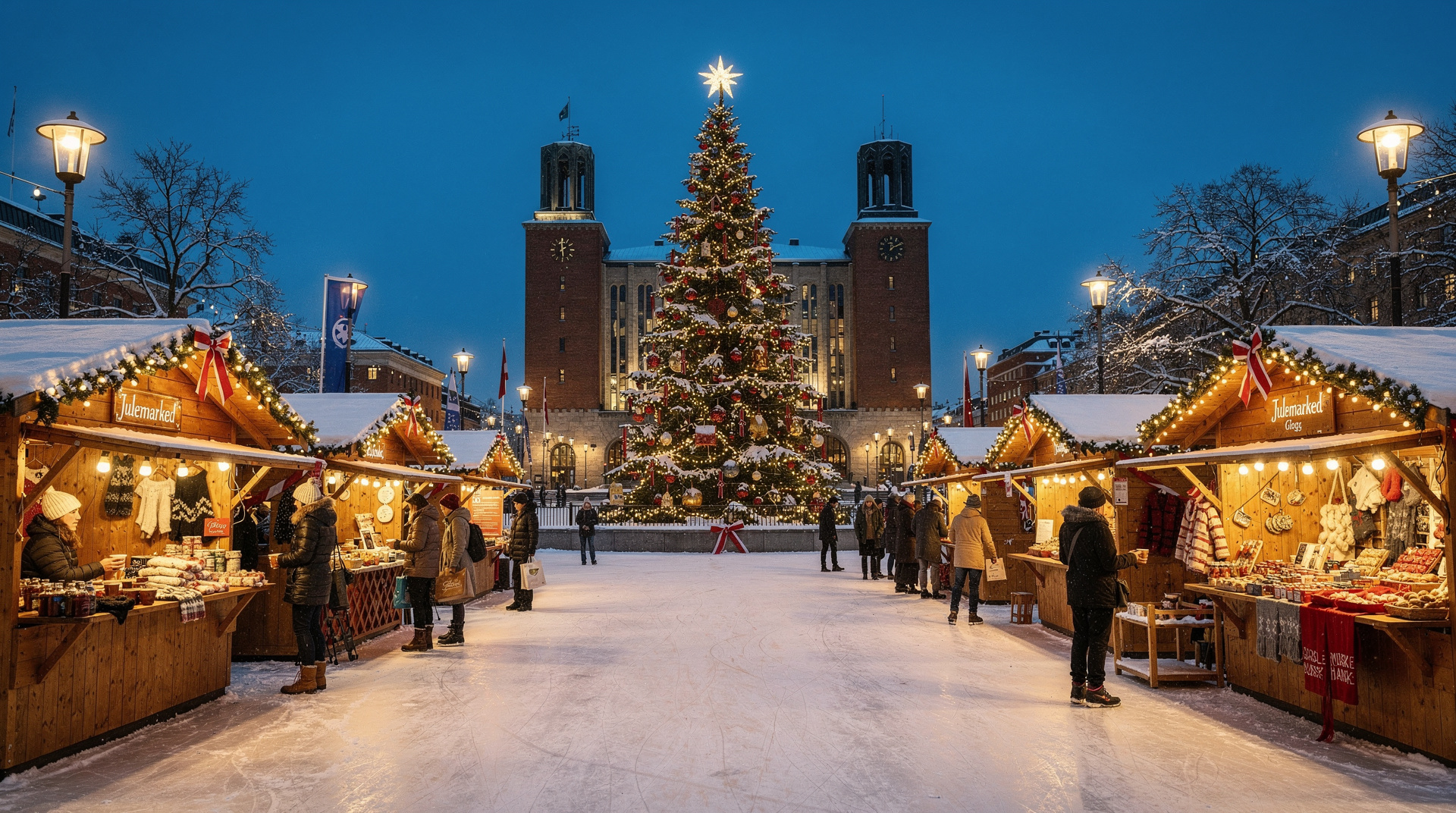
Afternoon: Christmas markets at Youngstorget, the Astrup Fearnley square, or Karl Johans gate (late November through December 23), with a mulled wine (gløgg) and Norwegian pastries.
Early evening: Walk the Aker Brygge waterfront to the departure pier, appreciating the winter fjord light before boarding.
Evening: Fish-soup cruise (1.5-2 hours), returning around 21:00.
Late evening: A post-cruise drink — try one of the wood-panelled bars in the Aker Brygge / Tjuvholmen area, or take tram 12 or 13 a few stops to the bars of Grünerløkka.
See our Christmas in Oslo guide for the full winter programme. For other winter activities, see Oslo in winter.
The fjord’s winter saunas
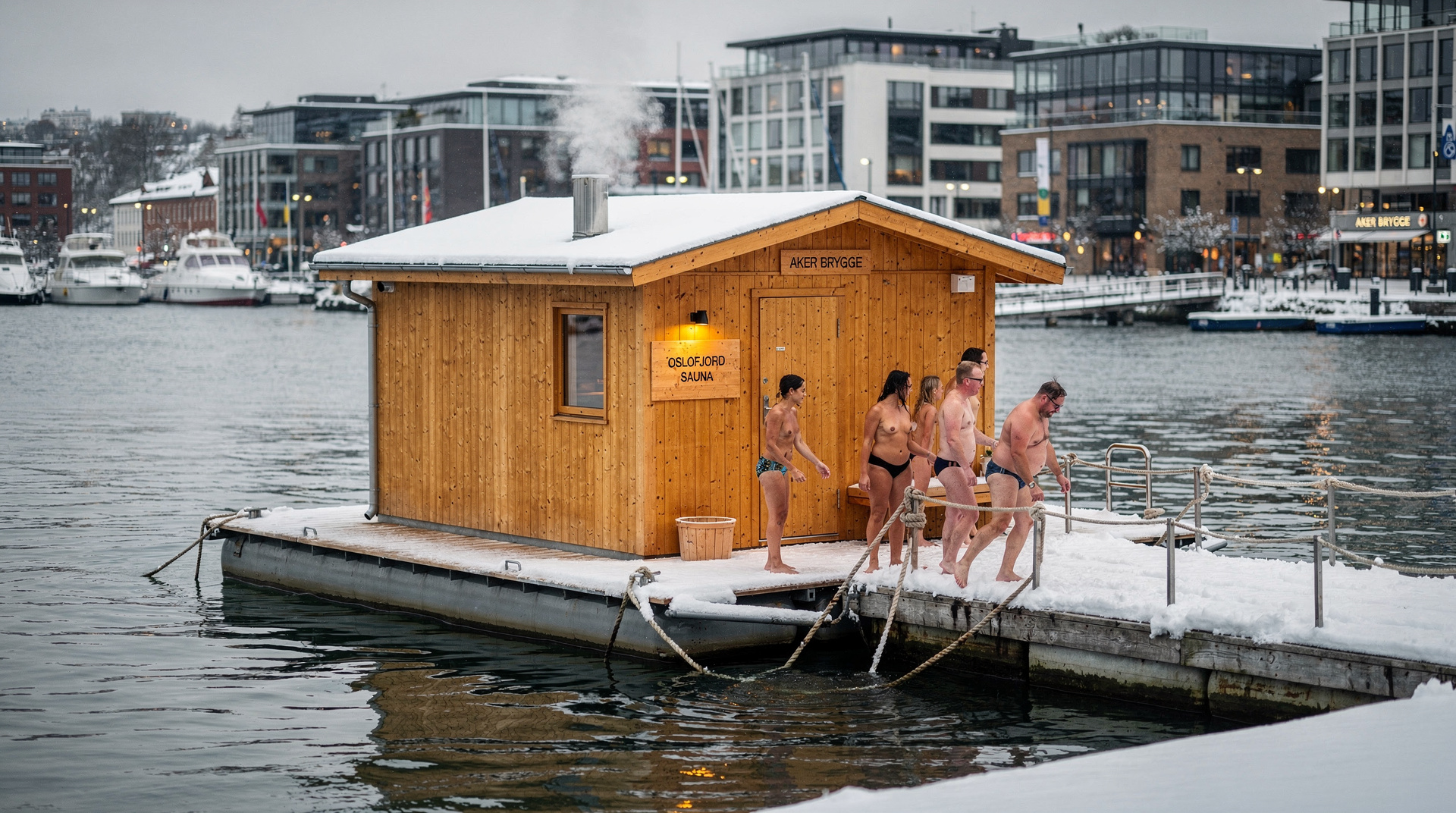
The fish-soup cruise is not the only winter fjord activity. Oslo’s floating sauna culture is arguably better in winter than in summer — the contrast between the hot sauna (typically 80-90°C) and a plunge into 4-6°C fjord water is the defining experience of the Norwegian sauna tradition.
The Tjuvholmen floating saunas operate year-round and are a short walk from Aker Brygge. A sauna booking typically runs 2-3 hours and costs NOK 400-700 per person including a towel and robe. See our floating saunas guide for full details.
The combination of a winter sauna session in the afternoon and the fish-soup cruise in the evening is an excellent Oslo winter experience that no summer visitor gets.
What if the fish-soup cruise is sold out?
In December especially, availability is limited. If you cannot get a fish-soup cruise booking, alternatives include:
Ruter ferry to the islands: The public ferry to Hovedøya or Lindøya runs year-round (see Oslofjord ferries). The islands are deserted in winter — genuinely so — and a walk on Hovedøya in snow is an unexpected Oslo experience.
Kayaking: Year-round kayaking tours operate on the Oslofjord; paddling the inner harbour in winter is cold but beautiful.
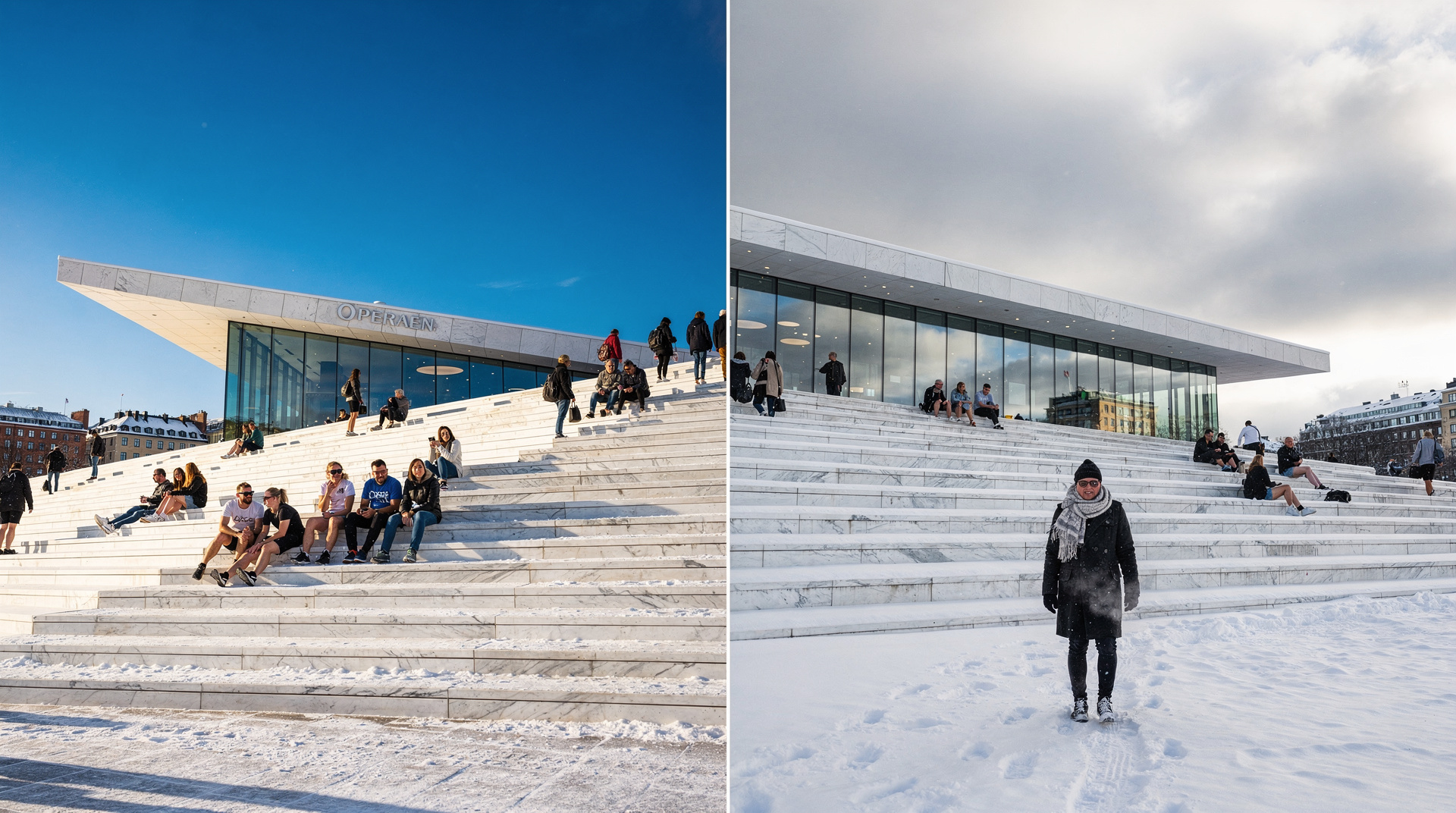
Waterfront walk: The Oslo waterfront from Bjørvika to Aker Brygge and Tjuvholmen is walkable year-round and the harbour views are excellent in clear winter weather. The Opera House’s white marble roof is a particular winter sight when dusted with snow.
Practical winter cruise advice
Temperature: On the boat, you will be warm — the boats are fully heated. Going between the pier and the boat requires proper winter clothing: wool mid-layers, a down jacket or equivalent, hat and gloves. Oslo in December-February averages -3 to -7°C; with the wind chill from the fjord, it is colder.
Daylight: If you want any fjord views in daylight, aim for an afternoon departure (around 14:00-15:00) rather than an evening one. Most winter cruise departures are in the early evening (around 17:30-19:00) and are into darkness.
Ice: The inner harbour near Aker Brygge can form thin ice in February in cold years. The cruise operators adjust routes as needed. The Oslofjord has never been fully frozen in modern records (the deep channel remains open).
Fish-soup cruise vs. summer sightseeing cruise
| Fish-soup cruise (winter) | Silent electric cruise (summer) | |
|---|---|---|
| Season | December–March | May–October |
| Duration | 1.5–2 hours | 2 hours |
| Price | NOK 450–550 (~$48–59) | NOK 299–380 (~$32–41) |
| Setting | Fully heated, enclosed | Covered seating, more open-air option |
| Highlight | Fisksuppe served on board | Full audio-guided sightseeing |
| Light | Mostly into darkness | Long daylight, golden hour in summer |
The winter cruise costs more per hour than its summer counterpart, but the price includes a full meal, which the summer sightseeing cruise does not. If you are comparing purely on value for a fjord view, the summer silent electric cruise wins; if you want a specifically Norwegian winter food experience combined with the fjord, the fish-soup cruise is worth the premium.
Is the winter fjord cruise worth it for a short Oslo trip?
If you are only in Oslo for a winter weekend, the fish-soup cruise is a genuinely efficient way to combine a meal, a fjord view, and a distinctly Norwegian experience into a single 1.5-2 hour booking — it earns its place even on a tight itinerary. It pairs particularly well with an afternoon at the Christmas markets or a visit to Bjørvika beforehand, since both are within easy walking distance of the Aker Brygge departure piers. For travellers who prioritise daylight photography over the meal itself, an afternoon departure around 14:00 is the better choice over the more common evening slot.
Who the winter cruise suits best
The fish-soup cruise is not for everyone, and saying so is part of planning well. It suits travellers who enjoy atmosphere over spectacle: couples looking for a quiet evening, solo visitors who want a warm place to sit and watch the city slip by (our solo travel guide covers other easy evenings of this kind), and anyone who has already seen the summer fjord and wants a different side of it. Photographers who like dark water and reflected light will get more from it than from almost any land-based viewpoint.
It suits families less automatically. A seated, indoor, meal-centred outing can work well with older children who like the idea of a boat and a hot bowl of soup, but small children may find the format slow. If you are travelling with them, look at Oslo with kids and rainy day with kids for livelier options, and keep the cruise for an early slot rather than a late one.
If you are travelling with reduced mobility, check the boarding arrangements with the operator before you book, and read the accessible Oslo guide for wider context on getting around the waterfront in winter conditions.
Making an evening of it
Because the cruise is a fixed-length booking, the real planning question is what surrounds it. A few ways to shape the day without overloading it:
Keep the day light on the feet. Winter walking in Oslo is pleasant when you dress for it, but cold wears you down faster than you expect. Plan one indoor stop in the afternoon, such as the National Museum or the Astrup Fearnley Museum, so that you board the boat warm and unhurried rather than chilled and rushed.
Eat lightly beforehand. The soup is the centrepiece of the cruise, so there is no point arriving full. A coffee and a pastry earlier in the day is enough; for ideas on where to stop, see Oslo coffee culture.
Leave room for a second act. After the boat, the waterfront is still lively. If you want something longer than a drink, the Oslo nightlife guide and the best bars in Oslo point to places that make sense on a winter night. Be realistic about the budget too: the Oslo daily costs breakdown helps you decide whether the cruise, a sauna and a bar stop all fit into the same day.
Choosing between winter and other cruise styles
Visitors sometimes arrive in winter expecting the full range of summer cruises and are surprised by how few are running. It helps to understand the logic. Summer products sell on long light, open decks and scenery; the winter product sells on warmth, food and mood. They are different experiences rather than weaker or stronger versions of one another.
If your dates are flexible and a daylight fjord is what you really want, the best time to visit Oslo and Oslo summer versus winter pages will help you decide whether a different season suits your goals. If you are set on winter, the cruise is the right booking, and the Oslo winter itinerary over three days shows how it fits alongside skiing, saunas and museums. For a sense of how other travellers have used the fjord, the blog post on the fjord cruise we took gives a first-hand view, and the winter in Oslo: what to expect piece sets the cold-season mood well.
Small details that make the evening better
A few practical habits make a real difference on a winter boat evening, none of which depend on exact schedules:
- Arrive at the pier a little early. Boarding in the cold is more comfortable when you are not racing, and an early arrival lets you choose a seat by a window.
- Pick your side of the boat with the view in mind. The skyline and the Opera House are the highlights, so a seat with a clear window is worth more than a seat near the food.
- Bring a camera that handles low light. Phone night modes work, but resting your hands on a window ledge or table steadies shots of the dark water and lit buildings.
- Wear layers you can take off indoors. The cabin is warm, and a heavy coat quickly becomes a nuisance once you sit down to eat.
- Keep gloves within reach. Pier railings and gangways are cold, and fiddling with a ticket in bare fingers is no fun.
None of this is complicated, but together these habits turn a decent evening into a good one. For a wider sense of how the fjord fits into a Norwegian winter trip, Oslofjord and Aker Brygge and Tjuvholmen are the two destination pages worth reading next, and Oslo in winter activities rounds out the cold-season options. If you also want a cold-water experience of your own after the boat, the sauna and cold plunge guide explains how it works.
For the complete summer cruise comparison to plan the rest of your trip, see best Oslofjord cruises.
Frequently asked questions about Winter fjord cruise Oslo
When does the fish-soup cruise run?
The Oslo fish-soup cruise (known as the skyline winter cruise with fish soup) runs primarily from December through February or March, on selected weekends and some weekday evenings. Check availability for specific dates when booking — the schedule varies by season.What is the fish-soup cruise experience like?
It is a 1.5-2 hour cruise on a heated vessel on the Oslofjord in winter. Traditional Norwegian fish soup (fisksuppe) is served on board — a cream-based broth with white fish, vegetables, and sometimes shellfish. The fjord in winter has a completely different character: quieter, darker, with city lights reflecting on the water. It is more contemplative than the summer cruises.What does the fish-soup cruise cost?
Approximately NOK 450-550 per adult (~USD 48-59) including the soup. Drinks are additional. Prices vary by year — check the current booking page.What is the Oslofjord like in winter?
The inner Oslofjord rarely freezes — the deeper water and tidal flushing keep it open. The outer fjord's forested shores look entirely different with snow: stark, beautiful, and almost deserted compared to the summer cottage weekends. Daylight is limited (6-8 hours in December-January), so evening winter cruises depart into near-darkness, with city lights prominent.Are any other boat activities available on the Oslofjord in winter?
The public Ruter ferries to the Oslo islands run year-round, though the islands are mostly deserted in winter. Private boat hire exists for year-round but is expensive in winter. The fish-soup cruise is the main organised winter option.Is the fish-soup cruise worth it compared to a summer cruise?
It costs more per hour than the summer silent electric cruise, but the price includes a full meal, which the summer cruise does not. Choose the fish-soup cruise for a distinctly Norwegian winter food experience; choose a summer cruise for pure value on fjord sightseeing.Can I get daylight views on the winter fjord cruise?
Only on an afternoon departure around 14:00-15:00. Most winter cruise slots depart in the early evening (17:30-19:00) and head out into darkness, which is part of the appeal for the city-light views but means no daylight scenery.
Top experiences
Bookable activities with verified prices and instant confirmation on GetYourGuide.