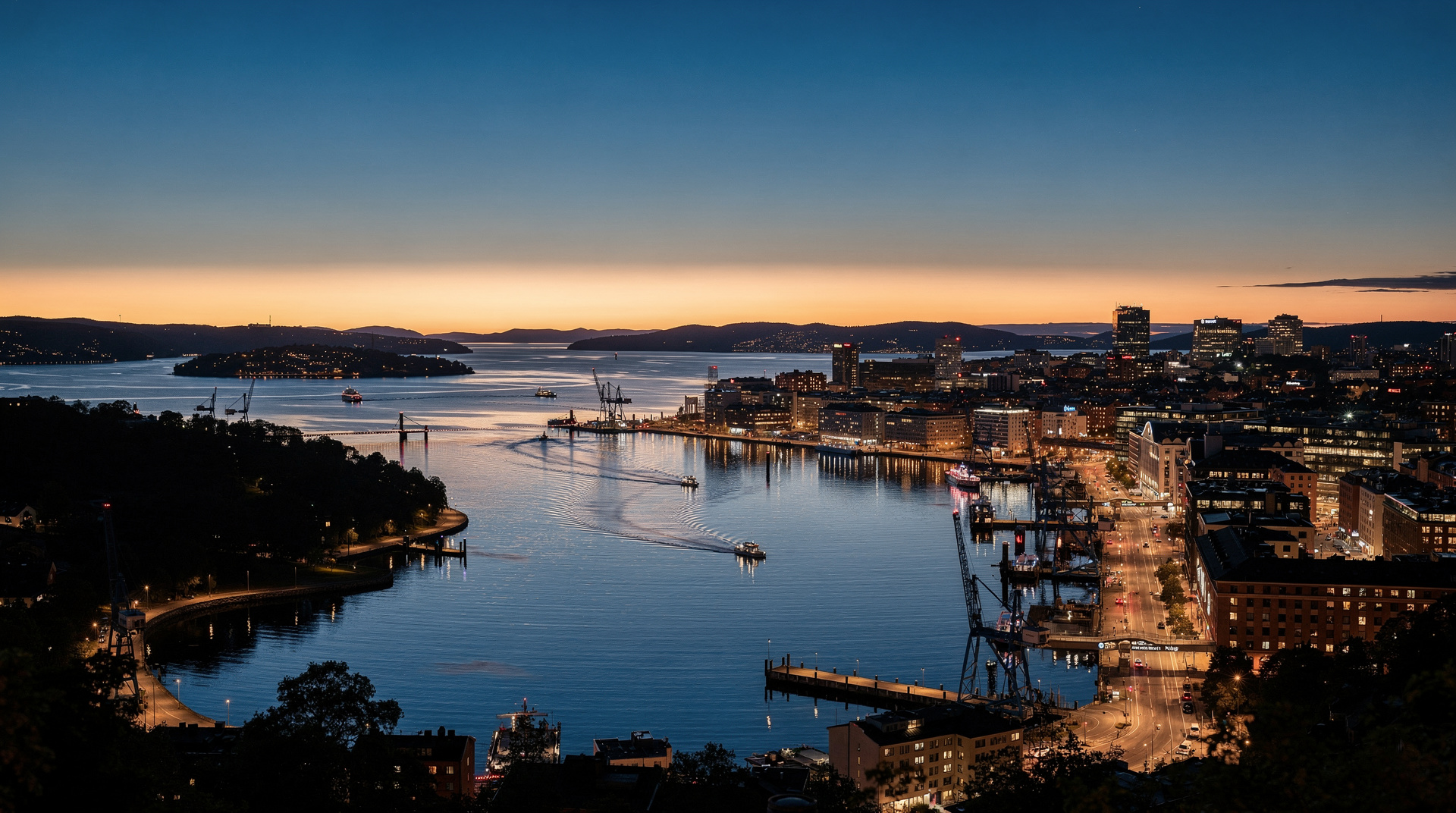
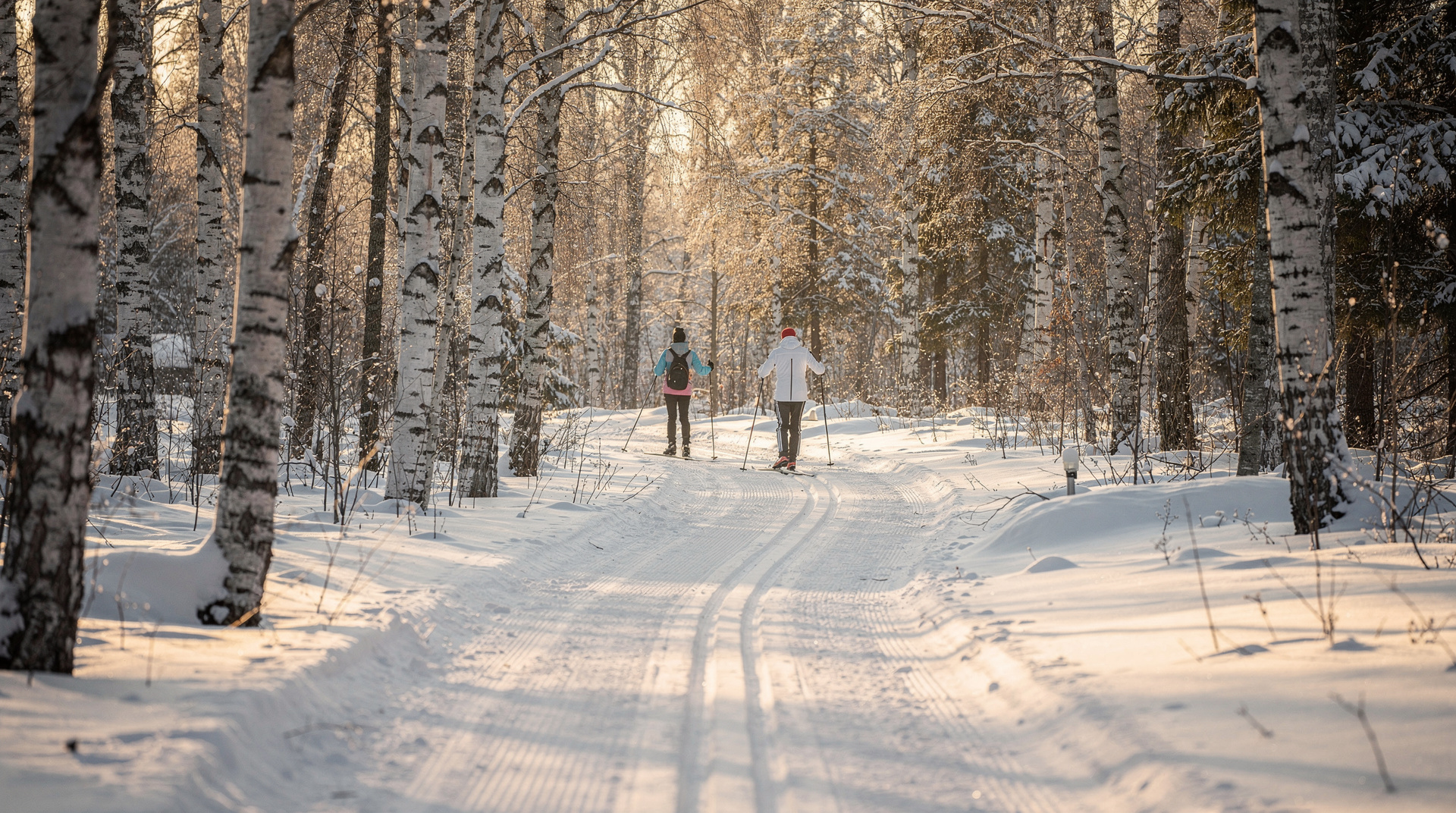
Oslo in summer vs winter — when to go for what
Oslo: Oslo Pass with public transport and free museum entry
Duration: 24-72 hours
- Instant confirmation
- Free public transport
- Skip museum queues
Should I visit Oslo in summer or winter?
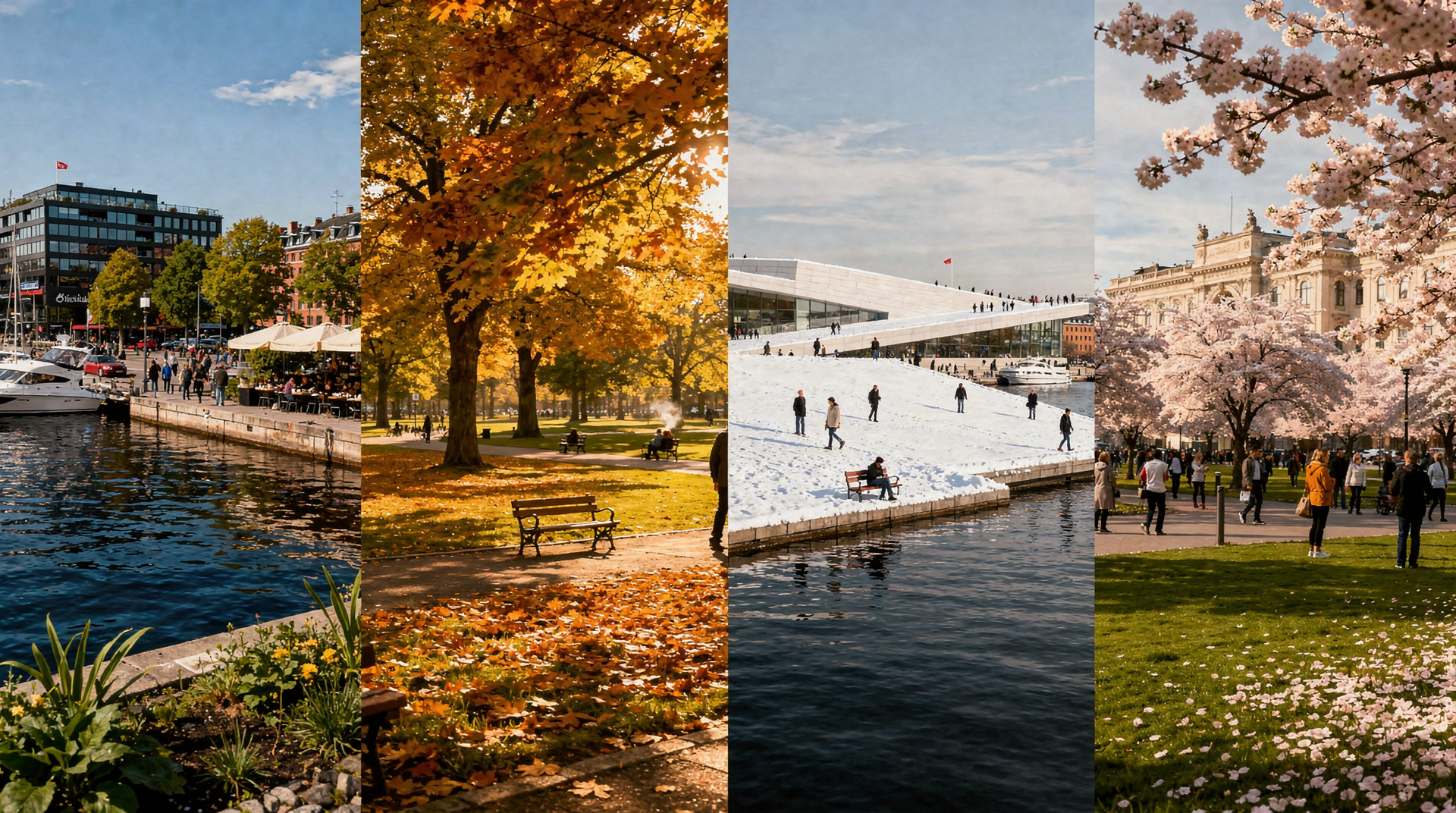
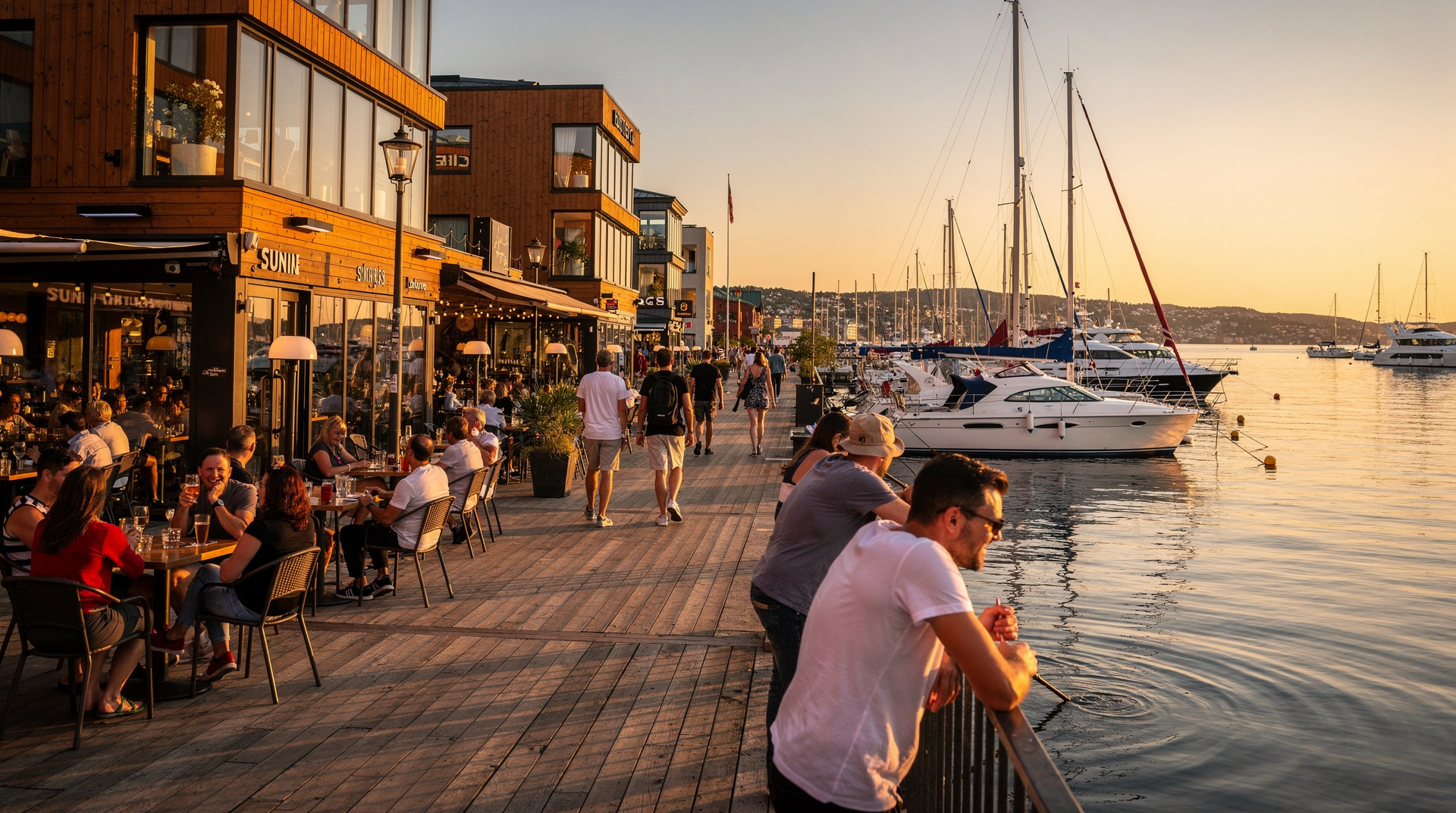
Summer (June–August) for fjord activities, long daylight, outdoor life and city buzz. Winter (December–March) for cross-country skiing, Christmas markets, lower prices and a totally different — but genuinely rewarding — Nordic experience. Both are valid; the choice depends entirely on what you want.
Two totally different cities, one destination
Oslo in summer and Oslo in winter are so different that choosing between them is genuinely a preference question, not a quality question. Both versions of the city have authentic appeal. The comparison below is structured around what matters most: daylight, temperature, activities, cost, and crowds.
| Summer (Jun–Aug) | Winter (Dec–Mar) | |
|---|---|---|
| Daylight | Up to 19 hrs | As little as 6.5 hrs |
| Avg temp | 13–22°C | -7 to 0°C |
| Signature activity | Fjord swimming, islands | Cross-country skiing |
| Hotel cost | Highest (July peak) | Lowest (Jan–early Mar) |
| Crowds | Busiest | Quietest |
Daylight: the defining difference
This contrast is starker in Oslo than in most European cities due to the latitude (59.9°N).
Summer (June): sunrise around 04:00, sunset around 23:00. Approximately 19 hours of usable daylight. The sky never fully darkens — a twilight that barely touches darkness before dawn begins again. No midnight sun (Oslo is south of the Arctic Circle), but the extended bright evenings are extraordinary.
Winter (December): sunrise around 09:00, sunset around 15:20. Approximately 6.5 hours of daylight. After 15:30, it is dark. This is a serious planning constraint for outdoor sightseeing.
What this means practically: in summer, you can expand your day in both directions — breakfast views at 05:00 in full morning light, fjord cruises at 21:00 in warm evening sun. In winter, your outdoor sightseeing window compresses to roughly 09:30 to 14:30, after which photography and outdoor activities shift to lit urban spaces.
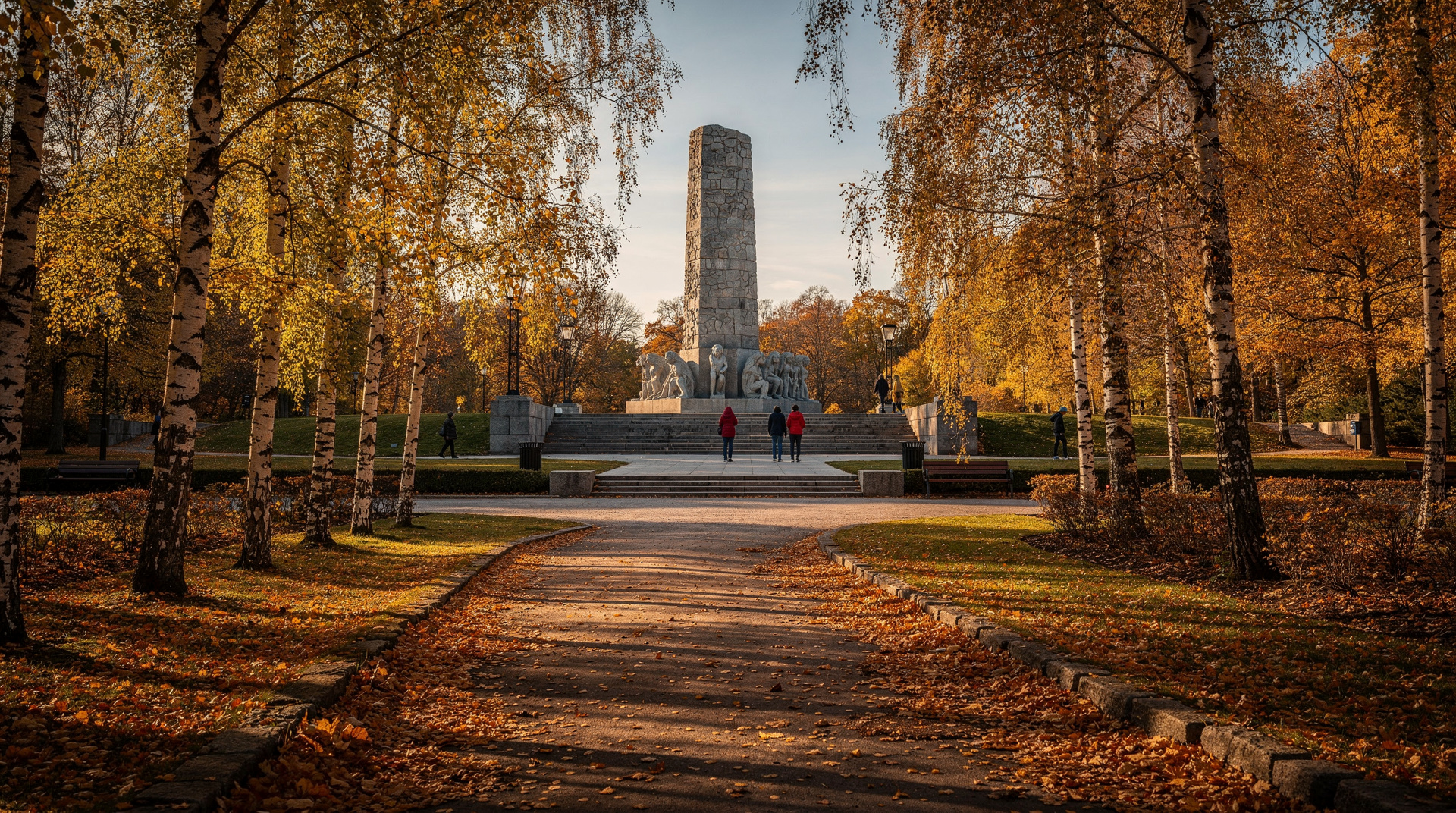
Winter visitors should plan: outdoor attractions (Vigeland Park, Akershus Fortress exterior, harbour views) in the morning. Museums, restaurants, and cafés fill the long evenings comfortably. Cross-country skiing trails in Nordmarka are lit until 21:00 or 22:00.
For the complete data table, see our Oslo daylight hours guide.
Temperature: cold but manageable in winter
| Season | Average temperature | Notes |
|---|---|---|
| June | 13–21°C | Warm, occasional showers |
| July | 16–22°C | Warmest month, rare heatwaves to 28°C |
| August | 15–22°C | Similar to July, evenings cooler |
| December | -4 to 0°C | Cold, often snowy |
| January | -7 to -1°C | Coldest month, reliable snow |
| February | -6 to 0°C | Still cold, days noticeably lengthening |
| March | -2 to 5°C | Variable, snow possible, spring approaching |
Oslo’s winter climate is continental rather than oceanic — meaning the cold is dry and crisp rather than damp. Minus 7°C in Oslo with clear skies feels more manageable than 2°C in a damp Atlantic coastal city. Proper layering is essential.
Activities: completely different seasons
Summer activities
- Fjord cruises (full programme May–September)
- Island hopping and beach swimming (June–September)
- Kayaking and paddleboarding on the fjord
- Outdoor terraces and summer restaurants
- Hiking in Nordmarka (no snow)
- Cycling tours of the city
- Outdoor concerts and festivals (Øya, Oslo Jazz)
- Floating saunas (year-round but best in summer for the contrast plunge)
Winter activities
- Cross-country skiing in Nordmarka (January–March)
- Snowshoeing in Oslomarka forest
- Holmenkollen ski jump tour and ski museum
- Ice skating at Spikersuppa and Vigeland Park (December–February)
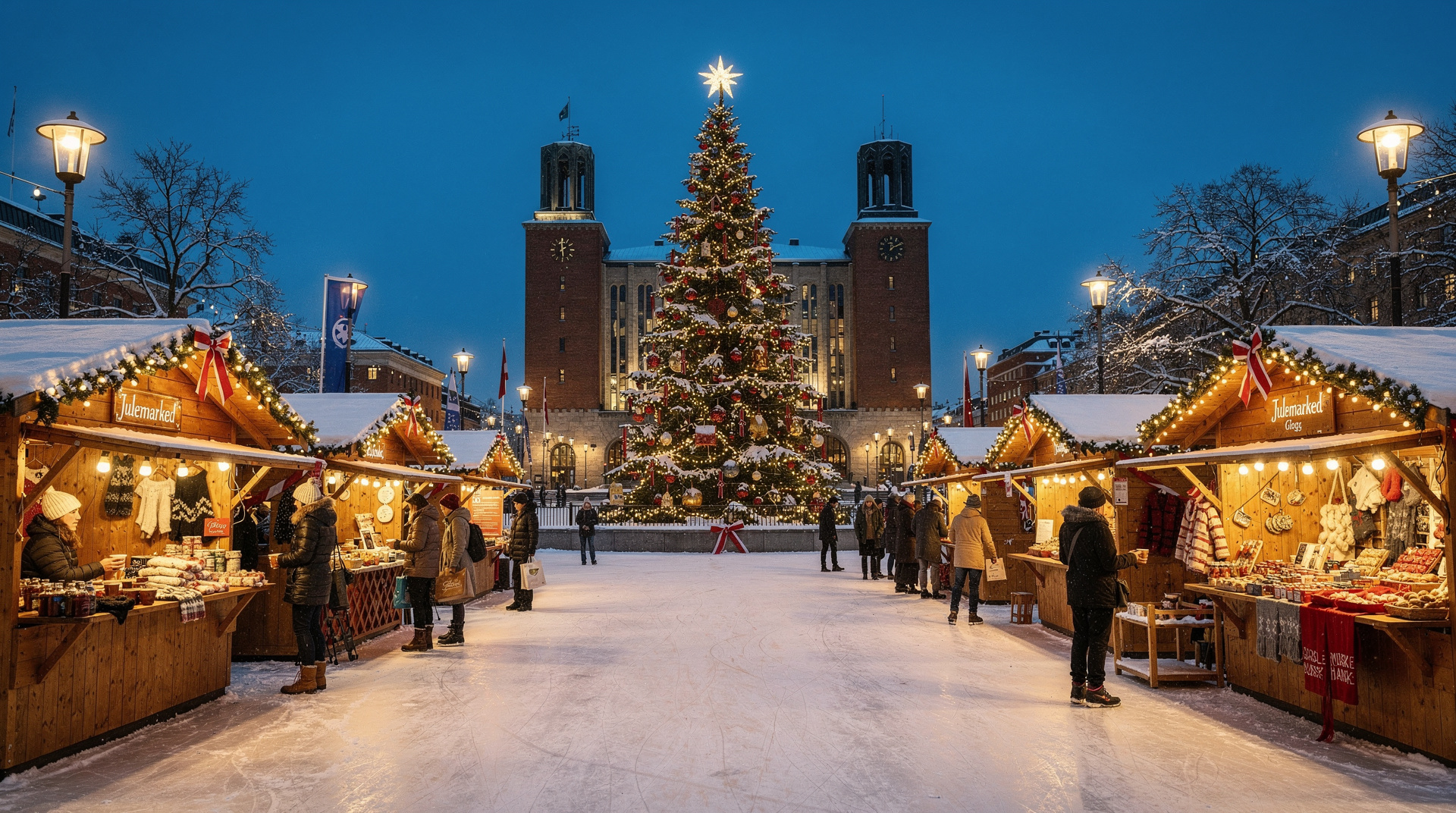
- Christmas markets (December)
- Floating saunas (especially atmospheric with snow on the ground)
- All Oslo museums (uncrowded, heated)
- Cosy cafés, konditori bakeries, and the hygge indoor life
- SNØ indoor ski dome year-round
The activities for each season are so different that a summer visitor misses the entire winter portfolio, and vice versa. If you visit twice, you will have two genuinely distinct Oslo experiences.
Cost: winter is the budget season
Hotels: July is the most expensive month; January the cheapest. A mid-range hotel that costs NOK 2,200 per night in July may be NOK 1,200 to 1,400 in January — a saving of NOK 800 to 1,000 per night (approximately USD 86 to 108). This difference is significant over a 5-night trip.
Flights: peak in July–August, lowest in January, February, and November. International flights to Oslo Gardermoen (OSL) typically cost 30–50% more in summer peak versus January trough.
Activities: some summer-specific activities (guided fjord cruises, island tours) have fixed costs regardless of season. Winter-specific activities (ski lessons, snowshoe tours) are priced similarly. Museums are open year-round at the same prices.
Food and drink: no meaningful seasonal variation in restaurant prices. Oslo is expensive in July and January alike.
Crowds: summer is significantly busier
The Munch Museum, Vigeland Park, the Opera House, and the Bygdøy museums are considerably busier in summer — particularly July. Queues at the Munch Museum on a summer weekend can be 20 to 30 minutes without a pre-booked ticket. In January, you walk straight in.
The fjord island beaches are also densely packed on summer weekends. A popular island like Lindøya can feel like a seaside resort on a July Sunday — charming but crowded.
Winter Oslo is the city for those who prefer uncrowded cultural experiences. The Norsk Folkemuseum on a cold February weekday is a completely different — and arguably richer — experience than the same museum packed with summer tour groups.
Weather predictability
Summer: Oslo has reasonably reliable summer weather. Rain showers occur but tend to be brief. July and August have the best weather probability, though overcast days are not unusual.
Winter: Oslo winters are cold and often snowy, which is exactly what many winter visitors want. Snow reliability in Nordmarka (for skiing) is generally good from mid-January through early March. The city centre may have less snow than the forests.
Rain: Oslo’s least rain-risk months are June, July, and August. November and December are among the greyest. But even in summer, a waterproof jacket is sensible.
The honest verdict for different traveller types
Fjord-focused visitors: summer, unambiguously. The main cruise season runs May–September; island hopping requires summer ferries.
Ski and winter sports visitors: January–March, with February offering the best snow and growing light.
Budget travellers: January or February for the lowest combination of hotel and flight costs. November is similarly cheap but less atmospheric.
Culture and museum visitors: autumn (September–October) is the sweet spot — open and uncrowded, pleasant temperatures, cheaper than July.
Christmas market visitors: December is unavoidable for the markets, ice skating, and festive atmosphere.
Families with children: summer is easiest — long days, outdoor activities, beach swimming, and the island ferries make family logistics straightforward.
Photography enthusiasts: June for extraordinary long evening light. December for dramatic winter atmosphere and rich midday light.
What to pack by season
Summer packing is straightforward but should include a light rain jacket regardless of forecast — Oslo showers arrive quickly even in July. A swimsuit is essential if you’re planning any time at the Oslo swimming spots or on the fjord islands. Layers still matter: a 22°C afternoon can drop to 13°C by evening once the sun is lower.
Winter packing is less forgiving of mistakes. A proper thermal base layer, a windproof and waterproof outer shell, insulated boots with grip (ice is common on pavements), a warm hat, and gloves are non-negotiable rather than optional extras. If cross-country skiing or snowshoeing is on your itinerary, rental gear is widely available and usually a better choice than bringing your own unless you already own boots that fit your bindings.
Choosing based on trip type
A first-time city break: Summer (late May–June or September) gives you the best single combination of good weather, long days, and manageable crowds — see Oslo in summer for a season-specific itinerary.
A winter sports or Christmas-focused trip: Winter is not a compromise choice here — it is the better season for what you’re after. The Oslo in winter activities guide and the Christmas in Oslo guide cover the specific window (December for markets, January–March for skiing).
A family trip with young children: Summer wins decisively — long daylight simplifies scheduling around nap times and meals, and outdoor activities are more forgiving of a restless toddler than an indoor museum queue. The Oslo with kids guide has season-specific advice either way.
A trip built around finding the single best window overall: Read the dedicated best time to visit Oslo guide, which weighs shoulder-season options (May, September) against the summer and winter extremes covered here.
How each season shapes a typical day
Seasons change not only what you do but how a day is built. In summer the day has no hard edges: you can start late, linger over lunch, take a ferry to the islands in the afternoon and still have light for dinner outside. Nothing forces you to be efficient, which is a real pleasure in a city that is easy to cover on foot. The summer fjord and city itinerary is built around exactly this loose rhythm, mixing city sights with time on the water.
Winter asks for a tighter plan. The bright hours are short, so the sensible approach is to put the outdoor highlight first, then move indoors as the light fades. The winter 3-day itinerary follows that logic, pairing a morning outside with museums, saunas and long dinners later on. Travellers who accept this structure often find winter days more satisfying than expected, because every outing has a clear purpose.
Getting on the water in each season
The fjord is the main reason many people choose summer. The full programme of Oslofjord cruises is at its best then, and the island hopping guide explains how to string several islands together on ferries. If you prefer to be self-propelled, kayaking on the Oslofjord gives a very different view of the skyline from the one you get on a ferry deck.
Winter does not close the fjord completely, but the choice narrows. Our winter fjord cruise guide covers what is realistically on offer, and it is worth reading before you plan a trip around a boat trip. For something that works in every season, the floating saunas guide is the better bet: the contrast between steam and the cold fjord is a different experience in January than in July, and many visitors rate the winter version higher.
Getting into the forest in each season
Nordmarka is one of the best arguments for visiting at either end of the year. In summer it is a hiking and swimming landscape, and the Nordmarka hiking guide and best Oslo hikes cover the routes. In winter the same forest becomes a ski network, and the cross-country skiing guide explains how to get started even if you have never been on skis. If skis are not for you, snowshoeing near Oslo is a gentler way to enjoy the snow, and the Holmenkollen guide shows how the ski jump and its views work in both seasons.
Anyone worried that snow might not cooperate can look at the SNØ indoor ski dome, which removes the weather question altogether.
Planning for bad weather in either season
Rain in summer and cold in winter lead to the same solution: a good museum day. The rainy day museums guide and the ranked list of Oslo museums help you pick the ones that justify the ticket. If you plan several visits in a short window, compare options in Oslo Pass versus individual tickets before buying anything.
One more honest note for winter visitors: if you hope to see the aurora from the capital, read why there are no northern lights in Oslo first. Winter in Oslo is rewarding for many reasons, but that is not one of them.
A note on cost and the in-between months
Prices are one of the strongest arguments for winter, though Oslo is never cheap in any month. The is Oslo expensive guide puts the daily spending into context so you can judge whether a winter saving changes your decision. If neither extreme appeals, Oslo in autumn offers a calmer middle ground, with forest colour and fewer visitors than the summer peak.
Making a choice
If you have only one visit in you: summer (late May to mid-June, or September) is the overall best combination of good weather, long days, open activities, and manageable crowds.
If you are specifically drawn to skiing, Christmas, or the Nordic winter experience: January through March (or December for the markets) delivers something completely different and genuinely worthwhile.
Both seasons justify the trip. Oslo in either season is a city that rewards the visitor who comes with honest expectations and does not overspend on tourist-trap restaurants on the waterfront. For avoiding those traps in both seasons, our Oslo tourist traps guide is the honest briefing you need before arriving.
Frequently asked questions about Oslo in summer vs winter — when to go for what
Which is more expensive, summer or winter Oslo?
Summer (July in particular) is Oslo's most expensive season for accommodation. Hotels in July run 30–50% higher than January or November prices. Flights to Oslo also peak in July–August. Winter between January and early March offers the lowest prices of the year.What is there to do in Oslo in winter?
Cross-country skiing in Nordmarka (January–March), snowshoeing, ice skating at Spikersuppa and Vigeland Park, the Holmenkollen ski jump, Christmas markets in December, all the museums, the floating saunas (year-round), and the city's cosy café and bar scene. Winter Oslo is genuinely full of things to do.Does Oslo get very cold in winter?
Yes. Average January temperatures are minus 7 to minus 1°C. Snowfall is common in January and February. Dress appropriately — thermal base layer, warm mid-layer, windproof jacket, hat, gloves and waterproof boots with grip. The cold is dry (continental climate) rather than damp, which makes it more bearable than equivalent temperatures in coastal UK or Ireland.Are Oslo fjord cruises available in winter?
Very limited. The main scenic cruise season is May–September. Some winter options exist — the fish soup cruise (oslo-winter-fishsoup-cruise) and the sailing ship are available — but the full programme of summer cruises does not run. The floating saunas are year-round.Is the Oslo Pass worth buying in winter?
Only if you are doing multiple museums in a 48-hour window. In winter, outdoor activities covered by the pass are fewer, so the value calculation is tighter. See our full analysis at the Oslo Pass vs individual tickets guide.When is the Holmenkollen Ski Festival?
The Holmenkollen Ski Festival takes place in early to mid-March each year. It is one of the world's oldest ski competitions, combining cross-country, ski jump and biathlon. A major event in Norway — book accommodation well ahead if you want to attend.
Top experiences
Bookable activities with verified prices and instant confirmation on GetYourGuide.
Oslo: 3-hour cross-country skiing trip with equipment and guide
- Winter only
- Gear + guide
From Oslo: Oslomarka forest guided snowshoeing tour
- Winter only
- Snowshoes included

Oslo: island walks — island hopping tour (3 islands)
- 3 islands
- Local guide
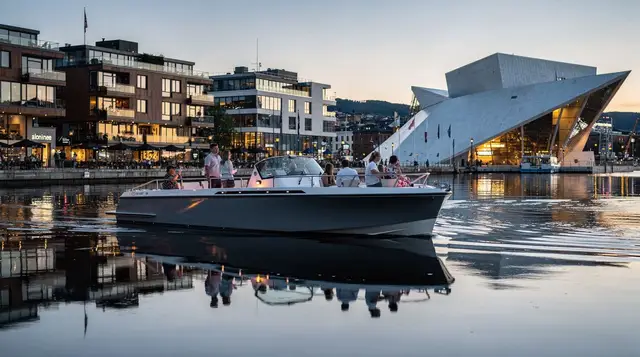
Oslo: guided sightseeing fjord cruise on a premium silent electric boat
- Silent electric boat
- Free cancellation
- Best seller