Oslo tourist traps — the candid list of what to skip
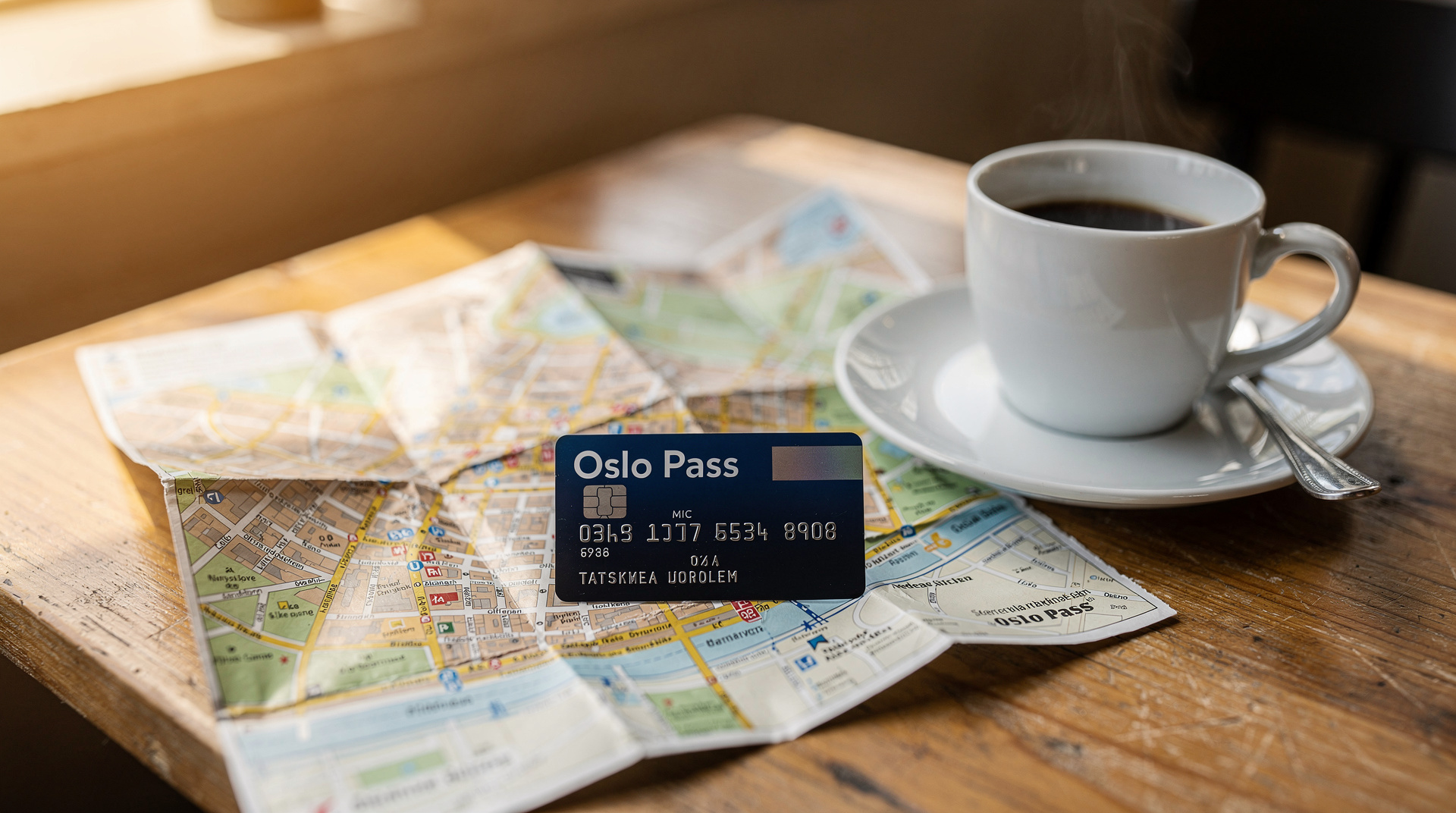
Oslo: Oslo Pass with public transport and free museum entry
Duration: 24-72 hours
- Instant confirmation
- Free public transport
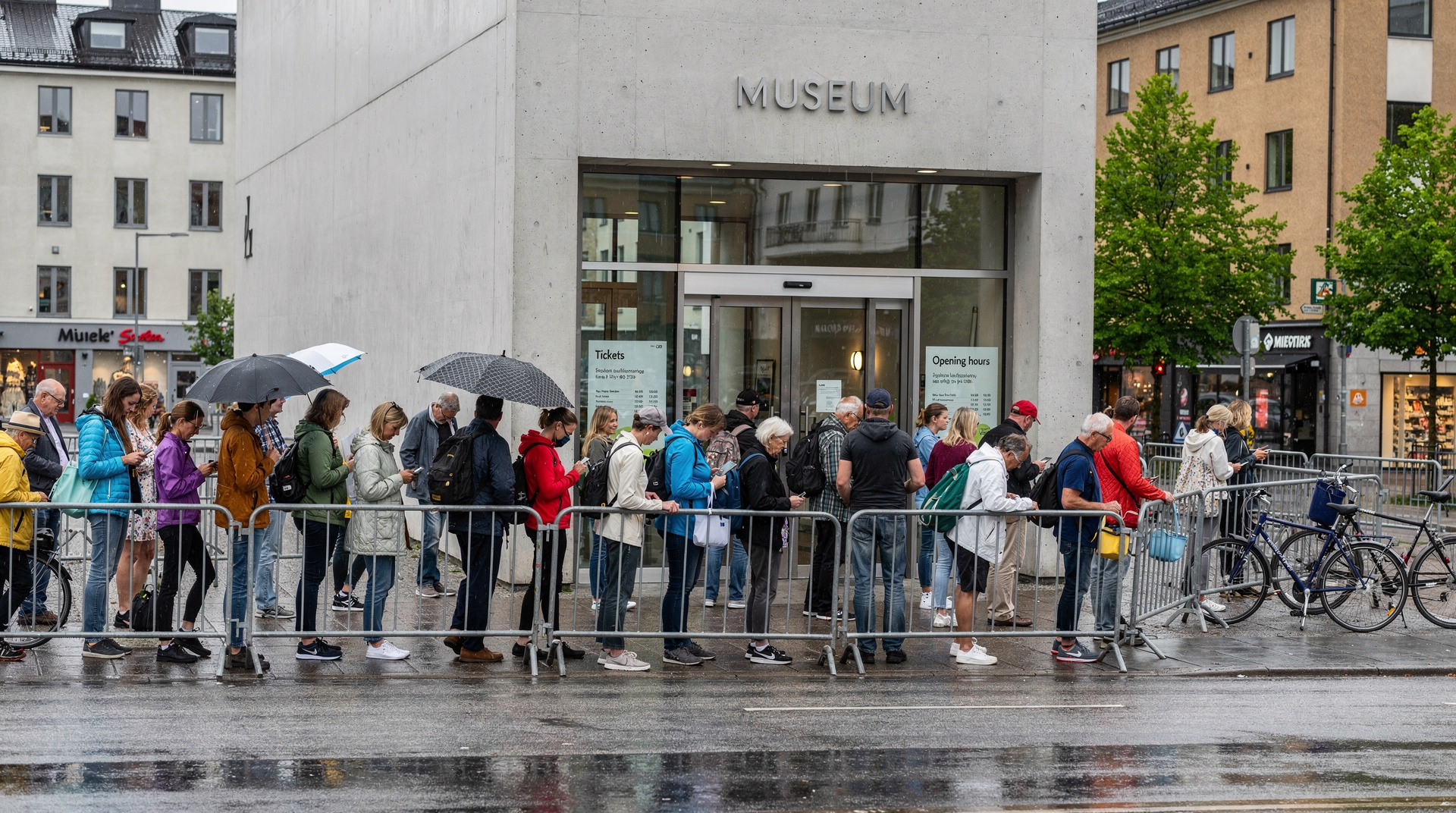
- Skip museum queues
What are the biggest tourist traps in Oslo?
The main traps: overpriced tourist restaurants along Aker Brygge and Karl Johans gate, northern lights tour operators selling impossible promises, generic hop-on-hop-off buses for a walkable city, tourist-targeted seafood restaurants charging premium prices for ordinary food, and rushed Bygdøy museum visits that skip the worthwhile exhibits.
What no other Oslo guide will tell you directly
Most Oslo travel guides are written to make the city look good, recommend as many things as possible, and avoid saying anything that might imply a negative experience. This guide does the opposite. Oslo is genuinely a worthwhile destination — but it has specific patterns that drain visitor budgets and disappoint expectations. Knowing them in advance costs nothing; discovering them mid-trip costs real money.
| Worst offenders | Aker Brygge/Karl Johans gate restaurants, northern lights tours |
| Typical overcharge | 30–60% above equivalent quality elsewhere |
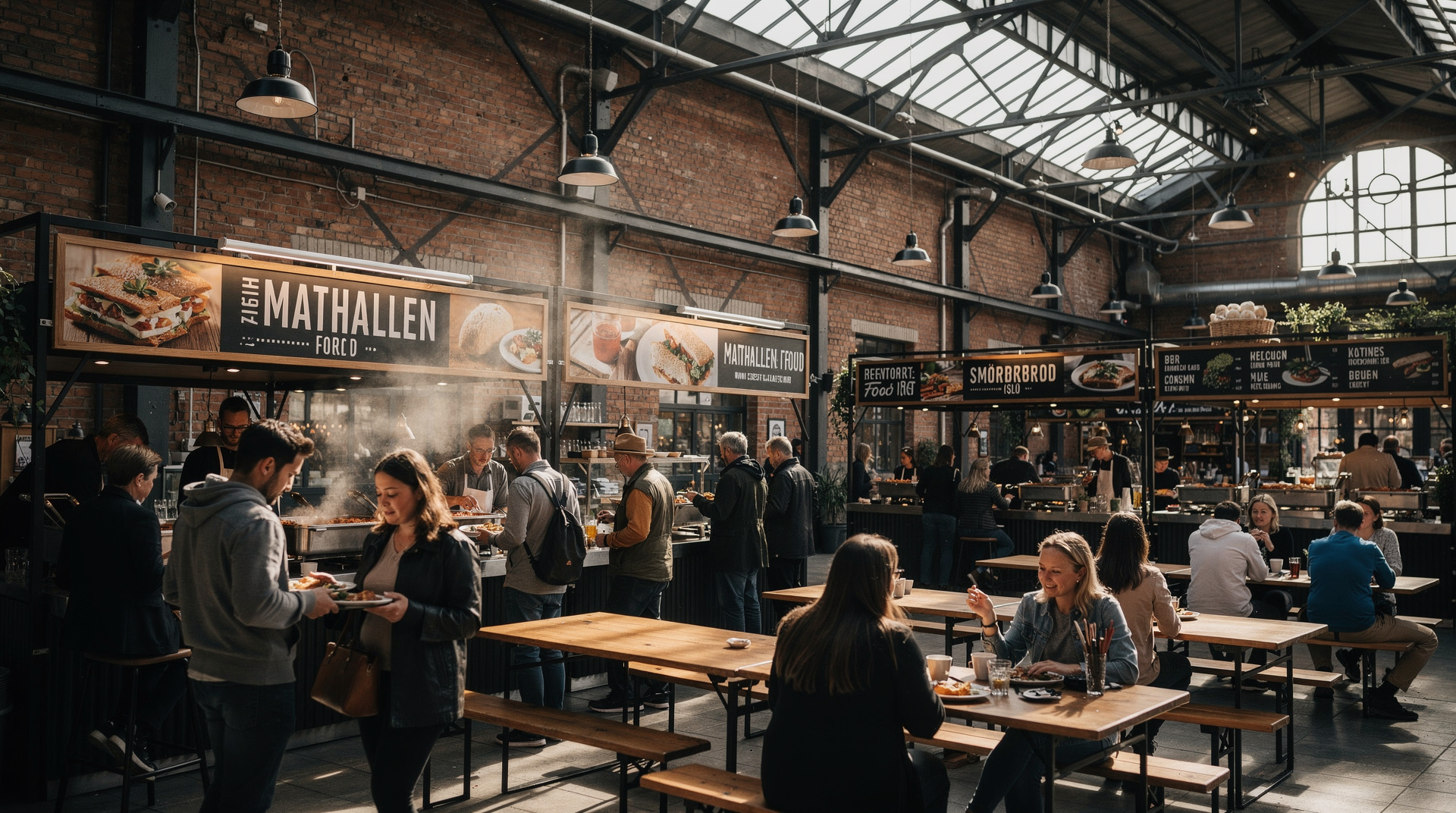
| Easiest fix | Eat in Grünerløkka or Mathallen, walk instead of HOHO bus |
| Biggest disappointment | Viking Ship Museum (closed until ~2027) |
| Free alternative | Ruter day pass instead of hop-on-hop-off |
Trap 1: tourist restaurants along Aker Brygge and Karl Johans gate
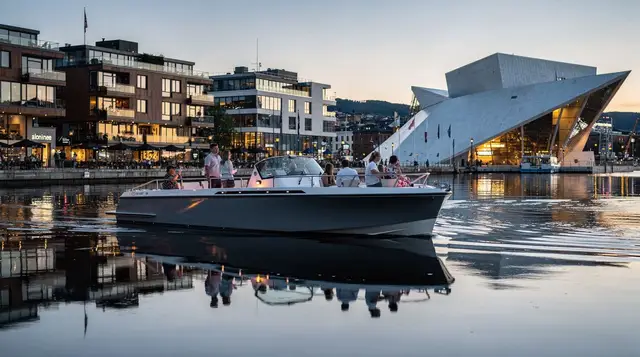
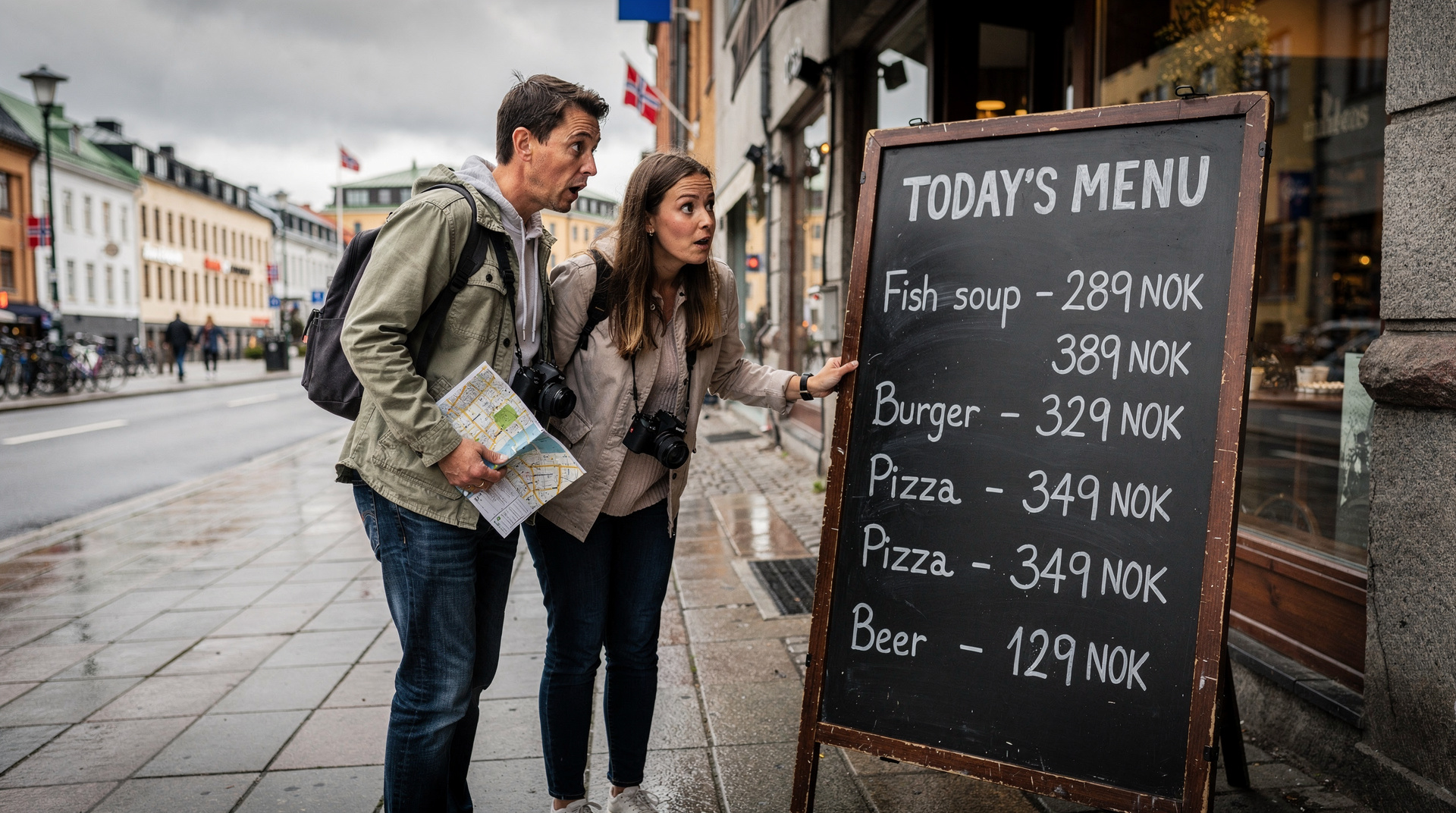
Aker Brygge is one of Oslo’s most scenic areas — the renovated old wharf with views across the fjord and mountains is legitimately beautiful. This beauty is also the reason why the restaurants lining the boardwalk have developed a comfortable indifference to value for money.
A typical main course at an Aker Brygge tourist restaurant: NOK 280 to 450 (approximately USD 30 to 48). A glass of house wine: NOK 120 to 180 (approximately USD 13 to 19). The food is competent — not bad, just not remotely worth the premium over what you get elsewhere.
What to do instead: eat one meal at Aker Brygge for the setting (it is undeniably atmospheric at sunset) and budget NOK 400 to 500 per person including a drink. Accept this as a scenic splurge. For your remaining meals, go to Grünerløkka (Thorvald Meyers gate area) or Mathallen food hall at Vulkan where the food quality is higher and prices 30 to 40% lower.
Karl Johans gate, Oslo’s main boulevard, has the same pattern: cafés and restaurants targeting the tourist flow at premium prices. There is nothing wrong with walking the street, but do not eat at the first place that catches your eye based on location.
Trap 2: northern lights tours from Oslo
This is the single most misleading tourist product sold in Oslo. Multiple operators offer “northern lights tours” or “aurora experiences” from Oslo or nearby areas. Some are honest about low probability; others are not. All of them are working against basic physics.
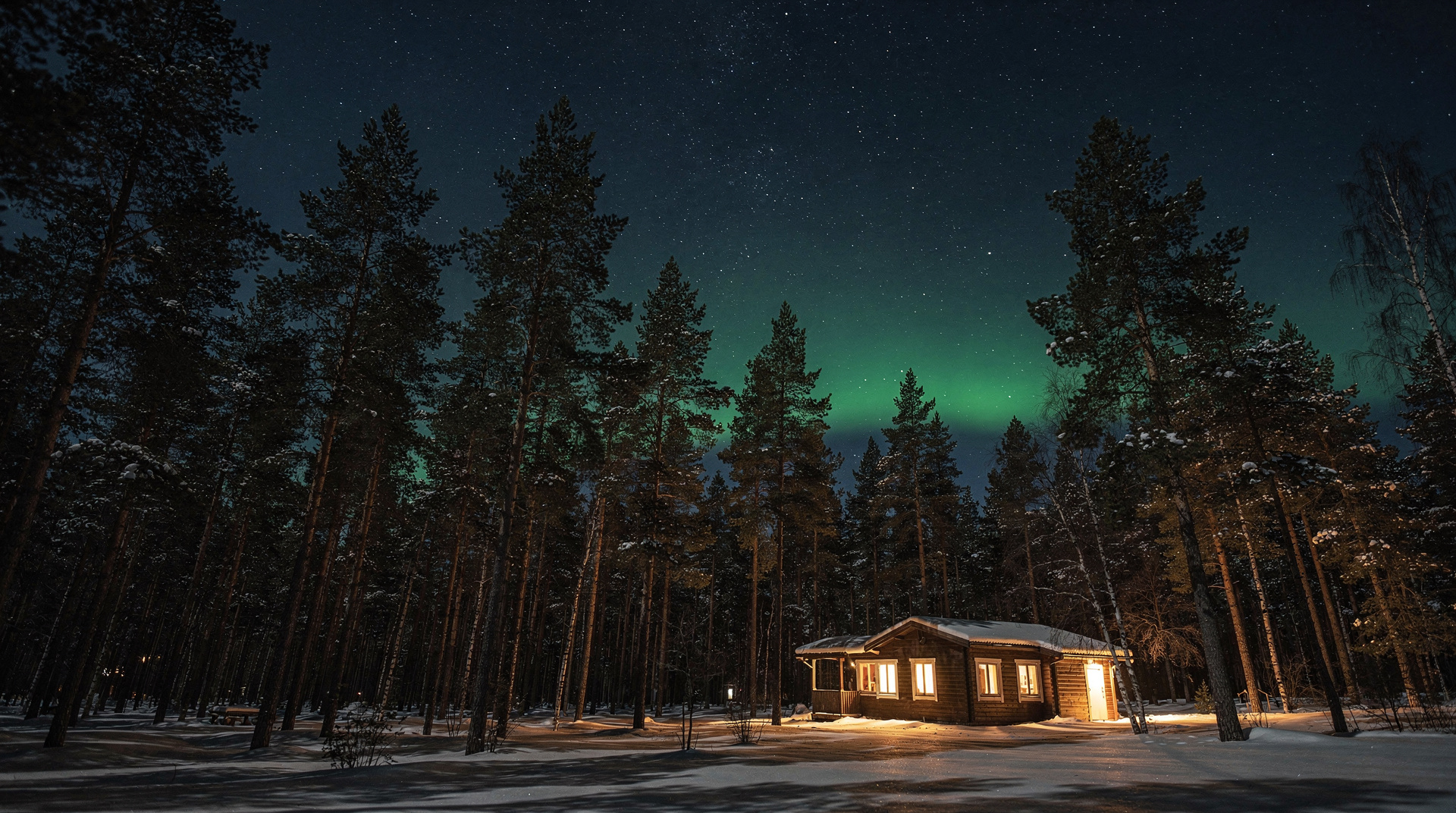
Oslo sits at 59.9°N latitude. The northern lights are reliably visible from approximately 65 to 70°N and above — Tromsø is at 69.7°N, Alta at 69.9°N. At Oslo’s latitude, auroras are only visible during exceptionally strong geomagnetic events (Kp index 7 or above), which occur maybe 5 to 10 times per year and are not predictable weeks in advance.
If you book a northern lights tour from Oslo, you are paying NOK 600 to 1,500 (approximately USD 65 to 161) for a trip to a dark field outside the city, most likely to see nothing or perhaps a faint shimmer on a good night. The experience is not comparable to a proper northern lights trip in Arctic Norway.
What to do instead: if northern lights are your goal, extend your Norway trip north. Tromsø is a 1.5-hour flight from Oslo. Alta is 2 hours. Both have excellent northern lights tour operators, working from locations where the aurora is genuinely regular. See our complete guide to northern lights myths about Oslo.
Trap 3: the Viking Ship Museum disappointment
Countless Oslo itineraries still list the Viking Ship Museum on Bygdøy as a top attraction. It was excellent — three 9th-century Viking longships preserved intact, among the finest Viking artefacts in the world. It is also closed. The museum shut for a major renovation in 2020 and is not expected to reopen until approximately 2027.
Visitors who arrive at Bygdøy expecting to see the Viking ships find a construction site. The original ships are in storage during renovation. This causes real disappointment and is easily avoided by knowing in advance.
What to do instead: the Viking Planet near the Royal Palace (Kongensgate 5) offers an interactive Viking experience including a VR film. The Historical Museum (Historisk Museum) near the National Theatre has a Viking-era gallery with genuine artefacts including the Osebergs artefacts that supplement the ships. Both are worth visiting for Viking content until the renovated museum reopens.
Trap 4: the hop-on-hop-off bus for a city this walkable
Oslo’s tourist bus circuit (Gray Line and City Sightseeing both operate versions) costs NOK 370 to 500 for a 24-hour pass (approximately USD 40 to 54). For a first-time visitor uncertain about the geography, the bus creates an orientation — but it is rarely efficient value.
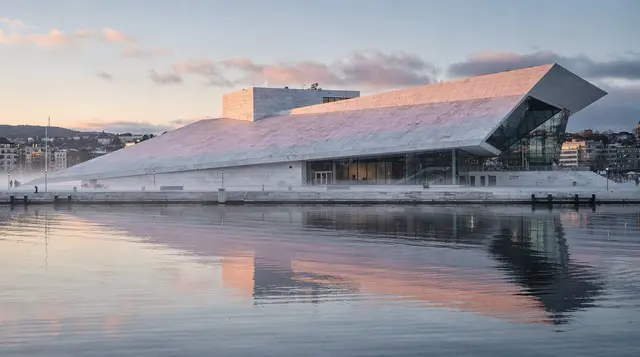
Oslo’s main tourist circuit is highly walkable: the Opera House to Akershus Fortress to the National Theatre to Karl Johans gate is a 25-minute walk. Vigeland Park is 30 minutes by tram from the centre (tram 12 from Nationaltheatret). The T-bane covers Bygdøy and Holmenkollen. A day Ruter pass at NOK 135 (approximately USD 15) does everything the hop-on-hop-off does for a third of the price.
What to do instead: walk the central areas (Opera House, Aker Brygge, Sentrum) and use the Ruter T-bane and trams for further destinations. The getting around Oslo guide explains the network clearly. Use the bike tour if you want a guided orientation — it covers more ground, has a real local guide, and gives you a physical feel for the city’s layout.
Trap 5: the “Norwegian seafood” overcharge at waterfront restaurants
Norway has extraordinary seafood — wild salmon, king crab, cod, and prawns caught in Norwegian waters. The waterfront restaurants in Oslo use this reputation as permission to charge significant premiums for food that is often not markedly better than what you get in a good supermarket or at Mathallen.
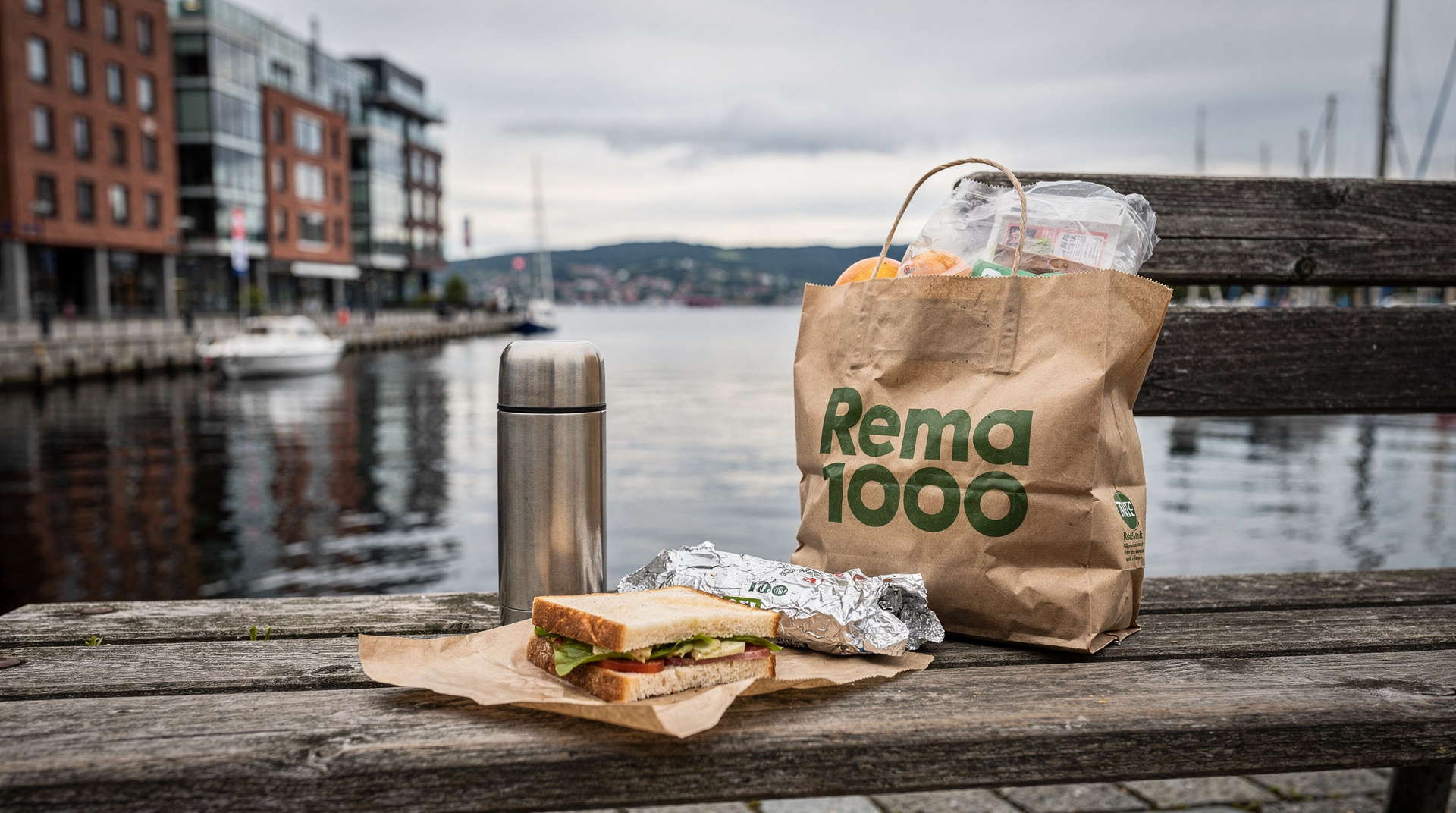
A “fresh Norwegian salmon” main course at a tourist waterfront restaurant: NOK 320 to 480 (approximately USD 34 to 52). The same quality salmon, prepared well, at a non-tourist restaurant in Grünerløkka: NOK 220 to 320 (approximately USD 24 to 34). At the fish counter at Fiskeriet near Youngstorget: you buy the fish and eat it fresh at NOK 150 to 250 (approximately USD 16 to 27).
What to do instead: Fiskeriet (Youngstorget 2B) is the most honest fresh fish experience in central Oslo — a fishmonger-café hybrid where you choose your fish and it is cooked simply. Mathallen food hall at Vulkan has Norwegian salmon and shellfish dishes from specialist stalls at fair prices. See our budget eats guide for the best-value food in the city.
Trap 6: Oslo souvenirs on Karl Johans gate
The Norwegian souvenir shops on and around Karl Johans gate sell an enormous quantity of products that are not Norwegian: trolls made in China, “Norwegian” wool sweaters that are made in Bangladesh, and traditional Sami craft items that have no connection to the Sami people. Prices are high for the quality.
What to do instead: if you want genuine Norwegian craft items — hand-knitted items, traditional woodwork, Sami-made products — visit the Norwegian Folk Museum shop on Bygdøy, the Norway Designs store, or the handicraft market at Husfliden (Møllergata 4). These are more expensive but actually Norwegian. Check the label: genuine Norwegian wool items typically state “Made in Norway” explicitly, while imported look-alikes rarely do — a five-second check that saves later disappointment.
Trap 7: overestimating your museum stamina
Oslo’s Bygdøy peninsula has five major museums within 1.5km of each other: the Norsk Folkemuseum, Fram Museum, Kon-Tiki Museum, Norwegian Maritime Museum, and (when open) the Viking Ship Museum. Many first-time visitors plan to visit all of them in one day. Most regret it.
What to do instead: pick two Bygdøy museums per day maximum. The Norsk Folkemuseum alone warrants 3 to 4 hours; the Fram Museum is genuinely excellent and requires 1.5 to 2 hours. Rushing through three or four museums in an afternoon results in nothing being properly absorbed. Quality over quantity.
Trap 8: taxis and ride-share from the airport
Taxis from Oslo Gardermoen airport to the city centre cost NOK 700 to 1,000 (approximately USD 75 to 108). The Flytoget express train takes 19 minutes and costs NOK 230 (approximately USD 25). The regular Vy train takes 25 to 30 minutes and costs NOK 140 to 160 (approximately USD 15 to 17). There is almost no scenario where a taxi is the correct choice for the airport route.
What to do instead: take the Flytoget from the airport. It runs every 10 to 20 minutes, reaches Oslo Central Station, and at 19 minutes is essentially as fast as a taxi (which must navigate traffic). If saving money matters, the regular Vy train from the airport is almost as fast and significantly cheaper. See our airport to city guide and, for the wider transit network once you’re in the city, getting around Oslo.
Trap 9: paying full price when free days and free sights exist
Oslo has a genuinely generous list of free attractions — Vigeland Sculpture Park, the Opera House roof, Ekebergparken, and several museums on specific free-admission days — that many first-time visitors simply don’t know about, so they default to paying full price everywhere. Astrup Fearnley is free on Sundays; several smaller museums rotate free days seasonally.
What to do instead: check the free things in Oslo on a budget guide before building your itinerary, and cross-reference with the is Oslo expensive guide for a realistic sense of where your money actually needs to go versus where it doesn’t.
Trap 10: booking every “must-see” attraction without checking if it’s actually worth it
Oslo’s tourist itineraries circulate a fairly fixed list of “top attractions,” but not everything on that list delivers proportional value for the time and money spent. Some widely recommended stops are genuinely overrated relative to their queue times and entry fees, while less-hyped alternatives nearby often deliver more.
What to do instead: read the Oslo overrated attractions guide before committing your itinerary to the standard list, and the companion overpriced food warning guide for the specific restaurant chains and areas to be cautious of beyond what’s covered here.
The underlying pattern
All of these traps follow a common theme: paying a location or familiarity premium for something that can be done better and cheaper with minimal extra effort. Oslo is expensive enough without voluntarily paying tourist tax on top. The city genuinely rewards the visitor who spends 30 minutes planning rather than simply wandering into the nearest restaurant or buying the most convenient transport option.
Frequently asked questions about Oslo tourist traps — the candid list of what to skip
Are there tourist trap restaurants in Oslo?
Yes — particularly along Aker Brygge and the Karl Johans gate strip. These restaurants charge a premium (sometimes 40–60% more than equivalent quality elsewhere) for average food and a tourist-facing ambience. Eat one meal at Aker Brygge for the view, but base your food experience in Grünerløkka or Mathallen food hall.Is the northern lights tour from Oslo a scam?
Effectively yes. Oslo is at 59.9°N — too far south for reliable aurora viewing. Tours that promise northern lights experiences from Oslo or its immediate surroundings are selling something they cannot deliver. Genuine northern lights trips require travelling to Tromsø or Alta (69–70°N). See our full guide on this.Is the hop-on-hop-off bus worth it in Oslo?
Usually no. Oslo's centre is highly walkable — the main attractions from the Opera House to Vigeland Park are spread across roughly 4km. The T-bane and tram cover distances beyond walking. A hop-on-hop-off bus adds cost without adding efficiency. Use it only if you have mobility limitations.Is the Viking Ship Museum worth visiting?
The original Viking Ship Museum on Bygdøy is closed until approximately 2027 for renovation. If you visit expecting it to be open, you will be disappointed. Go to the Viking Planet near the Royal Palace (Hjemmefrontmuseet) or the Historical Museum instead.Are Oslo seafood restaurants expensive?
Yes, especially the tourist-facing ones. Fiskeriet near Aker Brygge is good value for fresh seafood. The tourist restaurants in the waterfront area charge NOK 300 to 500 per main course (approximately USD 32 to 54) for food that is not proportionally better. Shop at the fish stalls at Mathallen or the market piers instead.
Top experiences
Bookable activities with verified prices and instant confirmation on GetYourGuide.