Is the Oslo Pass worth it? The brutally honest verdict by traveller type
Oslo: Oslo Pass with public transport and free museum entry
Duration: 24-72 hours
- Instant confirmation
- Free public transport
- Skip museum queues
Is the Oslo Pass worth buying?
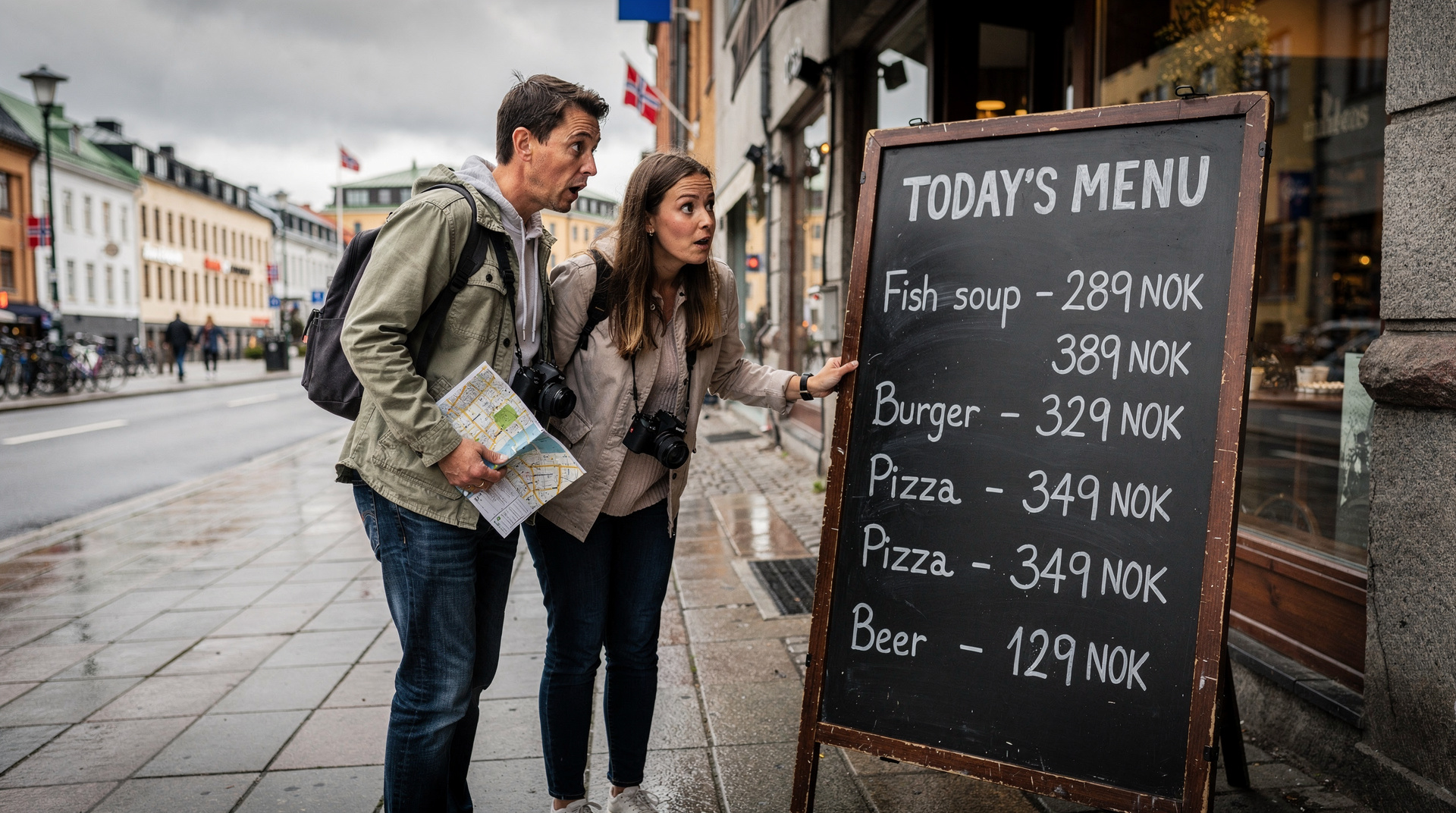
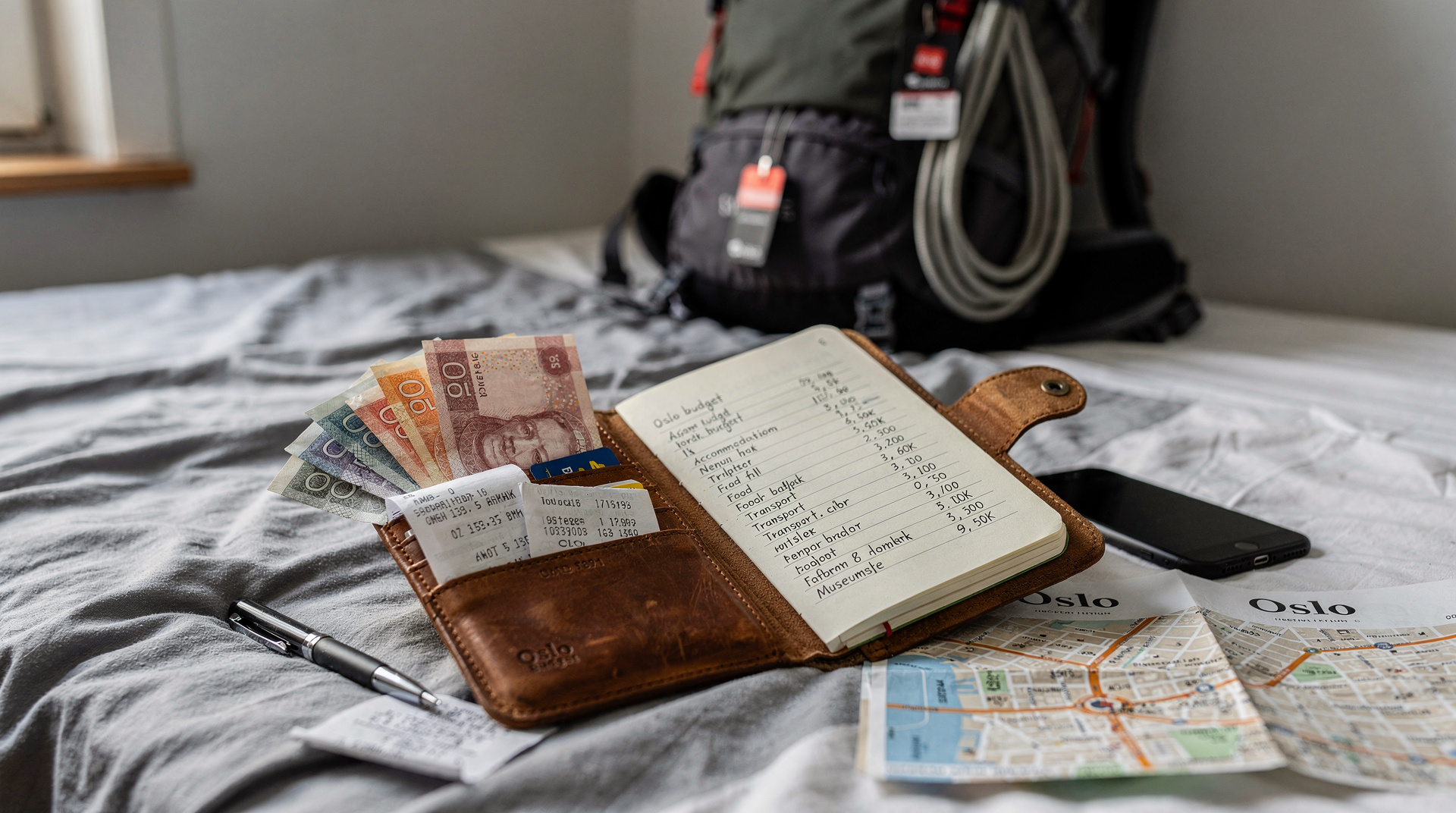
It depends on your travel style. For visitors doing 4+ museums in 48 hours with heavy public transport use, yes — it pays off. For those spending significant time outdoors or doing fewer than 3 museums, individual tickets are usually cheaper. The pass also creates a psychological trap that can force you into museums you are not genuinely interested in.
The question every Oslo visitor asks
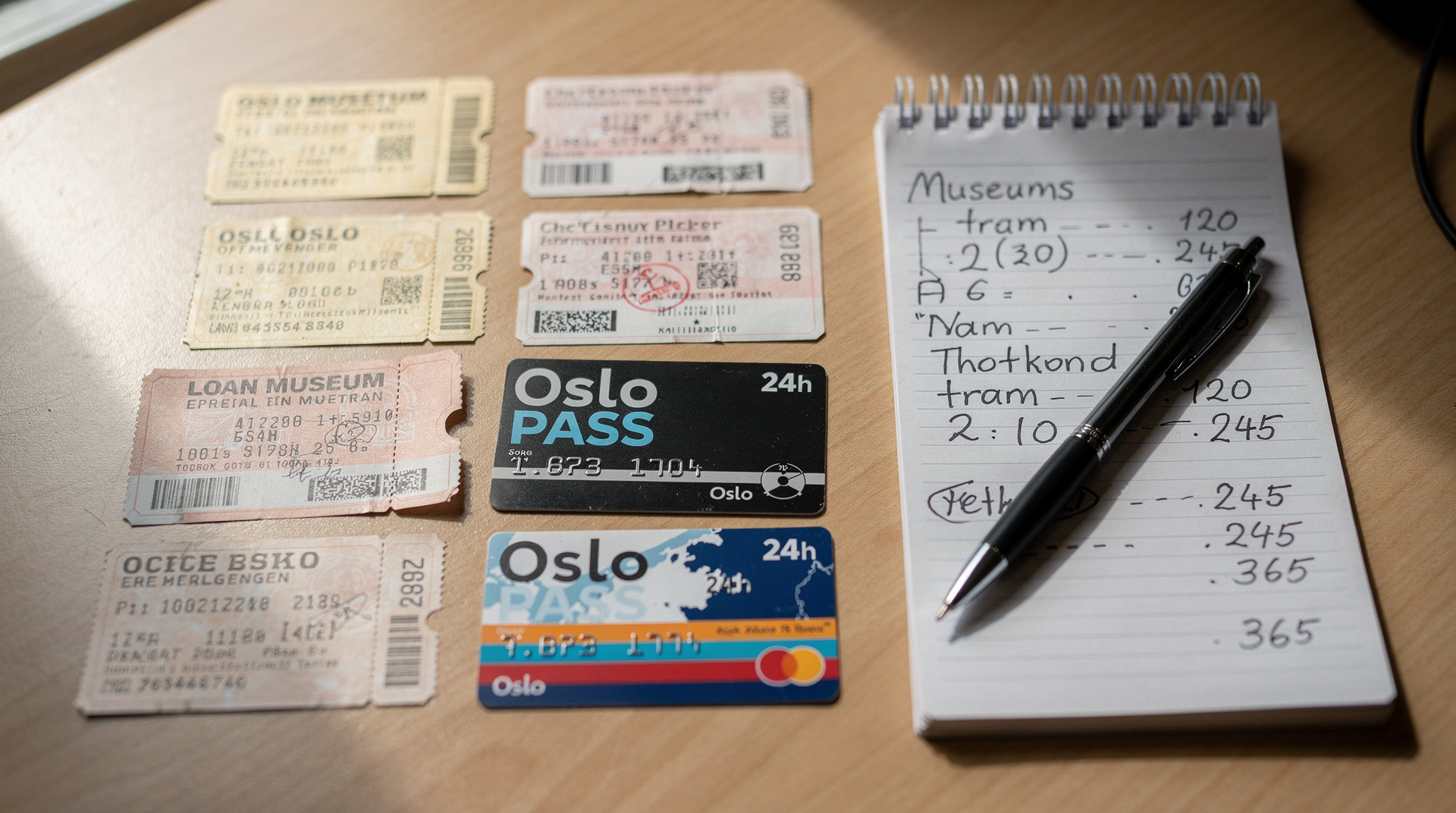
| 24h pass | NOK 545 (USD 59) — break-even at roughly 3 museums |
| 48h pass | NOK 745 (USD 80) — break-even at roughly 4 museums over 2 days |
| 72h pass | NOK 945 (USD 102) — break-even at 4–6 museums over 3 days |
| Includes | Museum entry + unlimited Ruter transport |
| Biggest risk | Sunk-cost pressure to visit museums you don’t actually want to see |
Is the Oslo Pass worth buying? It is one of the most common questions asked about visiting Oslo, and the standard answer — “it depends on what you plan to do!” — is technically correct but completely unhelpful.
This guide gives you the actual verdict, divided by traveller type, with honest numbers and a candid warning about the psychological trap that the pass creates for many visitors. For the museums referenced throughout, see the individual guides to the Munch Museum, Kon-Tiki Museum, Norsk Folkemuseum, and Akershus Fortress.
What the Oslo Pass actually includes
The Oslo Pass provides:
- Free entry to approximately 30 museums and attractions
- Unlimited travel on Ruter public transport (T-bane, tram, bus, island ferries within city zones)
- Discounts at some restaurants, shops, and activities (not free entry)
Key museums included (free entry with pass):
- Munch Museum (individual price: NOK 180)
- National Museum (individual price: NOK 160)
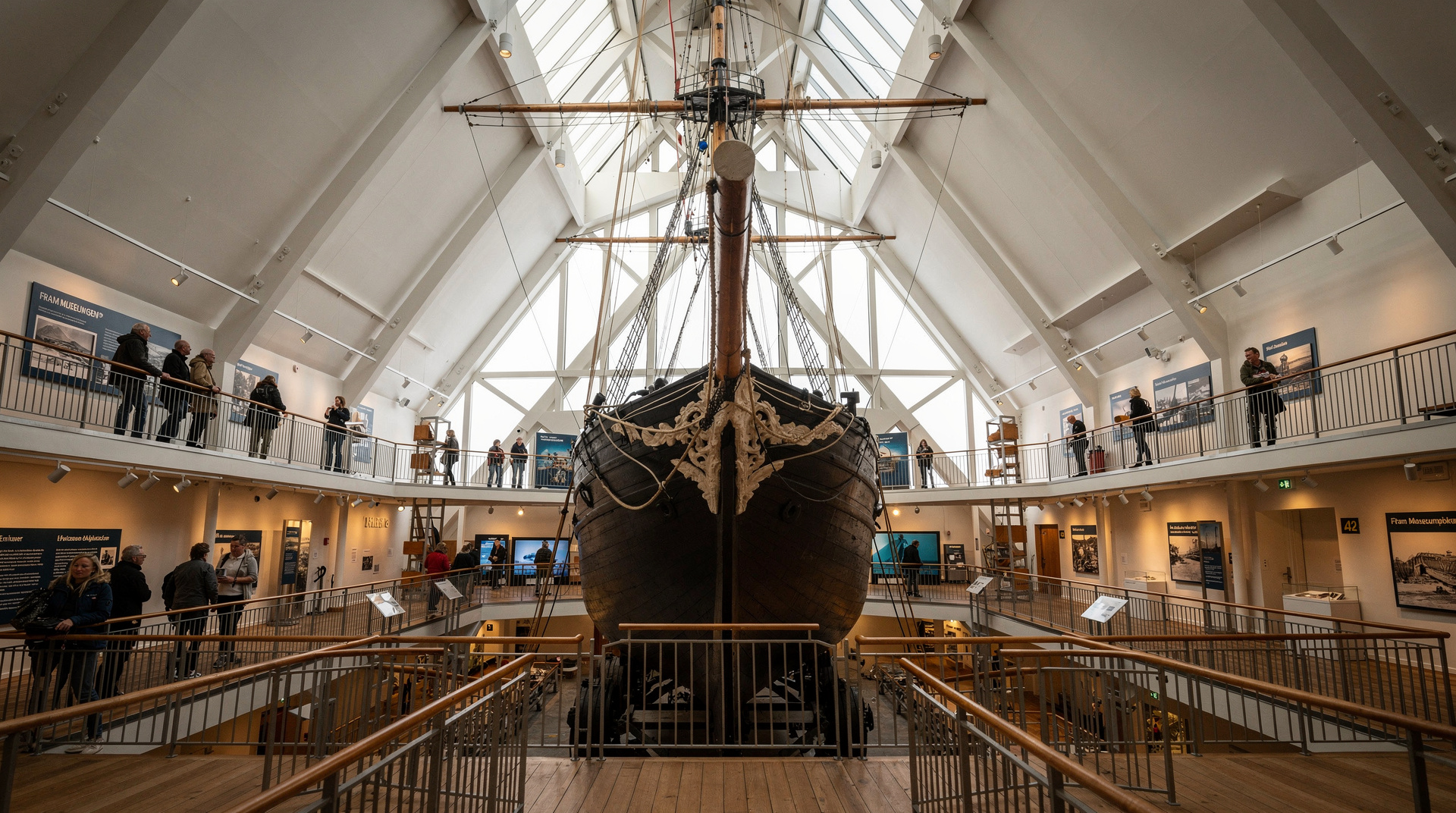
- Fram Museum (individual price: NOK 160)
- Norsk Folkemuseum (individual price: NOK 230)
- Kon-Tiki Museum (individual price: NOK 130)
- Nobel Peace Center (individual price: NOK 120)
- Astrup Fearnley Museum, temporary exhibitions (individual price: NOK 150)
- Akershus Fortress (individual price: NOK 100)
Key museums NOT included or requiring booking separately:
- Viking Ship Museum (closed until approximately 2027)
- Commercial tour operators (fjord cruises — discounted, not free)
Ruter transport included is genuine value: a Ruter 24-hour pass costs NOK 135; 48-hour pass NOK 200; 72-hour pass NOK 260. This is counted against the Oslo Pass cost in all calculations below.
The break-even analysis by pass duration
24-hour pass: NOK 545
You need NOK 545 of value in 24 hours. Realistic scenarios:
Passes break-even: Norsk Folkemuseum (NOK 230) + Fram Museum (NOK 160) + Ruter day (NOK 135) = NOK 525. Just under. Add Kon-Tiki (NOK 130) for good measure and you are at NOK 655 — NOK 110 ahead of the pass cost.
Pass does not break-even: Munch Museum (NOK 180) + National Museum (NOK 160) + Ruter day (NOK 135) = NOK 475. Pass saves nothing; you spend NOK 70 more.
Pass clearly loses: One museum + Ruter day = NOK 295 to 395. Pass costs NOK 150 to 250 more.
48-hour pass: NOK 745
Passes break-even: Day 1: Munch (180) + National Museum (160) + Ruter 2 days (200) = NOK 540. Day 2: Norsk Folkemuseum (230) + Fram Museum (160) = NOK 390. Total: NOK 930. Pass saves NOK 185.
Pass does not break-even: Day 1: one museum + city walking + Ruter (200). Day 2: outdoor activities (free) + Ruter included. Total individual cost: NOK 340 to 500. Pass costs you NOK 245 to 405 extra.
72-hour pass: NOK 945
You need NOK 945 over 3 days. Achieving this requires visiting 4 to 6 museums across your trip, using public transport daily, and actively engaging with pass attractions. It is achievable for museum-intensive visitors but impossible for those spending time outdoors, on the islands, or in cafés and restaurants.
The psychological trap: the sunk-cost museum marathon
Here is the honest warning that the pass marketing naturally does not include.
Once you have paid NOK 545 for a 24-hour Oslo Pass, a well-documented psychological effect kicks in: you feel you must visit every museum it covers to get your money’s worth. You walk into the Kon-Tiki Museum not because you particularly want to see it, but because “it’s included in the pass.” You rush through the Norsk Folkemuseum in 45 minutes because you have three more museums to cover before the pass expires. You feel anxious at 14:00 that you have “only” visited two museums.
This turns what should be an exploratory, pleasurable visit to Oslo into an itinerary driven by accounting. It is the sunk-cost fallacy in its most common travel manifestation.
The honest question is not “will the pass pay off?” but “will I genuinely enjoy the museums I would need to visit to make it pay off?” If the answer is yes — if you genuinely want to spend 3 to 4 hours at the Norsk Folkemuseum and then 2 hours at the Munch Museum on the same day — the pass is both good value and compatible with enjoying yourself.
If you were planning to do 2 museums at a relaxed pace and spend the rest of your time at Vigeland Park, the fjord, or in Grünerløkka cafés, the pass makes your trip more expensive and more stressful simultaneously.
Honest verdict by traveller type
Museum enthusiast: BUY IT
If you genuinely want to do 4+ major Oslo museums in a 48-hour window, the pass is excellent value. The Norsk Folkemuseum alone requires half a day; the Munch Museum another 2 to 3 hours. If these are genuinely on your list, the 48-hour pass pays off clearly, adds the transport benefit, and reduces friction at museum entrances.
The profile: someone who reads about Oslo’s museums in advance, is excited about the Munch collection and Norwegian folk culture, and has planned their itinerary around cultural visits. This traveller will get full value.
Family with children (6–15): CALCULATE CAREFULLY
Children’s passes are roughly half price. For a family of two adults and two children doing 3 museums: adult passes × 2 at NOK 545 each (NOK 1,090) plus children’s passes × 2 at approximately NOK 310 each (NOK 620) = NOK 1,710 total.
The same family doing Norsk Folkemuseum (NOK 460 for adults, approx. NOK 200 for children under 18 with reduced rate) + Munch Museum (adults NOK 360, children reduced) + Ruter family day passes: approximately NOK 1,100 to 1,400.
Under 6 children are free at most Oslo museums and travel free on Ruter — the pass adds no value for them. Run the specific maths for your family’s planned museums; the pass often breaks even for families doing 2 to 3 museums but does not always save significantly.
Short-stay visitor (1–2 days, mixed interests): USUALLY SKIP IT
A 1 to 2 day visit with a mix of outdoor sightseeing (Vigeland Park, Opera House roof, Aker Brygge walk) and 1 to 2 museums does not justify the pass cost. Individual tickets for 2 museums plus a Ruter day pass comes to approximately NOK 475 to 530 — below the 24-hour pass price of NOK 545.
The exception: if you land in Oslo and plan to visit Bygdøy (requiring Ruter ferry or bus) and do both the Norsk Folkemuseum and Fram Museum plus the Munch Museum in one day, the 24-hour pass breaks even and earns its convenience value.
Budget backpacker: SKIP IT
The most budget-conscious Oslo visits focus on free attractions — Vigeland Park (free), Akershus Fortress grounds (free), Opera House roof (free), the Oslo islands via Ruter transport, Nordmarka hiking — supplemented by selective museum visits. If you are planning 1 to 2 museums total, buy individual tickets.
The Ruter 24-hour pass at NOK 135 covers your transport. The Oslo Pass at NOK 545 with only 1 museum visited means paying NOK 410 extra for something you could have bought individually for NOK 160 or less.
Active outdoor visitor: SKIP IT
If your Oslo itinerary centres on hiking in Nordmarka (free trails, Ruter transport), kayaking on the fjord, swimming at the islands, or cycling, the Oslo Pass museum benefits are largely unused. Individual transport tickets (Ruter app) and individual museum entries for any paid attractions you do want are the better option.
Winter visitor (December–February): CONDITIONAL
In winter, some pass benefits (island ferry, outdoor activities) are reduced. The museum value still applies. If you plan 3+ museums across a 48-hour winter visit, the pass can break even. Otherwise, buy tickets individually.
Practical notes on buying the pass
The Oslo Pass can be purchased online at visitoslo.com, at the Oslo Visitor Centre in Østbanehallen (near Oslo Central Station, open daily), at Bergen Airport if relevant, and via the Oslo Pass app. Digital passes load instantly; physical cards are available at Visitor Centre purchases.
The clock starts when you first validate (tap) the pass — not from purchase. You can buy it online the evening before your museum day and it will not start until you tap it in the morning. Plan your most museum-heavy days for the pass window. Load the Oslo Pass app for real-time inclusion updates, as the museum list changes periodically.
For the side-by-side break-even numbers in table format, see our Oslo Pass vs individual tickets guide, which has the full calculation for every museum and transport combination.
Value table: which museum combination actually breaks even
| Museums visited (24h) | Individual cost | Pass cost | Verdict |
|---|---|---|---|
| Norsk Folkemuseum + Fram + Kon-Tiki + Ruter day | NOK 655 | NOK 545 | Pass wins by NOK 110 |
| Munch + National Museum + Ruter day | NOK 475 | NOK 545 | Individual tickets win by NOK 70 |
| Munch only + Ruter day | NOK 315 | NOK 545 | Individual tickets win by NOK 230 |
| Norsk Folkemuseum + Munch + Kon-Tiki + Ruter day | NOK 665 | NOK 545 | Pass wins by NOK 120 |
The pattern is consistent: the pass only wins once you commit to 3 or more genuinely-wanted museums in a single day, on top of using Ruter transport that day anyway. Two museums, however expensive individually, rarely clears the bar.
Where the Oslo Pass quietly loses value: Nobel Peace Center and Astrup Fearnley
Two commonly-cited pass inclusions are worth a specific honest note. The Nobel Peace Center, at NOK 120 individually, is a relatively small addition to any break-even calculation — worth including in your maths but not a museum to visit purely because it’s “free” with the pass if the subject doesn’t interest you. The Astrup Fearnley Museum offers free admission on Sundays regardless of the pass, which means pass holders visiting on a Sunday get no incremental value there at all — check the day of the week before counting it into your break-even sum.
This is a small but real example of the pass’s core trap: its own marketing lists inclusions without noting when they’re already free or low-value, nudging pass holders toward museums that don’t actually move the maths.
A simpler alternative: buy museum tickets individually and a Ruter pass separately
For visitors who are unsure whether they’ll hit 3+ museums, the safer default is to buy a Ruter 24-hour or 7-day transport pass (see the Ruter transport guide) and pay individual museum entry as you go. This removes the sunk-cost pressure entirely — each museum decision is made on its own merits rather than to “use up” a pre-paid pass. It costs slightly more only in the specific scenario where you end up visiting 3+ museums anyway, which you can judge better once you’re actually in the city and know how much time you have left after outdoor plans, weather, and fatigue.
Frequently asked questions about Is the Oslo Pass worth it? The brutally honest verdict by traveller type
What does the Oslo Pass cost in 2026?
24-hour adult pass: NOK 545 (approximately USD 59). 48-hour: NOK 745 (approximately USD 80). 72-hour: NOK 945 (approximately USD 102). Children (6–15): approximately half price. Under 6: free. The pass can be bought online at visitoslo.com, at the Oslo Visitor Centre in Østbanehallen, or via the Oslo Pass app.What is the Oslo Pass break-even point?
For the 24-hour pass, you need NOK 545 in genuine value: roughly 3 major museums (around NOK 470–570) plus a Ruter day pass (NOK 135), which adds up to more than the pass cost. For the 48-hour pass at NOK 745, 3 museums plus 2 days of transport typically exceeds the pass value.Does the Oslo Pass include fjord cruises?
Not free inclusion — the pass offers discounts on certain cruises and hop-on-hop-off buses but does not include them for free. Always check the current inclusions list on visitoslo.com as benefits change between seasons.What is the sunk-cost trap with the Oslo Pass?
Once you have paid for the pass, you feel obligated to visit every museum it covers to justify the cost — including ones you were not particularly interested in. This is the sunk-cost fallacy in action. The pass can turn a relaxed Oslo visit into a museum marathon driven by pass-recovery anxiety rather than genuine curiosity.Is the Oslo Pass worth it for just one day?
The 24-hour pass at NOK 545 requires hitting at least NOK 545 in combined museum and transport costs. If you are doing Norsk Folkemuseum (NOK 230), Munch Museum (NOK 180), and a Ruter day pass (NOK 135), you get NOK 545 exactly — you break even. Add the Fram Museum (NOK 160) and you are ahead. But this is a packed one-day museum schedule.Is the Oslo Pass better in summer or winter?
Summer, slightly — more outdoor activities covered by the pass are available, and the island ferry (Ruter) is running fully, adding Ruter value. In winter, fewer pass-covered activities are operating. But the museum argument applies year-round.
Top experiences
Bookable activities with verified prices and instant confirmation on GetYourGuide.