Oslo's best museums ranked: an honest guide to what's worth your time
Oslo: Norwegian explorers and culture 3-museum tour
Duration: 4 hours
- Multiple museums
- Guided
What are Oslo's best museums?
Oslo's top museum tier: Norsk Folkemuseum (open-air folk museum, unique in Europe), Munch Museum (largest Munch collection), National Museum (Norway's biggest art museum), and Fram Museum (polar ship you can board). Second tier: Kon-Tiki Museum, Nobel Peace Center, Norwegian Maritime Museum, Viking Planet. What to skip: the Viking Ship Museum is closed until approximately 2027.
How this ranking works
Every Oslo museum guide lists everything as worth visiting. This one makes choices. The ranking below is based on four criteria: quality of experience relative to admission price, uniqueness (can you see something similar elsewhere?), time efficiency, and honesty about who will get the most value from each institution.
All prices are 2026 adult admission; all museums are free with the Oslo Pass unless noted.
| Top pick | Norsk Folkemuseum (Bygdøy, allow 3–4 hrs) |
| Best single museum | Munch Museum (Bjørvika, allow 2–3 hrs) |
| Typical admission | NOK 140–220 (around USD 15–24) per adult |
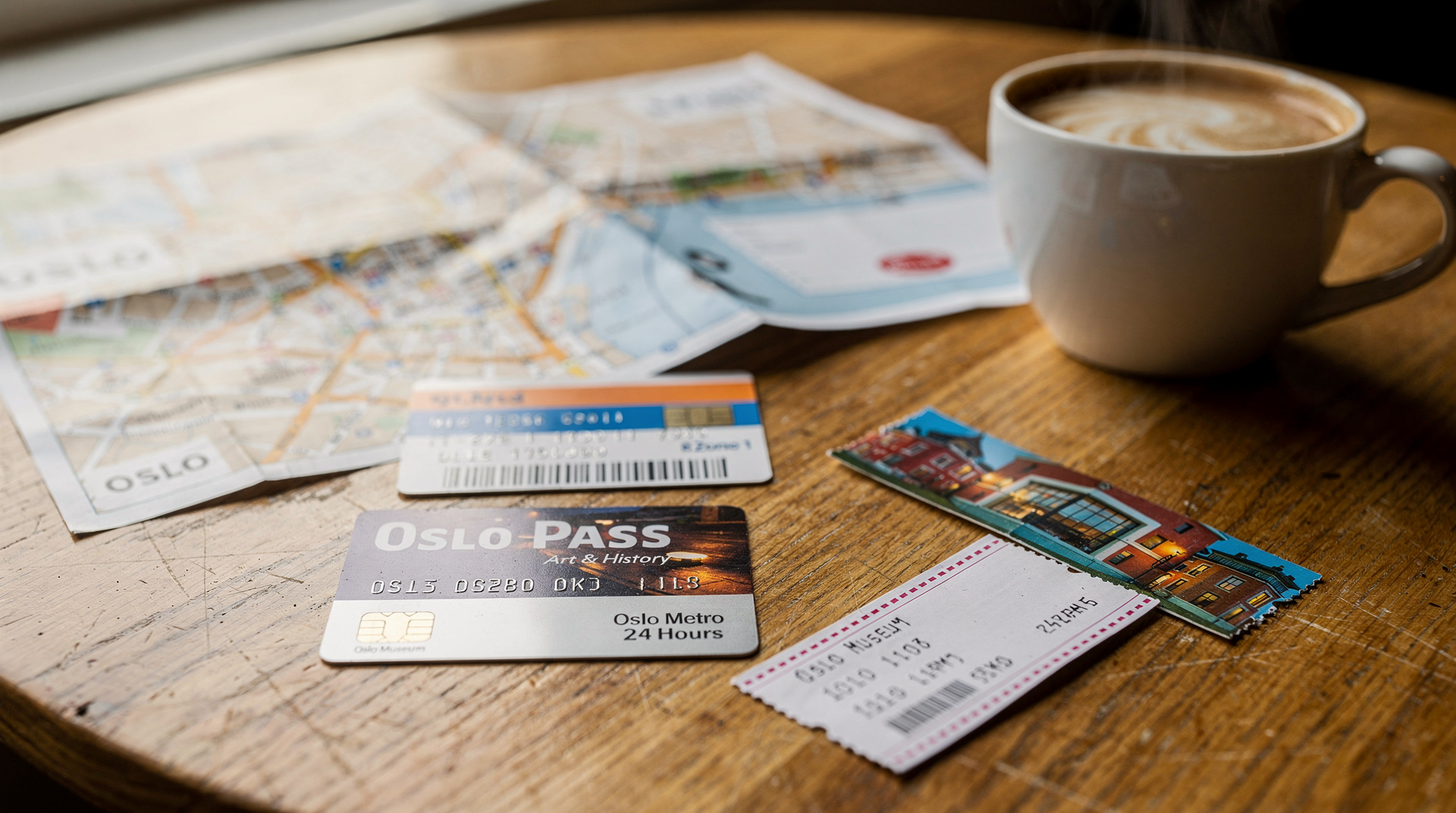
| Save money | Oslo Pass covers most museums on this list |
| Skip entirely | Viking Ship Museum (closed until ~2027) |
| Book ahead | Rarely needed except peak summer weekends |
Tier 1: visit if at all possible
1. Norsk Folkemuseum (NOK 220 / USD 24)
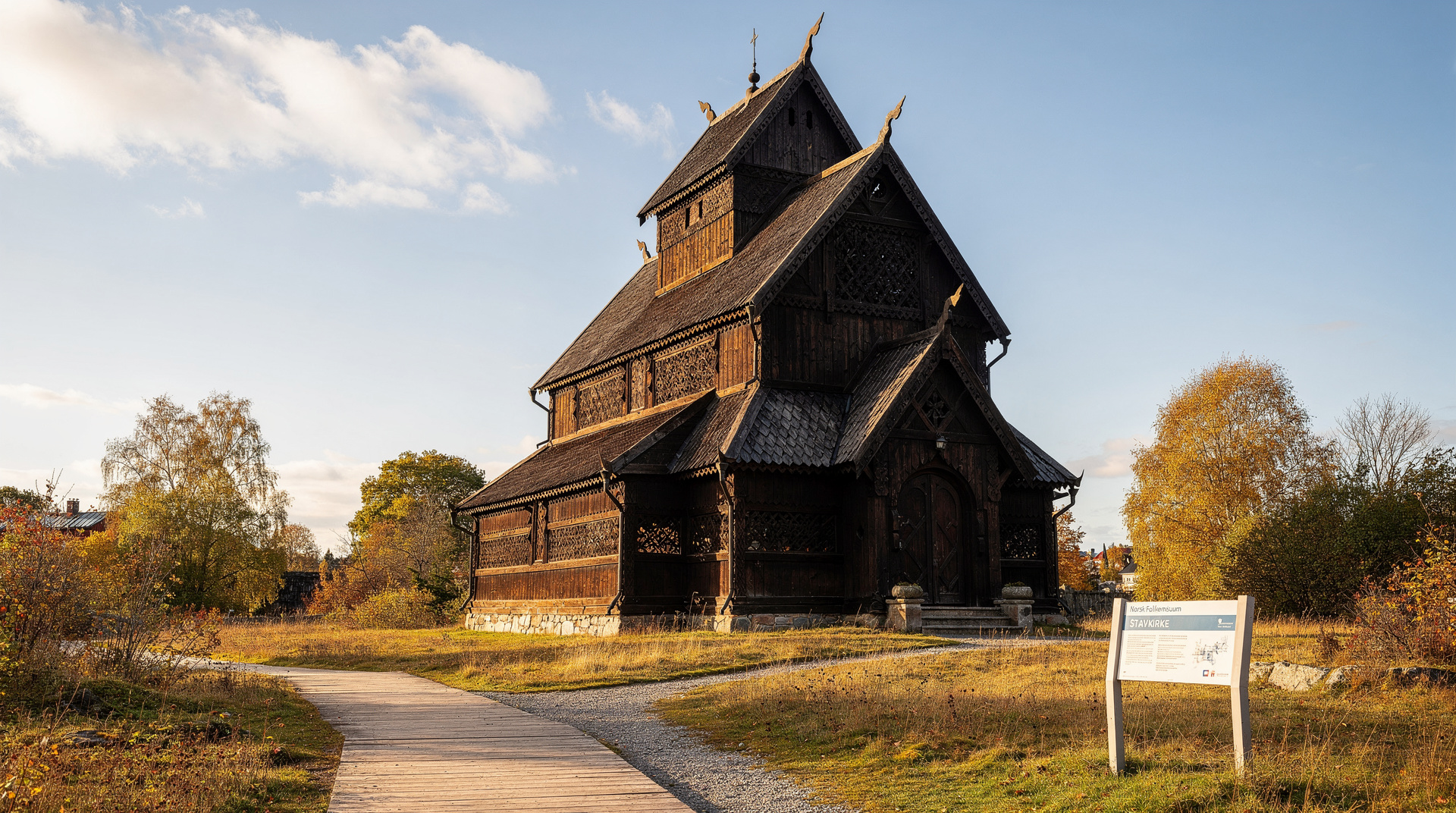
The Norwegian Folk Museum at Bygdøy is the most distinctive museum experience Oslo offers. You walk through 160+ historic buildings spread over 35 hectares, including a 12th-century stave church that is one of the oldest wooden buildings in the world still standing. In summer, costumed staff demonstrate period crafts; horses work the farm; you can eat traditional Norwegian food at the café.
Nothing else in Oslo or Scandinavia combines this scale, age, and living history format. It’s not a museum you look at — it’s a place you inhabit for an afternoon. Allow 3 to 4 hours. See the full Norsk Folkemuseum guide.
Who to skip: Visitors with less than 2 hours available (the site needs time), visitors visiting in winter with small children (the living history elements are summer-only).
2. Munch Museum (NOK 200 / USD 22)
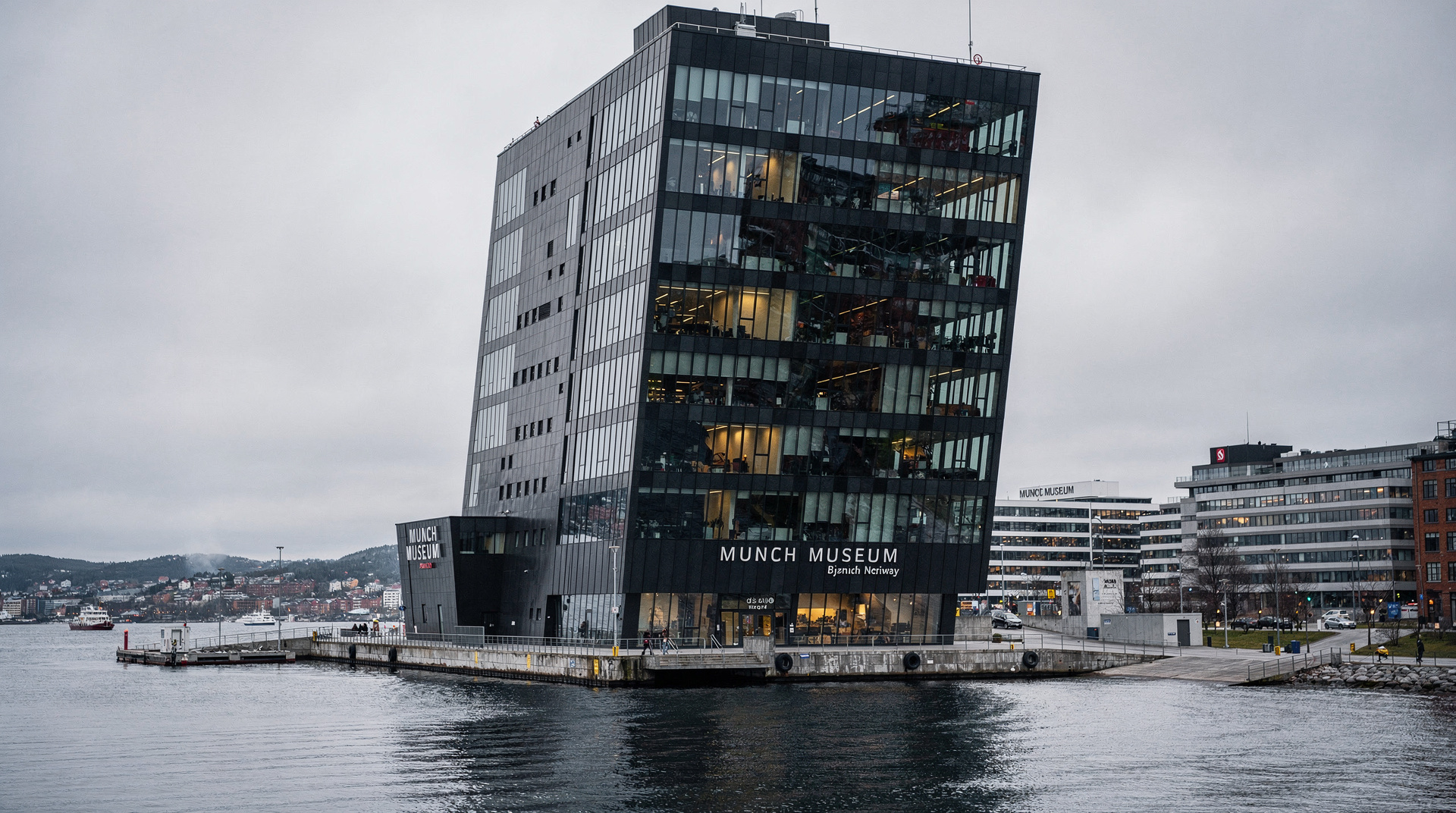
The Munch Museum at Bjørvika is the world’s largest collection of a single artist’s work — 28,000 items including multiple versions of The Scream. The 2021 building is excellent, the upper-floor fjord views are extraordinary, and the exhibition design allows both casual and deep engagement with the collection.
No other city in the world has this. If you have any interest in European art history, this is non-negotiable. Allow 2 to 3 hours. See the full Munch Museum guide.
Who to skip: Nobody. The only reason to skip the Munch Museum is if you’ve been before and want to see something new.
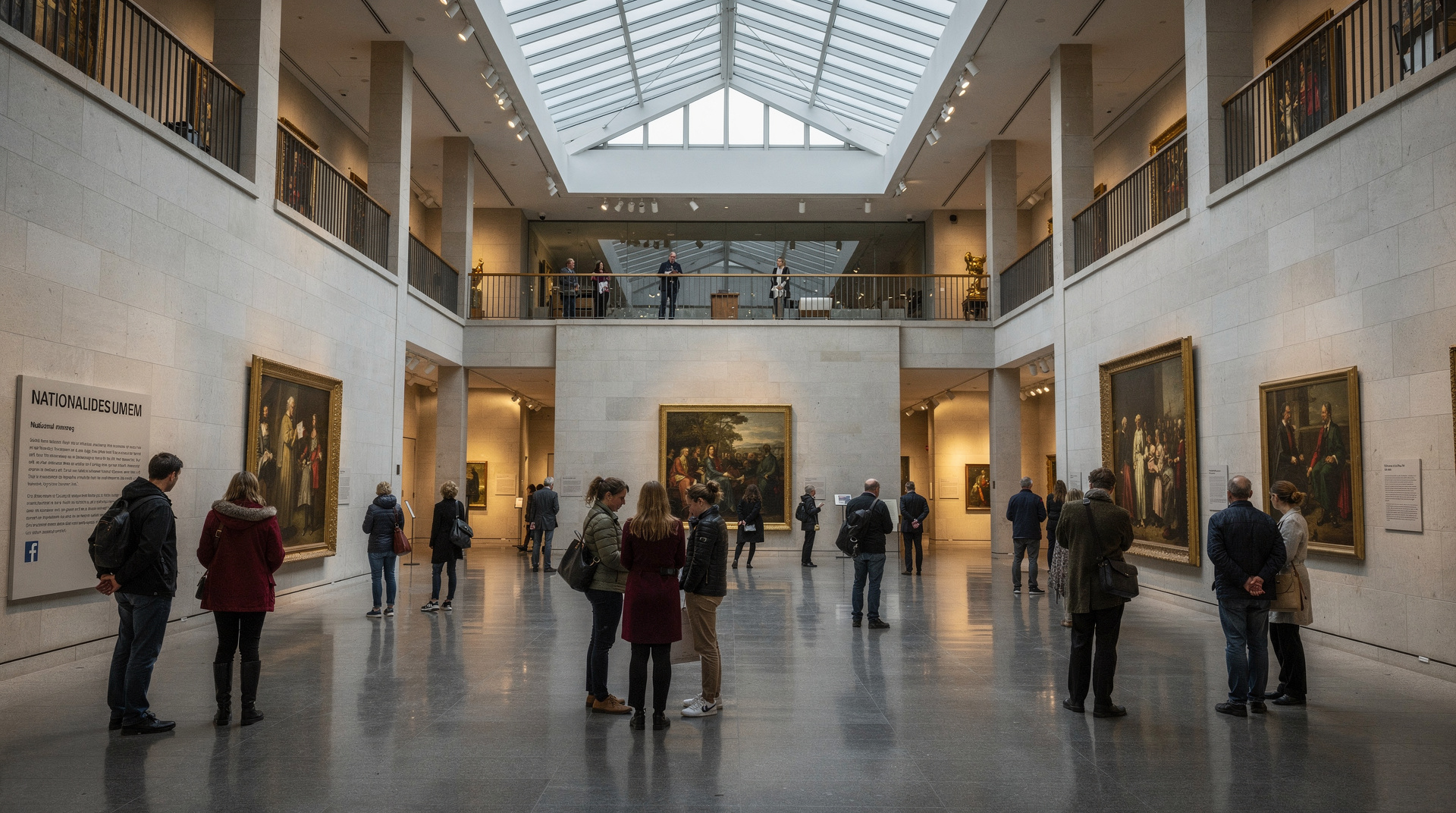
3. National Museum (NOK 160 / USD 17)
Norway’s largest art and design museum, opened in its new Aker Brygge building in 2022. The collection spans Norwegian art from J.C. Dahl’s defining 19th-century landscapes through to contemporary design, plus a version of The Scream and international art.
The building’s Light Hall alone is worth a visit. The breadth of the collection — art, architecture, decorative arts, design — means almost every visitor finds something that grips them. Allow 2 to 3 hours. See the full National Museum guide.
Who to skip: Very short visits (the museum is large and unsatisfying in under 90 minutes).
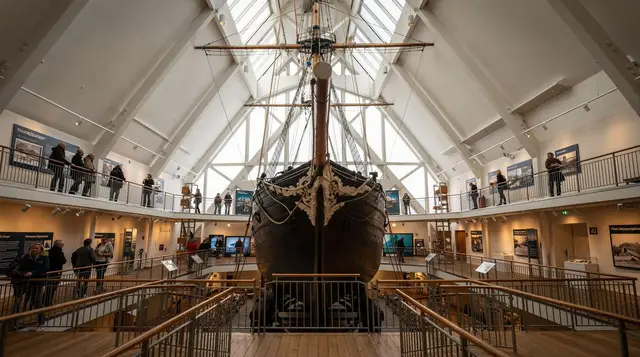
4. Fram Museum (NOK 170 / USD 18)
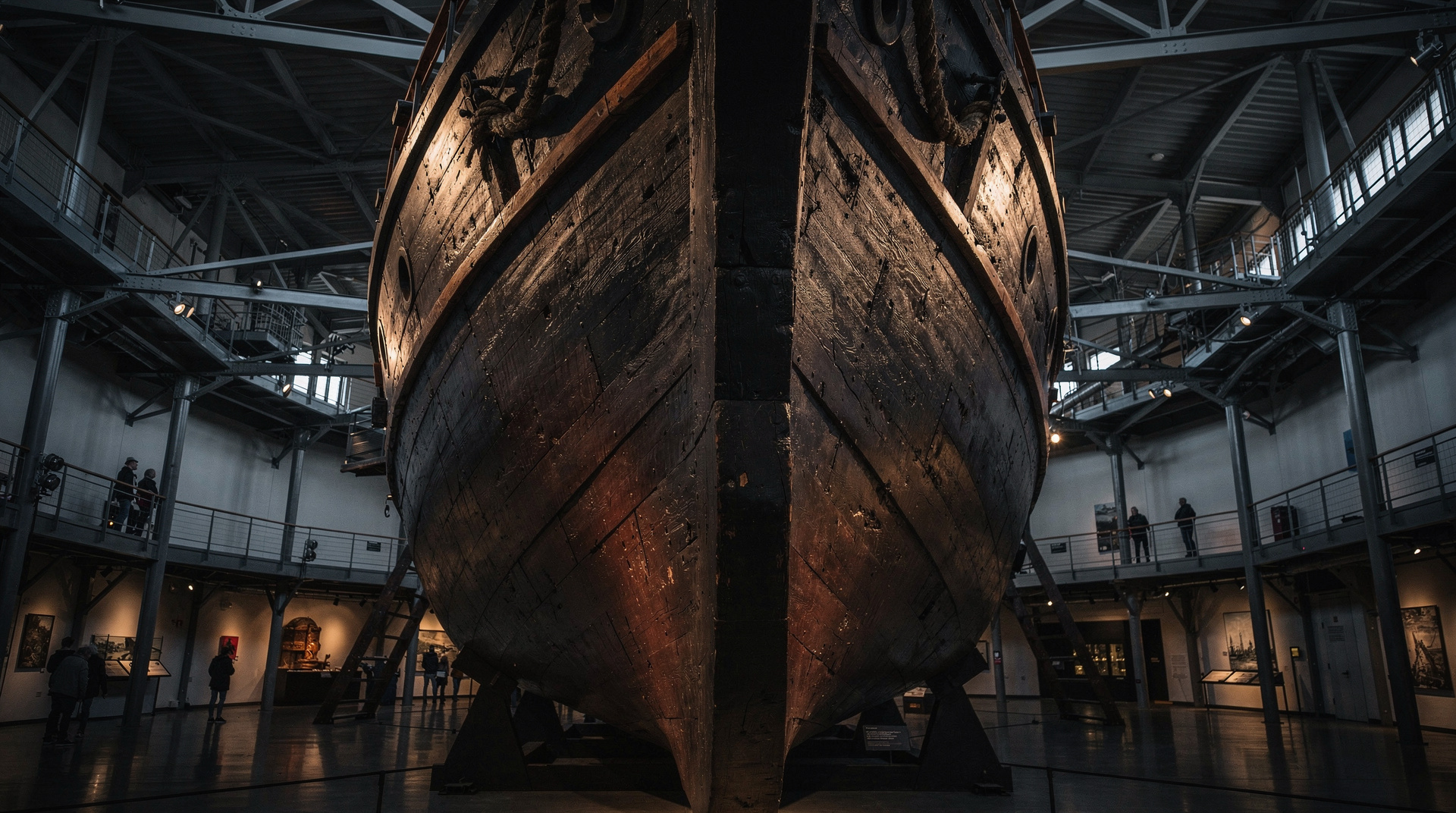
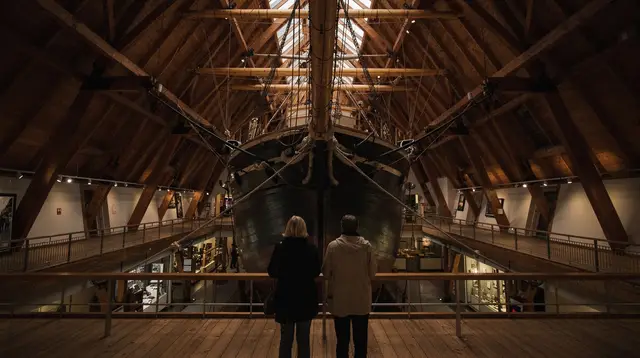
You board the actual ship that carried Nansen and Amundsen into polar ice. The physical experience of standing in the crew quarters — the extreme confinement, the preserved equipment, the reality of months locked in ice — is something no amount of film or photography prepares you for.
The Fram Museum is the most underrated major museum in Oslo. It receives fewer visitors than the Munch Museum despite offering something genuinely irreplaceable. Allow 90 minutes to 2 hours. See the full Fram Museum guide.
Who to skip: Visitors with very limited interest in exploration history. But it’s worth at least 60 minutes for the ship alone.
Tier 2: excellent for specific interests
5. Kon-Tiki Museum (NOK 140 / USD 15)
Heyerdahl’s original balsa raft alongside the Ra II papyrus boat. A 60 to 90 minute visit that delivers high value per NOK at the lowest admission price among the Bygdøy museums. Best combined with the Fram Museum on the same afternoon. See the Kon-Tiki Museum guide.
6. Nobel Peace Center (NOK 130 / USD 14)
Thoughtful exhibition covering the history of the Nobel Peace Prize and its laureates. The permanent exhibition is compact but intelligently designed; the temporary exhibitions vary in quality. A genuine Oslo experience — the Nobel Peace Prize ceremony happens at City Hall next door every December. Allow 60 to 90 minutes. Free with Oslo Pass. See the Nobel Peace Center guide.
7. Astrup Fearnley Museum of Modern Art (NOK 160 / USD 17)
Oslo’s leading private contemporary art museum at Tjuvholmen, designed by Renzo Piano. Strong collection of post-1960s international art. Not covered by Oslo Pass. Worth visiting for contemporary art enthusiasts; others can appreciate the free outdoor sculpture park without buying a ticket. See the Astrup Fearnley Museum guide.
8. Natural History Museum (free with Oslo Pass)
The University of Oslo’s natural history campus in Tøyen has a geology museum, a zoological museum (extensive Scandinavian and international wildlife collections), and a botanical garden. Free on Tuesdays. Particularly good value on a rainy day. Best for families with children interested in wildlife.
9. Viking Planet (NOK 249 / USD 27 — not covered by Oslo Pass)
The Viking Planet near Oslo Central Station is Oslo’s attempt to fill the gap left by the Viking Ship Museum’s closure. It’s a commercial entertainment experience using virtual reality and reconstructed artefacts to tell Viking Age stories. Honest assessment: it costs more than most Oslo museums, is primarily aimed at tourists, and lacks the depth of a genuine archaeological collection. Better than nothing given the Viking Ship Museum’s closure, but not a substitute.
10. Norwegian Maritime Museum (NOK 120 / USD 13)
Traditional Norwegian boat-building and maritime history at Bygdøy. Free with Oslo Pass. Worth 60 minutes if you’re doing a full Bygdøy day and have time after the Fram and Kon-Tiki. Not worth a dedicated visit.
Tier 3: specialist or circumstantial interest
Resistance Museum at Akershus (NOK 80 / USD 9)
The most important museum in Oslo for understanding WWII in Norway — but small and not well-known. Covered by Oslo Pass. Essential for visitors with specific interest in WWII Norwegian history. See the Akershus Fortress guide.
Oslo City Museum at Frogner Manor
Traces the history of Oslo from medieval times to the 20th century. Free admission. Worth 60 minutes on a visit to Frogner Park if you want historical context for Vigeland’s park.
Stenersen Museum (contemporary art — free)
A smaller contemporary art institution with free admission in some periods. Worth checking if current exhibitions interest you.
What to skip entirely
Viking Ship Museum: Closed until approximately 2027. Do not waste time looking for it.
Oslo tourist-trap private museums: Several commercial “experience” attractions near the city centre are priced at NOK 250 to 400+ (USD 27 to 43) and offer shallow entertainment rather than historical depth. None of them appear on this ranking.
Planning your museum days
For a 2-day museum focus in Oslo, this programme delivers the best combination:
Day 1: Munch Museum (morning, 2.5 hours) → National Museum (afternoon, 2 hours) → Nobel Peace Center (late afternoon, 1 hour). All in or near Bjørvika/Aker Brygge.
Day 2 (Bygdøy): Norsk Folkemuseum (morning, 3.5 hours) → lunch at folkemuseum café → Fram Museum (early afternoon, 1.5 hours) → Kon-Tiki Museum (late afternoon, 1 hour). Return by ferry.
Total admission cost without Oslo Pass: approximately NOK 880 (USD 95) for both days. With Oslo Pass (NOK 845 for 48 hours): all covered. The 48-hour pass saves approximately NOK 200 on museum admissions alone, before counting transport. See the Oslo Pass guide for the full break-even analysis.
For a rainy day museum plan, see the rainy day museums guide, which prioritises indoor-only experiences and practical logistics for bad-weather visits.
The Viking gap: planning around the closed museum
The Museum of the Viking Age (formerly the Viking Ship Museum) at Bygdøy has been closed since 2019 for a major renovation and expansion. The reopening is projected for approximately 2027, though Norwegian museum projects of this scale have precedent for delay.
The original museum held the world’s finest collection of Viking ships — three vessels excavated from burial mounds, the Oseberg, Gokstad, and Tune ships. The Oseberg ship in particular, a royal burial vessel from approximately 834 CE, is considered the most perfectly preserved Viking Age object in existence. Seeing it is not currently possible.
The current replacements are partial:
Viking Planet (Tjuvholmen area): A commercial attraction using VR and digital media to recreate Viking Age life. NOK 249 per adult. Honest assessment: this is a theme-park experience rather than an archaeological museum. The reconstructed artefacts and the VR simulations are well-made but lack the emotional weight of standing next to an actual 1,200-year-old ship.
Historical Museum (Historisk Museum): The museum on Frederiks gate, part of the University of Oslo cultural history collections, holds extensive Viking Age artefacts including the KHSF (National antiquities) collection — the world’s largest collection of Viking gold and silver hoards. This is the genuine archaeological replacement for the Viking Ship Museum during its closure. Free with Oslo Pass. Admission approximately NOK 100 (USD 11) without the pass. Walk from Oslo Central Station: 15 minutes.
The Historical Museum is undervisited precisely because most visitors are looking for ships. The treasure collection — caches of silver coins, arm rings, and jewellery found across Norway — is extraordinary and receives a fraction of the attention it deserves.
Museum fatigue: recognising and managing it
Oslo’s museum density is a genuine problem for longer stays. By day three, museum fatigue is common — the feeling that another room of paintings or artefacts is something to endure rather than appreciate. A few strategies:
Alternate museum type. Don’t do three art museums in a row. Alternate between very different experiences: one art museum, one historical collection, one outdoor or adventure museum (Norsk Folkemuseum, Fram).
Use morning hours. Museums in the first 90 minutes after opening have better light, fewer crowds, and less noise. Your attention is sharper in the morning. The afternoon is better for outdoors, food, and neighbourhoods.
Skip the guidebook interpretation pressure. Not every painting needs to be understood before you can respond to it. At the National Museum, some visitors spend so much time reading interpretation panels that they never actually look at the paintings. Stand in front of a Dahl landscape for two minutes without reading anything. Then read.
Take breaks. A 20-minute café break in the middle of a major museum visit is not wasted time — it’s the reset that allows the second half of the visit to have genuine impact.
Museums by visitor type: a quick matrix
| Visitor type | First choice | Second choice | Skip |
|---|---|---|---|
| Art lover | Munch Museum | National Museum | Viking Planet |
| History enthusiast | Norsk Folkemuseum | Resistance Museum | Norwegian Maritime |
| Adventure seeker | Fram Museum | Kon-Tiki Museum | Fine arts |
| Family with children | Fram Museum | Natural History | Astrup Fearnley |
| Contemporary art | Astrup Fearnley | National Museum (design) | Folkemuseum |
| Short visit (1 day) | Munch Museum | Nobel Peace Center | Multiple Bygdøy |
This matrix oversimplifies — a family with children can love the Norsk Folkemuseum in summer as much as the Fram Museum — but it gives a starting point when you have limited time.
Getting to the museums: ferry vs bus vs walking
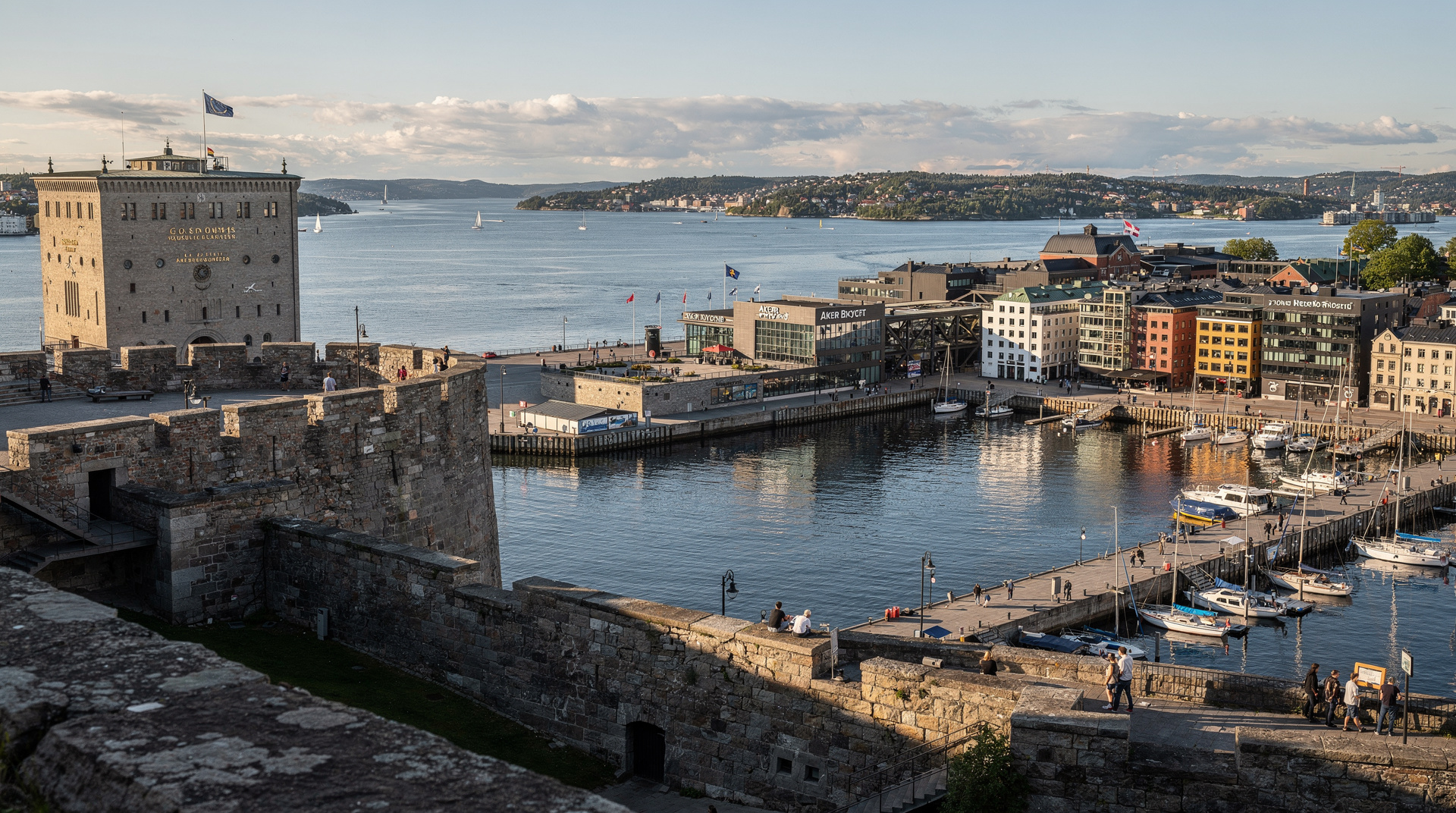
The two museum clusters sit in different parts of the city and reward different transport choices. Bygdøy (Norsk Folkemuseum, Fram, Kon-Tiki, Norwegian Maritime Museum) is reached by the summer ferry from Aker Brygge (around 15 minutes, runs roughly April to September) or bus 30 year-round from the city centre (around 20 minutes). The ferry is the nicer experience and drops you closer to the museums; the bus is the only option outside ferry season.
Bjørvika/city centre (Munch Museum, National Museum, Nobel Peace Center, Historical Museum) is walkable from Oslo Central Station or a short tram ride, so no transport planning is needed. If you’re combining a Bygdøy morning with a city-centre afternoon, budget at least 30 minutes for the crossing plus a short walk or bus at each end — see the getting around Oslo guide for the full transport picture and the Oslofjord ferries guide for ferry schedules.
Should you book museum tickets in advance?
For most museums on this list, walk-up tickets are fine outside the July peak. The exceptions: the Munch Museum and National Museum can develop queues on wet summer afternoons when every other outdoor plan gets cancelled at once, so a timed online ticket removes that risk for a small fee difference. The Bygdøy museums rarely need advance booking — even in August, the worst case is a 10 to 15 minute wait at Norsk Folkemuseum’s entrance.
If your schedule is tight and a specific museum is non-negotiable, book it the night before rather than the morning of. Combination tickets and the Oslo Pass are covered in full in the honest Oslo Pass review and the Oslo Pass vs individual tickets comparison, which runs the exact break-even numbers for a 2-day and 3-day museum-heavy itinerary.
The museums Oslo doesn’t publicise
Two undervisited museums worth knowing:
Stenersen Museum: Collection of Norwegian Expressionist painting donated to Oslo by financier Rolf Stenersen. Free admission on some days. Excellent Munch and Ekely-period Norwegian art in a quiet setting on Munkedamsveien.
Intercultural Museum (IKM): Located in Grønland, this museum addresses Norway’s immigrant communities and the cultural transformations of the last 50 years. Not a typical tourist museum — it operates for Oslo’s own communities as much as for visitors. Free entry. A different Oslo perspective that mainstream museum guides don’t cover.
Frequently asked questions about Oslo's best museums ranked
How many museums can I realistically see in one day in Oslo?
Two to three major museums in one day is realistic if they're geographically clustered. The Bygdøy museums (Norsk Folkemuseum, Fram, Kon-Tiki) form a natural cluster. The city museums (Munch, National Museum, Astrup Fearnley) form another. Trying to combine Bygdøy and city centre museums in one day means rushed visits.Is the Viking Ship Museum open in Oslo?
No. The Viking Ship Museum at Bygdøy is closed for a major renovation and new building project. The reopening is expected approximately 2027, though delays are possible. For Viking content in the meantime, visit the Viking Planet near Oslo Central Station or the Historical Museum.Are Oslo museums worth the money?
Most Oslo museums are priced at NOK 140 to 220 (USD 15 to 24) per adult — comparable to or slightly below London, Amsterdam, or Copenhagen. The top-tier museums deliver genuine value at this price. The Oslo Pass (NOK 595 for 24 hours) makes the maths work for museum-heavy days.Which Oslo museum is best for families with children?
The Fram Museum (board the actual polar ship) and Norsk Folkemuseum (outdoor, active, horse demonstrations in summer) are the best family choices. The Kon-Tiki Museum (adventure raft) also works well. The Munch Museum and National Museum are better for adults and older children.What Oslo museum is most underrated?
The Fram Museum. It consistently receives fewer visitors than the Munch Museum or National Museum despite offering an experience — boarding the actual polar vessel — that cannot be replicated anywhere else in the world.
Top experiences
Bookable activities with verified prices and instant confirmation on GetYourGuide.
Oslo: Oslo Pass with public transport and free museum entry
- Instant confirmation
- Free public transport
- Skip museum queues
Oslo: city sightseeing discovery tour by bus with 2 museums
- Includes museum entry
- English guide
Oslo: skip-the-line Fram Museum private tour with tickets
- Skip the line
- Private guide

Oslo: Norsk Folkemuseum private tour and skip-the-line tickets
- Skip the line
- Private guide