Norsk Folkemuseum guide: open-air folk museum and stave church
Oslo: Norsk Folkemuseum private tour and skip-the-line tickets
Duration: 2 hours
- Skip the line
- Private guide
What is the Norsk Folkemuseum?
The Norwegian Folk Museum (Norsk Folkemuseum) at Bygdøy is Scandinavia's largest open-air museum — 160+ historic buildings from across Norway, including a 12th-century stave church, relocated and arranged across 35 hectares. In summer, costumed staff demonstrate traditional crafts and a horse-drawn farm is operational. Admission is NOK 220 (USD 24), free with Oslo Pass. Allow 3 to 4 hours.
Buildings from across seven centuries
| Where | Museumsveien 10, Bygdøy peninsula |
| Cost | Around NOK 220 (USD 24); free with Oslo Pass |
| Time needed | 3–4 hours in summer, 2 hours in winter |
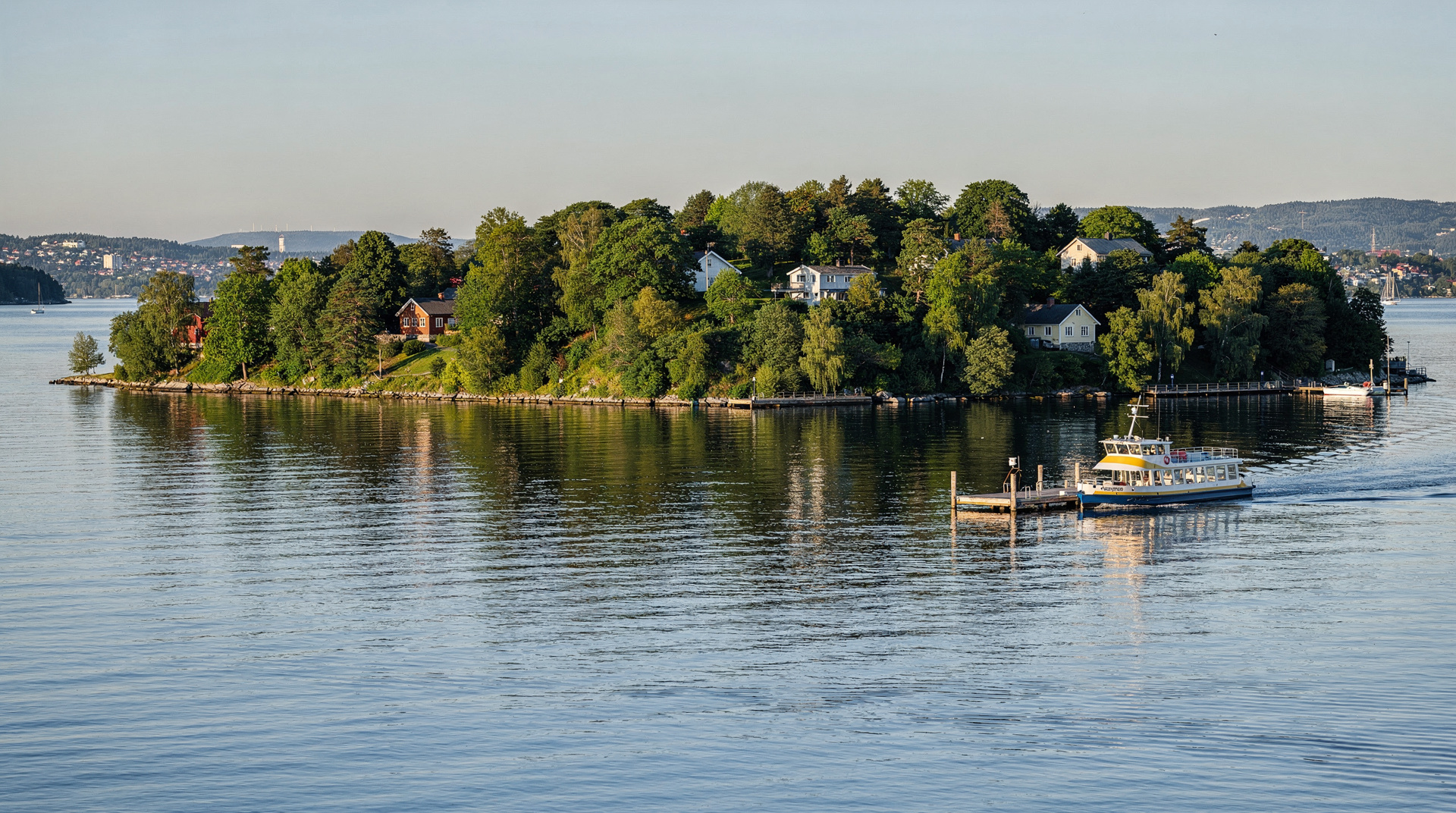
| Getting there | Ferry from Aker Brygge pier 3, or bus 30 |
| Best time | June–August for living history demonstrations |
Norsk Folkemuseum was founded in 1894 at the height of Norwegian national romanticism — a period when Norway was still in political union with Sweden and cultural identity was expressed partly through the collection and celebration of traditional material culture. The idea: gather historic buildings from every region of the country, move them to one site in Oslo, and create a permanent record of how Norwegians lived before industrialisation.
The result, after 130 years of collecting, is 35 hectares of open ground on the Bygdøy peninsula containing over 160 historic structures: farmhouses, storehouses, urban dwellings, mills, barns, a stave church, and a reconstructed 19th-century Oslo town block. It is Scandinavia’s largest open-air museum and, in the right season, one of Europe’s most atmospheric.
The stave church: the oldest and most important building
At the centre of the museum stands the Gol Stave Church — a medieval wooden church originally built in Gol in Hallingdal, dating to the late 12th century. Stave churches represent one of the most distinctive architectural traditions in the world: vertical load-bearing poles (staves), elaborate carved portals, and dragon-head roof ornaments that merged Christian symbolism with pre-Christian Nordic motifs.
Norway once had several thousand stave churches. Fewer than 30 survive. The Gol church is one of the largest and best-preserved of these. Its portal carvings — interlaced vine patterns and mythological animals — are among the finest examples of Norwegian medieval decorative art outside the National Museum.
The church is open to enter. Stand inside and allow your eyes to adjust to the dim interior. The proportions are intimate — this is a building for a village, not a cathedral — but the quality of the timber joinery and the preserved carved elements make it feel larger than its dimensions.
Note on the church: Restoration work sometimes restricts access. Check the museum’s current status at norskfolkemuseum.no.
The farm buildings and regional collections
The buildings are organized loosely by region and type. Key areas:
Setesdal farm group: A cluster of traditional farmhouses from the Setesdal valley region, one of Norway’s most culturally conservative areas. The buildings date from the 17th to 19th centuries and show the typical Norwegian farm layout: main house, separate storehouse (stabbur) on posts (to keep rodents out), stable, and barn.
The Hallingdal area: More farm buildings with their original furnishings. The painted wooden furniture — Rosemaling decorative painting in red, blue, and green botanical patterns — is one of Norway’s most distinctive folk art traditions.
The urban quarter: A reconstructed Oslo street from the early 19th century, with a pharmacy, workshop, and residential interiors furnished to period. The contrast with the rural farm groups shows the urbanisation of Norwegian society across the same period.
The log barns and storehouses: The stabbur (raised storehouse) is one of the most functional architectural solutions in Norwegian farm culture — elevated on mushroom-shaped stone caps to prevent rodent access, ventilated through log construction, perfectly suited to Norway’s cold, dry winters for food storage.
Summer activities: when the museum comes alive
Norsk Folkemuseum in June through August is a different experience from winter. From approximately mid-June to mid-August:
Costumed staff: Guides in period dress work in the buildings — a blacksmith at the forge, a weaver at the loom, a dairy maid churning butter. These are not passive displays; the staff demonstrate actual techniques and will explain what they’re doing to interested visitors.
The horse-drawn farm: A traditional Norwegian farm is operated with Fjord horses pulling carts and working the land. The horses themselves are a significant attraction for children.
Traditional music and dancing: Folk music and Hardanger fiddle performances take place at scheduled times in the main courtyard. Check the museum’s daily programme at the entrance.
Food: The museum café serves traditional Norwegian food including open-faced sandwiches (smørbrød), rømmegrøt (sour cream porridge), and seasonal dishes made with produce from the farm.
The indoor collections: Sami culture and Norwegian social history
Inside the main museum building (the Folkehallen), two collections deserve time:
Sami culture: Norway’s indigenous Sami people are represented through a comprehensive collection of traditional clothing, tools, tents, and boats. This is the most accessible entry point for visitors unfamiliar with Sami culture — the exhibition covers nomadic reindeer herding, traditional crafts, and the complicated history of Norwegian state policy toward the Sami population (forced assimilation policies ran until the late 20th century).
Norwegian social history: The indoor galleries trace Norwegian domestic, agricultural, and industrial life from the 18th century to the 20th century, including immigration, urbanisation, and the oil economy. Less visually dramatic than the outdoor buildings but contextually essential.
What a stave church is and why the Gol church matters
A stave church (stavkirke) is a type of wooden Christian church that was built in Norway from approximately the 11th to 13th centuries. The structural system uses vertical load-bearing poles (staves) set in a sill plate rather than being buried in the ground — a medieval Scandinavian innovation in wooden construction that allowed the buildings to endure for centuries without their foundations rotting.
The characteristic visual elements: a raised central section (the nave) with outer aisles; carved portal frames with interlaced vine patterns and mythological animals; dragon-head roof ornaments that echo Viking Age ship decoration; and dark, dim interiors designed for a pre-electric culture where fire risk was constant.
Norway once had perhaps 1,000-2,000 stave churches. The combination of fire, replacement with stone churches, and general neglect reduced this number to 28-29 surviving examples by the 19th century (the exact count depends on what constitutes a separate building versus a heavily reconstructed one). All surviving stave churches are in Norway; the tradition did not persist in other Scandinavian countries at the same scale.
The Gol Stave Church at Norsk Folkemuseum dates from approximately 1150-1200. It was moved from Gol in Hallingdal to Christiania (Oslo) in 1884-85 at the initiative of King Oscar II, who was assembling a collection of Norwegian historic buildings on his summer estate at Bygdøy. After Oscar II’s death the estate became the Norsk Folkemuseum.
For visitors who want to see stave churches in their original landscape settings, Borgund Stave Church in Sogn og Fjordane and Urnes Stave Church (a UNESCO World Heritage site) are the best-preserved examples in situ. But the Gol church at Norsk Folkemuseum is the most accessible for Oslo visitors.
Practical visiting information
Address: Museumsveien 10, 0287 Oslo.
Admission: NOK 220 (USD 24) adults. Children under 6 free; children 6-17 NOK 100 (USD 11). Family ticket available. Free with Oslo Pass. Buy online at norskfolkemuseum.no for a 10% discount.
Opening hours: Open daily year-round. Summer (June to mid-August): 9am to 6pm. Spring/autumn: 10am to 5pm. Winter: 11am to 4pm (or 3pm). Check norskfolkemuseum.no for exact seasonal times.
Facilities: Museum café with traditional Norwegian food (good value by Oslo standards, NOK 100-180 / USD 11-19 for main dishes). Museum shop with craft reproductions, books, and Norwegian design.
Weather preparation: The site is entirely outdoors except for the indoor collections. Bring waterproof layers regardless of forecast — Norwegian weather can change within an hour.
Getting to the museum
Ruter ferry (May-September): From Aker Brygge pier 3. The ferry stops at Dronningen, a 5-minute walk from the museum entrance. Included in Ruter day pass and Oslo Pass.
Bus 30 (year-round): From Nationaltheatret. Alight at Norsk Folkemuseum stop. Takes 15-20 minutes.
What the Sami collection means
Norway’s indigenous Sami people have lived in northern Norway, Sweden, Finland, and the Kola Peninsula for thousands of years. Their traditional territory, Sápmi, does not correspond to the borders of modern nation-states. In Norway, Sami culture was subject to sustained assimilation policies — “Norwegianisation” — from the mid-19th century through much of the 20th century: Sami children were sent to Norwegian-language boarding schools, traditional dress was discouraged, and Sami place names were replaced with Norwegian ones.
These policies are now acknowledged as a profound injustice. The Norsk Folkemuseum’s Sami collection, which has been significantly updated and reinterpreted in recent years, presents Sami culture with appropriate respect and historical honesty. The exhibition covers:
Traditional material culture: Clothing (the gakti, a traditional Sami garment that varies by region and community), tools, tents (lavvu), boats (the Arctic umiak tradition), and the elaborate decorated birch-bark containers and knife sheaths that represent one of the highest forms of Sami decorative art.
Reindeer herding: Traditional nomadic reindeer herding culture, which is still practiced by a minority of Sami families in Norway today. The museum covers both the historical practice and the contemporary legal and political situation of Sami herding rights.
The Sami Parliament: Norway established the Sápmi Parliament (Sámediggi/Sametinget) in 1989. The museum contextualises this within the broader story of indigenous rights recognition in Norway, including the recognition of the Sami as an indigenous people in the Norwegian constitution in 1988.
The Sami section is one of the most intellectually honest parts of the Norsk Folkemuseum — it does not soften the history of Norwegianisation, and it presents Sami culture as living and contemporary rather than purely historical.
The 19th-century Oslo urban quarter
One of the museum’s most evocative sections recreates a block of early 19th-century Oslo street life, with a pharmacy, a small grocery, a carpenter’s workshop, and a middle-class family apartment furnished to the period. This is Oslo before the great urban expansions of the late 19th century — a relatively small city of 30,000 people, wooden buildings rather than the brick apartment blocks that dominate the city today.
The pharmacy is particularly well preserved. Norwegian pharmacies in the early 19th century stocked a mixture of genuine medications (quinine for malaria, mercury compounds for syphilis), herbal preparations, and remedies of uncertain efficacy. The dispensary equipment and the apothecary’s record books give a detailed picture of medicine in a city where modern germ theory had not yet displaced miasma theory.
Traditional food at the museum café
The café at Norsk Folkemuseum serves Norwegian traditional food that you won’t find on Karl Johans gate. Worth knowing:
Rømmegrøt: Traditional sour cream porridge, served hot with sugar, cinnamon, and melted butter on top. This is genuinely Norwegian farm food — rich, filling, and foreign to most visitors. NOK 120 to 150 (USD 13 to 16).
Smørbrød: Open-faced sandwiches with prawns, smoked salmon, egg, or brown cheese on dense rye bread. These are the Norwegian office lunch format rather than tourist food. NOK 80 to 120 (USD 9 to 13) each.
Lefse: Traditional Norwegian flatbread, sometimes served with butter and sugar. A good introduction to Norwegian carbohydrate culture.
The café quality is better than many Oslo museum cafés because the museum is conscious of presenting actual Norwegian food culture rather than generic tourist food. Prices are moderate by Oslo standards.
Accessibility on site
The main indoor galleries (Folkehallen) are step-free with lifts, and the paved paths connecting the principal buildings accommodate wheelchairs and strollers. Some of the historic farm buildings, however, retain original thresholds, uneven wooden floors, or narrow doorways that are not accessible — this is inherent to preserving 17th- to 19th-century construction rather than a design oversight. Staff at the entrance can advise on the most accessible route through the site for visitors with mobility needs, and accessible toilets are available near the main entrance and café.
Pairing the museum with the rest of your plan
The Folkemuseum sits well alongside other cultural stops. If the Bygdøy peninsula is your focus, the Bygdøy destination page explains how the museums, beaches and walking paths fit together. If your interest in medieval and Norse history is growing, where to see Vikings in Oslo and the Viking Ship Museum status update help you decide what to add, and the Historical Museum is a natural companion for the same theme.
Rainy forecast? The indoor galleries make this a reasonable fallback, and the rainy day museums guide lists other options if you want to build a full day under cover. Travelling with children, the open grounds, animals and costumed staff work well, and the family museums guide helps you balance this against more hands-on indoor stops.
For a broader ranking of where this museum sits among the city’s collections, see the best museums in Oslo ranked. If you are still deciding how to fit it into a longer trip, the two-day Oslo itinerary and the three-day itinerary both leave room for a Bygdøy morning.
Is it worth NOK 220?
For most visitors, yes — it’s one of the Oslo Pass’s highest-value single inclusions, and even at full price the combination of scale (160+ buildings), age (a genuine 12th-century church), and living interpretation is unmatched elsewhere in the city.
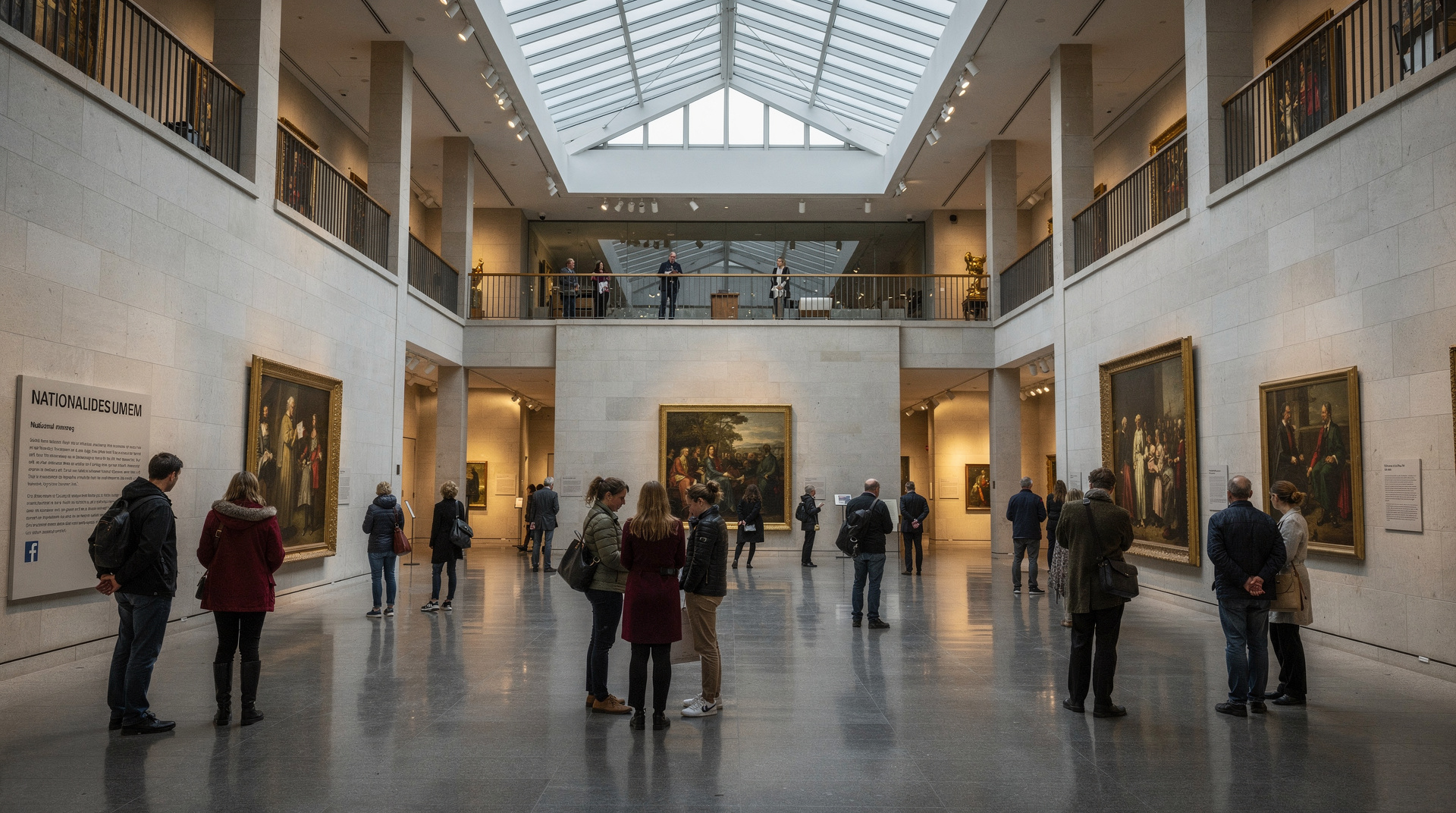
The comparison worth making is against the Norway in a Nutshell route or a Bergen day trip for seeing “authentic” Norway — the Folkemuseum delivers a version of that authenticity without leaving Oslo, at a fraction of the cost and time. Visitors purely interested in contemporary Oslo or art should weigh this against the National Museum instead; the Folkemuseum suits those wanting Norwegian rural and historical culture specifically.
Stave churches beyond Oslo
For visitors whose interest in stave churches is piqued by the Gol church, Norway has two more significant examples worth knowing about even if you don’t have time to visit them on this trip. Borgund Stave Church in Sogn og Fjordane, built around 1180, is considered the best-preserved stave church still standing in its original location. Urnes Stave Church, a UNESCO World Heritage Site on the Sognefjord, is the oldest, with elements dating to around 1130. Both require a multi-day trip west from Oslo, typically combined with the Flåm and Nærøyfjord route. For most Oslo-based visitors, the Gol church at the Folkemuseum is the practical and genuinely worthwhile alternative.
Building your Bygdøy day
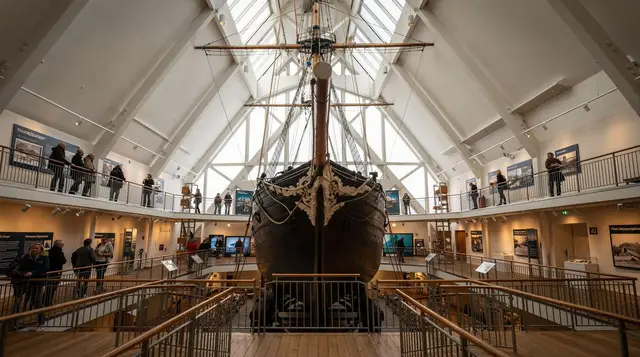
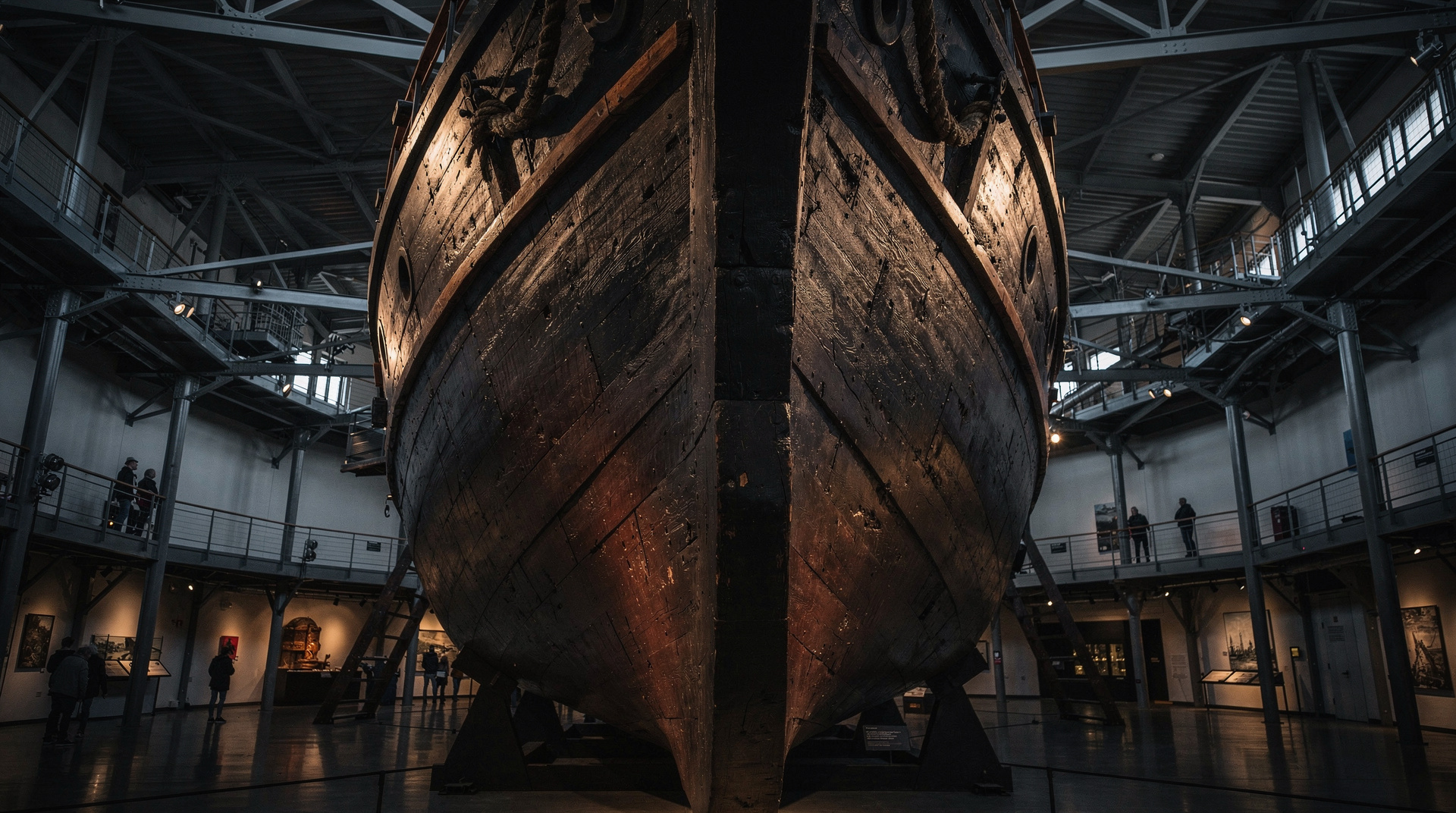
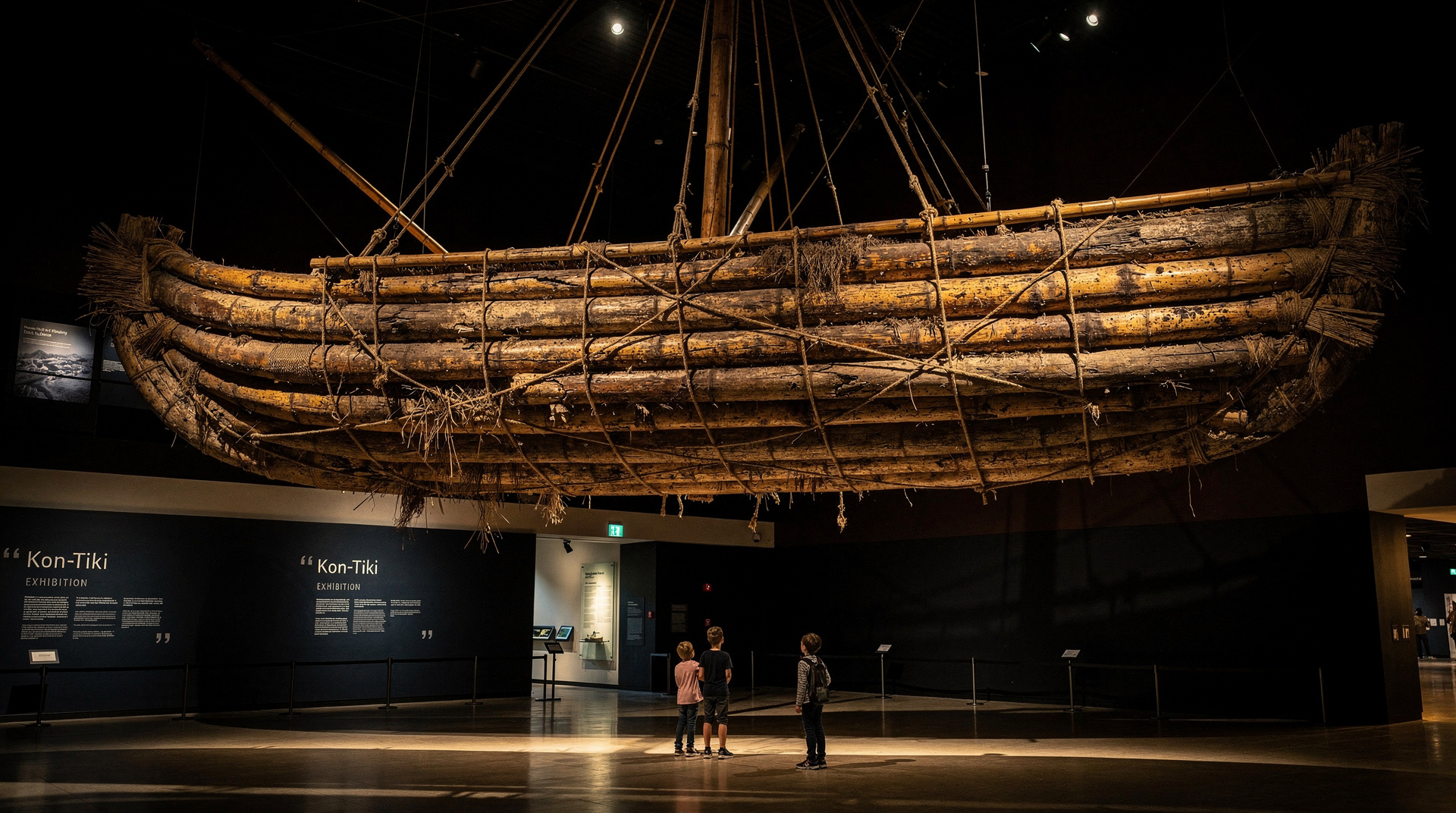
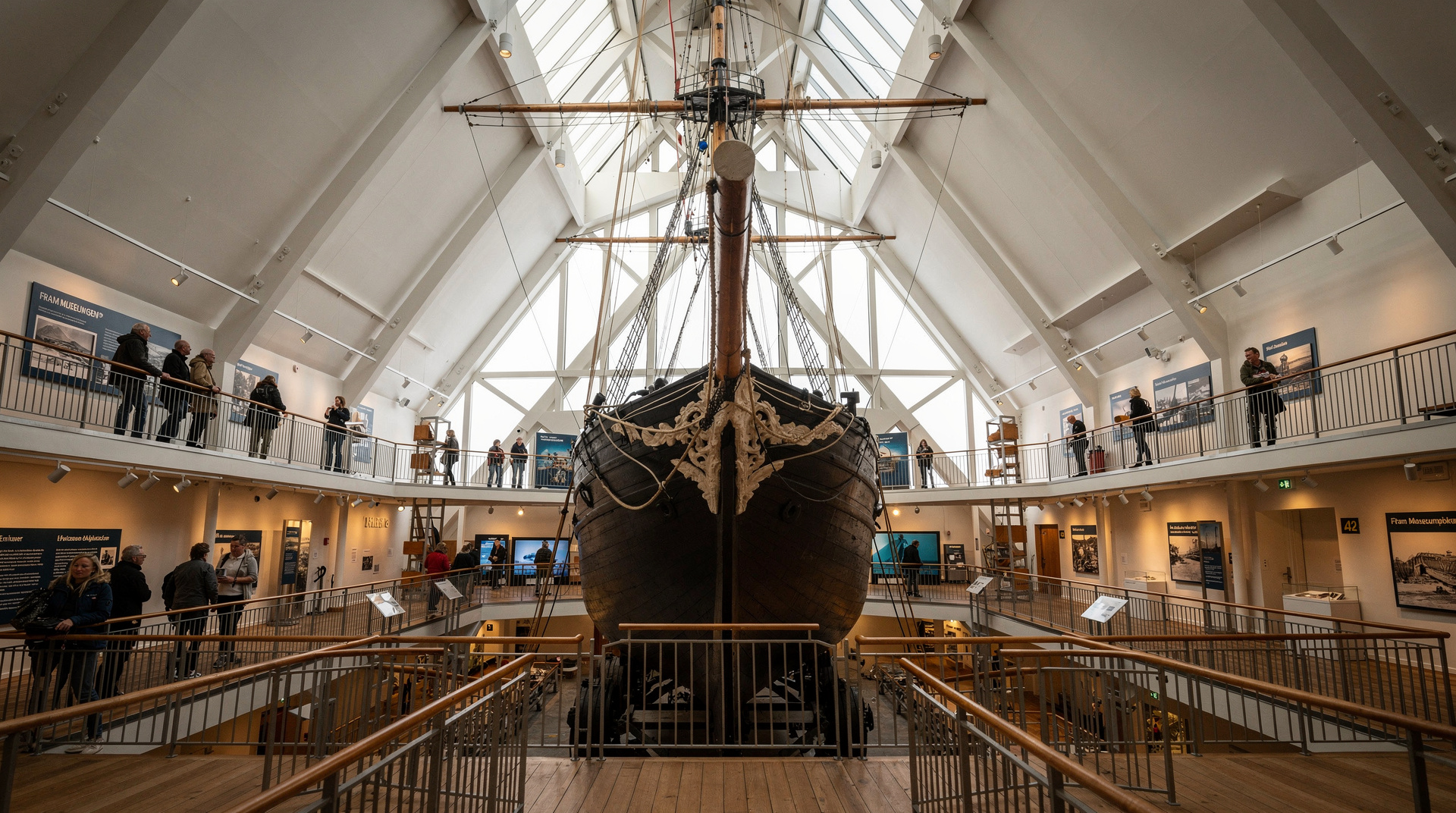
The Norsk Folkemuseum is at the Bygdøy side of the peninsula, 15-20 minutes’ walk from the Fram and Kon-Tiki museums at Bygdøynes. A full Bygdøy day:
Arrive at 10am at Norsk Folkemuseum (allow 3 hours). Lunch at the folkemuseum café (1 hour). Walk or take a short bus to Bygdøynes. Fram Museum (1.5 hours). Kon-Tiki Museum (1 hour). Return ferry or bus to central Oslo.
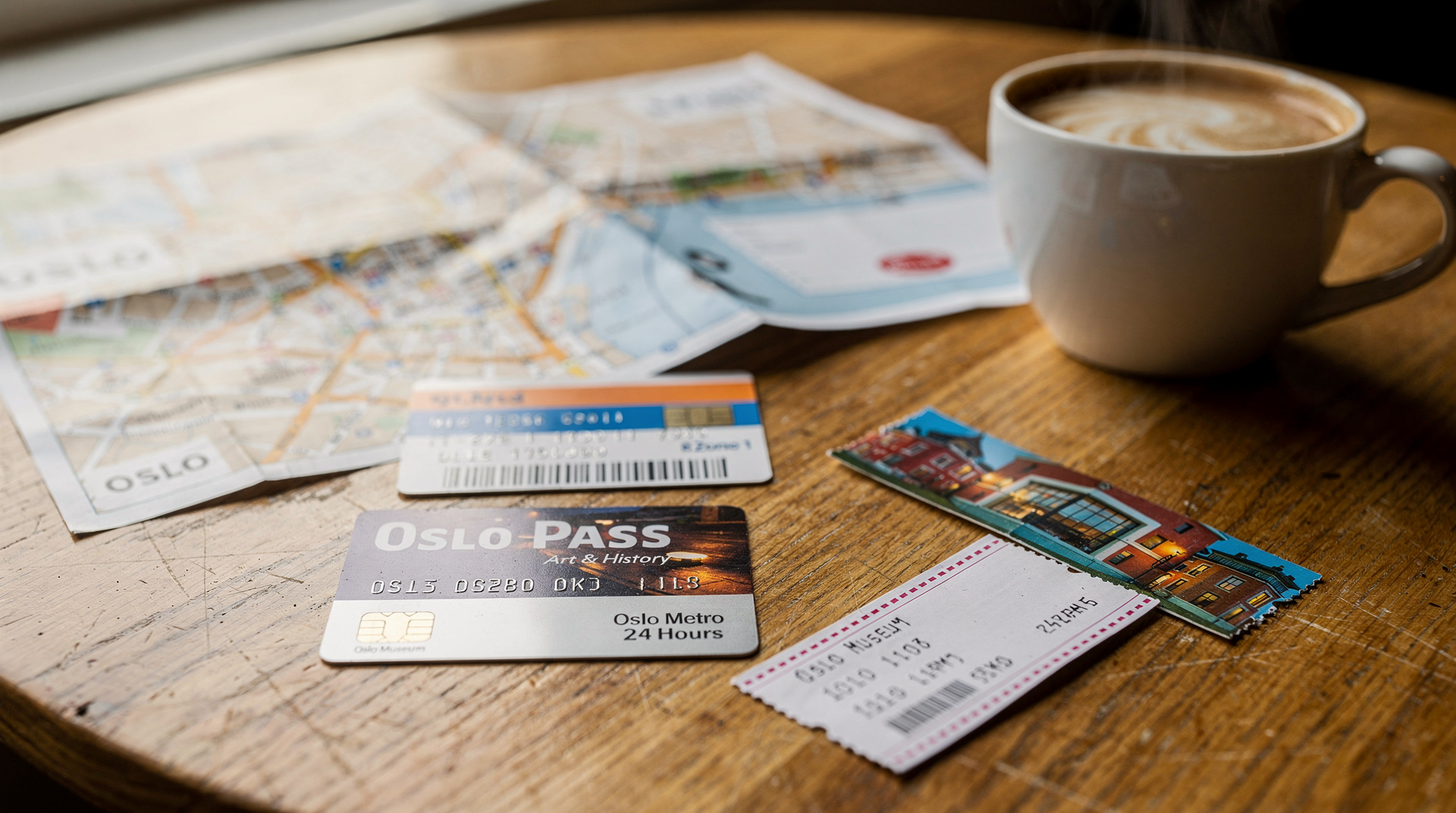
Total cost without Oslo Pass: NOK 530 (USD 57) for Folkemuseum + Fram + Kon-Tiki admissions. With Oslo Pass (NOK 595 for 24h): all three free plus transport. The Oslo Pass breaks even on the museum admissions alone before counting transport. See the Oslo Pass guide for the full maths.
Frequently asked questions about Norsk Folkemuseum guide
What makes the Norsk Folkemuseum different from other museums?
It is an outdoor living history museum — not buildings behind glass, but actual historic structures you enter and walk through, with staff in period costume demonstrating blacksmithing, weaving, food preparation, and other crafts in their original contexts. The combination of scale (160+ buildings, 35 hectares), age (the stave church dates to the 1100s), and living interpretation is unique in Scandinavia.Is the stave church at the Norsk Folkemuseum original?
Yes. The stave church at the museum is the Gol Stave Church, originally built in Gol in Hallingdal in the late 12th century (estimates range from 1150 to 1200). It was moved to Oslo in 1885 on the orders of King Oscar II. It is an authentic medieval building, not a replica.Is the Norsk Folkemuseum free with the Oslo Pass?
Yes. The Oslo Pass includes free admission to Norsk Folkemuseum. At NOK 220 (USD 24) for adult admission, this is one of the Oslo Pass's highest-value single inclusions.Is the Norsk Folkemuseum open in winter?
Yes, but with reduced hours and fewer activities. The outdoor buildings can be entered year-round, but the living history demonstrations (costumed staff, horse-drawn activities) run mainly June through August. The indoor museum wing covering Norwegian social history and Sami culture is open year-round.How long should I spend at the Norsk Folkemuseum?
3 to 4 hours for a thorough visit in summer. The site is large enough that you can spend an entire day if you take your time with the indoor collections, attend a craft demonstration, and have lunch at the museum café. In winter, 2 hours covers the essentials.Is the Norsk Folkemuseum better than Norway's other stave churches?
For accessibility, yes — the Gol Stave Church here is a short walk from central Oslo, whereas Borgund and Urnes stave churches require a multi-hour journey into Sogn og Fjordane. For seeing a stave church in its original landscape setting, Borgund and Urnes are more atmospheric. Most Oslo-based visitors get genuine value from the Gol church without the extra travel.Can you combine the Norsk Folkemuseum with the Viking Ship Museum?
Historically yes, since both sit on the Bygdøy peninsula a short walk apart. Check current opening status before planning this pairing, as the Viking Ship Museum has had extended closures for redevelopment — confirm on the museum's website before building a day around it.
Top experiences
Bookable activities with verified prices and instant confirmation on GetYourGuide.