Kon-Tiki Museum Oslo guide: Heyerdahl's raft and Ra expeditions
Oslo: Kon-Tiki Museum entry ticket
Duration: Flexible
- Instant confirmation
- Mobile ticket
What is in the Kon-Tiki Museum in Oslo?
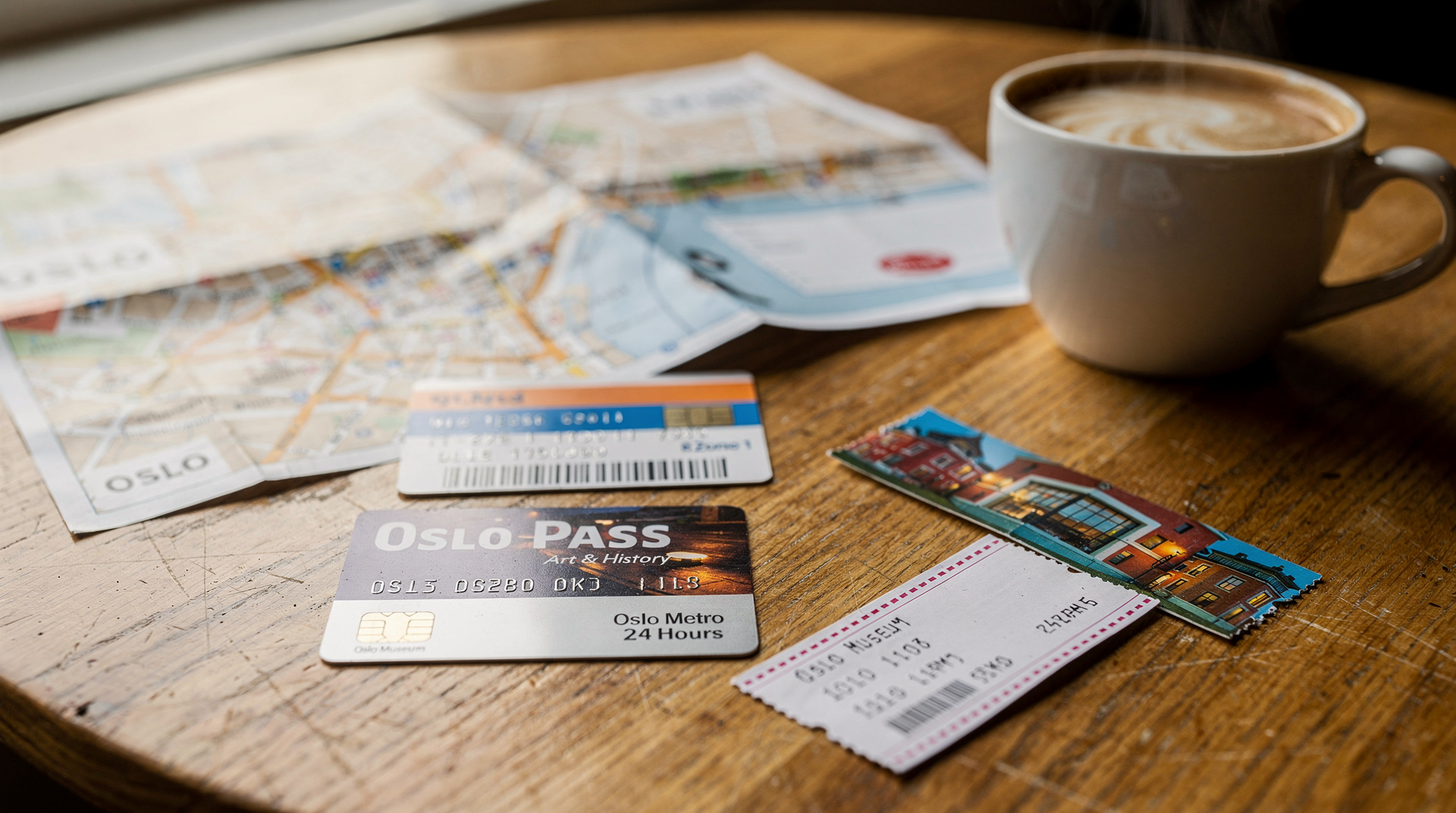
The Kon-Tiki Museum at Bygdøy displays the original Kon-Tiki balsa raft that Thor Heyerdahl sailed from Peru to Polynesia in 1947 to prove prehistoric Pacific migration, alongside the Ra II papyrus reed boat that crossed the Atlantic in 1970. The museum also holds artefacts from Easter Island (Rapa Nui) including an original stone statue. Admission is NOK 140 (USD 15), free with Oslo Pass.
The raft that crossed the Pacific
| Where | Bygdøynesveien 36, Bygdøy peninsula |
| Cost | NOK 140 adults; free with Oslo Pass |
| Time needed | 60–90 minutes |
| Getting there | Ferry from Aker Brygge pier 3, or bus 30 |
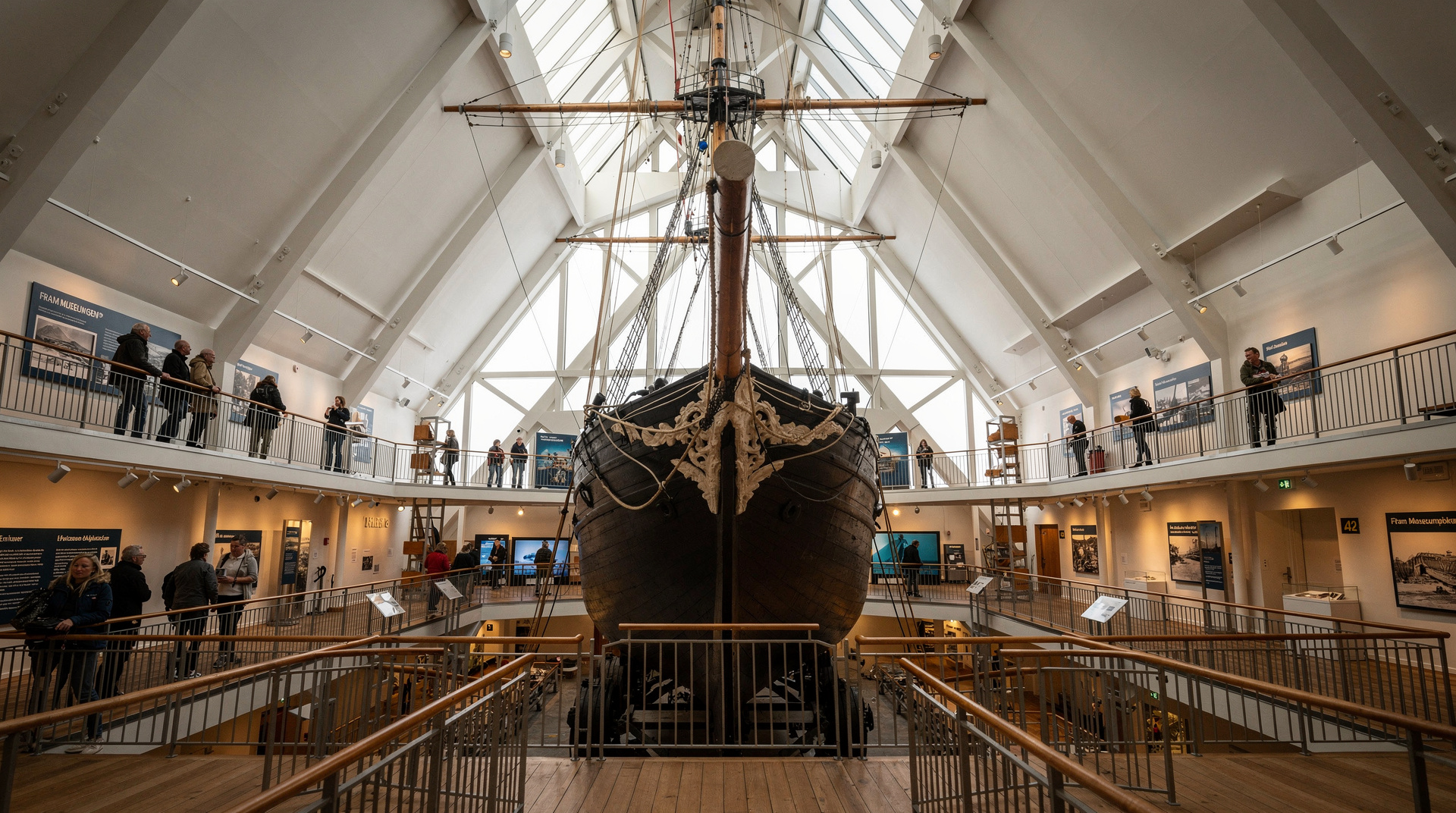
| Pairs well with | Fram Museum (same stop, adjacent building) |
On 28 April 1947, six men left Callao, Peru on a 45-foot raft made of nine balsa logs, a bamboo deck, and a sail. The raft, named Kon-Tiki after the Inca sun god, was built to replicate what Thor Heyerdahl believed ancient Peruvians could have used to reach Polynesia. One hundred and one days later, the Kon-Tiki ran aground on Raroia reef in Polynesia, having covered approximately 8,000 km of open Pacific ocean. All six men survived.
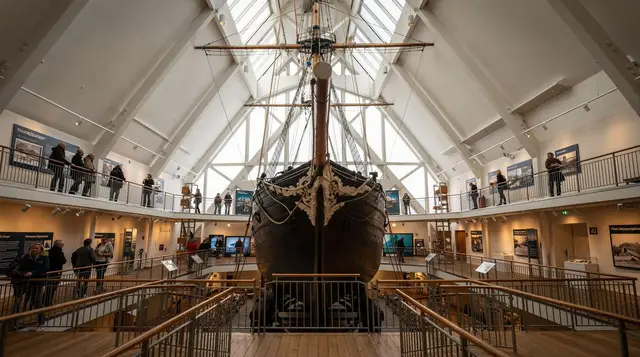
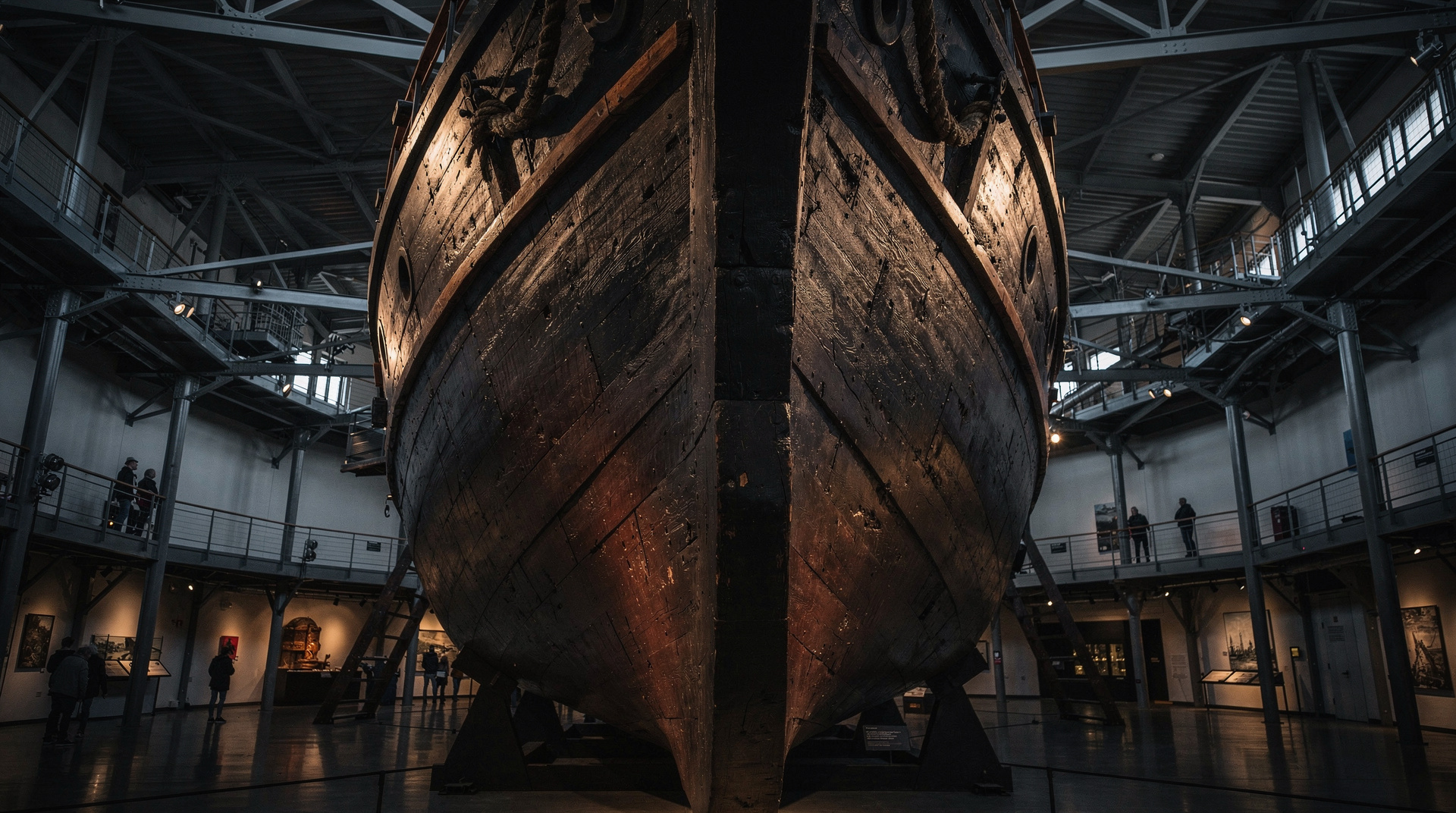
The original raft is at Bygdøy, and you can stand an arm’s length from it.
The Kon-Tiki expedition preceded Amundsen’s Antarctic crossing by 40 years but followed a different kind of audacity — not the brutal endurance of polar ice, but a calculated gamble on ocean currents, balsa wood buoyancy, and the evidence of pre-Columbian contact between South America and Polynesia. Whether Heyerdahl’s anthropological theory was correct (the genetic evidence now suggests most Polynesian ancestry is East Asian, with some South American admixture on some islands) is less important than the voyage itself, which remains one of the most remarkable ocean crossings ever undertaken.
What the museum contains
The Kon-Tiki raft: The centrepiece sits in the main hall, supported on a cradle. The raft is weathered from 101 days at sea — the logs salt-grimed, the bamboo hut preserved at the aft. Heyerdahl designed the raft entirely from materials and methods that would have been available to pre-Columbian Peruvians: no metal fasteners, no synthetic rope. The 1947 build used balsa from the Ecuadorian forests, traditional woven grass, and techniques documented in Spanish colonial records of Peruvian ocean-going craft.
Standing next to it, the scale becomes real. These are nine logs, the largest about 14 inches in diameter. The sleeping/shelter space is a bamboo hut approximately the size of a large car. Six men lived here for over three months on the open Pacific.
The Ra II reed boat: In 1970, Heyerdahl crossed the Atlantic Ocean from Morocco to Barbados in 57 days on Ra II — a boat made of papyrus reeds. The voyage proved that ancient Egyptians could theoretically have contacted pre-Columbian American civilizations. Ra II (the first Ra boat broke up in 1969 before completing the crossing) is displayed beside the Kon-Tiki, its papyrus still bound in the traditional North African boat-building technique.
Easter Island artefacts: The museum holds significant Rapa Nui material, including an original moai head statue and carved wooden objects. Heyerdahl conducted archaeological excavations on Easter Island and had a particular interest in its connection to South American cultures. The Rapa Nui section includes contextual material on the island’s history and the Heyerdahl expeditions.
Films and documentation: The original Kon-Tiki documentary (1950) won the Academy Award for best documentary. The museum shows the film at regular intervals — 60 minutes, black and white, and remarkably watchable. The 2012 Norwegian feature film Kon-Tiki is referenced in the exhibition. Original expedition photographs, diaries, and navigation charts are displayed.
The submarine: The museum includes the Tigris reed boat expedition materials and a small research submarine that Heyerdahl used for later Caribbean archaeology. The submarine is relatively minor compared to the main vessels but interesting as evidence of how Heyerdahl’s interests evolved.
Heyerdahl’s thesis and what science says now
Heyerdahl argued that ancient Peruvians, not East Asians, were the primary ancestors of Polynesian people. The mainstream anthropological and genetic consensus now holds that Polynesia was settled primarily by Austronesian-speaking peoples from Taiwan via Southeast Asia, with the sweet potato (originally South American) suggesting some pre-Columbian contact between South America and Polynesia.
Modern genetic studies (2020, published in Nature) confirmed both Polynesian East Asian ancestry AND, for some eastern Polynesian islands, a South American genetic contribution — suggesting Heyerdahl was right about contact but wrong about the direction of the primary population movement.
The museum handles this nuance honestly in its current interpretive texts, acknowledging that Heyerdahl’s theory has been partially vindicated and partially superseded. The voyage’s achievement does not depend on the anthropological argument being entirely correct.
Children and the Kon-Tiki Museum
The Kon-Tiki Museum works particularly well for children aged 7 to 14. The practical reasons:
Scale and tangibility. The Kon-Tiki raft is 14 metres long — small enough to feel comprehensible to a child, large enough to be impressive. Standing next to a balsa log raft that crossed the Pacific is more affecting for children than standing in front of most paintings.
The story. Adventure narratives with clear protagonists, physical challenge, and a successful conclusion work for children. The Kon-Tiki story — build a raft, sail to Polynesia, succeed — is simple enough to grasp immediately and complex enough to hold attention.
The film. The original 1950 documentary, shown inside the museum, holds children’s attention well. The black-and-white footage of dolphins around the raft, flying fish landing on deck, and the final surf into Raroia reef is genuinely exciting.
Practical note: The museum has a children’s activity area with hands-on elements related to Polynesian navigation and raft-building. This is particularly good for ages 5-9. The activity area is free with museum admission.
Norwegian exploration culture: why Oslo has these museums
The concentration of major expedition museums on one peninsula in Oslo is not accidental. It reflects a specific Norwegian cultural moment: the late 19th and early 20th century, when a newly independent Norway (formally independent from Sweden in 1905) was asserting its identity partly through exploration achievement.
Nansen’s Greenland crossing in 1888, his Arctic drift, Sverdrup’s Canadian Arctic survey, Amundsen’s Northwest Passage (1906) and South Pole (1911), Heyerdahl’s Kon-Tiki (1947) — each of these was a national event in Norway as much as a scientific or sporting achievement. They proved that a small country of fewer than 3 million people could produce explorers who outperformed the expeditions of the British Empire, the United States, and the major European powers.
The museums at Bygdøy — Fram, Kon-Tiki, and Norwegian Maritime — collectively tell this story. Understanding the cultural frame makes each museum visit more meaningful. These are not just objects; they are the physical evidence of a national argument about what Norway is.
Practical visiting information
Address: Bygdøynesveien 36, 0286 Oslo (shares the Bygdøynes stop with the Fram Museum — the two buildings are next to each other).
Admission: NOK 140 (USD 15) adults. Children under 4 free; children 4-15 NOK 70 (USD 8). Free with Oslo Pass. Buy at kon-tiki.no.
Opening hours: Open daily year-round. Summer (June-August): 10am to 6pm. Autumn/spring: 10am to 5pm. Winter: 10am to 4pm. Check kon-tiki.no for current hours.
Facilities: Small café and museum shop. The shop has good Heyerdahl expedition books, prints, and Scandinavian maritime gifts.
Photography: Permitted throughout without flash.
Getting to the Kon-Tiki Museum
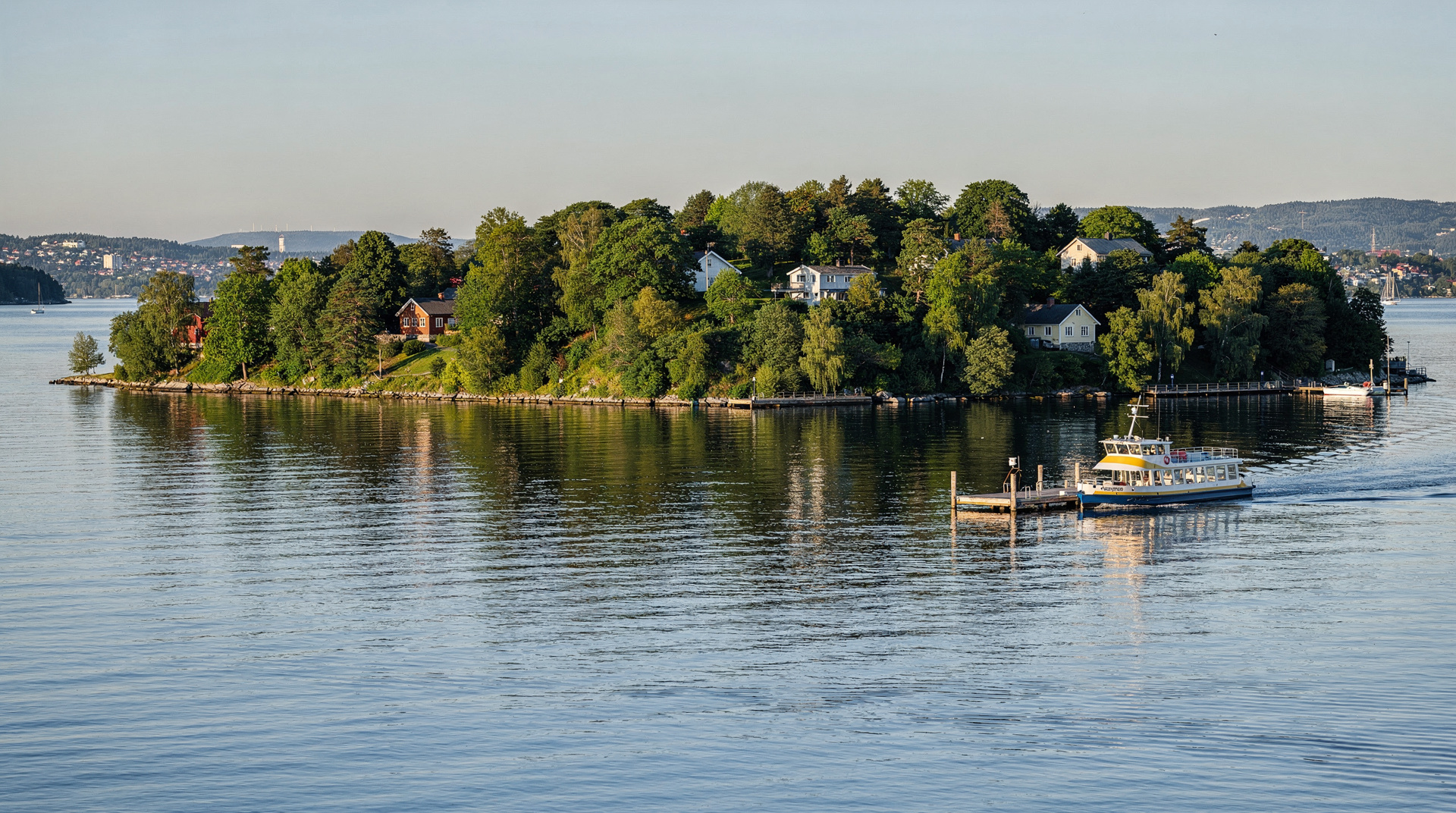
The museum is at Bygdøynes, the tip of the Bygdøy peninsula — the same stop as the Fram Museum. The two museums are adjacent and are naturally combined in the same visit.
Ruter ferry (summer): From Aker Brygge pier 3, the passenger ferry stops at Bygdøynes. 10-minute crossing. Included in Ruter day pass or Oslo Pass.
Bus 30 (year-round): From Nationaltheatret. Alight at Bygdøynes stop.
The documentary and the film
Two films exist about the Kon-Tiki expedition, and both are worth watching before visiting the museum.
The original Kon-Tiki documentary (1950): Shot on the raft during the crossing, the film won the Academy Award for Best Documentary Feature. It is black and white, 60 minutes, and technically primitive by current standards — but the footage of the open Pacific from a balsa raft deck is genuinely affecting. The crew filmed their daily life, the dolphins that accompanied them, the nights under the stars, and the final grounding on Raroia reef. Nothing in the museum replaces watching this first.
The 2012 Norwegian feature film Kon-Tiki: A dramatised account of the expedition, made with a budget sufficient to show the raft at sea with modern cinematography. Nominated for the Academy Award for Best Foreign Language Film. Useful for visitors who prefer narrative drama to documentary. Watch either the documentary or this film before visiting — the museum experience is substantially richer when you know the story.
Thor Heyerdahl: beyond Kon-Tiki
The museum focuses on the Kon-Tiki and Ra expeditions but Heyerdahl’s life extended far beyond these. He conducted archaeological excavations on Easter Island and the Maldives, wrote extensively on the possibilities of pre-Columbian oceanic contact across both the Pacific and Atlantic, and remained active in expeditionary archaeology into his 80s. He died in 2002 at 87.
Heyerdahl’s approach to archaeology was controversial throughout his career. The academic establishment generally viewed his arguments as sensational and his evidence as selective. Modern genetic and archaeological methods have provided a more nuanced view: some of his intuitions about pre-Columbian contact have partial support; the direction and scale of population movement he proposed does not.
The museum’s current interpretation handles this fairly — crediting Heyerdahl with genuine scientific curiosity and remarkable personal courage while acknowledging the limits of his methodology.
The expedition crew: who was on the Kon-Tiki
Six men sailed the Kon-Tiki from Peru to Polynesia in 1947:
Thor Heyerdahl (Norway): Expedition leader, 32 years old, with prior experience in Polynesia from a 1937 expedition to the Marquesas Islands.
Erik Hesselberg (Norway): Navigator and artist. He illustrated the original Kon-Tiki book with his drawings. His navigational calculations kept the raft on its crossing route.
Bengt Danielsson (Sweden): The anthropologist on the expedition, and the only non-Norwegian crew member. He spent the crossing reading books in his hammock, which became a running joke among the crew.
Knut Haugland and Torstein Raaby (Norway): Both WWII resistance radio operators who had run clandestine radio networks under German occupation. Haugland had been decorated for his role in the Norwegian sabotage of the Norsk Hydro heavy water plant at Vemork. They handled the Kon-Tiki’s radio communications.
Herman Watzinger (Norway): Refrigerating engineer and meteorologist, responsible for technical measurements during the crossing.
All six survived. The expedition dynamic — six men in close quarters for 101 days — is documented in Heyerdahl’s book and in the 2012 film. The museum shows photographs of the daily life on board.
What the expedition proved and didn’t prove
Heyerdahl set out to prove that South Americans could have reached Polynesia on a balsa wood raft. He proved that a raft of the type he built could make the crossing — the Pacific current from Peru does run toward Polynesia, and balsa wood is buoyant enough to sustain a crew for the crossing duration.
What the voyage did not prove, and could not prove, was that ancient South Americans actually did make the crossing. Proving something is possible is different from proving it happened. The genetic evidence (as noted above) suggests some South American ancestry in eastern Polynesian populations — which supports contact but doesn’t specify its nature or direction.
The Kon-Tiki expedition also prompted a generation of practical ocean-crossing experiments by others — Thor Heyerdahl’s own subsequent Ra voyages, Tim Severin’s various currach and medieval vessel crossings in the Atlantic and Indian Ocean, and the academic discipline of experimental archaeology in general. In this sense, even if Heyerdahl’s specific anthropological arguments were only partially correct, the methodology he pioneered has been broadly useful.
Combining with a Bygdøy day
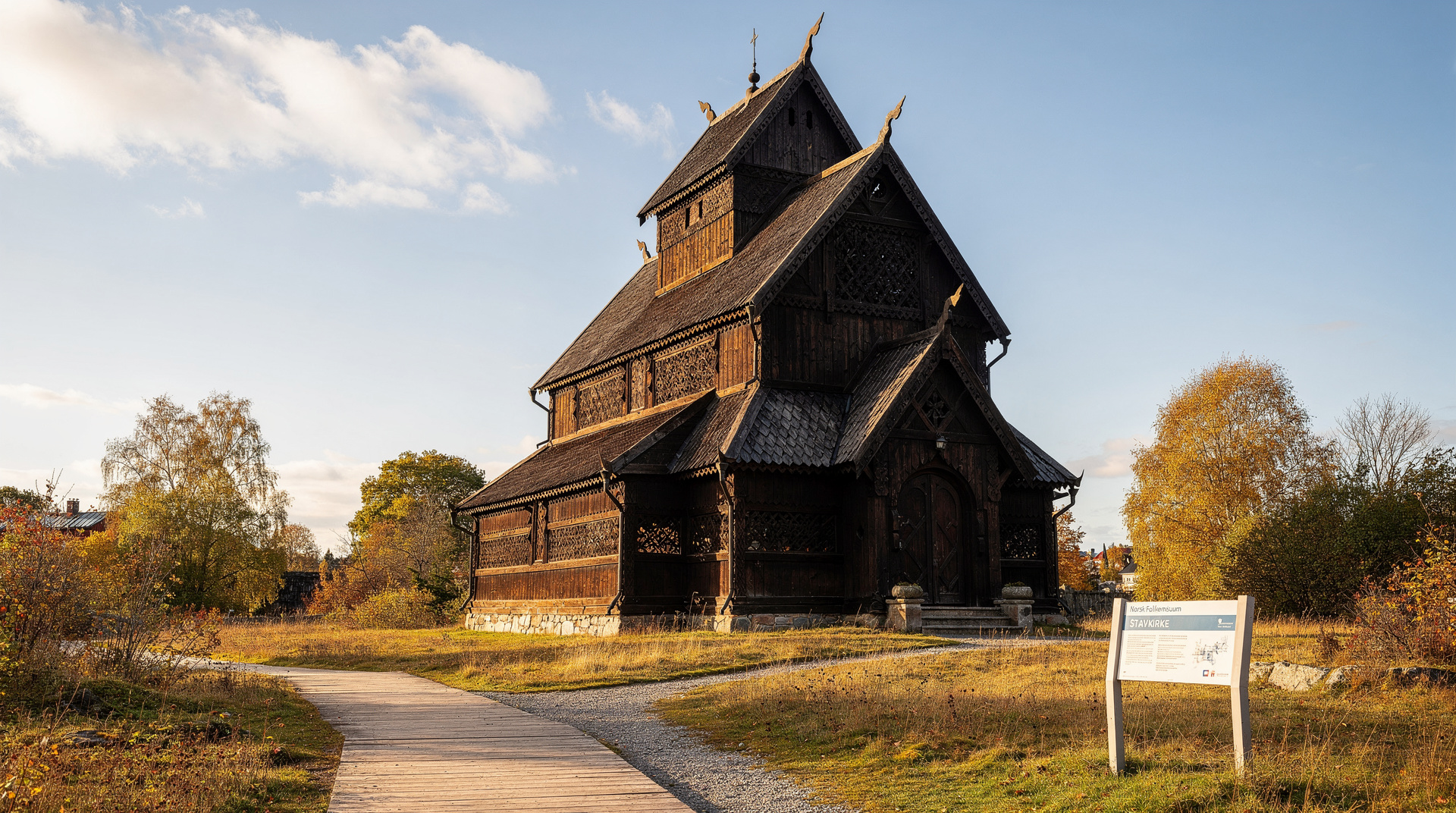
The Kon-Tiki Museum and Fram Museum are natural pairs — both are adventure vessel museums, both take about 90 minutes, and both are at the same bus and ferry stop. Visit them consecutively with a short lunch break between. Then walk 15 minutes to the Norsk Folkemuseum for a very different register — open-air social history rather than expedition adventure.
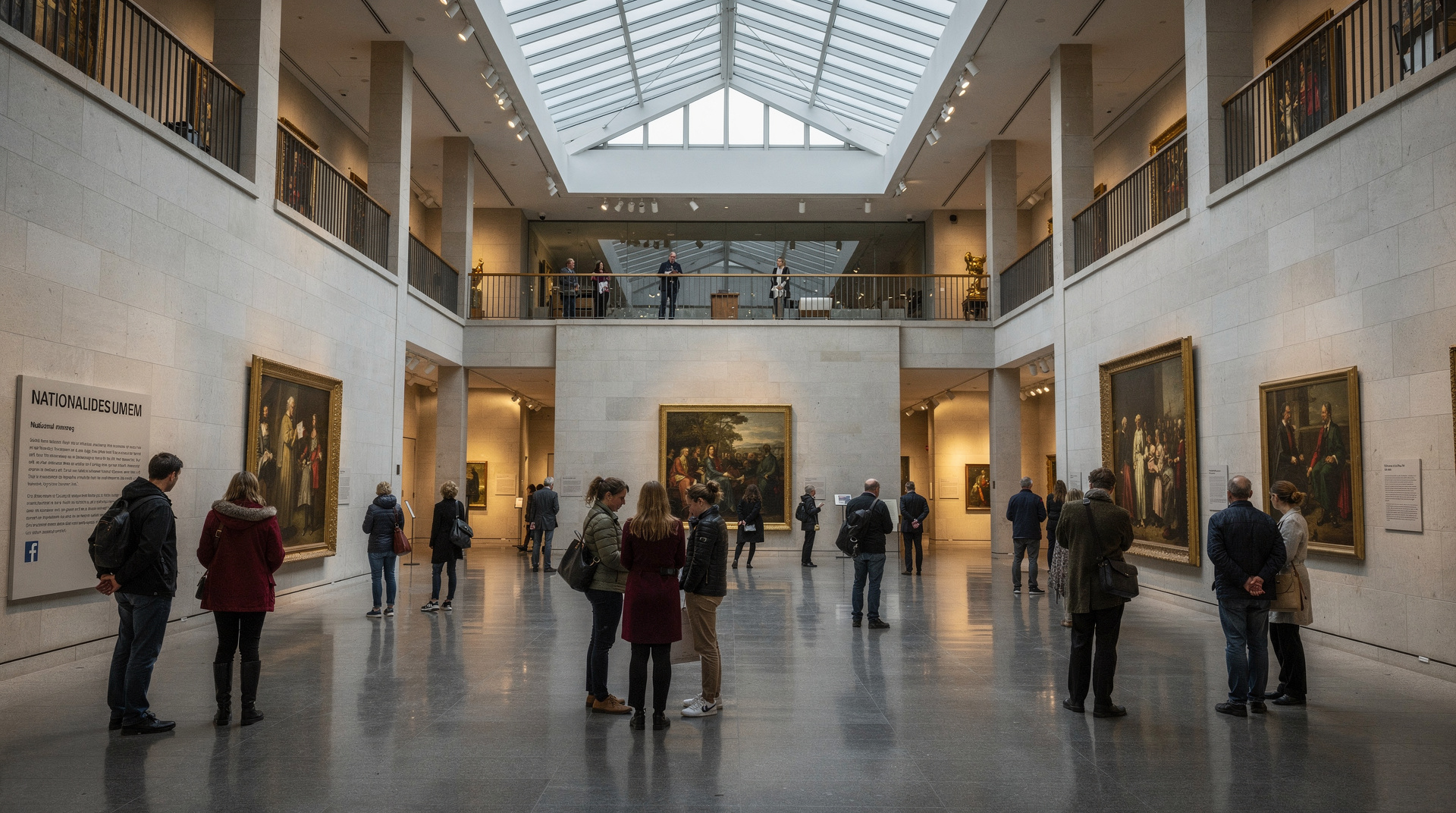
The Bygdøy destination guide covers the full peninsula including beach access at Huk. The Oslo museums ranked guide places the Kon-Tiki Museum in the second tier — excellent for specific interest, slightly below the top tier of the Munch Museum, National Museum, and Norsk Folkemuseum for general visitors.
For a rainy day when Bygdøy’s outdoor walking is less appealing, the Kon-Tiki and Fram museums are ideal — both entirely indoors, both compelling regardless of weather. See the rainy day museums guide.
Value comparison: Kon-Tiki vs the other Bygdøy museums
| Museum | Entry price | Time needed | Best for |
|---|---|---|---|
| Kon-Tiki Museum | NOK 140 | 60–90 min | Adventure narrative, compact visit |
| Fram Museum | NOK 160 | 90–120 min | Polar exploration, ship you can board |
| Norsk Folkemuseum | NOK 230 | 2–3 hours | Open-air social history, largest scale |
If you only have time for one Bygdøy museum, choose based on interest: Kon-Tiki for a tight, focused adventure story; Fram for a more immersive ship-based experience; Norsk Folkemuseum for the broadest cultural picture. Most visitors with a half-day pair Kon-Tiki with Fram, since both are compact and adjacent.
Practical tips for visiting with limited time
If you’re on a tight Bygdøy schedule — say, a cruise stop or a half-day before catching a train — prioritise the raft itself and the Ra II boat over the fuller Easter Island and documentary sections. A focused 45-minute visit covering just the two vessels and their immediate context is enough to get the core experience, even if it shortchanges the deeper Heyerdahl biography material. Arrive at opening time (10am) if visiting in July or August, when tour groups from cruise ships can make the main hall crowded by midday.
Accessibility and facilities
The museum building is fully wheelchair accessible with level access from the main entrance and no stairs between the ground-floor exhibition halls. The café is small but serves coffee, pastries, and simple snacks — sufficient for a break but not a full lunch; save that for Mathallen or a Bygdøy café if you’re spending a full day on the peninsula. Baby-changing facilities are available in the accessible toilet. Strollers can be brought inside and manoeuvred around the raft display without difficulty, as the aisles are wide.
Free wifi is available throughout, and the museum shop accepts card only — standard practice across Norway, so don’t expect to need cash at any point during your visit.
Souvenir and book recommendations
The museum shop is genuinely worth ten minutes even if you don’t plan to buy anything, since the book selection on Heyerdahl and Norwegian polar/maritime exploration is unusually good for a museum gift shop. For a lasting souvenir, Heyerdahl’s own account of the expedition (translated into English as “Kon-Tiki: Across the Pacific in a Raft”) is the definitive primary source and reads quickly. Prints of Erik Hesselberg’s original raft illustrations are also sold and make a distinctive, non-generic Norway souvenir compared to the standard troll figurines found elsewhere in the city.
Frequently asked questions about Kon-Tiki Museum Oslo guide
Is the Kon-Tiki Museum worth visiting?
Yes, particularly if you know the backstory. The original Kon-Tiki raft is genuinely impressive in person — 45 feet of balsa logs that crossed 8,000 km of open Pacific ocean in 101 days with six men aboard. The museum is compact (about 60-90 minutes) and one of Oslo's most accessible museum experiences.What was the Kon-Tiki expedition?
Norwegian explorer Thor Heyerdahl sailed from Callao, Peru to Raroia atoll in Polynesia in 1947, covering 8,000 km in 101 days on a hand-built balsa wood raft. The voyage was designed to prove that ancient South Americans could have reached Polynesia by raft. The raft and crew survived. The expedition became one of the most famous maritime adventures of the 20th century.Is the Kon-Tiki Museum free with the Oslo Pass?
Yes. The Kon-Tiki Museum is included in the Oslo Pass. Combined with the Fram Museum and Norsk Folkemuseum on the same Bygdøy peninsula, the Oslo Pass offers strong value for a Bygdøy day.How long should I spend at the Kon-Tiki Museum?
60 to 90 minutes is usually sufficient. The museum is compact and well-focused. If you're a Heyerdahl enthusiast, add 30 minutes for the films and detailed expedition documentation.Is the Kon-Tiki Museum good for children?
Good for children aged 8 and up who have seen the documentary or read about the expeditions. The physical scale of the raft — logs, ropes, a bamboo hut — makes the adventure tangible. The Easter Island statue adds variety. Younger children may find the visit brief.
Top experiences
Bookable activities with verified prices and instant confirmation on GetYourGuide.