Oslo Pass guide: is it worth it in 2026?
Oslo: Oslo Pass with public transport and free museum entry
Duration: 24-72 hours
- Instant confirmation
- Free public transport
- Skip museum queues
Is the Oslo Pass worth it?
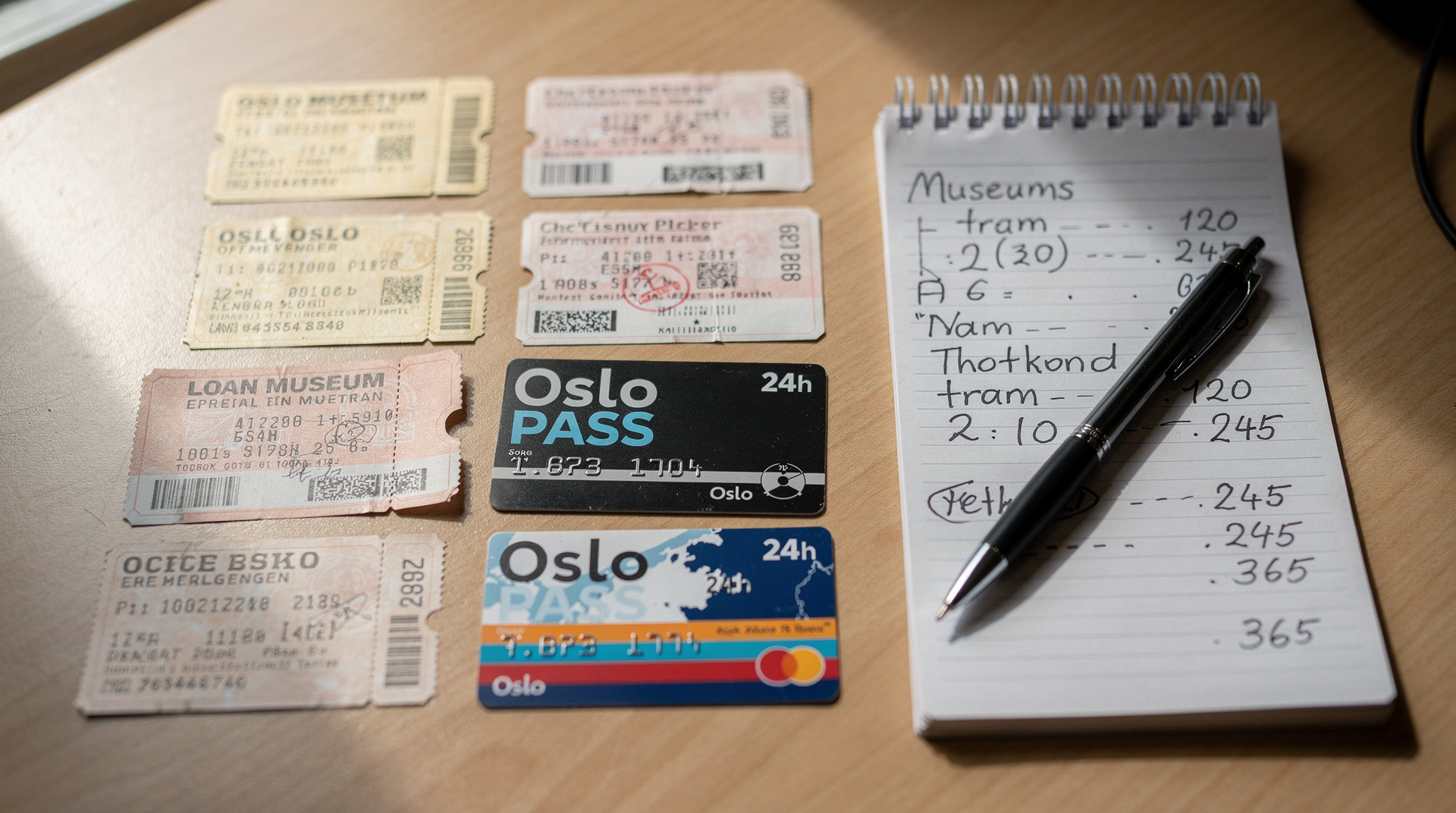
The Oslo Pass breaks even for most visitors who plan to visit 3-4 major museums plus use public transport daily. At NOK 595 (USD 64) for 24 hours, you need roughly NOK 600+ in admissions to justify it. Active sightseers visiting the Munch Museum, National Museum, Fram Museum, and Norsk Folkemuseum in one day will easily exceed break-even. Casual visitors who prefer free attractions may not.
What the Oslo Pass actually is
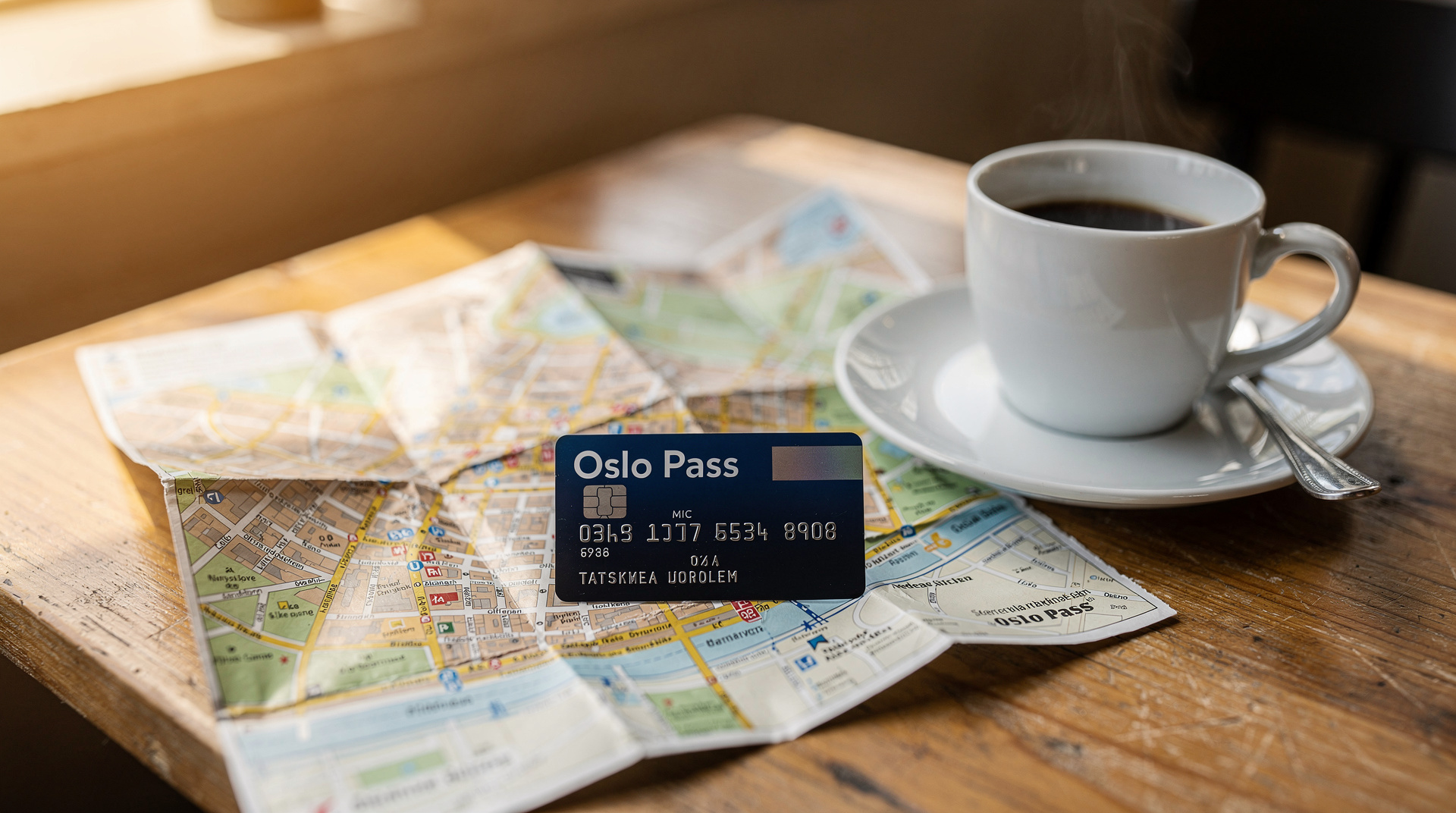
The Oslo Pass is a prepaid sightseeing card sold in 24-, 48-, and 72-hour versions. You tap it on the Ruter validator to activate unlimited public transport, and show it at museum entrances for free admission. It does not run on calendar days — a 24-hour pass activated at 2 pm on Monday expires at 2 pm on Tuesday.
The card is genuinely popular, sold at the Oslo Visitor Centre, online, and at the airport. But popular does not mean automatically worthwhile. Oslo is expensive enough that the maths need to work in your specific favour before you hand over NOK 595 for a single day.
This guide runs the honest numbers so you can decide before you buy.
2026 prices at a glance
| Pass type | Adult | Child (4-15) |
|---|---|---|
| 24-hour | NOK 595 (USD 64) | NOK 305 (USD 33) |
| 48-hour | NOK 845 (USD 91) | NOK 430 (USD 46) |
| 72-hour | NOK 1,045 (USD 112) | NOK 525 (USD 56) |
These prices are current as of May 2026. The Oslo Pass price typically increases slightly each year — check visitoslo.com for the exact figure when you travel.
What’s included: the full list
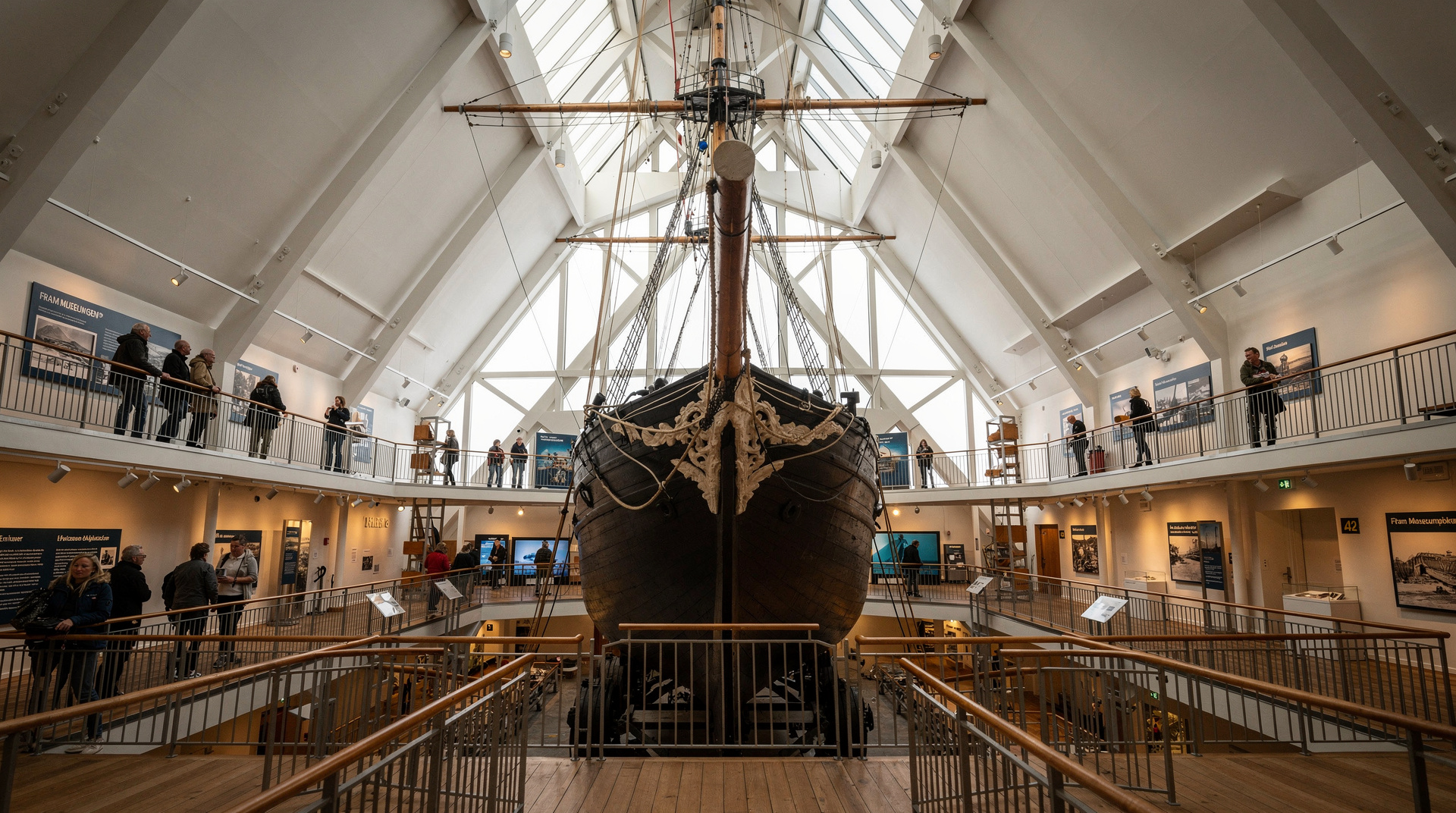
Museums (free entry, 30+): The biggest draws are the Munch Museum (Bjørvika), National Museum (Aker Brygge), Norsk Folkemuseum (Bygdøy), Fram Museum (Bygdøy), Kon-Tiki Museum (Bygdøy), City Museum, Natural History Museum, the Resistance Museum inside Akershus Fortress, and the Nobel Peace Center. Full list at visitoslo.com.
Transport: All Ruter zones in the Oslo area — buses, trams, metro (T-bane), and local ferries including the Ruter ferry to Bygdøy and to the fjord islands. This is genuinely valuable: a single-use Ruter ticket costs NOK 42 (USD 4.50) and a 24-hour pass costs NOK 105 (USD 11).
Discounts (not free, but reduced): Some boat tours, the Holmenkollen Ski Museum and jump area, and a handful of restaurants offer 10-20% discounts with the pass. Always ask.
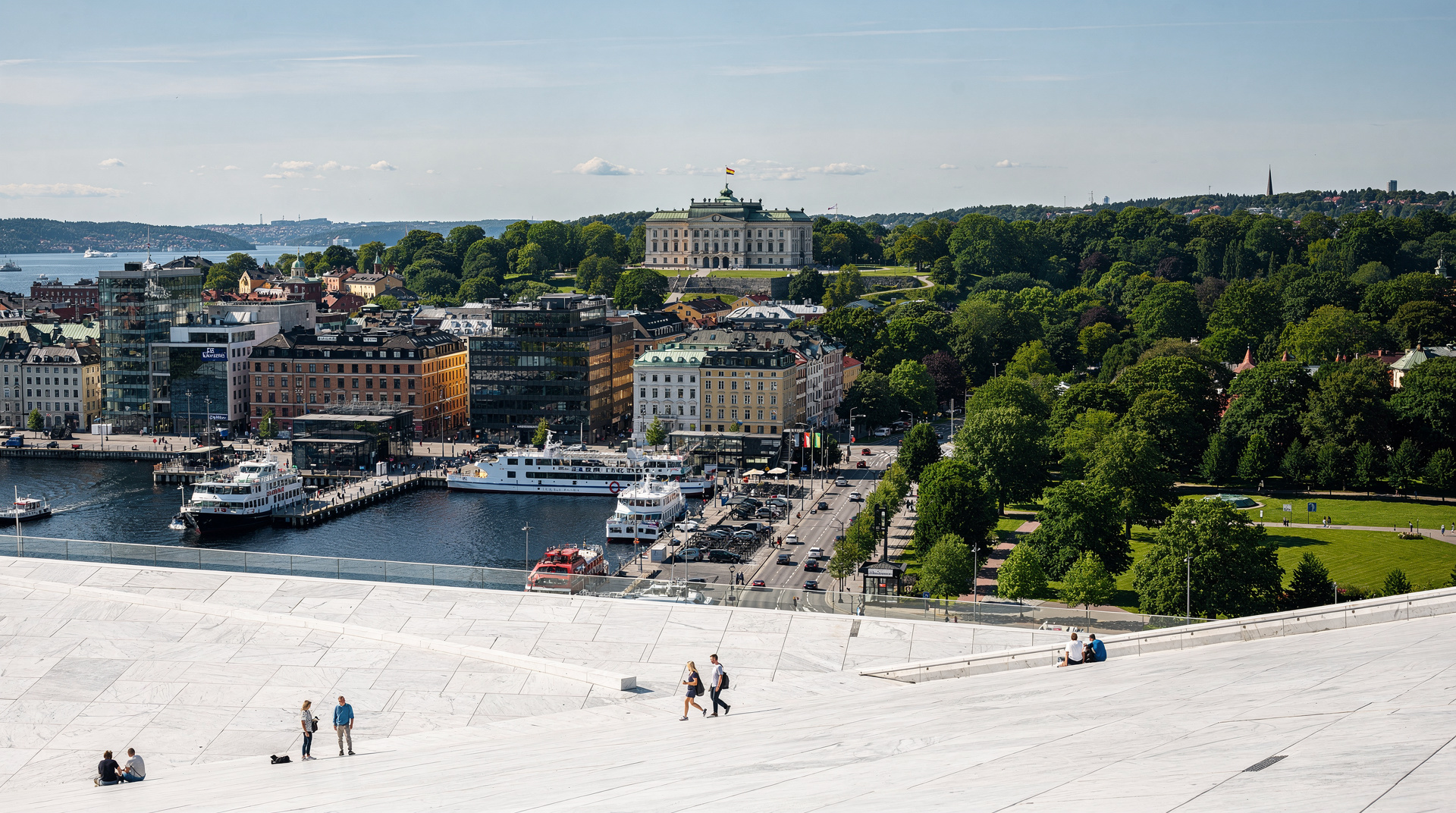
What’s NOT included: Flytoget airport express (NOK 239 one-way), long-distance Vy trains, restaurants, Vigeland Park (which is free anyway), Oslo Opera House roof walk (also free), most boat cruises, and the Viking Planet.
Note: the Viking Ship Museum at Bygdøy remains closed for renovation until approximately 2027. This was historically one of the pass’s headline inclusions — plan accordingly and consider the Viking Planet instead.
Break-even analysis: the honest maths
The goal is simple: will you spend more buying tickets individually than the cost of the pass? Here are three scenarios.
Scenario 1: the museum-hopper (24-hour pass earns back)
A visitor who hits three major museums in one day, using public transport between them:
| Item | Individual price |
|---|---|
| Munch Museum | NOK 200 (USD 22) |
| National Museum | NOK 160 (USD 17) |
| Norsk Folkemuseum | NOK 220 (USD 24) |
| Ruter 24-hour transport card | NOK 105 (USD 11) |
| Total without pass | NOK 685 (USD 74) |
| Oslo Pass 24-hour | NOK 595 (USD 64) |
Saving: NOK 90 (USD 10). Not dramatic, but positive. Add the Fram Museum (NOK 170 / USD 18) and the saving grows to NOK 260 (USD 28).
Scenario 2: the light sightseer (pass does NOT earn back)
A visitor who plans to spend most of the day at free attractions — Vigeland Park, the Opera House roof, Aker Brygge — and only enters one museum:
| Item | Individual price |
|---|---|
| Munch Museum | NOK 200 (USD 22) |
| Ruter 24-hour transport | NOK 105 (USD 11) |
| Total without pass | NOK 305 (USD 33) |
| Oslo Pass 24-hour | NOK 595 (USD 64) |
Loss: NOK 290 (USD 31). This visitor is better off buying individually.
Scenario 3: the 48-hour power visitor (strong value)
Two full days, Bygdøy peninsula on day one, city museums on day two:
| Item | Individual price |
|---|---|
| Norsk Folkemuseum | NOK 220 (USD 24) |
| Fram Museum | NOK 170 (USD 18) |
| Kon-Tiki Museum | NOK 140 (USD 15) |
| Munch Museum | NOK 200 (USD 22) |
| National Museum | NOK 160 (USD 17) |
| Ruter 48-hour transport | NOK 165 (USD 18) |
| Total without pass | NOK 1,055 (USD 113) |
| Oslo Pass 48-hour | NOK 845 (USD 91) |
Saving: NOK 210 (USD 23). This is the pass working well.
Use the Oslo Pass calculator to plug in your exact planned itinerary and get a personalised verdict.
How to use the pass efficiently
Activate at the right moment. The clock starts on first scan. Don’t activate it the evening before a packed day — activate it just before entering your first museum.
Front-load paid museums. Reserve your pass days for museums and transport, not free attractions. Do Vigeland Park, the Opera House roof, and Karl Johans gate on days when you don’t have the pass active.
Use the Ruter ferry to Bygdøy. The Ruter ferry from Aker Brygge to the Bygdøy museum peninsula runs in summer (roughly May–September) and is included in the pass. It’s 10 minutes by boat. In winter or shoulder season, bus 30 covers the same route.
Nobel Peace Center tip. The Nobel Peace Center is included but the permanent exhibition is particularly brief. Most visitors are satisfied spending 60-90 minutes here — factor that into your museum-per-hour efficiency.
Holmenkollen. The ski museum and jump tower at Holmenkollen are included. The metro ride up (T-bane line 1 to Frognerseteren) is also covered by the pass. This makes a good half-day trip if the weather is clear — views over Oslo are excellent from the jump tower. See our Holmenkollen guide for details.
Alternatives to consider
Ruter 24-hour pass (NOK 105) covers all transport with no museum component. If you plan fewer than two paid museums, buy this and pay museum entry separately.
Individual museum tickets suit visitors who have one or two specific targets. The Munch Museum and National Museum both sell timed entry — book ahead in peak season.
Oslo Pass + hop-on hop-off bus is sometimes sold as a bundle at the visitor centre. The hop-on hop-off is NOT included in the pass by default, but the combo can save a few hundred NOK if you want both. Compare the bundle price against the pass price plus separate bus ticket.
Free alternatives. Oslo has more quality free experiences than most European capitals: Vigeland Park, Opera House roof, Akershus Fortress grounds, the Astrup Fearnley Museum sculpture park, Aker Brygge waterfront. A budget visitor can have a rich two days spending almost nothing on attractions — see our free things to do in Oslo guide.
The pass and the Viking Ship Museum situation
The Viking Ship Museum at Bygdøy — historically one of the Oslo Pass’s headline free inclusions — is closed until approximately 2027. This matters for the pass calculus. The museum was a genuine draw that added significant value, particularly for visitors whose primary interest was Viking Age Norway.
The current replacement options:
- Viking Planet (near Central Station): a commercial entertainment experience using VR and reconstructed artefacts. Costs NOK 249 (USD 27). NOT covered by the Oslo Pass. Less historically significant than the actual Viking ships.
- Historical Museum (Historisk Museum, Universitetsgate): holds Viking Age artefacts including the world’s largest collection of Viking gold and silver treasure finds. Free with Oslo Pass. Worth visiting specifically if you want genuine Viking artefacts while the Viking Ship Museum is closed.
Factor this into your Oslo Pass calculation. The historical Museum substitutes partially for the Viking Ship Museum but does not have the same visual impact as the actual ships.
What to do if the pass runs short on value
If you’re mid-day and the Oslo Pass hasn’t yet covered its cost, here are the remaining options:
Holmenkollen (already covered above): A half-day expedition up the T-bane line that uses both the transport and museum components of the pass. NOK 180+ admission savings plus NOK 40+ transport = solid value if you haven’t been yet.
Natural History Museum (Tøyen): Free with Oslo Pass. The geological collection and zoological museum are a good second-half-of-afternoon option when you need somewhere quiet. Take metro line 5 to Tøyen.
Oslo City Museum (Frogner Manor): Free with Oslo Pass. In Frogner Park near Vigeland — a useful add-on to a Vigeland visit, especially in bad weather.
The night ferry to the fjord islands: In summer, the Ruter ferries to the islands run evenings. Using your Oslo Pass for an evening ferry to Hovedøya costs nothing, takes 15 minutes each way, and extends your museum day into a pleasant outdoor evening.
The pass vs common tourist spending
Oslo is expensive enough that every spending decision matters. Here’s a reference table for common tourist expenses so you understand what the pass is competing against:
| Item | Cost without pass | With pass |
|---|---|---|
| Munch Museum | NOK 200 (USD 22) | NOK 0 |
| National Museum | NOK 160 (USD 17) | NOK 0 |
| Norsk Folkemuseum | NOK 220 (USD 24) | NOK 0 |
| Fram Museum | NOK 170 (USD 18) | NOK 0 |
| Ruter 24h transport | NOK 105 (USD 11) | NOK 0 |
| Resistance Museum | NOK 80 (USD 9) | NOK 0 |
| Nobel Peace Center | NOK 130 (USD 14) | NOK 0 |
| Sub-total (all 7) | NOK 1,065 (USD 115) | NOK 0 |
| Oslo Pass 48h cost | — | NOK 845 (USD 91) |
Doing all seven items in two days without an Oslo Pass: NOK 1,065. Oslo Pass 48h: NOK 845. Saving: NOK 220 (USD 24). This assumes you’d visit all seven, which a Bygdøy + city-centre two-day structure easily achieves.
The honest verdict
The Oslo Pass is worth buying if:
- You plan to visit 3 or more paid museums in a 24-hour window
- You’ll use public transport at least twice per day
- You’re visiting in June–August when Bygdøy ferries run and all museums are open
The Oslo Pass is NOT worth buying if:
- You’re spending most of your time at free attractions
- You’re visiting for just one afternoon
- You’re travelling with older children who split the adult/child admission gap
- Your main interests are hiking, food, and neighbourhoods rather than museums
The 72-hour pass is rarely the best deal unless you’re in Oslo for three full sightseeing days and intend to exhaust every included museum. Most visitors get better value from a 48-hour pass plus individual tickets on a third day.
For a deeper honest assessment, see our is the Oslo Pass worth it (honest review) page, which includes reader-contributed real-world verdicts.
Practical details
Where to buy: visitoslo.com (best), Oslo Visitor Centre at Jernbanetorget 1 (open daily), Oslo Airport Gardermoen arrivals hall, and many central hotels. The digital pass (on your phone) activates on first use and is the most convenient option.
Refund policy: Unused passes can be refunded if they have never been activated. Once activated, no refunds.
Family passes: Children under 4 travel free and enter most museums free. Children 4-15 get roughly half-price passes. One child pass per paying adult is usually included in some family deals — verify at the time of purchase.
Digital vs physical: The digital pass works on NFC-enabled phones. Present the QR code at museum entrances. Both formats are equally valid — digital is slightly more convenient if you don’t want to queue at the visitor centre.
Combine the Oslo Pass with a guided walking tour on your first day — many tours accept the pass as a discount credential even if they aren’t free inclusions. And if the pass doesn’t work for your itinerary, the Oslo on a budget guide has a full rundown of how to see the best of the city for well under NOK 500 per day.
Oslo Pass by traveller type
| Traveller type | Likely verdict | Why |
|---|---|---|
| Museum-focused (3+ museums/day) | Buy it | Break-even reached easily, see Scenario 1 & 3 |
| Family with kids 4–15 | Often worth it | Child passes ~half-price, same transport savings |
| Light sightseer, mostly free attractions | Skip it | Individual tickets cost less, see Scenario 2 |
| Hiker/outdoor-focused visitor | Skip it | Skiing, snowshoeing, hiking aren’t covered |
| Short one-afternoon visit | Skip it | Not enough time to reach break-even |
Seasonal notes on Oslo Pass value
The pass’s value shifts slightly by season. In summer (June–August), the Bygdøy ferry and island ferries run their fullest schedules, adding extra covered trips that boost the transport side of the maths. In winter, the Bygdøy museums switch to the less frequent bus 30 rather than the ferry, and some included attractions (like certain boat-based extras) pause entirely — see the Oslo in winter guide for what’s actually running. Shoulder season (September, May) sits in between: most museums keep normal hours, but ferry frequency starts to thin from late September.
Frequently asked questions about Oslo Pass guide
How much does the Oslo Pass cost in 2026?
The 24-hour pass costs NOK 595 (USD 64), the 48-hour pass NOK 845 (USD 91), and the 72-hour pass NOK 1,045 (USD 112). Children aged 4-15 pay roughly half. Prices are as of May 2026; verify at visitoslo.com before booking.What museums are included with the Oslo Pass?
Over 30 museums are free with the Oslo Pass including the Munch Museum, National Museum, Norsk Folkemuseum, Fram Museum, Kon-Tiki Museum, Natural History Museum, and City Museum. Note: Viking Ship Museum is closed until approximately 2027.Does the Oslo Pass include public transport?
Yes, the Oslo Pass includes unlimited travel on Ruter buses, trams, metro, and local ferries (including ferries to the Bygdøy museums and the fjord islands). It does not include Flytoget airport express or long-distance trains.Where can I buy the Oslo Pass?
Purchase online at visitoslo.com, at the Oslo Visitor Centre at Jernbanetorget (next to Oslo Central Station), at major hotels, and at Oslo Airport Gardermoen. The digital pass activates when you first scan it.What is NOT included in the Oslo Pass?
Flytoget airport express, long-distance Vy trains, restaurants, shopping, Holmenkollen roller-coaster attraction, and most boat cruises. The Nobel Peace Center is free with the pass but the permanent exhibition has separate ticketing on some days.Is the Oslo Pass worth it for just one day?
Yes — if you pack in 3 or more paid museums. The Munch Museum (NOK 200), National Museum (NOK 160), and Norsk Folkemuseum (NOK 220) alone total NOK 580 — almost the full pass price — and you still need transport.Can I share an Oslo Pass with someone else?
No. The pass is personal and must be activated at first use. Each visitor needs their own pass.Is the Oslo Pass worth it for a family?
Often yes, because children's passes are roughly half-price and museum entry for kids is included alongside the adults. Families visiting 3+ museums plus Bygdøy (which requires a ferry or bus, both covered) tend to hit break-even faster than solo travellers because the transport savings apply per person.What's the difference between the Oslo Pass and buying individual tickets?
The Oslo Pass bundles museum entry and transport into one prepaid card, trading a fixed upfront cost for convenience and no per-item calculations. Buying individually gives more control and can be cheaper for light sightseers — a dedicated comparison guide runs both scenarios side by side with current prices.
Top experiences
Bookable activities with verified prices and instant confirmation on GetYourGuide.
Oslo: panoramic sightseeing bus with Holmenkollen and Vigeland Park
- Hotel pickup
- English guide
Oslo: city sightseeing discovery tour by bus with 2 museums
- Includes museum entry
- English guide

Oslo: guided walking tour of central Oslo with a local guide
- Local guide
- Small group

Oslo: city highlights walking tour
- Free cancellation
- Local guide