Top 20 things to do in Oslo (definitive ranked list)
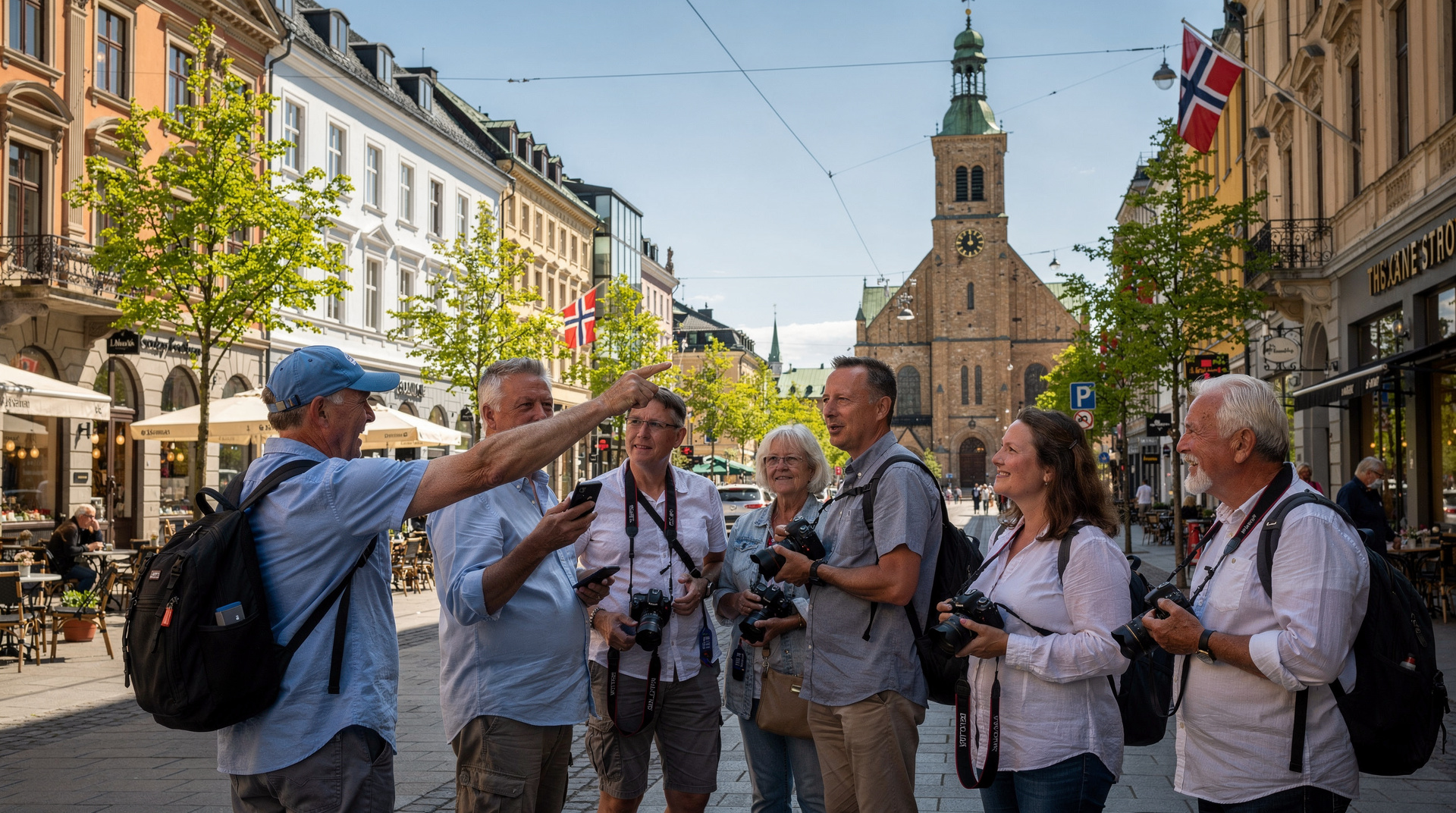
Oslo: city highlights walking tour
Duration: 2.5 hours
- Free cancellation
- Local guide
What are the absolute must-dos in Oslo?
The non-negotiable Oslo experiences are: walking the Opera House roof at sunset, the Munch Museum in Bjørvika, Vigeland Sculpture Park (free), a Ruter ferry to the fjord islands, the open-air Norsk Folkemuseum at Bygdøy, and the Aker Brygge waterfront. For a full day, add the National Museum and the Fram Museum. These seven experiences cover the core of what makes Oslo distinct.
Why this ranking is different
Most “top things to do in Oslo” lists are written by people who have never paid Norwegian prices or stood in queue at Vigeland on a rainy Wednesday. This one is honest. Some expected names drop down the rankings; a few underrated experiences climb. Prices are real 2026 NOK figures. Skip recommendations are included.
| Free must-dos | Opera House roof, Vigeland Park, Akershus grounds, Ekeberg |
| Paid must-dos | Munch Museum, Norsk Folkemuseum, Fram Museum |
| Time needed | 1 day (highlights only) to 3+ days (full list) |
| Typical museum entry | NOK 140–220 (USD 15–24); many free with Oslo Pass |
| Getting around | T-bane, tram, and Ruter ferries cover everything on this list |
1. Walk the Oslo Opera House roof
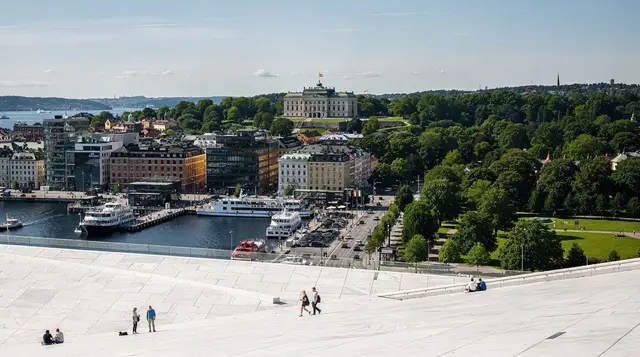
Oslo’s Opera House is one of the most photographed buildings in Scandinavia — a white marble wedge that slopes from the waterfront into the Oslofjord. What makes it unique is that the roof is public space. You walk up the sloped exterior surface to a peak 22 metres above water level, with views over the fjord, Akershus Fortress, and the Barcode district. Entry is free. The roof is open 24 hours. Sunrise and sunset are spectacular.
The building was designed by Snøhetta and opened in 2008. Even if you have no interest in opera, the roof alone justifies a detour. Pair it with the Munch Museum next door and a walk east along the Bjørvika waterfront. See our full Opera House guide for timing and details.
Free. Always open.
2. Munch Museum, Bjørvika
The new Munch Museum opened in 2021 in a 13-storey tower at Bjørvika, a five-minute walk from the Opera House. It holds the world’s largest collection of Edvard Munch’s work — 28,000 items including multiple versions of The Scream, paintings, prints, diaries, and correspondence. The building itself has become an Oslo landmark.
Give it two to three hours minimum. The top floors have excellent fjord views. Book tickets online — the museum sells out on weekends in summer. See the full Munch Museum guide for what to prioritise inside.
Admission: NOK 200 (USD 22). Free with Oslo Pass.
3. Vigeland Sculpture Park (free)
Frogner Park contains Vigeland Sculpture Park — 200+ bronze and granite sculptures by Gustav Vigeland arranged along a 850-metre axis. This is Oslo’s most visited attraction and one of Europe’s few entirely free outdoor sculpture museums of this scale. The central Monolith column, 14 metres of intertwined human figures, is the centrepiece. The park is beautiful in every season: frozen in winter, flower-bordered in summer, leaf-covered in autumn.
It’s open all day, every day, no admission charge ever. Come early morning if you want photos without crowds. The park is in the Frogner neighbourhood, a 20-minute walk from the city centre or tram 12. Read the dedicated Vigeland Park guide for the full layout.
Free. Always open.
4. Norsk Folkemuseum, Bygdøy
Norway’s open-air folk museum on the Bygdøy peninsula collects 160+ historic buildings — including a 12th-century stave church — relocated from across the country. In summer, costumed staff demonstrate traditional crafts; horses pull carts; a 19th-century Oslo town block is recreated in full. It’s equal parts history museum and living outdoor theatre.
Allow three to four hours. Take the Ruter ferry from Aker Brygge in summer or bus 30 year-round. The museum is 20 minutes from the city centre. See our full Norsk Folkemuseum guide.
Admission: NOK 220 (USD 24). Free with Oslo Pass.
5. Bygdøy museum peninsula
The Bygdøy peninsula houses five significant museums within a 20-minute walk of each other: Norsk Folkemuseum, Fram Museum, Kon-Tiki Museum, Norwegian Maritime Museum, and the Norwegian Museum of Cultural History. You won’t do all five in one day, but Bygdøy is Oslo’s most rewarding museum cluster. The Bygdøy destination guide covers the whole peninsula including the beach at Huk.
6. Fram Museum, Bygdøy
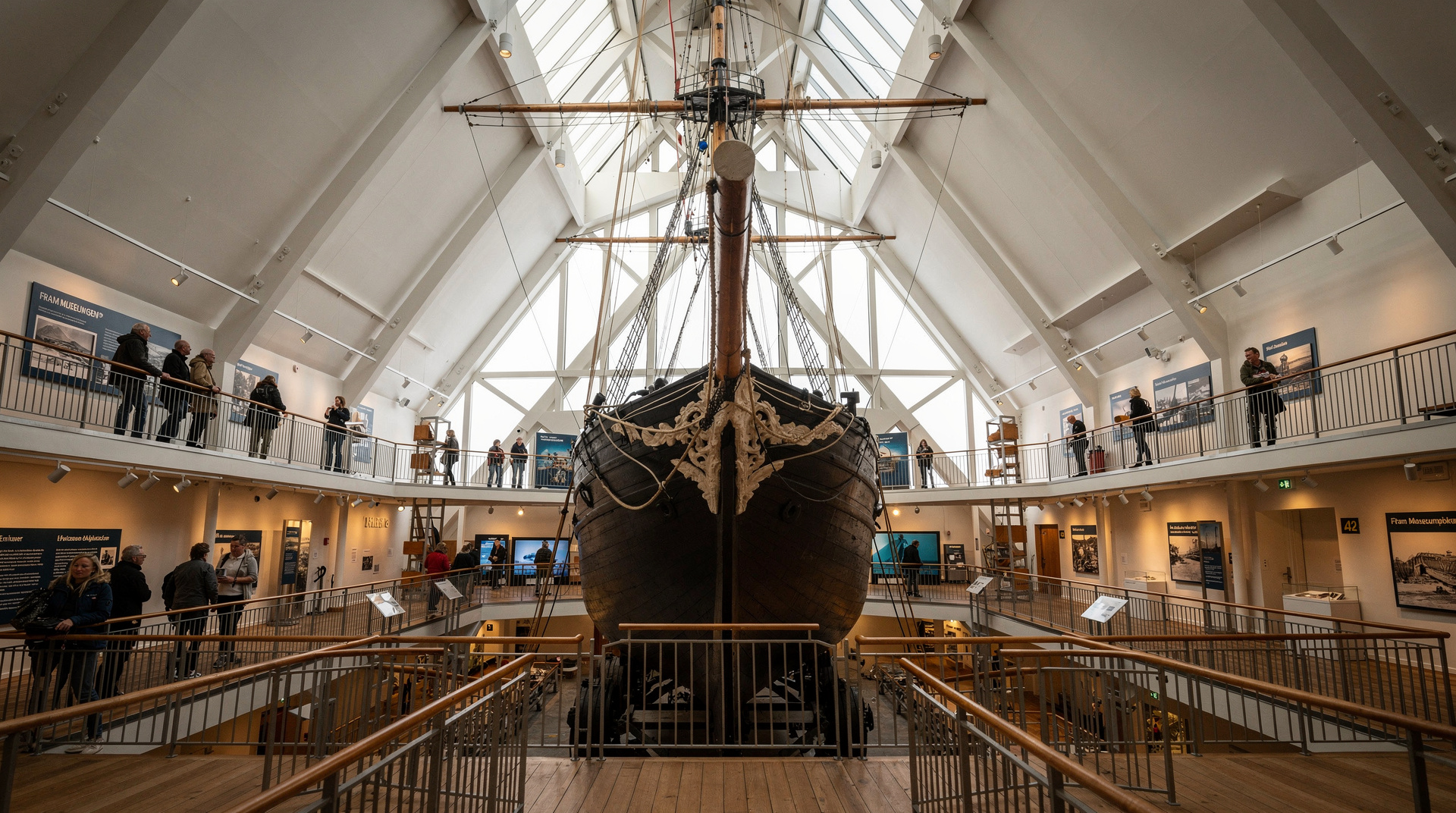
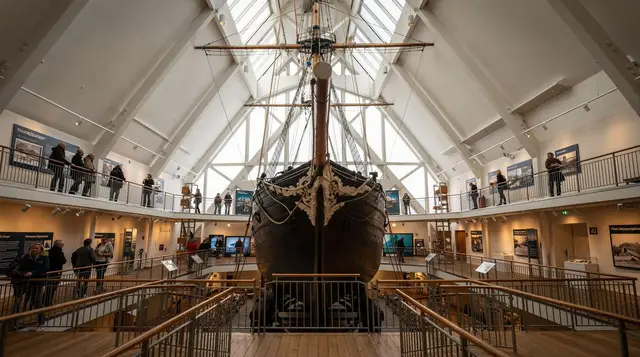
The Fram is the wooden ship that carried Nansen and Amundsen into the Arctic and Antarctic ice — the world’s strongest wooden ship ever built. It sits inside a hangar-like building on Bygdøy, and you can walk through the cramped interior, see the crew quarters, and understand how 13 men survived months locked in polar ice. This is one of the most viscerally impressive museum experiences in Norway.
See the full Fram Museum guide.
Admission: NOK 170 (USD 18). Free with Oslo Pass.
7. National Museum, Aker Brygge
Norway’s largest art and design museum opened its new building near Aker Brygge in 2022. The collection spans Norwegian art from the 19th century to contemporary design, with Munch and J.C. Dahl as the central figures alongside an excellent decorative arts section. The building itself — by Klaus Schuwerk — is one of Oslo’s best new public spaces.
Allow two to three hours. See the full National Museum guide.
Admission: NOK 160 (USD 17). Free with Oslo Pass.
8. Akershus Fortress
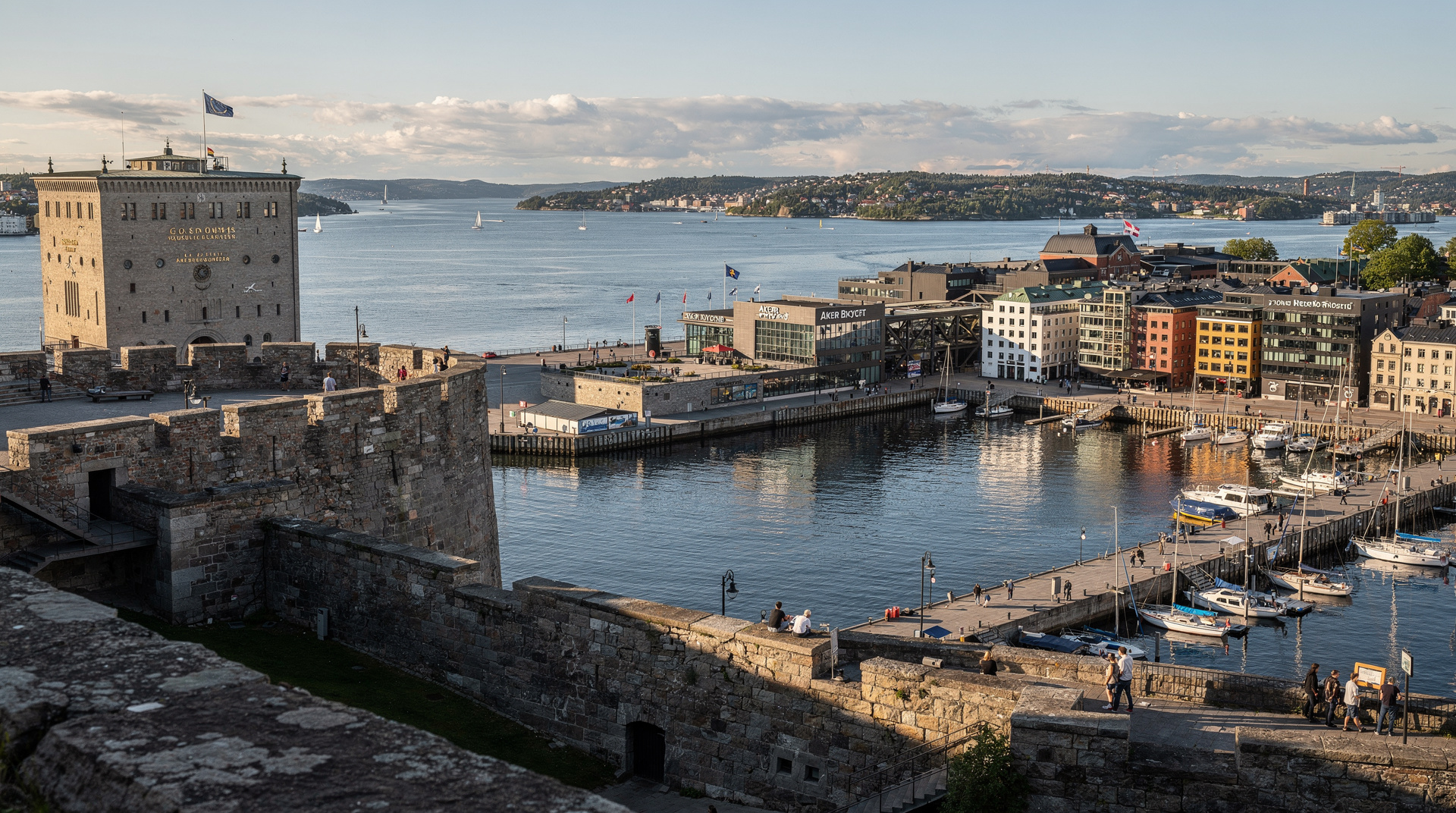
The medieval fortress overlooking Oslofjord has been Oslo’s defining landmark since the 1290s. The grounds are free and open daily — walk the walls, visit the courtyards, and look out over the harbour. The fortress contains the Resistance Museum (free with Oslo Pass), which documents the Nazi occupation and Norwegian resistance of 1940-45 with remarkable depth. See the full Akershus Fortress guide.
Grounds free. Museums inside: NOK 80-100 (USD 9-11), free with Oslo Pass.
9. Aker Brygge and Tjuvholmen waterfront
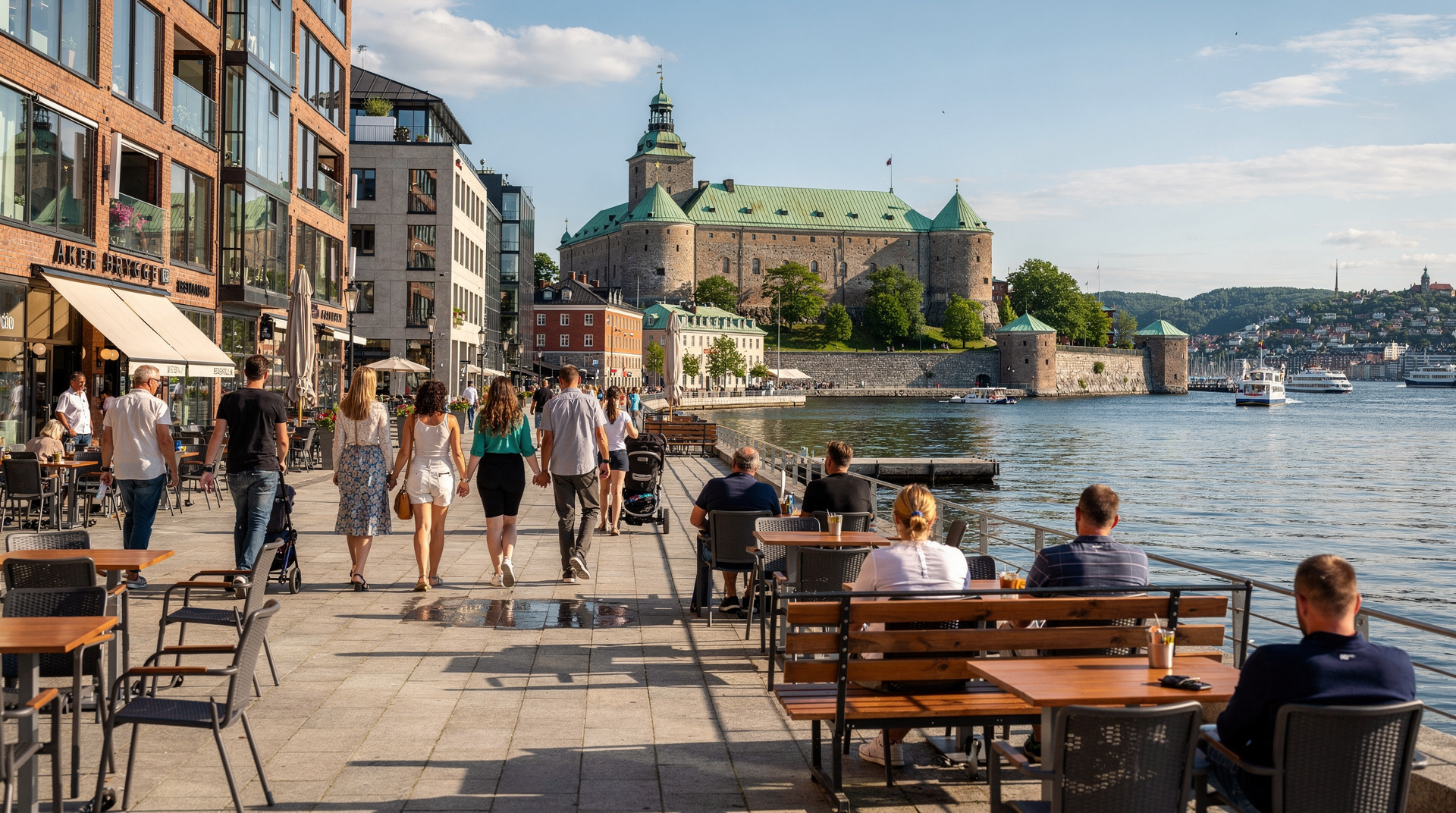
The old shipyard at Aker Brygge has been transformed into Oslo’s main waterfront dining and leisure strip. In summer the outdoor terraces are packed from noon onwards. Tjuvholmen, the newer extension to the west, is Oslo’s architecture showcase — the Astrup Fearnley Museum of Modern Art sits at its tip, surrounded by a public sculpture park with a bathing pier. This is the best area for an evening walk combining art, food, and fjord views.
Free to explore. See the Aker Brygge and Tjuvholmen guide.
10. Floating sauna on the Oslofjord
Oslo’s floating saunas are one of the city’s most distinctive experiences — sauna cabins moored on the fjord where you heat up, then plunge into the water, then repeat. The best-known cluster is at Tjuvholmen, Aker Brygge, and Sørenga. Some are open-air wood-fired, some are indoor and electric. You don’t need to be Norwegian or particularly hardy — tourists do this too. Book ahead in summer.
See the full floating saunas guide.
NOK 200 to 450 (USD 22 to 48) for a session.
11. Fjord island-hopping by Ruter ferry
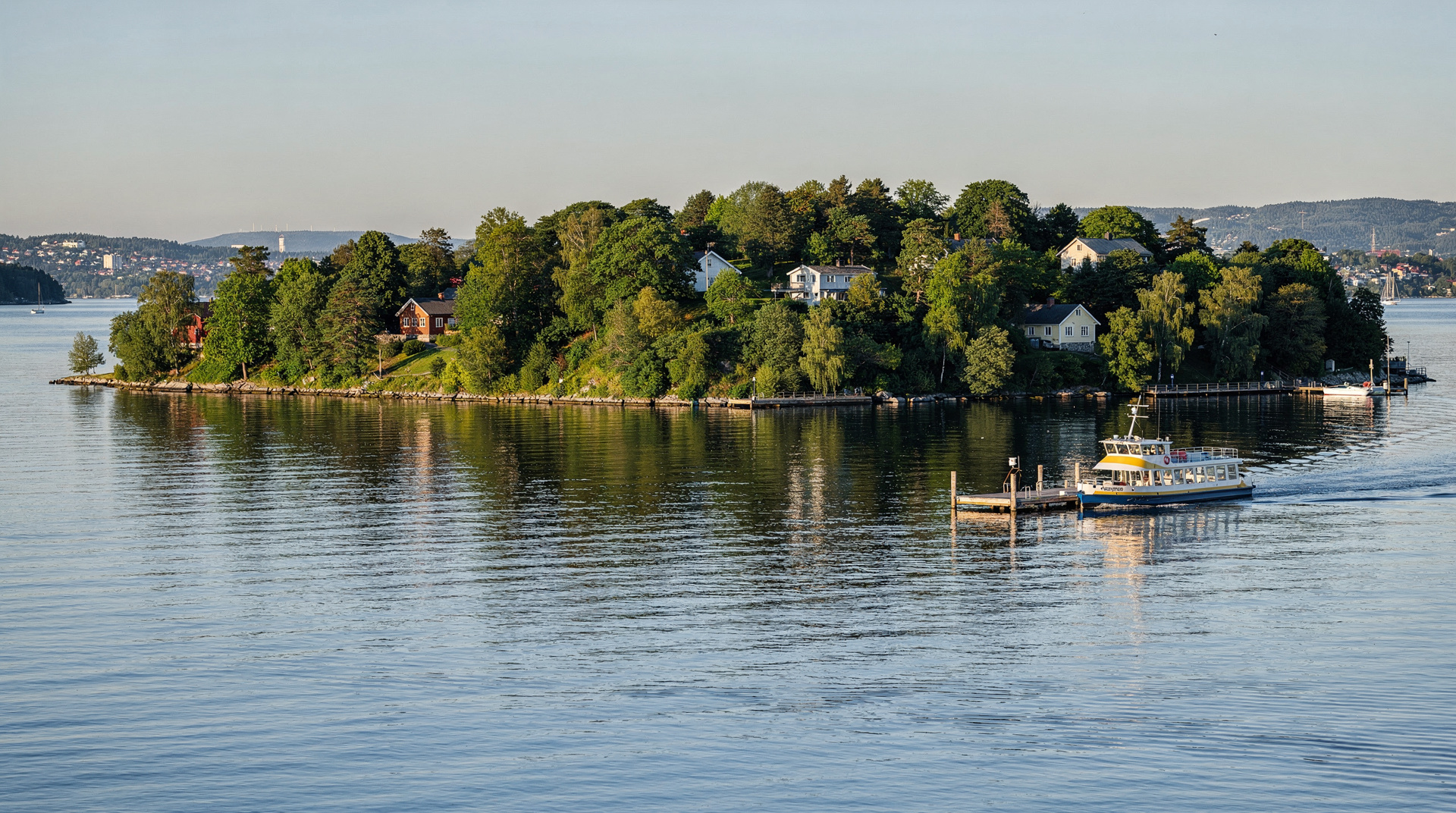
Oslo’s inner fjord islands — Hovedøya, Lindøya, Nakholmen, Langøyene — are accessible by public ferry from Aker Brygge. A Ruter day pass (NOK 105 / USD 11) covers the ferries. The islands have monastery ruins (Hovedøya), a nude beach (Langøyene south end), forest trails, and an atmosphere that feels genuinely removed from the city. This is Oslo’s best underrated summer experience.
See the island-hopping guide.
12. Karl Johans gate (the main street) — with caveats
Oslo’s main pedestrian axis runs from Oslo Central Station to the Royal Palace — about 1.3 km. The street is worth walking once for the architecture (Parliament building, National Theatre, Grand Hotel), but the restaurants on this strip are tourist-trap territory: expensive, mediocre, and designed for visitors who don’t know better. Read the honest Karl Johans gate guide to know what to skip and what’s worth seeing.
13. Grünerløkka neighbourhood
Oslo’s most liveable neighbourhood is 15 minutes north of the centre by tram 11 or 12. Grünerløkka has the city’s best independent coffee shops, vintage clothing, craft beer bars, and weekend brunch culture. Mathallen food hall is a five-minute walk away. This is where Oslonians actually spend their weekends — not on Karl Johans gate. See the Grünerløkka food guide.
14. Nobel Peace Center
The Nobel Peace Center, near City Hall on the waterfront, presents the history of the Nobel Peace Prize and its laureates with thoughtful exhibition design. Temporary exhibitions are often excellent. The permanent exhibition is free with the Oslo Pass. Allow 90 minutes. See the full Nobel Peace Center guide.
Admission: NOK 130 (USD 14). Free with Oslo Pass.
15. Kon-Tiki Museum, Bygdøy
Thor Heyerdahl’s original Kon-Tiki balsa raft — which crossed the Pacific from Peru to Polynesia in 1947 — sits in its own museum at Bygdøy alongside the Ra II papyrus boat and a reconstructed Easter Island statue. This is a genuine adventure museum for all ages. See the full Kon-Tiki Museum guide.
Admission: NOK 140 (USD 15). Free with Oslo Pass.
16. Holmenkollen Ski Museum and jump tower
The Holmenkollen ski jump, rebuilt in 2010, towers over the forest north of Oslo. You can ride the elevator to the top of the jump ramp for panoramic views over the city and fjord. The ski museum below tells the story of Norwegian skiing culture from Stone Age cave carvings to Olympic medals. Take T-bane line 1 from Majorstuen — the ride through the forest is pleasant. See the Holmenkollen guide.
Museum + jump tower: NOK 180 (USD 19). Discounted with Oslo Pass.
17. Mathallen food hall, Vulkan
Mathallen Oslo, in the Vulkan district near Grünerløkka, is a permanent indoor food market with 30+ stalls selling Norwegian smoked salmon, brown cheese, craft coffee, international street food, and artisan produce. It’s a reliable lunch stop that avoids the tourist-strip price gouging. Open Tuesday to Sunday. See the Mathallen guide.
18. Ekeberg Sculpture Park
Ekeberg, a forested hillside south of the Opera House, combines a free sculpture park with panoramic fjord views and forest walks. Works by Rodin, Renoir, and contemporary Norwegian artists are spread through the trees. The hill also has historical significance — Munch likely painted his Scream from this ridge. A short tram ride from the centre (tram 18/19 to Ekebergparken). See the Ekeberg Sculpture Park guide.
Free. Always open.
19. Bøker og Børst: the Oslo bookshop cafes
Oslo has an unusual density of good independent bookshops with cafes — Bjørvika Bibliotek (new public library near the Opera House, spectacular building, free), Tronsmo in Grünerløkka, and several antiquarian shops around Universitetsgata. The new public library at Bjørvika is worth visiting as architecture alone: eight floors, fjord-facing, with free wifi and reading tables.
Free (library). Cafes: NOK 50-85 / USD 5-9 for coffee.
20. A day trip to Drøbak
Drøbak, a small coastal town 40 km south of Oslo on the Oslofjord, is famous for its year-round Christmas shop and as the site of the 1940 sinking of the German cruiser Blücher. It takes under an hour by express bus from Oslo Bus Terminal. The old town has 18th-century wooden houses, a decent fish restaurant or two, and a quiet fjord atmosphere. See the Drøbak day trip guide.
Bus: NOK 80-90 (USD 9). Free to explore once there.
How to combine these into itineraries
For one day: Opera House roof (free) → Munch Museum → lunch at Aker Brygge → Norsk Folkemuseum by ferry → Vigeland Park walk back.
For two days: Add Bygdøy (Fram, Kon-Tiki) on day one, then National Museum, Akershus Fortress, and Grünerløkka on day two.
For three days: Add Holmenkollen, a floating sauna session, and an island-ferry afternoon.
See the Oslo in 2 days and Oslo in 3 days itineraries for fully worked-out plans with transport and timing.
What Oslo does better than other Scandinavian capitals
Oslo is the smallest and most expensive of the Scandinavian capitals, and it attracts fewer visitors than Copenhagen or Stockholm. This reputation for expense is deserved. What the expense discourse misses is what Oslo does specifically better:
Urban-wild integration. T-bane line 1 from the city centre takes 30 minutes to the edge of Nordmarka, Oslo’s municipal forest — 426 square kilometres of trails, lakes, and cross-country skiing tracks that begin within city limits. No other European capital of comparable size offers this. Bergen and Tromsø have mountains immediately outside the city; Oslo has an actual wilderness forest on the T-bane.
Open waterfront access. The Oslofjord foreshore within the city limits is almost entirely publicly accessible — no private beaches, minimal fencing, public ferry access to the islands. Compare this to the privatised waterfronts of comparable European cities.
Public floating saunas. Oslo’s sauna culture is not Finnish in origin but has developed a distinctly Oslo character — the combination of wood-burning sauna cabin on the water, the fjord plunge, and the social atmosphere is specific to Oslo’s geography and culture. You can approximate this elsewhere; you cannot replicate the Oslofjord setting.
The quality of the museums for the population size. Oslo is a city of 700,000 people. The Munch Museum’s collection, the Norsk Folkemuseum’s scale, and the Fram’s significance are extraordinary for a city of this size. Most cities of 700,000 have a regional history museum and a small art collection. Oslo has world-class institutions in multiple categories.
Food ethics and Norwegian produce. Oslo’s restaurant scene, at the upper end, is serious about Norwegian ingredients — Hardangerfjord cod, wild reindeer, Lofoten langoustines, hand-dived scallops. The quality of Norwegian fish and seafood in Oslo restaurants is among the best in Europe. The price point is high, but the quality justifies it at the specific restaurants where these ingredients are treated correctly.
What Oslo does worse than other Scandinavian capitals
Tourist trap density. The concentration of mediocre tourist restaurants on Karl Johans gate and the immediate harbour area is worse in Oslo than in Copenhagen or Stockholm. The visitor who arrives at Oslo Central Station and eats at the first restaurant they see will have a significantly worse meal for more money than if they walked five minutes further. See the honest Karl Johans gate guide.
Transit to the airport. Oslo’s Gardermoen airport is 50 km from the city centre. The Flytoget express (19 minutes) is convenient but expensive at NOK 239 (USD 26) one way. Stockholm Arlanda is closer; Copenhagen Kastrup is closest and most convenient of the three Scandinavian capitals.
Cost of alcohol. Norway’s state alcohol monopoly (Vinmonopolet) means spirits, wine, and beer outside restaurants cost significantly more than in comparable European countries. Beer in a bar costs NOK 90 to 130 (USD 10 to 14) per half litre. Budget accordingly.
Evening dining hours. Oslo restaurants in the mid-price range tend to serve dinner only — evening openings at 5pm or 6pm, with kitchens closed by 10pm. The all-day dining culture of southern European cities doesn’t exist here. Plan your evening meals early.
The honest Oslo verdict
Oslo is worth visiting if:
- You have at least 3 days and can spread the cost across multiple days
- You want a combination of world-class museums, genuine urban-wild access, and Scandinavian culture
- You’re prepared to spend NOK 200+ per person on dinner and treat it as an experience rather than a fuel stop
- You have at least some interest in art history, exploration, or Nordic social history
Oslo is a harder sell if:
- You’re travelling purely on budget (Copenhagen is more budget-friendly while offering comparable museums)
- You want warm weather (June-August only is genuinely warm; the rest of the year requires a higher cold-weather tolerance)
- You want to see the northern lights (Oslo is too far south; go to Tromsø instead, and do not trust anyone selling you a northern lights tour from Oslo)
Does the Oslo Pass pay for itself on this list?
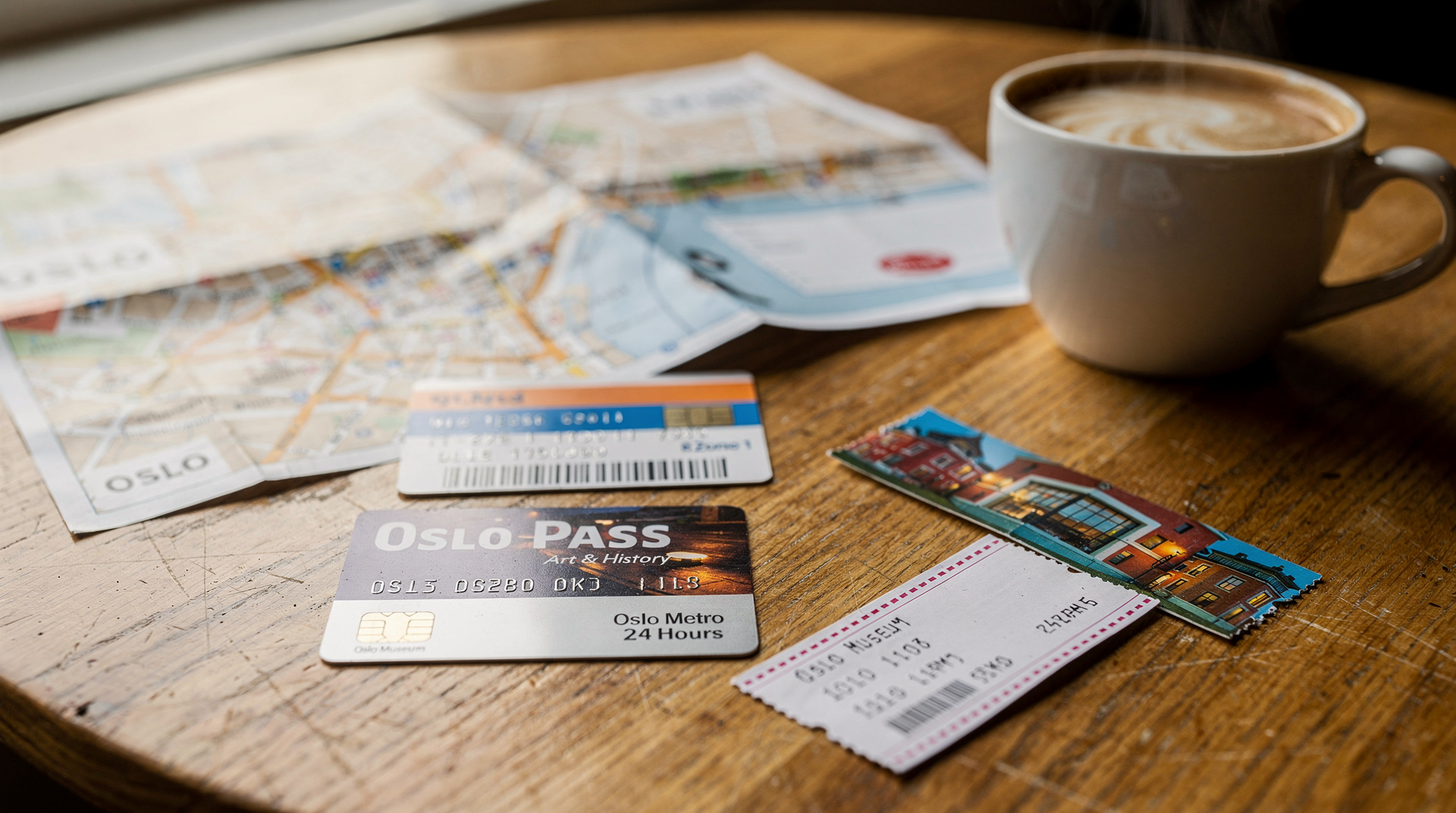
Several attractions on this list are free with the Oslo Pass (Munch Museum, Norsk Folkemuseum, Fram Museum, National Museum, Nobel Peace Center’s permanent exhibition, Akershus Fortress museums, and transport). If you plan to visit three or more paid museums in a single day plus use public transport freely, the pass typically saves money over buying individual tickets — see the Oslo Pass vs individual tickets comparison for the exact break-even math. If your list is mostly the free items (Opera House roof, Vigeland Park, Ekeberg, Akershus grounds), skip the pass and pay standard transport fares instead.
A note on pacing this list realistically
Twenty attractions is more than most visitors will complete even across a week, and trying to rush through all of them produces a worse trip than doing eight or nine properly. A useful filter: pick your top three from positions 1–10 (the genuine unmissables), add one or two from 11–20 that match your specific interests (art, history, nature, food), and build the rest of your schedule around eating well and resting. The how many days in Oslo guide gives a fuller framework for matching list length to trip length.
Frequently asked questions about Top 20 things to do in Oslo (definitive ranked list)
What should I prioritise if I only have one day in Oslo?
Start at the Opera House roof at 8am before crowds arrive, walk along Bjørvika to the Munch Museum (open from 10am), have lunch at Aker Brygge, take the Ruter ferry to Bygdøy and visit the Fram Museum, then walk or cycle back through Frogner Park and Vigeland. That's a full, coherent day.What is Oslo's most famous attraction?
Vigeland Sculpture Park (free, always open) is Oslo's most-visited attraction — over 1 million visitors per year. The Munch Museum in Bjørvika is the city's most talked-about museum since reopening in its new building in 2021.What is unique to Oslo that you can't do elsewhere?
Floating saunas on the Oslofjord, open-air bathing at public harbourside spots like Sørenga, a public ferry to uninhabited Viking-era island ruins, and the world's largest collection of Edvard Munch's art. Oslo's combination of city and nature within 20 minutes is genuinely unusual.Are most Oslo attractions expensive?
A mix. Major museums cost NOK 140 to 220 (USD 15 to 24) each. Many of Oslo's best experiences are free: Vigeland Park, the Opera House roof, Akershus Fortress grounds, harbour walks, and the fjord islands if you have a Ruter day pass.Which Oslo attractions are overrated?
The restaurants on the Karl Johans gate tourist strip are genuinely poor value. The Viking Planet is expensive for what it offers. And anyone selling northern lights tours from Oslo is misleading you — at 59.9°N latitude, Oslo is too far south to see them reliably.
Top experiences
Bookable activities with verified prices and instant confirmation on GetYourGuide.
Oslo: Oslo Pass with public transport and free museum entry
- Instant confirmation
- Free public transport
- Skip museum queues
Oslo: panoramic sightseeing bus with Holmenkollen and Vigeland Park
- Hotel pickup
- English guide
Oslo: city sightseeing discovery tour by bus with 2 museums
- Includes museum entry
- English guide
Oslo: 3-hour highlights bike tour
- Small group
- Bike included