Free things to do in Oslo: the honest guide for 2026
Oslo: city highlights walking tour
Duration: 2.5 hours
- Free cancellation
- Local guide
What can you do for free in Oslo?
Oslo's best free experiences include Vigeland Sculpture Park (always free), the Oslo Opera House roof, Akershus Fortress grounds, the Aker Brygge and Tjuvholmen waterfront, Ekeberg Sculpture Park, the new Bjørvika Public Library, and Sørenga outdoor swimming. With a Ruter day pass (NOK 105 / USD 11), you can also reach the fjord islands — none of the islands charge entry.
Oslo is expensive — here’s how to spend almost nothing
Oslo consistently ranks among Europe’s three most expensive cities. A museum ticket costs NOK 140 to 220 (USD 15 to 24). A café lunch runs NOK 180 to 260 (USD 19 to 28). A single glass of wine at dinner is NOK 110 to 170 (USD 12 to 18). These prices are real, not cherry-picked outliers.
But the city also has an unusual density of genuinely excellent free experiences — not backup options when your budget runs dry, but actual highlights that competing cities charge for. This guide covers everything worth doing that costs nothing or close to nothing.
| Where | Frogner, Bjørvika, Akershus, Tjuvholmen, Ekeberg, the fjord islands |
| Cost | Free, aside from Ruter transit (NOK 42 single / NOK 105 day pass) |
| Time needed | A full day for the highlights; longer to cover everything here |
| Getting there | Central Oslo is largely walkable; tram/ferry for outlying sights |
| Best time | Year-round; summer adds swimming and island ferries |
Vigeland Sculpture Park — Oslo’s best free attraction
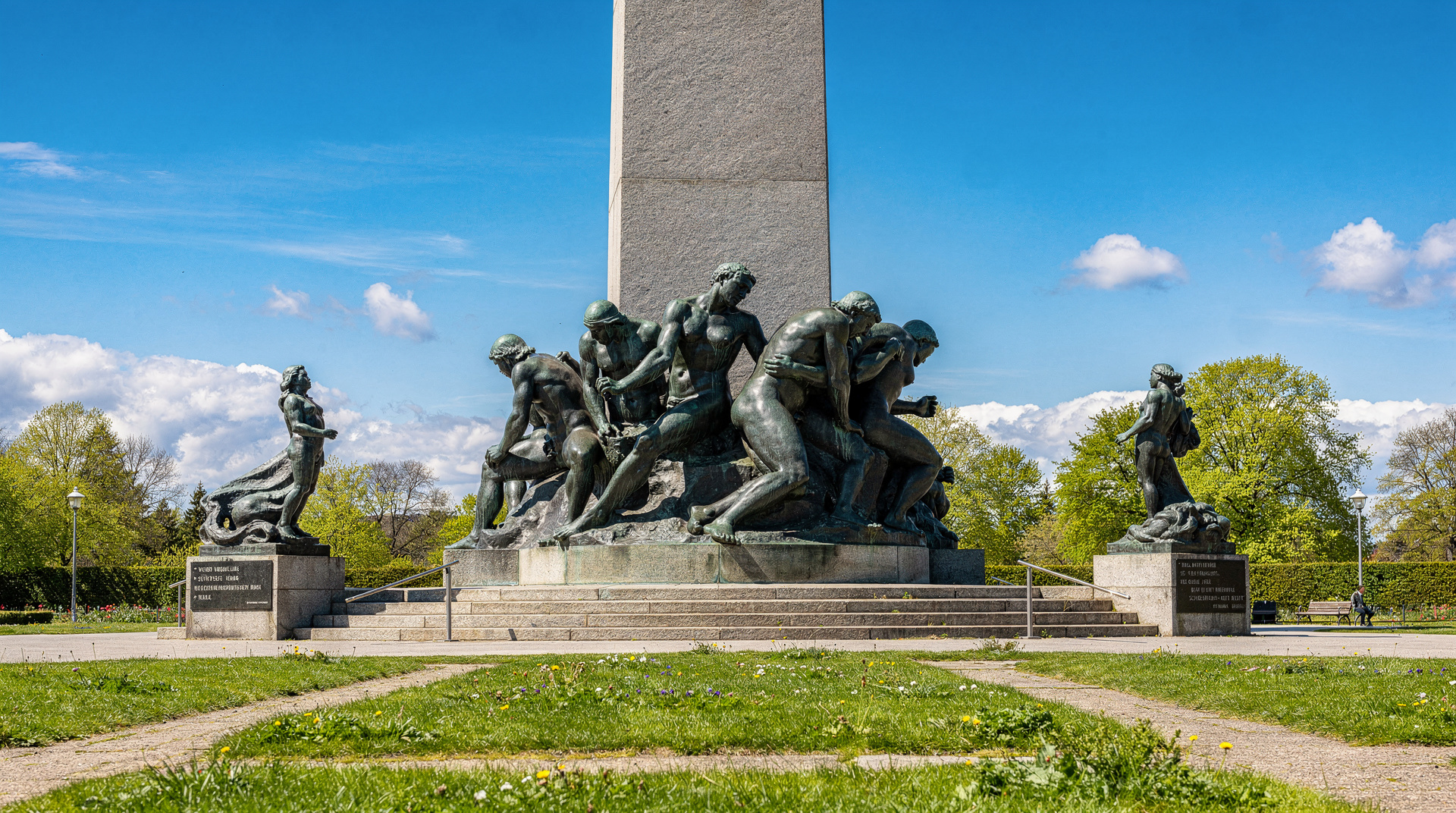
Frogner Park’s Vigeland Sculpture Park is the most visited attraction in Norway and it has never charged admission. The park extends over 80 acres in the Frogner neighbourhood, housing 212 sculptures by Gustav Vigeland arranged along a formal axis.
The central Monolith column is carved from a single block of granite: 14 metres tall, 121 human figures entwined around each other. The bridge flanking the main path is lined with 58 bronze figures — the most photographed spot in the park. The Wheel of Life at the far end is a circular arrangement of adults and children that Vigeland described as humans’ relationship to eternity.
The park is surrounded by ordinary Frogner parkland with football pitches, rose gardens, and a children’s area. Come early morning (before 9am) for the best photos without crowds, or at dusk in summer when the light is extraordinary. In winter, the park is nearly deserted and the sculptures against a snow backdrop are exceptional.
Tram 12 from the city centre runs to Vigelandsparken stop. See the full Vigeland Sculpture Park guide.
Free. Always open. No registration required.
Oslo Opera House roof
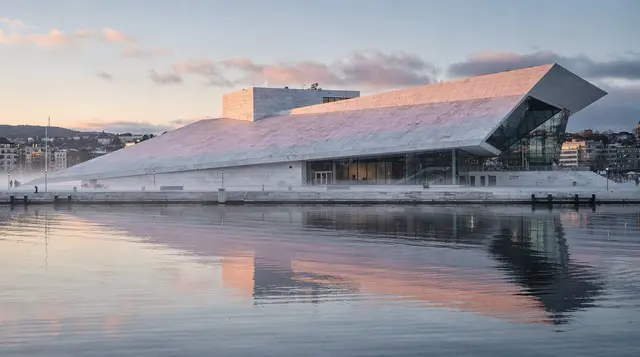
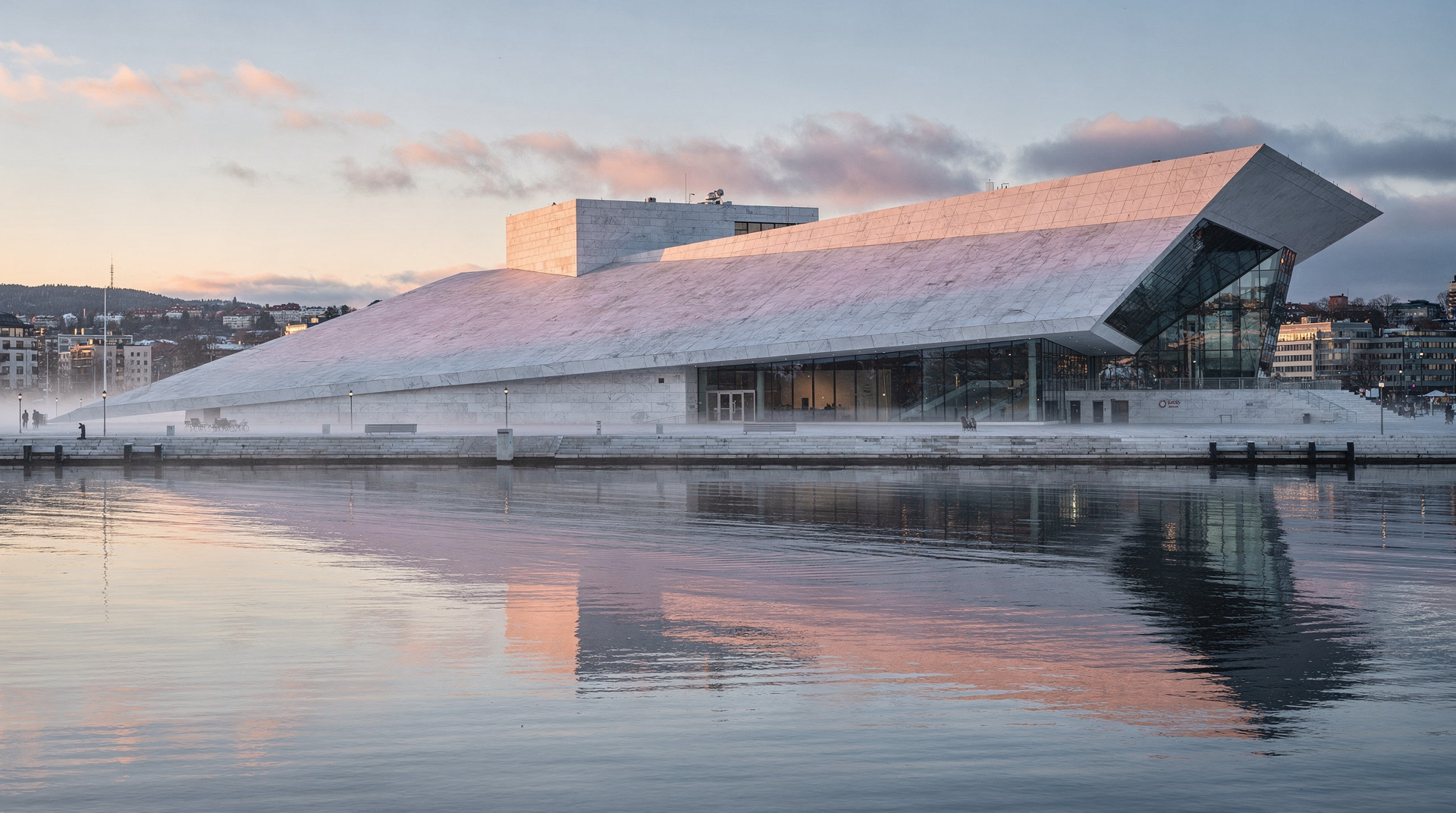
Snøhetta’s Oslo Opera House, opened in 2008, was designed so that the public could walk on its roof. The marble-clad surface slopes from the waterfront up to a peak 22 metres above sea level, at the edge of the Bjørvika redevelopment. From the top you look out over the Oslofjord, Akershus Fortress, the city skyline, and on clear days the hills beyond.
The roof is open 24 hours and has no barriers, no staff, no ticket requirement. It’s genuinely impressive at sunrise, sunset, and on warm summer evenings when people sit on the slope with food and wine.
The Opera House is five minutes’ walk from Oslo Central Station. The surrounding Bjørvika district — the Barcode buildings, the new public library, the Munch Museum — has been transformed in the last decade into Oslo’s most architecturally coherent neighbourhood. See the full Oslo Opera House guide.
Free. Open 24 hours.
Akershus Fortress and grounds
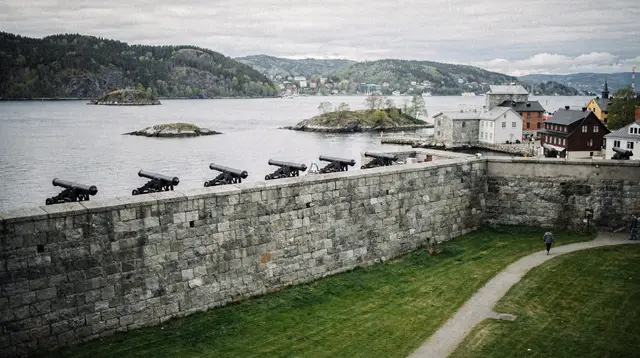
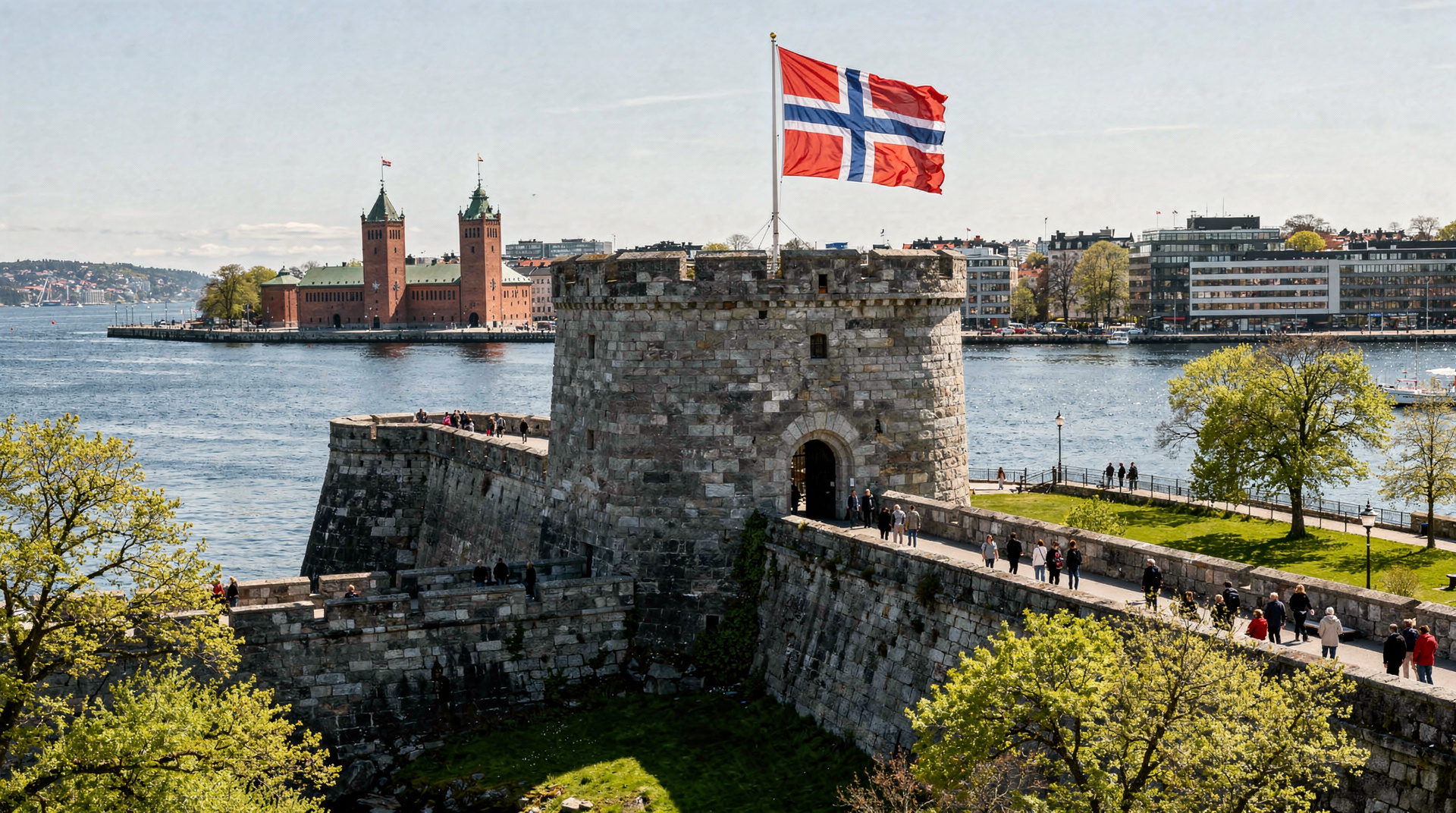
Akershus Fortress was built in the 1290s on the headland overlooking Oslofjord. The grounds — walls, courtyards, ramparts, and the harbour-facing terrace — are open to the public free of charge at all times. You can walk the entire perimeter of the fortress, look down into the old moat, and stand on the walls above the harbour.
Inside the fortress walls, the Resistance Museum documents the Nazi occupation of Norway from 1940 to 1945 with genuine historical depth. There’s a separate admission charge (NOK 80 / USD 9, free with Oslo Pass), but the museum is worth the entry. The story of how Norway resisted — the rail sabotage, the organised escape networks, the brutality of the occupation — is told through original documents and artefacts.
The fortress is a ten-minute walk from Aker Brygge, downhill from the National Theatre. See the full Akershus Fortress guide.
Grounds: free. Resistance Museum: NOK 80 (USD 9), free with Oslo Pass.
Aker Brygge and Tjuvholmen waterfront walk
The old Aker Mek shipyard has become Oslo’s main waterfront social space. The Aker Brygge quayside is lined with restaurants and bars — expensive ones, but the outdoor terraces are public space and you’re under no obligation to buy anything. The people-watching is excellent.
Continuing west, Tjuvholmen is a newer residential and cultural development on a reclaimed peninsula. At its tip: the Astrup Fearnley Museum of Modern Art, designed by Renzo Piano, with a free outdoor sculpture park and a public bathing pier extending into the fjord. The art is contemporary international — the building’s design alone, with its curved roof and water channel, is worth the walk. You don’t need a museum ticket to use the outdoor space.
In summer the whole stretch from Aker Brygge to Tjuvholmen is Oslo’s most animated outdoor public space. See the Aker Brygge and Tjuvholmen destination guide.
Free to walk. Astrup Fearnley Museum: NOK 160 (USD 17), outdoor area free.
Bjørvika Public Library (Deichman Bjørvika)
Oslo’s new main public library opened at Bjørvika in 2020 and is one of the best public buildings in Scandinavia. Eight floors of open public space, fjord-facing reading rooms, free wifi, a rooftop terrace, a makers space, a podcast studio, and a café with reasonable prices (by Oslo standards: NOK 45 / USD 5 for coffee). No library card required to enter, use the wifi, or sit there all day.
The building is five minutes’ walk from the Opera House along the Bjørvika waterfront. It’s free, it’s warm in winter, and it has a better view than most hotels’ rooftop bars.
Free.
Ekeberg Sculpture Park
Ekeberg is a forested hillside above Bjørvika with sweeping fjord views and a free outdoor sculpture park spread through the trees. Works by Rodin, Salvador Dali, Renoir, and Norwegian artists are positioned along forest paths. The park is best known in the art world because Munch likely painted his Scream looking out from this ridge — the view over the fjord and city below matches the background.
Take tram 18 or 19 from Jernbanetorget to Ekebergparken, about 12 minutes. The park has a good restaurant (expensive) and several viewpoints that are free. See the Ekeberg Sculpture Park guide.
Free. Open daily.
The fjord islands (nearly free with Ruter)
Oslo’s inner fjord islands — Hovedøya, Lindøya, Nakholmen, Langøyene — are reached by Ruter public ferry from Aker Brygge (pier 3) or Vippetangen. The ferry ride is covered by any valid Ruter ticket: a single (NOK 42 / USD 4.50) or a day pass (NOK 105 / USD 11). Once on the islands, everything is free.
Hovedøya has 12th-century Cistercian monastery ruins and forest trails. Langøyene south end has a designated nude beach. Nakholmen is the quietest. In summer, Oslonians treat these islands as urban escape routes, arriving by ferry with picnic supplies and folding chairs. The return ferry runs every 20-40 minutes.
This is one of the best NOK-per-experience ratios in Oslo. See the island-hopping guide for full ferry schedules and which island to pick.
Island entry free. Ferry: NOK 40 single or NOK 105 day pass (included with Oslo Pass).
Harbour walk from Bjørvika to Bygdøy
One of Oslo’s most satisfying free half-days is walking the harbour path from the Opera House, along Aker Brygge, past Tjuvholmen, and continuing west through the Frogner harbour area toward Bygdøy. The walk takes about 90 minutes at a steady pace, or longer with stops. You’ll pass public swimming spots (Sørenga bathing park just east of the Opera House is free, with ladders into the fjord), floating saunas (to book), and the city’s skyline shifting from new glass towers to older wooden summer-house architecture.
Free.
Sørenga outdoor swimming
Sørenga Sjøbad, 800 metres east of the Opera House, is Oslo’s most popular outdoor swimming spot — a public boardwalk with ladders, diving boards, changing rooms, and an open-air pool floating in the fjord. Free to use. Open in summer (roughly May to September). Popular with everyone: parents with children, office workers at lunch, and serious open-water swimmers at 7am.
The water quality in the inner Oslofjord has improved significantly in the past 20 years — the harbour is clean enough for comfortable swimming. See the Oslo swimming spots guide.
Free. Open May to September.
Botanical Garden, Tøyen
The University of Oslo’s Botanical Garden in the Tøyen neighbourhood is a pleasant 40-minute escape with palm houses, rose gardens, and a small mountain rock garden section. More curated than Frogner Park, less visited than Vigeland. The neighbouring Natural History Museum and the geological museum have free entry on Tuesdays. The garden is near the Munch Museum’s old location in Tøyen — now converted into the new Munch MFKN cultural centre.
Take metro line 5 or tram 18 to Botanisk hage. See the Botanical Garden guide.
Free. Open daily in season.
Free cultural evenings at Oslo museums
Most major Oslo museums offer one free evening per week or per month:
- National Museum: free Thursday evenings after 4pm
- Munch Museum: free last Thursday of the month after 5pm (verify dates at munchmuseet.no)
- Natural History Museum: free Tuesday admissions
Check individual museum websites before your visit — these policies change. If you plan around these free evenings, you can substantially reduce your cultural costs.
Street art in Grünerløkka
Oslo has a strong street art scene, concentrated in Grünerløkka, Vulkan, and Grønland. The Møllergata and Thorvald Meyers gate area has murals by Nordic and international artists. No tour guide required — walk the neighbourhood and you’ll find them. The canal path along Akerselva river, which runs through Grünerløkka, has art installations and industrial ruins from when this was a factory district.
Free.
Summary: best free day in Oslo
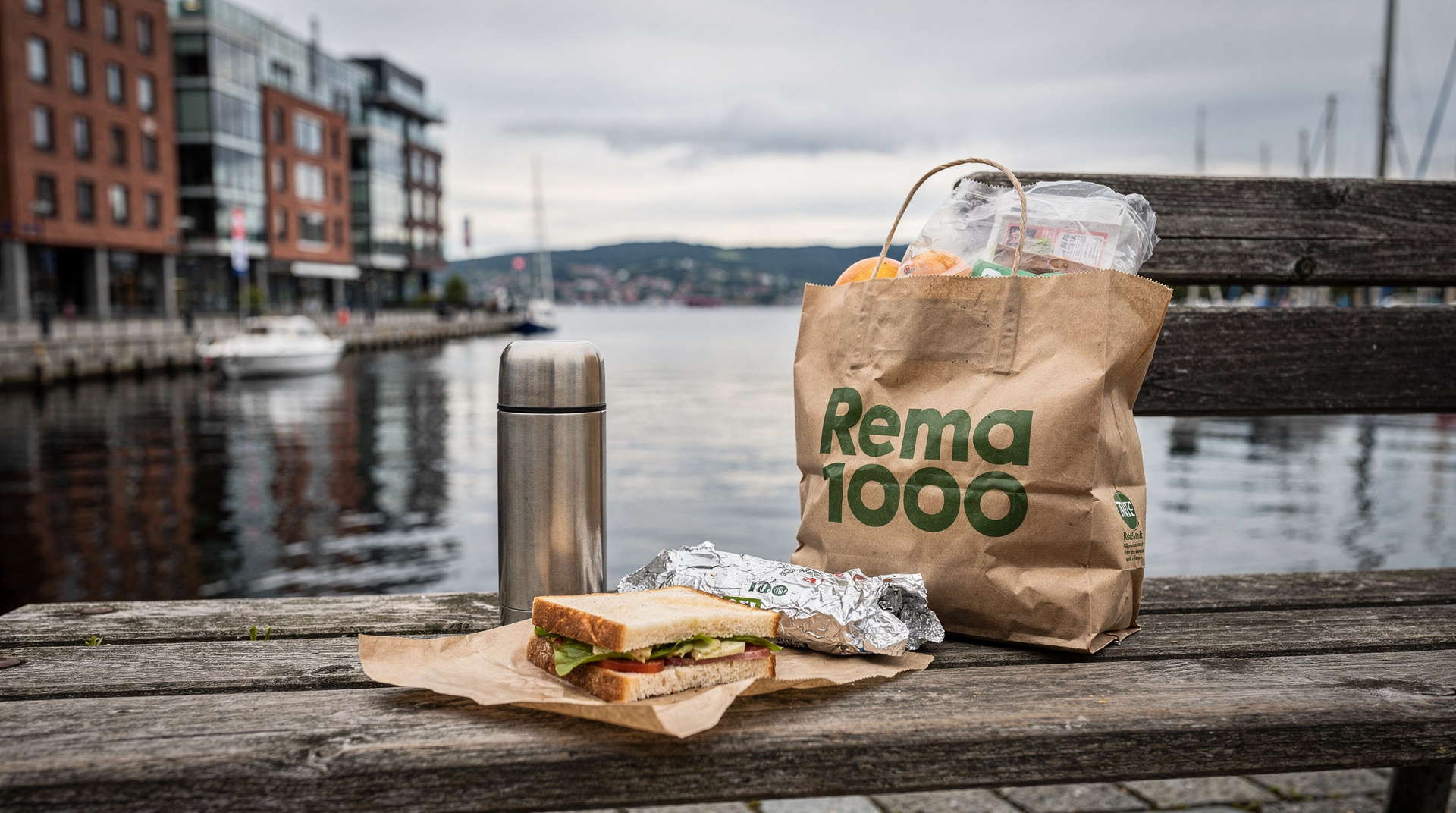
Start at Sørenga for an early fjord swim if it’s warm enough. Walk west along the harbour to the Opera House roof. Continue to Aker Brygge for a coffee from a takeaway counter (skip the sit-down restaurants). Walk to Akershus Fortress grounds and up the walls. Lunch with grocery store provisions on the fortress terrace. Walk west to Tjuvholmen sculpture park. Take tram 12 to Vigeland for the late afternoon. This itinerary costs nothing except food and an optional tram ticket.
For a budget-realistic overview of Oslo spending, see the Oslo on a budget guide and the Oslo trip cost breakdown.
Free neighbourhood walks: beyond the tourist circuit
Oslo’s free experiences extend well beyond the waterfront and the major parks. Some of the best free walking is in neighbourhoods that most tourist guides don’t cover:
Grønland: The neighbourhood east of the city centre is Oslo’s most multicultural district — Pakistani, Somali, Vietnamese, and Middle Eastern communities have shaped a neighbourhood with excellent affordable food, a lively market, and a different texture than the rest of central Oslo. The Grønland torg market is free to browse. Tram 11, 12, or 13 to Grønland.
The Akerselva river walk: The Akerselva river runs north-south through Oslo from Maridalsvannet lake to the Oslofjord. The riverside path follows the river through Grünerløkka, past former textile mills, waterfalls, and industrial architecture. Walking the full 8 km from city centre to the lake is free and takes 2-3 hours. The Vulkan section near Mathallen has the best concentration of visible mill architecture.
Frogner: West of Vigeland Park, the Frogner neighbourhood has elegant 19th-century apartment buildings, independent bookshops, and several excellent coffee shops. Walking through Frogner plass and the adjacent streets costs nothing and shows an Oslo that is wealthy but not tourist-facing.
Free events and performances
Oslo has a significant free cultural calendar, particularly in summer:
Øya Festival (early August): Norway’s largest rock and indie music festival, at Tøyenparken. Tickets are required for the main programme — but the surrounding neighbourhood fills with outdoor food stalls and free performances in the days around the festival.
Oslo Jazz Festival (August): Some outdoor performances are free. Check oslojazz.no.
17 mai (National Day): The entire Karl Johans gate parade is free to watch. This is arguably Oslo’s best free event — a genuine cultural experience, not a tourist show. See the Royal Palace guide for timing and positioning.
Friday evening music at Rådhusplassen: In summer, free outdoor concerts take place at City Hall square on Friday evenings. Highly variable in quality and genre — check local listings.
Akerselva outdoor cinema: Occasional free outdoor film screenings along the river in summer.
Free museums on specific days
| Museum | Free day/time | Notes |
|---|---|---|
| National Museum | Last Thursday monthly, after 5pm | Very crowded |
| Munch Museum | Last Thursday monthly, after 5pm | Crowded; verify dates |
| Natural History Museum | Tuesdays | Tøyen campus |
| Oslo City Museum | Selected days | Check bymuseet.no |
| Vigeland Museum | Free always | Adjacent to Vigeland Park |
These schedules change — always verify before arriving specifically for a free evening.
The honest cost of “free” Oslo
Some caveats:
Food is expensive. Even grocery shopping in Norway is not cheap — a supermarket lunch with sandwich, drink, and fruit will cost NOK 80 to 120 (USD 9 to 13). The free attractions save significant money on admissions, but food and drink cost still adds up.
Transport: The free attractions require some transport. A Ruter day pass (NOK 105 / USD 11) covers all buses, trams, metro, and summer ferries. If your accommodation is within walking distance of the Opera House, Aker Brygge, and Vigeland, you can do the main free day without any transport spending.
Seasonal variation: Several free experiences are significantly better in summer: Sørenga swimming (May-September), island ferry access (summer ferries included in Ruter pass), and the Opera House roof (pleasant year-round but best in long summer evenings). Winter and autumn free Oslo is still excellent — Vigeland Park in snow, the Bjørvika library on a grey afternoon — but different in character.
For a fully worked-out budget approach to Oslo, see the is Oslo expensive guide and the Oslo daily costs breakdown.
A realistic free-day budget breakdown
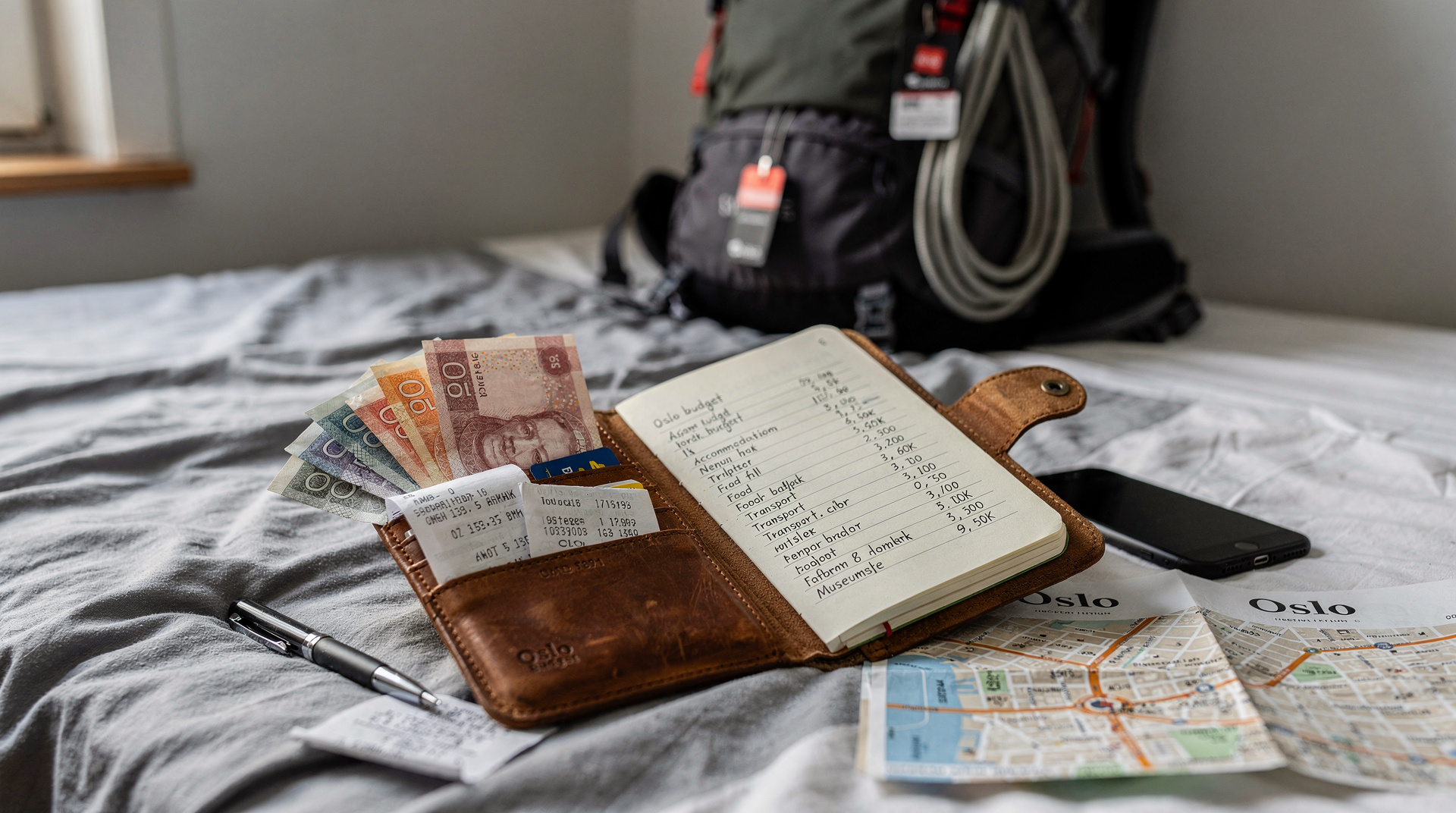
Even a “free” day in Oslo has some unavoidable cost — mainly transit and food. Here’s what an honest full free day actually costs for a solo traveller:
| Item | Cost |
|---|---|
| Ruter day pass | NOK 105 (USD 11) |
| Coffee/snack stop | NOK 60–80 (USD 6–9) |
| Lunch (grocery store or takeaway) | NOK 100–150 (USD 11–16) |
| Total for the day | NOK 265–335 (USD 28–36) |
Compare this to a single paid museum entry (NOK 140–220) plus the same food and transit costs, and the “free” day still delivers dramatically more sightseeing value per krone. For couples or families, transit and food costs scale roughly linearly, while the free attractions themselves remain free for everyone — making this approach even more favourable for groups. See the Oslo daily costs breakdown for how this compares to a typical paid sightseeing day.
How Oslo’s free offering compares to other Nordic capitals
Oslo’s density of high-quality free attractions is unusual even among its Nordic neighbours:
| City | Standout free attraction | Overall free density |
|---|---|---|
| Oslo | Vigeland Sculpture Park + Opera House roof | High — several world-class free sights |
| Copenhagen | Free museum days, canal walks | Moderate — fewer free flagship sights |
| Stockholm | Djurgården island walks, some free museum hours | Moderate |
Oslo’s advantage comes largely from Norway’s public land access tradition (allemannsretten) and from specific architectural decisions — the Opera House and the Bjørvika library were both designed as public space from the outset. See the Oslo vs Copenhagen guide and Oslo vs Stockholm guide for the fuller city comparisons, or Oslo vs Bergen if you’re deciding between Norway’s two largest cities.
Free things to do near your hotel, by area
Matching free activities to where you’re staying saves transit time:
- City centre / Oslo S area: Karl Johans gate walk, the Cathedral, Deichman Bjørvika library, the Opera House roof — all within 15–20 minutes on foot of each other.
- Frogner / west end: Vigeland Sculpture Park, the wider Frogner neighbourhood walk, and easy tram access to Aker Brygge.
- Grünerløkka / east side: Street art, the Akerselva river walk, and Grønland’s market — all walkable from most Grünerløkka accommodation.
- Aker Brygge / Tjuvholmen: The waterfront walk itself, Astrup Fearnley’s outdoor sculpture park, and easy ferry access to the fjord islands.
The where to stay in Oslo guide covers these neighbourhoods in more depth for choosing accommodation with free sights on your doorstep.
Frequently asked questions about Free things to do in Oslo
Is Vigeland Park free?
Yes. Vigeland Sculpture Park inside Frogner Park is completely free, always open, and has no ticket office. It's Oslo's most visited attraction and costs nothing.Can you walk on the Oslo Opera House roof for free?
Yes. The sloping marble roof of the Opera House is public space, open 24 hours, and always free. No ticket required, no registration. Just walk up the slope from the waterfront.Is Akershus Fortress free?
The fortress grounds and walls are free to walk at all times. The museums inside — the Resistance Museum and the Norwegian Armed Forces Museum — charge admission (NOK 80-100 / USD 9-11) but are free with the Oslo Pass.Are the Oslo fjord islands free to visit?
The islands themselves are free — there is no admission charge. The Ruter ferry to reach them costs the same as any public transport: NOK 40 for a single or NOK 105 for a 24-hour day pass. If you already have a Ruter day pass or Oslo Pass, the ferry is included.What free museums does Oslo have?
Completely free museums include the Oslo City Museum (Frogner Manor), the Norwegian Museum of Contemporary Art (Nasjonalmuseet's annex at Bankplassen), and the Stenersenmuseet. Many museums are free one evening per week — check their websites. The Astrup Fearnley Museum charges admission but its outdoor sculpture park and pier are free.
Top experiences
Bookable activities with verified prices and instant confirmation on GetYourGuide.