Oslo island hopping: Hovedøya, Gressholmen and Langøyene by Ruter ferry
Oslo: island walks — island hopping tour (3 islands)
Duration: 3 hours
- 3 islands
- Local guide
How do I island-hop in Oslo?
Take the Ruter public ferry from Aker Brygge (pier 3) or Rådhusbrygge (pier 4). Standard Ruter ticket or travel card covers all island ferries. The classic loop is Hovedøya → Gressholmen → Langøyene, or any subset. Ferries run every 20–30 minutes in summer (June–August). No booking needed.
The islands hiding in plain sight
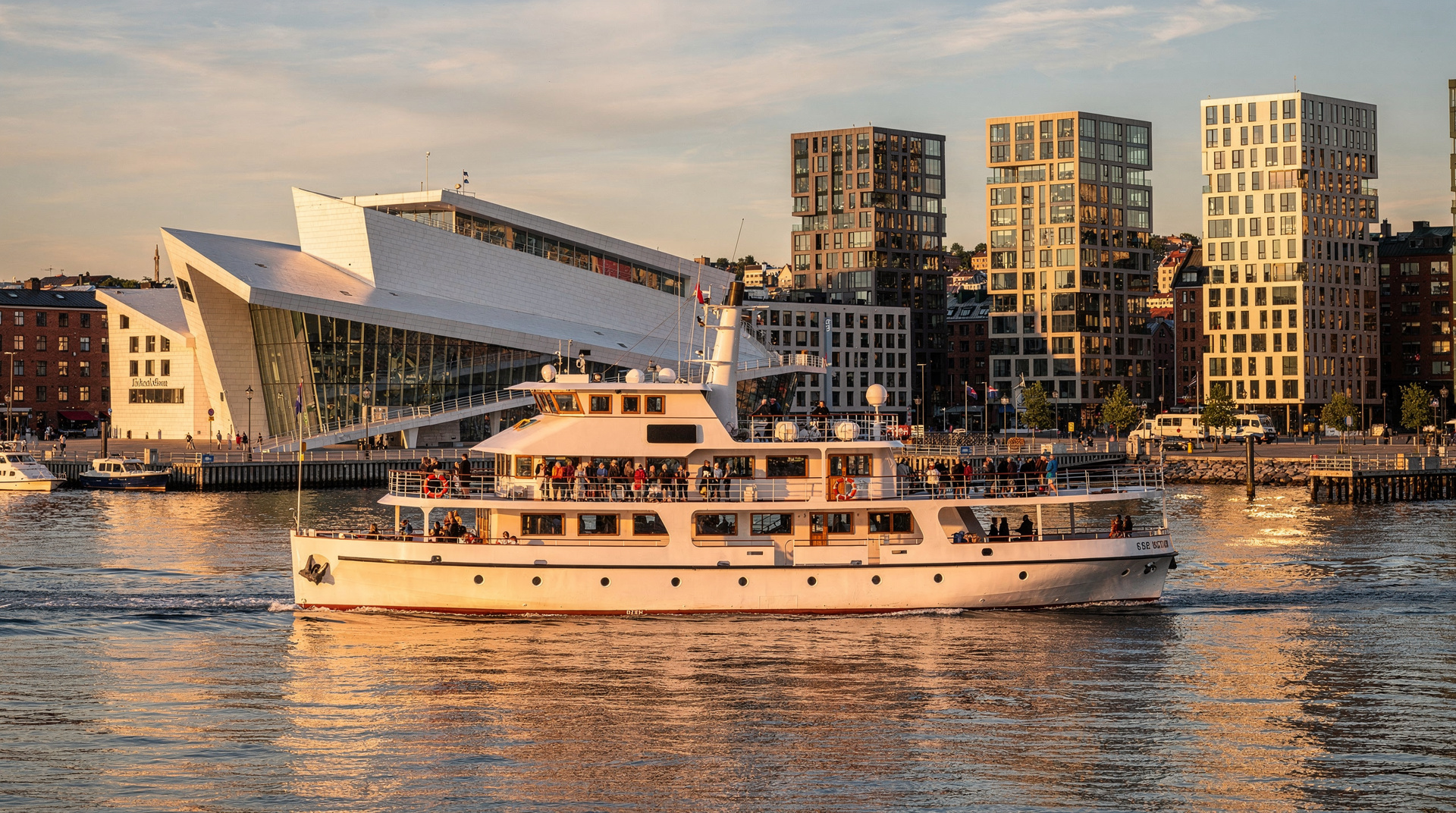
From the roof of the Oslo Opera House you can see them clearly: a scatter of forested islands sitting no more than two kilometres from the city waterfront. On summer days the ferries that connect Aker Brygge to those islands run every 20 minutes or so, carrying Oslonians with bikes, towels, and cold-box coolers toward a version of Norway that looks nothing like the expensive restaurant strip they just walked past.
Oslo’s inner fjord islands — Hovedøya, Gressholmen, Langøyene, and a handful of smaller neighbours — are among the most accessible pieces of Norwegian nature in the entire country. You buy a standard Ruter transit ticket, board a public ferry, and 8 to 25 minutes later you’re on a forested island with monastery ruins, wild swimming, and the Oslo skyline behind you. No booking, no guided tour required. This guide covers the three main islands in practical sequence, explains how to combine them, and tells you what no one else bothers to mention about each.
| Where | Ferry from Aker Brygge pier 3 or Rådhusbrygge pier 4 |
| Cost | NOK 41 single / NOK 119 day pass, free with Oslo Pass |
| Season | Roughly late April/May–September |
| Best islands | Hovedøya (history), Langøyene (beach), Gressholmen (quiet) |
| Booking | None needed — turn up and board |
The Ruter ferry system: how it works
The island ferries are not tourist boats — they’re part of the Ruter public transport network, designated routes B4 (Langøyene) and B5 (Nakholmen loop via Gressholmen and Hovedøya). The same ticket or travel card that covers your metro and tram covers these ferries. An Oslo Pass includes them automatically.
The main departure piers are at Aker Brygge (pier 3) and Rådhusbrygge (pier 4). The B5 route starts from Aker Brygge and makes stops at Hovedøya, Bleikøya, and Gressholmen before continuing. The B4 route goes directly to Langøyene. In peak summer (June–August) ferries run every 20–30 minutes; the schedule thins considerably in May and September, and the service stops entirely outside the season (roughly October to April).
Check the Ruter app for current timetables rather than relying on printed schedules — seasonal adjustments happen each year. The app also shows live positions of the island ferries.
A single Ruter ticket costs NOK 41 (USD 4.40) purchased via the app. A Ruter day pass is NOK 119 (USD 12.80) and makes sense for any day involving multiple island stops plus transport around the city. Children under 18 pay the youth fare.
Hovedøya: history, trails, and the best lunch spot
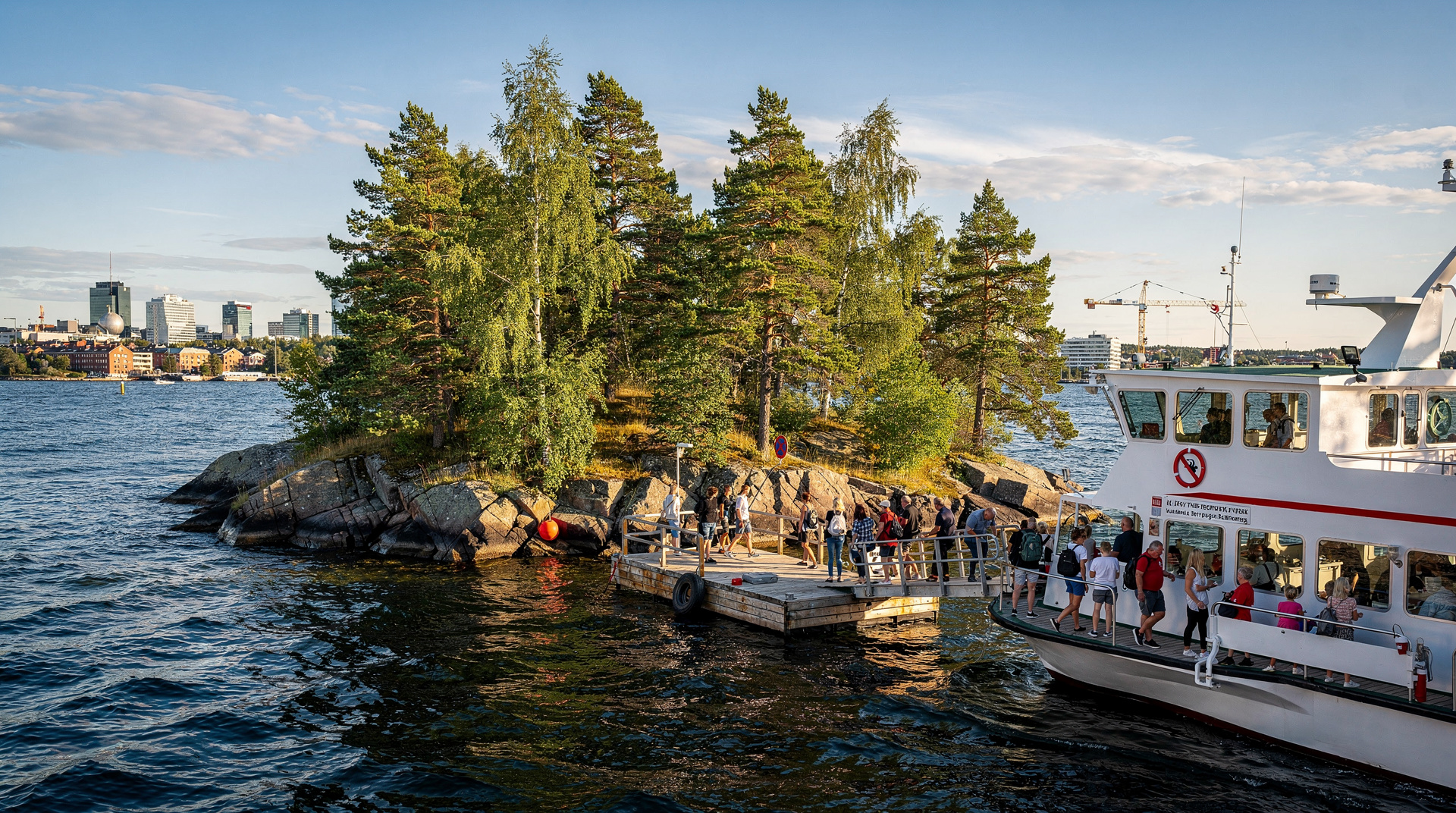
Closest to the city at just 8 minutes from Aker Brygge, Hovedøya is the island with the most content beyond swimming. The ruins of a 12th-century Cistercian monastery sit in the island’s interior, visible from the main path within five minutes of the pier. The monastery, established by monks from Kirkstead Abbey in England in 1147, was dissolved during the Reformation and subsequently stripped for building material; what remains is a section of the eastern cloister wall and the outline of the chapel floor. The setting — old stone walls in birch forest — is quietly atmospheric rather than spectacular, but it’s genuinely the oldest standing structure in the Oslo region.
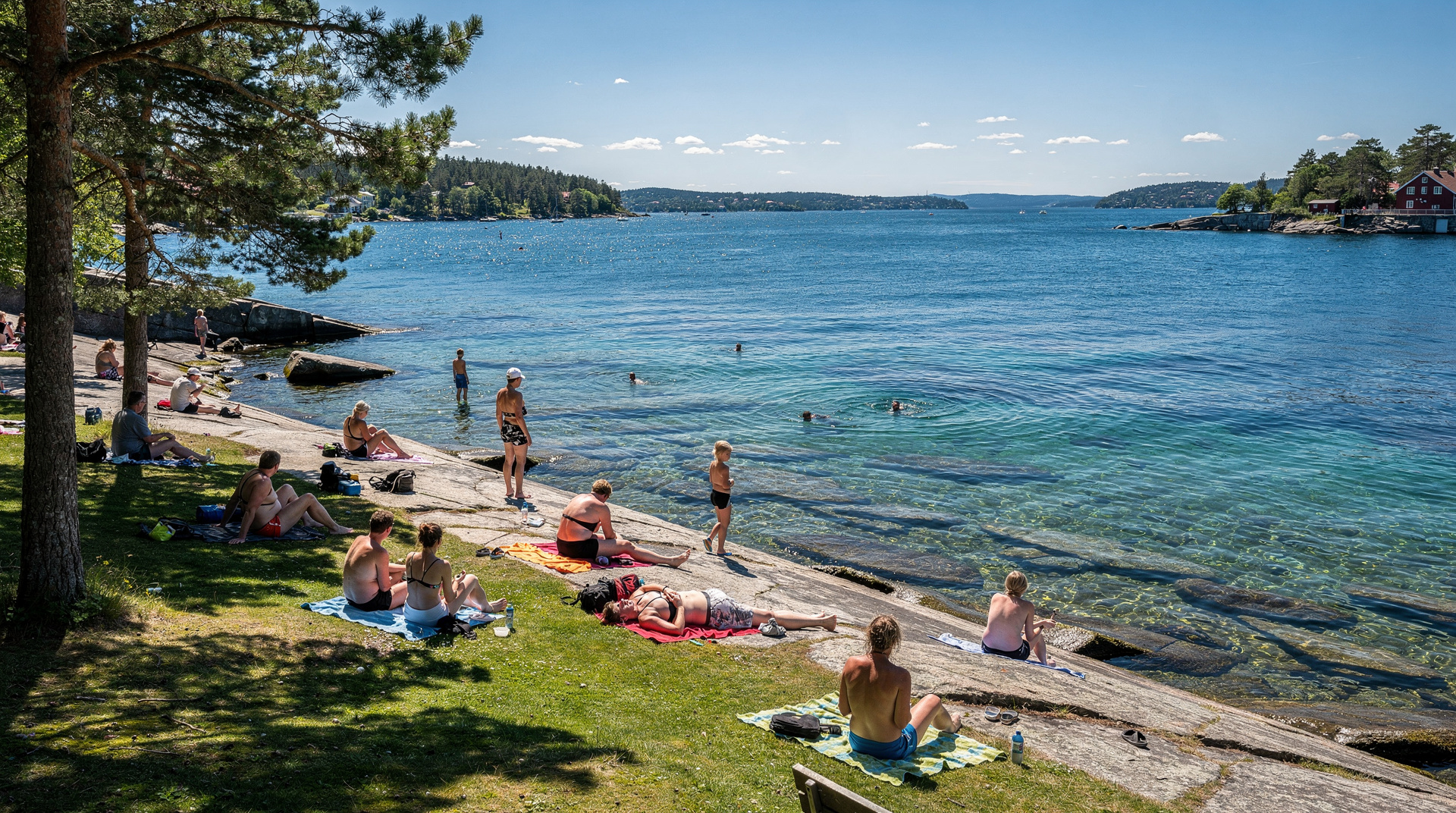
The island is about 900 metres long and criss-crossed by easy walking trails. The south-facing shore has rocky swimming spots that catch afternoon sun and face away from the city, with views over the outer fjord. These are flat rocks rather than sand, but the water is clean and the swimming is good on a warm July afternoon.
Hovedøya also has a small kiosk café near the main pier (open in season, limited menu) and some of the better shade trees of the three main islands. It’s also the most visited, which means crowds on sunny summer weekends — arrive before 11am or after 4pm if solitude matters.
The Oslo islands destination guide covers the full geography. For the monastery context, the where to see Vikings guide and the Bygdøy museums fill in the broader historical picture.
Gressholmen: quiet, flat rocks, and the best water
Gressholmen is less visited than Hovedøya and better for it. The island is lower and more exposed, with flat rocky ledges on its southern shore that are ideal for lying in the sun and entering the water directly. The water quality here is generally considered the clearest of the inner-fjord islands — less boat traffic, more exposure to fresh fjord flow from the outer basin.
The island has a small snack kiosk, a pier with ferry access, and a short walking circuit through the interior. There are no monastery ruins, no exhibitions, no organised activities. What it offers is uncomplicated access to fjord swimming in a setting that genuinely doesn’t feel urban despite being 20 minutes from central Oslo.
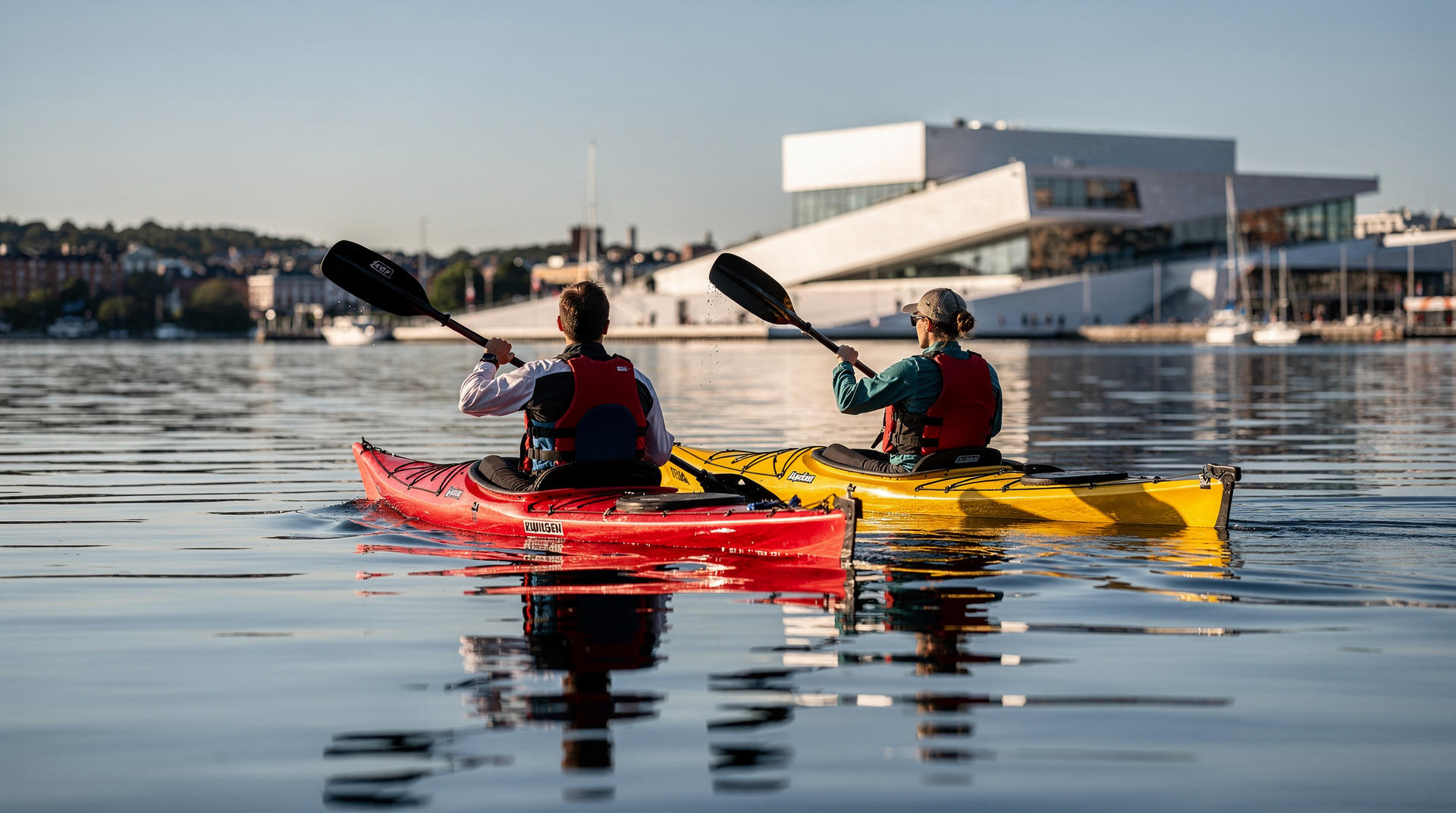
Gressholmen suits visitors who want to swim and read rather than those who want to tick attractions. It’s also popular with kayakers and stand-up paddleboarders who use the island as a rest point on longer fjord paddles. The kayaking guide covers the route from Tjuvholmen that passes Gressholmen.
Adjacent Bleikøya, a few minutes further by ferry, is even quieter and more wooded. It has no commercial facilities at all, just a small pier and forest trails. Worth knowing about for those who find Gressholmen too busy on peak days.
Langøyene: the beach island
Langøyene is the only Oslo island with a genuine sandy beach, and this distinction drives its summer popularity. On hot July days it becomes crowded — hundreds of Oslonians, groups of teenagers, families with small children, the smell of sunscreen and outdoor grilling. If you’re expecting Norwegian wilderness solitude, this is not it.
What Langøyene does well: the sandy beach is real and the swimming is good. The island has a kiosk, some toilets, and a designated camping area (the only Oslo island where overnight camping is permitted). The atmosphere on a sunny day has an end-of-term energy that’s enjoyable if you embrace it rather than resist it.
The ferry from Aker Brygge (B4 route) takes about 25 minutes. Langøyene is also the furthest of the three main islands, which means slightly cooler average wind and a slightly more dramatic skyline view back toward the city.
One honest note: Langøyene gets genuinely packed on the best summer days. If you arrive by midday on a hot Saturday in July, you’ll be sharing the beach with more people than you might expect from a public island two kilometres from a city of 700,000. Arrive early (before 10am) or go on a weekday.
Island-hopping sequence: the best order
The practical question is how to combine multiple islands in a day. The constraint is that the ferry route serves them in sequence — you can’t simply teleport between islands; you wait for the next ferry.
Classic half-day loop (3–4 hours): Take the first morning ferry from Aker Brygge to Hovedøya. Walk the monastery trail, swim from the south shore rocks. Catch the onward ferry to Gressholmen. Swim and lunch (bring your own). Return ferry back to Oslo via Aker Brygge.
Full-day loop (5–7 hours): Start at Langøyene in the morning before the crowds arrive. Return to Gressholmen via ferry. Continue to Hovedøya in the afternoon when the day-trippers have left. Evening ferry back to the city for dinner at Aker Brygge.
Single island visit (2–3 hours): Hovedøya for history + swimming, or Langøyene for beach — depending on what you want. This is the most practical approach on a half-day or with children who won’t want to wait for multiple ferries.
The Ruter app shows which ferry connects which island in which direction. The connections are not always intuitive — the B5 route loops rather than going back and forth — so look at the specific times before you commit to a sequence.
What to bring: the honest checklist
There are limited food options on the islands. Langøyene and Hovedøya have seasonal kiosks with ice cream, drinks, and simple snacks. Gressholmen’s options are more minimal. Bring your own food and plenty of water for any visit longer than a couple of hours.
Essential items:
- Food and water for the full day
- Swimwear and a towel — the water is genuinely swimmable from June through August
- Water shoes or sandals for rocky island shores (Langøyene’s sandy beach is the exception)
- Sunscreen — the fjord reflects UV significantly
- A light layer for the ferry crossing (it’s always cooler on the water)
- Cash or card for kiosk snacks (card accepted; cash useful as backup)
- A fully charged phone with the Ruter app for ferry times
What you don’t need to bring: a tent (unless camping at Langøyene), elaborate hiking gear (trails are easy), or cash specifically for the ferry (app or card handles it).
The guided island-hopping option
The structured island-hopping tours that depart from Aker Brygge offer something the DIY ferry approach doesn’t: a guide who explains the monastery ruins in context, knows the quiet swimming spots, and navigates the ferry connections so you don’t have to study the timetable. They also tend to include drinks or snacks and handle the logistics of multiple island stops efficiently.
This works particularly well if you’re visiting Oslo for only a few days and want to maximise what you see on the water without spending time studying Ruter connections. The Oslofjord cruises guide compares the different guided water options if you want to weigh the alternatives.
For the DIY approach, the Ruter system is genuinely simple once you’ve understood the two routes (B4 and B5) and the departure pier. Most visitors find it straightforward after one check of the timetable.
Combining islands with the city
The island day pairs naturally with a morning walk along the Oslo waterfront from Bjørvika to Aker Brygge — the Opera House rooftop lookout, the Munch Museum exterior, the sculpture walk toward Tjuvholmen. This takes about 90 minutes and leaves you at the Aker Brygge ferry pier in good time for a late-morning island departure.
In the evening, the return ferry drops you back at Aker Brygge with plenty of dining options. The restaurants immediately on the quay are overpriced tourist traps; walk two blocks inland for better food at better prices. The Oslo restaurants guide has specific recommendations near Aker Brygge for post-island evenings.
The Oslo and Oslofjord islands day itinerary combines the ferry sequence with specific city sights into a single planned day.
Season, weather, and timing
The island season is genuinely short by northern European standards: mid-June through late August gives the best combination of warm water, long days, and frequent ferry service. May has the ferry running but the water is cold (below 15°C) and the kiosks may not yet be open. September can be beautiful — less crowded, often warm enough to swim until mid-month — but the ferry schedule reduces and some facilities close.
The practical sweet spot is early July to mid-August for the full experience. Avoid hot Saturday afternoons at Langøyene unless crowd tolerance is high. Weekday visits in July are notably quieter than weekends.
Oslo’s summers feature genuinely long daylight: 18–19 hours of light at midsummer (late June) means island evenings are possible until 9 or 10pm with full sun. This is one of Oslo’s better summer advantages for visitors — an island evening swim at 8pm in July is something London, Paris, or Berlin simply cannot offer.
The Oslo in summer guide covers the broader seasonal context and what else to do with the long June–August days.
Getting to the ferry pier
The departure piers (Aker Brygge pier 3, Rådhusbrygge pier 4) are easily reached:
- On foot from the city centre: Karl Johans gate to Rådhuset, then right along the waterfront. About 15 minutes from Oslo S station.
- By tram: Tram 12 or 13 to Aker Brygge (stop: Aker Brygge). One stop from the National Theatre.
- By metro: Nationaltheatret station, then a 10-minute walk down Ruseløkkveien to the waterfront.
No specific parking infrastructure exists near the piers — public transport is clearly the right approach for an island day that starts and ends at the waterfront.
Practical details
Toilets: available at the main piers of each island (seasonal); none on the trail circuits.
Dogs: allowed on the islands but rules vary by beach area. Langøyene has a designated dog-free swimming zone. Dogs on leads generally permitted elsewhere.
Bikes: can be taken on the island ferries; useful for Gressholmen and Langøyene’s wider circuits.
Accessibility: the main piers are accessible; island trails are unpaved and rocky — not suitable for wheelchairs. Langøyene’s beach area near the pier is the most accessible terrain.
Mobile coverage: good near the piers; patchy in island interiors.
The getting around Oslo guide covers the Ruter system in full, including how to buy tickets and activate day passes. The Oslo Pass guide explains whether the pass is worth it for an island day versus buying individual tickets.
Which island suits you: a comparison
| Hovedøya | Gressholmen | Langøyene | |
|---|---|---|---|
| Ferry time from Aker Brygge | 8 min | ~20 min | ~25 min |
| Beach type | Rocky coves | Flat rocks | Sandy beach |
| Crowds | Busiest of the three | Quiet | Busiest on hot weekends |
| History/sights | 12th-century monastery ruins | None | None |
| Camping | Not permitted | Not permitted | Permitted (dedicated area) |
| Best for | First-timers, a bit of everything | Solitude, clearest water | Families, sandy-beach swimming |
Alternatives if the ferry season is over
Outside the roughly late April to September ferry window, the islands are only reachable by private boat, which puts them out of reach for most visitors. If you’re in Oslo in shoulder season or winter and still want fjord time, the winter fjord cruise and the year-round floating saunas at Tjuvholmen are the realistic substitutes — neither lands you on an island, but both put you directly on the water. The Oslofjord cruises comparison covers what actually runs by month.
Frequently asked questions about Oslo island hopping
How much does the Oslo island ferry cost?
The island ferries are standard Ruter routes — covered by a single Ruter ticket (NOK 41 / USD 4.40 with app) or a day pass (NOK 119 / USD 12.80). Oslo Pass holders travel free. No separate island ferry ticket exists.Which Oslo island is best for swimming?
Langøyene has the only sandy beach and is the most popular swimming island. Gressholmen has flat rocks and cleaner water. Hovedøya has rocky coves on the south side. All three are good; Langøyene suits families, Gressholmen suits those wanting quiet.Can you wild-camp on the Oslo islands?
Camping is permitted on Langøyene (dedicated camping area, no facilities, bring everything) from late June to mid-August. Camping is not permitted on Hovedøya or Gressholmen. No booking required for Langøyene camping; first-come, first-served.Do the island ferries run in winter?
The Ruter island ferry service is seasonal — typically late April/early May through September. Outside this window, the islands are accessible only by private boat. Some years the schedule extends slightly depending on weather. Check the Ruter app for current dates.What should I bring for a day island-hopping in Oslo?
Pack a picnic (no restaurants on Gressholmen; limited options on Langøyene and Hovedøya). Bring swimwear and a towel for rocky or beach swimming, sunscreen, water, and shoes with grip for rocky terrain. There are no lockers or storage on the islands.How long does the ferry take to each island?
From Aker Brygge: Hovedøya is 8 minutes, Gressholmen about 20 minutes, Langøyene about 25 minutes. The ferry route stops at multiple islands in sequence; exact timing varies by departure pier and route direction.Which island should I pick if I only have time for one?
Hovedøya for history and easy swimming close to the city, Langøyene for a genuine sandy beach and family atmosphere, or Gressholmen for the quietest water and fewest crowds. First-timers who want a bit of everything in a short window generally do best at Hovedøya, since it's closest and combines a monastery site with decent swimming.Can you combine the islands with kayaking or paddleboarding?
Yes. Independent kayak and SUP rentals from Tjuvholmen and Aker Brygge let you paddle out to Gressholmen or the closer islands under your own power, and several guided kayak tours use the islands as a rest and swim stop. It's a slower, more physical alternative to the Ruter ferry, best suited to confident swimmers and calm-weather days.
Top experiences
Bookable activities with verified prices and instant confirmation on GetYourGuide.
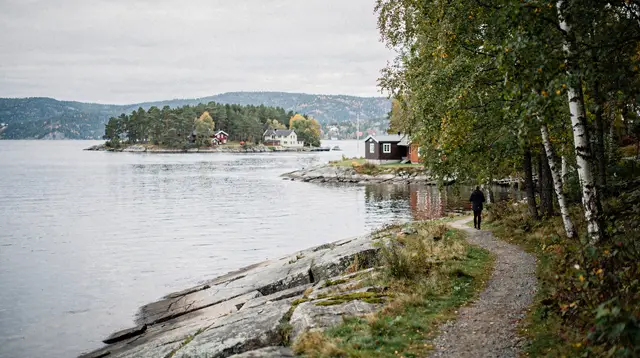
Oslo: Hovedøya and Nakholmen island hopping tour
- Hovedøya
- Swimming spots
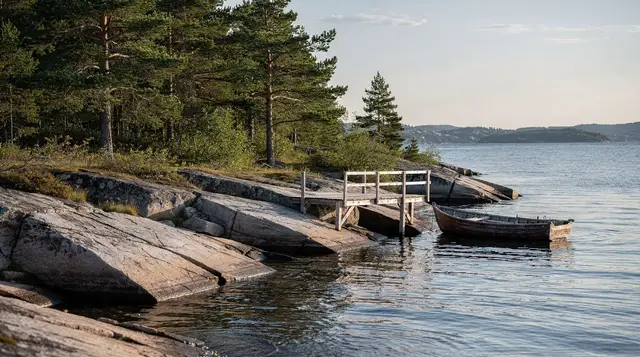
Oslo: nature walks island hopping tour
- Island hopping
- Public ferry
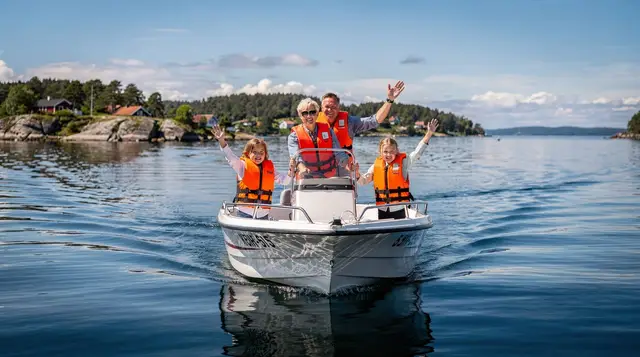
Oslo: private Oslo island hopping tour
- Private tour
- Flexible
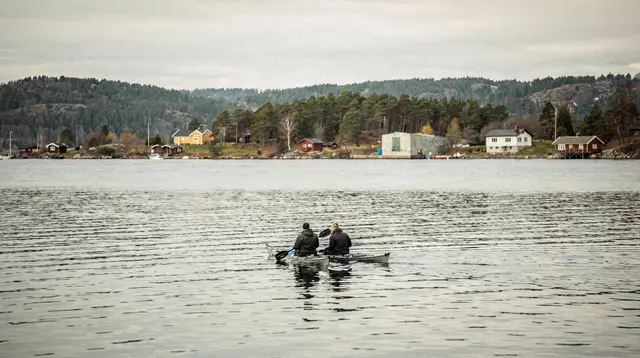
Oslo: 3-hour kayaking trip on the Oslofjord
- Kayak + gear
- Guided
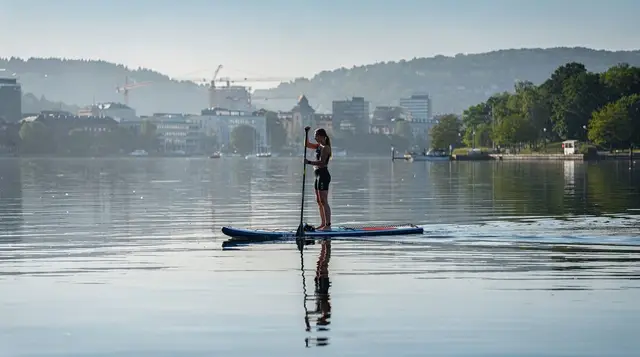
Oslo: stand-up paddleboard rental with safety briefing
- SUP rental
- Summer