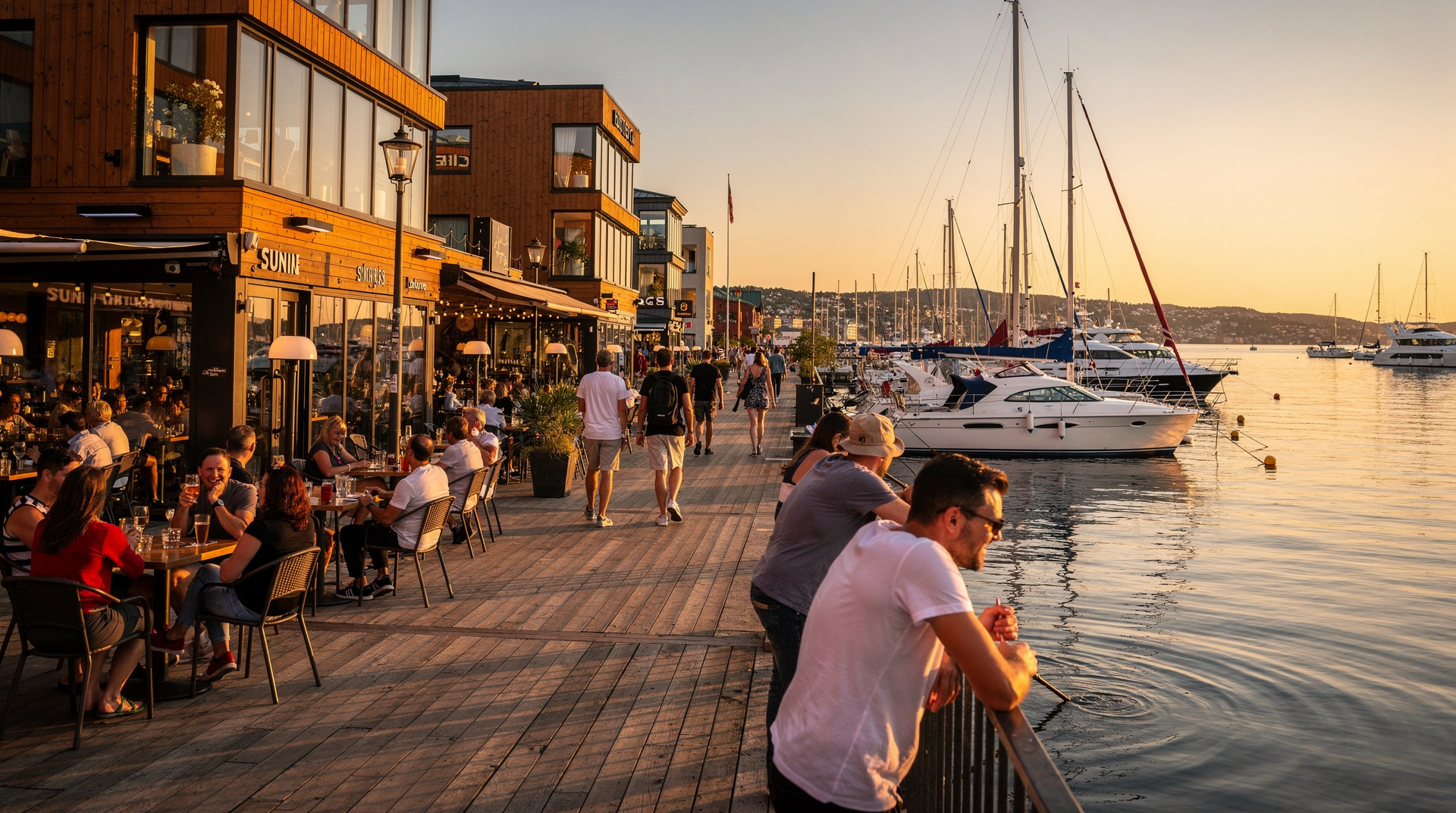
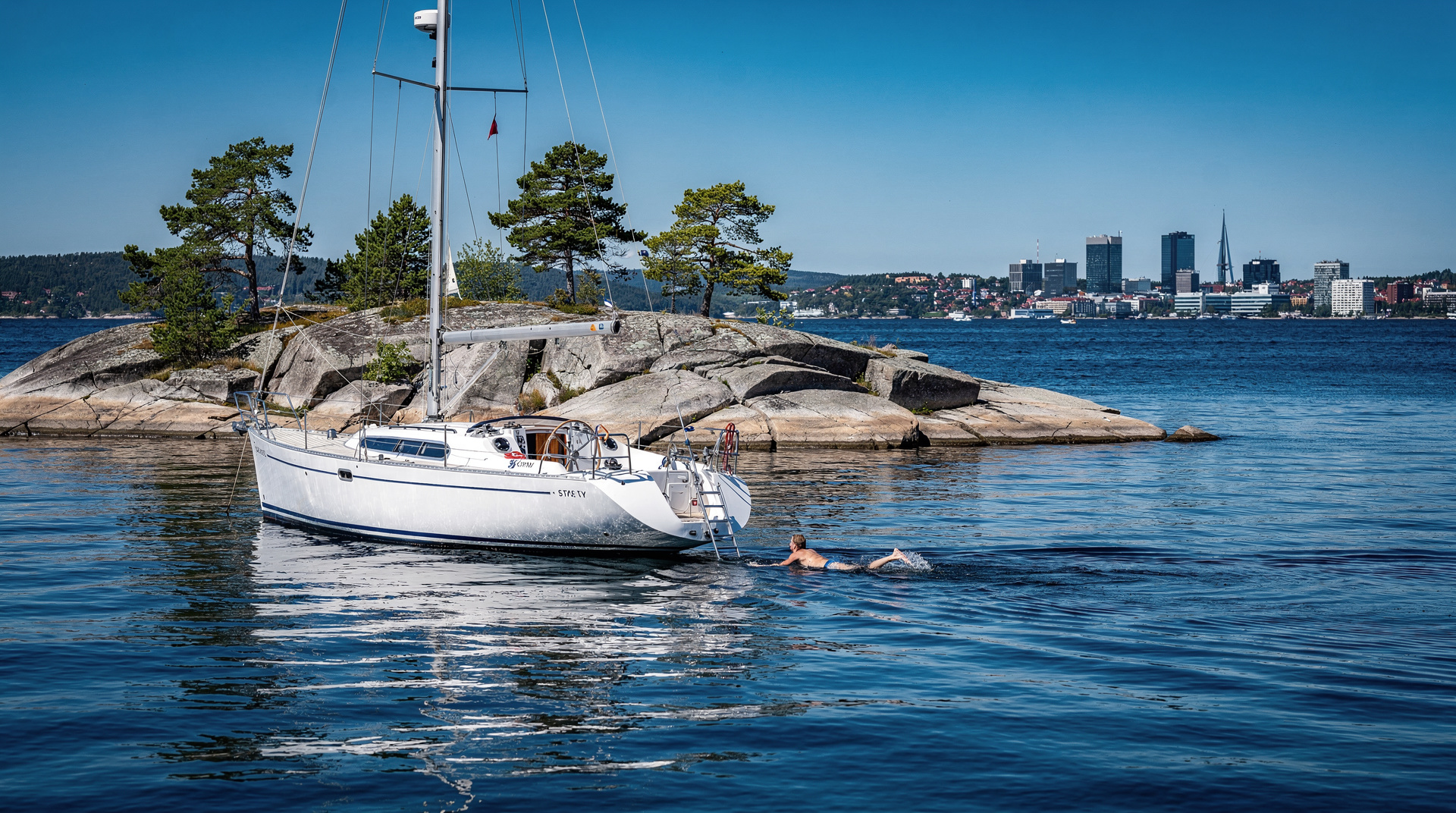
Oslo island hopping: a perfect day on the Oslofjord islands
Oslo: island walks — island hopping tour (3 islands)
Duration: 3 hours
- 3 islands
- Local guide
A day on the Oslofjord islands: Oslo’s best-kept secret
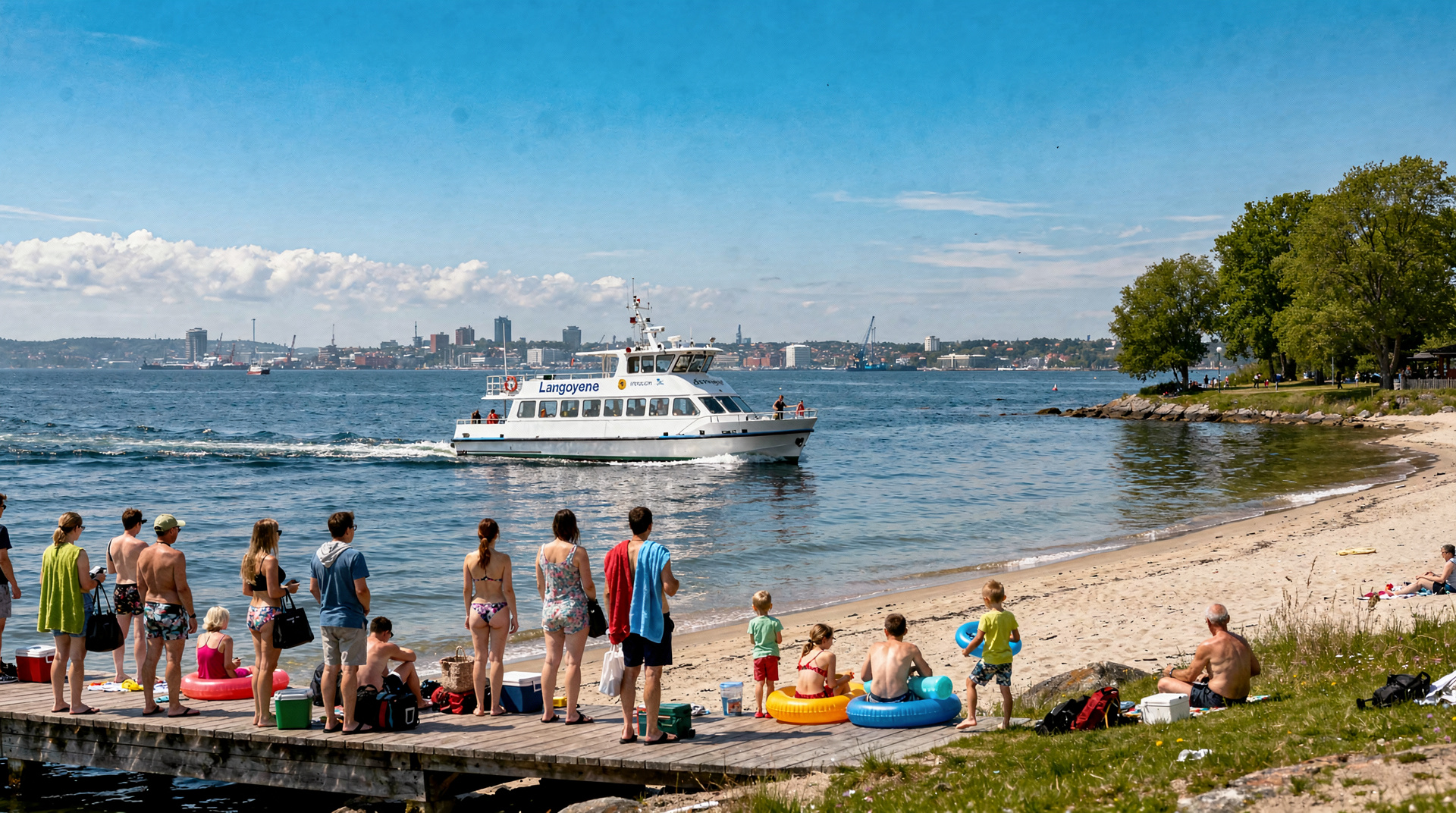
Oslo has its own archipelago. Within 15–25 minutes of Aker Brygge by public ferry, the Oslofjord islands offer white-pebble beaches, medieval monastery ruins, WWII bunkers, bird sanctuaries, and the cleanest bathing water in the region. On a summer Saturday, Oslo’s residents descend on the islands en masse — and yet the islands never feel crowded in the way that popular coastal resorts do. There is simply enough space.
The ferry is ordinary Ruter public transport. If you have the Oslo Pass, the crossing is free. If not, a standard Ruter ticket (NOK 42 / ~USD 4.5 per journey) covers it. The experience — paddling in the fjord, lying on warm rocks, eating a picnic with a view of Oslo’s skyline across the water — costs approximately the same as a coffee in a London café.
Season: Island ferries run April–October. The guided island hopping tour operates May–September. Do not attempt this day in winter — the ferries are extremely limited and the beaches are frozen.
Best months: July and August for swimming (water temperature 20–22°C). June and September for fewer crowds and still-good weather. May and October for birding and solitude.
| Where | Hovedøya, Gressholmen, Nakholmen, Langøyene |
| Cost (budget) | Around NOK 400–600 / ~USD 43–65 per person |
| Time needed | A full day, roughly 09:30–19:00 |
| Getting there | Ruter ferry B1/B2 from Rådhusbrygge 4, Aker Brygge |
| Best time | July–August for swimming; June/September for fewer crowds |
Where to catch the ferry
Rådhusbrygge 4 (City Hall pier 4), Aker Brygge
The island ferries depart from the fourth pier west of Oslo City Hall, a 3-minute walk from the Aker Brygge main waterfront. Look for the red-and-white Ruter ferries. The schedule is on the Ruter app or ruter.no — ferries typically run every 30–45 minutes in summer (more frequently on weekends).
Main ferry lines:
- B1 to Hovedøya (5–10 minutes) — closest island, most historically interesting
- B2 to Gressholmen then Nakholmen then Langøyene (15–25 minutes) — best for swimming and nature
Cost: NOK 42 / ~USD 4.5 single ticket, free with Oslo Pass or Ruter period pass. Children under 4 are free; children 4–17 pay half price.
The islands: what to expect at each
Hovedøya — history and monastery ruins
Hovedøya (population: 0 permanent residents) is 5 minutes from the mainland and the most historically interesting of the Oslo islands. The island has been inhabited for 9 000 years; a Cistercian monastery was built here in 1147 and lasted until the Reformation in 1532. The ruins are still substantial — stone walls, archways, and a well-preserved section of the original abbey church visible in the northeast part of the island.
What to do on Hovedøya:
- Walk the monastery ruins (free, no guided interpretation on site — bring a history summary or join the guided island hop)
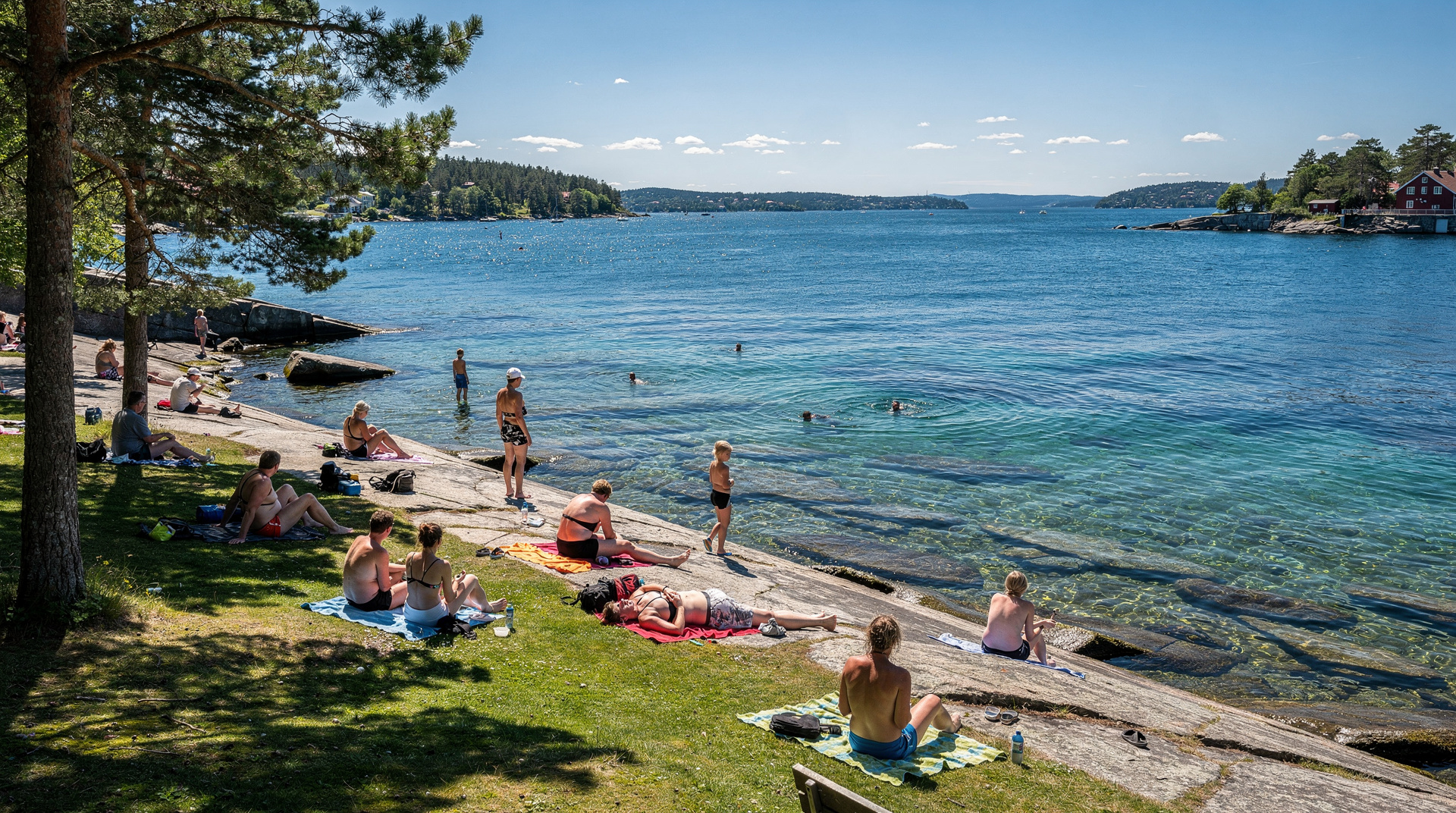
- Swim at the eastern beach (pebble and smooth rock, clear water, views toward the city)
- Walk the island circuit (~3 km, 60–75 minutes for the perimeter)
- Visit the small café/kiosk by the dock (open in summer season, simple hot food and drinks, NOK 70–160 / ~USD 7.5–17)
Historical note: Hlavøya was used as a gunpowder storage island in the 19th century; several magazine buildings survive. In WWII it was an observation post.
Best time: Midweek. On summer weekends, Hovedøya is popular with sunbathers and the dock area gets crowded around mid-afternoon.
Gressholmen — birds and bunkers
Gressholmen (20 minutes from city) is a nature reserve and bird sanctuary. The island has no swimming beach but compensates with walking paths through dense scrub vegetation, excellent birdwatching (cormorants, eider ducks, various waders), and the ruins of Oslo’s first airport (Gressholmen seaplane base, 1927–1939). A café in a historic building serves coffee and simple food in summer.
The combined Gressholmen-Nakholmen landmass (connected by a causeway at low tide) rewards 60–90 minutes of walking. The WWII anti-aircraft battery at the north end of the island is preserved in reasonably good condition.
Best for: nature, birdwatching, historical interest, quiet. Not the best choice for families with young children seeking beach time.
Langøyene — Oslo’s best beach island
Langøyene (25 minutes from city) is the most beach-focused of the main islands. The southern end has a sandy and pebbled beach with lifeguard supervision in July–August, toilet facilities, and a summer kiosk. Water temperature in July: 20–22°C. The island is flat and easy to walk across in 15 minutes.
Important note: The island has a designated naturist section at the southern tip (clothing optional). The main beach immediately north of this is regular swimwear. Both sections are clearly marked.
What to bring: Towel (no rentals), food and drinks (the kiosk has limited options and queues on hot days), sunscreen, and something to lie on — the beach is pebble-and-rock rather than sand at most points.
Langøyene is the right choice if: swimming is your priority, you have young children, or you want a relaxed beach day rather than historical exploration.
Nakholmen — the hidden residential island
Nakholmen (connected to Gressholmen by causeway) is the only Oslo island with permanent summer residents — around 60 small red wooden cabins owned by Osloites who live there May–September. It is not a tourist island but it is possible to walk through the cabin community and around the island’s walking paths (respect private areas). Very quiet; a striking example of how Oslo residents actually use the fjord.
The guided island hopping tour (recommended)
The guided 3-island tour covers Hovedøya, Gressholmen/Nakholmen, and Langøyene in 3 hours with a local guide who provides historical and ecological context at each stop. The guide handles ferry timing and logistics — important since the ferries do not always connect smoothly for independent island-hoppers trying to see three islands efficiently.
Tour runs May–September, approximately 09:30 and 14:00 departures. Adults ~NOK 480–520 / ~USD 52–56. Includes public ferry tickets. Full details in our island hopping guide.
When to do the guided tour vs independent: The guided tour is best for first-timers who want context. Independent island hopping is better if you want to spend 3+ hours on one island (typically Langøyene for swimming) rather than visiting three islands in sequence.
Suggested day plan: independent island hopping
09:30 — Depart from Rådhusbrygge 4
Take the B1 ferry to Hovedøya. Arrive ~09:40. Spend 60–75 minutes exploring the monastery ruins and eastern beach.
11:00 — Walk Hovedøya circuit
The perimeter walk takes 60 minutes at a relaxed pace. Pick a spot on the eastern shore for a coffee from the kiosk or your own thermos. The view back toward Oslo’s Opera House and the Barcode buildings from Hovedøya’s east shore is one of the city’s best urban photographs.
12:30 — Ferry to Langøyene (via Gressholmen)
Take the B2 ferry from Hovedøya pier. The ferry calls at Gressholmen (15 minutes — optional disembark for 30 minutes if you want to see the seaplane base ruins, then re-board) before continuing to Langøyene.
13:15 — Arrive Langøyene
Set up for a picnic lunch on the beach. Swim if the weather and your cold tolerance allows. Langøyene deserves 2–3 hours minimum.
Picnic supplies: Buy at Rema 1000 near Aker Brygge before departure. A generous picnic — smørbrød, cured fish, fruit, snacks — costs NOK 150–250 / ~USD 16–27 per person from a supermarket. The island kiosk exists but is expensive and often queued.
16:00 — Final swim and beach time
Late afternoon Langøyene is quieter than midday. The summer light at 16:00 is warm and low — excellent for swimming and photos.
17:00 — Return ferry to Oslo
The B2 ferry runs throughout the afternoon. Return journey to Rådhusbrygge 4 takes ~25 minutes.
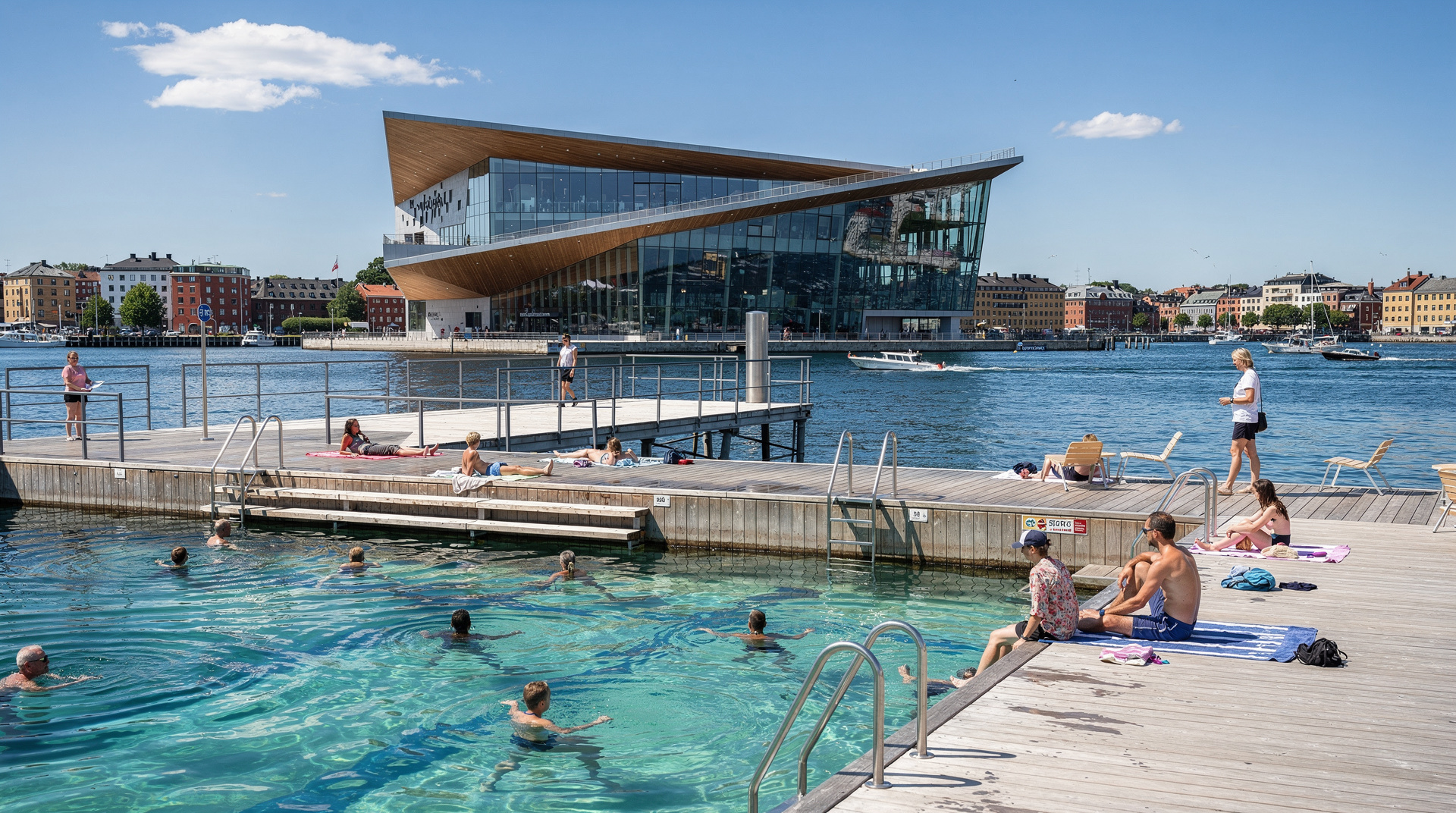
17:30 — Floating sauna at Tjuvholmen (optional)
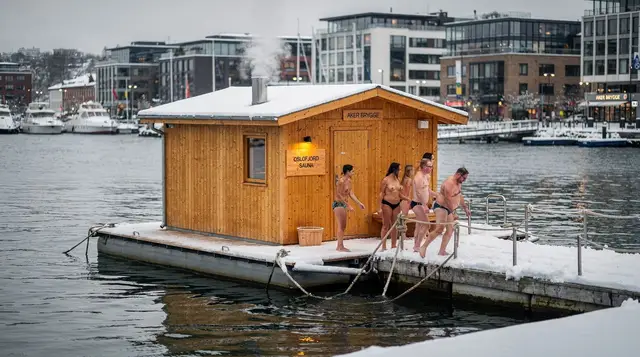
For the classic Oslo experience: return from the islands and walk 10 minutes to Tjuvholmen for a late-afternoon floating sauna session. Combine the day’s water activities with a proper Norwegian heat recovery. Book in advance (NOK 200–250 / ~USD 21–27). See our sauna guide.
19:00 — Dinner at Aker Brygge
After a day on the water, dinner at the waterfront makes natural sense. Mid-range: Hav (Stranden 13, seafood, NOK 280–400 / ~USD 30–43 for mains) or one of the harbour kiosks for a quicker, cheaper option (fish and chips ~NOK 165 / ~USD 18).
Alternative option: fjord evening cruise to end the day
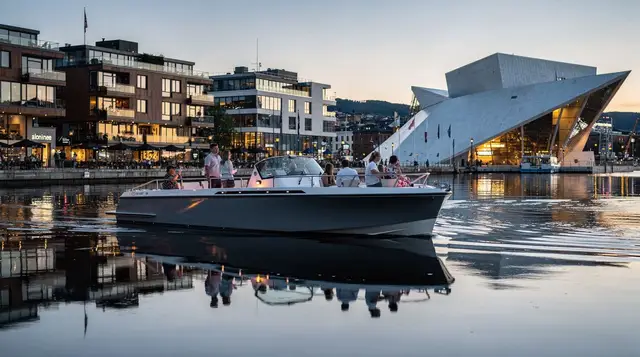
If you prefer a guided water experience in the evening, the silent electric fjord cruise from Aker Brygge (~19:00–21:00 departure in summer) pairs perfectly with a day on the islands. The guide narrates the history of the same fjord you spent the day on from water level. ~NOK 600 / ~USD 64. Book separately. See our electric cruise guide.
Choosing your island focus
Not every visitor wants to hop between all three destinations. The table below compares the two realistic ways to spend the day, useful if you would rather commit to one island than split time across several ferry rides.
| Approach | Best for | Time on ferries | What you get |
|---|---|---|---|
| Three-island hop (guided or independent) | First-time visitors, history and nature interest | 45–60 minutes total | Monastery ruins, bird sanctuary, one beach stop |
| Single-island focus (Langøyene) | Swimming, families, relaxed pace | 25 minutes each way | 4–5 hours of genuine beach time, no rushing |
If swimming is genuinely your priority, skip the multi-island hop and take the direct B2 ferry to Langøyene, spend the whole day there, and use the time you would have spent on connecting ferries on the beach instead. First-timers curious about the monastery history and the bird sanctuary get more out of the three-island version.
Combining the islands with the rest of Oslo
This day trip pairs naturally with the rest of an Oslo visit rather than standing alone. If you are building a longer trip, slot this island day into the middle of a 3-day itinerary or the 5-day summer itinerary, both of which include island time as one component among several. On its own, it also works well as a low-key second day after a museum-heavy first day, since it requires no advance planning beyond checking the ferry timetable.
Other ways to use the islands and the fjord
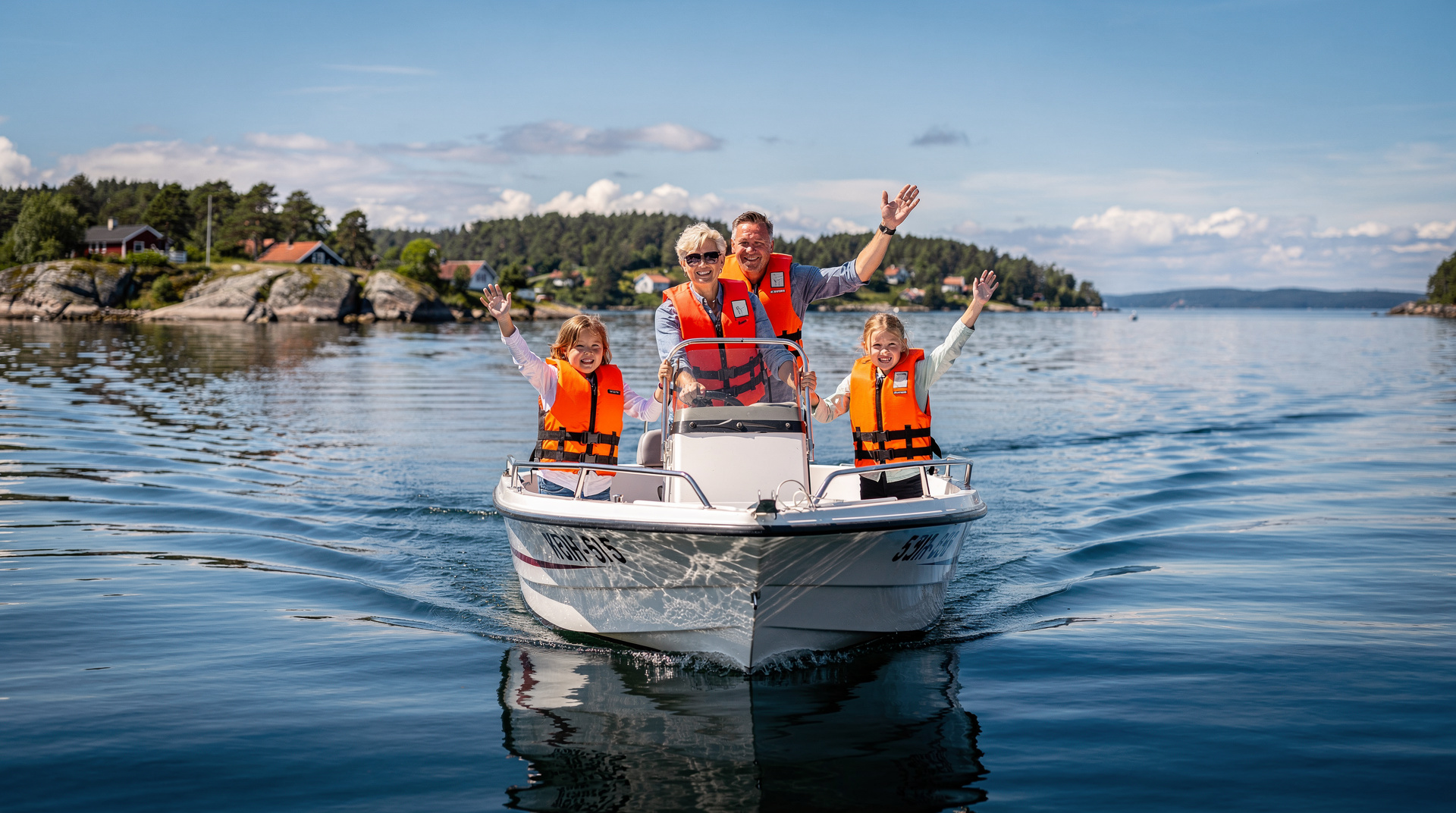
The islands are only one way to spend time on the water. If the weather turns, or you want a different angle on the same fjord, our guide to Oslofjord cruises and the comparison of which Oslofjord cruise to pick help you choose. Active travellers can swap the ferry for kayaking on the Oslofjord or a stand-up paddleboard session, and the wider Oslo swimming spots and Oslo beaches guides cover the mainland alternatives. For the broader picture of the archipelago, see the Oslo islands destination page and the Hovedøya island guide.
Getting the ferry logistics right
Because the crossing is ordinary public transport, the practical details live in our Ruter public transport guide and the Oslofjord ferries guide. Read them before you go if you have never used the Ruter app. If you are weighing whether the Oslo Pass pays off, the Oslo Pass guide explains what it covers beyond the island crossings, and getting around Oslo places the ferry within the rest of the city’s transport.
Planning the days around your island day
Because this day depends on weather, it helps to keep a flexible plan. The best time to visit Oslo and Oslo in summer guides show when the islands are at their best, and if you travel with children the Oslo with kids guide fits naturally with a beach day on Langøyene. If you only have one day in the city, compare this plan with the Oslo in 1 day itinerary before you commit.
What the islands lack
Being honest about the limitations: there is no real food beyond summer kiosks, no shade shelter if the weather turns hot, and no rental equipment for swimming or camping. This is a bring-your-own-everything day. If that sounds like more logistics than you want, the guided island hopping tour removes some of the planning burden (ferry timing, what to see at each stop) but does not solve the food and equipment gap — you still need to pack your own lunch and towel either way.
Practical notes for an island day
What to pack:
- Swimwear and towel (no rentals on islands)
- Sunscreen — Norwegian summer sun at 59°N is stronger than expected
- Rain jacket — weather can change quickly even in July
- Packed food and water for the full day
- Ruter app on your phone for ferry schedules (or download the PDF timetable)
- Cash NOK 200–300 for the island kiosk (card accepted at most but not all kiosk points)
Safety note: The Oslofjord is cold even in summer (18–22°C). Do not swim near ferry routes. The designated swimming areas on Langøyene and Hovedøya are safe; open-water swimming elsewhere requires awareness of boat traffic.
Getting back: The last ferry from Langøyene runs around 21:00 in peak summer. Check the exact last departure on the Ruter app before you go — missing the last ferry means waiting for the next one (usually 30 minutes, or chartering a water taxi at significant expense).
Frequently asked questions about Oslo island hopping
Which is the best Oslo island for swimming?
Langøyene has the best swimming beach — widest, supervised by lifeguards in July–August, and the warmest water. Hovedøya has better swimming spots on the east shore for those who want to avoid crowds. Gressholmen is not primarily a swimming island.
Can I camp on the Oslo islands?
Camping is allowed on most of the islands except Nakholmen (private cabins). Hovedøya has designated camping areas. You need a tent, sleeping bag, and to book a space at oslo.kommune.no in advance during peak summer. Fires are strictly prohibited on the islands.
Are the islands accessible for people with mobility limitations?
The ferry boarding requires stepping across a gap that may be challenging in rough conditions. Hlavøya’s paths are unpaved and rocky in parts. Langøyene beach is accessible at the main landing point. Contact Ruter in advance for specific accessibility information.
Do the islands have restaurants?
Small summer kiosks only — limited hot food, drinks, ice cream. Bring your own food for a proper meal. The kiosk on Grundøya may close outside July–August. Do not rely on island catering.
Is the guided island hopping tour worth the cost?
For a first-time visitor who wants context (history of the monastery, ecology of the bird sanctuary, best swimming spots at each island), the guided tour at ~NOK 500 is worthwhile. For repeat visitors or those who just want a beach day, independent hopping on the Ruter ferry is cheaper and equally enjoyable.
What is the water quality in the Oslofjord?
The inner Oslofjord water quality is monitored daily by Oslo municipality and is generally very good at designated swimming spots. Historical pollution from industrial Oslo has been significantly cleaned up. The Folkehelseinstituttet (Norwegian Institute of Public Health) publishes bathing water quality reports — check oslo.kommune.no/badetemperaturer for current data.
Top experiences
Bookable activities with verified prices and instant confirmation on GetYourGuide.
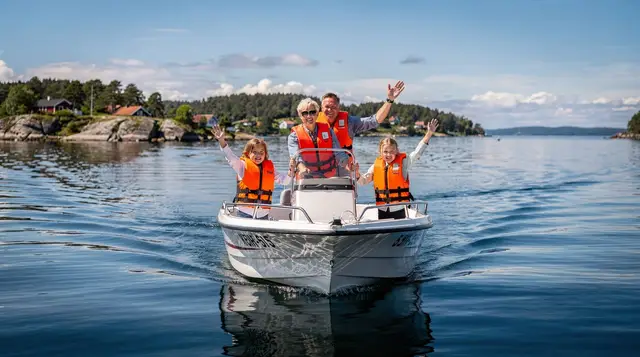
Oslo: island walks — island hopping tour (3 islands)
- 3 islands
- Local guide
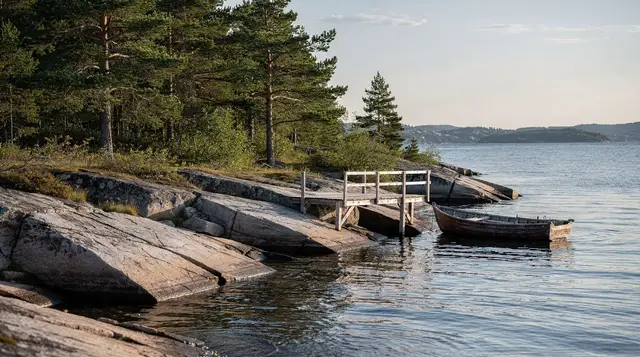
Oslo: nature walks island hopping tour
- Island hopping
- Public ferry
Oslo: self-service public floating sauna ticket, Tjuvholmen
- Floating sauna
- Fjord swim
Oslo: guided sightseeing fjord cruise on a premium silent electric boat
- Silent electric boat
- Free cancellation
- Best seller