Family fjord activities near Oslo: islands, kayaking and kid-friendly water days
Oslo: island walks — island hopping tour (3 islands)
Duration: 3 hours
- 3 islands
- Local guide
What are the best fjord activities for families with children in Oslo?
Top picks: Langøyene island by Ruter ferry (sandy beach, 25 min), guided island-hopping tours on the inner fjord, SUP rentals from Aker Brygge (from age 8–10), and the Drøbak day trip (50 min by bus, fjord town with Christmas house and beach). All run May–September. Budget NOK 41–400 per child depending on activity.
Oslo’s fjord is the best family resource the city has
Every Oslo family travel resource mentions the museums. The Bygdøy museums are excellent, covered in the family museums guide. But the thing that genuinely makes summer Oslo exceptional for families — and separates it from other expensive Nordic cities — is the fjord access.
Within 8 to 25 minutes of central Oslo by public ferry, you reach a network of forested fjord islands with sandy beaches, rocky swimming coves, and trails through mixed forest. These islands are free (or near-free — the Ruter ferry ticket is NOK 41 / USD 4.40) and they absorb children with the kind of uncomplicated outdoor energy that no museum can replicate.
This guide covers every family-appropriate fjord activity from the simple island ferry to guided boat tours, kayaking, and the Drøbak day trip down the fjord.
| Where | Aker Brygge pier (ferries), Tjuvholmen (kayak/SUP rental) |
| Best age range | 2–12 for beach/ferry days; 6+ for kayaking; 8+ for SUP |
| Cost | Free–NOK 41 for the island ferry; NOK 200–900 for guided activities |
| Season | May–September for most activities |
| Booking | Ferries need no booking; guided kayak/cruise tours book ahead in July–August |
The Ruter island ferry: lowest barrier, highest reward
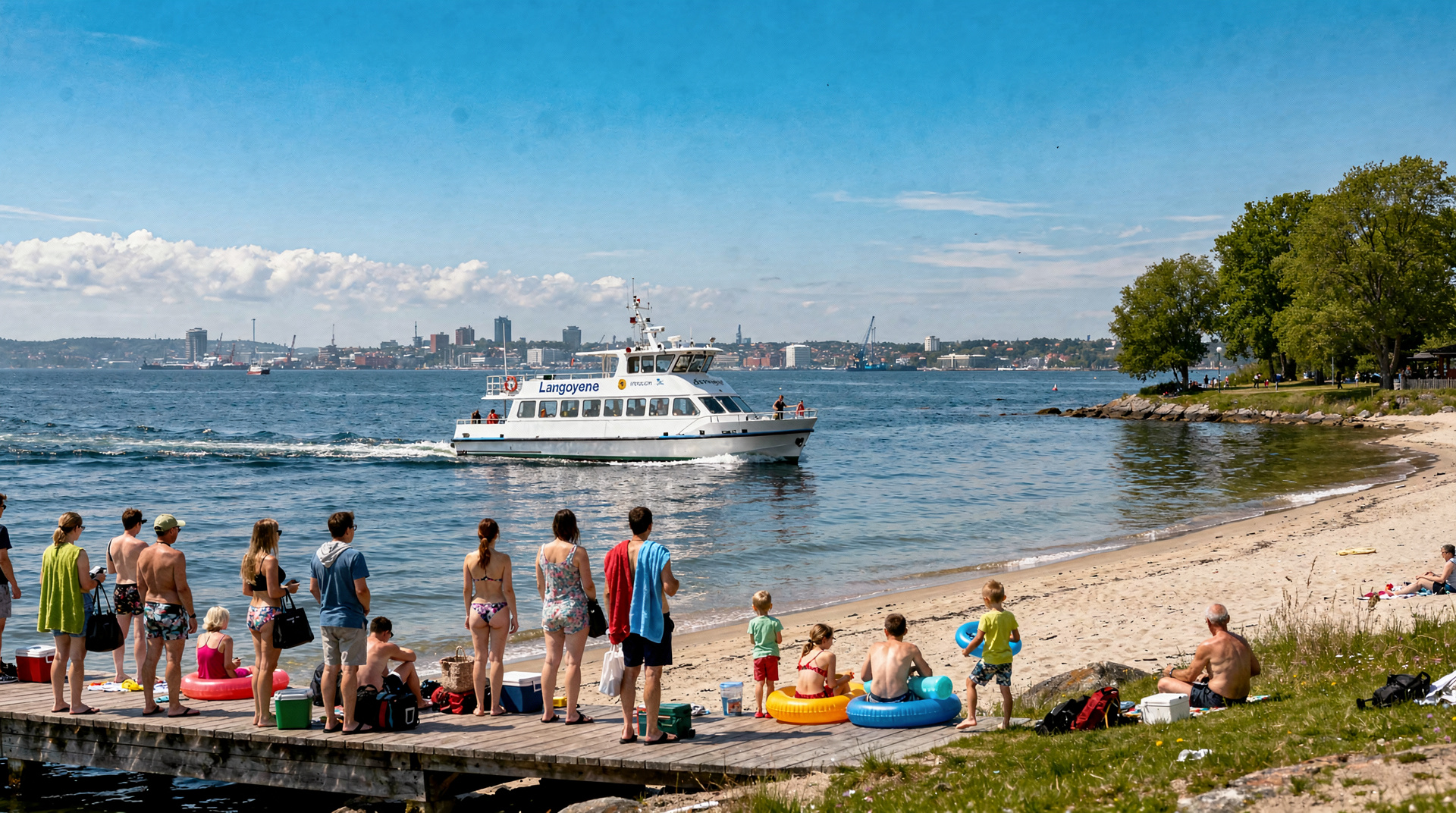
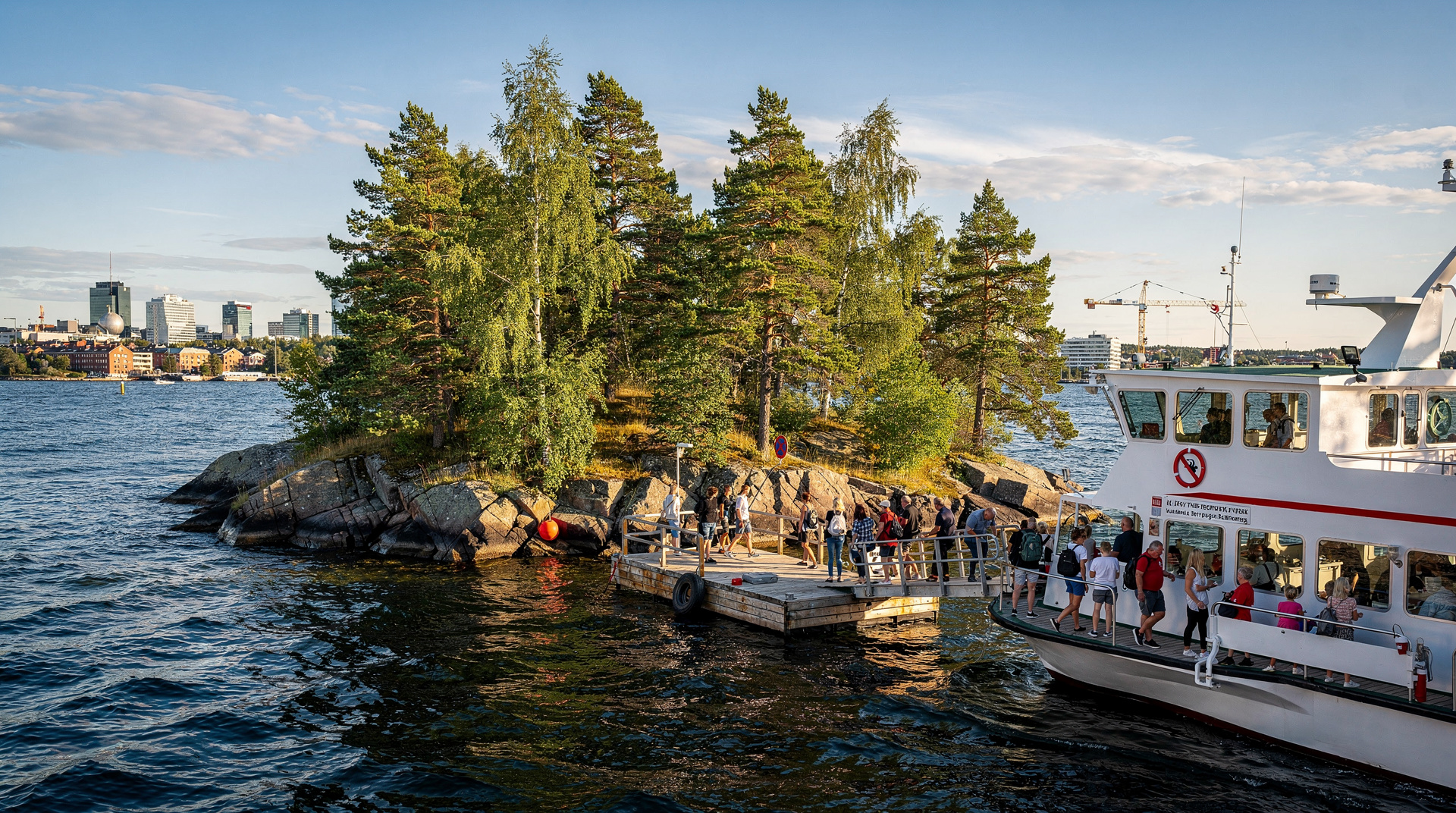
The Ruter public ferry from Aker Brygge pier 3 (B4 route to Langøyene, B5 route to Gressholmen and Hoofdøya) is the single highest-value family activity in Oslo’s summer repertoire. Children under 18 travel free; adults pay the standard Ruter single fare (NOK 41 / USD 4.40) or use a day pass.
Langøyene (B4 ferry, approximately 25 minutes from Aker Brygge) is the family island. It has a proper sandy beach with gradual entry suitable for young children, a seasonal kiosk, toilets, a camping area, and enough space that families can spread out even on busy summer days. The beach faces across the inner fjord toward the city — on a clear day you can see the Opera House and the Bjørvika towers from the water’s edge.
For families visiting Langøyene: bring your own food and drink (the kiosk is seasonal and limited), swimwear and towels, sunscreen, and a picnic mat. The beach experience is similar to a Mediterranean beach in terms of what you do, with the specific differences of Norwegian summer light (18+ hours at midsummer) and Norwegian summer temperature (water peaks at 19–22°C in July rather than 26°C).
Children aged 2–12 find Langøyene reliably absorbing. Teenagers are engaged if they’re allowed to swim, explore, and have some autonomy rather than being structured through a museum visit.
Hoofdøya (B5 ferry, about 8 minutes) suits families who want the monastery ruins combined with swimming — a short ferry crossing, a history stop, and rocks to swim from. Slightly less beach-oriented than Langøyene; better for children who like exploring and walking.
The full island logistics are covered in the island-hopping guide.
Guided island-hopping for families
The guided island-hopping tours that depart from Oslo waterfront offer the logistics of the island ferry trip — multiple island stops, swimming, snacks — with the added value of a local guide who explains the monastery ruins, knows the best swimming spots, and handles the ferry timing. This removes the timetable-study overhead that the DIY approach requires.
For families visiting Oslo for the first time with children, the guided format is often worth the premium. You get:
- Guaranteed stops at the right spots
- Historical context for the Hoofdøya monastery that children actually retain when delivered by a guide
- Snacks and drinks typically included
- No waiting for ferry connections at the wrong time
The tours generally run 3–4 hours and depart from Aker Brygge. Age minimum varies by operator but most accept children from 4–6 years. Check the specific tour page for current age and height requirements.
For the second or third Oslo day, the DIY Ruter ferry approach makes complete sense — you know which islands you liked and the connections are straightforward once you’ve done them once.
Kayaking with children on the Oslofjord
The inner Oslofjord between Tjuvholmen and the island cluster is calm in summer — sheltered from ocean swell by the fjord geography, with minimal wave action except from boat wake. This makes it accessible for family kayaking with appropriate gear and preparation.
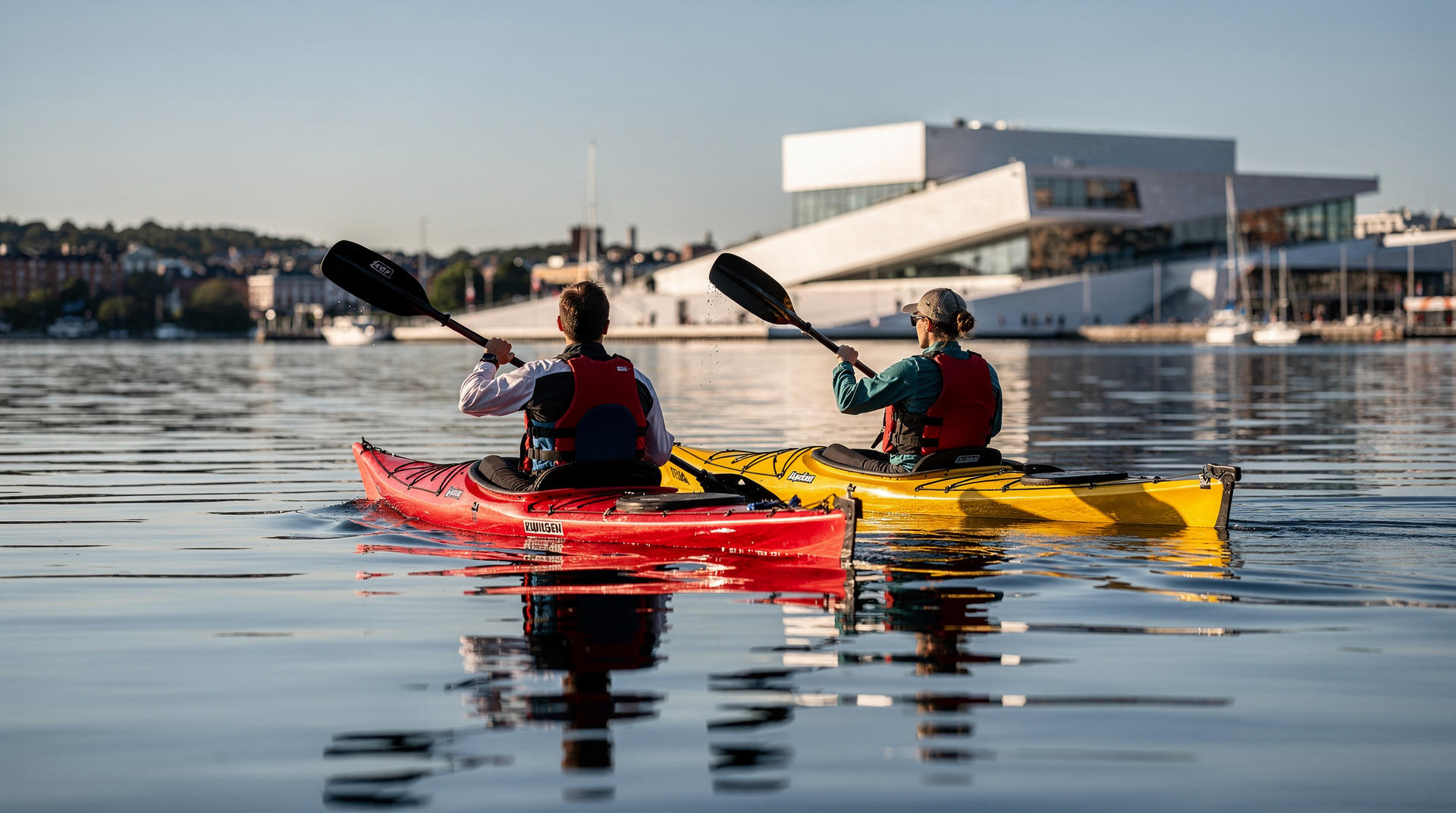
Guided family kayak tours: Several operators along Aker Brygge and Tjuvholmen offer guided tours on the inner fjord. These typically use stable sit-on-top kayaks or double kayaks, with lifejackets provided. Most tours accept children from age 8 (solo paddling) or 6 (tandem kayak with parent). The guide manages pace and navigation; you focus on the paddling.
A typical family guided tour is 2.5–3 hours, paddling from Aker Brygge toward the islands, stopping at flat rocks for a swimming break, and returning. The route gives the same fjord views as the ferry but from water level — a completely different experience that children who have done both consistently prefer.
Kayak rental without a guide: Available from Tjuvholmen and Aker Brygge. Suitable for families with one or more adults with kayaking experience. The inner harbour requires awareness of ferry traffic and the main boat channel — not suitable for complete beginners in charge of children.
Full details on the kayaking guide including operator contacts and specific routes.
Stand-up paddleboarding (SUP)
SUP rental is available from several Aker Brygge operators in summer. For families, SUP is most suitable for:
- Children aged 8–10 and up on their own board (in calm conditions)
- Younger children sharing a board with an adult (operators have large boards suitable for parent-child pairs)
- Teenagers and adults who want active water time without the commitment of a kayak tour
The learning curve for SUP is gentle on calm inner fjord water. Most people can stand and paddle within 20–30 minutes. The main challenge is balance on choppy days — rent when conditions are calm (morning typically has flatter water than afternoon).
Rental typically costs NOK 200–350 (USD 21–38) per hour. Family packages exist with some operators. The SUP guide has operator details and recommended areas.
The shrimp boat cruise: family edition
The Oslo shrimp buffet cruise is one of Oslo’s most distinctive fjord experiences and works better for families than it might sound. The format: a traditional wooden sailing boat tours the inner fjord over 2–3 hours while passengers eat fresh boiled fjord shrimps at the communal table, peel them themselves, and drink wine or soft drinks.
The appeal for children: eating shrimps from a pile with your hands, on a boat, on a fjord. This is Norwegian childhood. The experience normalises Norwegian food culture in a way that restaurant menus often don’t.
Age suitability: 6 and up for the shrimp-peeling engagement; the boat itself is fine from infant age. Children eat less shrimp than adults; check whether child pricing exists (many operators do a children’s rate). Price is typically NOK 650–900 (USD 70–97) per adult; ask operators about family rates.
The shrimp buffet cruise guide covers the operators, timing, and what the experience is actually like.
Drøbak: the fjord town day trip
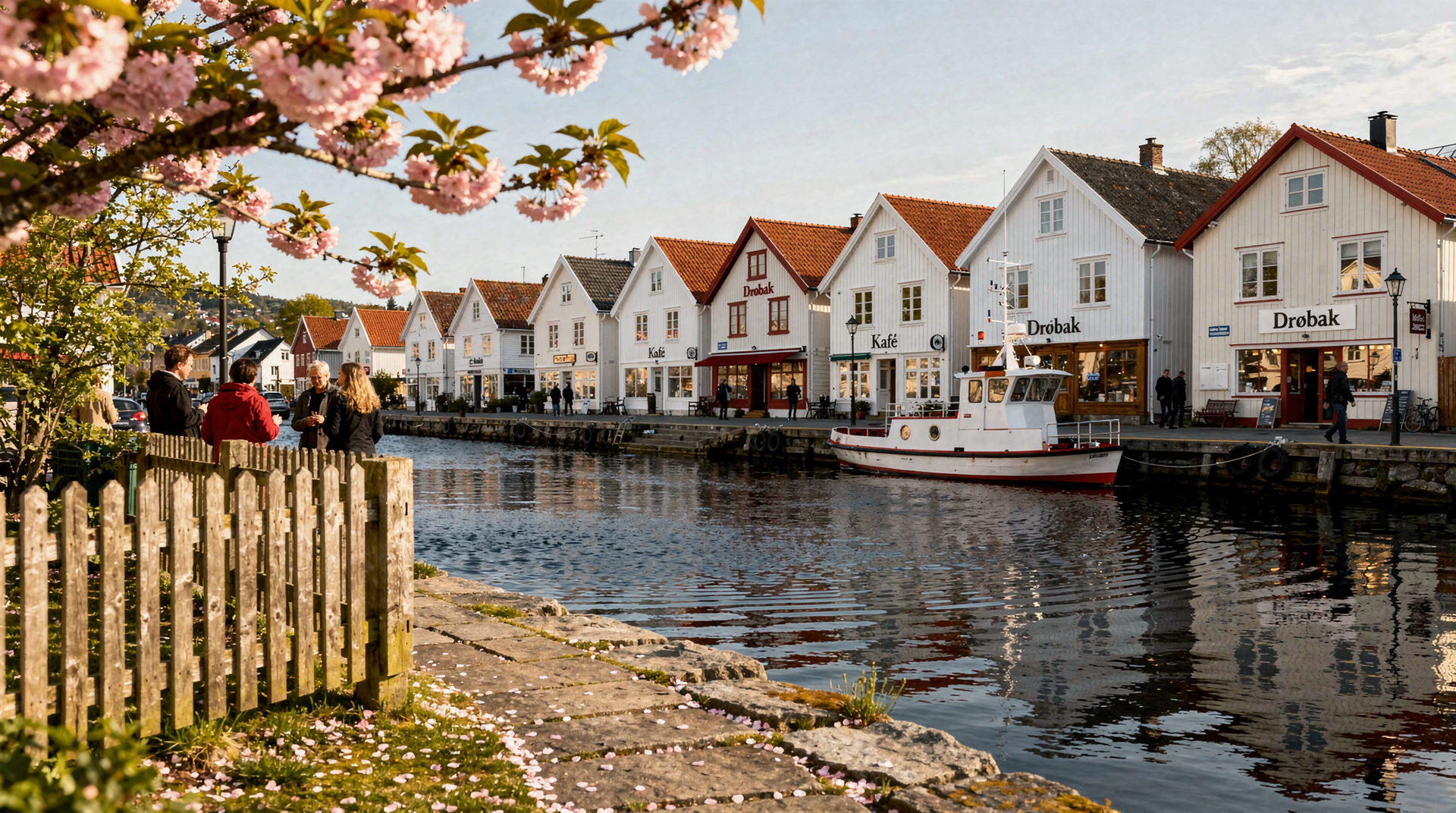
Drøbak, 50 km south of Oslo on the Oslofjord’s western shore, is the best family day trip from Oslo for children aged 4–10. The town is small, safe, and built around a main street of wooden houses above the fjord. Its claim to fame is the Julehuset (Christmas House) — a year-round Christmas shop that sells Norwegian Christmas decorations, gnomes (nisse), and traditional items. Children who are charmed by Christmas find it magical; the more cynical teenagers find it less interesting.
Beyond the Christmas shop:
- Drøbak beach: a small public beach on the fjord with safe swimming and a popular small island accessible at low water (Drøbakøya)
- Oscarsborg Fortress: a 19th-century fortress in the middle of the fjord (accessible by a 5-minute boat from Drøbak), famous for sinking the German cruiser Blücher in April 1940. The fortress has museum exhibitions and a café — older children find the WWII history compelling
- Town exploration: a small, uncrowded historic town with good ice cream and an unhurried pace
Getting to Drøbak: Bus 500 from Oslo Bussterminal (Jernbanetorget) toward Drøbak, approximately 50 minutes. Buses run hourly; check Ruter timetables. The bus journey along the Oslofjord coast is scenic in itself — one side of the road has fjord views throughout much of the route.
Full logistics in the Drøbak day trip guide.
Nesodden: the quiet peninsula escape
For families who want a quieter alternative to Langøyene’s summer crowds, Nesodden offers coastal walks and swimming coves reached by the Ruter B1 ferry from Aker Brygge in 30 minutes. The peninsula is more oriented toward walking than beach swimming (the coves are rocky rather than sandy), and suits families with children who are happy hiking for 2–3 hours.
The ferry is Ruter-standard (children free); the peninsula has no organised tourist infrastructure, which is the point. See the Nesodden escape guide for specific routes and swimming spots.
Planning a fjord family day
A well-sequenced summer fjord family day:
Morning: Ruter ferry from Aker Brygge to Langøyene (B4, 25 minutes). Arrive before 10am. Set up on the beach, swim, picnic lunch (brought from Oslo).
Early afternoon: Ferry to Hoofdøya (B5 route back). Walk the monastery loop (45 minutes). Rocky-shore swim on the south side.
Late afternoon: Ferry back to Aker Brygge. Ice cream at the pier. Optional: walk the waterfront to Tjuvholmen for a look at the floating saunas.
This sequence is full but not rushed, costs approximately NOK 82–120 (USD 9–13) in Ruter fares per adult (children free), and gives children a beach, a swim, a ruin, a walk, and a boat trip — a genuinely complete day.
The Oslofjord islands day itinerary provides the minute-level logistics version of this plan.
Practical notes for fjord family days
Safety at piers: Young children should be supervised closely at the ferry piers. The Aker Brygge pier has no safety fence along the whole perimeter. Hold hands with under-5s.
Sun: Oslo’s summer sun is deceptively strong at 59.9°N — the low angle means prolonged exposure. Apply sunscreen before boarding the ferry; reapply after swimming. The UV index can reach 5–6 on clear July days.
Seasickness: The inner fjord is very calm in summer and seasickness is rare on the island ferries. If children are sensitive, sit near the middle of the boat rather than in the bow.
Ferry timing: The Ruter island ferries run every 20–30 minutes at peak times. Miss one and the next is soon. Keep children within hearing distance of the pier 5 minutes before departure.
Ruter app: Download it before leaving for the pier. It shows real-time ferry positions and the next departure countdown.
What a fjord day actually costs a family of four
For two adults and two children (one over 18 who pays fare, one under), a typical Langøyene beach day looks like:
| Item | Cost |
|---|---|
| Ruter single fares (2 adults) | NOK 82 (children free) |
| Picnic groceries | NOK 250–350 |
| Optional ice cream | NOK 150–200 |
| Total | NOK 480–630 (USD 52–68) |
Add a guided kayak or island-hopping tour and the cost rises to NOK 1,500–3,000 for the family, still well below a comparable guided activity in most European capitals. The Oslo daily costs guide and Oslo on a budget guide put this into context against the rest of an Oslo trip.
If the weather turns
Norwegian summer weather can shift within a day. If rain arrives mid-plan, the fjord islands are genuinely miserable in a downpour — there’s no shelter beyond the seasonal kiosk. The better move is to pivot indoors: the family museums guide covers Bygdøy alternatives that work regardless of weather, and several are a short ferry ride from the same Aker Brygge pier used for the islands, so you don’t lose the whole day to a change of plan.
Choosing between the islands: a quick comparison
Families often ask which island to pick for a first visit. Here’s the honest breakdown:
| Island | Ferry time | Best for | Crowds |
|---|---|---|---|
| Langøyene | ~25 min (B4) | Sandy beach, all ages, camping | Busy on hot weekends |
| Hovedøya | ~8 min (B5) | Monastery ruins + rocky swimming | Moderate |
| Gressholmen | ~15 min (B5) | Quieter beaches, birdlife | Low |
| Nesodden | ~30 min (B1) | Coastal walking, rocky coves | Low |
For a first Oslo fjord day with young children, Langøyene remains the easiest recommendation — see the wider island-hopping guide and the Oslo beaches guide for the full list of swimming spots, including urban options that don’t require a ferry at all.
What to pack for a family fjord day
A few items make the difference between a smooth day and a stressful one:
- Two changes of clothes per child — fjord water and beach sand mean children get wet and sandy quickly, and Norwegian weather can turn cool even in July.
- A refillable water bottle each — kiosks on the islands are seasonal and limited; don’t rely on buying drinks.
- A lightweight windbreaker layer — even on a warm day, the open water crossing on the ferry can feel breezy.
- Cash or card for the Ruter app — some older ferry piers have patchy mobile signal; buy tickets before boarding if possible.
- A dry bag for phones and cameras if kayaking or paddleboarding is on the plan.
The broader Oslofjord destination guide and the Oslo islands guide cover logistics for a longer multi-island trip, and the Oslo in summer guide puts fjord days into the context of a full summer visit.
Frequently asked questions about Family fjord activities near Oslo
What age is island-hopping suitable for in Oslo?
The Ruter public ferry to the Oslo islands is suitable from infant age — the boats are safe, calm-water vessels and children under 18 travel free. The island-hopping tour with a guide is best for ages 6 and up who can engage with commentary. Toddlers manage the ferry fine; the islands work well for any age that can walk short distances.Can children kayak in the Oslofjord?
Yes — several operators offer family kayak tours and rentals on the inner fjord. Most guided tours accept children from age 8 (sit-on-top kayaks with adult partnership), and some accept from age 6 with a parent in a double kayak. Open-water kayaking near the islands is calm in summer. The kayaking guide has operator details.Is the Oslofjord safe for children to swim in?
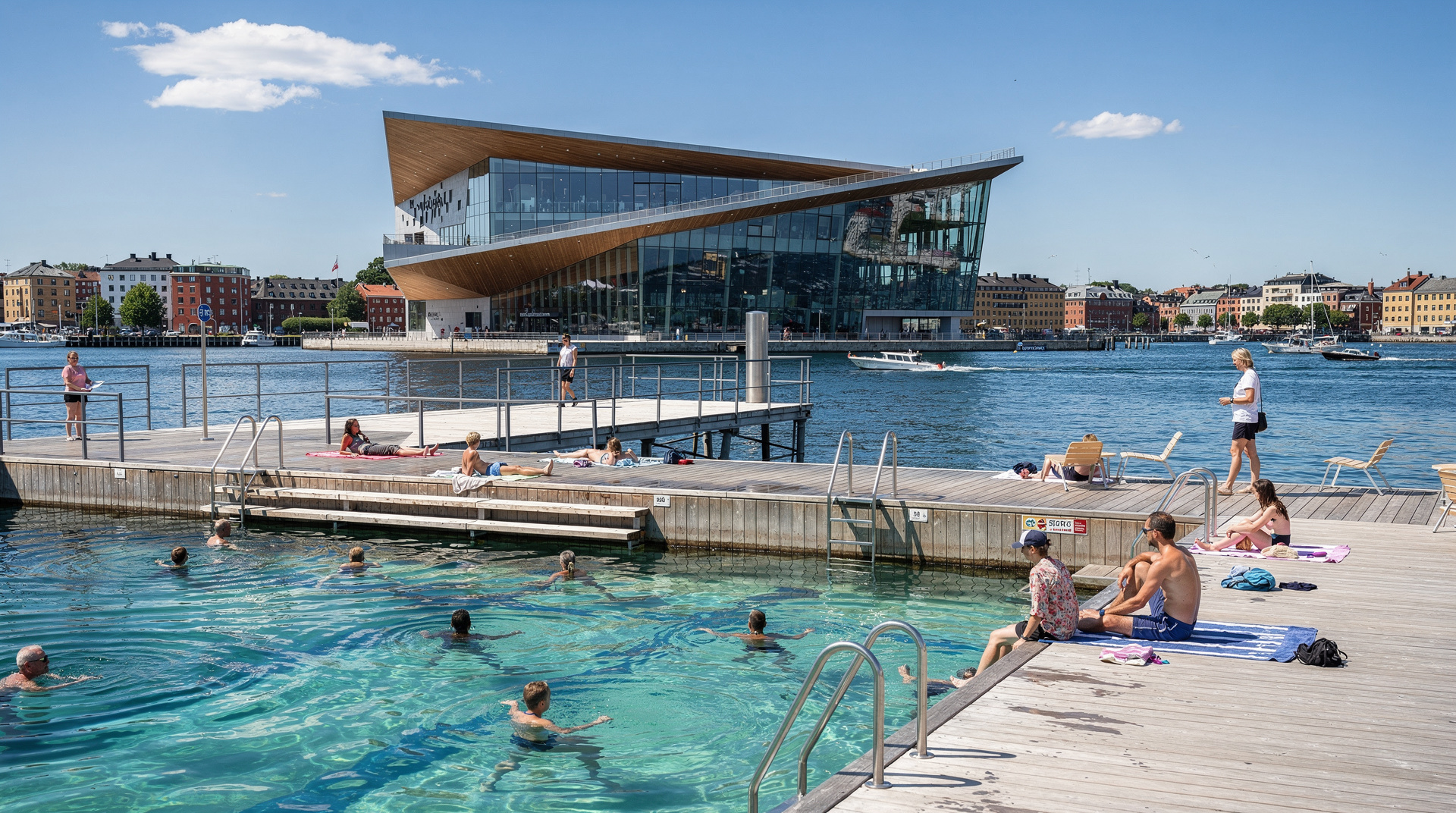
Yes — the inner Oslofjord water quality is monitored and generally excellent. The main swimming spots (Langøyene sandy beach, Sørenga pool, Huk on Bygdøy) are all suitable for children. Langøyene has gradual sandy entry for younger children. Sørenga Seawater Pool has a dedicated shallow children's pool. All city swimming spots are free.Are the fjord cruises suitable for young children?
The inner fjord cruises (silent electric cruise, shrimp buffet cruise) are suitable for children from infant age — calm water, covered seating, and no special requirements. Journey times are 2–3 hours. Children generally enjoy the boat experience but may tire of the cruise format before adults. For families, the shorter island-hopping tours are often more engaging than full-length dinner cruises.What fjord activities are available in spring and autumn?
Most fjord activities run May–September. The Ruter island ferry starts late April or early May. Kayaking and SUP rental typically open May–September. The Oslofjord fjord cruises run from late April or early May. Outside this window, winter fjord activities are limited and primarily for adults (floating saunas, winter kayaking for experienced paddlers).
Top experiences
Bookable activities with verified prices and instant confirmation on GetYourGuide.
Oslo: Hovedøya and Nakholmen island hopping tour
- Hovedøya
- Swimming spots
Oslo: nature walks island hopping tour
- Island hopping
- Public ferry
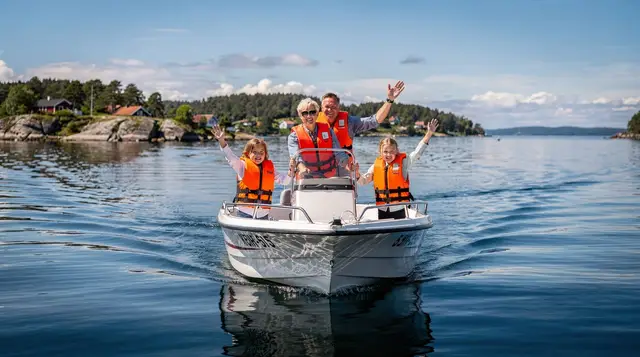
Oslo: private Oslo island hopping tour
- Private tour
- Flexible
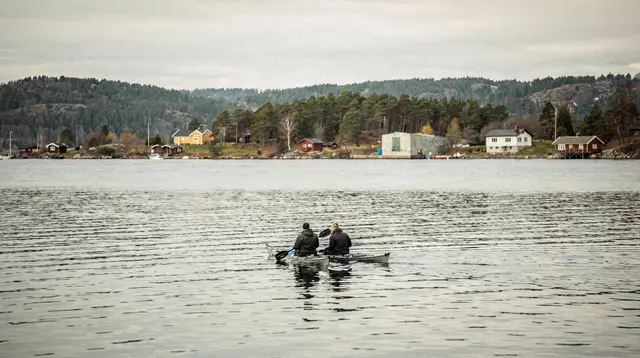
Oslo: 3-hour kayaking trip on the Oslofjord
- Kayak + gear
- Guided
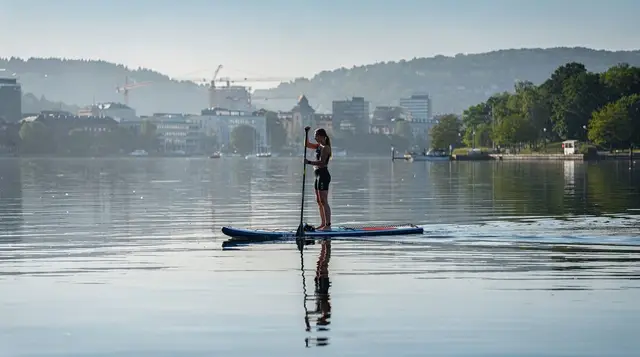
Oslo: stand-up paddleboard rental with safety briefing
- SUP rental
- Summer