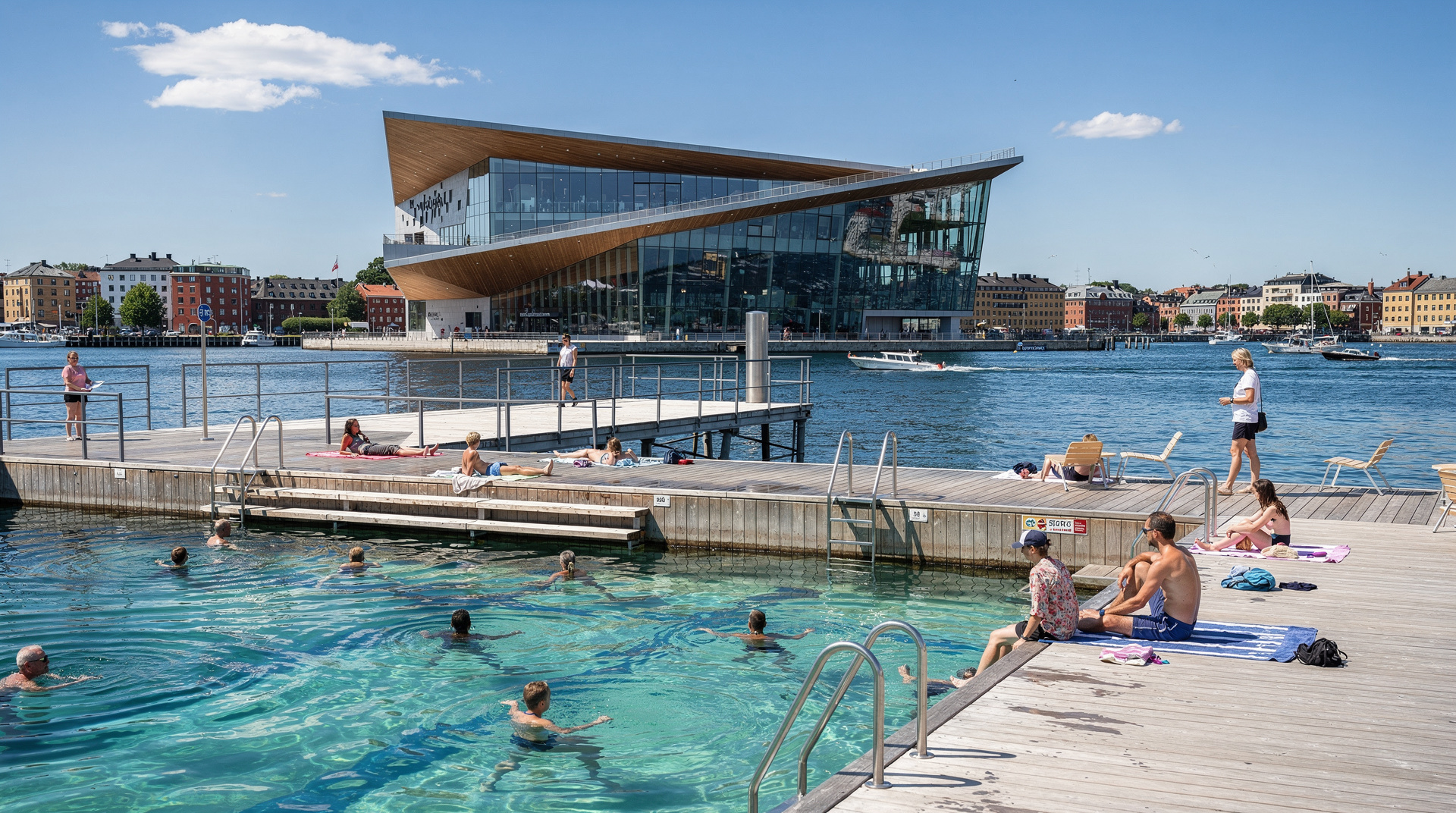
Oslo's fjord islands — Hovedøya & beyond
Hop between Oslo's fjord islands by public ferry. Beaches, ruins, forest walks, and wild swimming 20 minutes from the city centre.
Oslo: island walks — island hopping tour (3 islands)
Duration: 3 hours
- 3 islands
- Local guide
Quick facts
- Best time
- June–August for swimming and picnics; May and September for quiet walks
- Days needed
- Half-day to full day
- Getting there
- Ruter public ferry from Aker Brygge (pier 3) or Vippetangen — included in standard travel card
- Budget per day
- NOK 0–500 (USD 0–54) — ferry is free with day pass; food and drink on islands minimal
Fifteen minutes from the city, a world away
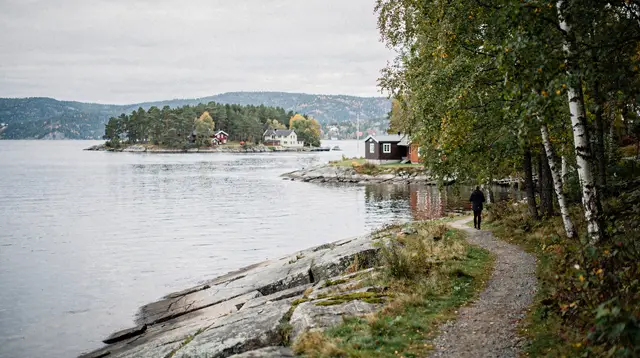
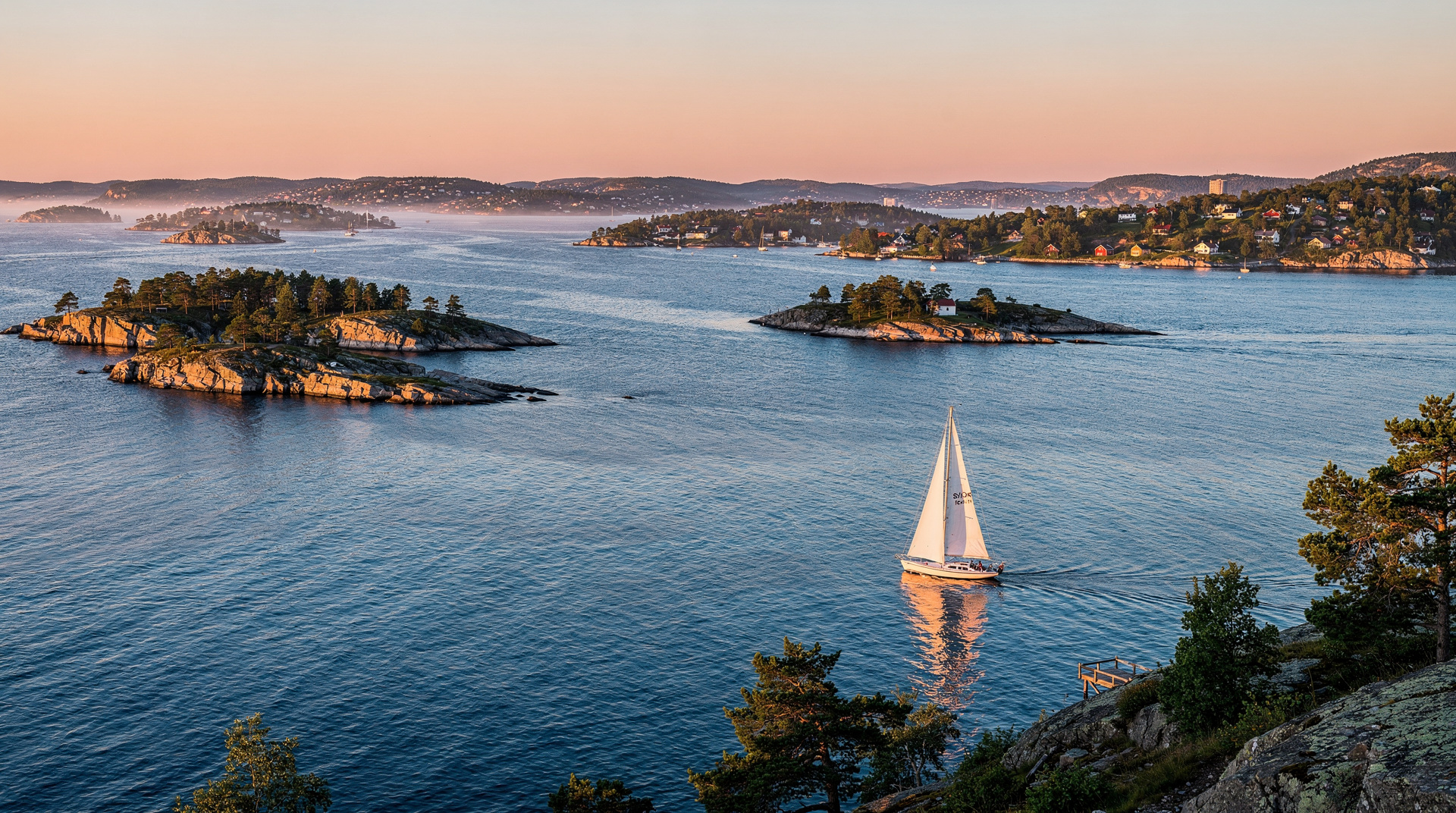
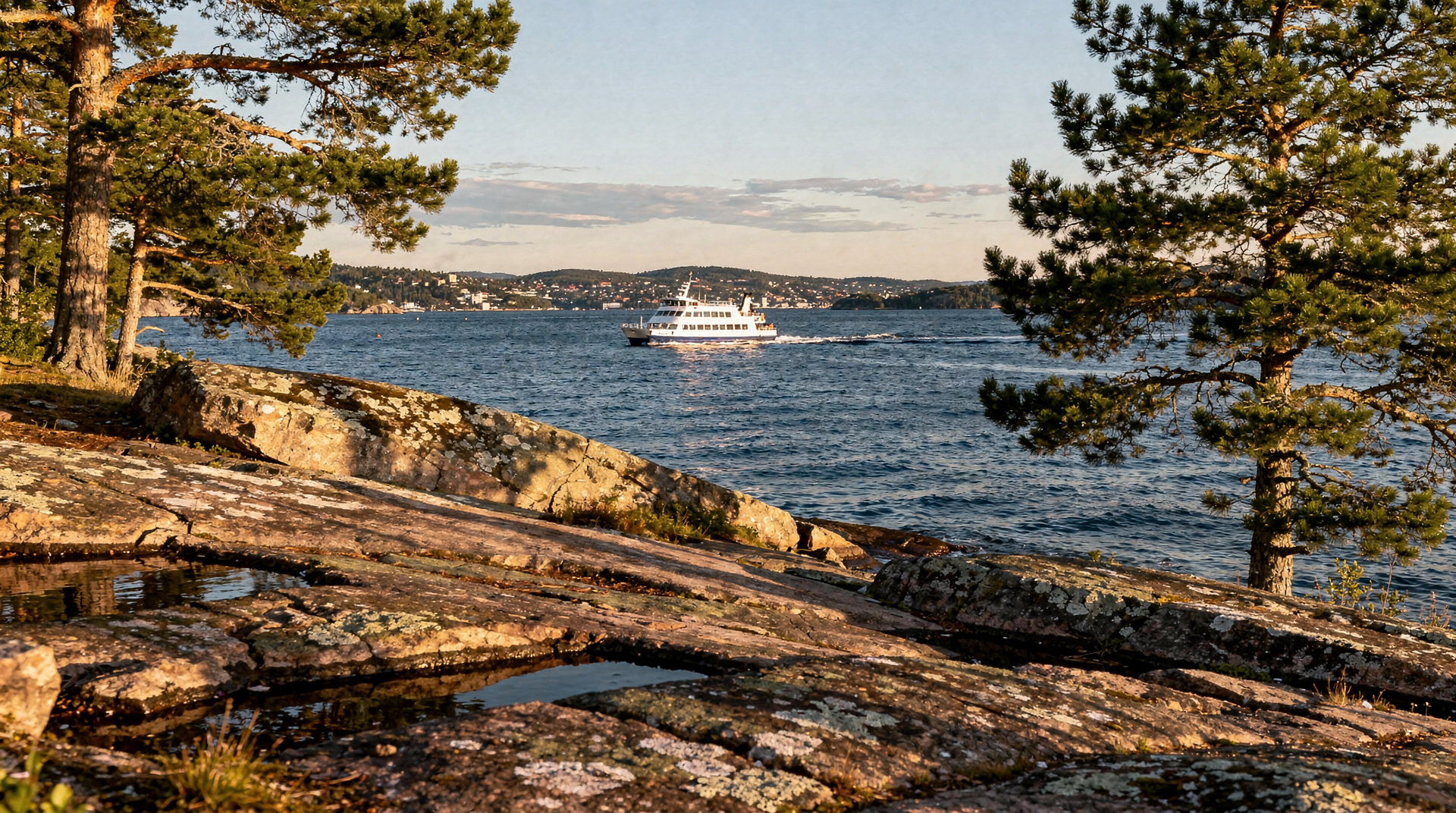
Oslo’s inner fjord holds a cluster of small islands — the skjærgården, or island garden — that Oslonians treat as an extension of their living space in summer. From late June through August, a steady stream of ferries leaves Aker Brygge carrying office workers with overnight bags, families with cool-boxes, and teenagers dragging paddleboards. The crossing takes between 10 and 25 minutes. The islands have no cars, minimal commercial infrastructure, and the kind of unhurried atmosphere that expensive rural escapes try to manufacture.
The best part: these ferries run on the standard Ruter public transport network. A day pass (NOK 137 / USD 15 for 24 hours as of 2026) covers unlimited ferry journeys, so visiting multiple islands in a single day costs nothing extra. This is one of the genuinely good deals in one of Europe’s most expensive cities.
| Where | Inner Oslofjord, a 10–25 minute ferry from Aker Brygge |
| Getting there | Ruter public ferry from Aker Brygge (pier 3) or Vippetangen |
| Time needed | Half-day to full day |
| Cost | Ferry included in a standard day pass; food/drink minimal extra |
| Best time | June–August for swimming; May and September for quiet walks |
Which island for what: a quick comparison
| Island | Best for | Facilities | Crowd level |
|---|---|---|---|
| Hovedøya | Monastery ruins, forest, year-round access | Small summer café | Moderate |
| Langøyene | Sandy beaches, swimming, camping | Kiosk, toilets | Busy on summer weekends |
| Gressholmen | Birdwatching, quiet walking | Summer café only | Low |
| Nakholmen | Summer-cottage atmosphere | None | Low |
| Bleikøya / Lindøya | Solitude | None | Very low |
The main islands and what makes each worth visiting
Hovedøya — ruins, forest, and the closest approach to a real island feel
Hovedøya is the first island you see from Aker Brygge — a green, tree-covered mass sitting less than a kilometre offshore. It’s also the most historically interesting of the Oslo islands. The ruins of a Cistercian monastery built in 1147 occupy the island’s western shore, partially restored and free to explore. The monks arrived from Yorkshire in England, which still feels improbable; the stone foundations and vaulted cellar remain solid after 870 years.
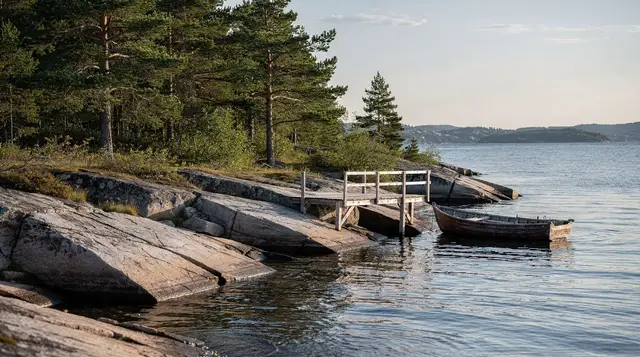
The island has a permanent nature reserve status, which means no camping (though the rule is loosely enforced in the forest beyond the no-camping signs, and Oslonians treat the place accordingly). There are marked forest trails through the interior, a small café open in summer, and several south-facing rocky shorelines where you can swim. The western shore has the best shelter from the afternoon wind.
Ferry from Aker Brygge: roughly 10 minutes, every 30–60 minutes in summer. The boat runs year-round, though frequencies drop sharply outside the May–September season.
Langøyene — Oslo’s best swimming island and its only official nudist beach
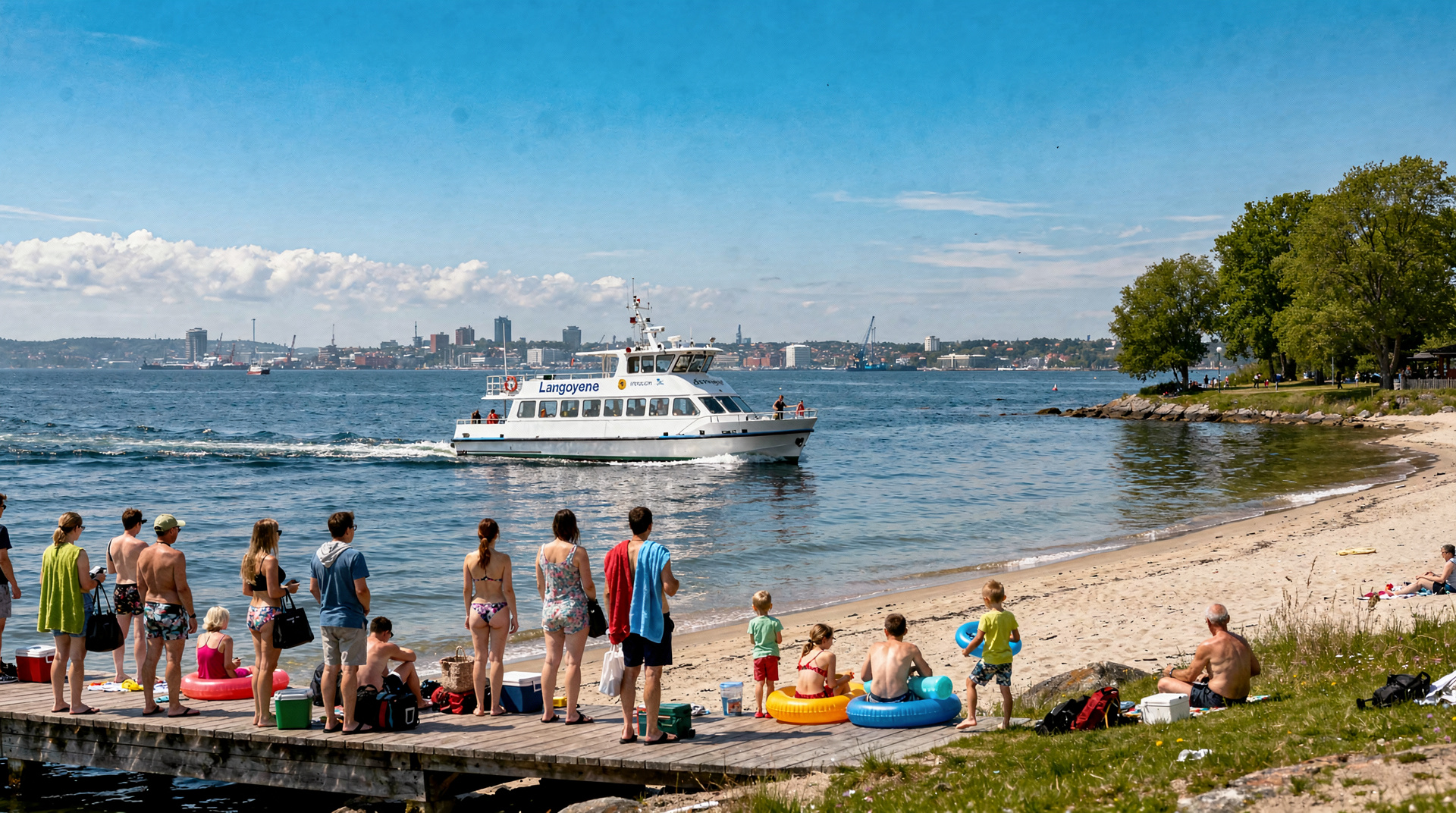
Langøyene is larger and flatter than Hovedøya, with sandy beaches on its southern half and a designated nudist beach at the southernmost tip. The island opens fully in June and is served by summer-only Ruter ferries from Vippetangen (near Akershus Fortress). In July, it is genuinely packed on sunny weekends — arrive early or on a weekday if you want beach space.
The swimming is good: the south-facing beaches catch afternoon sun and the water warms faster here than on the shadier northern islands. The facilities are basic — a kiosk selling hotdogs and cold drinks, public toilets, no accommodation. Everything else you bring yourself. This is a picnic island, not a resort.
Camping is officially permitted on Langøyene, unlike most of the other islands, which makes it popular with Oslo teenagers on summer nights. If you’re sensitive to late-evening noise, the western beaches are calmer than the designated camping fields.
Gressholmen and Rambergøya — quiet walking and bird life
These two islands, connected at low water, sit further out in the fjord and receive far fewer visitors than Langøyene or Hovedøya. The old airport building on Gressholmen is a conversation point: this was Norway’s first civil airport, operational in the 1930s and now a listed building housing a summer café. The surrounding nature reserve is excellent for birdwatching — cormorants, eider ducks, oystercatchers, and in migration season a variety of waders.
The café is only open in the warmer months. Outside July and August, Gressholmen is largely empty and the trails through the low scrub feel genuinely remote for a place 20 minutes from a capital city.
Nakholmen — the island with a summer colony
Nakholmen’s defining feature is its kolonihager — a collection of small summer houses that Oslonians rent on a long-term basis and use from May to September. Some of these cottages have been in the same family for three generations. The island is not a tourist destination in the usual sense; there is no café, no guided tours, and no facilities beyond a jetty. But walking through the allotment-cottage community on a summer evening, with smoke rising from barbecues and children playing between the vegetable patches, gives a more intimate view of how Oslo actually uses its fjord than any organised tour.
Access is by Ruter ferry from Aker Brygge. The island is small enough to walk across in 20 minutes.
Bleikøya and Lindøya — further out, fewer people
These islands are accessible by the same Ruter ferries and similarly populated with summer cottages. Bleikøya has an association of summer colony plots and a small swimming area. Lindøya is slightly larger with more trails. Neither has public catering. For those who prefer solitude over amenities, the lower visitor numbers are the point.
How to do the island hop: a practical approach
The most common itinerary is:
Morning: Take the first Ruter ferry from Aker Brygge to Gressholmen (roughly 25 minutes). Walk the trails, look for birds, have coffee if the café is open.
Midday: Continue by ferry (the same network, no extra cost) to Nakholmen. Walk through the cottage colony and find a lunch spot on the rocks.
Afternoon: Ferry to Langøyene for a swim. Stay until the evening ferry, or catch an earlier one if the beach is crowded.
Evening: Return to Aker Brygge in time for dinner at one of the harbour restaurants. Total ferry cost: included in your day pass.
For a shorter version, just Hovedøya makes a satisfying half-day: monastery ruins, a swim, a coffee, and back. The ferry from Aker Brygge runs frequently enough that you don’t need to plan departure times too carefully.
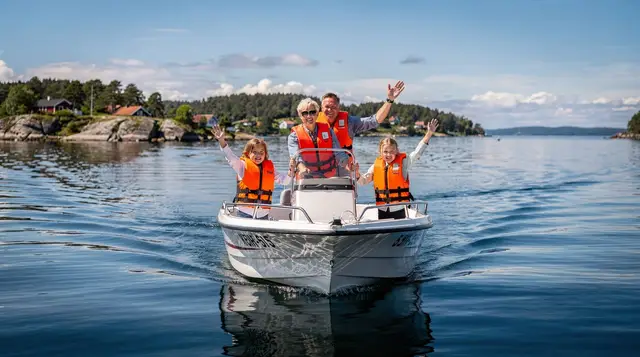
If you prefer a guided approach — particularly useful if you want context about the history of the monastery or the ecology of the nature reserves — the organised island-hopping tours provide a small group format with English-speaking guides. These add structure but cost more than the DIY version.
Guided versus DIY: what you actually get
The honest comparison: DIY is almost always sufficient for the islands. The public ferries go to the same places, cost much less, and the islands are small enough that you won’t get lost. The main reasons to consider an organised tour are:
- You want English commentary about the monastery or nature reserve
- You’re travelling with people who prefer a structured programme
- You want to reach smaller, less accessible points around the islands by private vessel
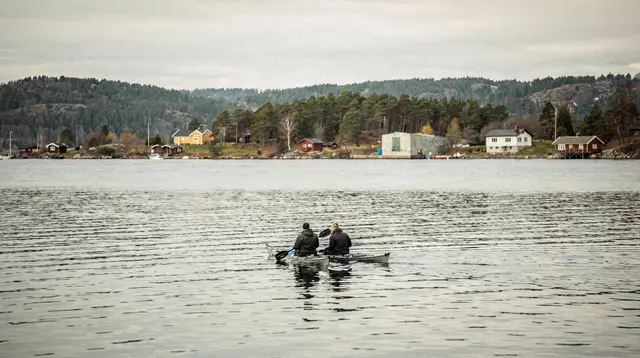
The kayak approach — paddling between islands rather than taking ferries — is a different case. Kayaking the Oslofjord covers this option, which reaches shorelines inaccessible to ferry passengers and gives a very different perspective on the fjord’s scale and character.
When the islands are actually open
This is important because it catches visitors out. The summer-only ferries to Langøyene typically run from late May or early June through late August. Outside those dates, the island is inaccessible by public transport. Gressholmen and Nakholmen have year-round Ruter service but much reduced frequencies. The kiosk on Langøyene and the Gressholmen café close entirely after September.
The Oslo in summer guide covers what opens when, including the exact dates when ferry schedules expand. If you’re visiting in May or September, confirm current schedules on the Ruter website before making plans around Langøyene specifically.
What to bring
The islands have minimal commercial infrastructure by design. Bring:
- Food and drinks (particularly on Langøyene, where the kiosk has limited stock and is expensive by Oslo’s already high standards)
- Sunscreen — the open fjord reflects UV in ways that sneak up on people
- Something to sit on — the rocks are comfortable but hard
- Layers — even in July, the wind off the fjord can cool sharply in the afternoon
- A waterproof bag if you’re swimming and carrying a phone
Cash is not necessary; the kiosks accept card. But reception is patchy on some of the outer islands.
The islands in winter: a different but underrated experience
Most Oslo island guides treat October as the closing chapter and say nothing further until the following June. That’s understandable — the summer ferry schedules, the swimming, the beach infrastructure, all of it disappears. But a few islands remain accessible year-round on Ruter ferries, and the winter experience is genuinely different rather than simply lesser.
Hovedøya is the most practical winter island. The ferry continues on a reduced schedule throughout autumn and winter. In February with snow on the ground and grey light on the water, the monastery ruins feel more ancient and the forest more genuinely wild than in summer. You’ll have the island almost entirely to yourself. There are no café options in winter, so bring a thermos. The main jetty and the monastery ruins are a 15-minute walk apart; the circuit trail through the forest interior is often icy and requires boots with grip.
The silence is remarkable. Oslo is just 1.5 kilometres across the water — you can see the Opera House white façade on the eastern harbourfront — but the island in midwinter has no ambient noise from boats or bathers. This is one of Oslo’s genuinely quiet experiences in a city that, for all its Nordic reputation, generates considerable noise in its active summer months.
For the winter context more broadly, the Oslo in winter guide covers what’s worth doing in the cold months and how the islands fit into a winter Oslo itinerary.
The history layer: what happened on these islands
The Oslo islands have been inhabited and used by humans for millennia. Hunters and gatherers camped on the outer rocks during the Stone Age; iron-age settlements have been identified on several of the islands; medieval farmers used them for summer grazing. The monastery on Hovedøya represents one strand of this long history — the Cistercian community that arrived from England in 1147 and built the structure whose foundations remain.
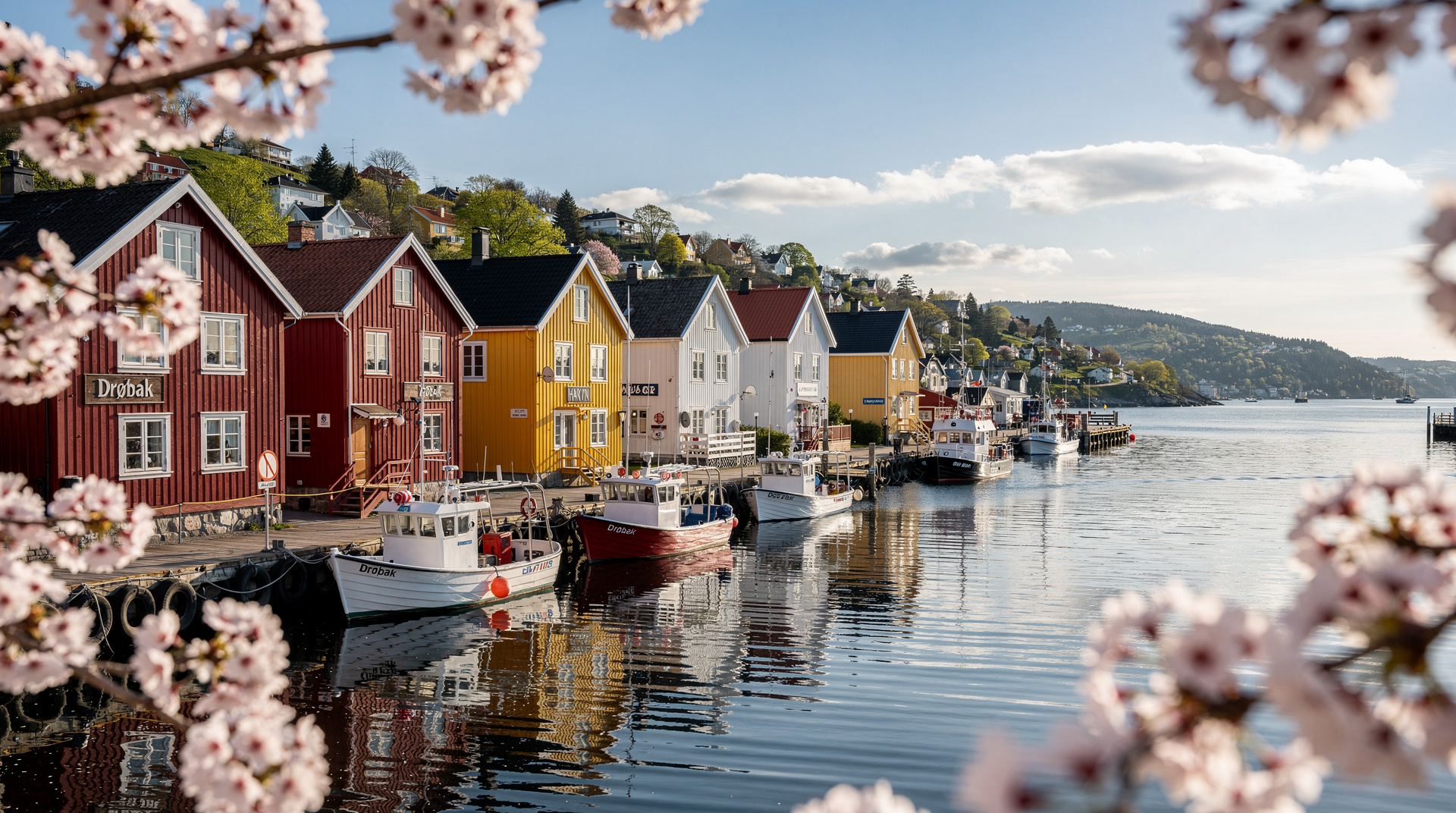
During the second world war, Langøyene was used as a military installation and several of the islands had gun emplacements. The battery ruins are still visible in places, overgrown with birch and wild grass. The inner fjord was mined in the early weeks of the German occupation, and the navigational history of the channel — which ships could pass, when and how — is part of a broader story that connects the islands to the Oscarsborg Fortress story at Drøbak.
This history layer doesn’t shout for attention on the islands — there are no museums, no interpretive boards on every corner — but it’s present for those who bring curiosity. The Viking heritage guide and the Historical Museum provide context for the longer arc.
Combining islands with other fjord activities
The islands sit naturally alongside the broader Oslofjord experience. A morning on Langøyene followed by an evening electric cruise is a good full-day combination. The best Oslofjord cruises guide helps you choose which type of boat best fits your interests.
For something more active, the SUP guide covers launching points near Tjuvholmen where you can paddle out towards Nakholmen on calm mornings.
If you’re planning a wider Oslo week, the Oslo and Oslofjord islands day itinerary integrates a full island day with the rest of the city efficiently.
A sample half-day itinerary
10:00 — Buy a Ruter day pass and take the first convenient ferry from Aker Brygge pier 3 to Hovedøya (about 10 minutes).
10:15–11:30 — Explore the Cistercian monastery ruins and walk the interior forest trails, taking in the western shore’s fjord views.
11:30–12:30 — Swim from one of the rocky shorelines if the season allows, then a light lunch at the summer café or your own picnic.
12:30 — Ferry onward (same day pass) to Langøyene for the afternoon, or back to Aker Brygge if you prefer a shorter day.
13:00–16:00 — Beach time at Langøyene’s southern sands, or a quieter walk on Gressholmen if you want fewer people.
16:00–17:00 — Return ferry to Aker Brygge, arriving with the evening free for dinner in Sentrum or a tram ride to Grünerløkka.
This combination — one historically rich island plus one beach island — is the most efficient way to see what makes the Oslo islands distinctive without over-scheduling the day. For a longer version covering four islands, see the practical approach outlined above.
Frequently asked questions about Oslo’s fjord islands
Is it really free to visit the Oslo islands?
The ferry is included in a standard Ruter travel card or day pass. The islands themselves have no entrance fee. You pay only for food and drink, and even that is optional if you bring your own. This makes a day on the islands genuinely one of Oslo’s best free experiences.
Which island is best for swimming?
Langøyene has the best sandy beaches and the most reliable summer-only ferry service. Hovedøya has more shaded, rocky swimming spots that suit people who prefer less exposure and fewer crowds. Gressholmen has a few quiet spots but is primarily a walking and wildlife island.
Can I camp overnight on the islands?
Only on Langøyene is public camping officially permitted. Most other islands are nature reserves where camping is not allowed. In practice, some people camp informally on Nakholmen’s outer points, but facilities are non-existent and the rule technically prohibits it.
What time does the last ferry back run?
In high summer (July–August) the last ferries from the islands typically run until 10–11pm. Outside the main season, the last boat can be as early as early evening. Always check the current Ruter timetable before your last swim — missing the final ferry is a genuinely inconvenient experience.
Are the islands suitable for young children?
Yes, especially Langøyene and Gressholmen. The terrain is relatively flat, the swimming areas are calm, and the ferry journeys are short enough not to test the patience of small children. The Gressholmen café has basic food suitable for kids. Bring sunscreen and extra layers.
Is it possible to kayak between the islands independently?
Yes, if you have paddling experience and check the weather forecast. The inner fjord is calm in good conditions but can become choppy with afternoon winds. Kayak rental is available near Tjuvholmen. The kayaking guide covers this in detail. For first-timers, a guided kayak tour with an instructor is safer and gives better context.
Do the islands get crowded?
On sunny July and August weekends, Langøyene is genuinely packed by early afternoon. Weekdays are significantly quieter. The outer islands (Nakholmen, Gressholmen, Bleikøya) are less crowded even on weekends. If you visit on a grey or overcast day in summer, the popular beaches are often nearly empty and the landscape has its own appeal.
Top experiences
Bookable activities with verified prices and instant confirmation on GetYourGuide.