Historical Museum Oslo: Viking gold, the Oseberg collection, and what to expect
Oslo: Viking Ship Museum and Historical Museum entry ticket
Duration: Flexible
- Two museums
- Mobile ticket
What is the Historical Museum in Oslo and what does it have?
The Historical Museum (Historisk Museum) at Frederiks gate 2 is part of the University of Oslo's cultural history museums. Its ground floor holds the Viking Age collection, including the Oseberg burial goods (the carved wagon, sleighs, and animal-head posts) and the Oseberg gold hoard — jewellery and silver from one of the richest Viking burials ever found. Entry is NOK 140 for adults, free for under-18s and Oslo Pass holders.
Oslo’s best-kept Viking secret
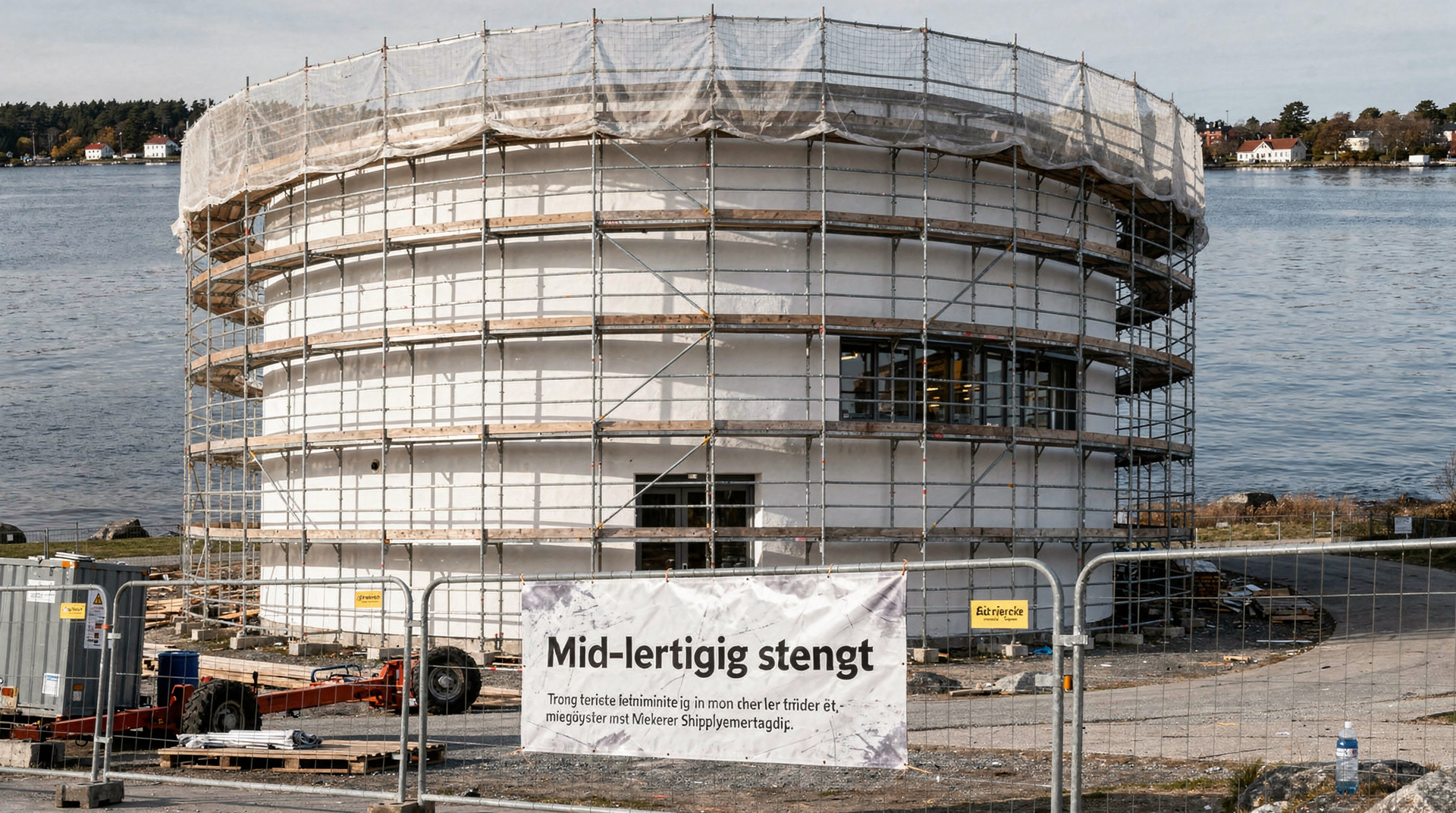
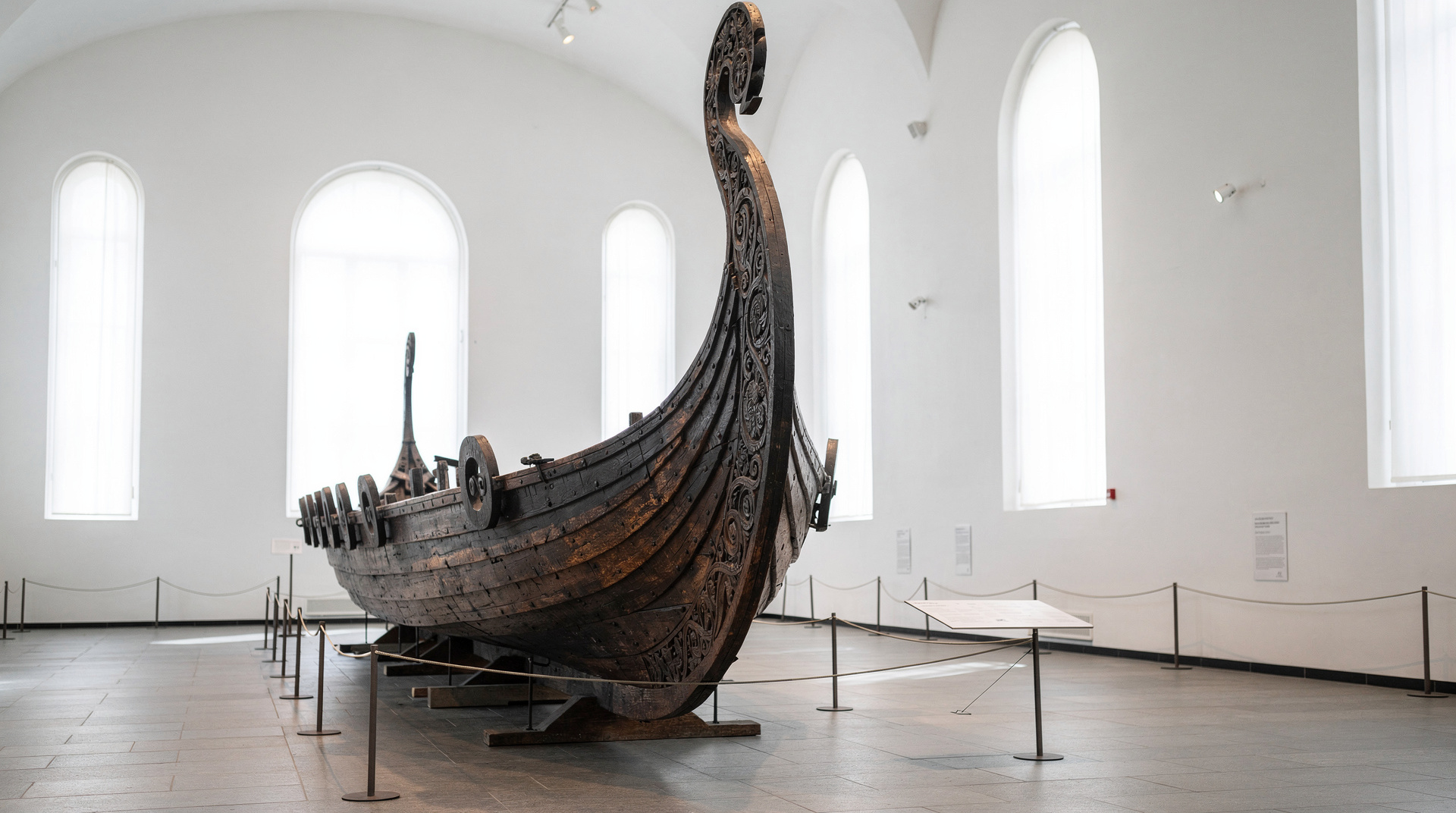
Ask most Oslo tourists where to see Viking history and they will mention Bygdøy. But in 2026, the Vikingskipshuset on Bygdøy is closed for total reconstruction until approximately 2027. What most visitors do not know is that the University of Oslo’s Historisk Museum on Karl Johans gate has been holding the Oseberg burial treasures all along — and right now, it holds the most significant Viking Age collection you can actually walk into in Oslo.
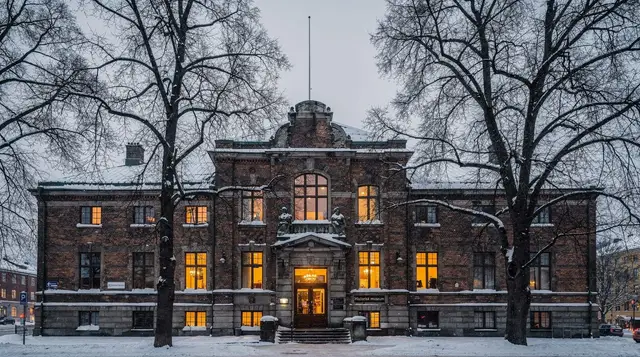
The building stands at Frederiks gate 2, a 10-minute walk from the Royal Palace end of Karl Johans gate. It is a grand 1902 neo-Baroque structure that most visitors pass without entering. Inside is one of Norway’s finest collections of Viking Age artefacts, displayed in rooms that are rarely crowded — a sharp contrast with the old Viking Ship Museum, which in peak summer could fit 3,000 visitors a day.
| Where | Frederiks gate 2, near National Theatre tram stop |
| Cost | Around NOK 140 adults; free under 18 and with Oslo Pass |
| Time needed | 1.5hrs Viking section only, 2.5–3hrs full museum |
| Best time | Weekday mornings — rarely crowded even in summer |
| Don’t miss | The Oseberg wagon and the Oseberg gold hoard |
The Oseberg burial: context
Before describing the collection, the burial itself needs explanation, because it is the most remarkable Viking discovery ever made in Norway.
The Oseberg mound was excavated in 1904-05 near the farm of Oseberg at Tønsberg, on the western shore of the Oslofjord about 100 km southwest of Oslo. Inside was a Viking ship — the Oseberg ship, built around 820 AD — used as a burial vessel for two women who died around 834 AD. One was elderly (around 70-80 years old), one younger (around 25-30). The identity of the older woman is unknown but may have been a queen or high priestess; the burial’s extraordinary wealth suggests royal or near-royal status.
What made the Oseberg burial unique was not just the ship but everything buried with it: a complete household transported into death. The cold, clay-rich soil had preserved organic materials — wood, textiles, leather — that rarely survive 1200 years. The result is the most complete picture of upper-class Viking life ever found.
What the Historical Museum holds
The Oseberg burial goods
The Viking section on the ground floor is organised around the Oseberg burial. Key objects:
The Oseberg wagon. The carved ceremonial wagon is the centrepiece of the room and one of the most extraordinary objects in Norwegian cultural heritage. Made of oak, it measures about 5 metres in length and is decorated with interlocking animal-head carvings of extraordinary complexity — a style known as the Oseberg style or Baroque Viking art. It would have been pulled by horses in ceremonial processions. No Viking wagon of comparable quality exists anywhere else.
The three sleighs. Three sleighs were found in the burial, each carved differently. The largest has Viking serpentine decoration; a simpler one was likely functional. They were pulled into the burial chamber as prestige objects demonstrating the wealth of the household.
The animal-head posts. Five carved wooden posts ending in stylised animal heads — likely used to decorate the burial tent or prow. The carving quality varies, suggesting different workshops contributed. The most elaborate is called the “academic” post for its intricate knotwork; another is rougher, suggesting a less experienced hand.
Kitchen equipment. Iron cauldrons, a wooden bucket bound with iron, a ladle, and other kitchen items were included in the burial — the practical alongside the precious. This gives a tangible sense of what Viking domestic life involved.
Textiles. Fragments of the Oseberg tapestries are among the most significant Viking textile finds anywhere. The tapestry fragments show narrative scenes — processions, figures, wagons, animals — giving rare visual evidence of Viking Age pictorial art. They are exhibited under protective glass.
The Oseberg gold and silver
The Oseberg gold hoard occupies a dedicated case and is consistently the most visited part of the Viking section.
The gold includes:
- Brooches of the tortoise (oval) type worn at the shoulders — the distinctive fasteners of Viking women’s dress
- Pendants including Valkyrie and animal motifs
- Chains of twisted gold wire
- A gold finger ring of exceptional quality
The silver collection adds coins and hack-silver (silver cut and weighed for trade transactions) that demonstrate the Norse connection to Arab and Byzantine trade networks. Dirham coins from the Arab world appear alongside Byzantine-style pieces — a physical reminder that the Viking trade network stretched from Ireland to the Caspian Sea.
Beyond Oseberg: the wider Viking collection
The museum’s Viking section is not limited to the Oseberg burial. It includes:
Swords and weapons. Viking swords from Norwegian finds — pattern-welded (Damascus-style) blades of extraordinary craftsmanship. Swords were expensive prestige items; a good sword cost more than a horse.
Everyday objects. Combs made from antler, spindle whorls, agricultural tools, and gaming pieces (hnefatafl boards) that give a domestic view of Viking life.
Runestones and inscriptions. A selection of runic inscriptions from the Norwegian Viking period, with explanatory translations.
Coins and trade goods. The Numismatic Collection on the upper floor holds Viking Age coins from the Oslo region finds.
Other collections in the building
The Historisk Museum is not exclusively Viking. The full building includes:
- Egyptian antiquities — a small but well-curated collection including a mummy
- Arctic cultures — Sámi and Inuit objects from the circumpolar north
- Medieval church art — Norwegian stave-church objects and medieval ecclesiastical pieces that bridge the Viking and Christian eras
- Numismatic collection — coins from antiquity to the modern era
The medieval church art section is particularly relevant: objects from 12th-13th century Norwegian stave churches show how Viking artistic traditions survived and transformed under Christianity.
Practical information
Address: Frederiks gate 2, 0164 Oslo. Closest tram stop: National Theatre (lines 11, 12, 17, 18, 19) or Stortinget (lines 11, 12, 13). From Oslo S, it is a 12-15 minute walk along Karl Johans gate.
Opening hours:
- Tuesday-Sunday: 10:00-17:00 (summer June-August: to 18:00)
- Monday: Closed
- Check kulturhistorisk.uio.no for current hours and holiday closures
Admission:
- Adults: NOK 140 (about USD 15 / EUR 14)
- Under 18: Free
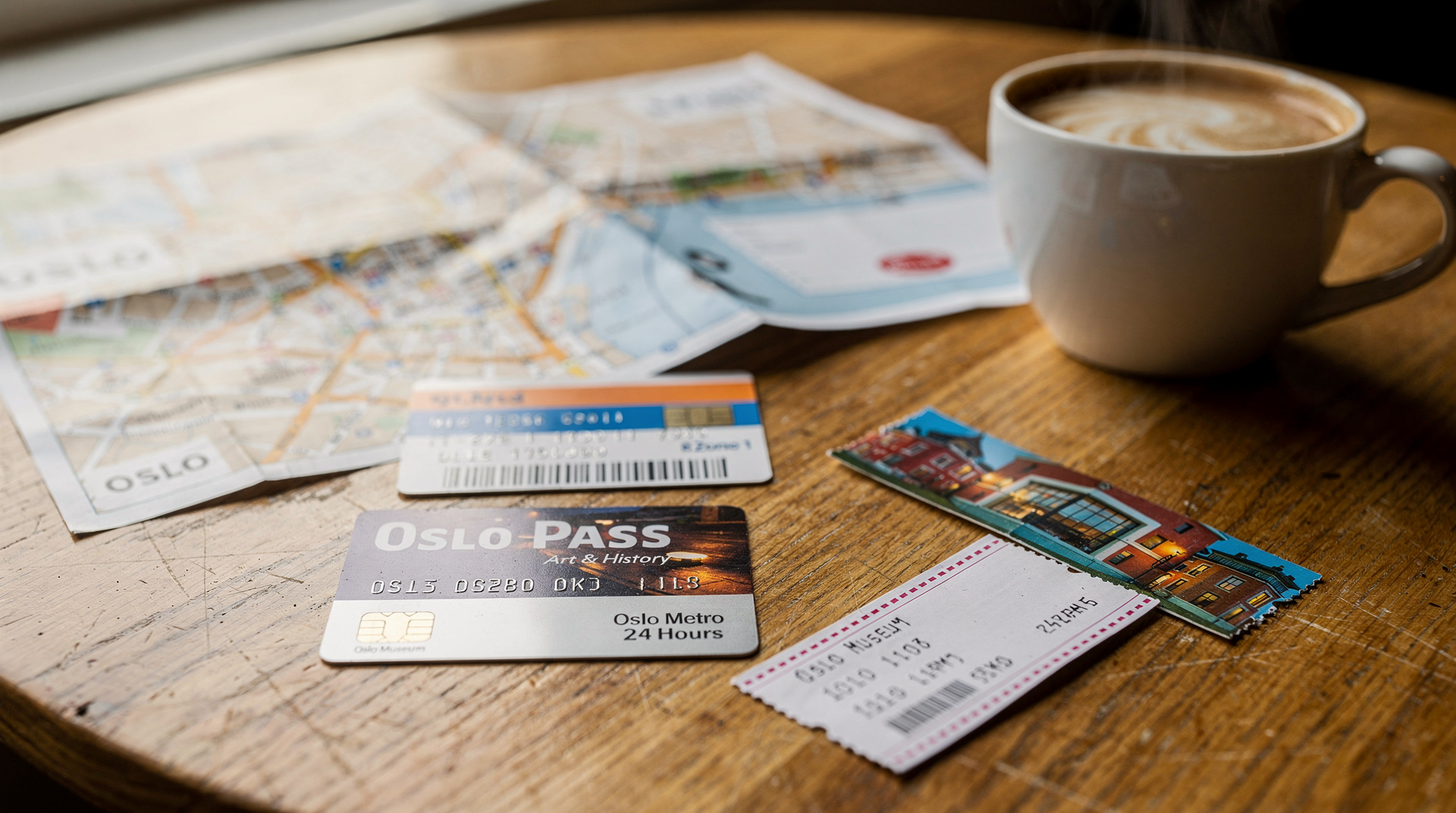
- Oslo Pass holders: Free
- Groups (10+): Reduced rate; book in advance
Accessibility: The ground floor (Viking section) is fully wheelchair accessible. The upper floors have lift access. Audio guides are available at the desk.
Photography: Permitted throughout the building. No flash.
Gift shop: A small selection of Viking reproductions, books, and jewellery at the exit. Better quality than average museum shops.
How to pace your visit
The Viking section rewards a loose plan rather than a strict route. Start with the Oseberg wagon, while your attention is fresh, then move to the sleighs and the carved posts, and leave the gold case for the moment when you want something small and precious to look at after the large wooden pieces. Textiles and the kitchen objects are easy to rush past, yet they are the items that make the burial feel like a household rather than a treasure pile.
If you arrive with children, the swords, the gaming pieces and the combs are the quickest way in; our guide to family museums in Oslo and the Oslo with kids guide explain how to balance a museum morning with something more active in the afternoon. On a wet day, the building also fits neatly into a plan built from rainy-day museums with kids.
Visitors with limited mobility will find the ground-floor Viking rooms the easiest part of the building, which matters because they are also the heart of the collection. For wider planning, see the accessible Oslo guide.
Where to go before or after
The museum sits in the middle of the old city, so the surrounding streets do most of the planning for you. Walk in from the palace end along Karl Johans gate and you pass the Royal Palace on the way. Afterwards, the Sentrum neighbourhood and the wider Oslo city centre have plenty of places to sit down and think about what you have just seen.
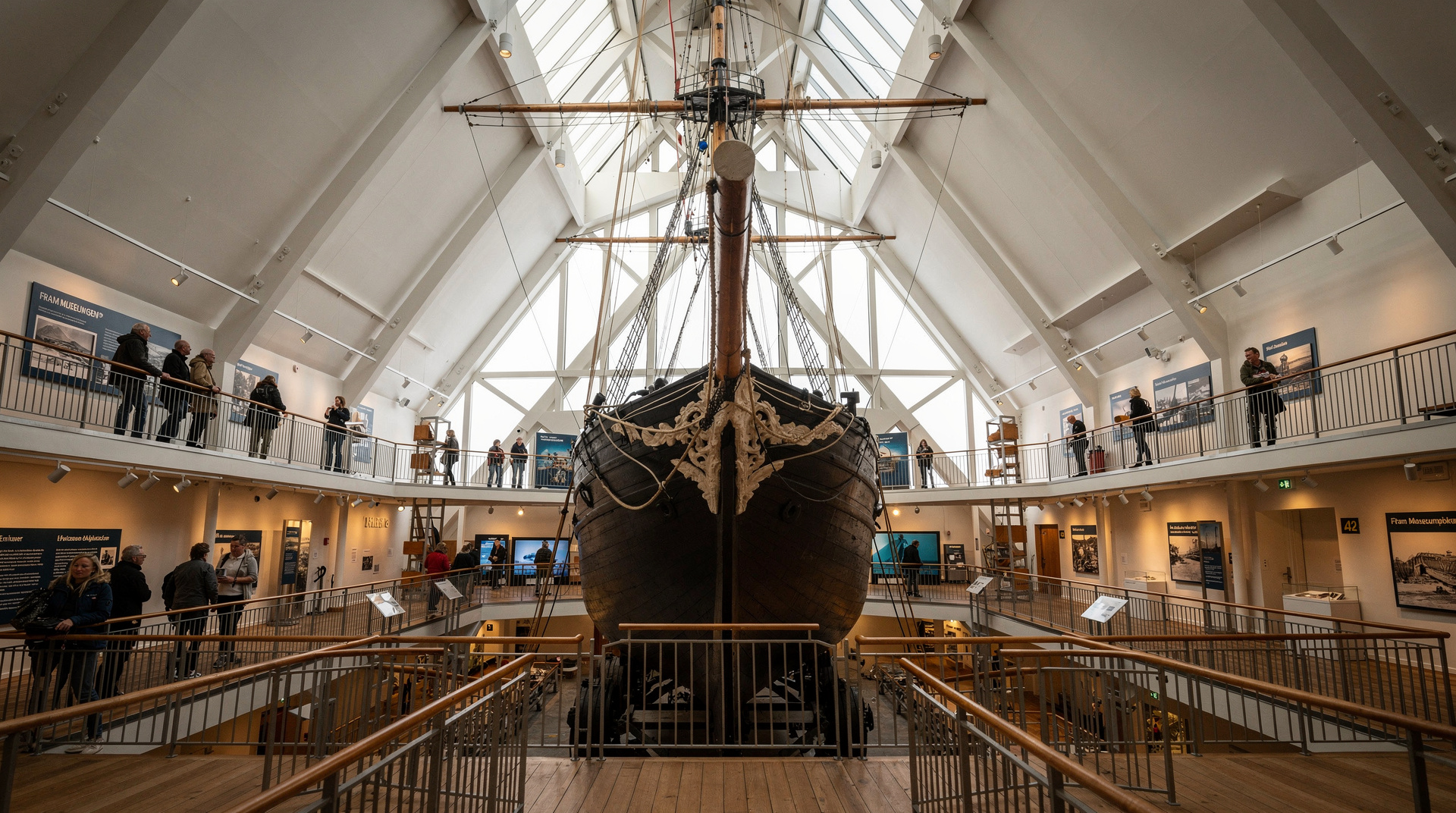
For art rather than archaeology, the National Museum makes a natural counterpart, and the Nobel Peace Center is another short stop in the same part of town. If the Viking theme has caught you, the Viking Ship Museum status page explains what is happening on Bygdøy, and the Bygdøy destination page covers the cluster of museums there, including the Fram Museum and the Kon-Tiki Museum.
Using the visit in a longer plan
The museum slots easily into a short stay. On a first trip it fits well into the one-day Oslo itinerary as a morning stop, and the two-day itinerary leaves room to stay longer in the Viking rooms. If your trip is built around museums, the three-day itinerary gives you the space to add Bygdøy on a separate day. Travellers watching their spending can compare the Oslo Pass against individual tickets and check the broader free things to do in Oslo before deciding how many paid museums to include.
Combining with other Oslo museums
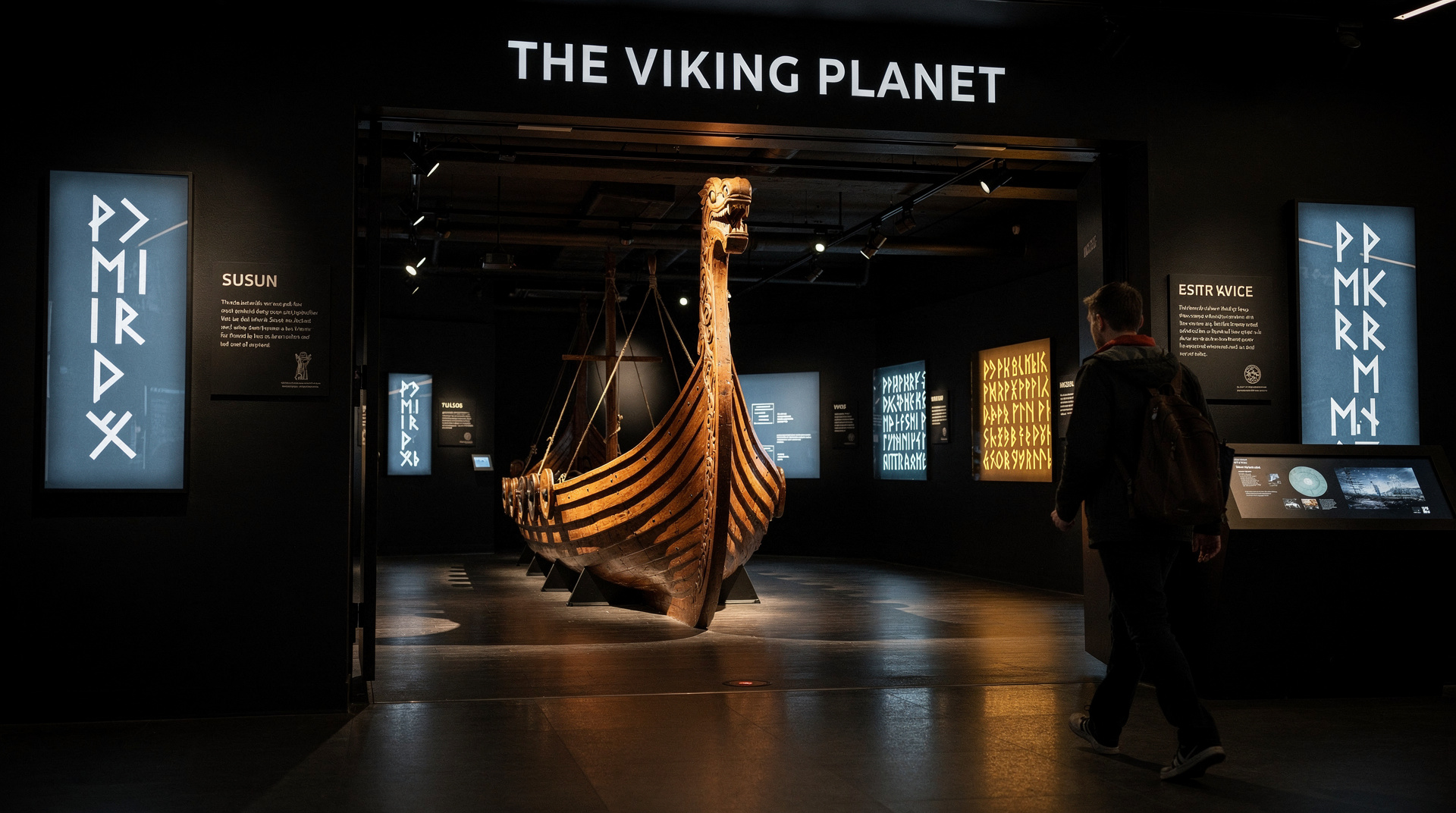
The Historical Museum combines well with a morning at Viking Planet for a Viking-focused half-day, as detailed in our Viking Oslo guide. It also pairs naturally with the Bygdøy museum cluster, though the museums there require a separate journey (bus 30 from Jernbanetorget or summer ferry from Aker Brygge).
For the Oslo Pass: if you plan to visit the Historical Museum, Norsk Folkemuseum, Fram Museum, and Kon-Tiki on the same trip, the Oslo Pass almost certainly pays for itself. Use the Oslo Pass calculator to check.
Why it is less crowded than it deserves to be
The Historical Museum’s low profile is partly because it was overshadowed for decades by the Viking Ship Museum, which sat on Bygdøy alongside the other famous museums and drew visitors as part of an obvious cluster. Now that the ship museum is closed, the Historical Museum has the Viking market largely to itself — but most visitors do not know to seek it out.
The result: extraordinary objects in peaceful rooms, with time to look properly. The Oseberg wagon in particular rewards slow attention; the carvings are more intricate than any photograph suggests.
If you visit Oslo for Viking history and skip the Historical Museum, you will leave having missed the best of what Oslo can actually show you in 2026. See our museum ranking guide for how it stacks up against the full Oslo museum landscape, and rainy day museums in Oslo for planning around weather.
Historical Museum vs the Bygdøy Viking sites, while the ship museum is closed
| Historical Museum | Viking Planet | Viking Ship Museum | |
|---|---|---|---|
| What’s there now | Real Oseberg burial goods and gold | Interactive/VR Viking experience | Closed until ~2027 |
| Authenticity | Genuine 9th-century artefacts | Recreated, educational | N/A while closed |
| Time needed | 1.5–2.5 hours | ~1 hour | — |
| Best for | Serious history, real objects | Families, quick overview | — |
For a combined Viking-focused day, pair the Historical Museum with Viking Planet — the full logistics for doing both are in our where to see Vikings in Oslo guide.
Reading the objects like a historian
A useful habit in this museum is to ask of each object what it was for and who would have seen it. The wagon and sleighs were made to be seen by a crowd; the brooches were worn close to the body and meant for those standing near; the kitchen vessels were made to be used. Seen that way, the collection stops being a row of cases and becomes a record of how a wealthy household presented itself in life and in death.
The textile fragments deserve the same patience. Their scenes are small and easy to miss, but they show people, horses and wagons in motion, which links back to the great wagon in the same room. The wider context of how Norway moved from Viking customs to Christian ones is carried by the medieval church art upstairs, so it is worth climbing the stairs even if you came only for the Vikings. For more places to meet that period, the guide to where to see Vikings in Oslo and the Norsk Folkemuseum guide widen the picture.
What first-time visitors get wrong
The most common mistake is assuming the Historical Museum is a consolation prize while the “real” Viking museum is closed. It isn’t — the actual Oseberg objects, including the gold, the wagon, and the tapestries, have been here for over a century regardless of what’s happening on Bygdøy. The ships are impressive as vessels, but the burial goods are where the Viking Age’s craftsmanship and wealth are most visible, and those have never left Frederiks gate 2.
Frequently asked questions about Historical Museum Oslo
Does the Historical Museum have the actual Viking ships?
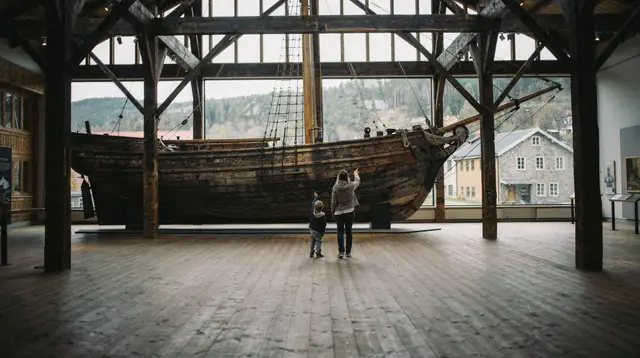
No. The three ships (Oseberg, Gokstad, Tune) are in conservation storage while the Viking Ship Museum is rebuilt as the Museum of the Viking Age (~2027 reopening). What the Historical Museum has are the burial goods from the Oseberg excavation — the carved wooden objects, textiles, tools, and gold jewellery found alongside the ship.What is the Oseberg gold hoard?
The Oseberg gold hoard is a collection of gold and silver objects found in the Oseberg burial mound, excavated in 1904-05. It includes intricate gold brooches, pendants, and jewellery from around 834 AD — among the finest Viking Age metalwork ever found in Norway. It is displayed in the Historical Museum's ground-floor Viking section.When is the Historical Museum open?
The museum is open Tuesday to Sunday, 10:00-17:00 (extended to 18:00 in summer June-August). It is closed on Mondays. Check the Kulturhistorisk Museum website for current hours, as holiday schedules vary.Is the Historical Museum covered by the Oslo Pass?
Yes. The Historical Museum is included in the Oslo Pass at no extra charge. This is one of the stronger inclusions if you plan to visit multiple museums — use our Oslo Pass calculator to check if the pass saves you money overall.How long does a visit to the Historical Museum take?
The Viking section alone takes about 1.5 hours if you read carefully. The full museum (which also covers Egyptian antiquities, Arctic cultures, and medieval church art) can fill 2.5-3 hours. Most visitors spend 1.5-2 hours total.Is the Historical Museum better than waiting for the new Museum of the Viking Age?
For a 2026 visit, yes, by default — the new museum is not open yet. The Historical Museum holds the actual Oseberg burial goods and gold, which is the substantive Viking content most visitors want; only the ships themselves are elsewhere in conservation. It's a genuine visit, not a placeholder while you wait.Should I book tickets in advance?
Advance booking isn't essential outside major holiday periods — the museum rarely reaches capacity given how few visitors currently know to come. Booking online can still be worthwhile to skip the ticket desk queue on a busy Saturday, and is required for the Oslo Pass's museum entries in some seasons; check current guidance before you go.
Top experiences
Bookable activities with verified prices and instant confirmation on GetYourGuide.