Viking Ship Museum Oslo: is it open? (2026 status + what to do instead)
Oslo: The Viking Planet entry ticket with VR movie
Duration: Flexible
- VR experience
- Family friendly
Is the Viking Ship Museum in Oslo open in 2026?
No. The Viking Ship Museum on Bygdøy has been closed since early 2023 for a major renovation and expansion into the Museum of the Viking Age. Reopening is expected around 2027. The best alternatives right now are Viking Planet (a VR Viking experience in the city centre) and the University of Oslo Historical Museum on Karl Johans gate, which holds the actual Oseberg collection finds.
What happened to the Viking Ship Museum?
The Vikingskipshuset on Bygdøy — one of Oslo’s most visited attractions for decades — closed to visitors in early 2023. The closure is not temporary maintenance; it is a full-scale demolition and reconstruction project to create the Museum of the Viking Age (Museet for vikingtid), a purpose-built institution three times the size of the original building.
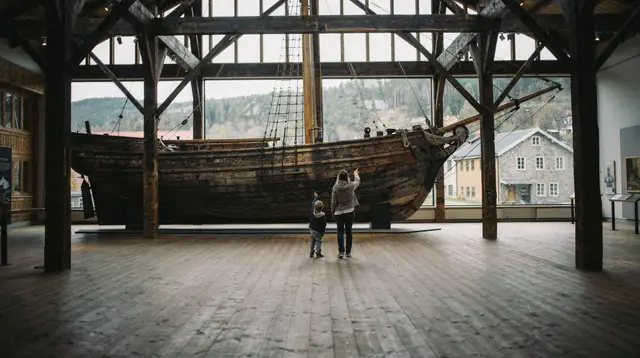
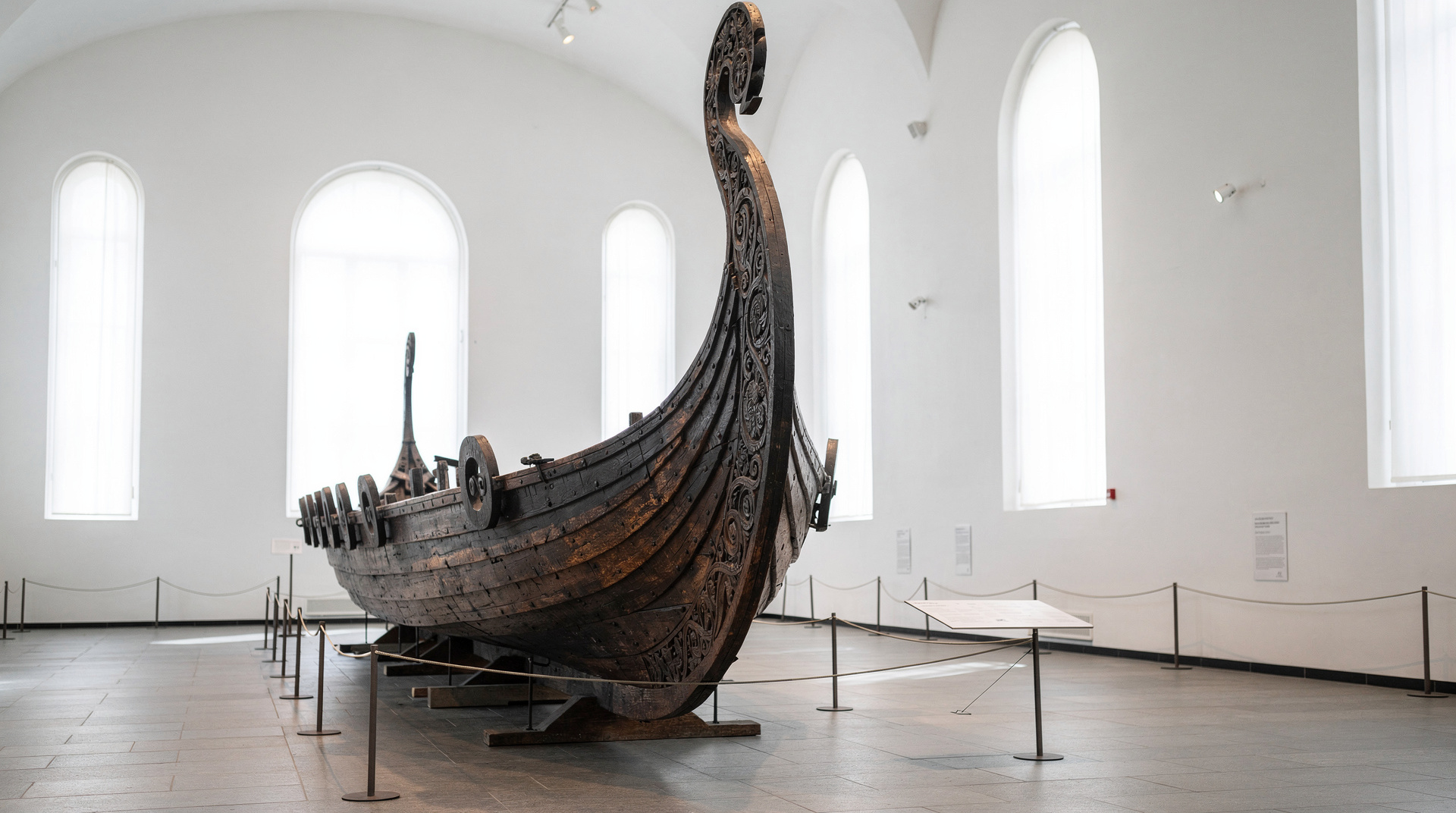
The three famous ships — the Oseberg (c. 820 AD), the Gokstad (c. 895 AD), and the Tune (c. 900 AD) — are currently in conservation storage. The Oseberg ship in particular requires controlled humidity and temperature to prevent the fragile 1200-year-old wood from deteriorating further. These ships are not on display anywhere in Oslo right now, and there is no public access.
Reopening is expected around 2027, though no official inauguration date had been confirmed as of May 2026. If you are planning a trip specifically around the ships, check the Kulturhistorisk Museum’s website before booking.
| Status | Closed since early 2023 — no ships on display anywhere |
| Reopens | Around 2027 (unconfirmed date) |
| Best alternative | Historical Museum, Karl Johans gate (Oseberg gold, NOK 140) |
| Fastest fix | Viking Planet VR, city centre (NOK 249, ~1 hour) |
| Day-trip option | Borre burial mounds near Horten (free, half-day) |
Why is this such a big deal?
For context: the Oseberg burial is arguably the best-preserved Viking ship burial ever found. Excavated at Tønsberg in 1904-05, it yielded not just the ship itself but an extraordinary cargo of wooden objects — an ornate wagon, three sleighs, animal-head posts, kitchen equipment, textiles — along with the remains of two women, one of whom may have been a queen or high priestess. The Gokstad ship, meanwhile, is a fully seaworthy ocean-going vessel; a replica sailed across the Atlantic in 1893.
The original 1920s building was never designed for modern conservation standards. The new Museum of the Viking Age will have climate-controlled ship halls, expanded exhibition space, a dedicated research centre, and facilities that the original could never provide. It is a genuine upgrade — just not available to visit in 2026.
The best alternative right now: Viking Planet
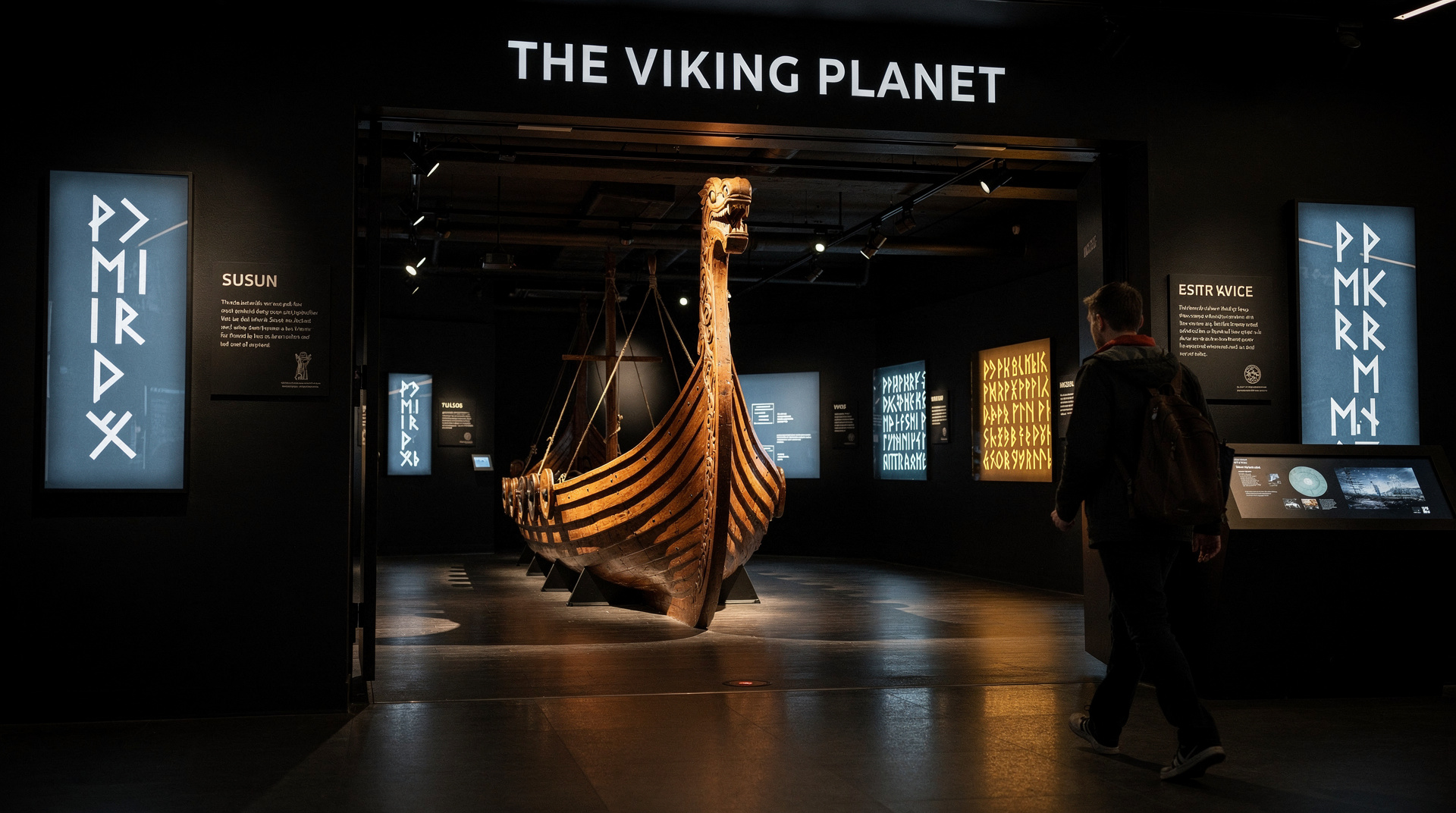
Viking Planet opened in 2021 as a technology-forward alternative to the traditional museum experience. Located at Nedre Vollgate 4 in the city centre (a 10-minute walk from Oslo Sentrum S), it does not attempt to replace the ships — it takes a completely different approach.
The centrepiece is a VR longship experience: you sit in a motion seat, put on a high-resolution headset, and ride with a Viking crew through the Oslofjord. A saga film follows, presented as a cinematic walk-through of Norse mythology. The whole experience takes about 45-60 minutes.
Tickets cost around NOK 249 (about USD 27) for adults, with discounts for children and families. It is popular with families and tends to sell out on summer weekends, so booking in advance is sensible. It is not covered by the Oslo Pass.
Is it a substitute for seeing the real ships? No — it is an entirely different kind of experience. But it is genuinely well-made, gives children and adults alike a vivid feel for Viking seafaring, and takes a third of the time of a full museum visit. Many visitors who planned to skip it end up rating it highly.
See the full breakdown in our Viking Planet review guide.
The underrated alternative: Historical Museum on Karl Johans gate
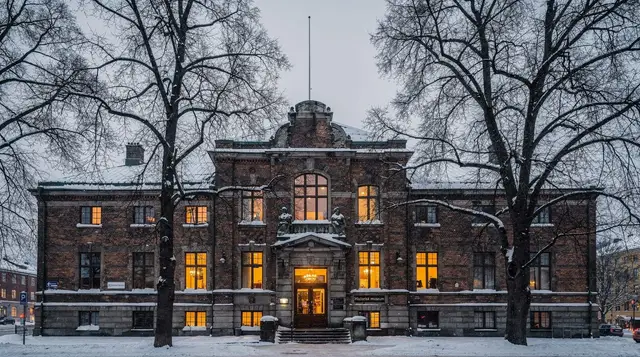
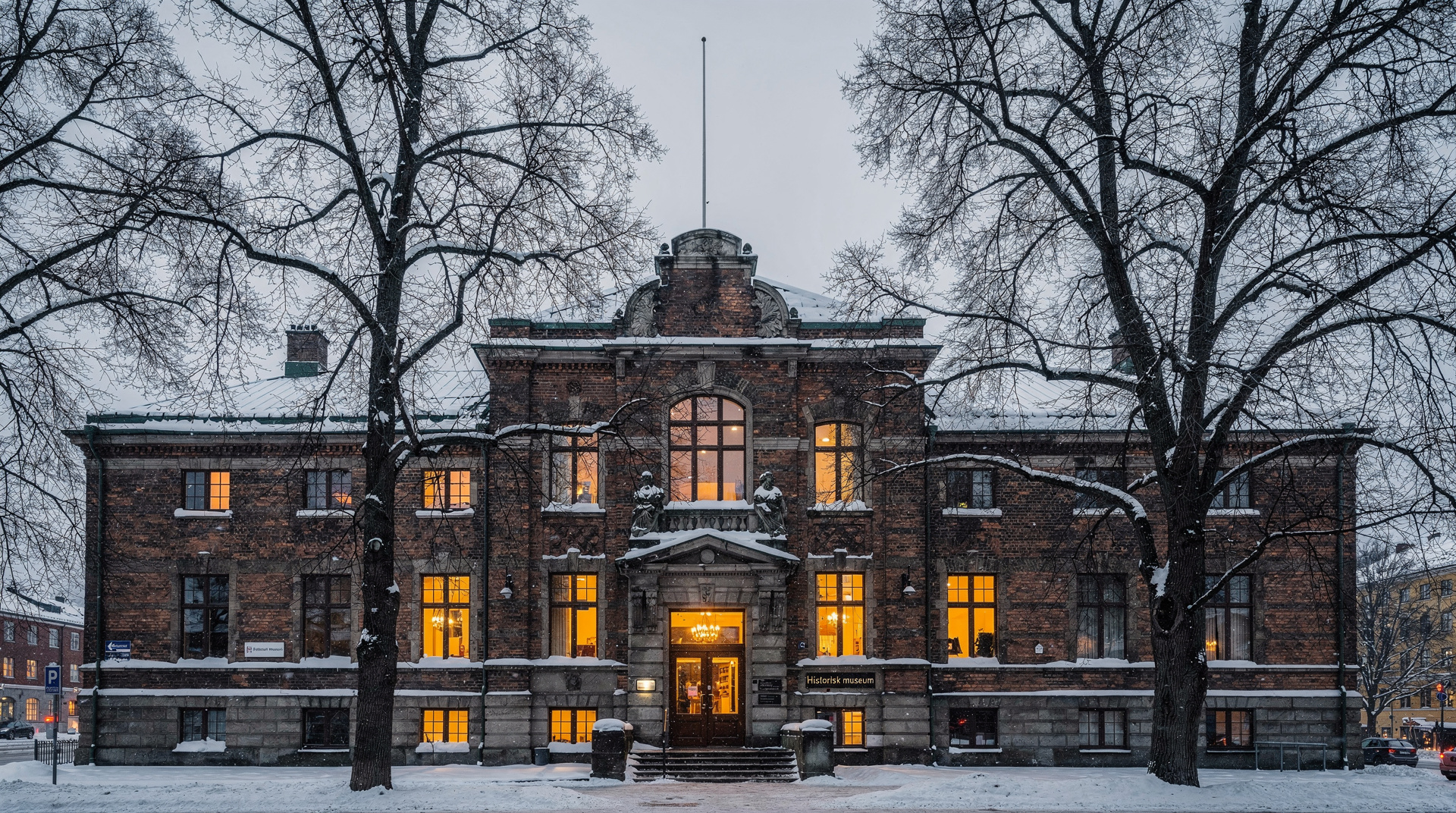
The Universitets Kulturhistoriske Museer (Historical Museum) at Frederiks gate 2 — a short walk from the Royal Palace end of Karl Johans gate — is where the actual Oseberg treasures are held when the ship museum is closed.
The Viking section occupies the ground floor and includes:
- The Oseberg gold hoard — a remarkable collection of gold and silver jewellery found in the burial, including the celebrated Oseberg gold brooches
- Viking-Age coins from trade networks reaching Byzantium and the Arab world
- Everyday objects — combs, tools, weapons — that give a more human-scale view of Viking life than the ships alone
- Replica textiles showing the high quality of Viking weaving
Entry is NOK 140 (about USD 15) for adults, free for under-18s and for Oslo Pass holders. The museum is open Tuesday to Sunday; closed on Mondays. It is far less crowded than the old Viking Ship Museum was, which means you can spend real time with the objects rather than fighting for space.
For a full write-up, see our Historical Museum Oslo guide.
Other Viking traces in Oslo right now
While the ships are away, several other Viking connections remain visible in the city:
Borre National Park (day trip): The largest collection of Viking burial mounds in Scandinavia is at Borre, about 100 km southwest of Oslo near Horten. The mounds date from the 6th to 10th centuries and are set in a forest that feels appropriately atmospheric. Accessible by train and local bus; worth a half-day if you are serious about Viking history.
Aker Brygge and Bygdøy waterfront: Walk the shoreline near Aker Brygge and Bygdøy and you are tracing the same geography that Viking crews knew. The Oslofjord is not a backdrop — it was the highway. The silent electric boat cruise from Aker Brygge gives a striking modern-day view of the fjord approaches.
Akershus Fortress: While not Viking (it dates from around 1300), Akershus Fortress sits on a promontory that was certainly within the Norse trading town of Kaupang-era Oslo. The medieval fortifications give the right kind of atmosphere for those interested in Scandinavian history.
Place names: Oslo’s street and district names preserve a layer of Norse geography — Akerselva (the river), Aker (the farmland above), and the suffix “-løkka” (meadow) scattered through Grünerløkka.
For a complete guide to all Viking-related sites currently open, see where to see Vikings in Oslo.
Planning your visit: practical notes
Getting to Bygdøy: The old Viking Ship Museum is closed, but Bygdøy itself still has the Fram Museum, the Kon-Tiki Museum, and Norsk Folkemuseum. Bus 30 from Jernbanetorget/Oslo Sentrum runs directly to Bygdøy; in summer the ferry from Aker Brygge is faster and more pleasant.
Getting to Viking Planet: Walk from Oslo S (Jernbanetorget) — about 12 minutes — or take tram line 11, 12, or 13 to Stortinget. The entrance at Nedre Vollgate 4 is clearly signed.
Getting to the Historical Museum: Walk from the Royal Palace end of Karl Johans gate. It is five minutes from the National Theatre (tram lines 11, 12, 17, 18, 19 stop there).
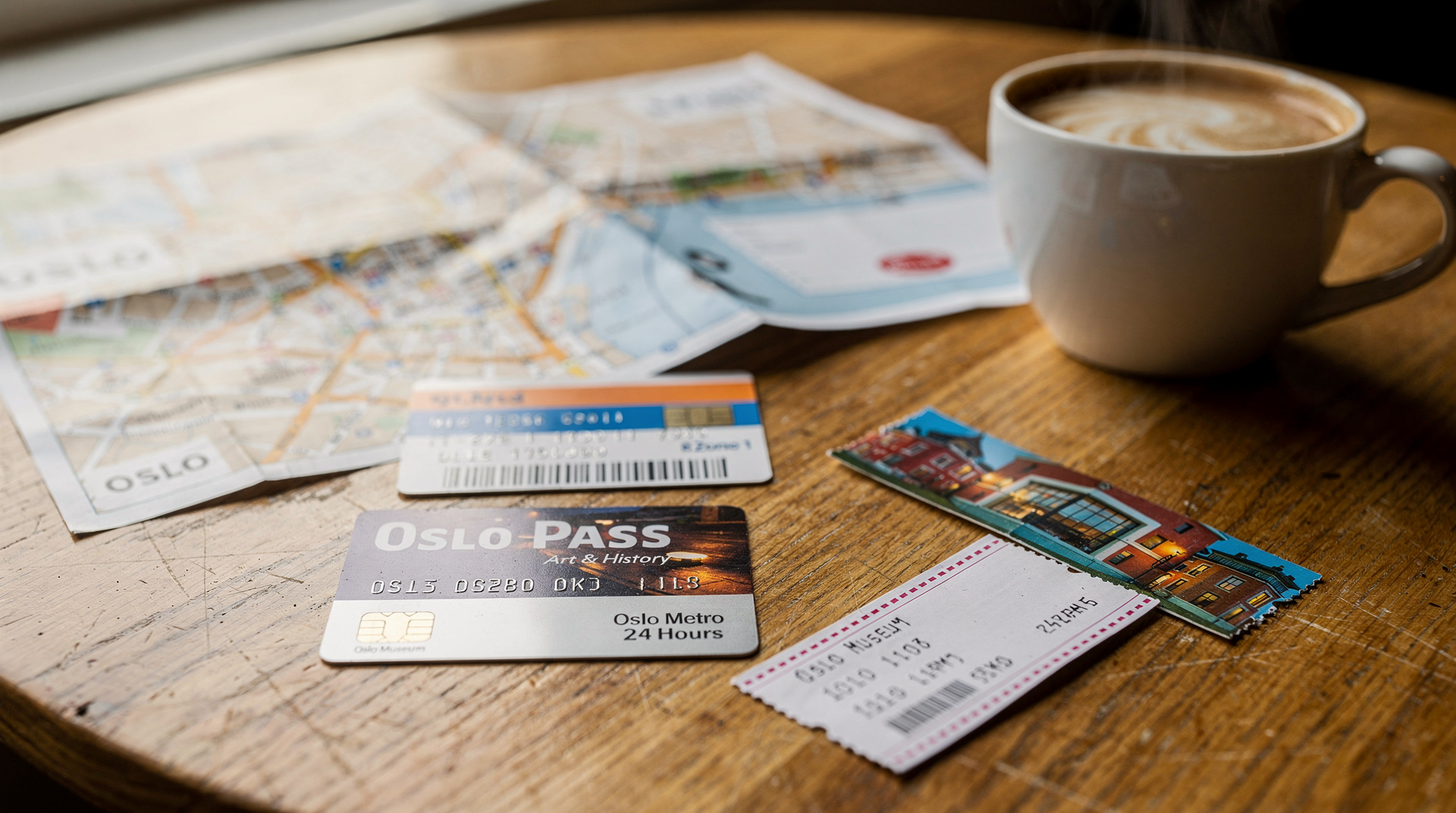
Oslo Pass note: The Historical Museum is included. Viking Planet is not. The Oslo Pass is most useful if you plan to visit multiple Bygdøy museums on the same day; with the Viking Ship Museum closed, the calculus changes — use our Oslo Pass calculator to check whether it is worth buying for your specific itinerary.
Families: Viking Planet works well for children aged roughly 7 and up. The VR motion element is mild. The Historical Museum is more suitable for curious teenagers and adults — young children tend to find it too quiet without the dramatic scale of the ships.
What to expect when the Museum of the Viking Age reopens
The new museum is designed around the idea that the ships are not just artefacts but vessels — objects that were built to move, to carry people and goods and power across the sea. The exhibition design will place the ships at the centre of a narrative about Norse expansion, trade, and mythology, with modern lighting, touchscreens, and research facilities supporting the conservation work.
When it opens — likely 2027 — it will almost certainly be the most impressive Viking museum in the world. The Oseberg ship alone will justify the visit. Until then, plan your Oslo trip around the alternatives above, and do not assume the museum is open based on old travel articles.
Should you delay a Viking-focused trip until 2027?
For most travellers, no. The Historical Museum’s Oseberg gold and burial goods, plus Viking Planet’s VR longship, together cover roughly 80% of what most visitors actually came to Oslo’s Viking sites for — and you get to see both with far smaller crowds than the old ship hall ever had. The only visitors who should seriously consider waiting are specialists who need to see the physical ships themselves for research or a very specific bucket-list reason.
Everyone else can build a satisfying Viking day in Oslo right now, and simply return post-2027 for the ships as a second, separate trip. Pair the Viking day with a look at Oslo’s other neighbourhoods so the day does not feel entirely defined by one closed attraction.
A one-day Viking itinerary that works in 2026
If Viking history is your main reason for visiting, this sequence makes the most of what is currently open: start at Viking Planet (book the first slot to avoid school groups), walk 12 minutes to the Historical Museum for the Oseberg treasures at a relaxed pace, then finish with a walk along Aker Brygge to see the Oslofjord itself — the actual water the Viking ships sailed. Serious enthusiasts with a spare day can add the Borre burial mounds near Horten by train. This whole sequence costs under NOK 450 per adult and fits comfortably into a single day, with time left over for Oslo’s other top sights.
Fitting the Viking day into a wider Oslo trip
A closed headline attraction does not have to hollow out your plans. The Viking material that is open slots neatly into a normal city break, and it helps to think of it as one thread among several rather than the spine of the trip. If you are still deciding how long to stay, our guide on how many days in Oslo shows where a half-day of Viking history fits, and the Oslo in 2 days and Oslo in 3 days itineraries already leave room for it.
On a short visit, pair the Viking stops with other central sights. The national museum guide and the Munch Museum guide cover the art side, while the Nobel Peace Center and Karl Johans gate are an easy stroll from the Historical Museum. If the weather turns, our list of rainy day museums in Oslo is a good fallback, and the Viking sites suit a wet day well because most of the time is spent indoors.
Travelling with children changes the balance. Viking Planet is the obvious hook, and the family museums guide and Oslo with kids suggest ways to mix it with places where younger visitors can move around. The Oslo Pass vs individual tickets comparison is worth reading before you commit to a pass, since a closed ship museum changes which sights make a pass pay off.
If you would rather read about the story behind the closure than plan around it, the blog post on the Viking Ship Museum closure gives a more personal account, and the Oslo 2026: what’s new roundup places it alongside other changes in the city. For a broader sense of the area, the Bygdøy destination page explains what remains open on the peninsula while the ships are away, so the trip out there is still worthwhile for the other museums.
Whatever you decide, treat the closure as a reason to look more closely at the objects that are on show. Smaller galleries reward slow visits, and the absence of the ships means the everyday finds, jewellery and coins get the attention they have long deserved.
Quick summary
| Status | Cost (adults) | Oslo Pass? | |
|---|---|---|---|
| Museum of the Viking Age (ships) | CLOSED ~until 2027 | — | — |
| Viking Planet (VR experience) | Open | NOK 249 (~USD 27) | No |
| Historical Museum (Oseberg gold) | Open | NOK 140 (~USD 15) | Yes |
| Borre burial mounds (day trip) | Open year-round | Free | — |
Oslo’s Viking heritage is temporarily incomplete in 2026, but far from invisible. The Historical Museum and Viking Planet together give a solid grounding — and when the Museum of the Viking Age reopens, it will be worth revisiting Oslo specifically to see it. Until then, see also our full guide to Oslo’s best museums ranked and our suggestions for top things to do in Oslo.
Frequently asked questions about Viking Ship Museum Oslo
When will the Viking Ship Museum reopen?
The museum — being rebuilt as the Museum of the Viking Age — is expected to reopen around 2027. No fixed date has been confirmed. Check the Kulturhistorisk Museum website for official updates before you visit.Can I still see the Oseberg ship in Oslo right now?
No. The three original Viking ships (Oseberg, Gokstad, Tune) are in storage during the renovation. You cannot view them. However, the Historical Museum on Karl Johans gate displays the Oseberg burial goods — the wagon, sleighs, textiles, and gold artefacts — which many visitors find just as impressive.What is Viking Planet Oslo?
Viking Planet is an immersive VR experience in the Oslo city centre where you wear a headset and ride a Viking longship, explore a Norse farm, and watch a short saga film. It takes about 45-60 minutes and costs NOK 249 (roughly USD 27) for adults.Is the Historical Museum worth visiting for Viking content?
Yes. The University of Oslo Historical Museum holds the Oseberg gold hoard — one of Norway's finest treasures — as well as jewellery, coins, and everyday objects from the Viking Age. The Viking section is thorough, free entry for those under 18, and located right on Karl Johans gate.Does the Oslo Pass cover these Viking alternatives?
Yes. The Oslo Pass covers the Historical Museum at no extra charge. Viking Planet is not covered by the Oslo Pass and charges its own admission. Always verify pass coverage on the official Oslo Pass website, as inclusions can change.Should I delay my Oslo trip until the museum reopens?
Not unless you specifically need to see the physical ships. Viking Planet and the Historical Museum together cover most of what visitors come for, with smaller crowds than the old ship museum. Most travellers can have a satisfying Viking day in Oslo right now and treat the reopened museum as a reason for a future return trip.Can I combine the Viking sites with Borre burial mounds in one day?
It is tight but possible for a long day. Viking Planet and the Historical Museum together take about half a day in central Oslo; Borre is a further 80-minute train ride each way. Most visitors split this across two days, or treat Borre as a dedicated day trip for serious Viking history enthusiasts.
Top experiences
Bookable activities with verified prices and instant confirmation on GetYourGuide.