Eating in Grünerløkka: Oslo's best food neighbourhood
Oslo: Grünerløkka food and culture walking tour
Duration: 3 hours
- Grünerløkka
- Tastings included
Is Grünerløkka Oslo's best neighbourhood for food?
Yes, for independent and mid-price eating. Grünerløkka has Oslo's highest concentration of bakeries, specialty cafés, small-plate restaurants, and food markets without the tourist-trap premium of Aker Brygge. Expect to pay NOK 120–200 ($13–22) for a good lunch and NOK 250–380 ($27–41) for dinner mains.
Why Grünerløkka is where Oslo actually eats
When Oslonians describe their city’s food culture to visitors, they almost always direct them east across the Akerselva river to Grünerløkka. Not because the city centre is bad, but because Grünerløkka is genuinely where the city’s independent food culture lives — where the best bakeries are, where the interesting cafés tend to open first, where the Saturday market draws locals rather than tour groups, and where the restaurants are independently owned and care about what they’re serving.
The neighbourhood was working class for most of the twentieth century, which kept rents low enough for small food businesses to survive when they couldn’t elsewhere. The gentrification that followed has brought higher prices but has not (yet) dislodged the independent spirit. Grünerløkka remains the best single neighbourhood to understand Oslo’s food culture.
This guide covers the full food day — from morning coffee through afternoon market to dinner.
| Where | Thorvald Meyers gate & Markveien, east of the Akerselva |
| Getting there | Tram 11/12 from Jernbanetorget, ~10 minutes |
| Cost | Around NOK 120–200 lunch, NOK 280–400 two-course dinner |
| Best day | Saturday (farmers’ market) or Sunday morning (quiet) |
| Don’t miss | Godt Brød kanelboller, Saturday market at Birkelunden |
Morning: the bakery culture
Grünerløkka has three bakeries that any serious Oslo food visitor should know:
Godt Brød (Thorvald Meyers gate 57): The cooperative bakery that Oslo’s food community has anointed as the city’s best. All sourdough leavening, local grain where possible, and a pastry counter that makes the kanelboller (cinnamon rolls) that have become something of a pilgrimage for arriving visitors. Kanelboller: NOK 40–50 ($4.30–5.40). Sourdough bread: NOK 65–90 ($7–10). Open from 07:00 on weekdays.
Åpent Bakeri (Thorvald Meyers gate 69): A step up in modernity and price from Godt Brød, with beautiful laminated pastries (croissants, pain au chocolat), excellent sourdough, and a wider espresso-based drinks menu. The weekend brunch crowd makes it packed by 10:30 — arrive before 09:30 or expect to wait for a seat. Pastries NOK 45–70 ($4.80–7.50).
Café Laundromat (Grünerløkkaveien 8): Not primarily a bakery but has excellent morning pastries and one of the neighbourhood’s most characterful interiors — books, mismatched furniture, a genuine community feel. Good for a slow morning start.
Specialty coffee in Grünerløkka
The Oslo coffee revolution (covered fully in the coffee culture guide) has several important locations in Grünerløkka:
Fuglen (Grünerløkka branch at Markveien 53): One of the founding third-wave Oslo coffee houses. The Grünerløkka location is smaller and more neighbourhood-feeling than the original Majorstuen outpost. Excellent single-origin filter coffee and espresso. Doubles as a cocktail bar in the evening.
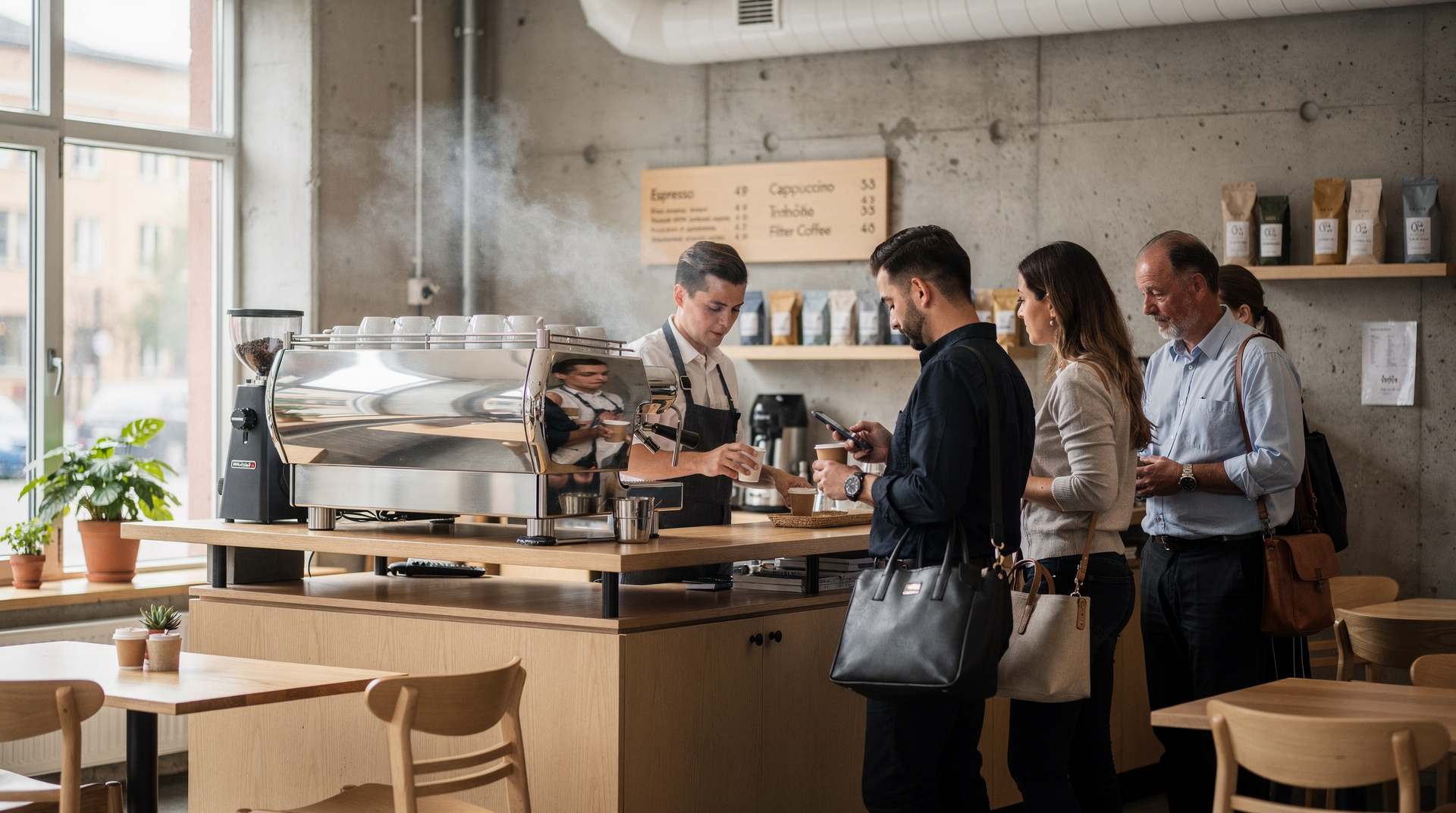
Supreme Roastworks (Thorvald Meyers gate 2): The roastery and café that many Oslo coffee professionals consider the current pinnacle of Oslo specialty coffee. The space is industrial-cool, the coffee is excellent, and the light through the large windows makes it a perfect morning stop. Espresso NOK 45–55 ($4.80–5.90), filter coffee NOK 50–60 ($5.40–6.50).
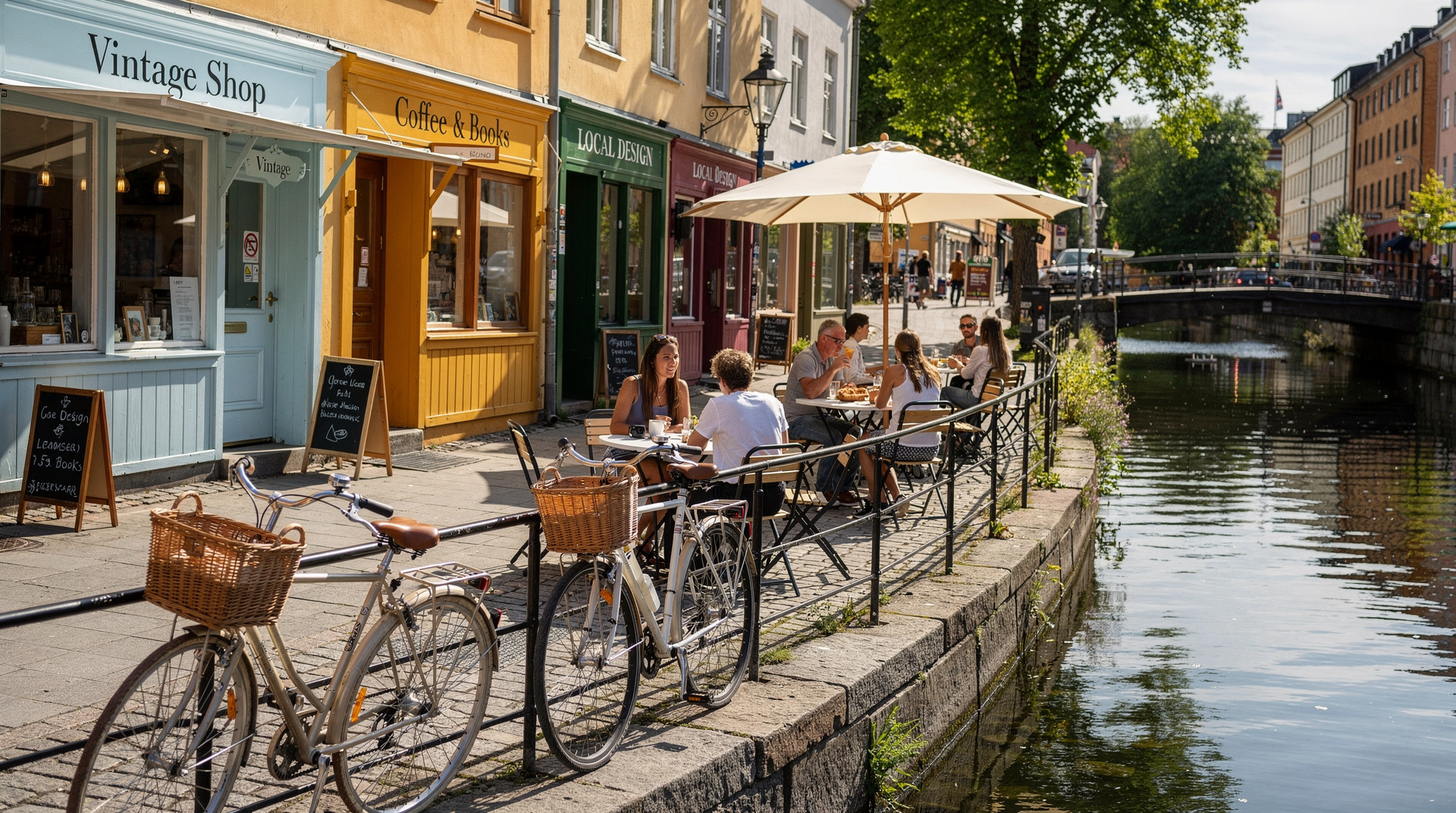
Kolonihagen (Thorvald Meyers gate 53): A café and bar with an excellent morning coffee program and the neighbourhood’s best outdoor terrace for warm weather. Morning coffee and pastry NOK 80–120 ($8.60–13).
Lunchtime in Grünerløkka
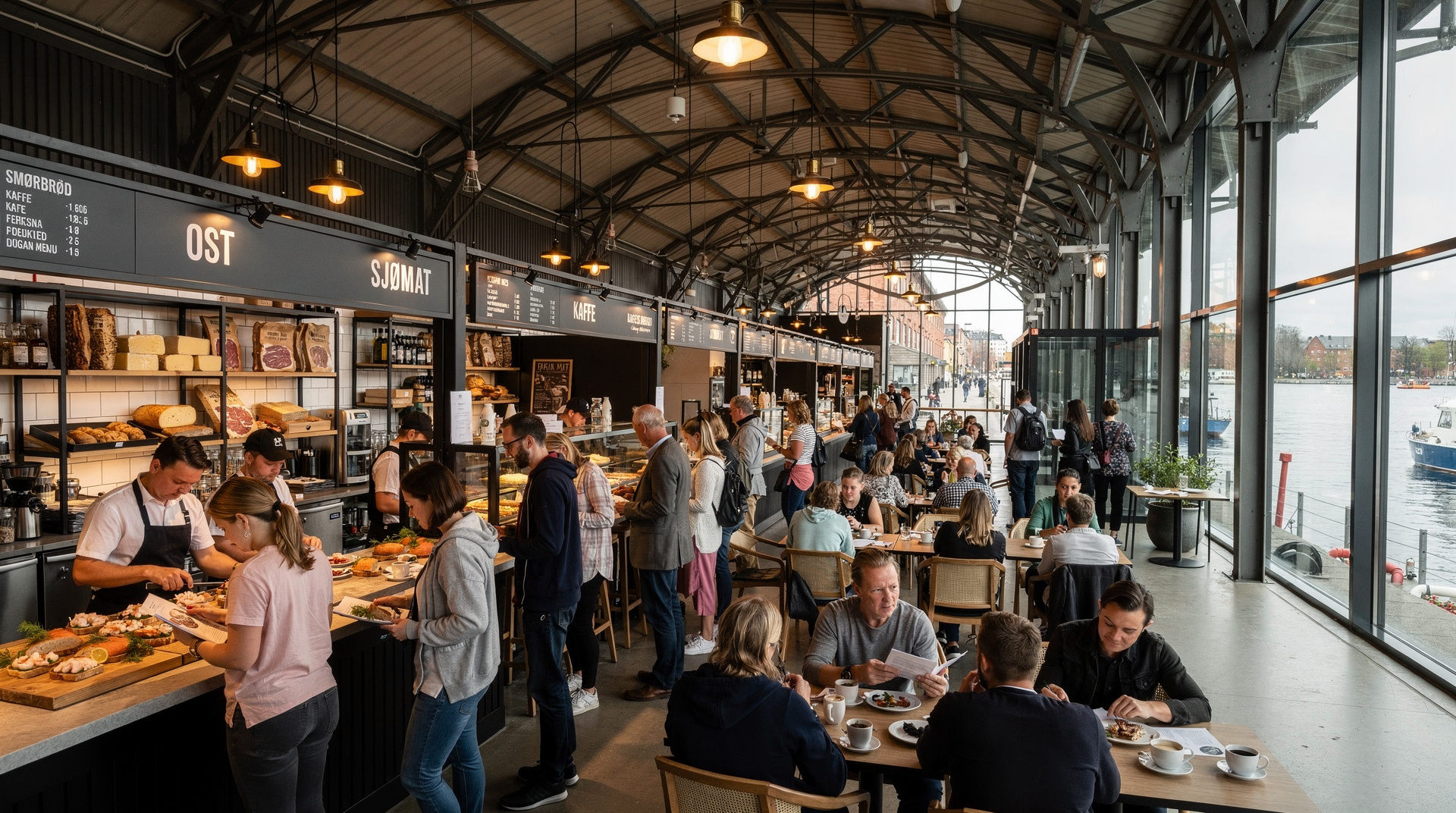
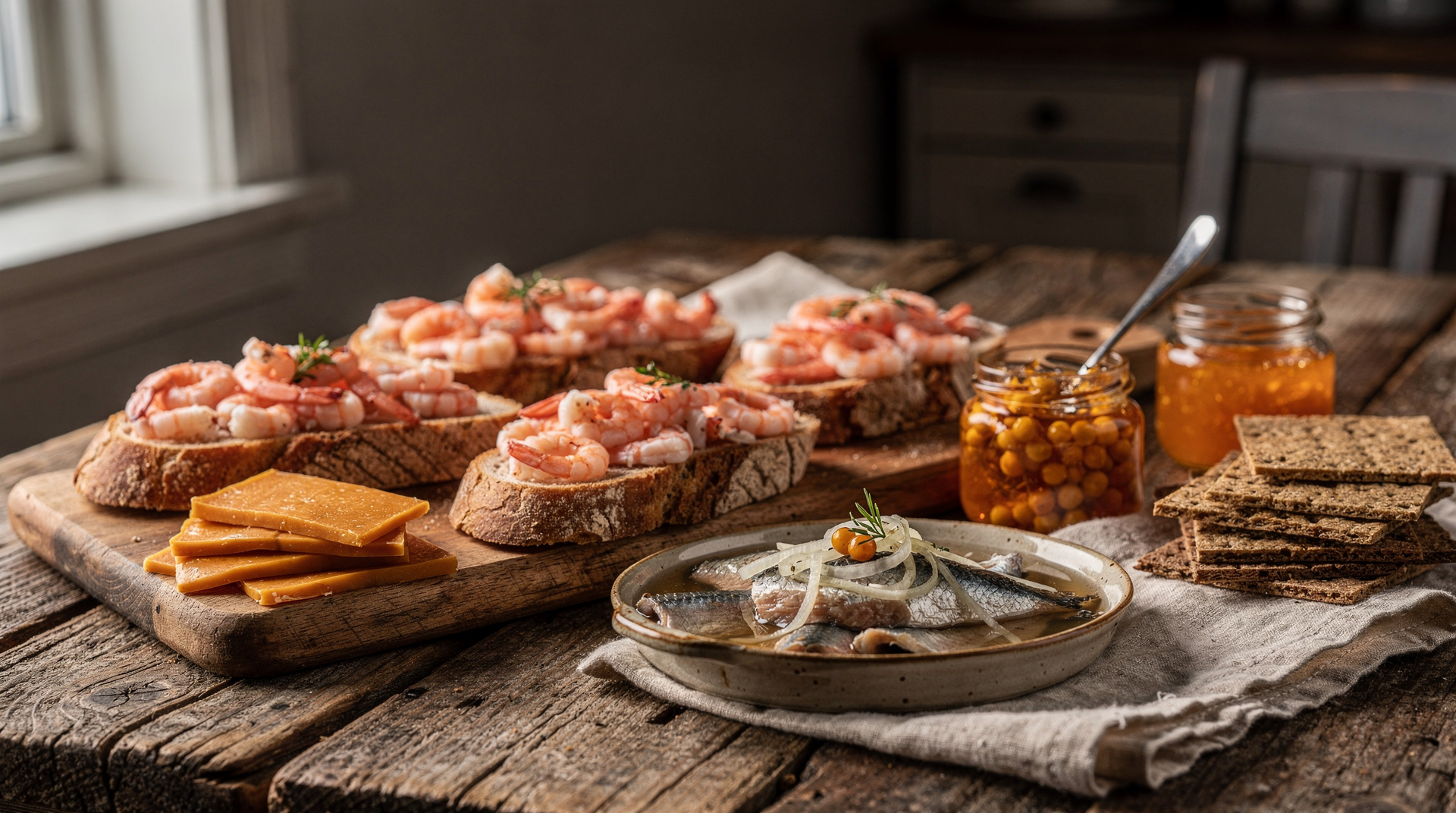
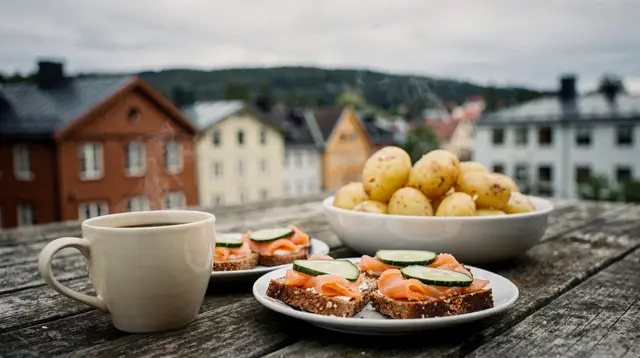
Smørbrød lunches: Virtually every café on Thorvald Meyers gate and Markveien serves smørbrød at lunch. The quality varies but the price range is consistent — NOK 75–130 ($8–14) per open-faced sandwich. Seek out fresh-made over pre-made; the sign is whether the bread looks like it was sliced that morning.
Elias Mat og Sant (Thorvald Meyers gate 10): One of Oslo’s best vegetarian and plant-forward lunch spots, serving seasonal Norwegian produce in simple, honest preparations. Lunch plates NOK 145–185 ($16–20). The soup changes daily and is usually excellent.
Illegal Burger (Møllergata 23): Oslo’s best smash burgers. Sounds out of place in a Norwegian food guide, but the quality is genuinely excellent and the prices are fair by Oslo standards — a burger, fries, and drink for NOK 210–250 ($23–27). The queue out the door on Friday lunchtime is warranted.
Le Benjamin (Markveien 33): A French-Norwegian hybrid bistro that does lunch better than most of its neighbours. Salads, smørbrød, and a daily hot dish for NOK 150–200 ($16–22). The wine list is good for the area.
Vingen Fisk at Mathallen (Vulkan, a 10-minute walk from central Grünerløkka): Fresh fish cakes, reker, and fish soup from NOK 115–160 ($12–17). Worth the short walk.
The Saturday market: Bondens marked
The farmers’ market at Birkelunden park runs every Saturday from early May to late October, approximately 10:00 to 15:00. It’s one of the better urban food markets in Scandinavia — dominated by small Norwegian producers selling what they actually grow and make:
- Norwegian organic produce: root vegetables, potatoes, kale, berries
- Farmhouse cheeses from small Norwegian producers
- Fresh eggs and dairy products
- Wild-harvested herbs and mushrooms in season
- Honey from urban and rural beekeepers
- Jams, preserves, and pickles
- Fresh-baked bread from local microbakeries
The scale is modest — this is a genuine neighbourhood market, not a tourist event. Bring a bag and some cash (some vendors prefer it, though cards are accepted widely). Budget NOK 200–400 ($22–43) for a mixed shopping session.
The market atmosphere in summer — warm Oslo light, the smell of fresh bread, the low hum of Norwegian conversation — is worth experiencing for its own sake even if you don’t buy anything.
Afternoon and evening dining
Territoriet (Markveien 58): Grünerløkka’s natural wine bar and small plates destination. The menu changes weekly and reflects seasonal Norwegian produce treated with a Nordic-European sensibility — fermented, pickled, charred. Sharing plates NOK 110–200 ($12–22) each. A full dinner sharing three or four plates plus a bottle of wine: NOK 600–800 ($65–86) per couple.
Olympen (Grønlandsleiret 15): Technically in Grønland rather than Grünerløkka proper, but a 10-minute walk and essential for anyone who wants to eat traditional Norwegian food in a genuinely historic setting. The pub interior dates from 1892, with dark panelling and framed prints. The food is pub-restaurant Norwegian — kjøttkaker (meat patties with gravy), lapskaus (meat stew), smørbrød. Mains NOK 200–295 ($22–32). Popular with locals and worth the slightly longer walk.
Nydalen Bryggeri (various locations including nearby): Grünerløkka’s neighbourhood brewery scene spills into the evening — see the craft beer guide for Oslo’s brewery landscape.
Café Sara (Thorvald Meyers gate 27): The neighbourhood’s relaxed evening option — not a destination restaurant but a reliable, honest neighbourhood café that serves simple food well. Evening mains NOK 180–250 ($19–27). Good beer selection. No reservations needed most evenings.
The food tour option
Two dedicated Grünerløkka food tours are worth considering if this is your introduction to Oslo food culture:
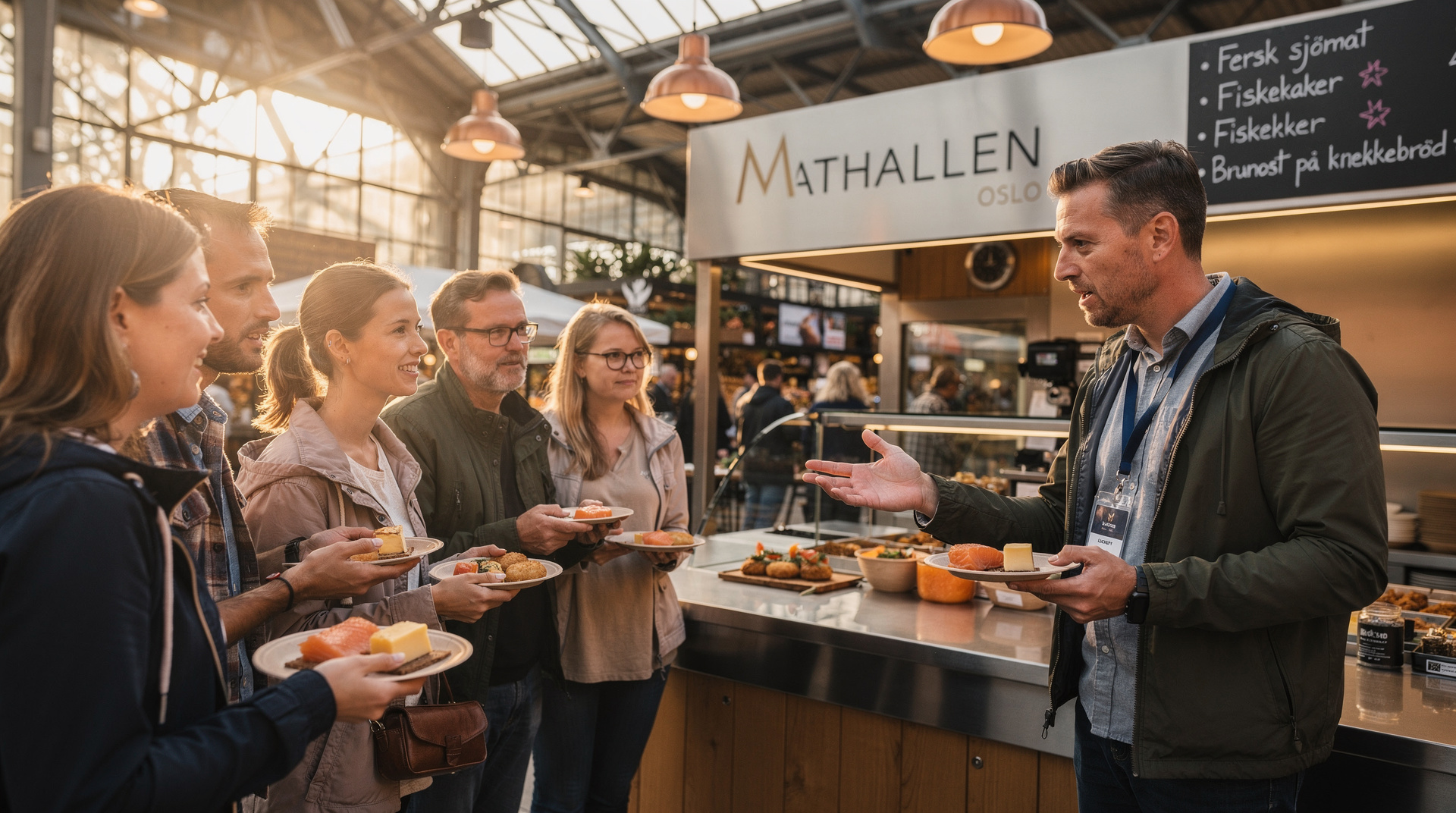
The Grünerløkka food and culture walking tour (3 hours) covers the neighbourhood comprehensively — bakeries, market stalls, specialty producers, a craft beer tasting, and local commentary that contextualises the food culture within the neighbourhood’s social history. Price approximately NOK 550–650 ($59–70). Good for first-time Oslo visitors.
The Grünerløkka 7-tastings food tour is more structured — exactly seven specific tastings over 3 hours, making the format predictable and the value calculation simple. Good for food-focused visitors who want a clear sense of what they’re paying for.
Both options are in the full food tour comparison guide, which also covers city-centre alternatives.
Practical notes for Grünerløkka eating
Getting there: Tram 11 or 12 from Jernbanetorget to Olaf Ryes Plass or Schous Plass. The walk from the city centre takes 25 minutes and passes interesting urban architecture along the way.
Best day to visit: Saturday, when the farmers’ market is running and the café terraces are full. Sunday mornings are also excellent — quieter than Saturday, all the bakeries open, and a pleasant low-key atmosphere. Mondays see some cafés closed.
Budget: Grünerløkka is more affordable than Aker Brygge but not cheap by European standards. Budget NOK 120–200 ($13–22) for a coffee and lunch, NOK 280–400 ($30–43) for a two-course dinner per person without drinks.
Beyond food: The food tour context pairs naturally with a neighbourhood walk. Birkelunden park is lovely in any season, the Akerselva river path through Vulkan is 10 minutes south, and the design shops along Markveien are worth exploring after lunch. See the Grünerløkka neighbourhood guide for the full non-food context.
How to eat well here without overplanning
The easiest mistake in Grünerløkka is treating it like a checklist. The neighbourhood rewards slow wandering: the best café is often the one with a free table when you get tired, and the best lunch is the one you smell from the pavement. Pick one anchor per part of the day, a bakery in the morning, a market or lunch spot at midday, a sit-down dinner in the evening, and leave the gaps open for whatever you stumble on along Thorvald Meyers gate. If you want to understand why the area developed this way, the Grünerløkka neighbourhood guide and the blog piece on how Grünerløkka changed give the background.
A few habits make the day smoother. Eat your main meal at lunch if dinner reservations are full, since lunch menus often run along similar lines at a gentler price. Ask what is seasonal rather than ordering the headline dish, because small kitchens here build menus around what is available. Carry a card or phone for payment, as Oslo is largely cashless, and keep a little cash only for the odd market stall. And dress for the weather: terraces are popular and many seats are outdoors for much of the year.
Eating on a tighter budget
Grünerløkka is not the cheapest part of the city, but it is easy to eat well without overspending. A bakery pastry and a coffee make a perfectly respectable breakfast, and a smørbrød or a daily soup at a café can stand in for a full lunch. Sharing a few small plates at a wine bar is often better value than ordering individual mains. For more ways to keep costs down across the city, the budget eats guide and the cheap eats guide go through the options, while the Oslo on a budget guide puts food into the wider picture of daily spending.
If you notice prices that seem out of line with the quality on offer, it is worth reading the overpriced food warning before you sit down at a place on a busy tourist street. The independent places in this neighbourhood tend to avoid that trap, which is a large part of the reason locals send visitors here.
Pairing food with a wider Oslo plan
Food in Grünerløkka fits naturally into a longer stay. If you are building a trip around eating and design, the Oslo food and design weekend itinerary strings the neighbourhood together with other stops, and the Mathallen food hall guide covers the covered market just down the river. Coffee drinkers should also read the Oslo coffee obsession article for a more personal take on the city’s cafés. When you are ready to move from the cafés to the evening, the best bars in Oslo guide picks up where the dinner section leaves off.
One last point on timing: the neighbourhood changes character through the day. Mornings are calm, with locals reading and queuing quietly for pastries. Lunch is busier and more mixed. Early evening brings people to the terraces and wine bars, and by the weekend night the main streets are lively. Choose the pace that suits you, and plan your stops around it rather than the other way round.
Grünerløkka vs the alternatives, by price
| Area | Typical lunch | Typical dinner main | What you get |
|---|---|---|---|
| Grünerløkka | NOK 120–200 | NOK 200–300 | Independent cafés, bakeries, small plates |
| Grønland | NOK 100–180 | NOK 150–250 | Cheapest, most authentic non-Norwegian food |
| Mathallen (Vulkan) | NOK 115–180 | NOK 150–250 | Food-hall variety under one roof |
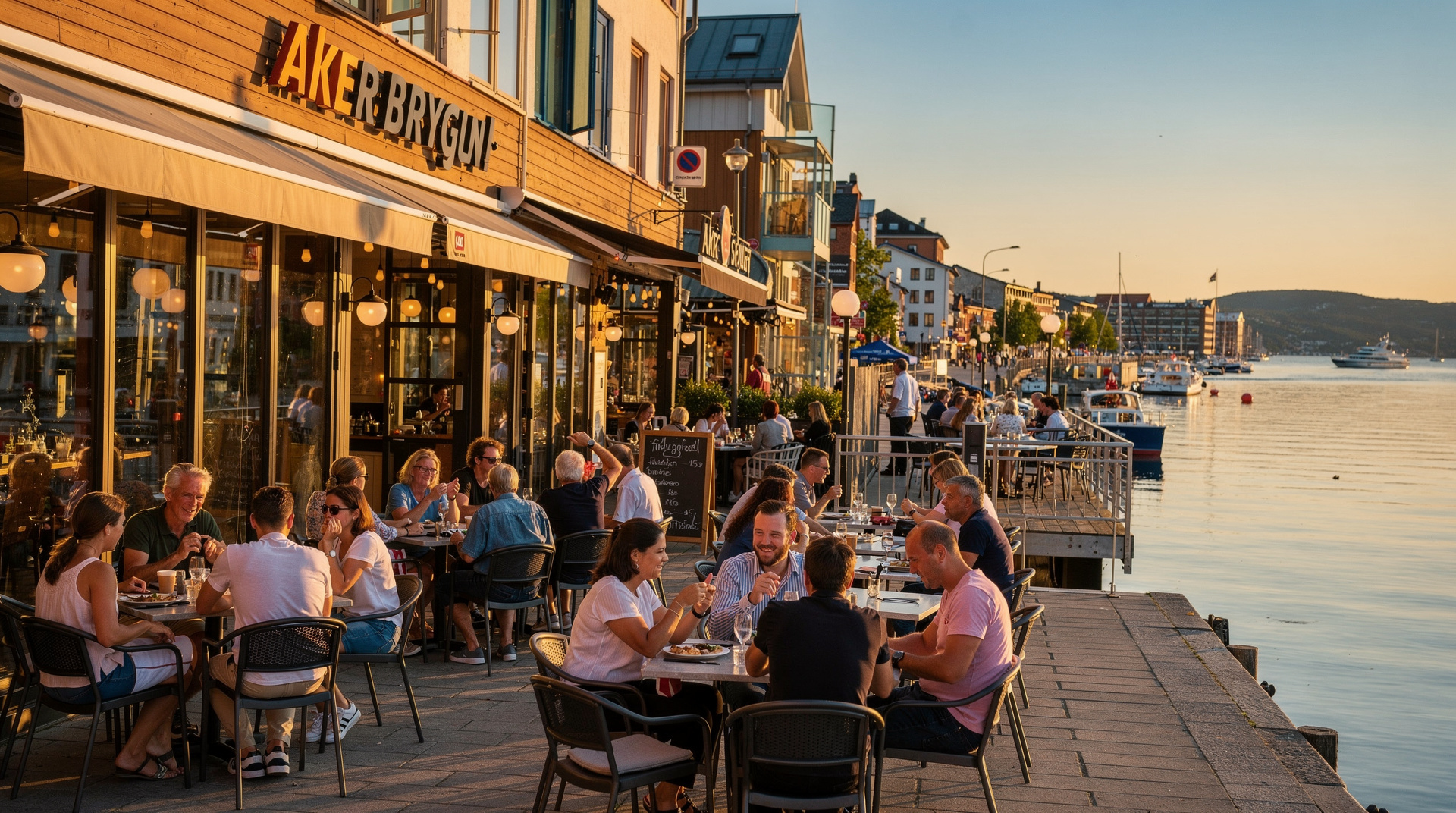
| Aker Brygge / Sentrum | NOK 180–280 | NOK 300–450+ | Waterfront views, higher tourist premium |
For a broader citywide picture beyond this one neighbourhood, see where to eat in Oslo and Norwegian food to try.
A realistic food day in Grünerløkka
Start at Godt Brød or Åpent Bakeri before 09:30 for a kanelbolle and coffee while the queue is still short. Spend the late morning browsing Markveien’s shops, then time lunch for Elias Mat og Sant or, on a Saturday, graze the Birkelunden farmers’ market instead. Use the afternoon for a coffee stop at Supreme Roastworks or Fuglen, and book Territoriet or Olympen for dinner if you want a sit-down finish rather than another casual café. The whole loop is walkable in under 15 minutes end to end, so there’s no need to rush between stops.
Frequently asked questions about Eating in Grünerløkka
How do I get to Grünerløkka?
Tram 11 or 12 from Jernbanetorget (central Oslo) to Schous Plass or Olaf Ryes Plass — about 10 minutes. Alternatively, take tram 13 to Grünerbrua. It's also a pleasant 25-minute walk from Karl Johans gate through Storgata and across the Akerselva river.What is Grünerløkka known for food-wise?
The neighbourhood is known for its bakery culture (particularly Godt Brød and Åpent Bakeri), specialty coffee, a Saturday farmers' market at Birkelunden park, the independent restaurant strip on Thorvald Meyers gate and Markveien, and the proximity to Mathallen food hall in Vulkan.Is there a food market in Grünerløkka?
The Grünerløkka farmers' market (Bondens marked) runs Saturdays May through October at Birkelunden park, from around 10:00 to 15:00. It features organic produce, Norwegian cheeses, honey, preserves, and seasonal vegetables from Norwegian farms. Free to enter.What street has the most restaurants in Grünerløkka?
Thorvald Meyers gate is the main strip — a long street running from Olaf Ryes Plass south through the neighbourhood. It has cafés, bakeries, wine bars, and restaurants of every type. Markveien, running parallel, is slightly more restaurant-heavy and a bit more upmarket.Can you do a food tour of Grünerløkka?
Yes. Two food tours focus specifically on Grünerløkka — the 3-hour Grünerløkka food and culture walking tour and the 7-tasting Grünerløkka district food tour. Both depart from the neighbourhood and cover the bakeries, market stalls, specialty producers, and food culture of the area.Is Grünerløkka more expensive than eating in Grønland or Mathallen?
Generally yes, but not dramatically so. A café lunch or bakery pastry in Grünerløkka runs slightly above Grønland's cheap street food, and roughly in line with Mathallen's food-hall stalls. Where Grünerløkka wins is variety and quality of independent cafés and small-plate restaurants rather than being the cheapest option — for the cheapest genuine meal in the area, Grønland still has the edge.Do I need to book restaurants in Grünerløkka in advance?
For the smaller, popular spots like Territoriet or Elias Mat og Sant on a Friday or Saturday evening, booking a few days ahead is sensible. Cafés, bakeries, and casual spots like Café Sara or Illegal Burger don't take reservations and operate on a walk-in, expect-to-queue basis, especially around weekend lunch.
Top experiences
Bookable activities with verified prices and instant confirmation on GetYourGuide.
Oslo: Grünerløkka food and culture walking tour
- Grünerløkka
- Tastings included
Oslo: Grünerløkka district food tour of 7 authentic tastings
- 7 tastings
- Trendy district
Oslo: 3.5-hour walking tour for great food
- Tastings included
- Local guide
Oslo: Norwegian food tour and hidden gems city walk
- Tastings included
- Hidden gems