Oslo food tours compared: every option for 2026
Oslo: 3.5-hour walking tour for great food
Duration: 3.5 hours
- Tastings included
- Local guide
Are Oslo food tours worth it?
Yes, particularly for first-time visitors navigating an unfamiliar cuisine in an expensive city. A good Oslo food tour costs NOK 550–700 ($60–75) and includes 6–10 tastings that would cost far more ordered individually. The local-led tours access spots you wouldn't find on your own and save you making expensive mistakes at tourist-facing restaurants.
Why do a food tour in Oslo?
Oslo is one of Europe’s most expensive cities for eating out. A main course at a midrange restaurant runs NOK 250 to 400 ($27–43) before drinks, and distinguishing the genuinely good restaurants from the tourist-facing average ones on the main drag is hard without local knowledge. A well-run food tour solves both problems: you eat well for a fixed price, you see what’s worth ordering versus what’s overpriced, and you leave with a mental map of the city’s food culture that makes every subsequent meal decision better.
There’s also the curiosity factor. Norwegian food has a story — the brunost obsession, the open-sandwich tradition, the seasonal seafood rhythms, the recent New Nordic revolution — and hearing it from someone who grew up eating it is more interesting than reading a menu description.
This guide compares every major Oslo food tour available in 2026, with honest assessments of what you get for your money.
| Where | City centre, Grünerløkka, Mathallen food hall |
| Cost | Around NOK 500–750 (USD 54–81) per person |
| Time needed | 3–4 hours, morning start most common |
| Group size | Typically 8–12 people; private options for 6+ |
| Best time | Book 3–5 days ahead for summer; mornings for freshest stalls |
Oslo food tour overview: the main options
Oslo food tasting and walking tour with a local (4 hours)
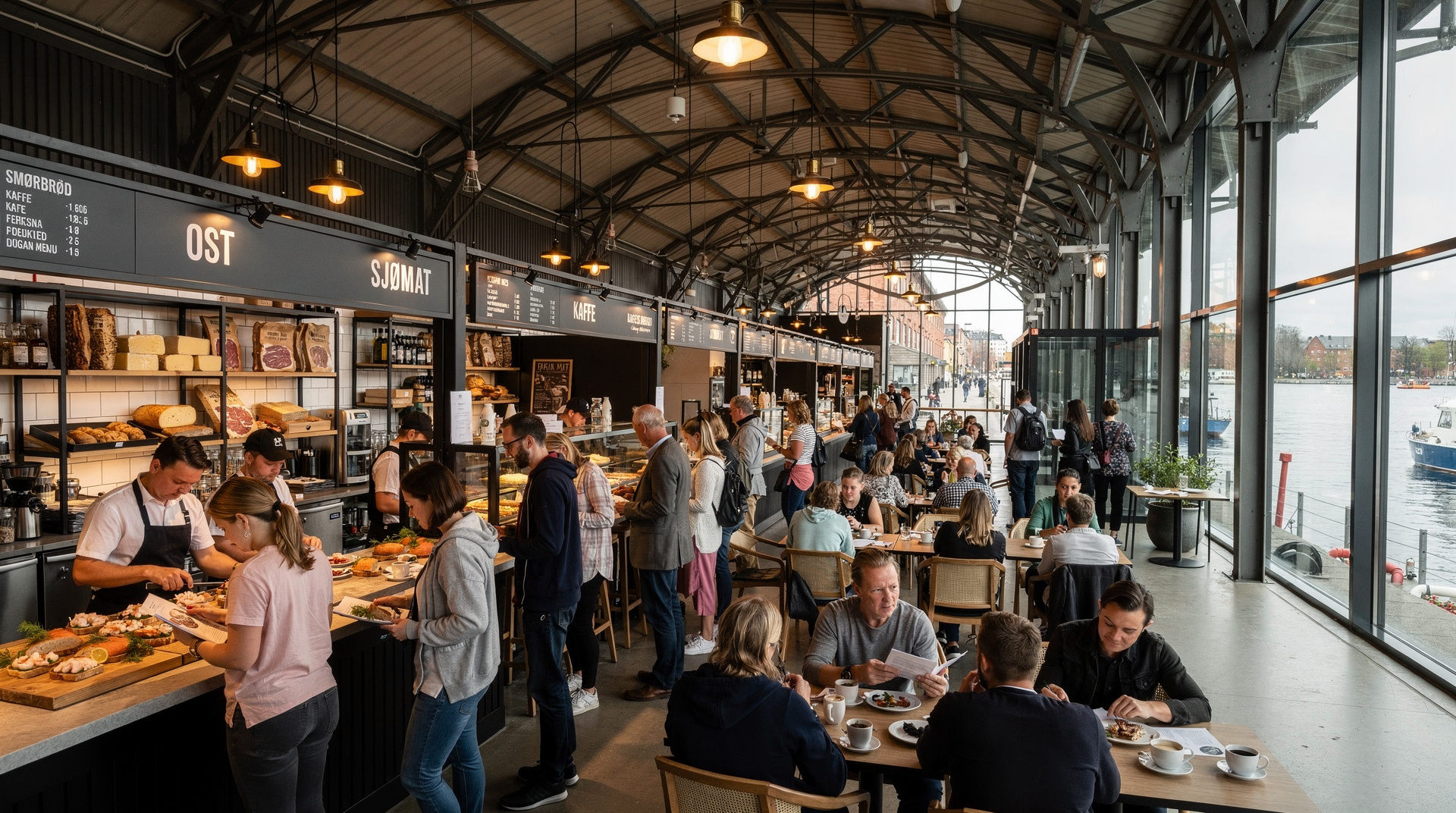
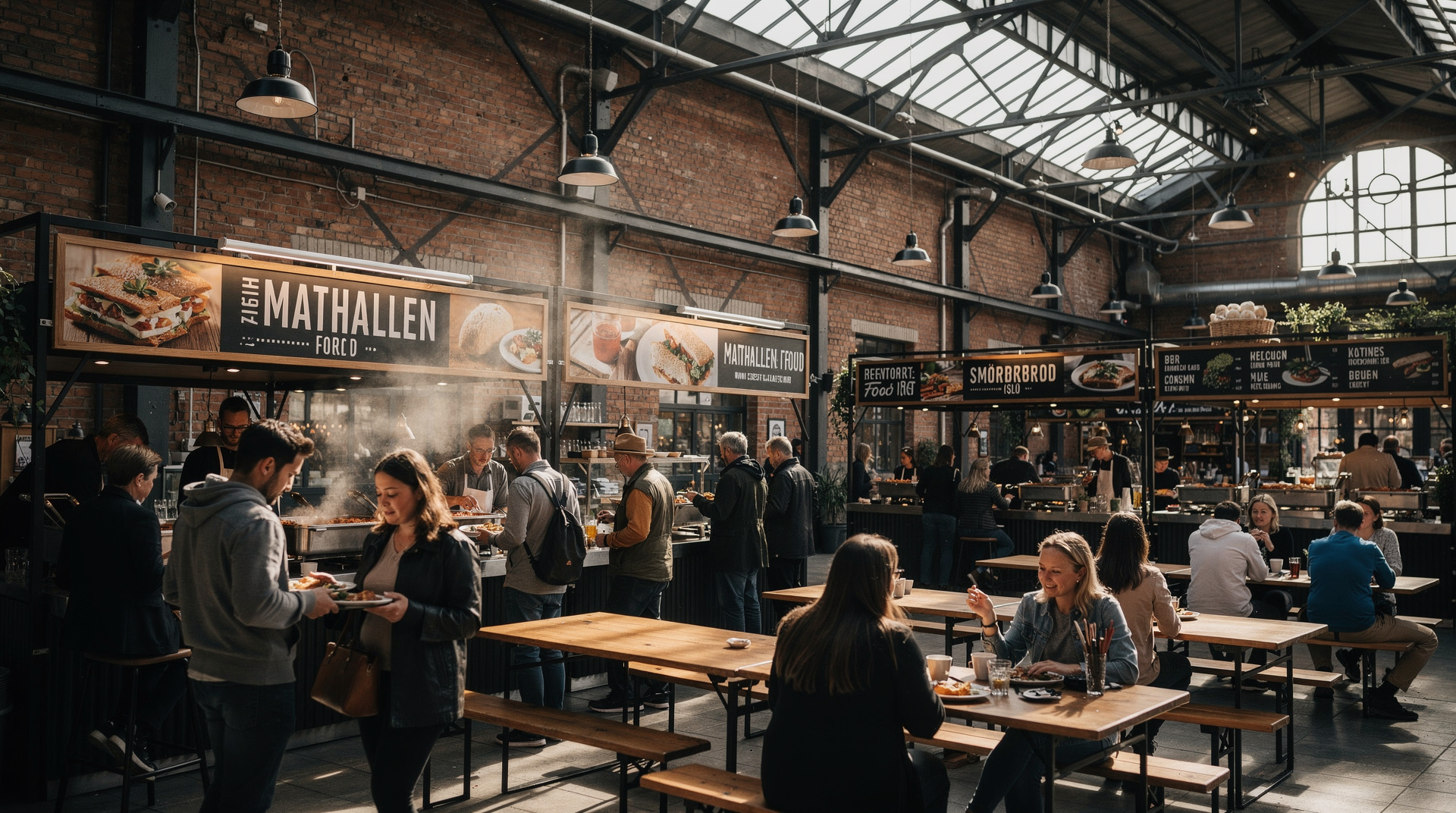
This is the full-length city-centre food tour and consistently the highest-rated option available. Running four hours, it covers Oslo’s main food landmarks — Mathallen food hall at Vulkan, market stalls, specialty producers, and neighbourhood bakeries — with a local guide who grew up in the city.
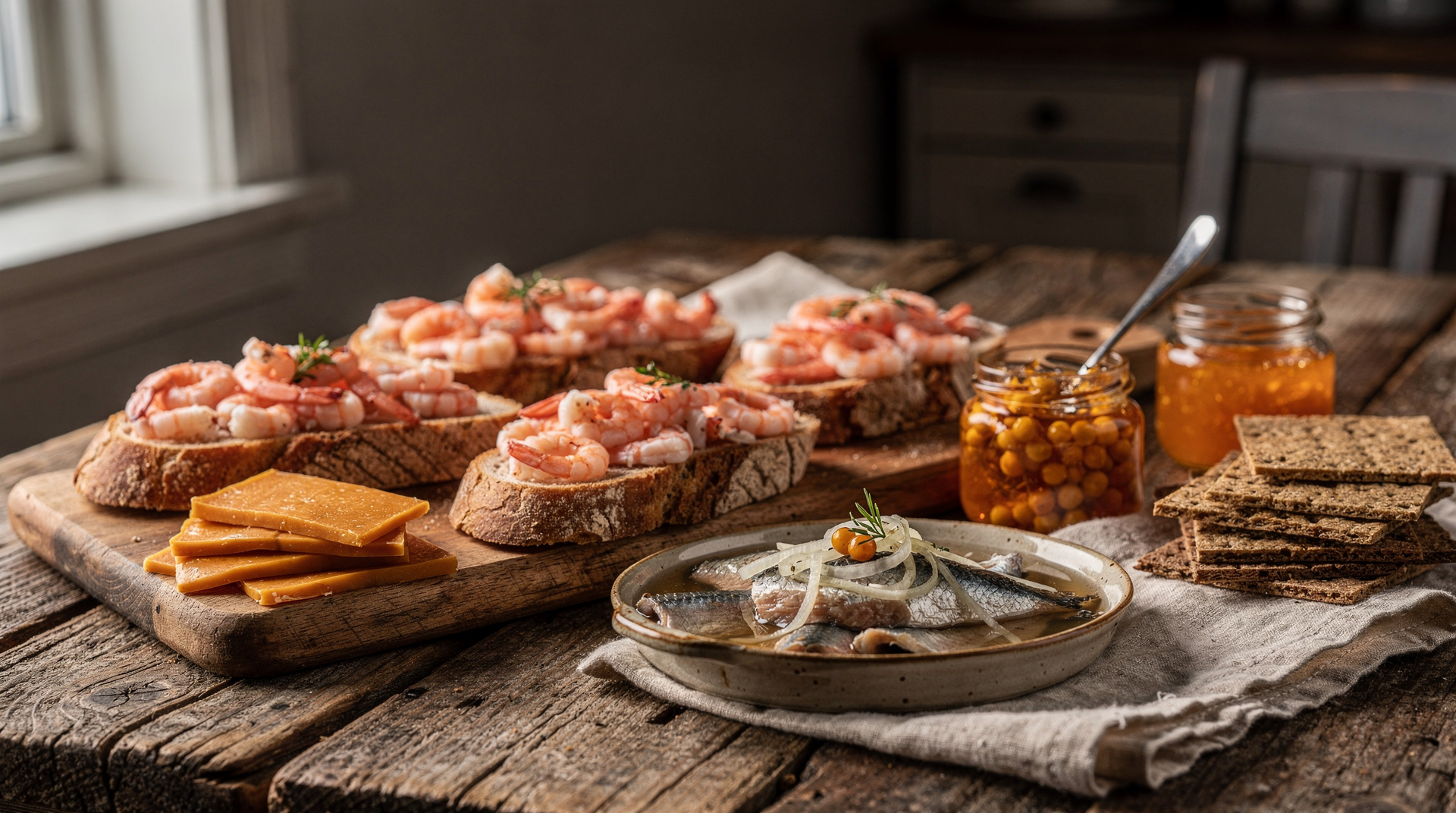
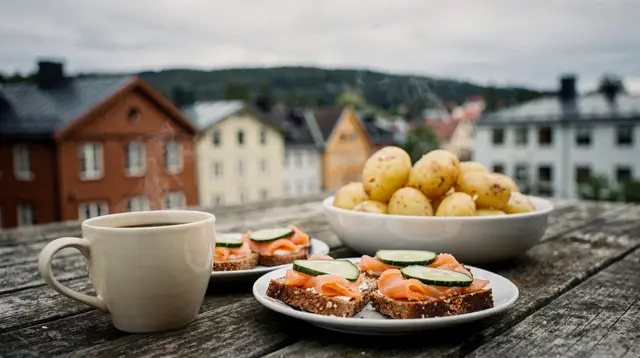
What you eat: Expect Norwegian classics — smoked salmon, brunost, smørbrød, fish cakes — alongside newer Oslo food culture items like specialty coffee, artisanal cheeses, and craft chocolate. Six to eight tastings across five stops is typical.
Price: Approximately NOK 600 to 700 per person ($65–75). This includes all tastings.
Verdict: Best for first-timers who want the broadest possible introduction to Oslo food culture. The four-hour duration means you cover serious ground. Book this if you only do one food tour.
Taste of Oslo food tour (4 hours)
Covers similar city-centre territory with an emphasis on historical Norwegian food traditions alongside the modern. The “Taste of Oslo” branding leans into the contrast between what Oslonians ate 50 years ago (preserved fish, flatbread, brown cheese, dried meats) and what the city eats now.
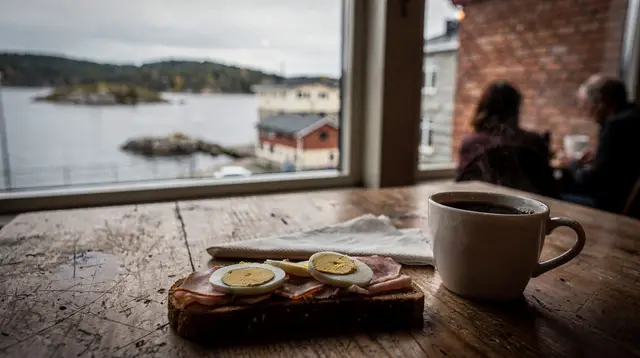
What you eat: Heavy on traditional Norwegian — stockfish, dried lamb, aquavit, smørbrød with herring. Also modern touches: artisanal butter, rye crisp with various toppings, fresh shrimp bought from the harbour.
Price: Approximately NOK 550 to 650 per person ($59–70).
Verdict: Good choice if you’re specifically interested in historical Norwegian food rather than the New Nordic contemporary scene. Can feel slightly museum-like, but the guides are knowledgeable. Avoid if you dislike strong fishy flavours.
Norwegian food tour and hidden gems city walk (3 hours)
A tighter, faster tour at three hours with a focus on spots that aren’t on the typical tourist circuit. The “hidden gems” framing is marketing speak, but the guides genuinely do take smaller groups to producers and stalls that don’t advertise heavily.
What you eat: Seven to nine stops at a brisk pace. Mix of traditional Norwegian and contemporary Oslo — a specialty café, a market stall, a butcher, a baker, and two to three stops that change seasonally.
Price: Approximately NOK 500 to 600 per person ($54–65).
Verdict: Good for return visitors who already know the Mathallen and Grünerløkka basics and want something less predictable. The hidden-gems format works best with smaller groups (under 10), and the shorter duration suits people with packed itineraries.
Grünerløkka food and culture walking tour (3 hours)
Specifically focused on Grünerløkka, Oslo’s most interesting neighbourhood for food culture. Covers the farmers’ market area (Grünerløkka Torg), independent bakeries and cafés, food trucks, and the neighbourhood’s cultural history.
What you eat: Local bakery items (including the canonical kanelbolle / cinnamon roll), specialty coffee, seasonal produce, Norwegian farmhouse cheeses, cured meats from small producers, and typically a craft beer from a local microbrewery.
Price: Approximately NOK 550 to 650 per person ($59–70).
Verdict: The best food tour for understanding Oslo’s neighbourhood food culture rather than just Norwegian cuisine broadly. Do this if you’re staying near Grünerløkka or making it a base for your Oslo days. Pairs naturally with an afternoon exploring the neighbourhood independently afterwards.
Grünerløkka district food tour with 7 authentic tastings (3 hours)
Very similar in geography to the above but structured around exactly seven specific tastings — the number is a feature, making it easy to understand exactly what you’re getting. The fixed-tasting format means less variation between groups, which some visitors prefer.
Price: Approximately NOK 500 to 600 per person ($54–65).
Verdict: Good when you want the Grünerløkka experience in a predictable format. For flexibility and depth, the 3-hour food-and-culture tour above is slightly better.
Flavors of Oslo food and beer tour (3.5 hours)
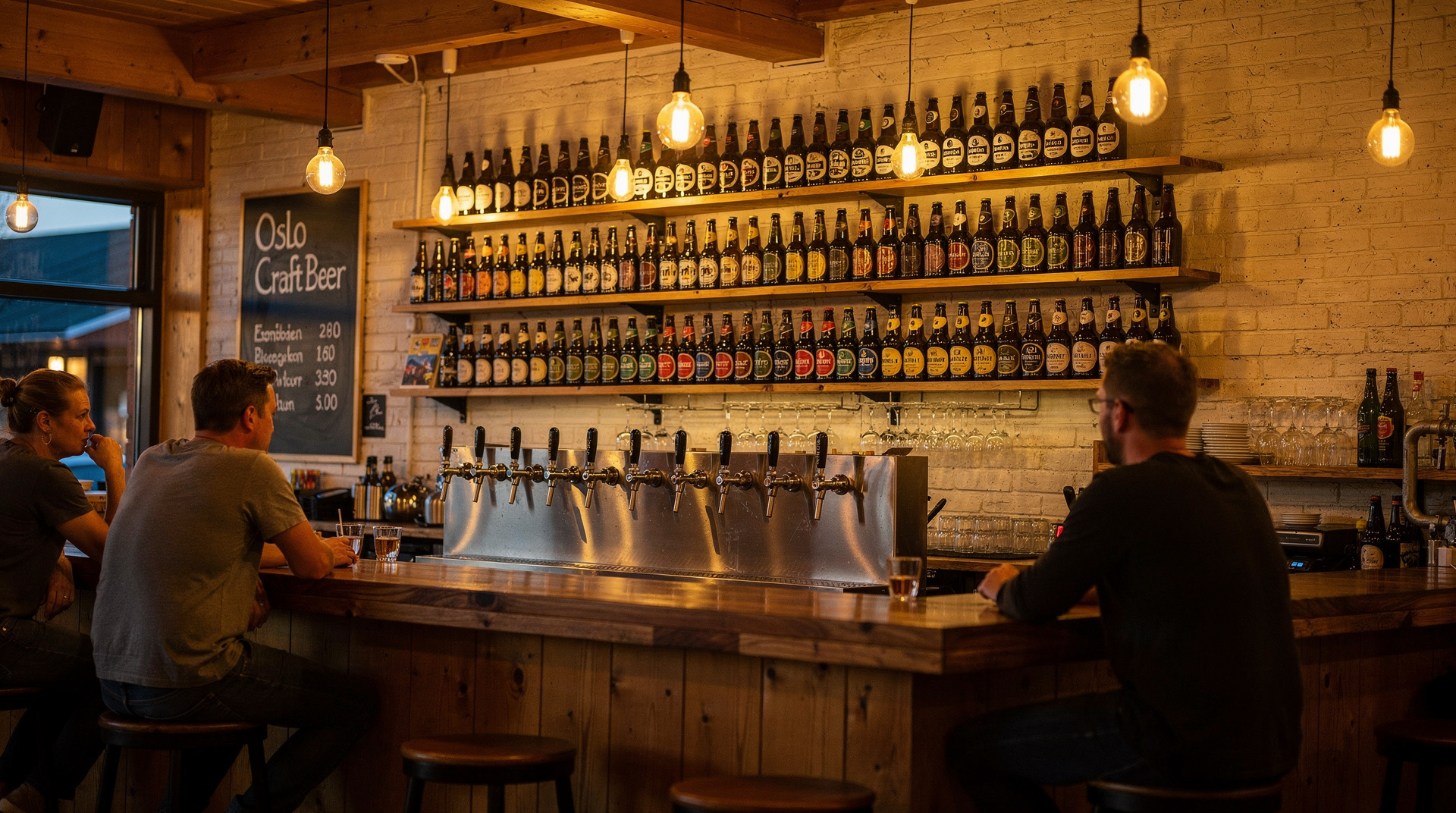
The food-plus-beer combination is a specific format that adds a craft beer tasting component alongside Norwegian food stops. Oslo’s craft beer scene is genuinely excellent (covered in the Oslo craft beer guide), and this tour introduces it alongside food in a natural pairing context.
What you eat and drink: Five to six food tastings plus three to four craft beer pours from local Oslo breweries. The food tends towards items that pair well with beer — smoked meats, aged cheeses, hearty bread.
Price: Approximately NOK 650 to 750 per person ($70–81).
Verdict: Worth it if you’re interested in beer culture and Norwegian food. The combination makes logical sense — craft beer and artisanal food are parallel stories in Oslo’s gastronomic revival. Skip it if you don’t drink alcohol.
Comparing all six tours at a glance
| Tour | Duration | Price (per person) | Best for |
|---|---|---|---|
| Food tasting & walking tour with a local | 4 hrs | NOK 600–700 | Broadest first-time introduction |
| Taste of Oslo | 4 hrs | NOK 550–650 | Historical Norwegian food traditions |
| Hidden gems city walk | 3 hrs | NOK 500–600 | Return visitors, tight schedules |
| Grünerløkka food & culture | 3 hrs | NOK 550–650 | Neighbourhood-focused visitors |
| Grünerløkka 7 tastings | 3 hrs | NOK 500–600 | Predictable, fixed-format tasting |
| Flavors of Oslo food & beer | 3.5 hrs | NOK 650–750 | Craft beer + food combined |
Which tour to book: a quick decision guide
First time in Oslo, want a broad introduction: Book the 4-hour food tasting and walking tour with a local. Comprehensive, well-paced, best-reviewed.
Specifically interested in Grünerløkka: Book the Grünerløkka food and culture tour. Follow it with an afternoon in the neighbourhood.
Love craft beer and want food alongside it: Flavors of Oslo food and beer tour.
Three hours or less: Norwegian food tour and hidden gems walk.
Interested in historical Norwegian food traditions: Taste of Oslo food tour.
What you won’t get from any food tour
Food tours don’t replace restaurant dining — they introduce you to a cuisine and a city so that your subsequent restaurant choices are better. After a good Oslo food tour you’ll know which fish dishes are worth the price, what to order at a smørbrød lunch counter versus a New Nordic dinner restaurant, and which neighbourhood’s food culture deserves an evening of exploration.
For the independent restaurant guide, see where to eat in Oslo. For budget eating without a tour, see budget eats in Oslo. For the specific Mathallen food hall experience, the Mathallen guide covers it in detail.
Booking tips
Book in advance: Oslo food tours typically run with maximum group sizes of 8–12 people. Popular slots in summer fill 3–5 days ahead. Book as soon as your Oslo dates are confirmed.
Morning tours: Most food tours run in the morning (09:00 or 10:00 start) to coincide with market stall opening times and the freshest produce. Afternoon tours exist but some stalls may be winding down.
Weather: All Oslo food tours operate rain or shine. The main concern is temperature — in winter (November to February), dress warmly, as the walking portions are outdoors.
Group bookings: Most operators offer private versions of their tours for groups of 6 or more at a premium. For corporate groups or special occasions, the private format gives more flexibility on timing and content.
Should you eat before the tour?
Most tours deliver the equivalent of a substantial meal across their six to ten tastings, so eating a full breakfast beforehand is usually counterproductive — you’ll be too full to enjoy the later stops. A light breakfast (coffee and a small pastry) is the better approach, especially for the 4-hour tours that run through what would otherwise be lunchtime. If you have dietary restrictions or a smaller appetite, mention it when booking so the guide can pace the tastings accordingly rather than discovering the issue mid-tour. Plan a lighter dinner too — many visitors find they don’t need a full evening meal after a 4-hour tour, which is worth factoring into the day’s budget alongside the tour cost itself.
Combining a food tour with the rest of your Oslo food itinerary
A food tour works best as an orientation exercise early in your trip rather than a one-off activity on the last day — the point is to build a mental map you can act on afterwards. Book the 4-hour tour or the Grünerløkka option in your first day or two, then use what you learn to choose independently for the rest of the trip: a coffee stop the guide mentioned, a bakery you want to revisit, a butcher whose cured meats impressed you. For a more complete Oslo food itinerary that extends beyond the tour, pair it with the craft beer guide for evening drinking options and the budget eats guide for cheaper meals on the days you’re not splurging.
After the tour: where to go next
A tour is most useful when it sends you somewhere. If a stop in Grünerløkka won you over, the Grünerløkka food guide and the Grünerløkka neighbourhood guide will help you plan a second, unguided visit. If the Norwegian classics intrigued you, Norwegian food to try and the brown cheese and specialties guide go deeper on what to look for on menus and in shops.
Cost-conscious travellers should read the Oslo overpriced food warning alongside this guide, since part of a tour’s value is learning which places to avoid. For a wider picture of what a day of eating costs, is Oslo expensive puts the tour price in context. Coffee lovers can follow up with the Oslo coffee culture guide, and anyone building a full itinerary around meals will find the Oslo food and design weekend a natural next step.
Frequently asked questions about Oslo food tours compared
What do Oslo food tours typically include?
Expect Norwegian classics: smoked salmon, brown cheese (brunost), open-faced sandwiches (smørbrød), fish cakes, cured meats, kanelboller (cinnamon rolls), and local craft beer or aquavit depending on the tour. Some tours focus on modern New Nordic cuisine; others on traditional Norwegian street food and market stalls.How many tastings do you get on an Oslo food tour?
Most tours offer 6 to 10 tastings across 3–5 stops over 3–4 hours. This is roughly equivalent to a substantial lunch. You won't need to eat before the tour, and many visitors skip dinner afterwards.What is the best neighbourhood for an Oslo food tour?
Grünerløkka is the most food-culturally interesting neighbourhood — independent producers, specialty cafés, local bakeries, and a market culture. The city centre tours cover more ground and include Mathallen food hall, which is a worthwhile stop in itself.Are there vegetarian-friendly Oslo food tours?
Yes. Most operators can accommodate vegetarians with advance notice. Norwegian cuisine has traditionally been meat and fish heavy, but Oslo's food scene has diversified significantly. Inform the operator at booking.How far do you walk on an Oslo food tour?
Most tours cover 3–5 km over the session, at a gentle pace with stops. Wear comfortable shoes. The city centre and Grünerløkka tours involve moderate walking on paved streets and one or two sets of stairs.
Top experiences
Bookable activities with verified prices and instant confirmation on GetYourGuide.
Oslo: 3.5-hour walking tour for great food
- Tastings included
- Local guide
Oslo: the taste of Oslo food tour
- Tastings included
- Small group
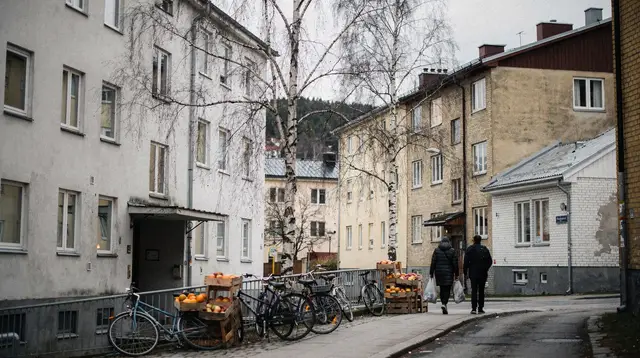
Oslo: Norwegian food tour and hidden gems city walk
- Tastings included
- Hidden gems
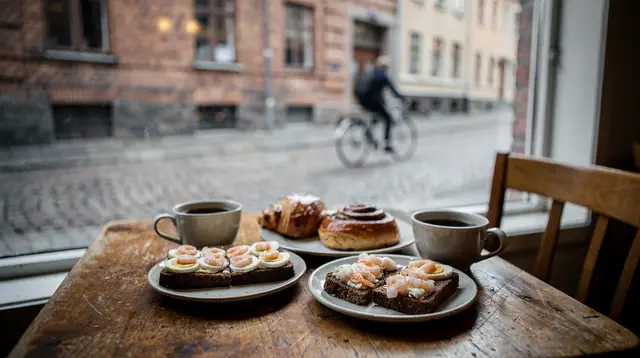
Oslo: Grünerløkka food and culture walking tour
- Grünerløkka
- Tastings included
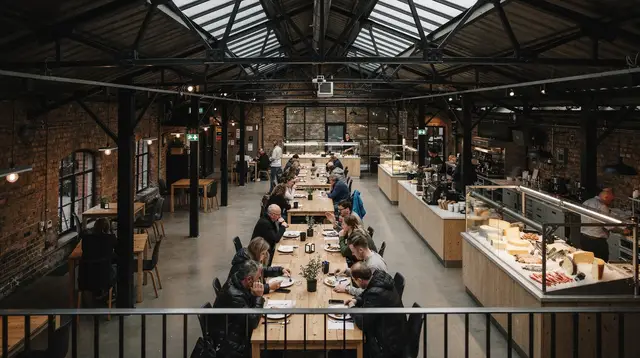
Oslo: flavors of Oslo food and beer tour
- Food + beer
- Local guide