Oslo's coffee culture: third-wave roasters, best cafés, and the scene explained
Oslo: Grünerløkka food and culture walking tour
Duration: 3 hours
- Grünerløkka
- Tastings included
Is Oslo a good city for specialty coffee?
Oslo is one of the world's best cities for specialty coffee. Tim Wendelboe in Grünerløkka is arguably the birthplace of the Nordic third-wave movement and remains internationally respected. Fuglen and Supreme Roastworks are equally excellent. Oslo espresso and filter coffee is outstanding — just expensive at NOK 45–65 ($4.80–7) per cup.
How Oslo became a global coffee capital
The story of Oslo’s coffee culture involves a disproportionate amount of one street corner in Grünerløkka. In 2007, Tim Wendelboe — who had won the World Barista Championship in 2004 — opened a tiny espresso bar and roastery on Grünerløkkaveien. The café had maybe 10 seats. It served single-origin coffees roasted to a very light degree that showed the flavour characteristics of the bean rather than the flavour of the roasting process.
At the time this was unusual. The dominant European model was deep-roasted espresso — Italian-style, rich with roast bitterness, meant to cut through milk. Tim Wendelboe’s approach, shared by a small group of Nordic roasters who had spent time in specialty coffee scenes in the US and UK, produced coffee that tasted like fruit, like flowers, like specific places in Ethiopia or Colombia. It was polarising and quickly influential.
By the 2010s, Oslo had developed a specialty coffee scene dense enough that the city became a reference point for the industry globally. This guide introduces that scene, the key roasters and cafés, and how to navigate it as a visitor.
| Where | Grünerløkka (density of roasters), plus Aker Brygge, Majorstuen, city centre |
| Cost | Around NOK 45–65 (USD 4.80–7) per cup at specialty cafés |
| Time needed | 15 min for a quick stop; 2 hrs for the full coffee walk below |
| Getting there | Tram/bus to Grünerløkka, or walk from the city centre |
| Best time | Weekday mornings — weekends get busy at Tim Wendelboe and Fuglen |
The roasters: Oslo’s holy trinity
Tim Wendelboe (Grünerløkka)
Address: Grünerløkkaveien 1, Oslo. Open Monday–Friday 08:00–18:00, weekends 10:00–17:00.
The flagship and the reference point. The café is almost comically small — counter space, a few bar stools, and the green La Marzocco espresso machine that has become something of a symbol. The menu is straightforward: espresso, americano, filter coffee, and milk drinks (flat white, cortado). No frappuccinos, no flavoured syrups, no compromise.
The roastery is in a separate facility, and the bags of single-origin coffees sold at the counter are among the best you can buy anywhere in Europe. If you buy a bag to take home, the staff will explain the coffee’s origin, processing method, and ideal brew parameters clearly and without snobbery.
What to order: A cortado (small milk coffee) or a batch-brewed filter coffee. Both showcase the roastery’s light-roast, fruit-forward style clearly. The espresso alone is excellent but quite acidic; if you’re uncertain about ultra-light roast espresso, the filter is more approachable.
Cost: Espresso NOK 48 ($5.15), filter coffee NOK 55 ($5.90), milk drinks NOK 52–60 ($5.60–6.45).
Fuglen (two locations)
The original Fuglen at Ullevålsveien 2 (Majorstuen) opened in 2012 and doubled as both specialty coffee pioneer and vintage furniture shop. It expanded to Markveien 53 in Grünerløkka, which has a similar design-meets-coffee identity with a slightly more neighbourhood feel.
Fuglen’s coffee approach is excellent but slightly broader in style than Tim Wendelboe’s — they roast both light and medium coffees and serve a wider range of origins. The café also functions as a cocktail bar in the evenings, which makes it unique: a world-class coffee programme by day, a genuinely good bar at night.
The Fuglen brand has expanded internationally (Tokyo, New York) but the Oslo originals remain the best. The Majorstuen location is prettier; the Grünerløkka branch is more convenient if you’re already in the neighbourhood.
What to order: The single-origin filter of the day (they always have two on batch brew) or a milk-based espresso drink. The oat milk option is reliable for non-dairy drinkers.
Cost: Espresso NOK 46 ($4.95), filter coffee NOK 52 ($5.60), flat white NOK 56 ($6.02).
Supreme Roastworks
Address: Thorvald Meyers gate 2, Grünerløkka. Open daily 08:00–18:00 (weekends from 09:00).
The newest of Oslo’s big three in terms of founding date but now arguably the city’s most technically accomplished roaster. Supreme Roastworks uses a meticulous sourcing approach — direct relationships with farms in Ethiopia, Kenya, Colombia, and El Salvador — and roasts to highlight the specific character of each lot.
The café space is large and industrial (former workshop), with excellent natural light. The filter coffee programme is particularly strong, with multiple origins available on single-serve brewing methods (V60, Chemex) alongside batch brew. The espresso is more accessible than Tim Wendelboe’s — a slightly fuller body that works well with milk.
What to order: The seasonal single-origin espresso or a V60 pour-over (available to sit and watch being made, which is satisfying). The batch filter is the best value.
Cost: Espresso NOK 50 ($5.40), V60 pour-over NOK 65 ($7), flat white NOK 58 ($6.24).
Choosing between the big three
| Roaster | Style | Best for | Cost (espresso) |
|---|---|---|---|
| Tim Wendelboe | Ultra-light, origin-forward | Coffee purists, bean nerds | NOK 48 |
| Fuglen | Broader roast range, design-led | Coffee + cocktails, atmosphere | NOK 46 |
| Supreme Roastworks | Fuller-bodied, technical | Filter/pour-over fans | NOK 50 |
If you only have time for one, choose based on what you value: Tim Wendelboe for the pilgrimage and the history, Fuglen for the design and evening-bar crossover, Supreme Roastworks for the best pour-over experience. All three are within a 10-minute walk of each other in Grünerløkka — see the Grünerløkka neighbourhood guide for the wider area.
The wider Oslo specialty coffee map
Beyond the three flagships, Oslo’s specialty coffee scene extends across every neighbourhood:
City centre
Java Espressobar (Fridtjof Nansens plass 2): The city centre’s most reliable specialty option. Well-made espresso in a compact space, a reliable regular stop. Espresso NOK 45 ($4.85).
Kaffebrenneriet (multiple central locations): A Norwegian specialty coffee chain with higher standards than most chains — consistent espresso and reasonable filter. Good for a reliable grab-and-go when you’re between attractions.
Aker Brygge and Tjuvholmen
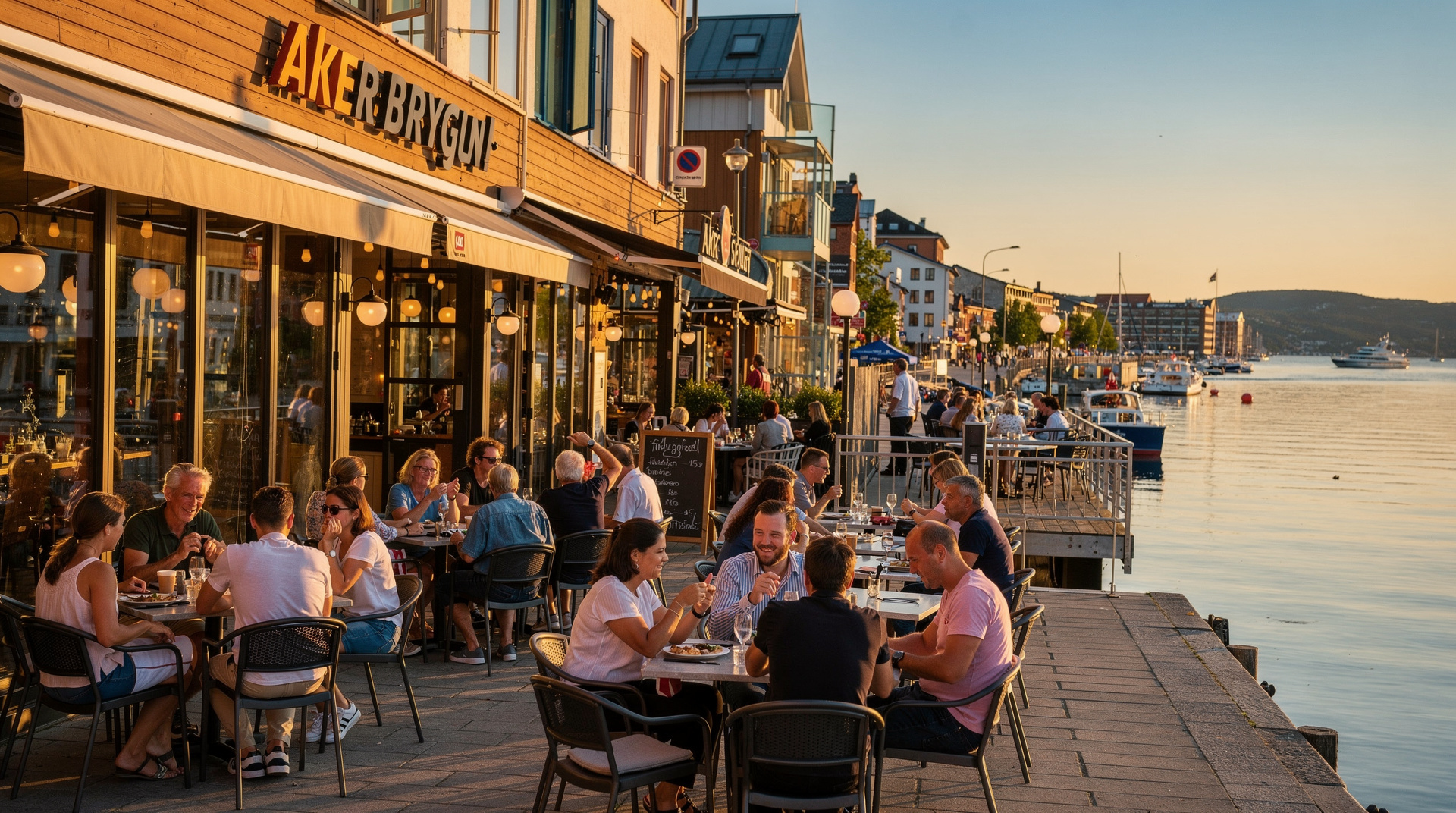
Solberg and Hansen Kaffebar (Stranden 3, Aker Brygge): One of Oslo’s established roasters with a waterfront café location. The setting is hard to beat — coffee on a summer morning watching the fjord traffic. Coffee quality is good but slightly inconsistent.
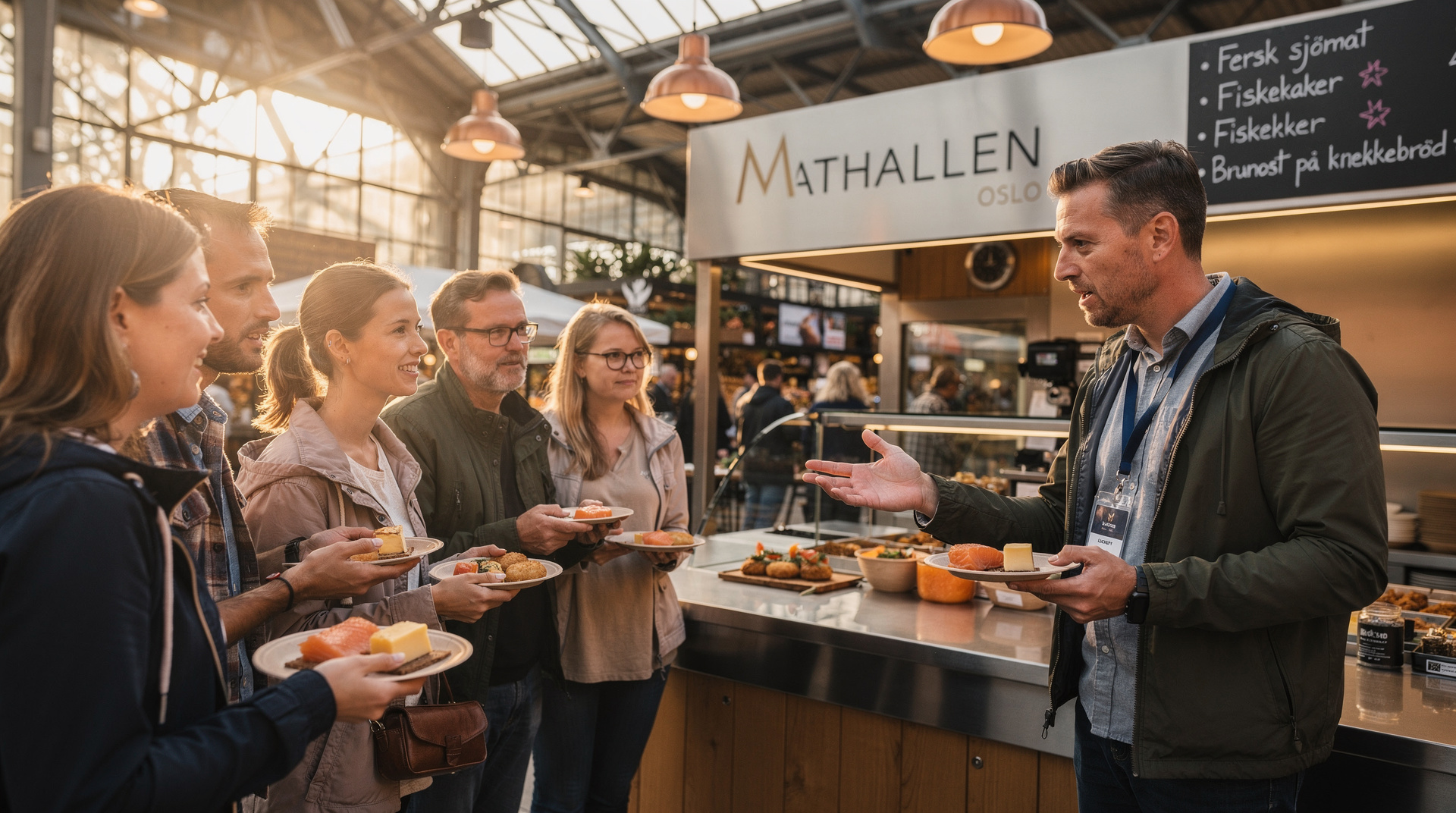
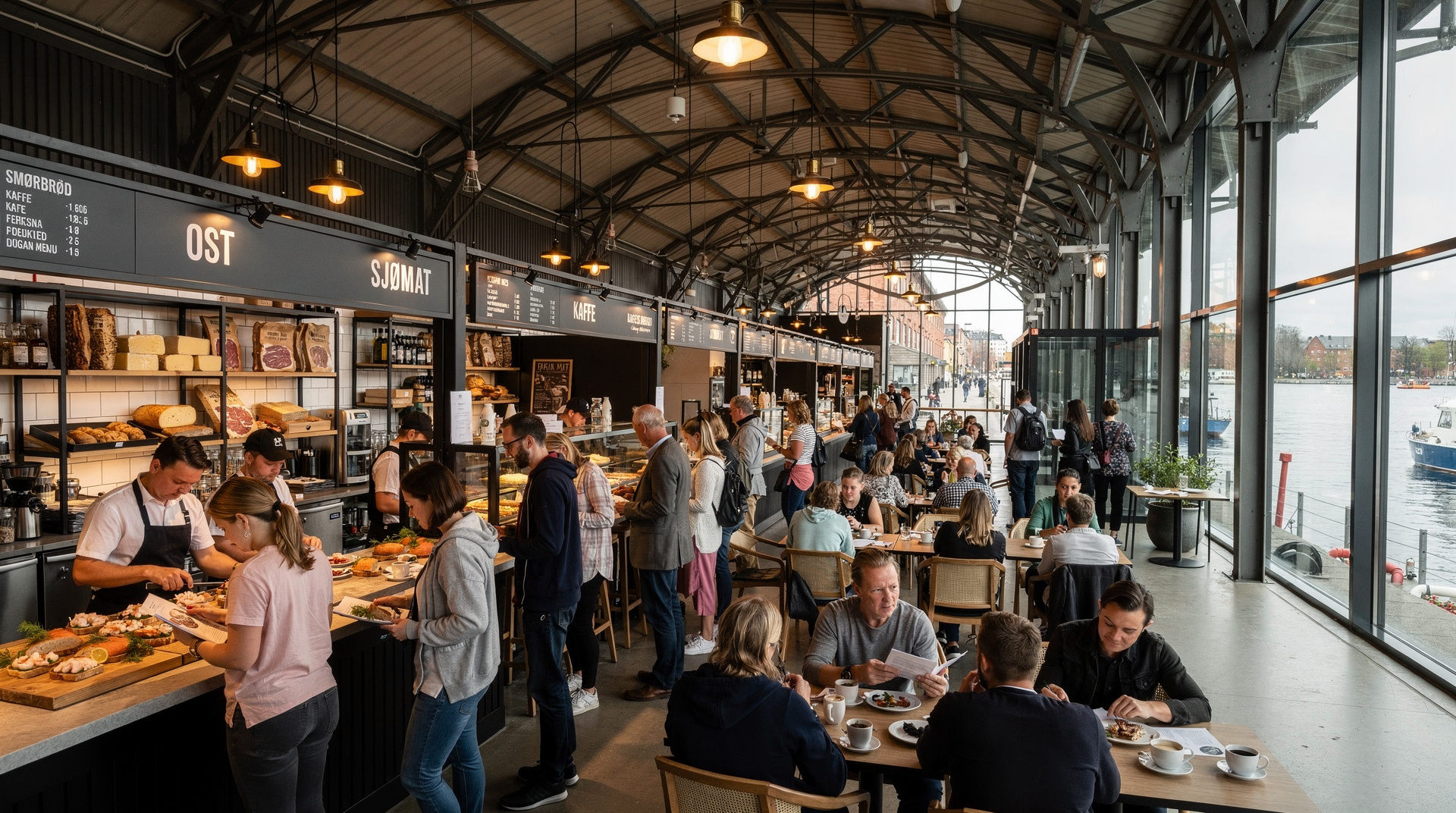
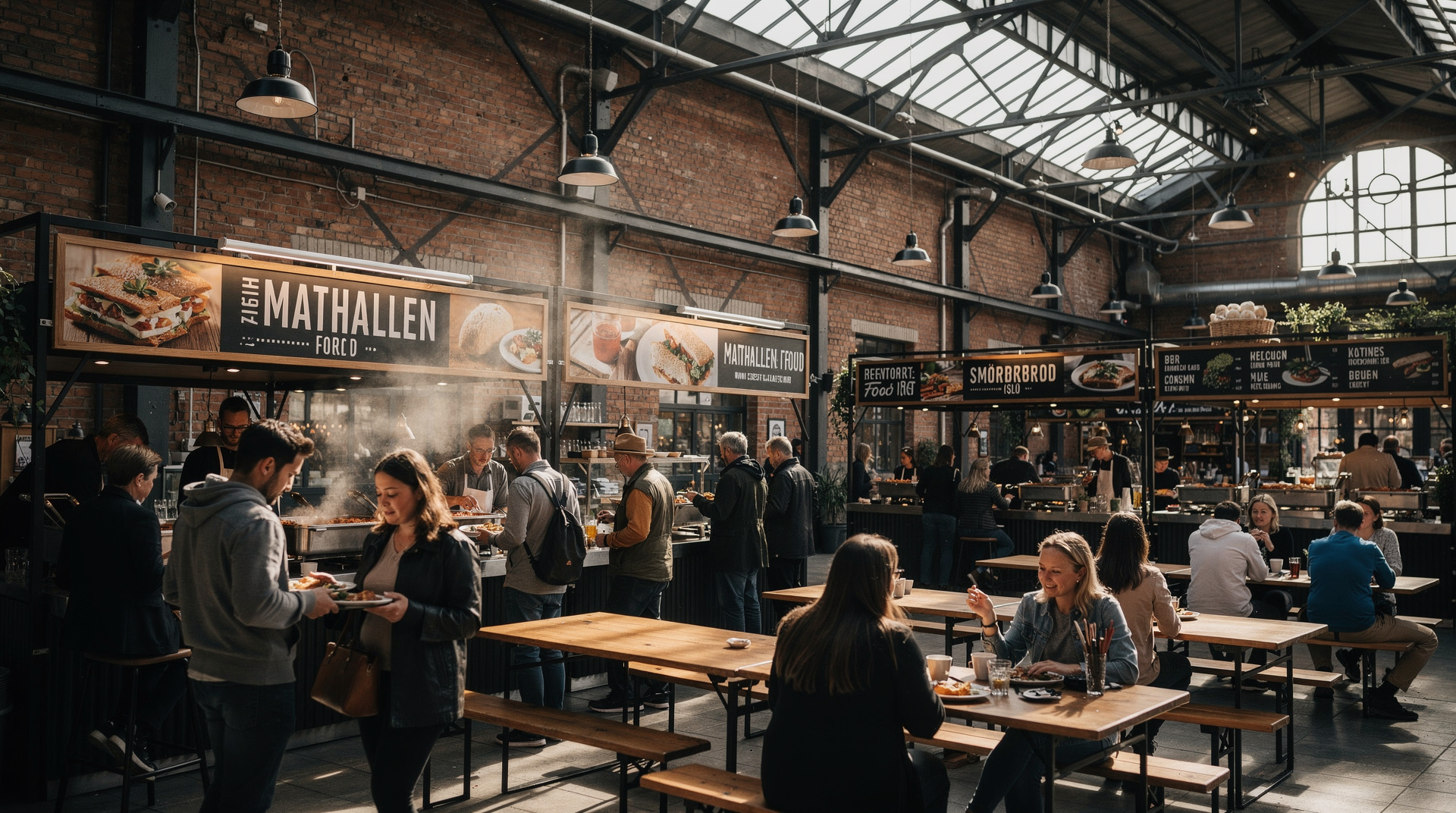
Atelier Frank (Mathallen, Vulkan): Handles the coffee programme inside Mathallen food hall. Good espresso in a food-hall setting, with excellent pastries alongside.
Grünerløkka and Vulkan
Kaffa (Thorvald Meyers gate 2): Older-established Grünerløkka roaster with a loyal local following. Slightly darker roasts than Tim Wendelboe or Supreme Roastworks, which makes it a good option for visitors who find ultra-light roasts challenging.
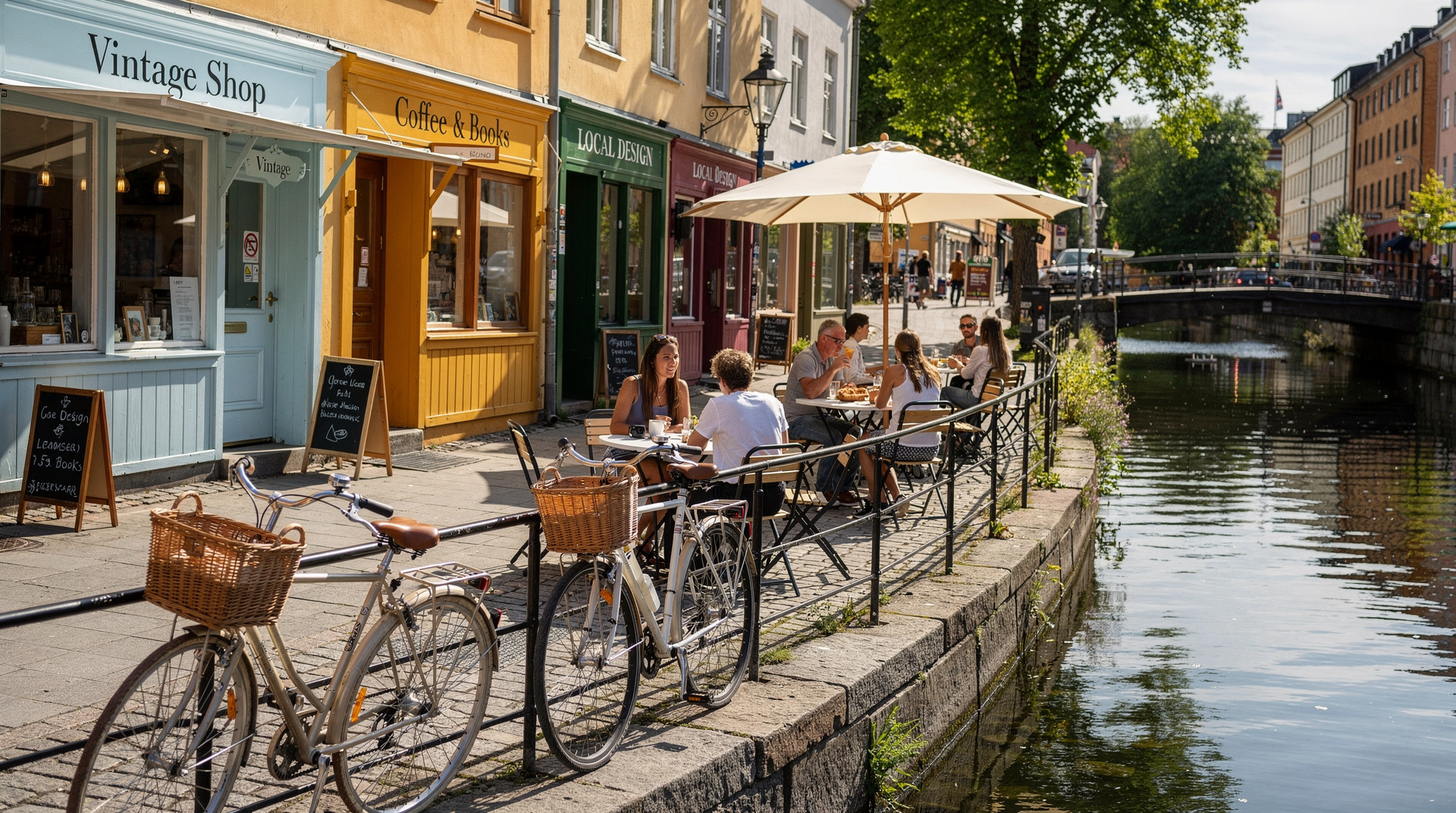
Kolonihagen (Thorvald Meyers gate 53): A café and bar rather than a roaster, but sourcing well and serving good espresso. The outdoor terrace on Thorvald Meyers gate is one of the neighbourhood’s best sitting spots in summer.
Majorstuen and Frogner
Kaffemisjonen (Hegdehaugsveien 38): A serious specialty roaster in the Majorstuen area, less internationally famous than the Grünerløkka names but consistently excellent. Worth making a special trip for dedicated coffee enthusiasts.
Mocca (Bogstadveien 41): A neighbourhood-café level of quality with a comfortable interior and a local clientele. Not a specialty destination but reliable and unpretentious.
Understanding Nordic coffee culture
Oslo cafés have a few conventions that differ from southern European or American coffee culture:
Takeaway culture is respected but not dominant: Most Oslo coffee locals sit. The café is a social and workspace, not just a pit stop. If you want to sit for an hour with a laptop and one coffee, nobody will move you on.
Filter coffee is respected: Unlike most of Europe where filter coffee is considered inferior to espresso, in Oslo a well-made batch filter or pour-over is considered a sophisticated choice. Order the filter without feeling you’re making a compromise.
Light roasts are the default at specialty cafés: The acidity that comes with light roasting can be surprising if you’re used to Italian-style espresso. If you want something fuller-bodied and less acidic, ask for the medium roast option or a milk-based drink.
Prices are non-negotiable: Oslo’s minimum wage is among the world’s highest, ingredients are expensive, and rents in Grünerløkka are high. A NOK 55 flat white is not overcharging — it’s accurate pricing for a Norwegian context. The quality usually justifies it.
Fitting coffee into the rest of your trip
Coffee stops work best when they punctuate a day rather than become the whole plan. A cortado before a museum, a filter coffee after a long walk, a pastry and a flat white while the rain passes: these small pauses are how most Oslo residents use their cafés, and they suit visitors well too. If you are still deciding how to structure your visit, the how many days in Oslo guide and the Oslo in 2 days itinerary show where an unhurried café break fits naturally.
Cafés are also a cheap way to see how the city lives. Sitting with a filter coffee in Grünerløkka tells you more about the neighbourhood than a checklist of sights, and the Grünerløkka changed blog post explains how the area became the café district it is today. For a personal take on the same obsession, read the Oslo coffee obsession blog post.
On a wet day, a café is one of the best places to wait out the weather. Pair it with the rainy day museums guide and you have a morning that needs no umbrella strategy at all. Visitors who like to plan around food can also weave a coffee stop into the Oslo food and design weekend, which suits the same crowd that makes the pilgrimage to the roasters.
Because Oslo is expensive, it helps to treat specialty coffee as a deliberate treat rather than a default habit. Have one excellent cup at a roaster you have chosen on purpose, and use cheaper options the rest of the day. The Oslo on a budget guide and the is Oslo expensive guide put those choices in the context of a full trip budget, so you can decide where a premium cup is worth it and where it is not.
Coffee tourism: a morning route
A dedicated morning coffee walk through Grünerløkka takes about two hours:
- Start at Tim Wendelboe (Grünerløkkaveien 1) when it opens — a cortado and a look at the single-origin menu. Buy a bag of beans if you’re near the end of your trip.
- Walk 5 minutes south to Supreme Roastworks (Thorvald Meyers gate 2) and try a filter coffee — ideally a pour-over to see the different approach.
- Continue to Godt Brød (Thorvald Meyers gate 57) for a kanelbolle — the Oslo cinnamon roll-and-coffee morning ritual.
- If you have time, walk south to Mathallen at Vulkan for a look at the food hall and coffee at Atelier Frank.
Total cost: around NOK 250–320 ($27–34). Total time: 2 hours. Recommended for anyone who considers coffee culture a travel priority.
For the broader neighbourhood context, the Grünerløkka food guide covers all the eating options that pair with the coffee culture.
Buying beans to take home
Nearly every roaster in this guide sells retail bags of beans at the counter, and it’s one of the better souvenirs you can bring back from Oslo. Tim Wendelboe’s bags (around NOK 160–200, USD 17–22, for 250g) are the most sought-after and often the most limited — ask which lots are freshest rather than which is “the best,” since freshness matters more than reputation for filter brewing at home. Supreme Roastworks and Fuglen both sell bags in the same price range and are usually easier to find in stock.
If you’re flying home, pack beans in your carry-on rather than checked luggage to protect against temperature swings, and ask staff for the recommended grind if you don’t have a home grinder. Pair a bag of beans with a stop at Mathallen food hall for brown cheese or other edible souvenirs — see the Norwegian specialties guide for what else to bring home.
Frequently asked questions about Oslo's coffee culture
What is Tim Wendelboe and why is it famous?
Tim Wendelboe is Oslo's most internationally recognised specialty coffee roaster and café, opened in 2007 by barista world champion Tim Wendelboe in the Grünerløkka neighbourhood. It is credited with pioneering the light-roast, origin-forward coffee style that became the Nordic third-wave model. The café is tiny — maybe 10 seats — but its influence on global coffee culture is disproportionately large.How much does coffee cost in Oslo?
Specialty coffee at Oslo's better cafés runs NOK 45–55 ($4.80–5.90) for an espresso, NOK 50–65 ($5.40–7) for a flat white or filter coffee. Regular café chain coffee (Espresso House, Wayne's Coffee) is slightly cheaper at NOK 35–50 ($3.80–5.40). Bringing your own takeaway cup often earns a small discount.What is the difference between Oslo's main specialty coffee roasters?
Tim Wendelboe emphasises single-origin, very light roasts — this is coffee for people who want to taste the terroir of the bean without roasty bitterness. Supreme Roastworks is slightly more approachable with excellent espresso and filter options. Fuglen is the most lifestyle-oriented — excellent coffee alongside great design and evening cocktails.Are there good cafés outside of Grünerløkka?
Yes. Java Espressobar (Fridtjof Nansens plass 2) is excellent in the city centre. Solberg and Hansen Kaffebar in Aker Brygge is a reliable specialty option for the waterfront area. Kaffa (Thorvald Meyers gate 2) is a well-regarded roaster with a Grünerløkka café. Kaffemisjonen is a specialty destination in the Majorstuen area.Do Oslo cafés have good food too?
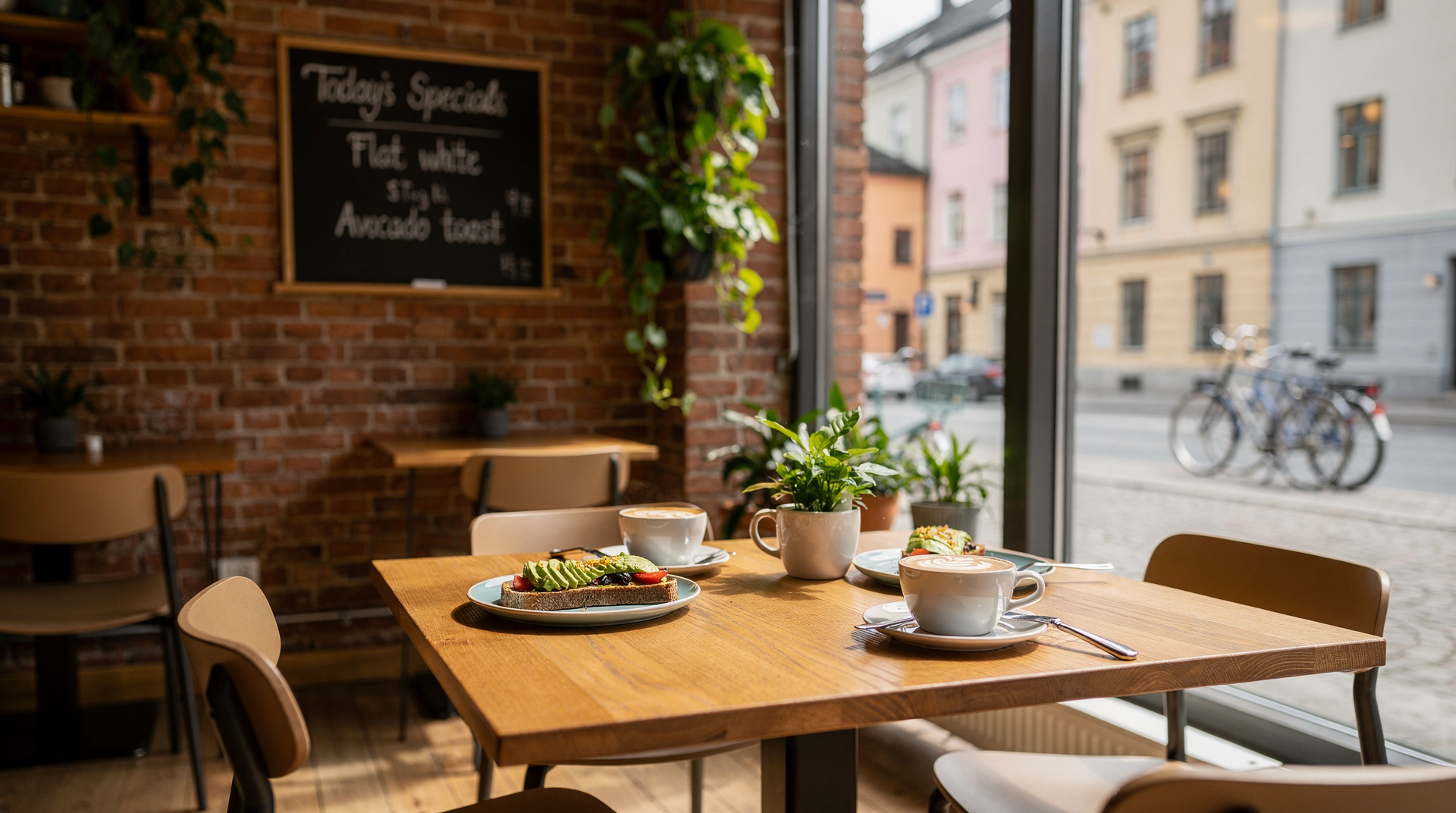
Most Oslo specialty coffee cafés have good pastry programs — kanelboller (cinnamon rolls), croissants, sourdough toast. Full café food (lunches, hot dishes) varies. Fuglen and Kolonihagen both have decent food alongside exceptional coffee. For serious food alongside serious coffee, Grünerløkka's café density means you can walk 50 metres between options.
Top experiences
Bookable activities with verified prices and instant confirmation on GetYourGuide.