Grünerløkka — Oslo's creative quarter guide
Oslo: Grünerløkka hipster tour
Duration: 2 hours
- Grünerløkka
- Local guide
What is Grünerløkka known for in Oslo?
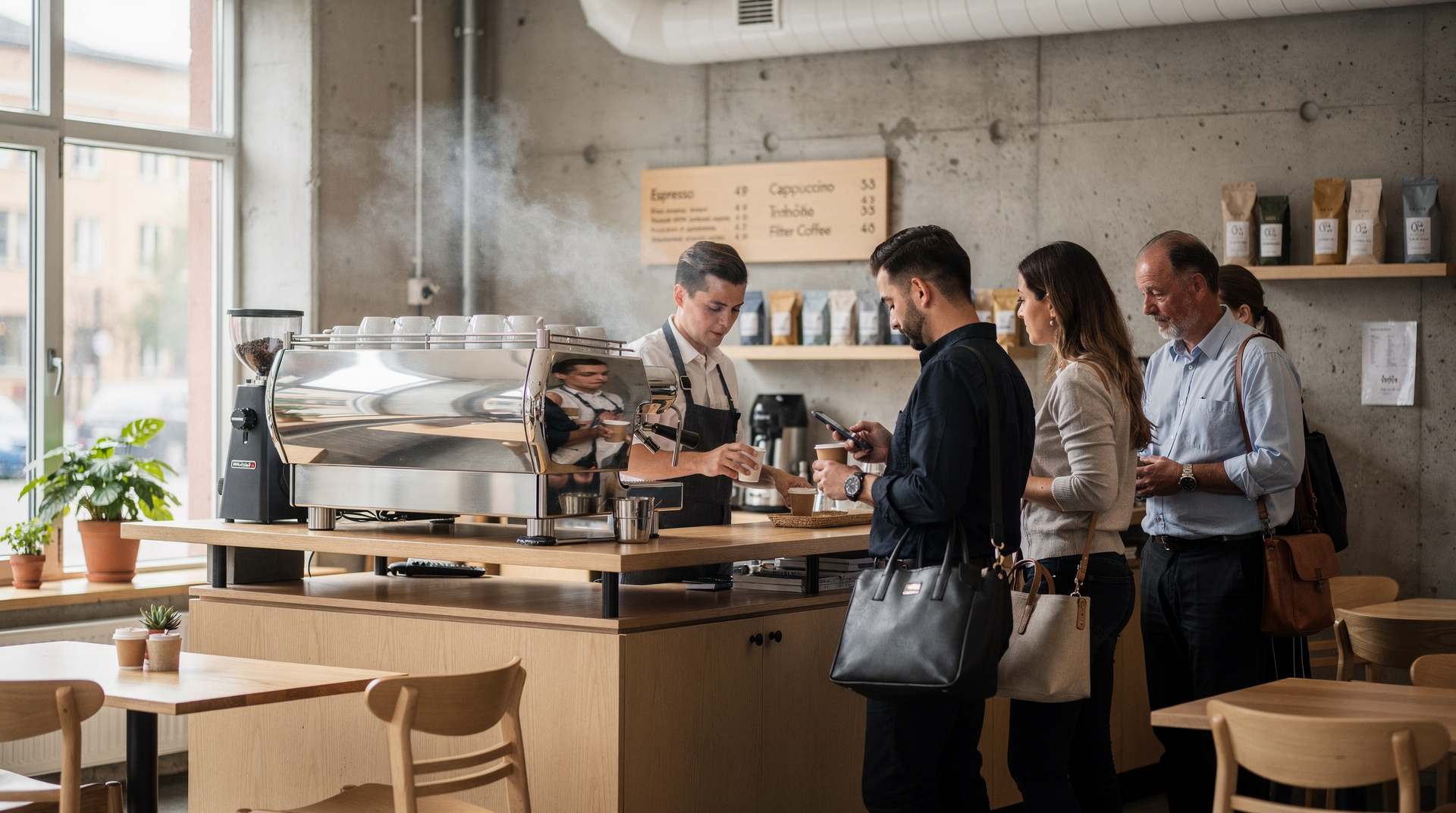
Grünerløkka (often called Løkka by locals) is Oslo's creative, artsy neighbourhood east of the Akerselva river. It's known for excellent independent cafés (Tim Wendelboe, Supreme Roastworks), the city's best bar scene along Thorvald Meyers gate, vintage shops, street art, and the Mathallen food hall. It feels genuinely lived-in rather than touristy.
What makes Grünerløkka special
There are a handful of neighbourhoods in European cities that feel genuinely alive — not curated for Instagram or tourists, but actually functioning as places where people live, work, eat, and spend their evenings. Grünerløkka is one of them.
The neighbourhood sits east of the Akerselva river, roughly 2 km from central Oslo. In the late 19th and early 20th century it was working-class housing — densely packed apartment blocks built for factory workers along the river’s textile and paper mills. By the 1990s it had become bohemian, with artists and musicians moving into cheap apartments. Today it’s one of Oslo’s most desirable postcodes, but it has retained the independent, non-commercial character that made it interesting in the first place.
This guide covers what to do, eat, drink, and see in Grünerløkka — plus how the guided tours add to the experience.
| Where | East of the Akerselva river, ~2km from Sentrum |
| Known for | Independent cafés, bar scene, street art, Mathallen |
| Getting there | Tram 11/12/13 from Jernbanetorget, 10–15 minutes |
| Time needed | Half day minimum, full day with food and bars |
| Best for | Coffee lovers, nightlife, independent shopping |
The main streets
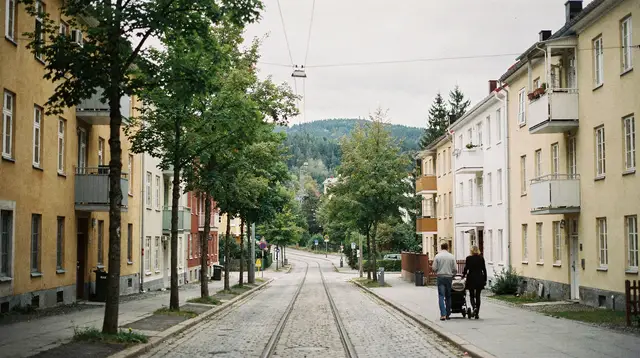
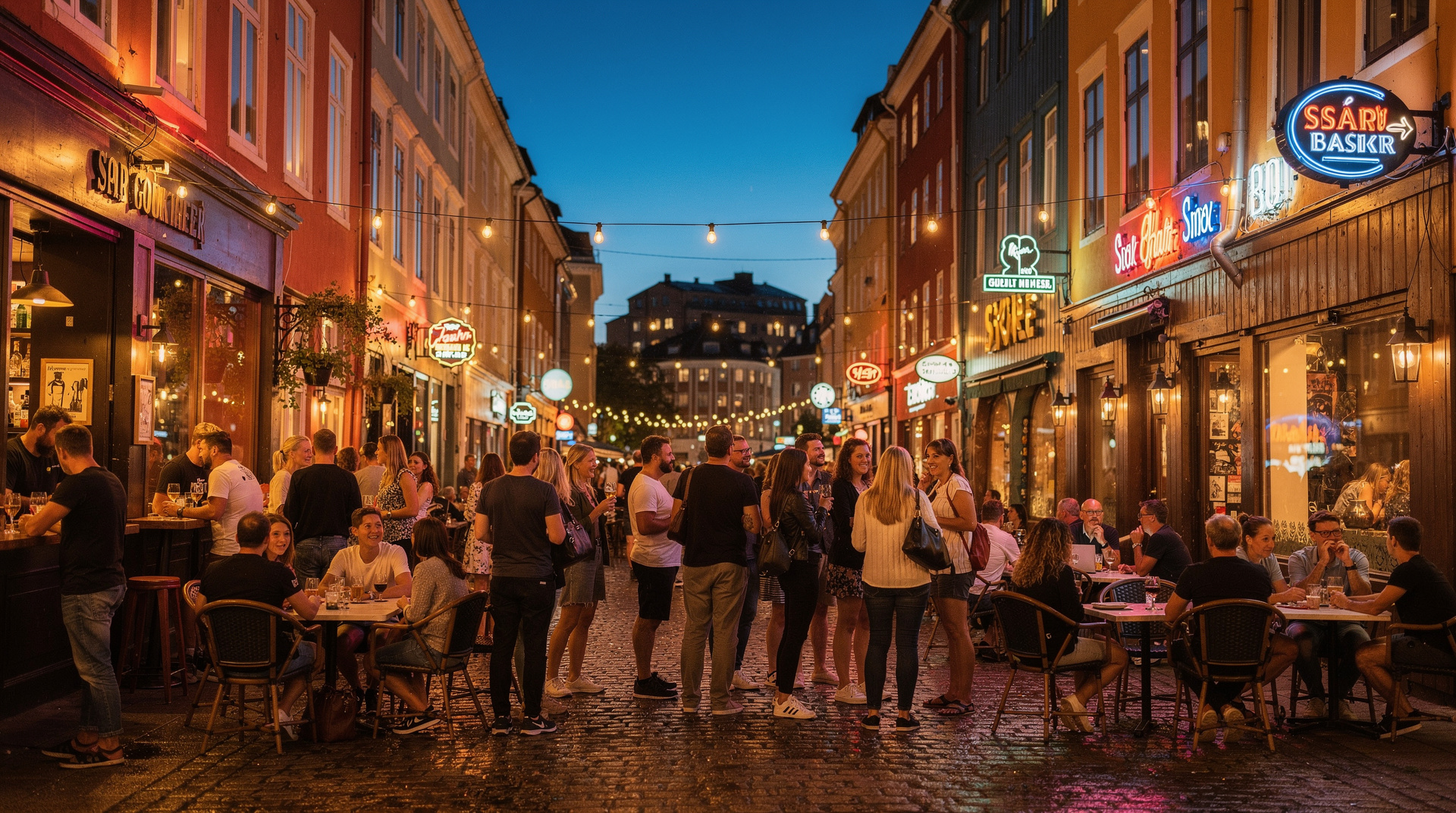
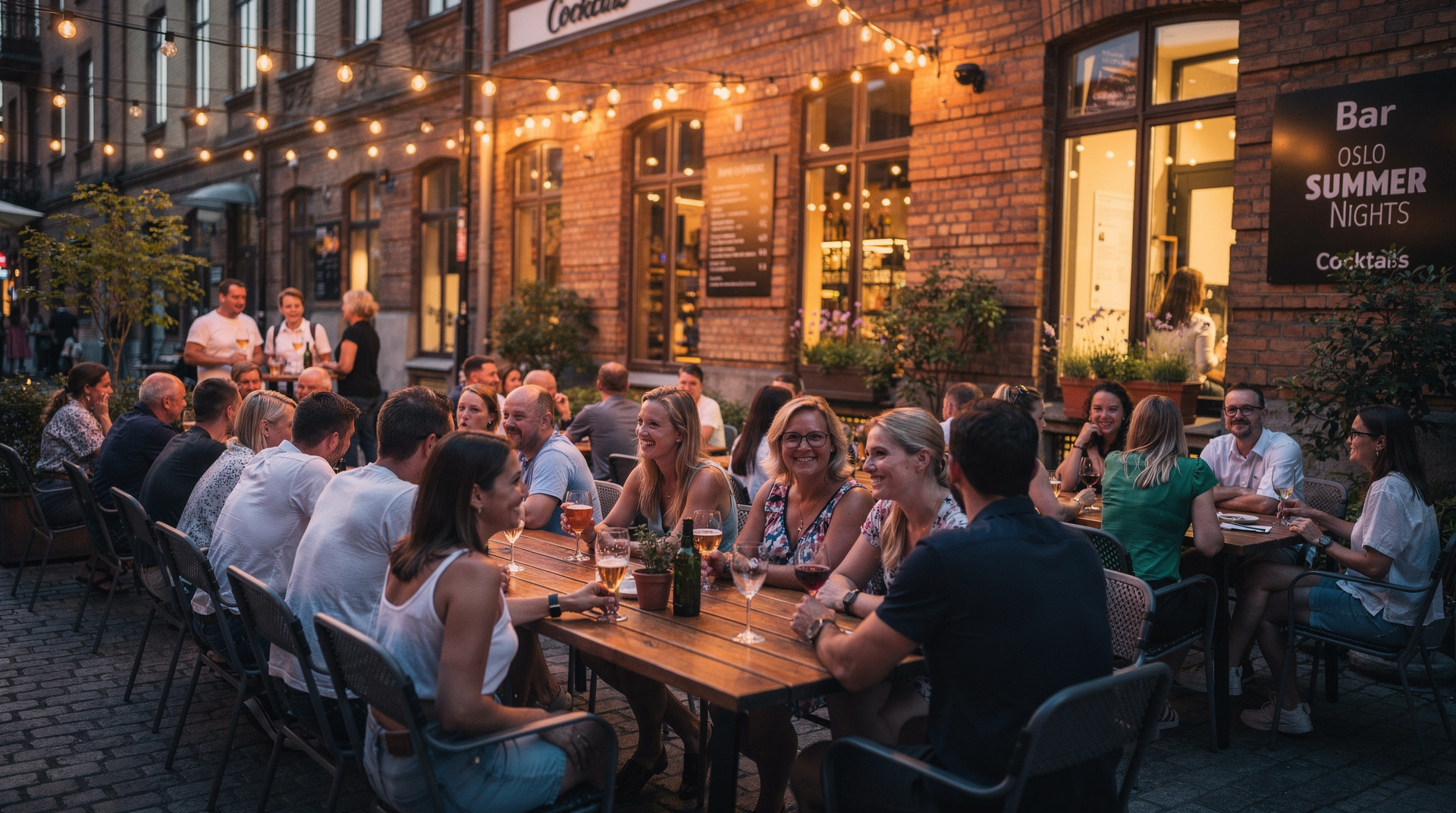
Thorvald Meyers gate is the neighbourhood’s social spine — a tram-served street running northeast from Schous plass with cafés, bars, and restaurants concentrated on both sides. On warm summer evenings the pavement tables fill early and stay occupied late. This is Oslo’s most genuinely sociable street.
Markveien runs parallel and is slightly quieter — more independent boutiques, a few excellent cafés (Grünerløkka’s original neighbourhood café, Godt Brød bakery, and several second-hand clothing shops).
Grünerløkkaplassen (the small square at the Thorvald Meyers gate/Sofienberggata junction) is where Tim Wendelboe, one of the world’s most celebrated coffee roasters, has its espresso bar. Worth visiting even if you’re not a serious coffee person — the quality is a tangible demonstration of Norwegian coffee culture at its best.
Olaf Ryes plass is Grünerløkka’s grandest public space — a long rectangular square with mature lime trees, benches, and a fountain. In summer it becomes an outdoor living room with people picnicking on the grass and sitting on every bench. Surrounded by 19th-century apartment buildings in a mix of Jugendstil and Neo-Baroque styles.
The Akerselva river corridor
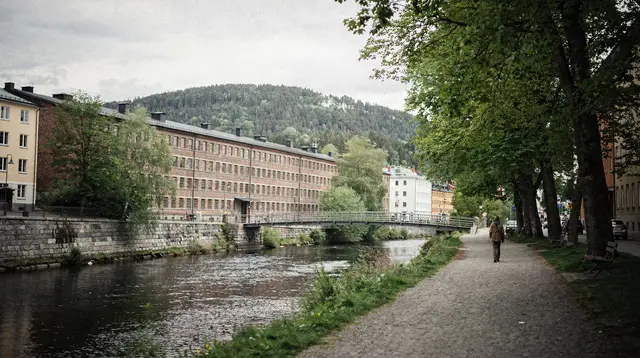
The Akerselva river runs along the western edge of Grünerløkka, and the riverbank has been developed into a connected green and cultural corridor over the past 20 years. Walking along the river south from Grünerløkka toward Sentrum takes you past:
- Blå — Oslo’s best live music venue, in a converted warehouse right on the riverbank. Jazz, electronic, indie, and experimental programming. Outdoor deck over the river in summer.
- Kulturhuset nearby — a multi-purpose arts venue with cheaper bar prices than most Oslo alternatives.
- Former factory buildings now converted to studios, galleries, and cultural spaces with murals on their exterior walls.
- Vulkan — a modern mixed-use development at the southern end of the Akerselva park, containing Mathallen food hall, Dansens Hus (National Dance Theatre), and several bars and restaurants.
The river walk from Grünerløkka to central Sentrum takes about 20 to 25 minutes and passes through parks and urban art installations. It’s one of Oslo’s most pleasant free urban walks. Pick it up at the north end by the Grünerbrua bridge.
Food in Grünerløkka
The neighbourhood has Oslo’s most varied and genuinely good-value restaurant scene — “good value” being a relative term for Norway. You can eat well without the premium pricing of Aker Brygge or the touristy restaurants of Karl Johans gate.
Mathallen food hall (Vulkan): About 30 specialist vendors in a former industrial building. Norwegian charcuterie, artisan bread, cheese, sushi, Vietnamese pho, Norwegian meatballs, smoked salmon, craft beer. Excellent for lunch (most vendors have counter seating) or for buying high-quality Norwegian food products. Open Tuesday to Sunday.
International food: Grünerløkka has some of Oslo’s best non-Norwegian restaurants — Thai, Vietnamese, Ethiopian, and Middle Eastern kitchens have been in the neighbourhood for decades and are patronised by locals, not tourists. Look along Thorvald Meyers gate and its side streets.
Norwegian classics: Olympen (technically in Grønland but closely associated with the Grünerløkka scene) is a grand Victorian brasserie serving traditional Norwegian smørbrød (open sandwiches), meatballs, and brown cheese on waffles. Tekehtopa, a small Norwegian home-cooking restaurant, is consistently excellent.
For the full food picture, see our dedicated Grünerløkka food guide.
Coffee culture
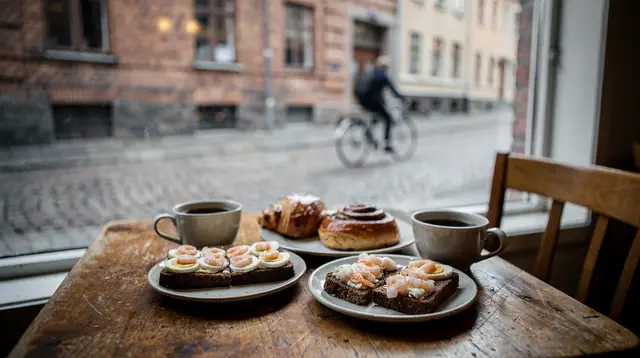
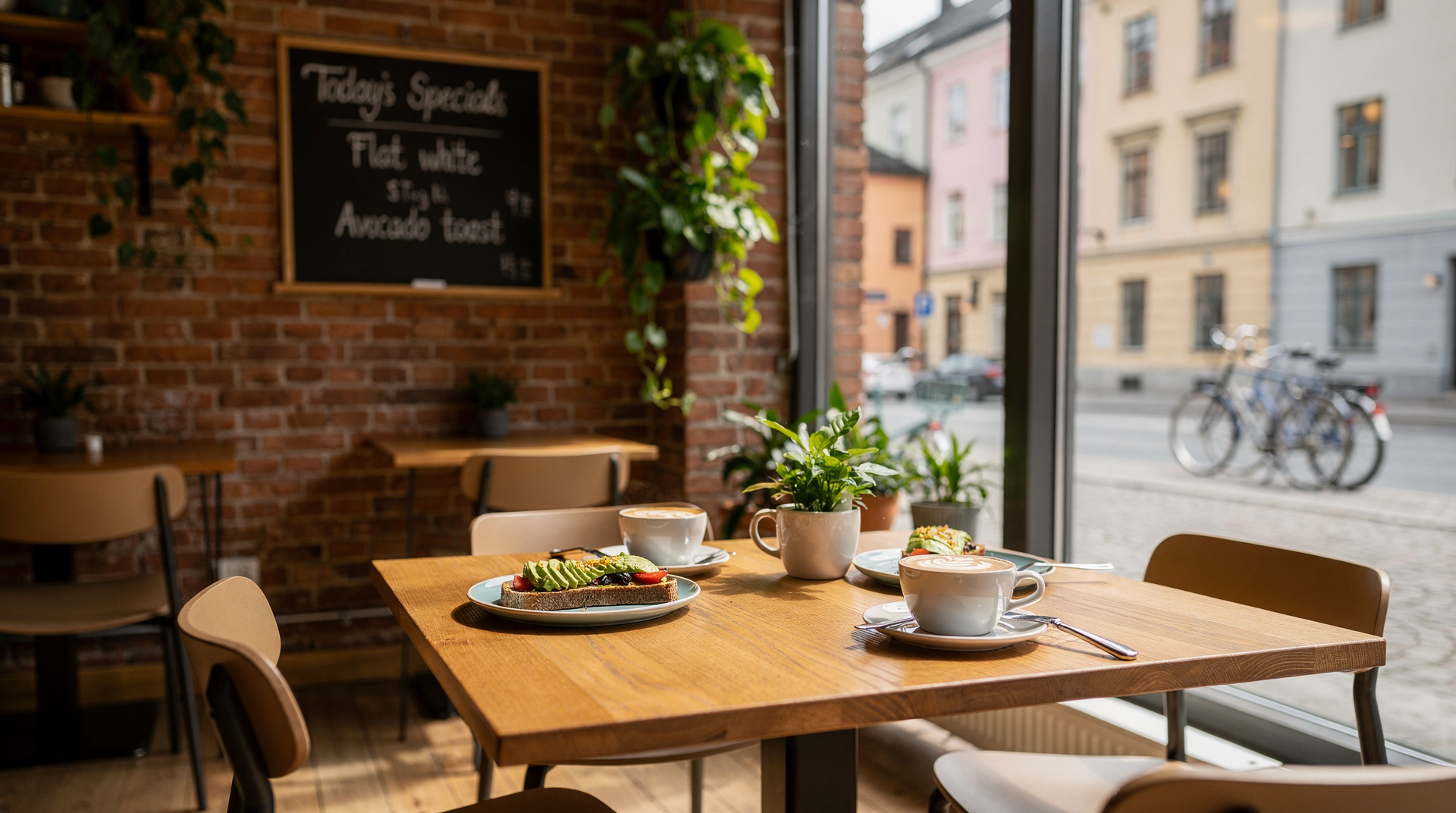
Grünerløkka is the epicentre of Norway’s world-leading coffee scene. Tim Wendelboe (Grünerløkkaplassen 1) has trained barista world champions, roasts its own beans with extraordinary precision, and serves espresso that most other cafés can’t match. Supreme Roastworks (Thorvald Meyers gate 48) is the neighbourhood’s other exceptional roaster — more modern in aesthetic and slightly more accessible in atmosphere.
Oslo’s coffee culture is covered in more depth in our Oslo coffee culture guide.
Bars and nightlife
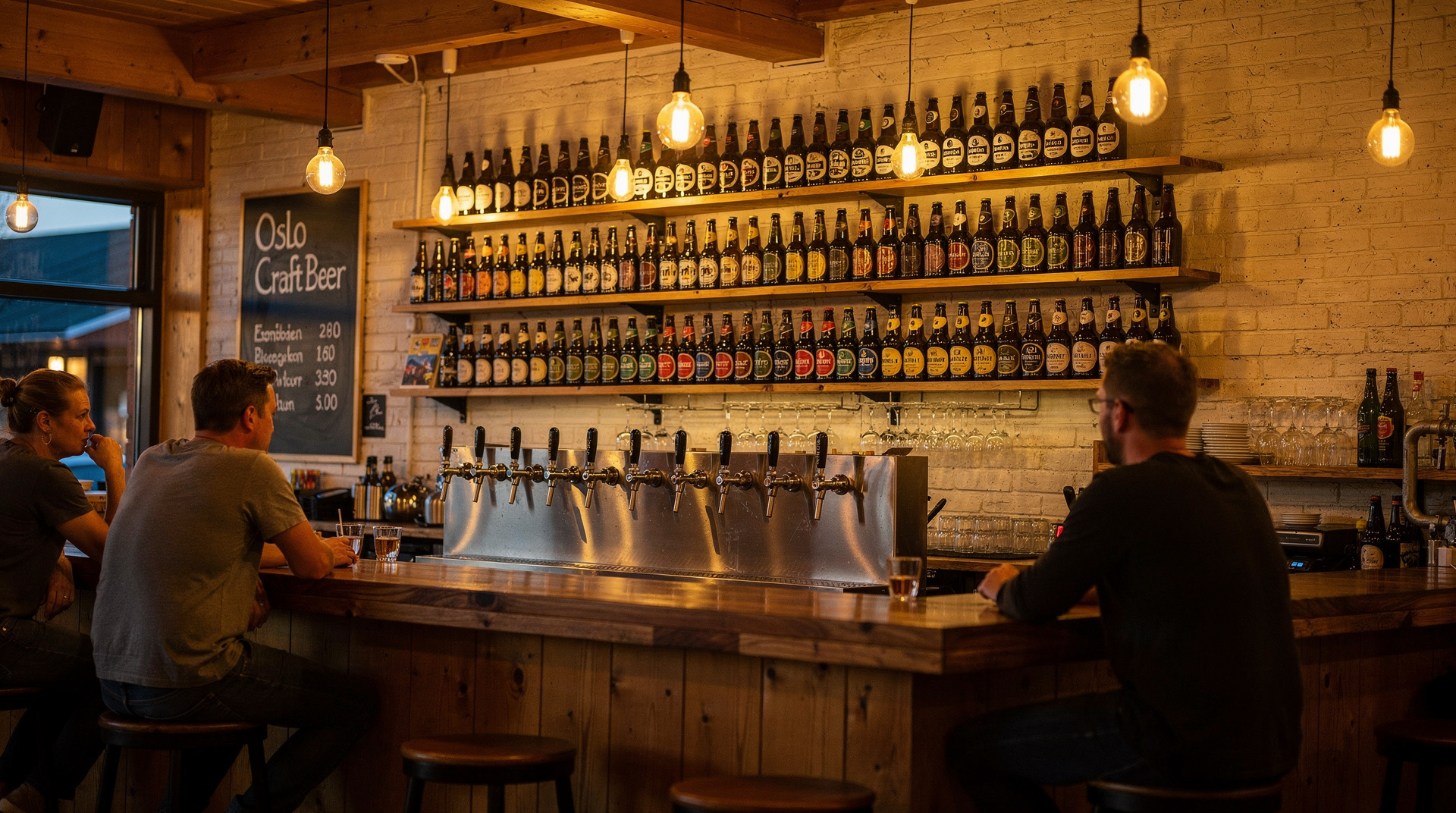
Grünerløkka’s bar scene is covered in detail in our Oslo nightlife guide and best bars in Oslo guide. Key highlights:
- Hendrix Ibsen (Thorvald Meyers gate 36): reliable craft beer and cocktail pub, terrace in summer
- Crowbar: the beloved heavy-metal craft beer bar
- Blå: live music venue on the Akerselva
- Bar Boca: tiny bodega-style wine bar, always packed
- Schouskjelleren: the basement craft beer bar beneath the old brewery
Shopping
Grünerløkka has Oslo’s best vintage and second-hand shopping. Fretex (the Norwegian Salvation Army charity shop chain) has a large outlet on Ullevålsveien. Independent vintage stores cluster along Markveien and Thorvald Meyers gate — prices are not cheap by secondhand standards (this is Oslo) but the selection is well-curated. Independent design stores, art galleries, and concept stores fill in the rest.
The permanent Birkelunden market runs on Sundays in the park at Sofienberggata — a small but genuine neighbourhood flea market from May to October.
The Grünerløkka tour options
A guided tour adds significant value in Grünerløkka specifically — the neighbourhood’s history (from working-class district to creative hub), the street art stories, the coffee culture narrative, and the food scene context all require explanation to fully appreciate.
The Grünerløkka hipster tour is a two-hour walking tour covering the main streets, the Akerselva corridor, the coffee scene, and the neighbourhood’s cultural evolution. Led by local guides with genuine knowledge of the area. Good for getting oriented quickly.
The private 3-hour Grünerløkka walking tour goes deeper into the neighbourhood’s history and subculture — particularly good for those who want a one-on-one or small-group experience.
The Grünerløkka food and culture tour combines the walking element with food tastings at key producers and restaurants — excellent for food-focused visitors.
Getting there
Tram lines 11, 12, and 13 serve Grünerløkka from Jernbanetorget and Nationaltheatret. Alight at Schous plass (for the southern end) or Olaf Ryes plass (for the northern section). Journey time: 10 to 15 minutes.
Walking from Sentrum: 20 to 25 minutes on foot via the Akerselva river path or directly east along Storgata.
Metro: Nearest stations are Grønland (south, 15-minute walk) and Carl Berner (north, 10-minute walk). The tram is easier for most visitors.
All Ruter public transport — NOK 41 (USD 4.40) single journey. For transport across the whole city, see our getting around Oslo guide.
Combining Grünerløkka with neighbouring areas
Grünerløkka connects naturally to:
- Grønland (10-minute walk south) — cheaper food, multicultural market atmosphere. See Grønland neighbourhood guide.
- Bjørvika and the Opera House (20-minute walk south) — architecture, Munch Museum.
- Sentrum (20-minute walk or 15-minute tram) — main sights and shopping.
- Botanical Garden in Tøyen (15-minute walk east) — free green space.
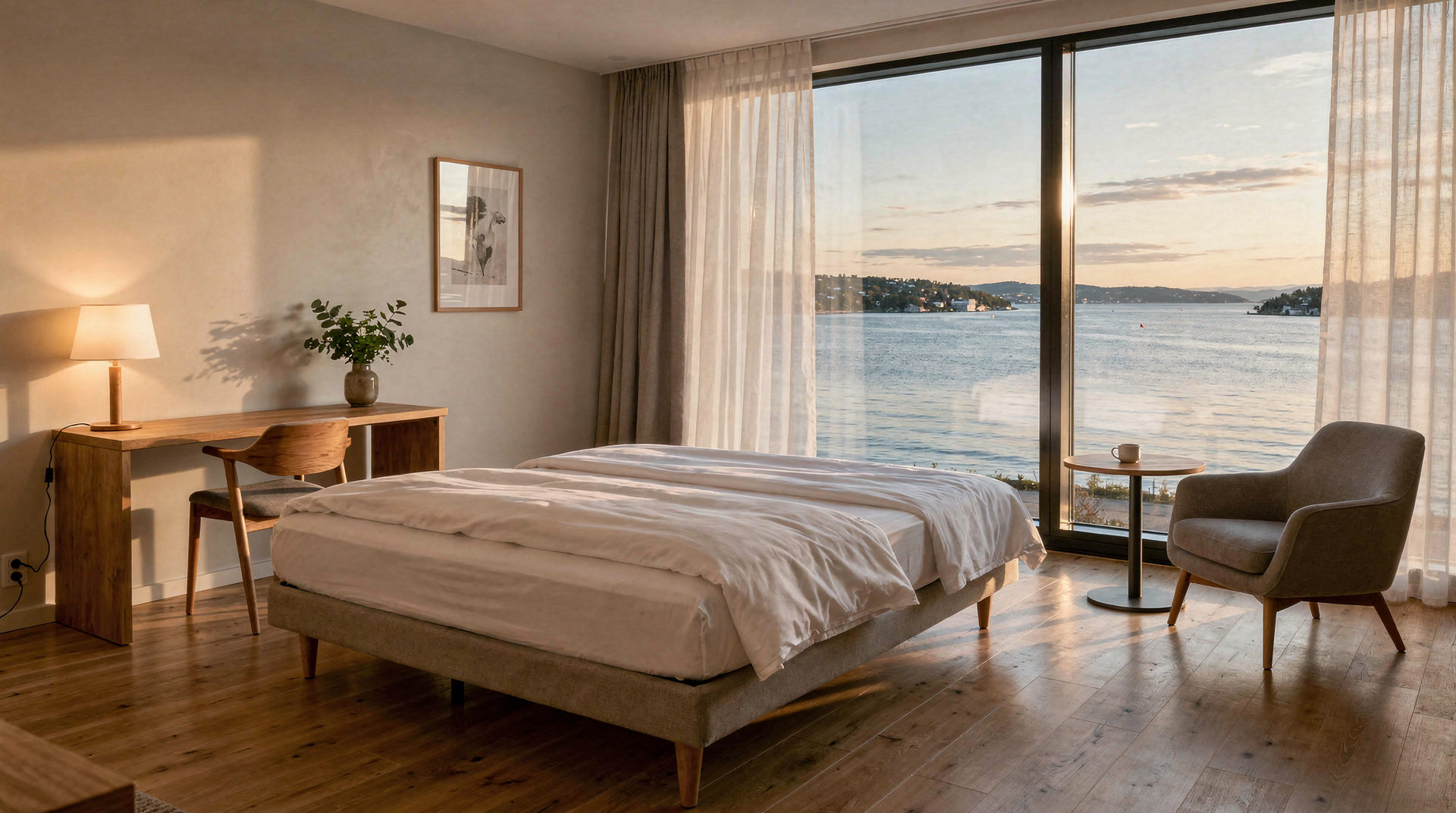
For accommodation options in the neighbourhood, see our where to stay in Oslo guide.
Grünerløkka vs Oslo’s other creative-leaning areas
| Grünerløkka | Grønland | Sentrum | |
|---|---|---|---|
| Vibe | Bohemian, gentrified, café-led | Multicultural, unpolished, cheap | Central, busy, tourist-facing |
| Best for | Coffee, bars, vintage shopping | Cheap authentic food | First-time sightseeing |
| Evenings | Lively, bar-hopping crowd | Low-key, unpretentious bars | Restaurant-heavy, quieter after dark |
| Price level | Mid-range | Cheapest | Highest |
A first-timer’s Grünerløkka route
If it’s your first visit, start at Olaf Ryes plass and walk south down Thorvald Meyers gate, stopping at Tim Wendelboe or Supreme Roastworks for coffee along the way. Cut across to Markveien for vintage shops and galleries, then head down toward the Akerselva river and follow it south to Vulkan for a Mathallen lunch. Save the bar-hopping — Hendrix Ibsen, Crowbar, Bar Boca — for the evening, when the neighbourhood’s actual social life kicks in. The whole loop covers most of what makes Grünerløkka worth the trip without needing a car or a tight schedule.
Choosing your moment: day, evening, season
Grünerløkka changes character as the hours pass. Mornings are for coffee and a slow wander, when the cafés are calmer and the streets belong to residents on their way to work or to the park. Afternoons are the time for vintage shops, galleries, and a long lunch. Evenings are when Thorvald Meyers gate earns its reputation, and the pavement tables become the best seats in the neighbourhood. If you can only come once, aim to arrive in the late afternoon and stay through the evening, so you see both faces of the place.
The seasons matter too. In summer the squares and the riverbank turn into open-air living rooms, and the whole neighbourhood spills outdoors; our Oslo in summer guide explains why that is the best moment for this part of town. In winter Grünerløkka is cosier and quieter: you trade the terraces for warm interiors, candlelit bars, and long conversations over coffee. Check the daylight hours by season before you plan a river walk, because the Akerselva path is much more pleasant with some light.
Why locals love it, and what that means for you
Because Grünerløkka is mostly used by the people who live here, the pace is relaxed and the service is rarely geared to tourists. That is exactly the appeal, but it also means a few habits help. Be patient at busy counters, do not expect menus built around visitors, and take your time rather than rushing from one place to the next. Dress practically, since you will be walking, sitting outside, and moving between tram stops and riverbank paths.
It also helps to think of the neighbourhood as a set of small clusters rather than one big attraction. The area around Olaf Ryes plass is the social heart, the stretch near Grünerløkkaplassen is the coffee corner, Markveien is the browsing street, and the riverbank is the quiet counterpoint. Moving between them is part of the pleasure, and none of the distances is long.
Pairing Grünerløkka with other parts of Oslo
Grünerløkka works best as one stop in a wider plan, not a standalone destination. If you are shaping a short stay, the food and design weekend itinerary folds the neighbourhood into a loop that suits people who care about coffee, design, and eating well. For a first visit to the city, the two-day itinerary shows where a Grünerløkka afternoon can fit between the headline sights.
If you want the neighbourhood’s wider story, the story of how Grünerløkka changed follows its shift from working-class streets to creative hub, and the Grünerløkka destination page gives the quick overview. Visitors who enjoy the coffee side can go deeper in the Oslo coffee obsession piece.
For the budget-minded, remember that you can enjoy much of what Grünerløkka offers without spending heavily: the river walk, the squares, the street art, and the park market cost nothing, and our free things to do in Oslo guide collects more ideas of the same kind. Spend where it counts, on a really good coffee or one memorable meal, and let the free parts of the neighbourhood fill the rest of the day.
A relaxed pace works best
The most common regret among visitors is rushing. A neighbourhood like this does not reveal itself on a checklist. Pick a café that looks inviting, sit, and watch the street for a while. Walk a block or two off the main road and you will find quieter corners, small shops, and murals you would otherwise miss. Come back in the evening for a second look at the same streets under different light, and you will understand why people who live here are so protective of it.
Frequently asked questions about Grünerløkka — Oslo's creative quarter guide
Is Grünerløkka worth visiting in Oslo?
Yes — it's one of the most enjoyable neighbourhood experiences in Scandinavia. Unlike Aker Brygge or Karl Johans gate, Grünerløkka is not designed for tourists. The cafés, restaurants, and bars are patronised primarily by Oslo residents. It's where you go to experience how the city actually lives.How do I get to Grünerløkka from central Oslo?
Take tram 11, 12, or 13 from Jernbanetorget or Nationaltheatret to Schous plass or Olaf Ryes plass. Journey time: 10 to 15 minutes. Alternatively, walk from Sentrum along the Akerselva river — a 20 to 25-minute very pleasant walk that passes murals, former factory buildings, and the river parks.What are the best cafés in Grünerløkka?
Tim Wendelboe on Grünerløkkaplassen is internationally famous for its espresso and single-origin coffee. Supreme Roastworks on Thorvald Meyers gate is the neighbourhood's other world-class roaster. Kafistova, Kaffebrenneriet (multiple locations), and the smaller independent cafés along Markveien and Thorvald Meyers gate round out the scene.What is Mathallen Oslo?
Mathallen is a high-end indoor food hall at the Vulkan development on the Akerselva, at the southern edge of Grünerløkka. Around 30 specialist food vendors sell Norwegian and international produce, prepared food, cheese, bread, and specialties. It's excellent for a food-focused lunch or high-quality Norwegian food shopping.Where is the best street art in Grünerløkka?
The Akerselva river corridor has the highest concentration — particularly around the old factory buildings between Grünerløkka and Vulkan. The walls along Brenneriveien and Thorvald Meyers gate also have significant murals. Some work is commissioned and semi-permanent; some rotates. A street art focus walk is part of several guided tours of the area.Is Grünerløkka a good place to stay in Oslo?
Yes, especially for visitors who value atmosphere and nightlife over quiet or central convenience. It's a 10 to 20-minute tram ride or walk from Sentrum, so you're not far from the main sights, but evenings are spent among the neighbourhood's own bars and restaurants rather than tourist-facing ones. It suits couples and independent travellers particularly well; families may prefer the calmer streets of Frogner.How much time should I set aside for Grünerløkka?
A half day (3 to 4 hours) covers the main streets, a coffee stop, and some shopping. A full day lets you add Mathallen for lunch, the Akerselva river walk, and an evening in the bar scene. It rewards a slower pace more than a checklist approach — this is a neighbourhood to sit in, not just photograph.
Top experiences
Bookable activities with verified prices and instant confirmation on GetYourGuide.