Oslo nightlife guide — districts, what to expect, how much it costs
Oslo: the original Oslo pub crawl
Duration: 4 hours
- Bar entry
- Welcome shots
What is Oslo nightlife like?
Oslo has a lively, well-organised bar and club scene concentrated in Grünerløkka, Aker Brygge, and Sentrum. Expect to pay NOK 100 to 160 (USD 11 to 17) per beer and NOK 160 to 220 (USD 17 to 24) per cocktail. Bars open until 03:00 on weekends. Dress code is relaxed but smart-casual gets you into most venues.
The honest truth about going out in Oslo
Oslo is one of Europe’s most expensive cities for nightlife — no sugar-coating it. A round of four beers can cost more than a full restaurant meal in Lisbon. That said, the city’s bar scene is genuinely excellent: creative cocktail bars, smoky vinyl pubs, slick waterfront terraces, and underground clubs that punch above their weight for a city of under one million people.
The key to enjoying Oslo at night is managing expectations around cost and timing. Locals compensate by drinking at home before going out — this is known as vorspiel (pre-party) and is a deeply embedded social ritual, not a sign of budget travel. Show up to a bar at 21:00 and you’ll be almost alone. Show up at 23:00 and you’ll find the energy. Clubs only get going past midnight.
This guide covers the main nightlife districts, realistic costs, practical logistics, and how the organised Oslo pub crawl fits in.
| Best area | Grünerløkka (character), Aker Brygge (views), Sentrum (clubs) |
| Typical cost | NOK 100–160 beer, NOK 160–220 cocktail |
| When it gets going | 23:00 onward; clubs peak after midnight |
| Closing time | Last call ~03:00 (some smaller bars 02:00) |
| ID required | Passport or national ID; foreign driving licences often refused |
Oslo’s main nightlife districts
Grünerløkka
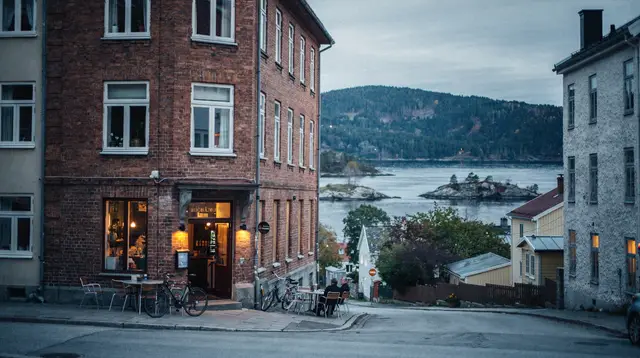
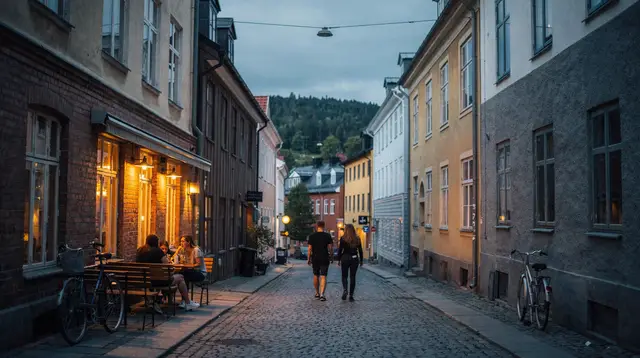
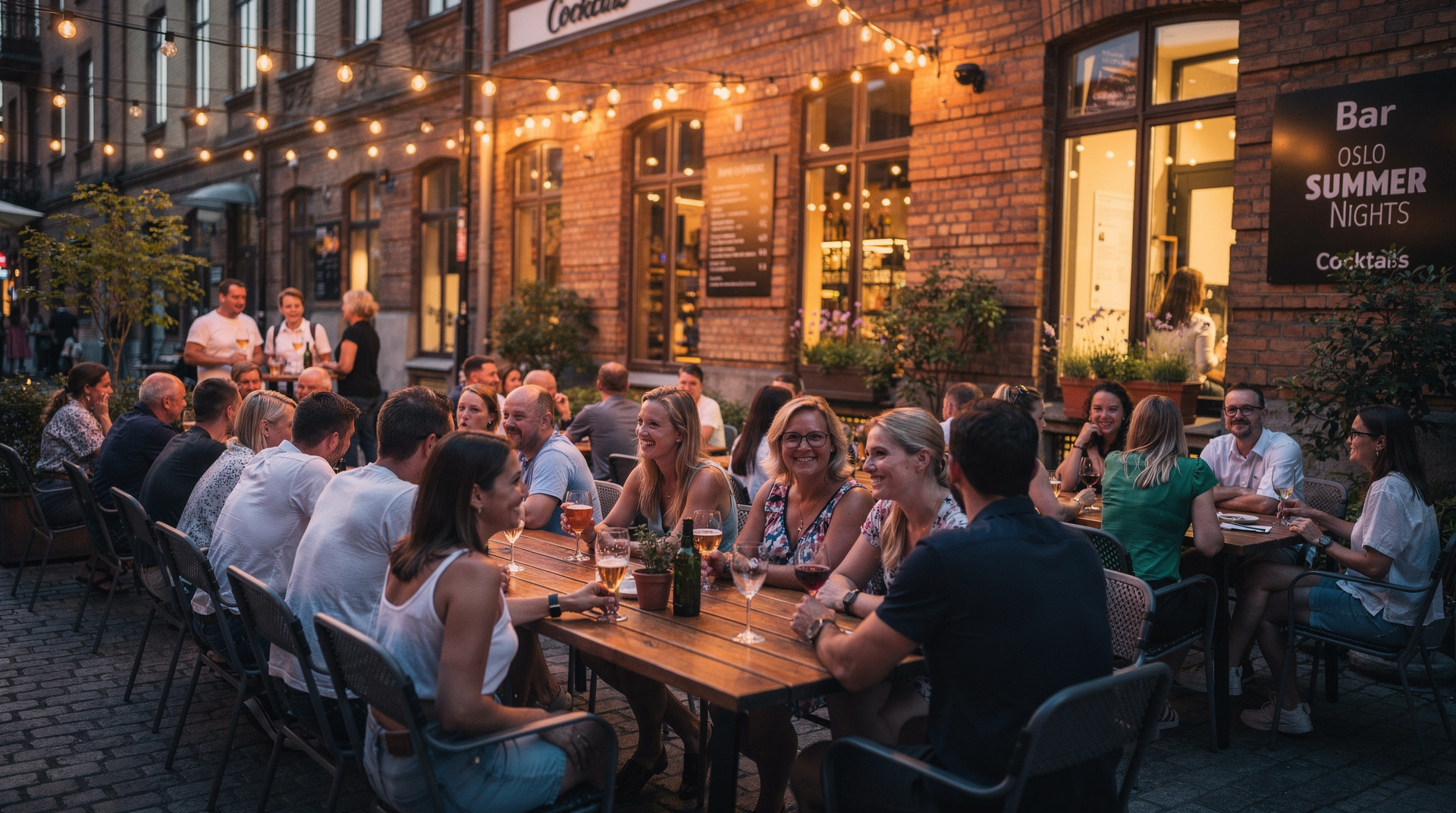
Grünerløkka is the creative heart of Oslo and its most interesting neighbourhood for bars. The area around Thorvald Meyers gate and Olaf Ryes plass is dense with options: intimate wine bars, craft-beer pubs, DJ bars, and vintage-tinged cocktail spots. The crowd is younger, more local, and less tourist-heavy than Aker Brygge. Entry fees are rare and dress codes don’t really exist.
Standout bars include Fuglen on Universitetsgata (renowned for its vintage furniture and excellent espresso that pivots to cocktails at night), Tim Wendelboe for pre-drinks coffee culture, and The Nighthawk Diner if you want food with your beers. Blå is the neighbourhood’s iconic music venue — a converted warehouse on the Akerselva river with outdoor decking and regular live jazz, electronic, and rock nights.
Read more about the neighbourhood in our Grünerløkka neighbourhood guide.
Aker Brygge and Tjuvholmen
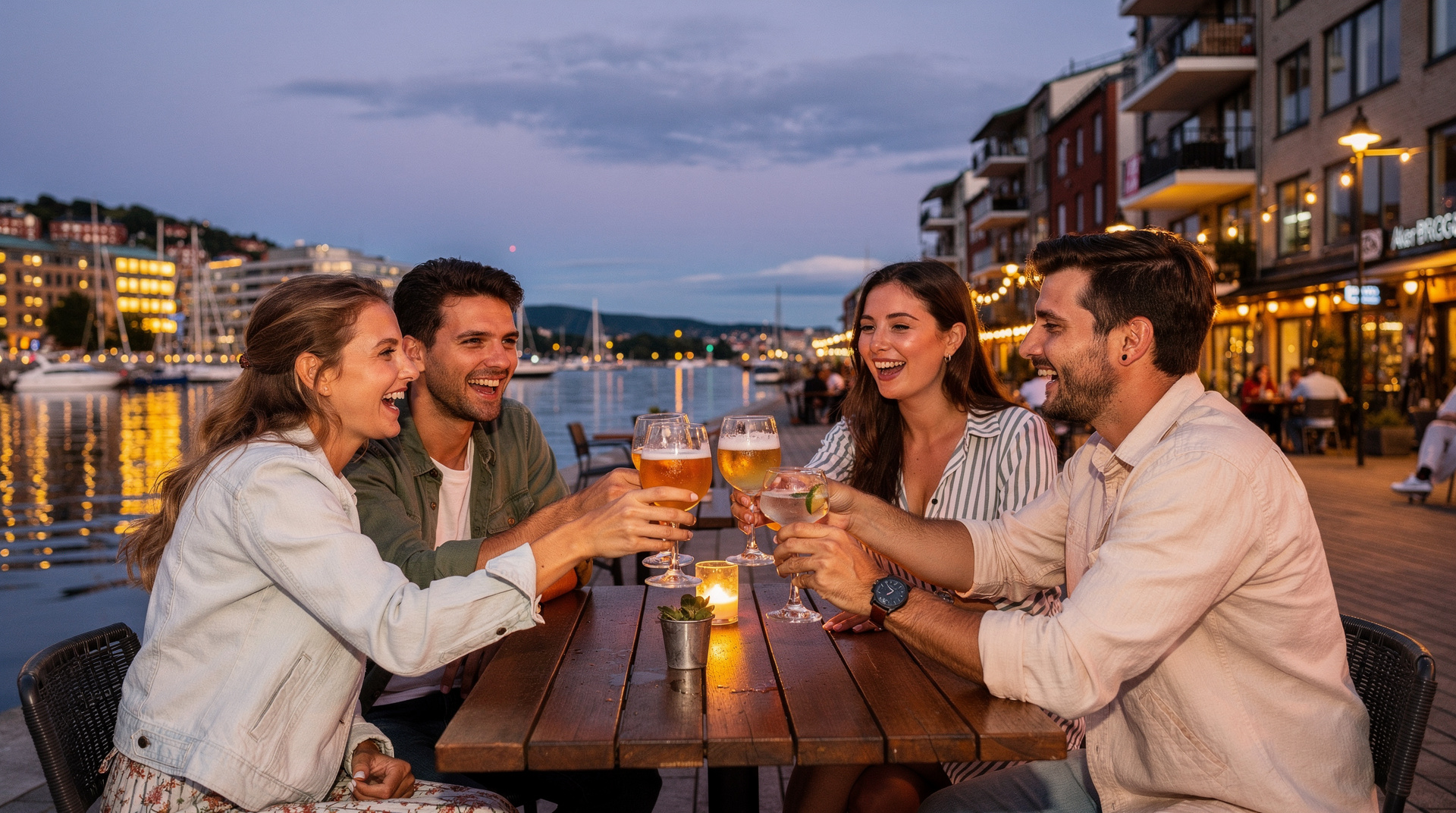
The redeveloped waterfront west of Sentrum has a very different vibe: slick, expensive, mostly tourist- and finance-worker friendly. The plus side is outstanding views over the Oslofjord. Bar Americain inside the Grand Hotel, Lekter’n (a floating bar on the fjord), and the rooftop at Skansen restaurant are popular. Expect to pay premium prices — easily NOK 150 to 180 (USD 16 to 19) for a cocktail. Great for one sunset drink; probably not your whole evening unless your budget is generous.
Sentrum (Karl Johans gate and surrounds)
The city centre has the big venues. The area around Youngstorget square is the traditional nightclub strip — The Villa, BLA, and Dattera til Hagen (a quirky multi-level bar near Grønland, worth crossing districts for) all draw crowds. Karl Johans gate itself has tourist-facing bars that are convenient but overpriced; avoid them unless location is your priority.
Oslo Mekaniske Verksteder (OMV) is a vast converted factory on Grünerløkka’s edge with multiple concert stages. Check listings before your trip — if a headliner you like is playing, this is worth the NOK 300 to 600 (USD 32 to 65) ticket.
Grønland
Grønland, a few tram stops east of Sentrum, is Oslo’s multicultural hub and has a raw, unpretentious nightlife scene that locals have been talking about for years. Bars here are cheaper, the music is more eclectic, and the crowds are genuinely mixed. Café Sara, Olympen (a grand old brasserie), and Internasjonalen are all worth knowing about. Read our Grønland neighbourhood guide for the full picture.
What a night out actually costs
Being honest about budget is important. Here are real NOK prices as of 2026:
Drinks:
- Half-litre local lager (bar): NOK 100 to 130 (USD 11 to 14)
- Craft beer (330 ml): NOK 95 to 120 (USD 10 to 13)
- House wine (glass): NOK 120 to 160 (USD 13 to 17)
- Standard cocktail: NOK 170 to 220 (USD 18 to 24)
- Shots: NOK 80 to 120 (USD 9 to 13)
Entry:
- Most bars in Grünerløkka: free
- Mid-size clubs: NOK 100 to 150 (USD 11 to 16)
- Major club nights (OMV, The Villa): NOK 150 to 250 (USD 16 to 27)
Realistic budgets per person:
- Cheap night (3–4 drinks, no entry): NOK 400 to 550 (USD 43 to 59)
- Mid night (5–6 drinks, one club entry): NOK 700 to 1 000 (USD 75 to 108)
- Big night (cocktail bar + club + late food): NOK 1 200 to 1 800 (USD 129 to 194)
The organised pub crawl is one of the best-value options for visitors: a fixed price covering bar entry, welcome shots, and a guide gets you into four or five venues for significantly less than you’d pay going solo.
Timing and the vorspiel culture
Bars open at 15:00 to 18:00; clubs from 22:00 or 23:00. Last call for alcohol in licensed venues is 03:00 (sometimes 02:00 in smaller bars). The city doesn’t have the 24-hour licences of Berlin or Madrid, so plan your night accordingly.
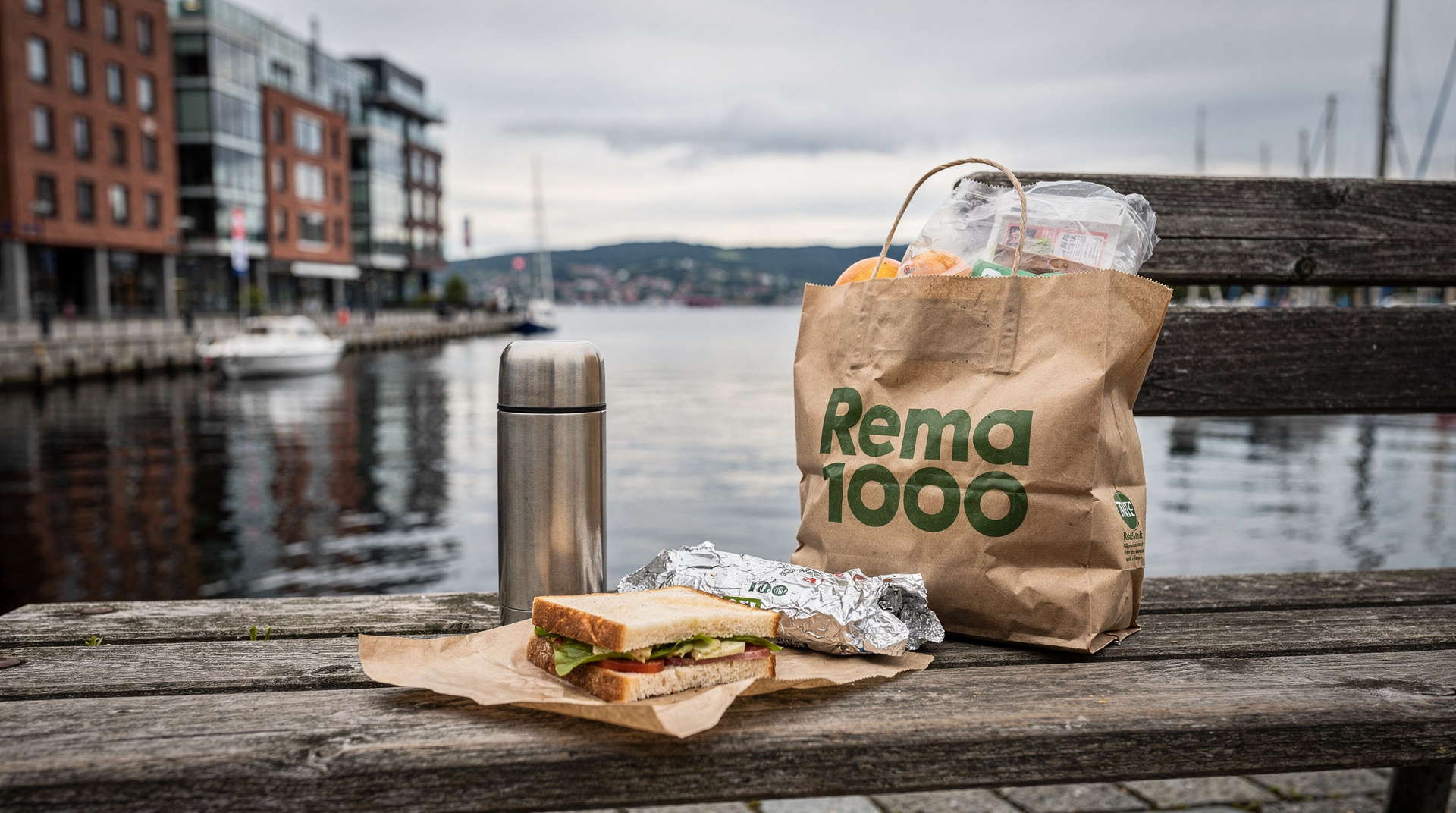
The vorspiel pre-party culture is not something to fight — embrace it. Buy beer at a supermarket before 20:00 (note: wine and spirits are Vinmonopolet-only) and socialise with your group before heading out. This alone can save NOK 200 to 400 (USD 21 to 43) per person over a night.
Happy hour is very much a real thing in Oslo’s craft-beer pubs. Many Grünerløkka bars run deals from 16:00 to 19:00 — half-litre beers at NOK 70 to 85 (USD 7.50 to 9) — so an early start on the terraces in summer is actually the most sociable and economical option.
Getting around Oslo at night
The Ruter public transport network runs night buses (nattbuss) on Friday and Saturday nights — they depart every 30 to 60 minutes from 01:00 to 05:30. Tickets cost NOK 66 (USD 7) with a Ruter t:card. The metro (T-bane) runs until around midnight on weekdays and until approximately 02:00 on Fridays and Saturdays — check the Ruter app for exact last-service times on your specific line.
Taxis are plentiful but expensive: NOK 200 to 400 (USD 21 to 43) for a cross-city trip. The Uber app works in Oslo and is slightly cheaper than metered taxis. Walking between Grünerløkka, Grønland, and Sentrum is entirely feasible — the distances are 15 to 25 minutes on foot and the streets are safe.
Oslo is a genuinely safe city at night by any European standard. The only consistent nuisances are the odd aggressive drunk near Karl Johans gate late on Friday and Saturday nights — same as any European capital.
The organised Oslo pub crawl
For first-time visitors or travellers arriving without an established social circle in Oslo, the organised pub crawl is excellent value. The original Oslo pub crawl runs every Friday and Saturday from 21:30. The route takes groups through four to five bars over four hours, with a welcome shot at the first bar and priority entry (avoiding queues that can run to 30 minutes on busy nights). Guides know which venues are open, which have DJs, and how to navigate the city’s sometimes-confusing entry systems.
It’s not just for backpackers — the guest mix tends to be 20s and 30s travellers, solo visitors, and groups celebrating birthdays. Read the full breakdown in our Oslo pub crawl guide.
Evening walking tours as alternatives
Not everyone wants to bar-hop. Oslo’s guided evening walking tours take a completely different angle on the city after dark. The myths and legends walk covers Viking-era stories, royal scandals, and folklore at sites that feel genuinely atmospheric after sunset. The dark stories walking tour goes deeper into Oslo’s criminal history and darker chapters — ideal if you prefer history to nightclubs.
For something more unusual, the forest mystery night walk heads into the Nordmarka forest with headlamps for a two-and-a-half-hour guided experience entirely unlike anything you’d find in the city itself.
Nightlife by season
Oslo’s nightlife changes significantly by season. In summer (June to August), the city operates on a kind of extended twilight — it never gets fully dark until well past midnight at 59.9°N latitude, so terraces stay buzzing until 02:00 and the Aker Brygge waterfront is alive until late. This is the most sociable season.
In winter (November to March), nights are long and dark by 16:00. The bar scene becomes cosier and more concentrated — people move faster between venues and the hot-drinks-and-spirits culture (aquavit, spiced wine) is more prominent. Christmas market season (late November to mid-December) adds a festive layer; read our Oslo in winter guide for the broader picture.
Practical tips
Bring ID: Norwegian bars enforce age checks rigorously. Bring your passport — some venues won’t accept foreign driver’s licences.
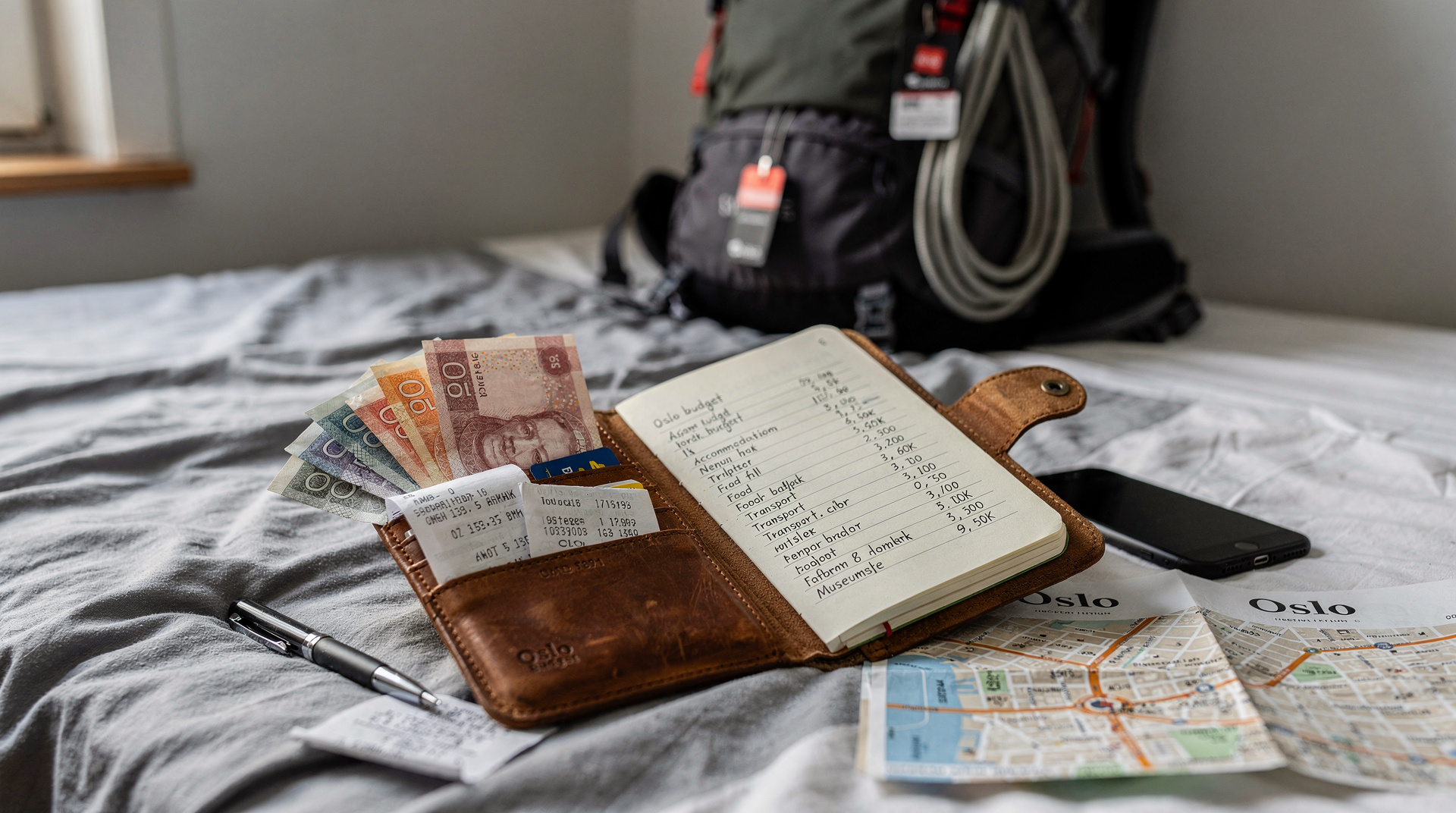
Card everywhere: Oslo is essentially cashless. You won’t need NOK notes for bar purchases. Contactless is accepted at every licensed venue.
Dress code: Relaxed compared to London or Milan. Smart jeans and clean trainers get you into almost anything. Major clubs may turn away large groups of very drunk arrivals, but this is common sense rather than formal dress code enforcement.
Plan transport home: Download the Ruter app before you go out. Night buses are reliable; taxis are expensive. If you’re staying near the T-bane, check the last metro time for your line.
For more on managing costs across your trip, see our Oslo trip cost breakdown and Oslo on a budget guide.
Which district fits your night
| District | Vibe | Price level | Best for |
|---|---|---|---|
| Grünerløkka | Creative, local, casual | Mid | Craft beer, vinyl bars, no dress code |
| Aker Brygge/Tjuvholmen | Polished, waterfront | High | One sunset drink, not a full night |
| Sentrum (Youngstorget) | Big clubs, tourist-facing | Mid–high | Dancing, live acts, later hours |
| Grønland | Multicultural, unpretentious | Low–mid | Cheaper drinks, mixed local crowd |
Rooftop and view bars worth the premium
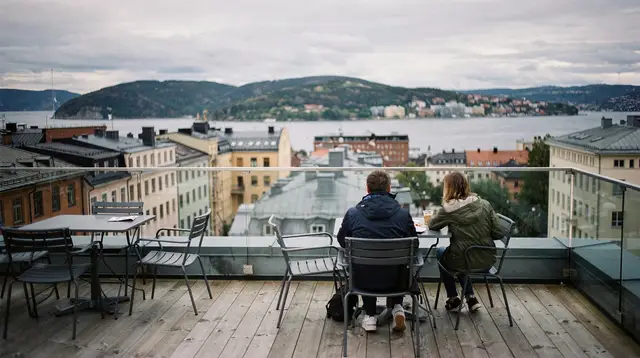
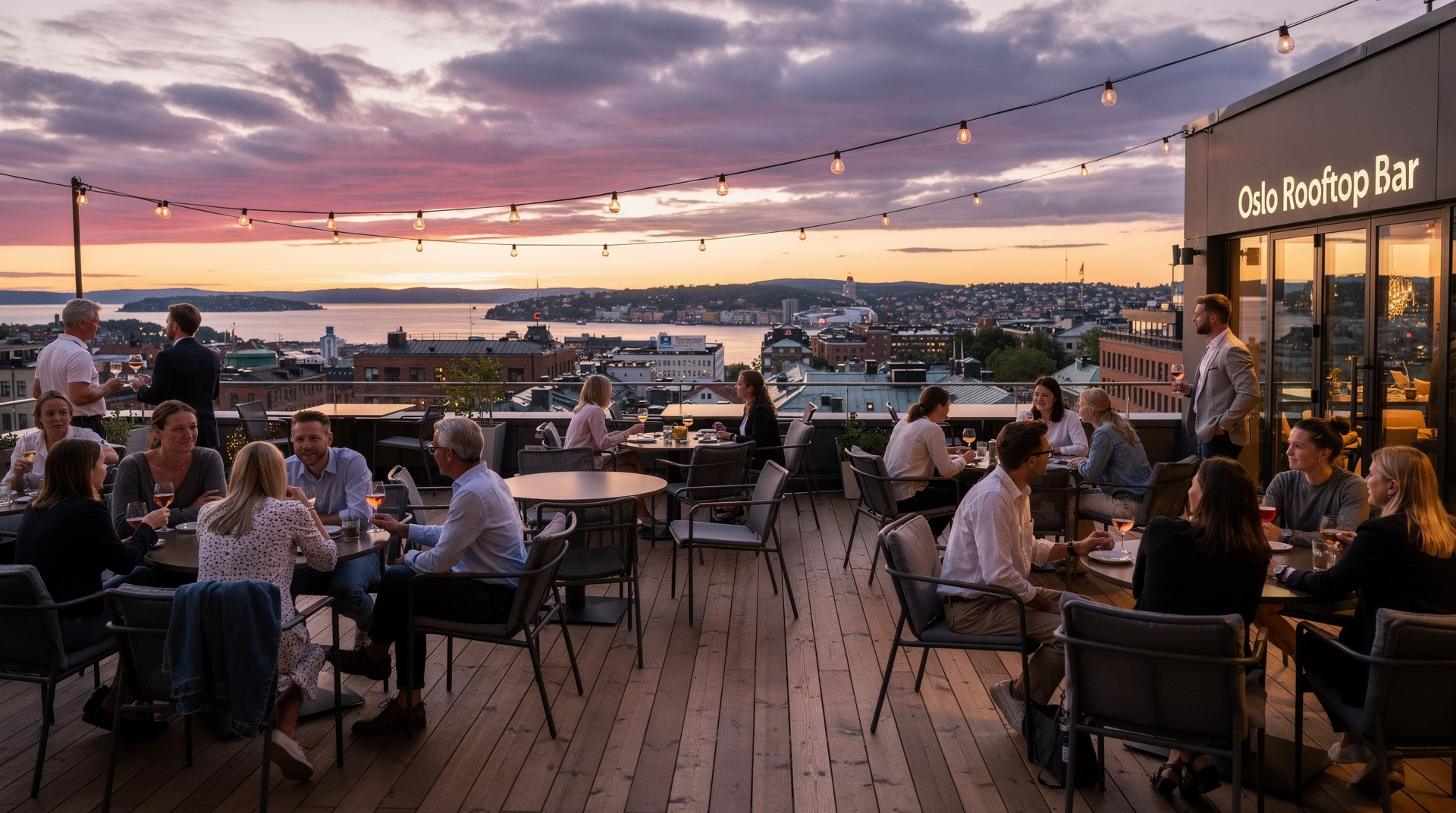
Some of Oslo’s higher prices genuinely buy a view rather than just a location premium. The rooftop bars guide covers the handful of terraces overlooking the fjord and Bjørvika skyline that justify their NOK 180–220 cocktails — Skansen at Aker Brygge and a couple of hotel rooftops near Bjørvika are the standouts. Order one drink for the view at sunset rather than building a full evening around them; the pricing logic is closer to a scenic overlook than a neighbourhood bar.
Craft beer and the best bars, compared
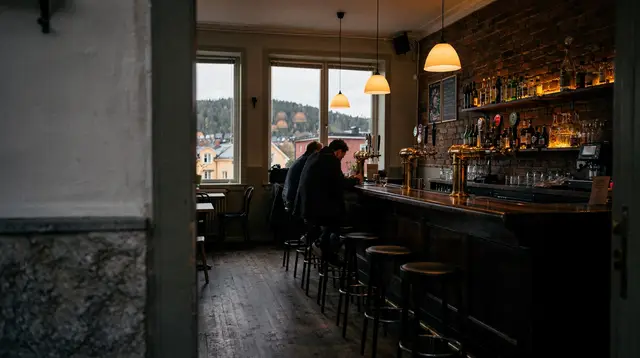
Oslo’s craft beer scene has grown substantially, and it’s concentrated in Grünerløkka and around Grønland rather than in the tourist centre. The best bars in Oslo guide ranks specific venues by atmosphere and value, while the general nightlife districts above give the geographic picture. If beer quality matters more to you than club energy, prioritise a Grünerløkka crawl over Sentrum.
Frequently asked questions about Oslo nightlife guide — districts, what to expect, how much it costs
What time does nightlife start in Oslo?
Locals pre-game at home until 22:00 or 23:00 because bar prices are so high. Most clubs only fill up after midnight. Getting there at 21:00 means empty dance floors — arrive at 23:00 for the real atmosphere.How expensive are bars in Oslo?
A half-litre beer costs NOK 100 to 130 (USD 11 to 14) at a regular bar and up to NOK 160 (USD 17) at a rooftop venue. Cocktails run NOK 170 to 230 (USD 18 to 25). Entry fees range from free to NOK 200 (USD 22). Budget NOK 600 to 900 (USD 65 to 97) for a full night out.Can I buy alcohol at supermarkets in Oslo?
Beer under 4.7% ABV is sold in supermarkets until 20:00 on weekdays and 18:00 on Saturdays. Wine and spirits are only available at Vinmonopolet state stores, which close at 18:00 weekdays and 15:00 Saturdays. No Sunday sales anywhere.Which area is best for nightlife in Oslo?
Grünerløkka has the most character — vinyl bars, craft beer pubs, and unpretentious terraces. Aker Brygge is more polished and waterfront. Sentrum (especially around Youngstorget and Karl Johans gate) has the big clubs.What is the drinking age in Oslo?
18 for beer and wine, 20 for spirits. ID is checked rigorously at most bars and clubs. Bring your passport or national ID card — driver's licenses from outside the EU/Schengen may not be accepted.Is there a pub crawl in Oslo?
Yes — the original Oslo pub crawl visits four to five bars over four hours with a welcome shot and priority entry included. It departs from Sentrum and is a reliable way to meet fellow travellers and discover the bar scene quickly.Are there any free or cheap nights out in Oslo?
Some venues have free entry before midnight. The cheapest strategy is supermarket pre-drinks, then hit bars once. Happy hour runs roughly 16:00 to 19:00 in many Grünerløkka pubs where a beer is NOK 70 to 85 (USD 7.50 to 9).Is Oslo nightlife safe for solo travellers?
Yes, by any European standard. Solo travellers, including women, regularly report feeling comfortable at Grünerløkka bars and on the organised pub crawl. Standard precautions apply — watch your drink, plan how you're getting home, and note the last T-bane time for your line — but Oslo does not have the aggressive street nightlife issues found in some other capitals.Do I need to book bars or clubs in advance in Oslo?
Not usually. Most bars and the Grünerløkka scene are walk-in. The exceptions are major club nights at OMV or The Villa when a well-known act is playing, and the organised pub crawl, which benefits from booking ahead on weekends since it's a fixed-capacity guided experience.
Top experiences
Bookable activities with verified prices and instant confirmation on GetYourGuide.