Where to stay in Oslo — honest area guide for every budget
Oslo: Oslo Pass with public transport and free museum entry
Duration: 24-72 hours
- Instant confirmation
- Free public transport
- Skip museum queues
What is the best area to stay in Oslo?
For first-time visitors, Sentrum (city centre) offers the best combination of access to sights, transport links, and hotel variety. Grünerløkka suits younger travellers and those wanting a more local feel. Frogner is quieter and more elegant. Bjørvika (Opera area) is best for design hotels and fjord views. Oslo is compact enough that location is less critical than in larger cities.
Choosing where to stay in Oslo — the honest reality
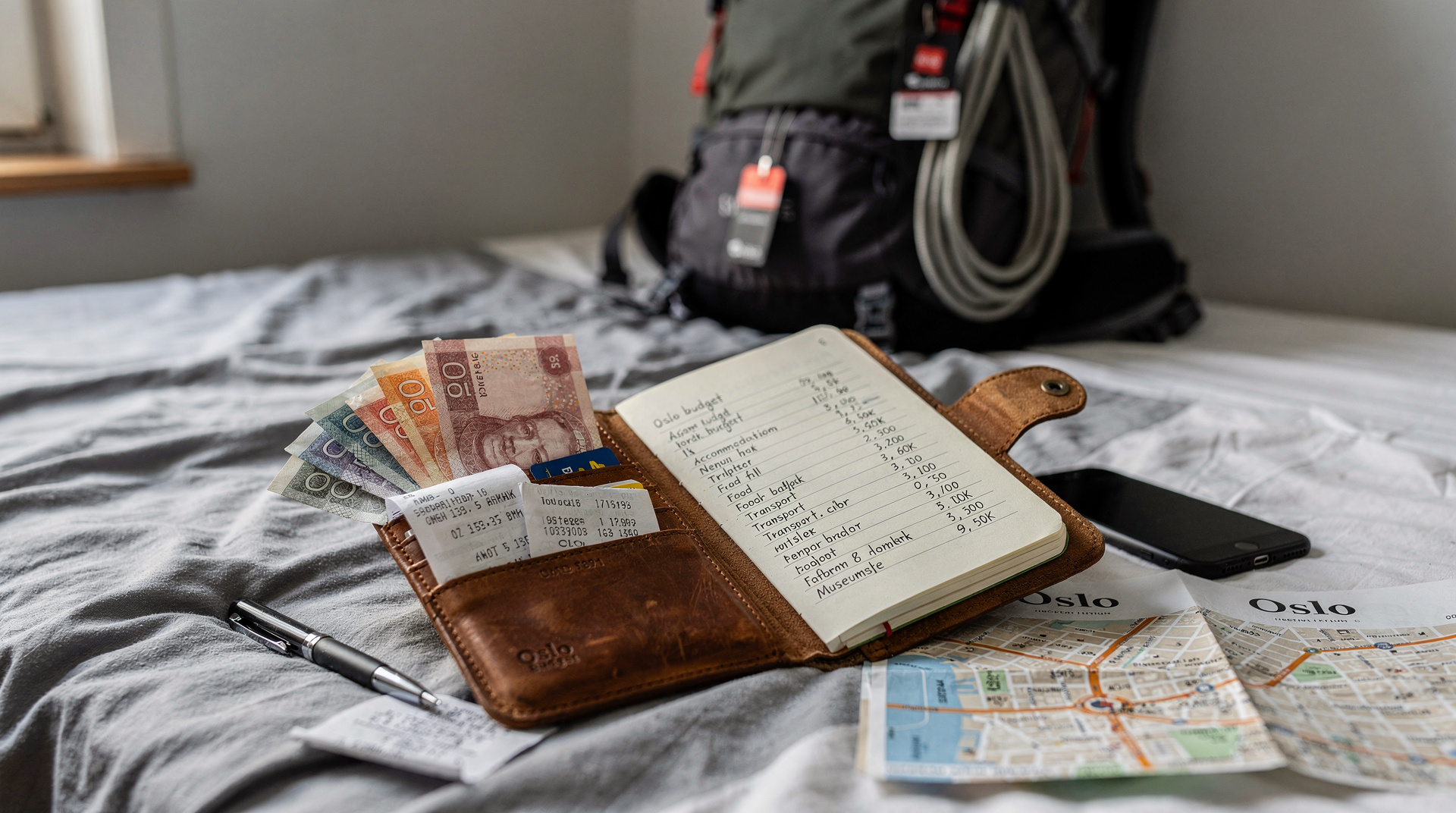
Oslo accommodation is expensive. There’s no way around this: even a modest hotel in Oslo costs more per night than a mid-range hotel in most other European capitals. The good news is that Oslo is compact — it’s roughly 5 km across the urban core — so location matters less than in cities like London or Paris. No neighbourhood is so inconvenient that you’d lose more than 20 to 30 minutes on any key journey.
This guide breaks down the main accommodation districts honestly, with an assessment of who each suits, real price benchmarks, and named hotels across budget levels.
| Best for first-timers | Sentrum (city centre) |
| Best for local feel | Grünerløkka |
| Best for families/quiet | Frogner |
| Best for design/fjord views | Bjørvika |
| Budget benchmark | NOK 1,000–1,500/night ($108–161) |
| Book by | 6–8 weeks ahead for best mid-range rates |
With rates this high in Oslo, the small print decides more than the district does. Compare the total per night once taxes and fees are added, and favour rooms with free cancellation, so you can switch if a cheaper mid-range option appears for your dates. Whichever area you pick, you can read recent guest reviews and cancellation terms through Booking.com for Oslo hotels.
Sentrum (city centre) — best for first-time visitors
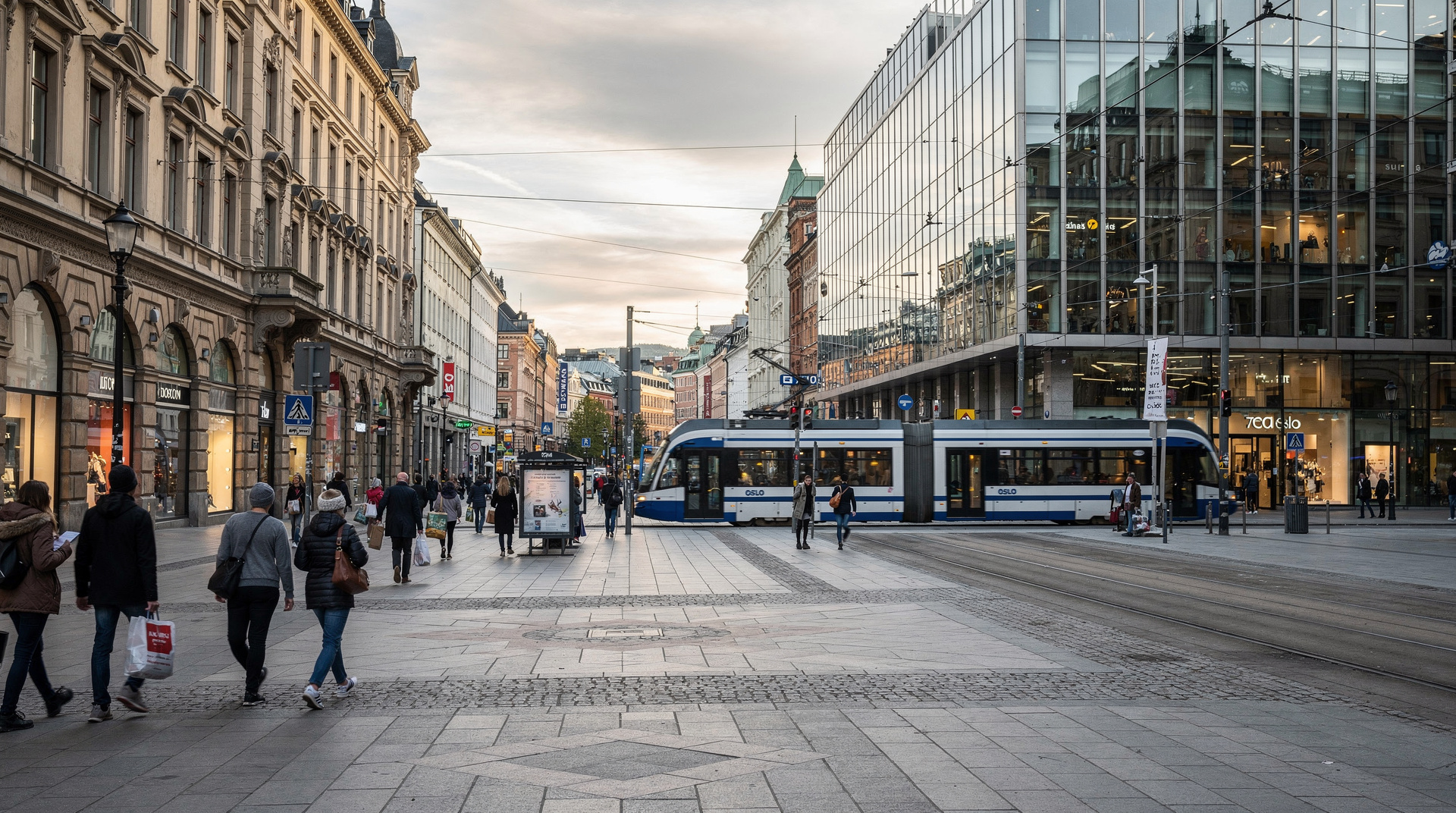
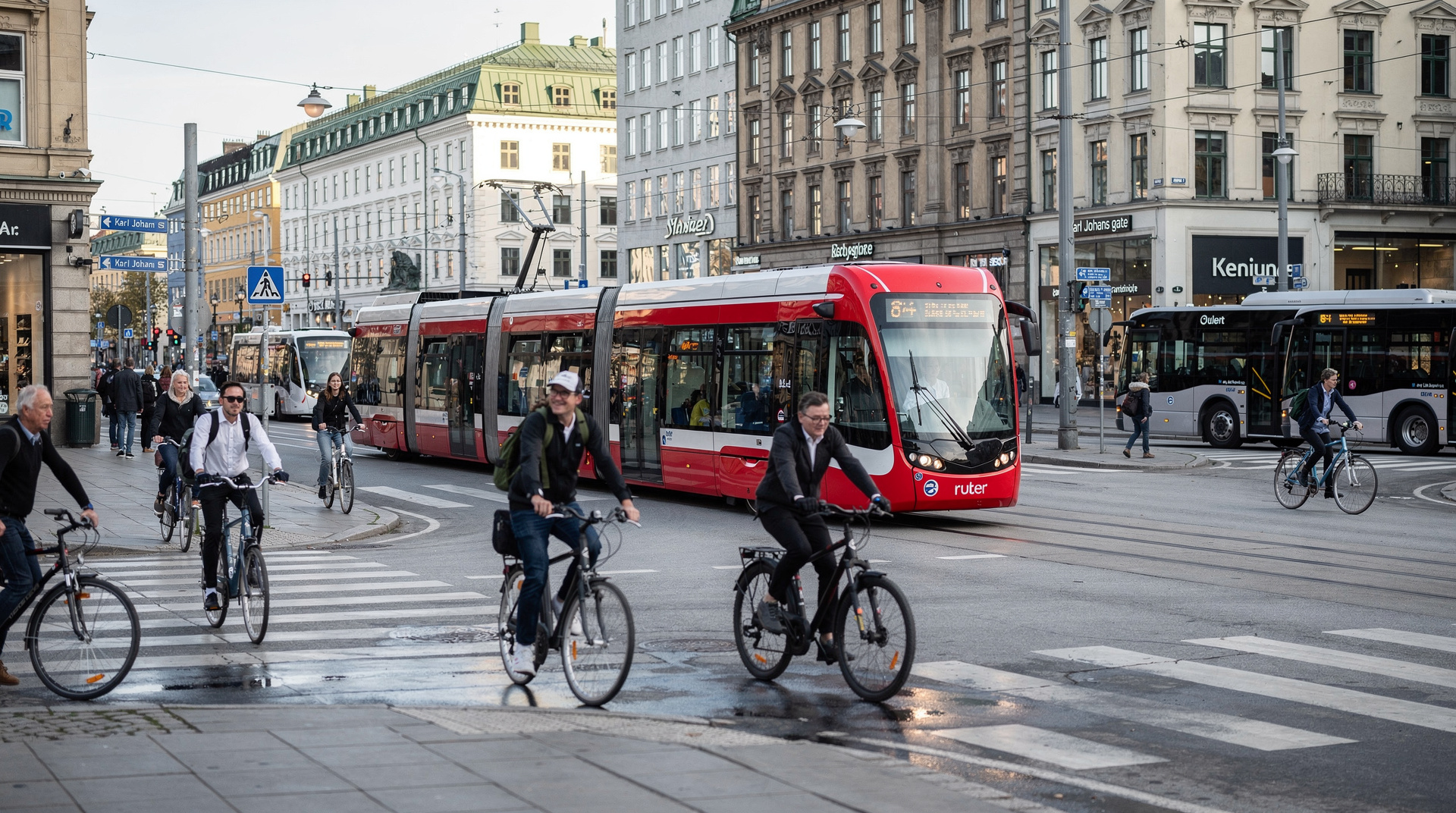
What it is: The central core around Karl Johans gate, Aker Brygge waterfront, and the main transport hubs (Central Station, National Theatre). This is where most tourist infrastructure is concentrated.
Who it suits: First-time visitors, business travellers, those on short trips (1 to 2 nights), older travellers who want maximum convenience.
Transport: Directly on every major tram, bus, and metro line. Flytoget airport express terminates at Central Station — perfect if you’re arriving by air.
Atmosphere: Busy and commercial. Karl Johans gate is Oslo’s equivalent of a standard pedestrian high street — fine but not particularly distinctive. The Aker Brygge waterfront is attractive but tourist-heavy and expensive. Sentrum is convenient more than it is charming.
Hotels:
Luxury: Grand Hotel Oslo (Karl Johans gate 31) is the city’s most historic hotel, opened in 1874. It looks over Karl Johans gate toward the Royal Palace; Ibsen and Edvard Munch were regulars. From NOK 2 800 to 5 000 (USD 301 to 538) per night.
Mid-range: Thon Hotel Opera (right by Oslo S) is functional, well-located, and clean. From NOK 1 400 to 2 400 (USD 151 to 258). Clarion Hotel The Hub near Oslo S is one of the largest hotels in Norway with rooftop facilities — impersonal but well-run. From NOK 1 200 to 2 200 (USD 129 to 237).
Budget: Generator Oslo near Aker Brygge has a mix of dormitories and private rooms, modern facilities, and a social bar area. From NOK 350 (USD 38) for a dorm bed, NOK 900 to 1 400 (USD 97 to 151) for a private room.
Grünerløkka — best for younger travellers and those wanting local atmosphere
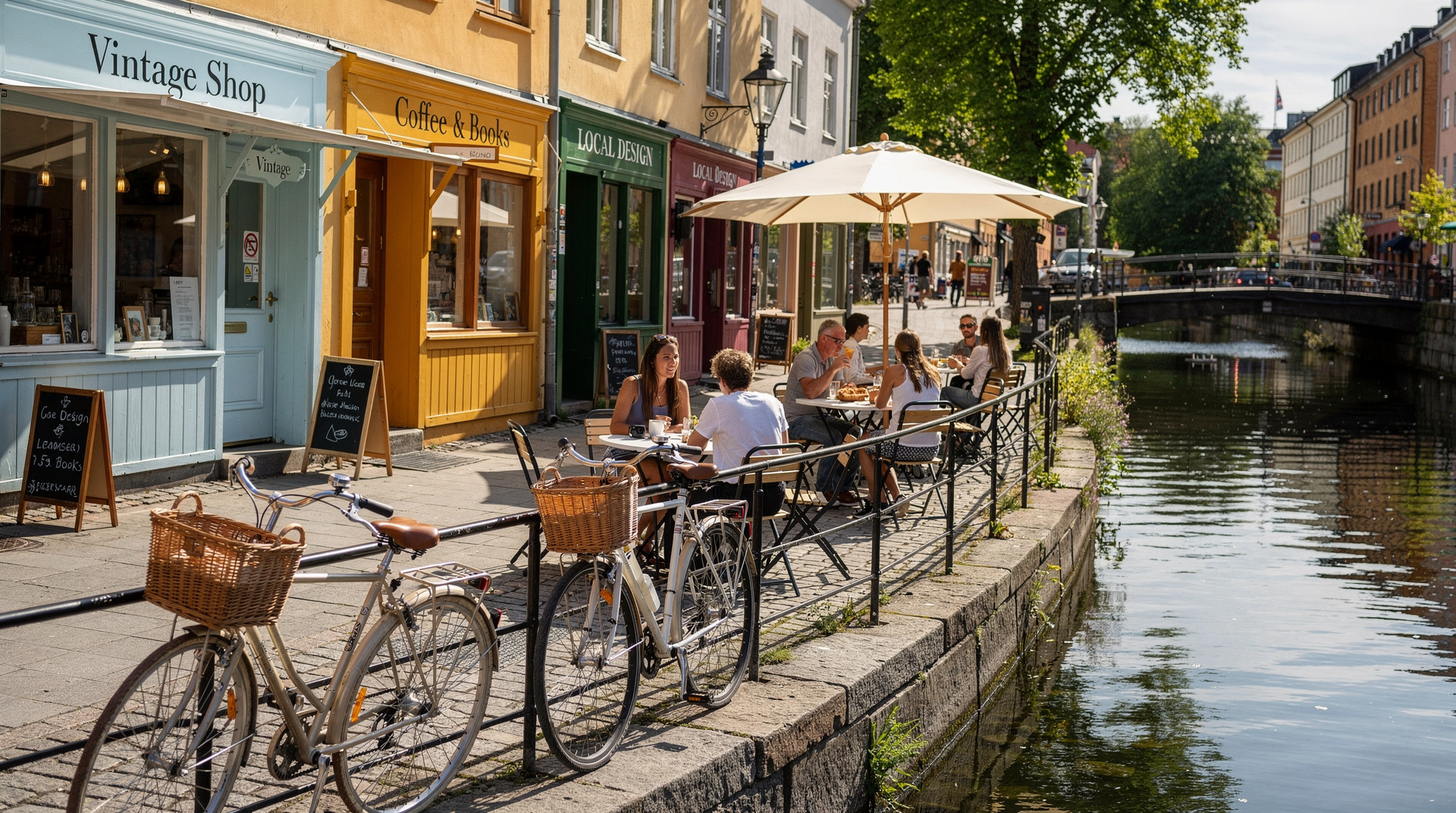
What it is: Oslo’s creative, artsy district east of the Akerselva river. Independent cafés, vintage shops, street art, and the city’s best bar scene. Read more in our Grünerløkka neighbourhood guide.
Who it suits: Travellers aged 20s to 40s, independent-minded visitors, food and coffee enthusiasts, those who want to feel they’re staying where Osloites actually live.
Transport: Well connected by tram (lines 11, 12, 13 to Sentrum in 15 to 20 minutes). No direct metro station — the nearest is Grønland or Carl Berner (10-minute walk). Not ideal for very early airport departures.
Atmosphere: Excellent. Grünerløkka has the best cafés, the most interesting food scene, and the most vibrant bar life of any Oslo neighbourhood. On summer evenings the terraces on Thorvald Meyers gate are genuinely excellent.
Hotels:
Mid-range: PS:Hotel in Grünerløkka is a design-forward boutique hotel in a converted manufacturing building. From NOK 1 500 to 2 600 (USD 161 to 280). Grünerløkka Hostel is an Oslo institution — well-run, sociable, excellent location. Private rooms from NOK 900 to 1 500 (USD 97 to 161); dorms from NOK 400 (USD 43).
Budget: Anker Hostel (Storgata, Grünerløkka edge) is consistently the best-value hostel in Oslo — larger, more facilities than many, and a good social atmosphere. From NOK 330 (USD 35) dorm, NOK 800 to 1 200 (USD 86 to 129) private.
Frogner — best for families and those wanting quiet elegance
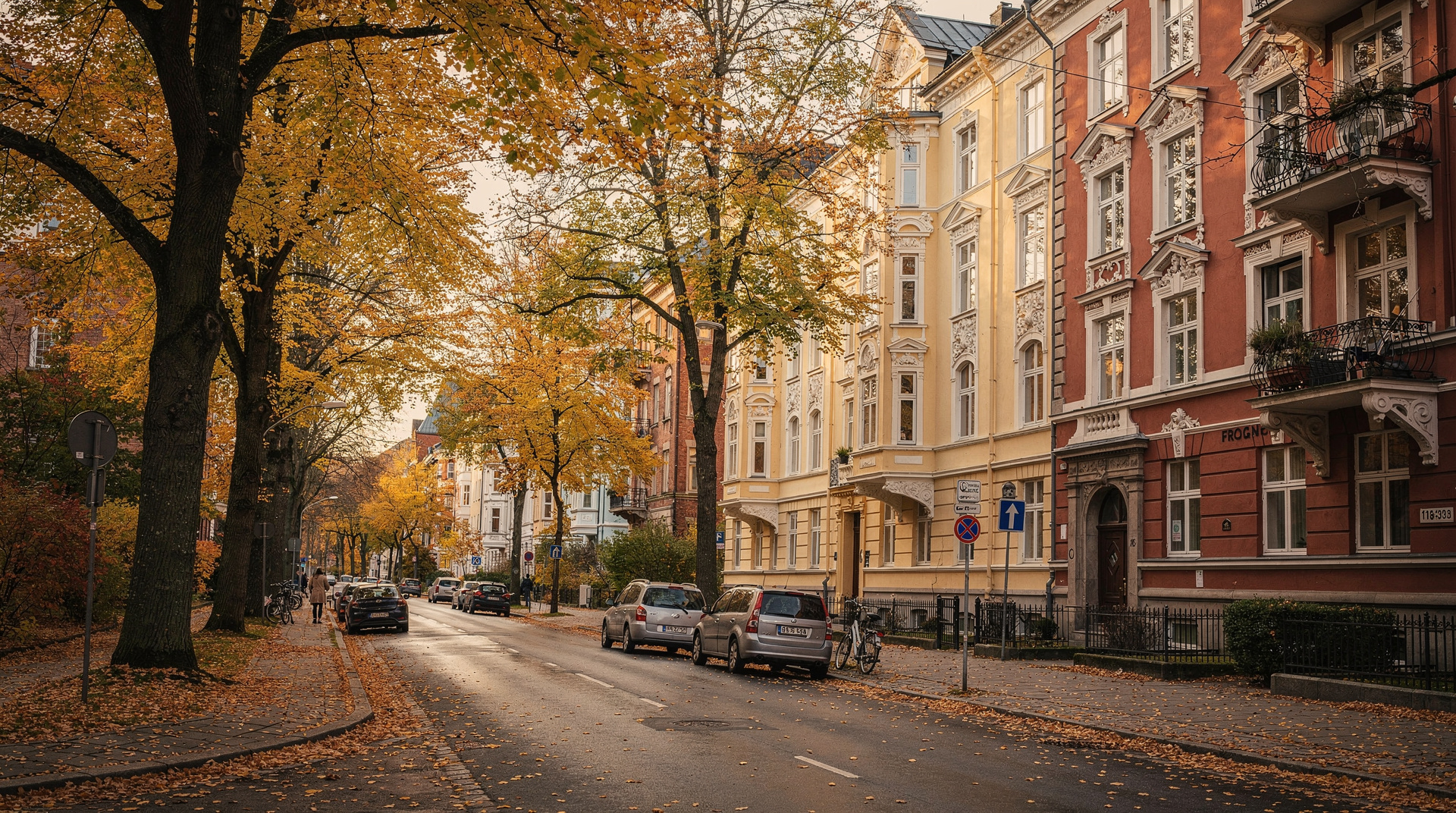
What it is: The affluent west-side neighbourhood surrounding Vigeland Sculpture Park. Embassies, expensive apartments, boutique shops along Hegdehaugsveien and Bogstadveien, and excellent cafés. Read more in our Frogner neighbourhood guide.
Who it suits: Families (Vigeland park on your doorstep), couples wanting quiet atmosphere, those who prefer a residential feel over tourist infrastructure, visitors staying 3+ nights.
Transport: Trams 12 and 19 connect to Sentrum in 15 to 20 minutes. The T-bane (metro) is a 15-minute walk at Majorstuen. Not the most transport-connected district but manageable.
Atmosphere: Calm, well-heeled, beautiful architecture. Frogner feels like a wealthy neighbourhood in any northern European city — clean streets, well-maintained buildings, low foot traffic from tourists. Quiet evenings.
Hotels:
Luxury: Sommerro Hotel (previously Norrøna) — Oslo’s most talked-about recent opening, in a stunning 1930s Art Deco power station. Rooftop pool, outstanding interiors. From NOK 3 200 to 6 500 (USD 344 to 699).
Mid-range: Frogner House Apartments offers self-catering apartments in period Frogner buildings — excellent for families or stays of 4+ nights. From NOK 1 400 to 2 400 (USD 151 to 258). Cochs Pensjonat is a historic pension with character rooms and good value by Oslo standards. From NOK 900 to 1 600 (USD 97 to 172).
Bjørvika — best for design hotels and fjord views
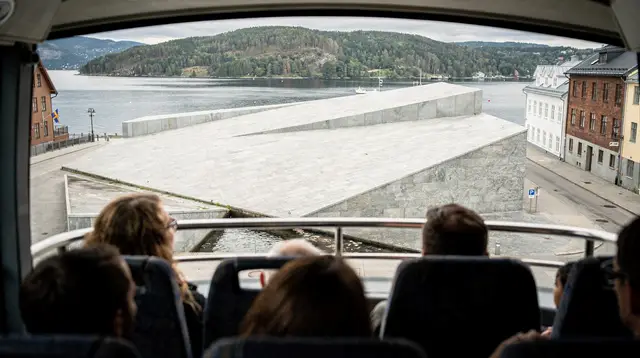
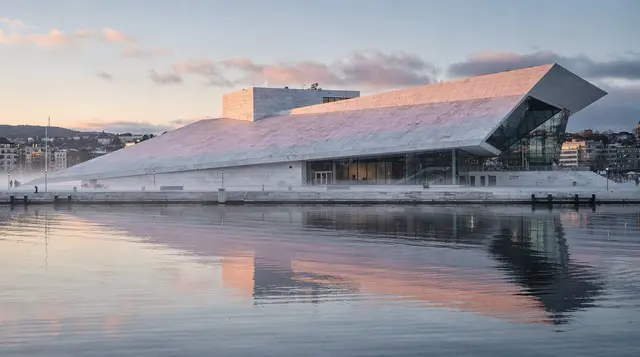
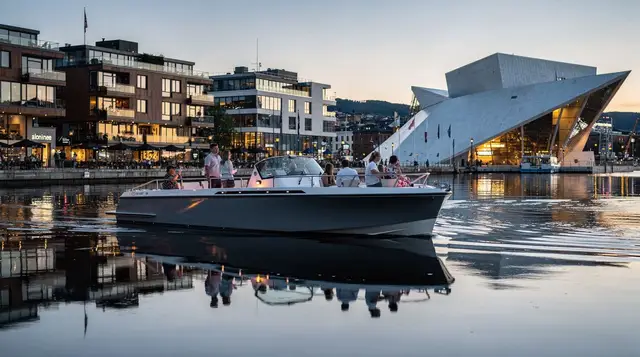
What it is: The eastward harbour redevelopment around the Oslo Opera House, Munch Museum, and Barcode office towers. Oslo’s most contemporary district, entirely built since 2000. Read more in our Bjørvika destination guide.
Who it suits: Business travellers, design-conscious visitors, architecture enthusiasts, those wanting fjord-facing rooms.
Transport: Directly adjacent to Oslo Central Station (Oslo S). Excellent transport connections including Flytoget airport express.
Atmosphere: Modern, clean, and somewhat sterile by Oslo neighbourhood standards. The waterfront promenade and Opera House area are impressive, but Bjørvika lacks the independent character of Grünerløkka or the residential calm of Frogner. Best treated as a design experience rather than a neighbourhood.
Hotels:
Luxury: The Thief (Tjuvholmen — technically adjacent to Bjørvika) is Oslo’s leading design hotel, built into the art-focused Tjuvholmen peninsula. From NOK 3 500 to 7 000 (USD 376 to 753). Munch Hotel (near the Munch Museum) is the newest notable hotel in the area with an art-focused design programme. From NOK 2 200 to 4 000 (USD 237 to 430).
Mid-range: Clarion Hotel Oslo (Bjørvika) has fjord-facing rooms and convention facilities. From NOK 1 400 to 2 600 (USD 151 to 280).
Oslo S (Central Station area) — for transit convenience only
Hotels directly adjacent to Oslo Central Station (Thon Hotel Oslo Airport, Oslo S Hotel) are best suited to travellers with very early or very late connections. The area is functional but has no particular charm. If you’re spending 2+ nights, choose any other district.
Matching your base to your plans
The best area often depends less on the hotel than on what you came to do. A few pairings are worth thinking through before you book.
If your trip is built around museums, the Bygdøy peninsula and the Bjørvika cluster are the two big draws, and a base in Sentrum or Bjørvika keeps both within easy reach. Our ranking of the best museums in Oslo and the Munch Museum guide help you decide how much time to set aside, and the Bygdøy destination page explains how the museum peninsula fits into a day.
If you are mostly here for the outdoors, think about where your first morning starts. Hikers and skiers heading to the forest hills will spend part of the trip on the metro whichever district they choose, so a calm base such as Frogner is no disadvantage. Start with the Nordmarka hiking guide and the best Oslo hikes to see how those days work.
If food and nightlife matter most, Grünerløkka is the obvious choice. Browse the Grünerløkka food guide and our Oslo nightlife guide before you decide, because walking home after a late dinner is worth more than a shorter commute in the morning.
If you travel with children, the practical details add up: space to spread out, a park nearby, and a kitchen for simple meals. Our Oslo with kids guide covers what to plan around, and the Frogner and Vigeland destination page shows what is on your doorstep if you stay there.
If you are travelling alone, a sociable hostel in Grünerløkka or a central hotel can make the difference between a lonely trip and an easy one. The solo travel in Oslo guide goes into how to meet people and stay comfortable on your own.
Arriving and leaving: why it affects your choice
Where you sleep on the first and last night deserves its own thought. If you land late or leave at dawn, a base near the main station removes the stress of a tram connection at an awkward hour. Our Oslo airport to city guide compares the ways of getting in, and Flytoget vs the regular train explains which option suits which budget.
Once you are in the city, you will rely on the Ruter network more than you expect. Read the guide to Oslo public transport before you arrive so that a base slightly away from the centre feels like an easy choice rather than a gamble. If you are still unsure whether you need wheels at all, the do you need a car in Oslo guide gives a clear answer, and it also affects hotel choice, since parking is a separate consideration.
A final point on timing: the season you travel in changes what you want from a room. In summer, long evenings mean you spend little time in your room, so location and price matter more than facilities. In winter, a comfortable room and a warm common area carry more weight. The best time to visit Oslo guide helps you choose the season first, and the hotel second.
Key booking tips
Book early for summer: June to August is peak season; rates and availability deteriorate significantly in the 4 to 6 weeks before arrival. February and March are the best-value months.
Weekday vs weekend: Oslo has a large business travel sector. Hotels can be cheaper on Friday and Saturday nights than Monday to Thursday.
Airbnb alternatives: Apartments are available through standard rental platforms and often give better value for longer stays (3+ nights) or families. The Frogner and Grünerløkka neighbourhoods have good apartment availability.
The Oslo Pass and transport: The Oslo Pass covers all Ruter public transport including the airport train option, museum entries, and more. Calculate whether it’s cost-effective for your stay at our Oslo Pass calculator.
Neighbourhood comparison at a glance
| Area | Vibe | Best for | Transport to Sentrum |
|---|---|---|---|
| Sentrum | Busy, commercial | First-timers, short stays | On-site |
| Grünerløkka | Creative, local | Younger travellers, foodies | Tram 15–20 min |
| Frogner | Calm, elegant | Families, longer stays | Tram 15–20 min |
| Bjørvika | Modern, design-led | Business, architecture fans | Adjacent to Oslo S |
| Oslo S area | Functional, no charm | Very early/late transit only | On-site |
How much length of stay changes the calculation
For a one- or two-night stopover, Sentrum or Bjørvika make the most sense purely on convenience — you minimise the time cost of a short visit, and both sit directly on the Flytoget airport express line, which matters if you are catching an early flight. For stays of three nights or longer, the calculus shifts: Frogner or Grünerløkka apartments (through platforms such as Airbnb) often deliver better value per night and a more residential experience, and the 15 to 20 minute tram commute stops feeling like a real cost once you are settled in for several days.
Families in particular benefit from Frogner House Apartments or similar self-catering options once a trip extends beyond a long weekend, since Oslo’s restaurant prices make eating out for every meal an expensive default — see our Oslo trip cost guide for the full breakdown of how accommodation choice affects total spend.
Turning the choice into a plan
Once you have picked an area, it helps to see how your days will flow from it. The Oslo in 3 days itinerary and the Oslo in 2 days itinerary show how a typical visit moves between districts, so you can check that your chosen base sits comfortably along the route. If you are unsure how long to stay, the how many days in Oslo guide is the place to start.
Whatever you choose, remember that the city is small enough to forgive an imperfect choice. A tram ride, a short walk, or a metro stop is rarely more than a modest detour, and the money saved by picking a calmer neighbourhood can go toward meals and activities that you will remember longer than a hotel lobby.
For the full budget picture see our Oslo trip cost guide and is Oslo expensive honest assessment.
Frequently asked questions about Where to stay in Oslo — honest area guide for every budget
How expensive are hotels in Oslo?
Very expensive by European standards. Budget: NOK 1 000 to 1 500 (USD 108 to 161) per night for a basic hostel or budget hotel. Mid-range: NOK 1 800 to 3 000 (USD 194 to 323). Luxury: NOK 3 500 to 6 000+ (USD 376 to 645). Summer rates are 20 to 40% higher than winter. Booking 6 to 8 weeks ahead typically gives the best mid-range rates.Is it safe to stay in Grønland or Grünerløkka?
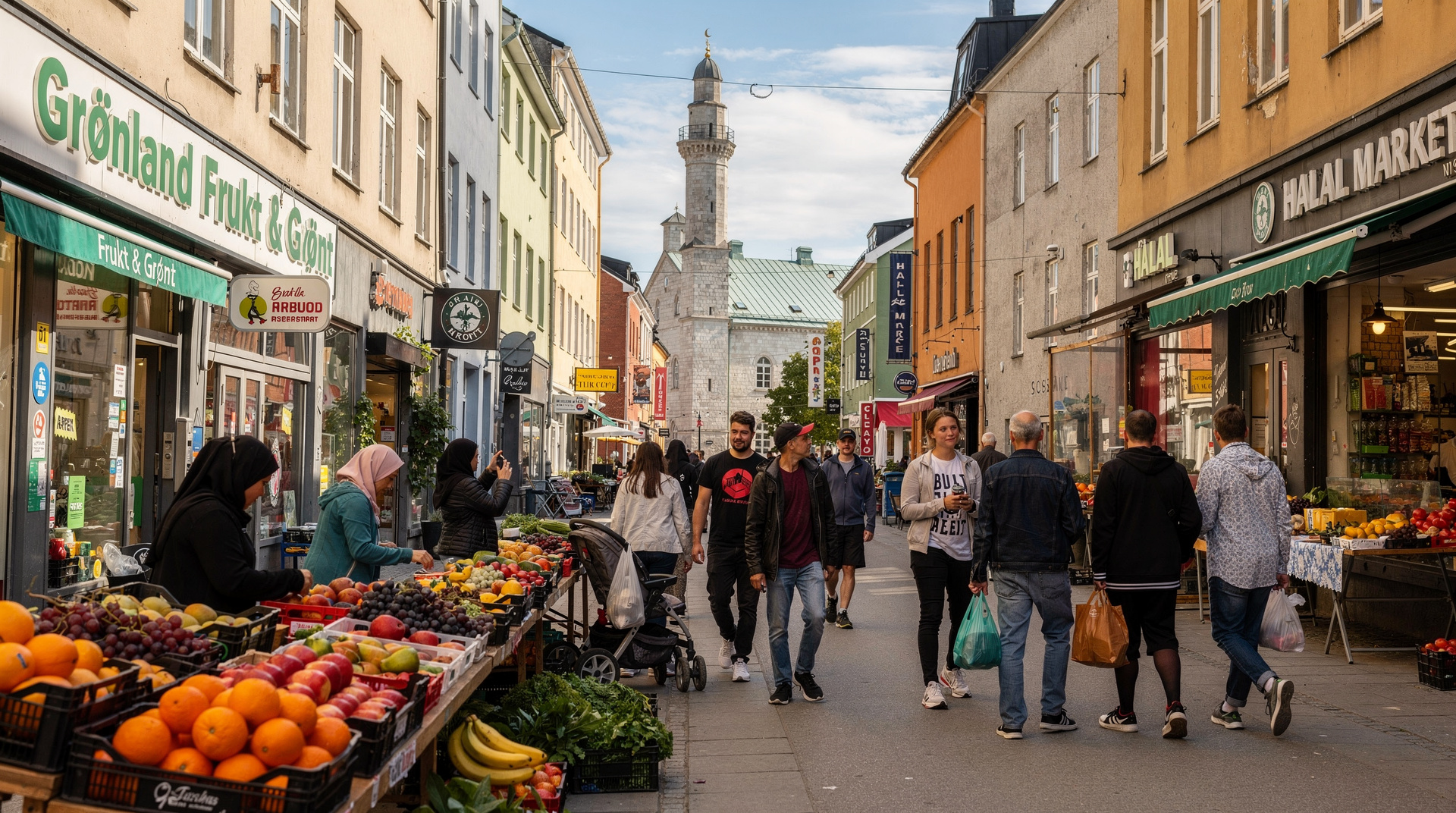
Yes — both are safe, lively residential neighbourhoods. Oslo has one of the lowest crime rates of any European capital. No neighbourhood is genuinely risky for tourists. Grønland has a more urban edge but is not unsafe; it's simply less polished than Frogner.Should I stay near Oslo Central Station?
The area directly around Oslo S (Central Station) is convenient for transport but lacks the atmosphere of other districts. The hotels here are functional rather than characterful. It's a good option for very early or very late arrivals but not the most enjoyable base for a longer stay.Can I get around Oslo easily without staying in the centre?
Yes — Oslo is compact (5 km across the urban core) and the Ruter transport network of tram, metro, and bus covers all neighbourhoods. A single ticket costs NOK 41 (USD 4.40). Staying in Grünerløkka, Frogner, or Bjørvika adds 10 to 20 minutes to most journeys.Are there good budget hotels in Oslo?
Budget accommodation in Oslo is limited and still expensive by most standards. Anker Hostel in Grünerløkka is the best-value hostel. Generator Oslo near the waterfront offers a more social hostel experience. Budget hotel chains (Thon, Comfort) have competitive rates outside peak season.What is the best area for families staying in Oslo?
Frogner (near Vigeland Park) is excellent for families — calm neighbourhood, large park within walking distance, and good food options. Sentrum is also practical for families for its central location and transport access.Does the best area to stay change for a longer trip?
Yes. For one or two nights, Sentrum or Bjørvika win on convenience alone. For three nights or more, Grünerløkka or Frogner tend to offer better value and a more residential feel, and the extra 15 to 20 minute tram commute stops mattering once you are settled in.Should I book an apartment instead of a hotel in Oslo?
For stays of three or more nights, especially with a family, apartments in Frogner or Grünerløkka through standard rental platforms often deliver better value than hotels of comparable quality, particularly given how expensive eating out for every meal becomes in Oslo.
Top experiences
Bookable activities with verified prices and instant confirmation on GetYourGuide.