Frogner neighbourhood guide — Oslo's elegant west side
Oslo: 3-hour highlights and Vigeland Park private walking tour
Duration: 3 hours
- Private tour
- Vigeland Park
What is the Frogner neighbourhood in Oslo like?
Frogner is Oslo's affluent west-side residential district, home to Vigeland Sculpture Park, the embassy quarter, and the city's most elegant street shopping (Bogstadveien and Hegdehaugsveien). It's quieter than Grünerløkka, calmer than Sentrum, and has excellent cafés and restaurants in a beautiful 19th-century streetscape.
Oslo’s most elegant neighbourhood
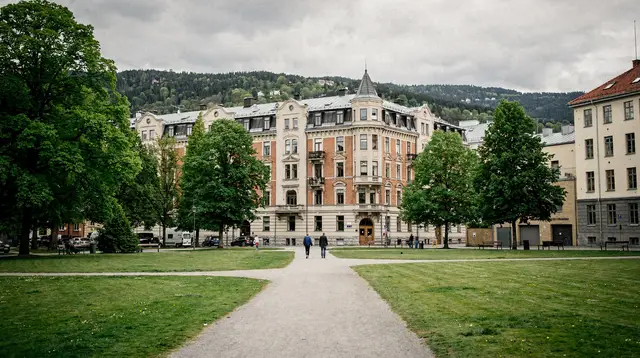
Frogner occupies Oslo’s western inner city — a wide district of handsome late-19th century apartment buildings, tree-lined streets, embassy compounds, and what feels like a quietly confident wealth that doesn’t announce itself. This is old Oslo money, not new tech money; the buildings are solid and weathered rather than glassy and new.
It contains Oslo’s most visited attraction (Vigeland Sculpture Park), its most prestigious residential addresses, its most beautiful outdoor pool, and a restaurant and café scene that punches above the neighbourhood’s relatively quiet reputation. For visitors wanting a base that’s away from the tourist core but not so far as to feel disconnected, Frogner is probably Oslo’s best neighbourhood.
| Best for | Families, couples, quieter stays near a major sight |
| Main draw | Vigeland Sculpture Park — free, open 24 hours |
| Getting to Sentrum | Tram 12 or 19, around 15–20 minutes |
| Price level | Mid-to-high for restaurants; hotels comparable to Sentrum |
| Time needed | Half a day for the park, a full day with Bygdøy added on |
What Frogner looks like
Walking into Frogner from the Sentrum direction, the transition is gradual but clear. The streets widen, the buildings gain more decoration and better maintenance, and the crowds thin out. By the time you reach Bygdøy allé (the tree-lined central boulevard of the district) you’re somewhere that feels like a prosperous early 20th-century Nordic city — which is precisely what it was when these blocks were built.
The neighbourhood’s defining feature is its relationship with Frogner Park and Vigeland Sculpture Park. The park begins where the residential blocks end, and on any warm day it’s in active use — joggers, families, cyclists, and the various categories of Oslo resident who spend their leisure time outdoors. This continuity between neighbourhood and park is what makes Frogner particularly pleasant to stay in or walk through.
A slow first morning in the neighbourhood
The best way to understand Frogner is not to plan it too tightly. Start with a coffee on one of the side streets, then drift toward the park with no fixed timetable. The district rewards walking: the facades, the doorways, the small details of the apartment blocks and the rhythm of residents going about an ordinary day tell you more about Oslo than a checklist of attractions would. If you want a wider sense of how the city fits together before you wander, the Oslo destination page and the Frogner and Vigeland destination page give useful context.
Frogner also makes a good counterweight to the busier parts of town. After a morning on Karl Johans gate or at the Royal Palace, the residential calm here feels like a change of pace rather than another stop on a tourist circuit. Many visitors who stay in the area say the evenings are the real reward: you walk home along quiet streets rather than through crowds.
Vigeland Sculpture Park and Frogner Park
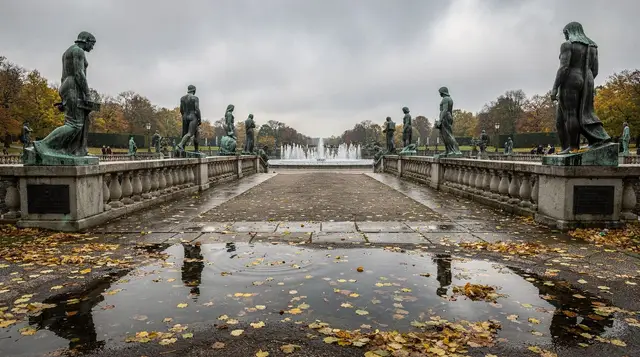
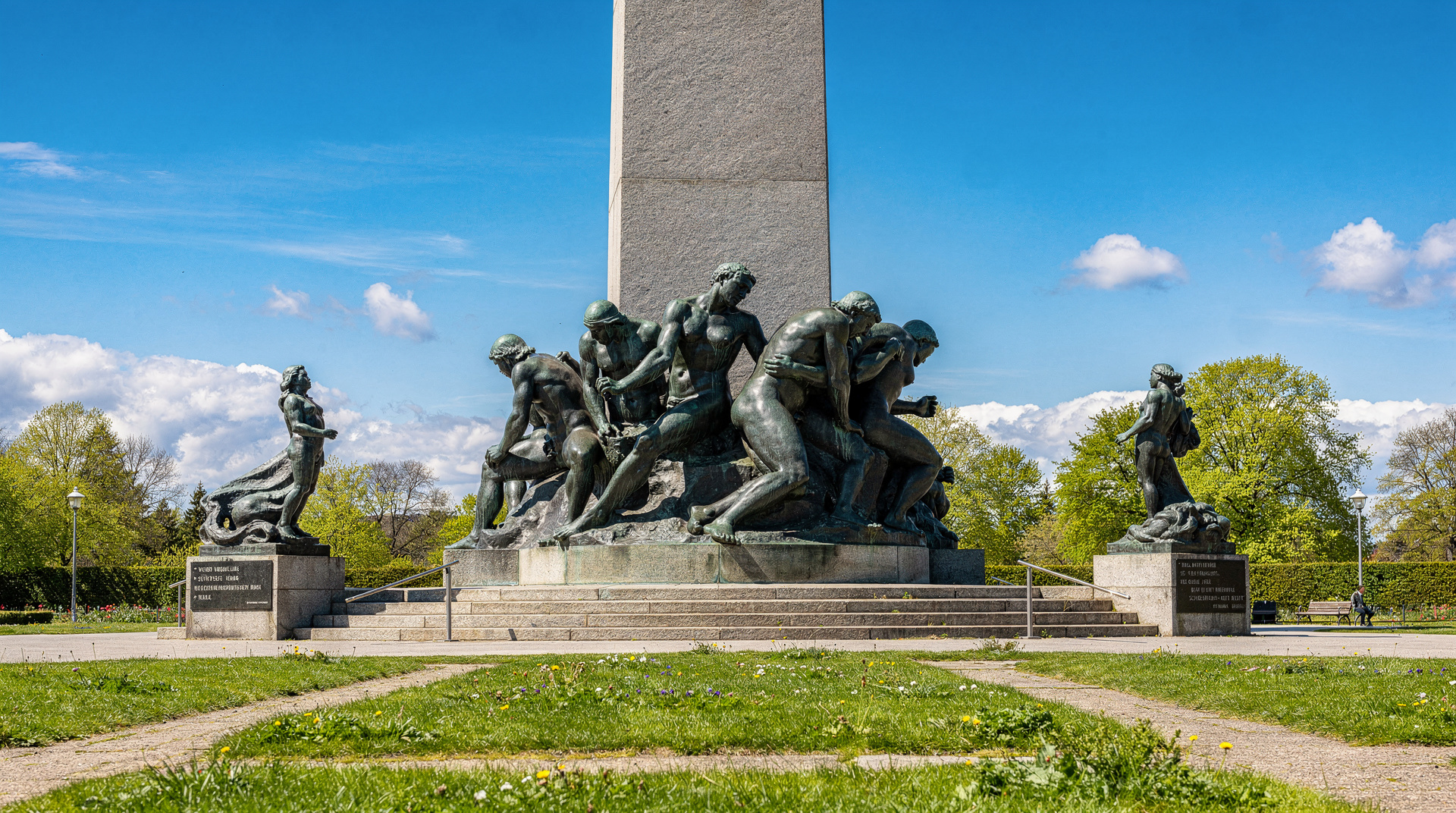
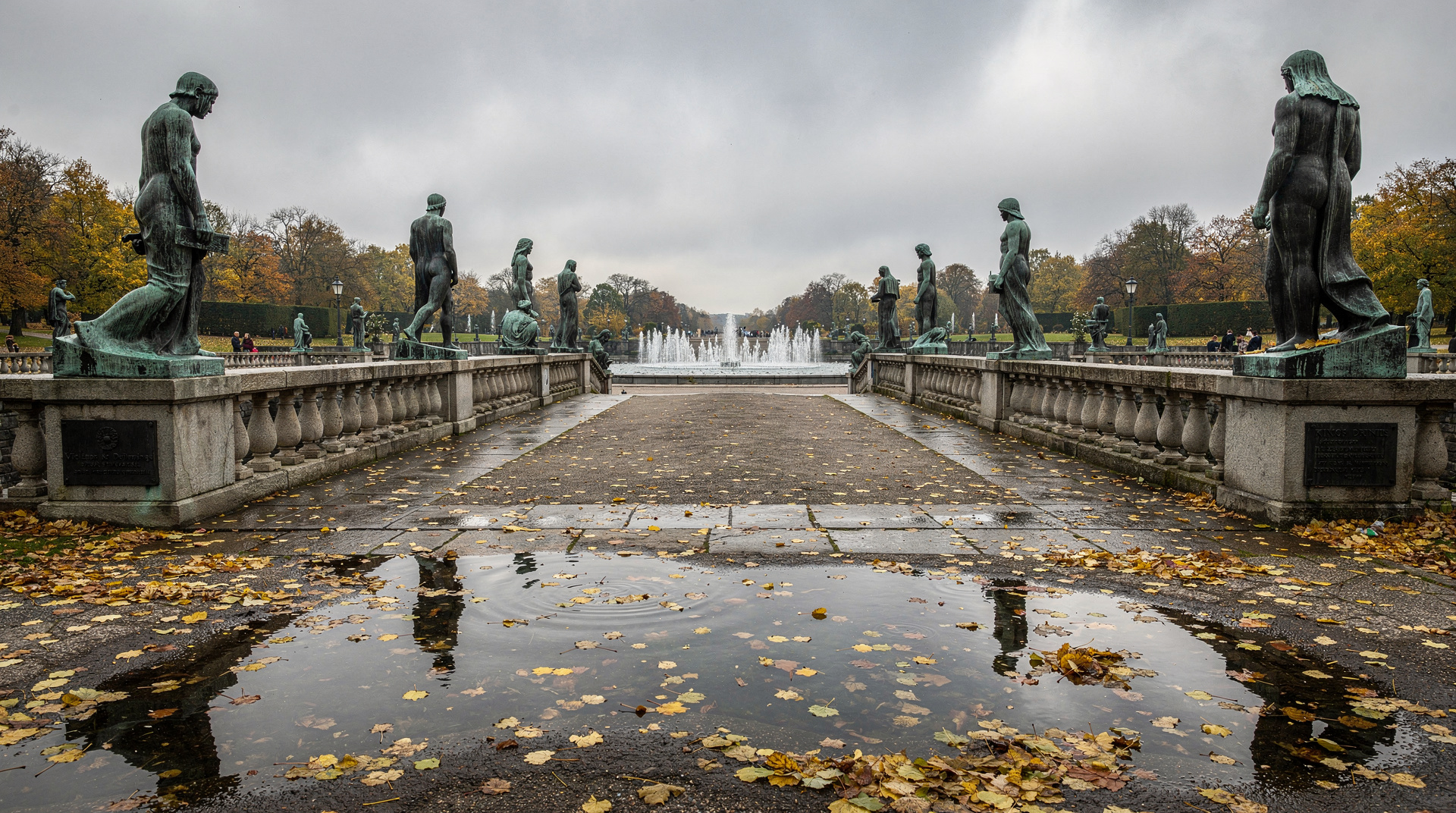
The neighbourhood’s dominant landmark — 212 sculptures by Gustav Vigeland, entirely free, open 24 hours — is covered in our full Vigeland Sculpture Park guide. The surrounding Frogner Park (swimming pool, tennis courts, manor house and Oslo City Museum) is covered in our Frogner Park guide.
For a Frogner stay, both are within easy walking distance — a major practical advantage for families or anyone who wants to visit the park multiple times in different weather conditions.
The embassy quarter
The streets south and west of Vigeland Park — Nobels gate, Thomas Heftyes gate, and the avenues branching off Bygdøy allé — contain Oslo’s embassy district. Most of the world’s major powers maintain embassies in Oslo in large 19th-century villas behind walls and security cameras. The architecture of this area is distinct: substantial, solid, with generous gardens and a peaceful street atmosphere that contrasts with the busier parts of Frogner.
Walking through the embassy streets is pleasant without being a “sight” in any formal sense. The buildings are handsome, the streets are quiet, and the area gives a sense of Oslo’s international significance that isn’t apparent from the tourist-facing parts of the city.
Shopping: Bogstadveien and Hegdehaugsveien
Bogstadveien runs northeast from Frogner toward Majorstuen and is one of Oslo’s busiest shopping streets — practical and varied, with Norwegian chains (Cubus, Dressmann, Jack & Jones), international brands, independent boutiques, and a pharmacy and grocery component that makes it a functional neighbourhood shopping street rather than a tourist retail zone.
Hegdehaugsveien, which becomes Bogstadveien at Majorstuen, is the more pleasant stretch for browsing — better cafés, more independent shops, a slightly slower pace. The wine bar Vingutten on Hegdehaugsveien is an Oslo institution with good natural wine by the glass at reasonable prices.
What to buy in Frogner: Scandinavian design stores sell Norwegian home goods, ceramics, and design items that make genuinely good souvenirs. Outfitters for outdoor clothing (Bergans, Norrøna) have stores near Majorstuen. The Norwegian outdoor clothing quality is genuine — these are functional items that Norwegians use, not tourist merchandise.
Food and restaurants
Frogner has Oslo’s best concentration of quality neighbourhood restaurants — places serving excellent food to residents rather than performing for tourists.
Statholdergaarden (Rådhusgate): The most acclaimed traditional Norwegian restaurant in Oslo — located technically in Sentrum but closely associated with the Frogner-Aker Brygge restaurant strip. Multi-course Norwegian cuisine using seasonal and foraged ingredients. Very expensive (NOK 1 200 to 2 000/USD 129 to 215 per person for dinner) but the standard is exceptional.
Arakataka (Mariboes gate): New Nordic cuisine, more accessible than the top-tier restaurants. Seasonal menu, Oslo’s craft beer on tap. Two courses for approximately NOK 450 to 600 (USD 48 to 65) per person.
Neighbourhood bistros: The streets around Frogner plass and Bygdøy allé have several excellent smaller restaurants — Italian, French-influenced, and modern Nordic. Look for Bon Lio, Feinschmecker, and Lofthus Samvirkelag.
Cafés: Frogner has some of Oslo’s best café culture outside Grünerløkka. Pascal Konditori on Drammensveien is a classic Norwegian patisserie-café with superb cakes and open sandwiches. Nordraaks gate has several neighbourhood coffee bars that are excellent for a slow morning.
Eating well without overspending
Frogner’s restaurant reputation can suggest that every meal here is a splurge, but it does not have to be. The neighbourhood is a place where locals eat, so the sensible approach is to mix one memorable dinner with simpler meals: a patisserie lunch, a bakery stop, a casual bistro supper. Oslo is an expensive city, and the honest advice in our is Oslo expensive guide applies here as much as anywhere. For ideas on stretching a budget, see the cheap eats guide, and for the places to be wary of, the overpriced food warning.
If coffee is your priority, the Oslo coffee culture guide explains what to look for, and Frogner’s coffee bars fit it well. For a broader view of the city’s tables beyond this district, the where to eat in Oslo guide is the natural next read.
Getting around from Frogner
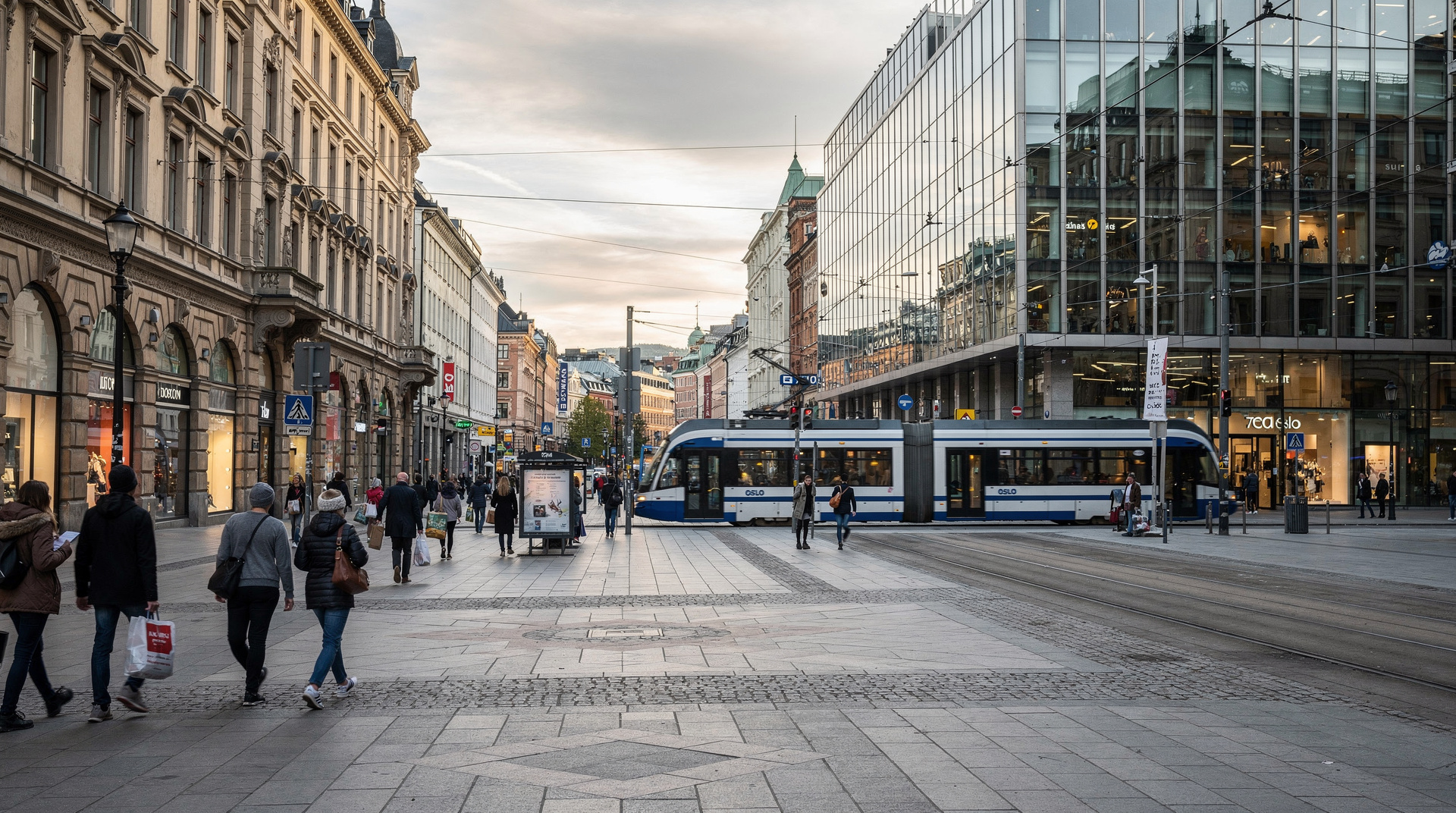
To Sentrum: Tram 12 or 19, 15 to 20 minutes. Runs every 6 to 10 minutes. To Bygdøy (museum peninsula): Bus 30 from Nationaltheatret, or walk/cycle via Bygdøy allé (25 minutes on foot). To Grünerløkka: Tram 12 toward the city centre, then change to tram 11 or walk 30 minutes total. To Holmenkollen: Take tram to Majorstuen, then T-bane line 1 toward Frognerseteren.
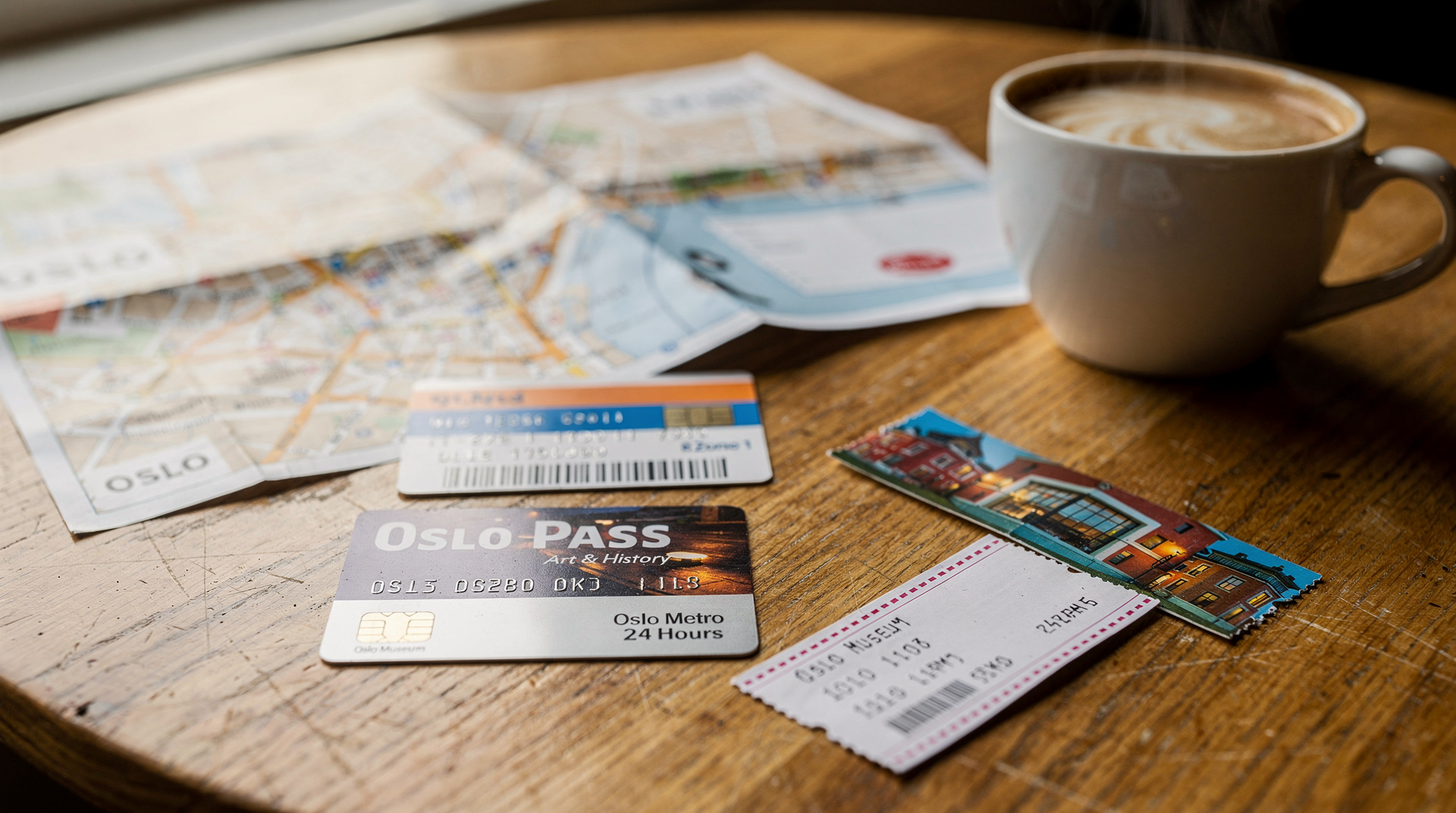
All Ruter transport — NOK 41 (USD 4.40) single, included in day passes. See Ruter transport guide.
Bygdøy — the adjacent museum peninsula
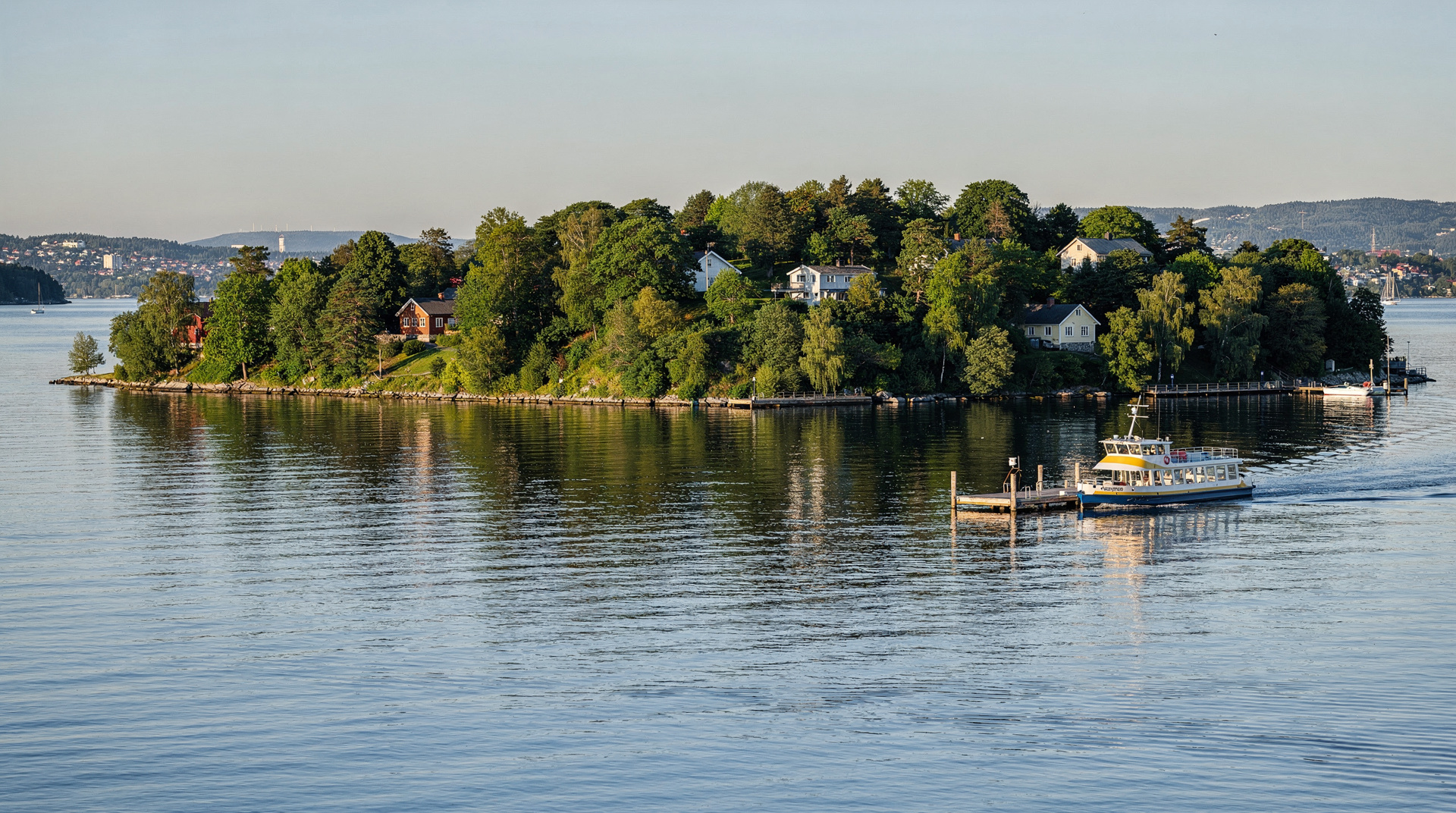
The Bygdøy peninsula, a 20-minute walk or short bus ride from Frogner, contains four major museums: Norsk Folkemuseum (Norwegian folk museum, open-air), Fram Museum (polar ship Fram), Kon-Tiki Museum, and Norwegian Maritime Museum. See our Bygdøy destination guide for the full picture.
For visitors staying in Frogner, this creates a natural half-day — morning in Vigeland Park, afternoon at Bygdøy museums.
Making a full day of Frogner and Bygdøy
A relaxed day can run like this: the park in the morning while it is quiet, lunch in the neighbourhood, then the museum peninsula in the afternoon. On Bygdøy the choice is personal. The Fram Museum suits anyone drawn to polar exploration, the Kon-Tiki Museum tells a story of ocean voyages, and the Norsk Folkemuseum shows how Norwegians lived across the centuries. You will not want to rush all of them, so pick one or two rather than ticking off the lot.
If your time in the city is short, Frogner fits naturally into the plans in our one day in Oslo and two days in Oslo itineraries. If you have more room, the three days in Oslo plan lets you slow down and give the west side the attention it deserves.
Frogner in other seasons
Frogner changes with the light. In summer the park and its surroundings are at their liveliest, and our Oslo in summer guide shows how the city uses its long days. In autumn the trees along the avenues turn and the neighbourhood takes on a softer mood; the Oslo in autumn guide covers what to expect. If you are still deciding when to come, the best time to visit Oslo guide helps you weigh the seasons against each other.
Frogner in winter
Winter in Frogner is calm and beautiful in a distinctly Nordic way. The Vigeland sculptures in snow are extraordinary. The park becomes a cross-country ski destination when snow falls. The cafés and wine bars along Hegdehaugsveien fill with locals sheltering from the cold. The Sommerro Hotel’s bar (a recent addition to the neighbourhood’s evening scene) offers one of Oslo’s best winter drinking experiences in the restored Art Deco interior.
For more on Oslo in winter, see our Oslo in winter guide.
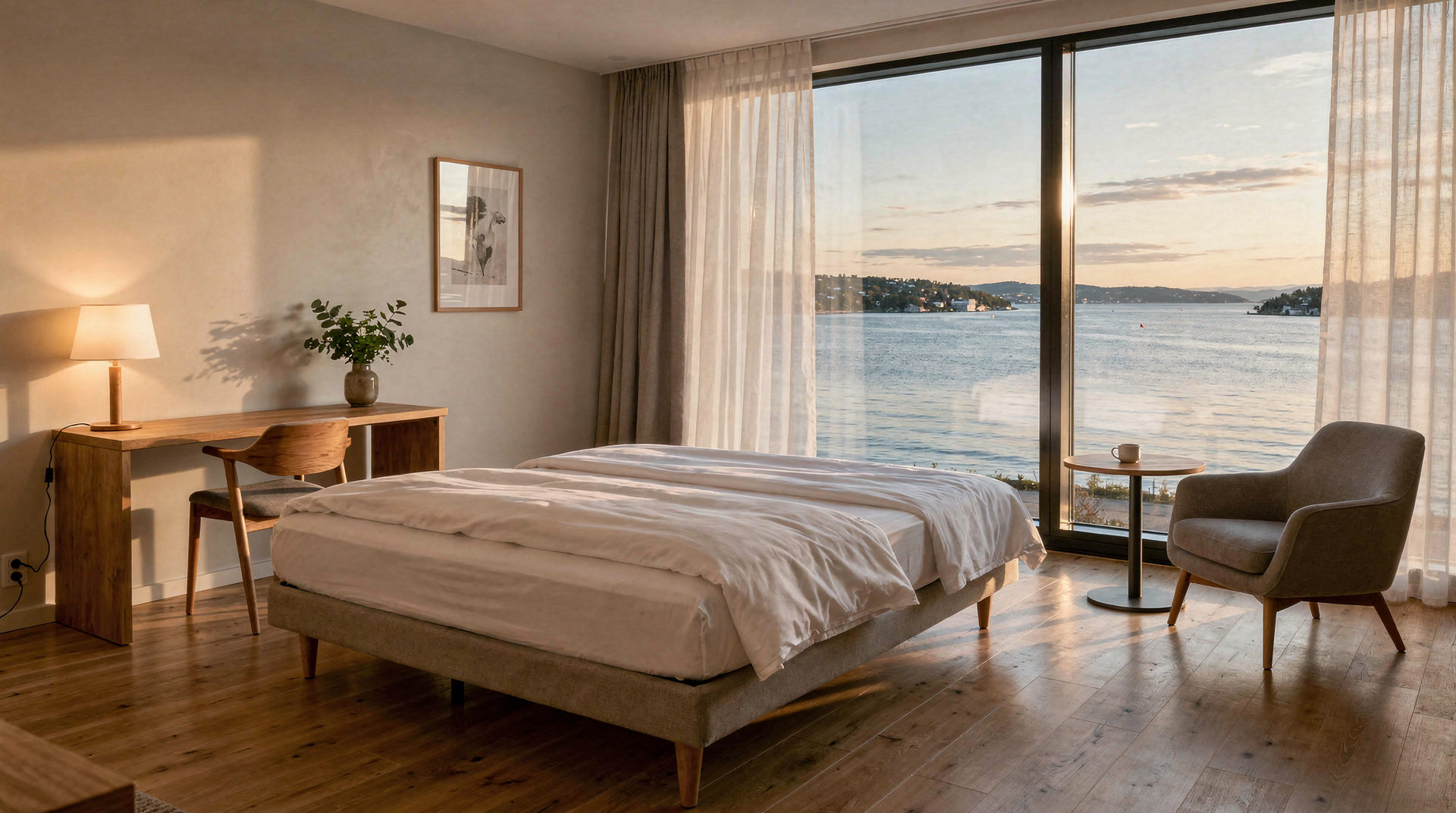
Where to stay in Frogner
The sweet spot is the band between Frogner plass and Majorstuen — it puts Vigeland Park within a 5 to 10 minute walk, keeps you on the tram 12/19 line for Sentrum, and leaves Bogstadveien’s shops and cafés on your doorstep. The Sommerro, in a restored Art Deco building, is the most talked-about newer address in the neighbourhood, with a mid-to-high price bracket that still undercuts equivalent Sentrum hotels for the quality on offer. Streets closer to Majorstuen skew slightly more practical and a touch cheaper, with the T-bane on hand for day trips out to Holmenkollen. See the full where to stay in Oslo guide for how Frogner compares to other bases.
Who Frogner suits best
Families benefit most from the proximity of open green space, and our Oslo with kids guide shows how to build a trip around it. Solo travellers who prefer a calm base will also feel comfortable here; the solo travel in Oslo guide covers the practical side. Couples tend to appreciate the evening atmosphere, the wine bars and the quiet streets.
Moving around is straightforward once you understand the system. The getting around Oslo guide explains the options, and if art is part of your plan, the National Museum is an easy tram ride away. For visitors comparing bases, the Aker Brygge and Tjuvholmen waterfront offers a more modern alternative.
Frogner vs Oslo’s other neighbourhoods
| Neighbourhood | Feel | Best for | Trade-off |
|---|---|---|---|
| Frogner | Elegant, residential, calm | Families, quieter stays, Vigeland Park access | Fewer late-night options |
| Grünerløkka | Bohemian, young, food-forward | Nightlife, independent cafés, vintage shopping | Noisier, less green space |
| Sentrum | Central, touristy, convenient | First-timers wanting everything walkable | Higher prices, busiest streets |
| Aker Brygge / Tjuvholmen | Waterfront, upscale, modern | Harbour views, seafood, art museums | Can feel corporate in the evenings |
Frogner sits closer to Sentrum in convenience than its quiet reputation suggests, while offering a genuinely different, more residential atmosphere than either Sentrum or Grünerløkka.
Frequently asked questions about Frogner neighbourhood guide — Oslo's elegant west side
Is Frogner a good area to stay in Oslo?
Yes — particularly for families (Vigeland Park is minutes away), couples wanting a quieter stay, and anyone who prefers a residential neighbourhood to a tourist district. The tram connection to central Oslo takes 15 to 20 minutes. Hotel prices in Frogner are comparable to Sentrum but the atmosphere is significantly better.What is on Bogstadveien in Frogner?
Bogstadveien is one of Oslo's main shopping streets, running through Frogner toward Majorstuen. It has a mix of international fashion brands (H&M, Zara) alongside Norwegian chains and independent boutiques. It's more everyday than aspirational — Oslo's actual shopping rather than a tourist retail zone.What restaurants are in Frogner?
Frogner has some of Oslo's best restaurants. Statholdergaarden (historic, Norwegian cuisine), Arakataka (New Nordic), and numerous neighbourhood bistros and wine bars. The cafés on Hegdehaugsveien are among Oslo's best for a relaxed brunch or afternoon coffee.How do I get to Frogner?
Tram 12 runs from Jernbanetorget through Sentrum to Vigelandsparken (Frogner) in about 15 minutes. Tram 19 from Aker Brygge reaches Frogner plass in 10 to 12 minutes. The T-bane (metro) stops at Majorstuen (lines 1, 2), about a 15-minute walk from the park.Is Vigeland Sculpture Park in the Frogner neighbourhood?
Yes — Vigeland Sculpture Park is within Frogner Park, which is in the Frogner neighbourhood. The park is free, open 24 hours, and is the neighbourhood's most-visited attraction. See our full guide at the Vigeland Sculpture Park page.Where should I stay in Frogner if I want to be close to Vigeland Park?
Aim for a hotel between Frogner plass and Majorstuen — this puts Vigeland Park within a 5 to 10 minute walk while keeping you on the tram 12/19 line into Sentrum. The Sommerro (Art Deco, upscale) and several mid-range options along Bygdøy allé fit this zone. Staying right at Majorstuen also gives you the T-bane for day trips to Holmenkollen or Frognerseteren.Is Frogner walkable, or do I need to use the tram a lot?
Frogner itself is very walkable — Vigeland Park, the embassy quarter, Bogstadveien and Hegdehaugsveien are all within 10 to 15 minutes of each other on foot. You'll want the tram or T-bane mainly to reach Sentrum, Bygdøy, or Holmenkollen, all of which are quick connections rather than long journeys.
Top experiences
Bookable activities with verified prices and instant confirmation on GetYourGuide.