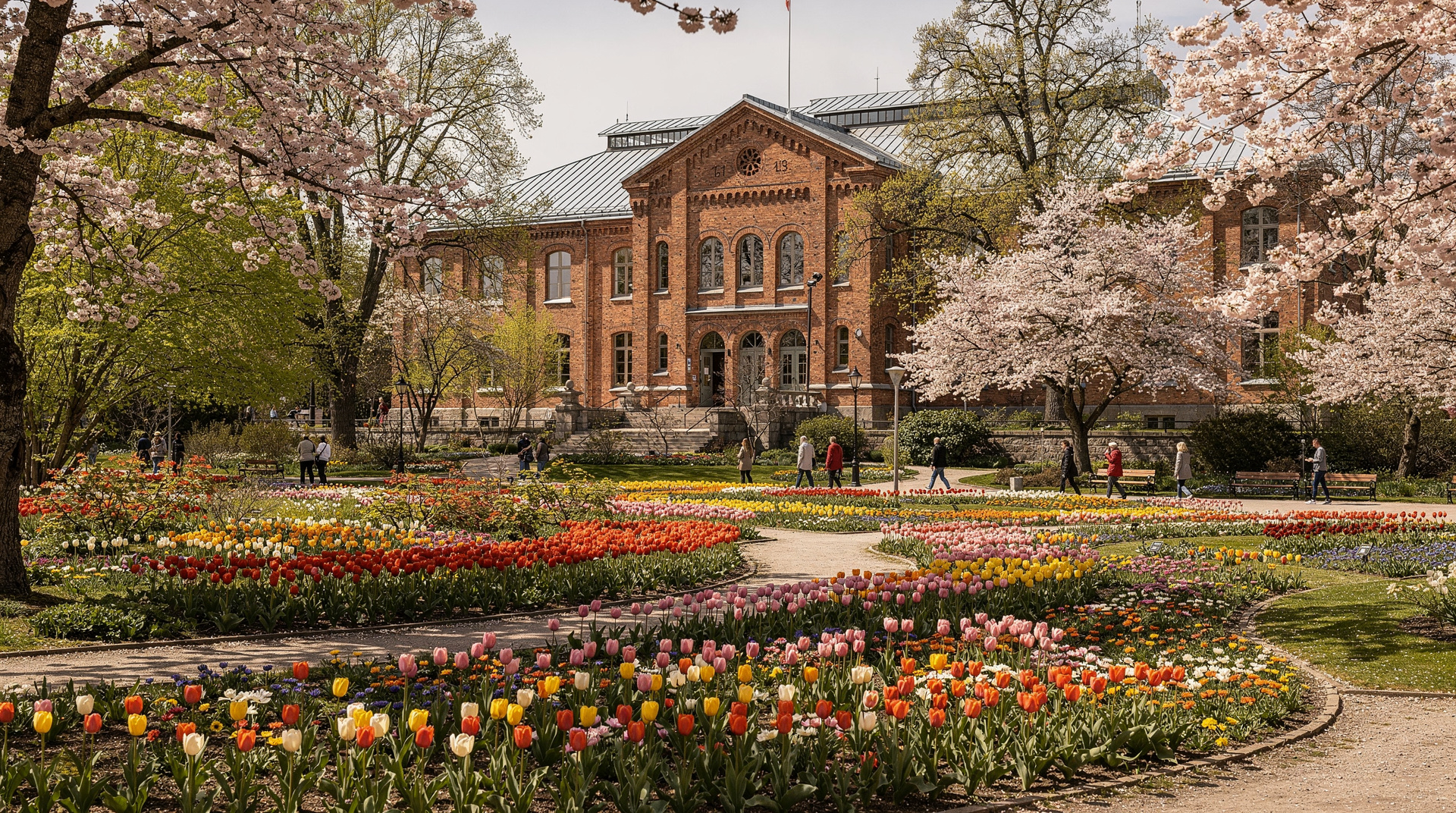
Frogner Park — Oslo's grand city park and summer playground
Oslo: panoramic sightseeing bus with Holmenkollen and Vigeland Park
Duration: 3 hours
- Hotel pickup
- English guide
What is Frogner Park in Oslo?
Frogner Park is an 80-hectare public park in western Oslo that contains Vigeland Sculpture Park, Frogner Pool (outdoor swimming), tennis courts, the historic Frogner Manor, and Oslo City Museum. It's free to enter and is Oslo's most popular park for outdoor recreation, summer picnics, and winter sports.
Oslo’s most complete city park
Frogner Park is large enough to spend an entire day in and varied enough to visit across all four seasons. The 80-hectare park in western Oslo combines formal sculpture gardens, open lawns, a historic manor house, outdoor swimming, tennis courts, bowling, and easy access to the Holmenkollen hills beyond.
Most visitors know only Vigeland Sculpture Park — which sits at the southern end — and miss the rest. This guide covers the full park, not just the sculpture section. For the detailed Vigeland guide, see our dedicated Vigeland Sculpture Park page.
| Where | Western Oslo, entrance on Kirkeveien / Vigelandsparken tram stop |
| Cost | Free to enter; pool and museums charge separately |
| Time needed | 1.5–2hrs for the sculptures, half a day with pool/museum |
| Getting there | Tram 12 to Vigelandsparken, around 15 minutes from Sentrum |
| Best time | Summer for the pool, spring/autumn for quieter photos |
The park layout
The park stretches from the main southern entrance on Kirkeveien northward through the Vigeland sculpture zone, past Frogner Manor and its ponds, to sports facilities and the wooded upper section that transitions toward Nordmarka.
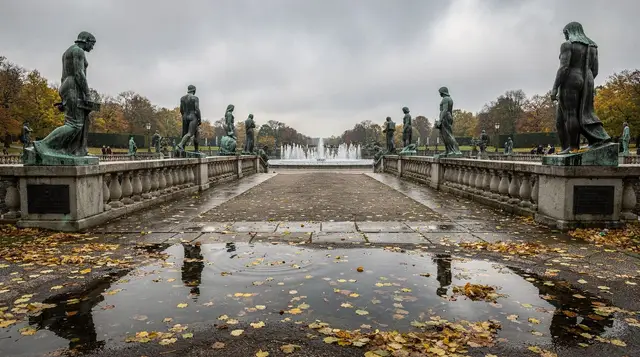
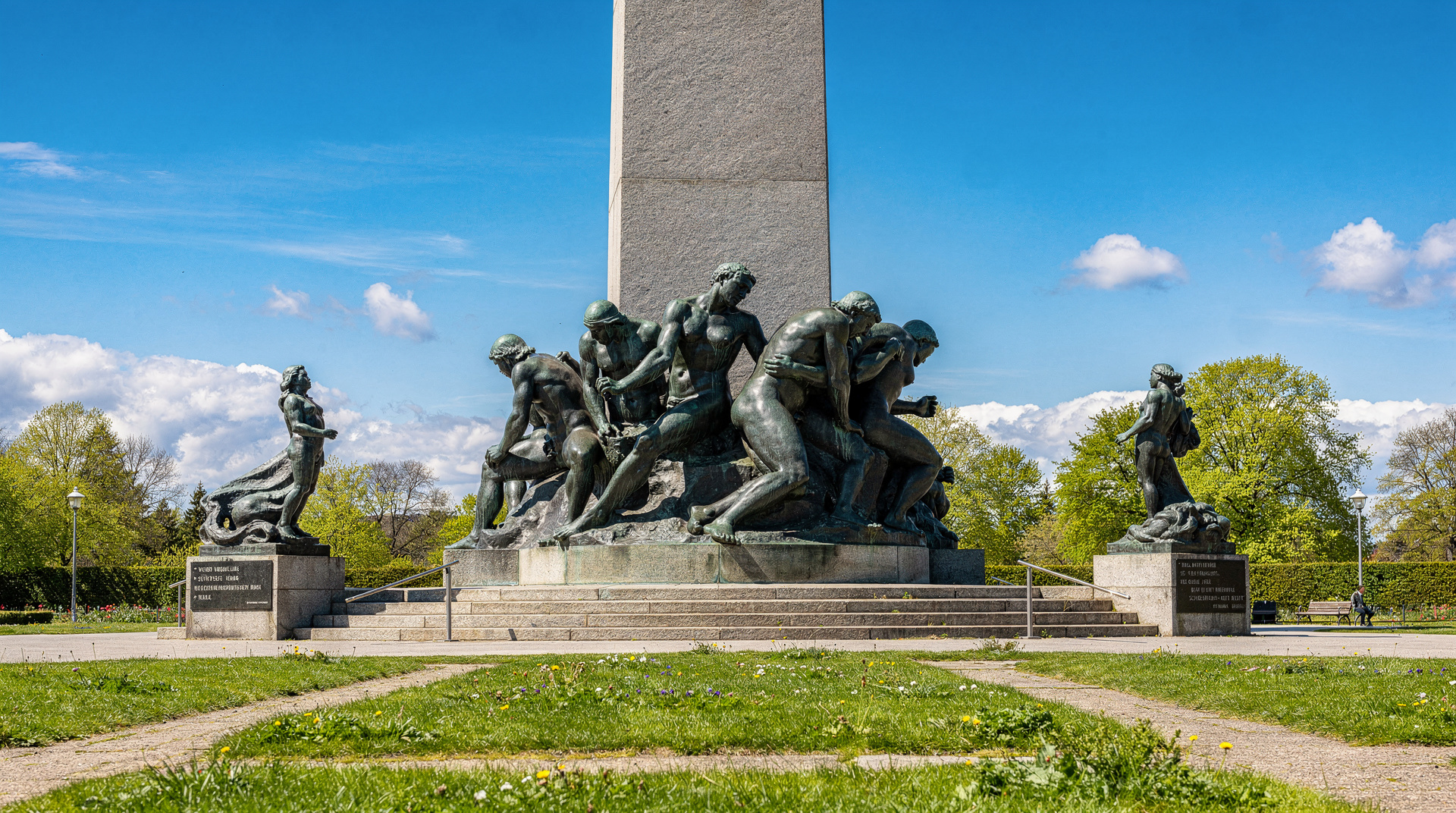
South section: The main sculpture park axis (the bridge, fountain, Monolith plateau, north gate). This is the most visited and most formal section.
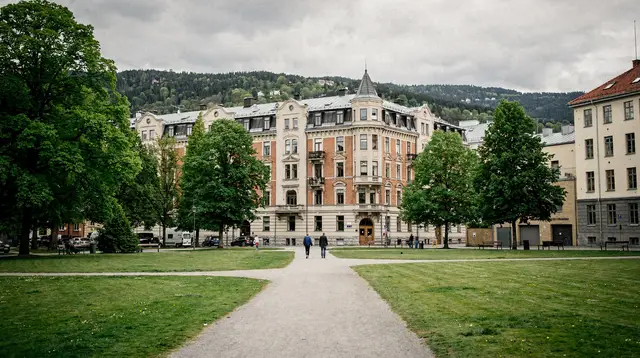
Central section: Frogner Manor (Frogner Hovedgård) — the 18th-century manor house that now houses Oslo City Museum, set around a courtyard with ponds and mature trees. The lawns here are excellent for picnics. Frogner Pool (Frognerbadet) is in the central section, open from June through August.
Northern and western sections: More informal — lawns, wooded areas, the Frogner Stadion (a historic stadium used for concerts and events), tennis and beach volleyball courts, a children’s play area with a climbing structure, and paths leading upward toward Holmenkollen and Nordmarka.
Seasonal highlights
Summer (June to August)
Summer is Frogner Park’s peak season by every measure. Frognerbadet (Frogner Pool) opens — an outdoor complex with a 50-metre competitive pool, a high-dive pool, a family paddling pool, and extensive sunbathing terraces. Entry is approximately NOK 115 (USD 12) for adults and NOK 60 (USD 6.50) for children under 16. The pool is a genuine Oslo institution; on a hot June day it fills with locals in a way that makes you feel unexpectedly Norwegian.
The lawns around Frogner Manor become Oslo’s most pleasant outdoor social space from May onward. Families, university students, cyclists, and dog-walkers coexist on the same grass — it’s inclusive and relaxed in a way that premium parks in more gentrified cities sometimes aren’t.
The park frequently hosts outdoor concerts and film screenings in summer. Check Oslo city’s cultural events calendar (kulturetaten.oslo.kommune.no) for the programme.
Autumn (September to October)
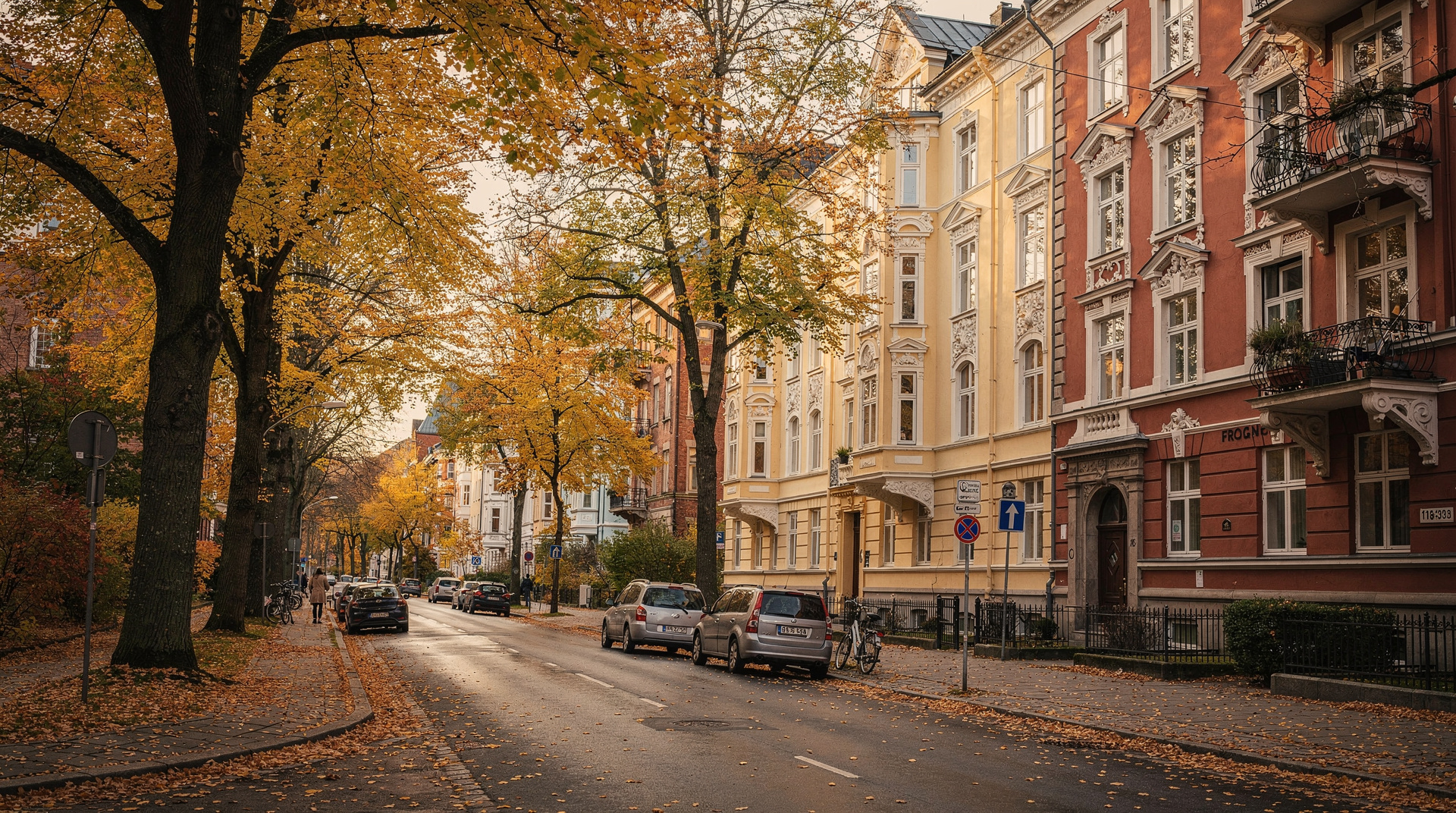
The deciduous trees in the park turn in late September and October — the linden allée approach to Frogner Manor becomes genuinely beautiful, and the contrast between orange autumn colour and grey granite sculpture is photogenic. The pool closes but the park itself stays active with runners and cyclists until the first frost.
Winter (November to March)
Cross-country skiing becomes possible within the park itself when snow falls — the park maintains a basic trail through the grounds. The main Nordmarka cross-country ski network is accessible by metro from Majorstuen (5 minutes to Frognerseteren or 10 minutes to Holmenkollen), making Frogner Park a logical starting point for winter outdoor activity.
The Vigeland sculpture park in snow is extraordinary — visit this section of the guide for details. The park’s winter light (brief but often crisp and clear) creates stunning photography conditions.
Spring (April to May)
Cherry blossom trees near the Manor pond area bloom in late April, making this one of Oslo’s hidden spring photography spots. The park comes alive earlier than many visitors expect — Norwegians are extremely outdoors-oriented and the park fills as soon as temperatures exceed 10°C.
Frogner Park by season at a glance
| Season | Weather | Crowds | Highlight |
|---|---|---|---|
| Summer (Jun–Aug) | Warm, long daylight | Busiest — pool and lawns full | Frognerbadet outdoor pool |
| Autumn (Sep–Oct) | Mild, cooling | Moderate | Manor allée in autumn colour |
| Winter (Nov–Mar) | Cold, snow likely | Quiet, but sculptures still popular | Sculptures under snow, park skiing |
| Spring (Apr–May) | Mild, unpredictable | Light, growing through May | Cherry blossom near the manor pond |
Sports and activities
Tennis: Multiple courts available for public hire near the Frogner Stadion. Booking required, available through Oslo Tennisklubb. Court hire: approximately NOK 170 to 220 (USD 18 to 24) per hour.
Beach volleyball: Sand courts near the stadium, available on a first-come basis in summer.
Frisbee and open play: The large open lawns are frequently used for frisbee, football, and badminton. No permits required.
Running: The park perimeter is a popular running circuit. A full loop of the outer park is approximately 3 km. Many Oslo runners use the park to transition to the Frogner allée or upward toward Holmenkollen.
Cycling: Cycling through the park is permitted on the main paths. The park connects to Oslo’s cycling network toward Bygdøy to the west and Majorstuen to the north.
Children’s playground: A well-equipped playground near the central pool area, suitable for ages 2 to 12.
Oslo City Museum — inside Frogner Manor
The Frogner Manor house (Frogner Hovedgård) contains Oslo City Museum, which traces the history of Oslo from medieval trading post to modern Nordic capital. The permanent collection covers city maps, reconstructed interiors from different eras, and a range of urban history exhibits. Entry: NOK 80 (USD 8.60) adults, children free. Open Tuesday to Sunday.
The museum is often overlooked in favour of the sculpture park, but it’s a worthwhile 45 to 60-minute addition if you’re interested in how Oslo developed. The manor building itself is the oldest surviving farm structure in the inner-city area.
Vigeland Museum (inside the park)
Not to be confused with the sculpture park or Oslo City Museum, the Vigeland Museum occupies Vigeland’s former studio on the park grounds. It contains original plaster models, drawings, letters, and personal effects — an intimate record of how the park installation was conceived and executed over 40 years. Entry: NOK 100 (USD 11) adults, children under 18 free. Closed Mondays.
Getting to Frogner Park
From central Oslo:
- Tram 12: From Jernbanetorget (Central Station) or Nationaltheatret, approximately 15 minutes to Vigelandsparken stop. Departs every 6 to 10 minutes.
- Tram 19: From Nationaltheatret or Aker Brygge to Frogner plass — 10-minute walk from the park gates.
- Metro (T-bane) line 2: Majorstuen station, 15-minute walk west.
- Walking: From central Sentrum, 30 to 40 minutes on foot via Frogner allée or through Bygdøy allé.
- Cycling: Well-connected via Oslo’s bike-share system (Oslo bysykkel) — stations near the park entrance.
All transport routes use the Ruter ticketing system. A single Ruter ticket covers all tram and metro journeys within Oslo: NOK 41 (USD 4.40) for a single journey, or included in the 24-hour pass at NOK 119 (USD 13). See our Ruter transport guide.
Combining with nearby attractions
Frogner Park links naturally to the elegant Frogner neighbourhood for post-park dining and shopping — see our Frogner neighbourhood guide. The Bygdøy peninsula is a 20-minute walk or short bus ride west, with the Norsk Folkemuseum, Fram Museum, and Kon-Tiki Museum — useful if you want to combine outdoor park time with museum visits. For free outdoor alternatives, the Oslo Botanical Garden in Tøyen is another excellent option.
For families specifically, our Oslo with kids guide covers how to combine Frogner Park’s pool and playground with other family-oriented attractions.
A realistic half-day plan
If you only have a morning, start at the south gate on Kirkeveien and walk the sculpture axis first — bridge, fountain, Monolith plateau — while the light and crowds are both at their best before 10am. From there, cut across to the Manor lawns for a slower second half: a look inside Oslo City Museum if history interests you, or simply a bench and a coffee from the Frognerkiosken if the weather allows. Visitors trying to also fit in the Vigeland Sculpture Park highlights and a swim at Frognerbadet in one visit often find they need closer to four hours than two — build in the extra time rather than rushing the manor section.
Frogner Park vs Oslo’s other green spaces
Frogner Park is formal and sculpture-led in a way Oslo’s other parks aren’t. For a wilder, forested alternative reachable by metro, Nordmarka offers proper hiking rather than lawns. For a smaller, quieter city garden, the Botanical Garden in Tøyen is a gentler visit with fewer crowds. Frogner Park remains the right choice if you want one park that covers sculpture, swimming, and a historic manor in a single, easily reached location.
How to pace a day in the park
The easiest mistake is to treat Frogner Park as a single attraction. It works better as a sequence of small scenes, each with its own mood. Begin with the formal part, the sculpture axis, when the paths are quiet. Move on to the manor and its ponds when you want to slow down. Finish in the looser northern lawns, where nobody is photographing anything and the park feels like a neighbourhood backyard. Planned this way, even a visitor with no particular interest in sculpture leaves feeling they have seen how Oslo actually spends its free time.
If the weather turns, the park is more forgiving than it looks. The two museums on the grounds give you somewhere dry, and the tram back to the centre is never far. For a wider list of wet-weather options across the city, see our rainy day museums guide, and for a broader sense of what else to fit around the park, the top things to do in Oslo is a useful companion.
Frogner Park on a budget
Few places in Oslo give you so much for so little. The park itself costs nothing, the sculptures cost nothing, and the lawns are open to anyone with a blanket. That makes it a natural anchor for a cheap day in an expensive city. Bring food from a supermarket, spend the afternoon outdoors, and pay only for the one extra you care about, whether that is the pool or a museum.
Our guide to free things to do in Oslo on a budget shows how to stack the park with other no-cost stops, and Oslo on a budget explains how a day like this fits into a wider spending plan. If you are still weighing whether the city is worth the price, is Oslo expensive? gives the honest picture, and the Oslo Pass guide helps you decide whether a pass makes sense when your itinerary leans on free outdoor space.
Who the park suits best
Families. The open lawns, the playground and the paddling pool mean children can burn off energy while adults sit down. There is room to spread out, which matters when the weather is good and everywhere else is crowded. Our Oslo with kids guide and the Oslo family long weekend itinerary show how to build the park into a longer plan.
Couples and solo walkers. The manor ponds and the quieter side paths reward an unhurried stroll. Solo visitors will find the park easy and safe to enjoy alone, with plenty of benches and no pressure to do anything in particular. See solo travel in Oslo for more on travelling alone.
Photographers. Early light on the granite, long summer evenings and fresh snow all give the park a different look. Weekday mornings are generally calmer than weekends, so the sculpture axis is easier to frame without crowds.
Visitors with limited mobility. The main paths are broad and mostly level, which makes the central sections approachable for many people. Our accessible Oslo guide covers wider planning questions for the city.
Making it part of a longer Oslo plan
Frogner Park rarely needs a full day on its own, so it pairs well with other stops. The Frogner and Vigeland destination page maps the surrounding area, and the Vigeland sculpture park guide goes deeper on the sculptures themselves. If you are building a route, the Oslo in 1 day itinerary and the Oslo in 2 days itinerary both show where a park visit slots in, while the Oslo in 3 days itinerary leaves more room to linger.
Travelling in summer, the Oslo in summer guide explains how the park fits with swimming spots, fjord outings and long evenings. In colder months, the Oslo in autumn guide is worth a read for the colour the manor allée is known for.
Small practical habits that help
Bring layers, even in summer. Evenings can cool quickly, and the shaded manor lawns feel cooler than the open sculpture plateau. Carry water and a snack, because the park is large and the walk between sections adds up. Wear comfortable shoes rather than anything you would not want to walk several kilometres in, since the best parts are spread out rather than gathered in one spot.
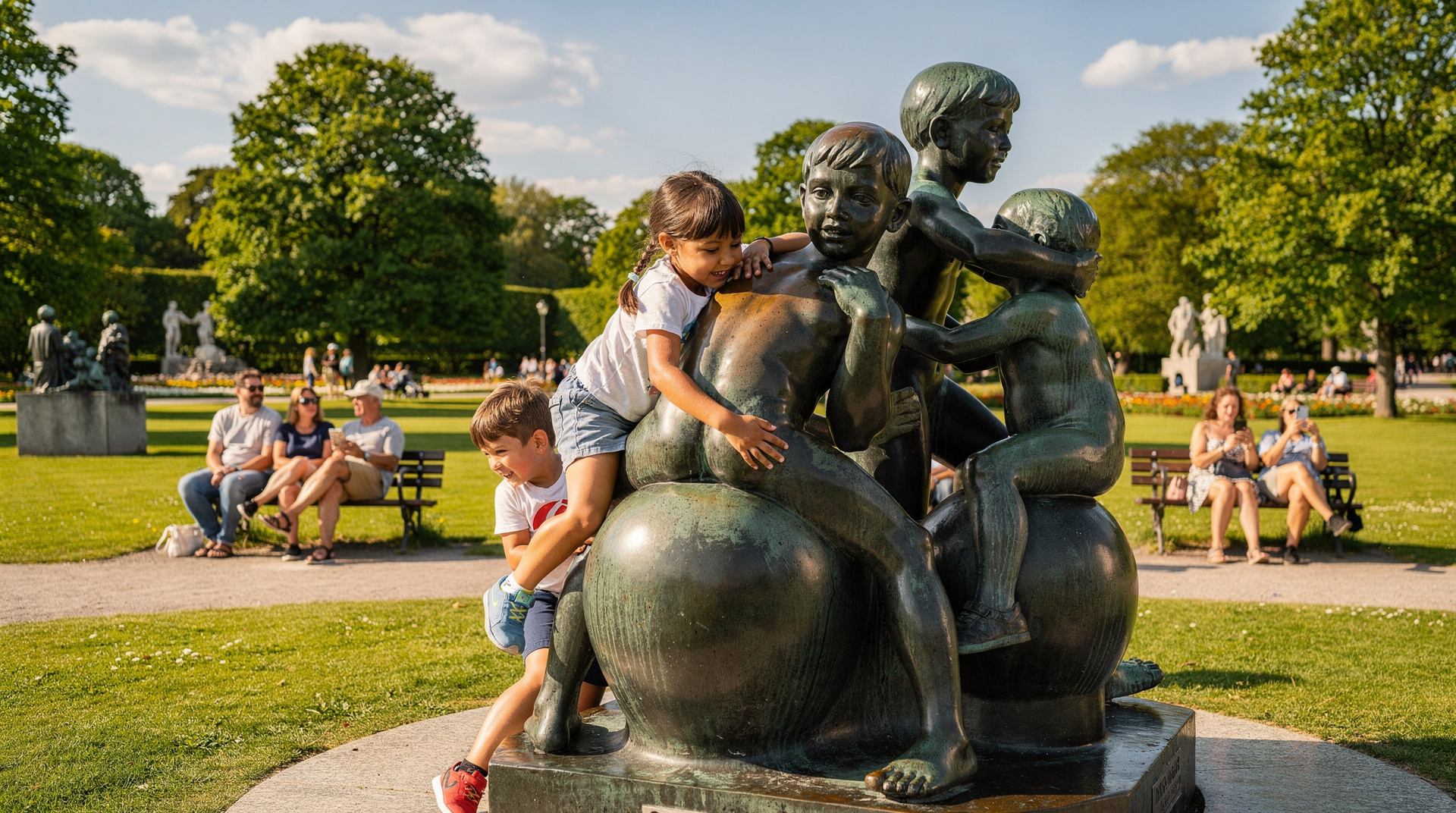
Be considerate on the lawns. Pick up after yourself, keep music low, and leave the sculptures untouched and unclimbed, as they are works of art that thousands of people visit each week. Locals treat the park as shared space and the unspoken etiquette is simple: take what you need, leave nothing behind. Following it will make your visit calmer and the park nicer for everyone who comes after you.
Frequently asked questions about Frogner Park — Oslo's grand city park and summer playground
Is Frogner Pool inside Frogner Park?
Yes — Frognerbadet (Frogner Pool) is an outdoor public swimming complex within the park. It has several outdoor pools including a 50-metre lane pool, a diving pool, and a paddling pool for children. Open June to August. Entry: approximately NOK 115 (USD 12) adults, NOK 60 (USD 6.50) children.Can you do winter sports in Frogner Park?
Yes — the park maintains a lit cross-country ski trail through the grounds in winter (snow permitting) and the rolling terrain is used for sledging. The larger Nordmarka forest starts just north of the park and provides extensive cross-country skiing trails accessible by metro.Does Frogner Park have a cafe or restaurant?
Several. The Frognerkiosken café near the main gate serves coffee and light food in summer. The Vigeland Museum has a small café. The Frogner Stadion (Frogner Stadium, historic) nearby has refreshment facilities. For a proper meal, the restaurants along Bygdøy allé and in the Frogner neighbourhood are a short walk.Can you have a picnic in Frogner Park?
Absolutely — picnicking is one of the park's most popular activities from May to September. The lawns around Frogner Manor and the areas between the sculpture groups are all public. On summer weekends, locals bring blankets, food, and drinks for long afternoon sessions.Is there parking at Frogner Park?
There is street parking around the park perimeter, but it's metered and limited on weekends. Oslo driving is unnecessary for this destination — tram 12 to Vigelandsparken or tram 19 to Frogner plass gives direct access. See our guide to getting around Oslo.How much time should I budget for Frogner Park?
Budget 1.5 to 2 hours for the Vigeland sculpture sections alone, and a half day (3 to 4 hours) if you're adding the pool, Oslo City Museum, or a picnic on the manor lawns. It's easy to underestimate — the park is genuinely large, and most of it lies beyond the sculpture axis that first-time visitors photograph and leave.Is Frogner Park worth visiting outside summer?
Yes. The sculptures are free and open 24 hours year-round, and the park changes character with each season — snow-covered granite in winter, cherry blossoms in spring, autumn colour along the manor allée. The pool and café are summer-only, but the park itself never really closes, which is part of its appeal over more seasonal attractions.
Top experiences
Bookable activities with verified prices and instant confirmation on GetYourGuide.