Oslo in 2 days: the perfect weekend itinerary
Oslo: Oslo Pass with public transport and free museum entry
Duration: 24-72 hours
- Instant confirmation
- Free public transport
- Skip museum queues
The classic Oslo weekend — 2 days that cover the essentials
Oslo rewards two days far more than one. With 48 hours, you can do Bygdøy justice, experience the Munch Museum properly, squeeze in a floating sauna dip, and still catch a fjord cruise — without the breathless pace of a single-day sprint. This itinerary is designed for a Friday evening arrival or a full Saturday–Sunday visit, using only Ruter public transport.
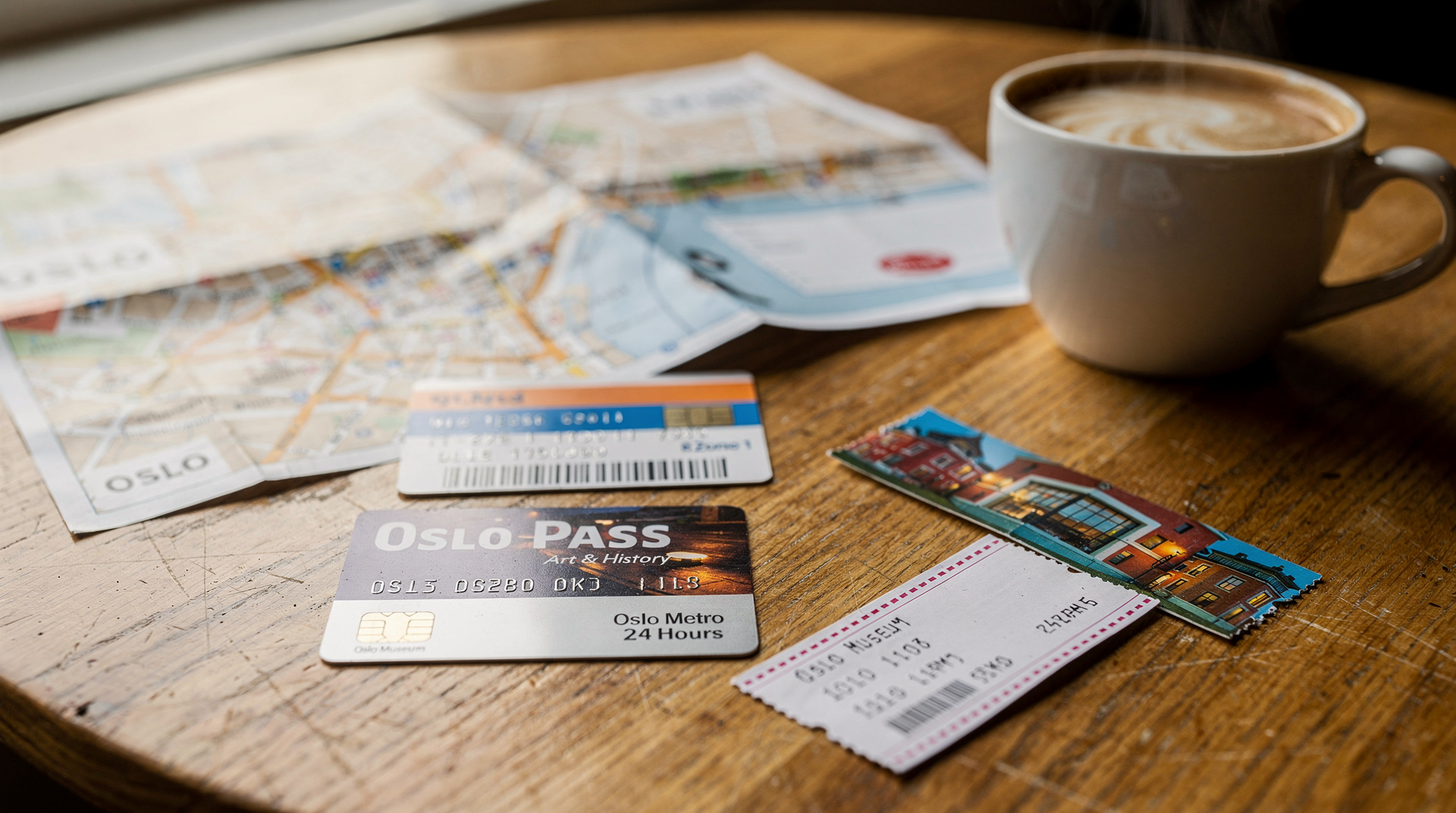
Oslo Pass strategy: Buy a 48-hour Oslo Pass (NOK 845 / ~USD 91 adult). It covers unlimited Ruter travel, free entry to the Munch Museum (normally NOK 200 / ~USD 21), Fram Museum, Norsk Folkemuseum, Akershus Fortress, and 30+ other attractions. Two adults saving on transport and museums over two days typically save NOK 600–800 each. See our honest Oslo Pass review.
| Where | Aker Brygge, Bygdøy, Bjørvika/Munch Museum, Grünerløkka, Vigeland Park |
| Cost (mid-range) | Around NOK 3 700 / ~USD 400 per person |
| Time needed | Two full days, Friday evening arrival works well |
| Getting there | Flytoget or Vy train to Oslo S, then tram/ferry |
| Best time | May–September for the ferry and floating sauna at their best |
Day 1: waterfront, Bygdøy and the floating sauna
Morning: Akershus Fortress and Aker Brygge
09:00 — Akershus Fortress
Start at the fortress (Akershus Festning) — free grounds, museum included with Oslo Pass. Spend 45–60 minutes on the ramparts and through the medieval rooms. The views over the inner Oslofjord from the south-facing walls are some of the best free panoramas in the city.
Walk west along the harbour to Aker Brygge. The waterfront between the fortress and Tjuvholmen is Oslo at its most photogenic — especially on a clear morning before the crowds build. Stop for a coffee at one of the harbour kiosks (NOK 55–75 / ~USD 6–8).
10:30 — Ferry or bus to Bygdøy
In summer (May–September), take ferry 91 from Aker Brygge pier (Rådhusbrygge 3) — a scenic 10-minute crossing to Bygdøy, NOK 42 / ~USD 4.5 (free with Oslo Pass). In other seasons, bus 30 from Aker Brygge runs the same route by road in 8 minutes.
Midday: Bygdøy museums
Spend your morning on Bygdøy focusing on two museums:
11:00 — Fram Museum (Frammuseet)
The Fram is the world’s strongest wooden ship, built for polar exploration and now preserved in a purpose-built shed you can walk around and through. The ship itself is astonishing — cramped quarters for 12 men who sailed into pack ice. Allow 60–70 minutes. Free with Oslo Pass; normally NOK 190 / ~USD 20. See our Fram Museum guide.
12:30 — Lunch at Norsk Folkemuseum café
Walk 5 minutes to the Norsk Folkemuseum (Norwegian Folk Museum), an open-air collection of 160 historic buildings moved from across Norway. The museum restaurant serves traditional Norwegian food — try the raspeballer (potato dumplings) or a smørbrød plate. Budget NOK 200–280 / ~USD 21–30.
13:30 — Norsk Folkemuseum
After lunch, spend 60–90 minutes in the folk museum, especially the stave church (stavkirke) reconstructed from Gol. The open-air farm buildings are best in summer when costumed guides demonstrate traditional crafts. Free with Oslo Pass; normally NOK 220 / ~USD 24.
Afternoon: Tjuvholmen and the floating sauna
15:30 — Return to Tjuvholmen
Take bus 30 back from Bygdøy to Aker Brygge, then walk 10 minutes west to Tjuvholmen. Visit the Astrup Fearnley Museum (free with Oslo Pass, normally NOK 170 / ~USD 18) if you have 45 minutes for its contemporary Norwegian art collection.
17:00 — Floating sauna at Tjuvholmen
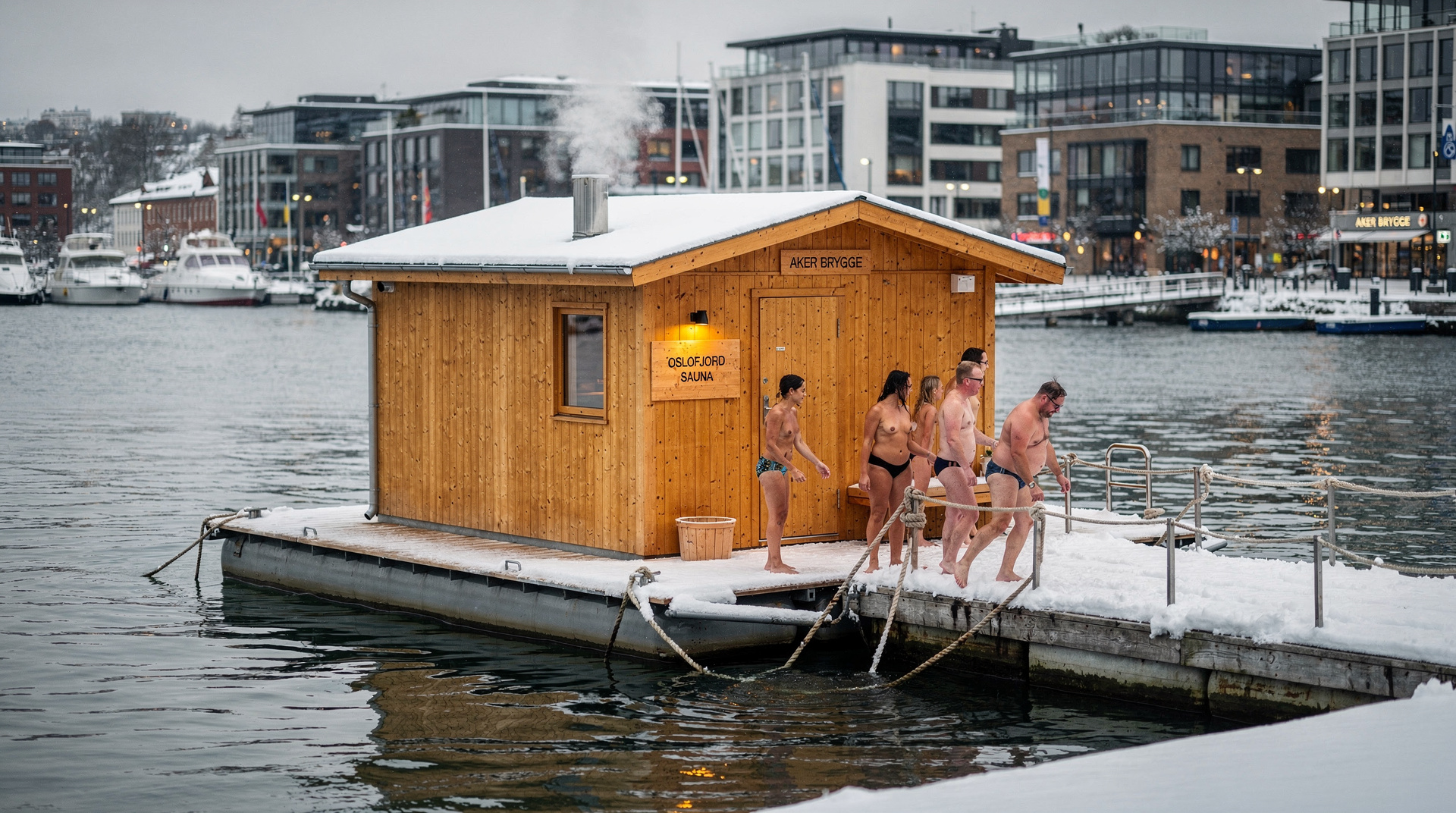
Oslo’s floating saunas are one of the city’s signature experiences and genuinely unlike anything else in Europe. The public floating sauna at Tjuvholmen (Sukkerbiten pier) heats to 80–90°C; you step out and plunge into the Oslofjord — water temperature 18–20°C in summer, 4–8°C in winter. Book tickets in advance (NOK 200–250 / ~USD 21–27 for 1–2 hours); they sell out. Bring or rent a towel. Swimwear required; the Norwegian custom of naked sauna exists at specific venues but not the main public sauna.
18:30 — Dinner at Aker Brygge or Tjuvholmen
For a splurge: Hav restaurant (Aker Brygge) serves Norwegian seafood; expect NOK 450–600 / ~USD 48–65 for mains. Mid-range: Lekter’n on the floating pontoon for fish and chips or fish soup, NOK 200–320 / ~USD 21–34. Budget: Mathallen food hall (30 minutes by tram, see our guide) with international street food from NOK 130 / ~USD 14.
Evening: Oslofjord cruise
19:30 — Silent electric fjord cruise
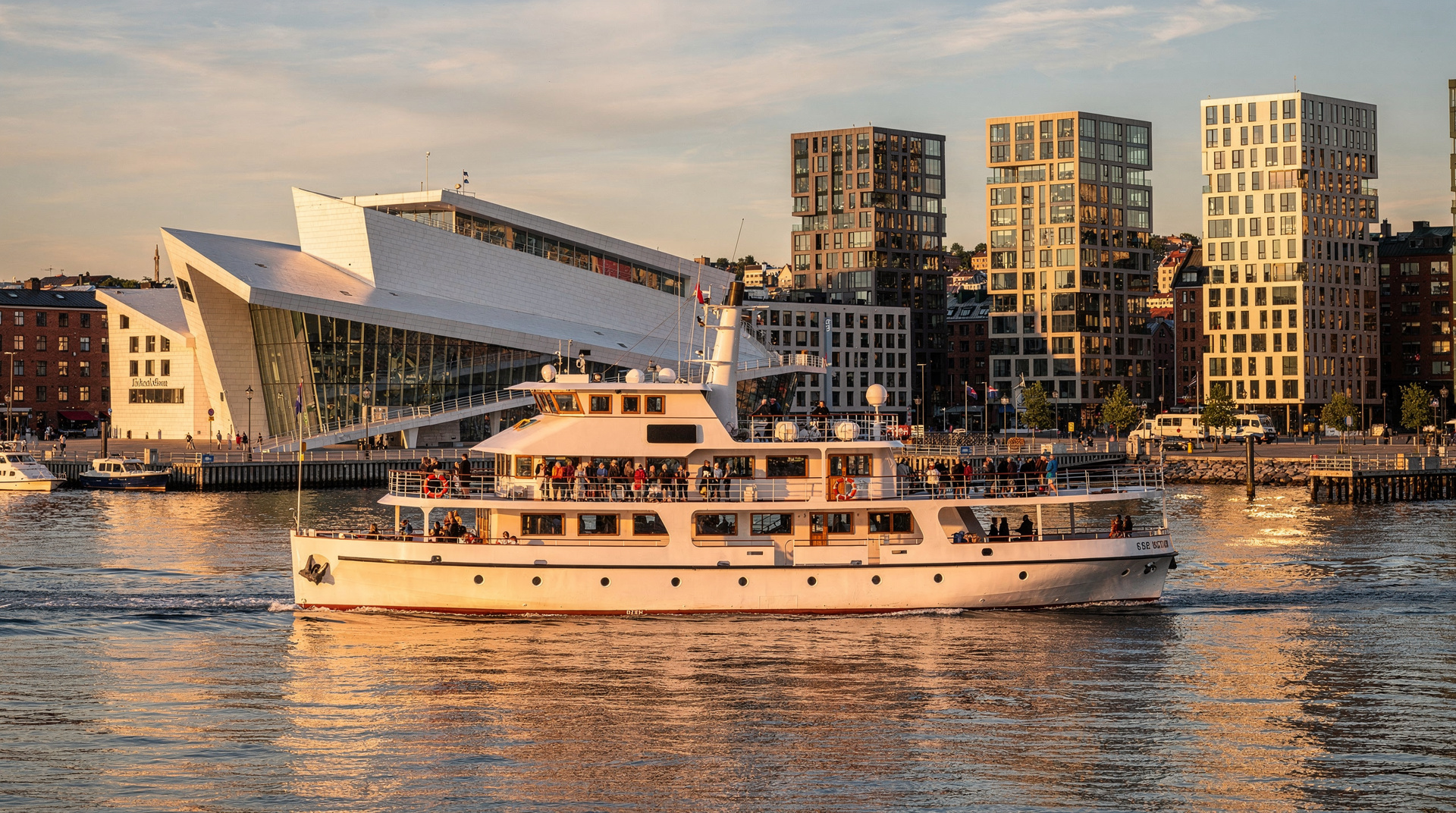
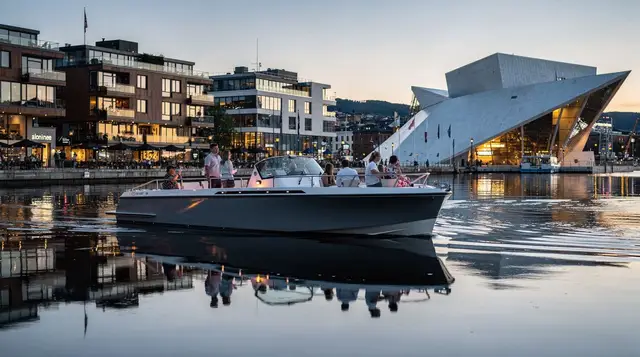
Book the 2-hour guided sightseeing cruise on a premium silent electric boat. Evening departures (check current schedule — typically 19:00 or 20:00 in summer) give you the magical low-angle Oslo light. The guide narrates history from Akershus Fortress to Bygdøy as you cruise past both. Approximately NOK 600 / ~USD 64. See our guide to Oslofjord cruises to compare options.
21:30 — Evening stroll
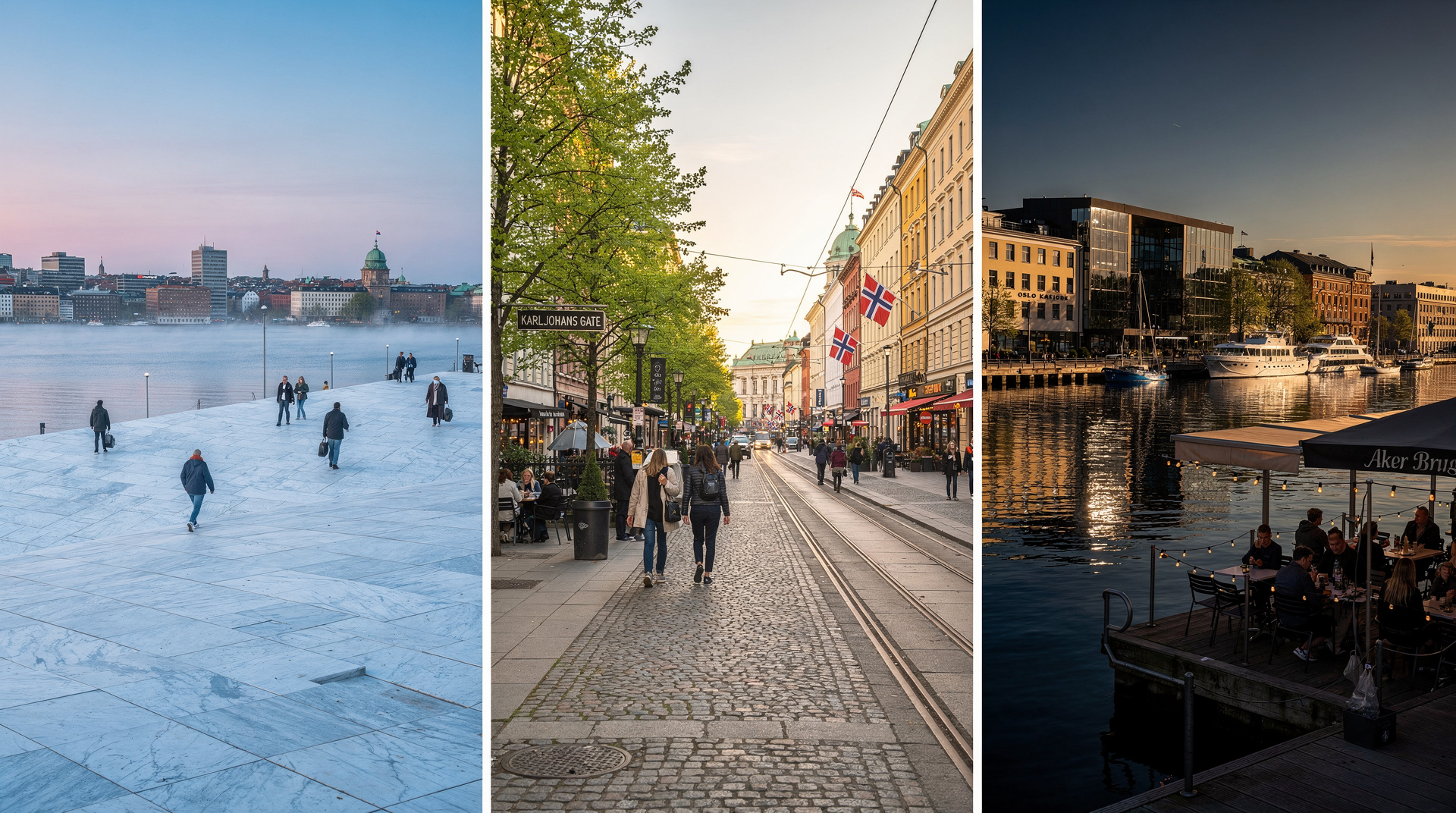
Oslo’s summer evenings are light until 23:00. Walk from Aker Brygge along the new Fjordbyen waterfront east through Tjuvholmen toward Bjørvika. The Opera House at Bjørvika is free to walk on at any hour; the rooftop gives 360-degree views of the fjord and city.
Day 2: Munch Museum, Grünerløkka and Vigeland Park
Morning: Munch Museum (MUNCH)
09:30 — Munch Museum at Bjørvika
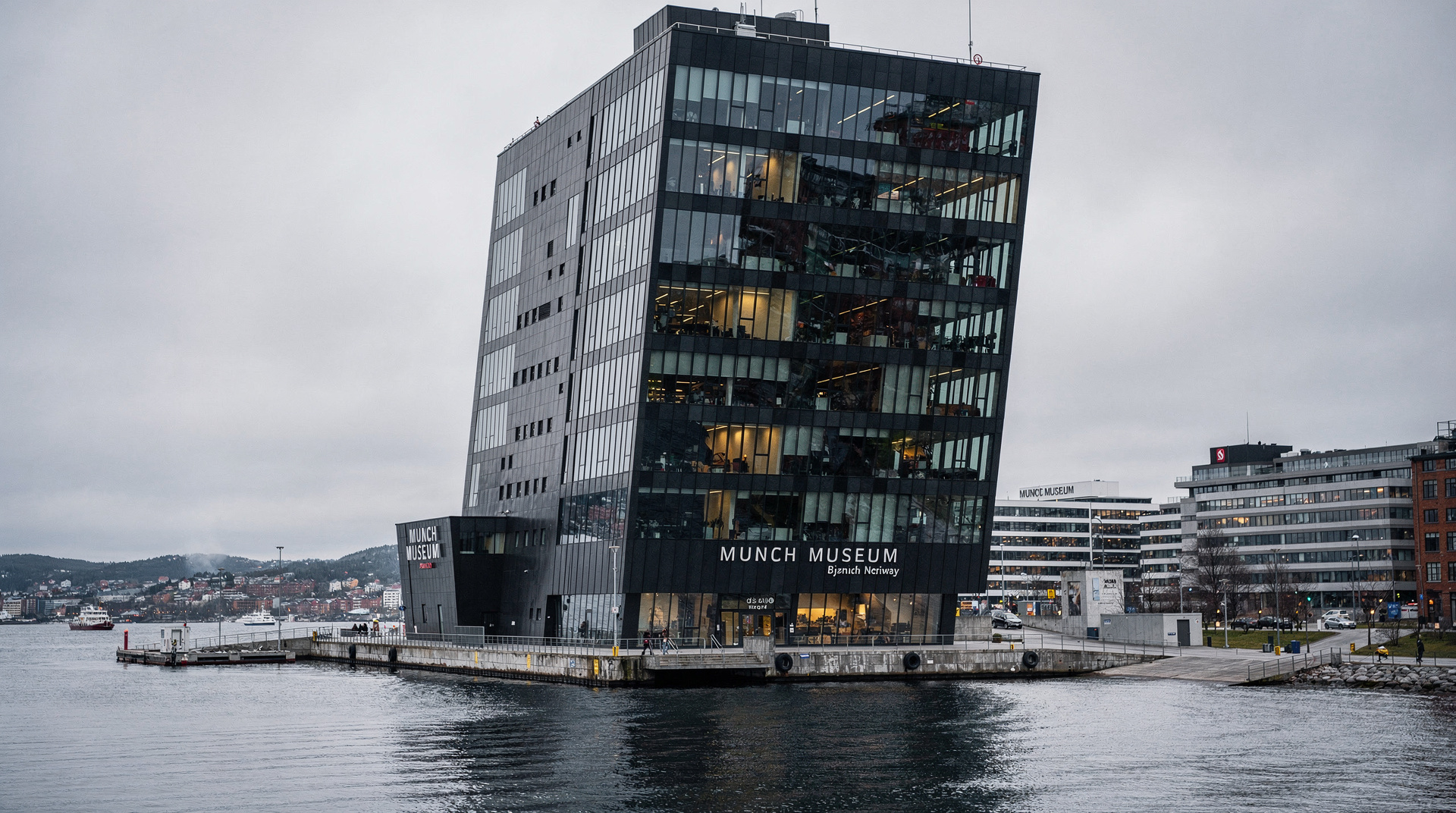
Take tram 13 or 19 from central Oslo to Bjørvika (Munch Museum stop). The new Munch Museum (Lambda building, opened 2021) houses over 28 000 works by Edvard Munch — the world’s largest Munch collection. Allow 90–120 minutes. Notable works include The Scream (Skriket), Madonna and The Sick Child — all multiple versions. Free with Oslo Pass; tickets otherwise cost NOK 200 / ~USD 21. Pre-book a timed entry slot even with an Oslo Pass in summer. Our Munch Museum guide has a floor plan and the can’t-miss rooms.
11:30 — Breakfast or brunch in Grønland
Take tram 13 from Bjørvika (Operaen stop) three stops to Grønland. This underrated neighbourhood is Oslo’s most ethnically diverse and has excellent, inexpensive food. Try Kaffebrenneriet Grønland for coffee, or one of the Middle Eastern bakeries on Grønlandsleiret for a freshly baked börek or flatbread (NOK 40–60 / ~USD 4–6).
Midday: Grünerløkka
12:30 — Grünerløkka
Walk 15 minutes north from Grønland along the Akerselva river to Grünerløkka, Oslo’s most fashionable neighbourhood. The river path between Beierbrua and Ankerbrua is Oslo’s best free urban walk — waterfalls, converted mill buildings, and public art installations. See our Grünerløkka food guide.
Stop for lunch at Mathallen Oslo (Vulkan area, 5 minutes north of Grünerløkka): a covered food market with stalls ranging from Norwegian seafood to Vietnamese pho. Budget NOK 150–280 / ~USD 16–30.
Explore Grünerløkka’s main streets (Thorvald Meyers gate, Markveien) for independent shops, vintage clothing at Fretex, and coffee at Tim Wendelboe or Fuglen (both world-renowned). You do not need to spend money to enjoy the neighbourhood.
Afternoon: Vigeland Park and Frogner
14:30 — Vigeland Park
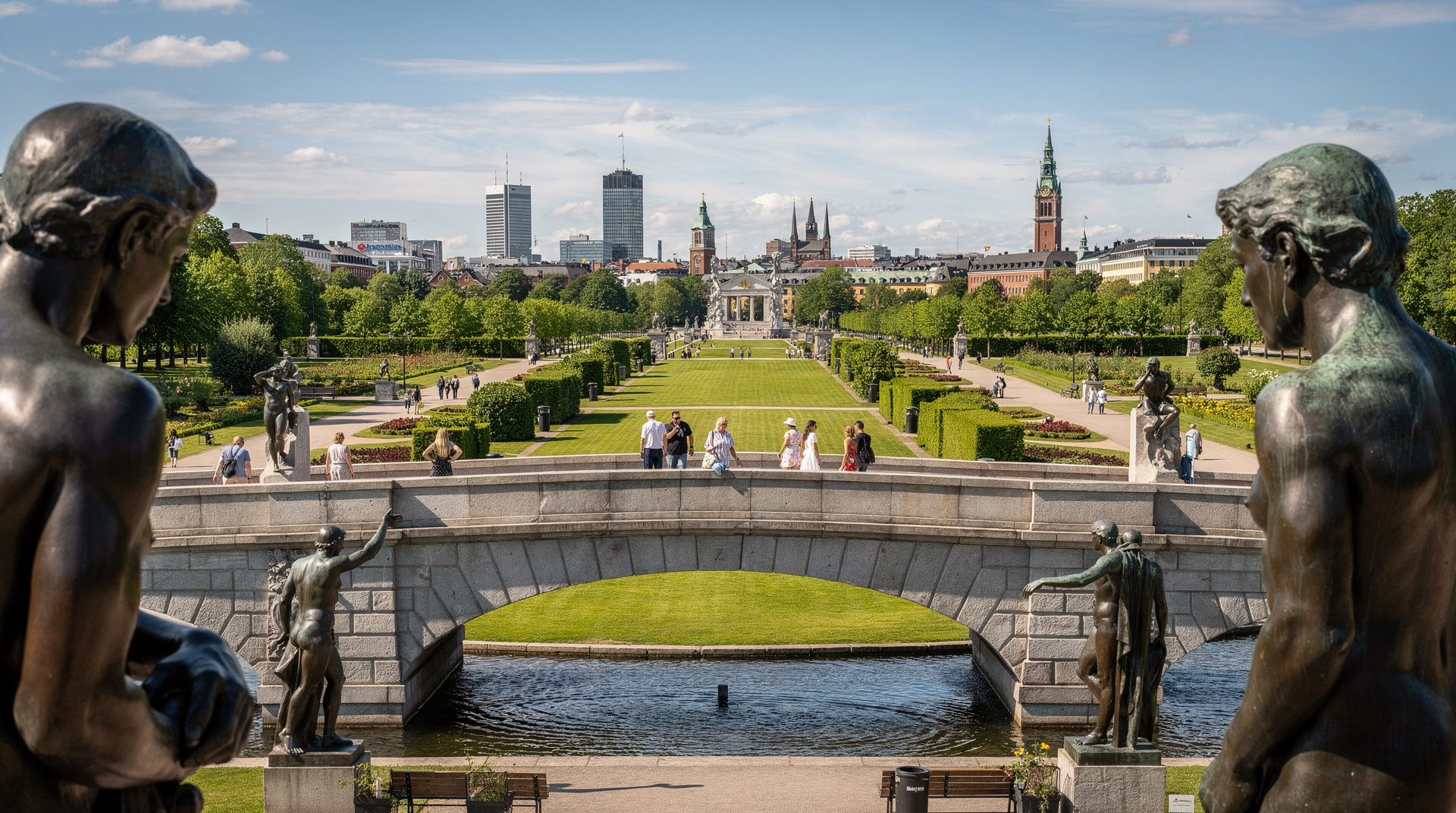
Take tram 12 or 13 from Grünerløkka heading west to Vigeland Park (Vigelandsparken). The 80-hectare park contains Vigeland’s life work — over 200 sculptures arranged along a 850-metre axis from the main gate through the Bridge (with 58 bronze figures) to the Monolith plateau. Allow 60–90 minutes.
The park is completely free and open 24 hours. In summer it is busy from 11:00; arrive after 14:00 to avoid tour groups. Our Vigeland Park guide has the optimal route.
16:00 — Frogner neighbourhood
Walk or tram west from Vigeland into the upmarket Frogner district. Window-shop along Bygdøy allé, visit the Oslo City Museum (Bymuseet, free with Oslo Pass) in Frogner Manor, or simply enjoy a coffee in one of the neighbourhood’s independent cafés. This is residential Oslo at its most elegant — ambassadors’ residences, fin-de-siècle apartment blocks, independent bakeries.
Evening: dinner and optional night activity
18:30 — Dinner options
- Splurge: Maaemo (Schweigaards gate, 3-Michelin-star, reservation essential months ahead, ~NOK 3 500 / ~USD 376 pp tasting menu)
- Mid-range: Arakataka (Mariboes gate 7, modern Norwegian, NOK 300–500 / ~USD 32–54 for mains)
- Budget: Olympen “Lompa” (Grønlandsleiret 15, a classic Oslo gastro-pub with hearty Norwegian food from NOK 220 / ~USD 24)
20:00 — Nightlife or Opera House
Walk the Opera House rooftop for free sunset views. For a drink: try a bar on Torggata in Grünerløkka or Youngs gate in Sentrum for Oslo’s craft beer scene. Good cocktail bars include Himkok (Storgata 27) and the rooftop at Grand Hotel.
Day 1 vs Day 2: which to lead with
If you are arriving on a late Friday evening rather than a fresh Saturday morning, you can swap the two days without losing much. The table below shows what each day front-loads, so you can pick the order that suits your energy levels and arrival time.
| Day 1 (waterfront + Bygdøy) | Day 2 (Munch + Vigeland) | |
|---|---|---|
| Pace | Slower, more walking between fixed points | More flexible, tram-heavy |
| Best if you arrive | Saturday morning, well-rested | Friday evening, want an easier first morning |
| Weather sensitivity | Higher — ferry and outdoor fortress views | Lower — mostly indoor museums until afternoon |
| Booking pressure | Floating sauna and fjord cruise fill up | Munch Museum timed slots fill up in summer |
Either order works because both days end at Aker Brygge or nearby, so accommodation logistics do not change.
Making the most of a Friday evening arrival
If your flight lands Friday afternoon, do not try to squeeze in a museum. Check in, then head straight to Aker Brygge for an early dinner and a walk to the Opera House rooftop — both are free-form and forgiving of jet lag. Save Bygdøy, which requires a ferry timetable and museum opening hours, for a properly rested morning. This small sequencing change is the difference between a groggy first day and starting Day 1 fresh at 09:00.
Combining this weekend with a day trip
Two days covers the essential Oslo sights comfortably, but if your schedule allows a third day, the natural add-on is not a third museum — it is getting out onto the water further, or out of the city entirely. A half-day at Drøbak, an extra fjord island via the island hopping guide, or simply a longer Grünerløkka morning are all better uses of a third day than adding a fourth museum. See the best day trips from Oslo guide if you do extend.
Practical information
Getting around: All travel on this itinerary uses tram, bus and ferry — no metro needed. A 48-hour Oslo Pass covers all Ruter transport plus the ferry to Bygdøy.
Accommodation suggestions:
- Budget: Anker Hostel (Storgata 55, dorms from NOK 350 / ~USD 38)
- Mid-range: Comfort Hotel Grand Central (Jernbanetorget 1, doubles from NOK 1 400 / ~USD 150)
- Upscale: The Thief (Landgangen 1, Tjuvholmen, doubles from NOK 2 800 / ~USD 301)
Total budget estimate (per person, mid-range): Transport/airport NOK 242 + Oslo Pass 48h NOK 845 + floating sauna NOK 230 + fjord cruise NOK 600 + meals two days NOK 1 400 + coffee and snacks NOK 400 = approximately NOK 3 717 / ~USD 400.
Frequently asked questions about a 2-day Oslo visit
Is 2 days enough for Oslo?
Two days is the ideal minimum for a first Oslo visit. You can cover the main waterfront, two or three Bygdøy museums, the Munch Museum, Vigeland Park and a fjord cruise without rushing. A third day lets you add Holmenkollen, a day trip or deeper neighbourhood exploration.
Should I buy the 24-hour or 48-hour Oslo Pass?
For two full days, the 48-hour Oslo Pass (NOK 845) is significantly better value than buying two 24-hour passes (2 x NOK 595 = NOK 1 190). Check the pass calculator to confirm.
Is the floating sauna suitable for beginners?
Yes. The public floating sauna at Tjuvholmen is beginner-friendly — no nudity required, lifeguard supervision, and you can skip the cold plunge. The water temperature is genuinely shocking in winter (4–8°C) but refreshing in summer. Most visitors do it once and are immediately converted.
Do I need to book the Munch Museum in advance?
In summer (June–August), timed entry slots fill up. Oslo Pass holders still need a timed slot. Book on the Munch Museum website before you travel. In shoulder season (April–May, September–October) it is less critical but still recommended.
Can I do this itinerary in winter?
Yes, with modifications. The Bygdøy ferry does not run in winter — take bus 30. The floating sauna is available year-round and is arguably more dramatic in winter (steam from the hot sauna against freezing air). The fjord cruise runs year-round but departures are fewer. Daylight in December is only 6–7 hours, so adjust timings accordingly.
Which neighbourhood is best to stay in?
For this itinerary, staying near Aker Brygge or Sentrum (Karl Johans gate area) is most efficient. Both are walkable to the ferry, fortress and tram connections. See our full neighbourhood guide for all options.
Top experiences
Bookable activities with verified prices and instant confirmation on GetYourGuide.
Oslo: Oslo Pass with public transport and free museum entry
- Instant confirmation
- Free public transport
- Skip museum queues
Oslo: guided sightseeing fjord cruise on a premium silent electric boat
- Silent electric boat
- Free cancellation
- Best seller
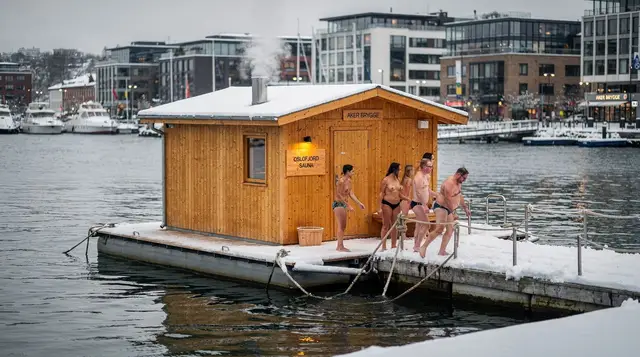
Oslo: self-service public floating sauna ticket, Tjuvholmen
- Floating sauna
- Fjord swim
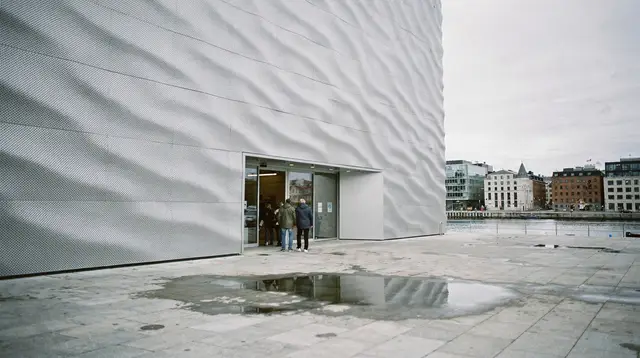
Oslo: Munch Museum admission ticket
- Skip the ticket line
- Instant confirmation
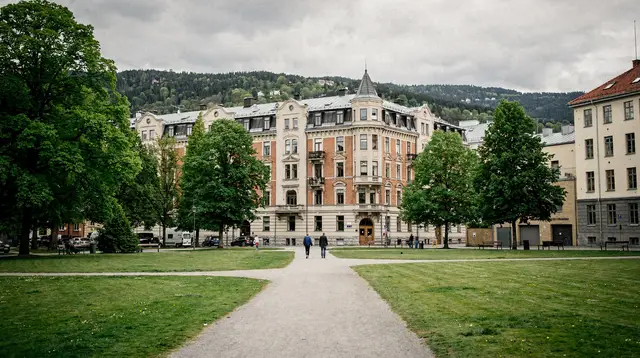
Oslo: 3-hour highlights and Vigeland Park private walking tour
- Private tour
- Vigeland Park