Oslo in 1 day: the ultimate 24-hour itinerary
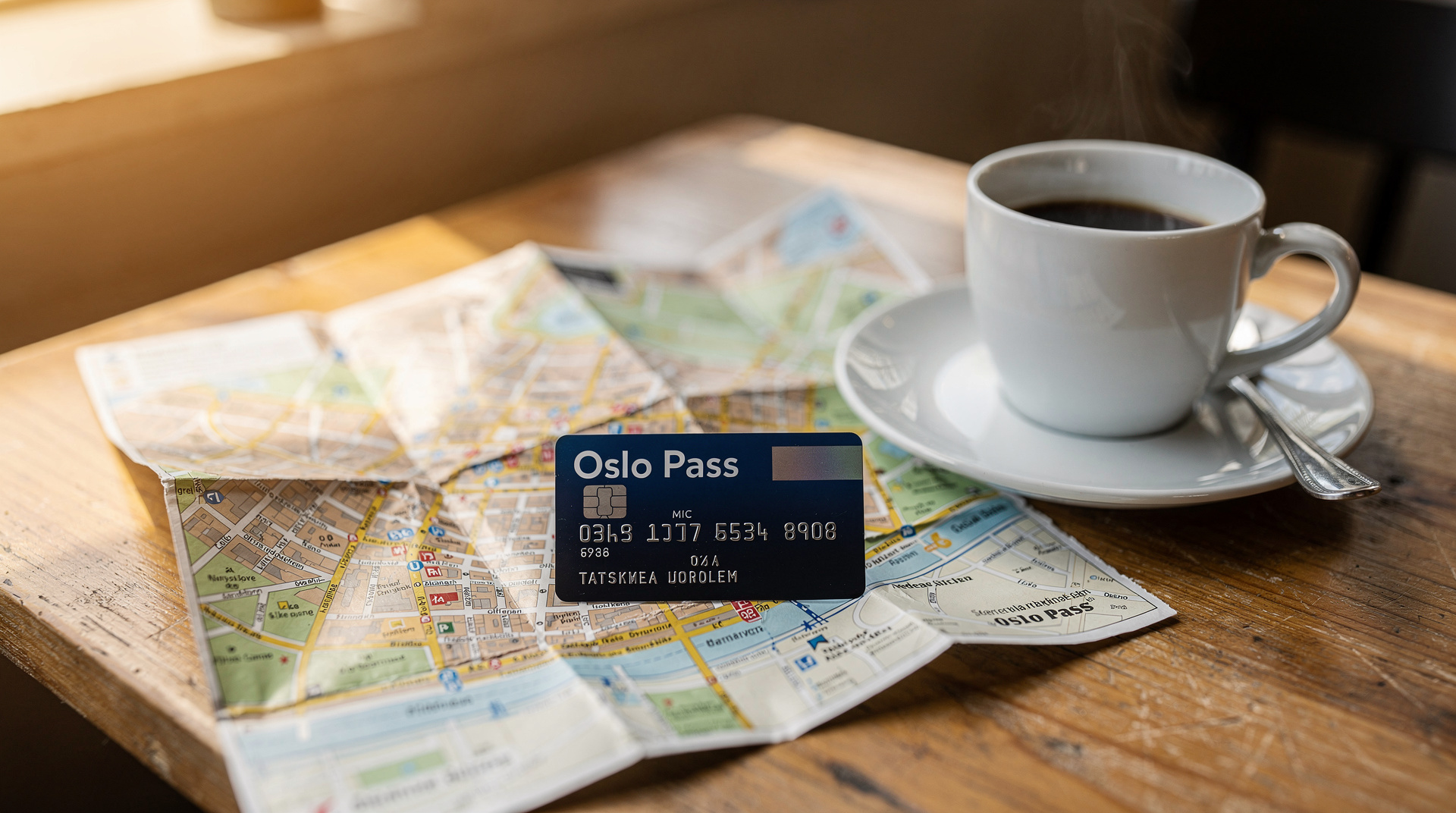
Oslo: Oslo Pass with public transport and free museum entry
Duration: 24-72 hours
- Instant confirmation
- Free public transport
- Skip museum queues
How to spend one day in Oslo
Twenty-four hours in Oslo is tight — but very doable if you plan smartly. The city centre is compact, the Ruter public-transport network is seamless, and most major sights cluster within 4 kilometres of each other. This itinerary covers the non-negotiable highlights: a medieval fortress, the waterfront, one or two world-class museums, and a taste of the fjord. It is designed for first-time visitors arriving by Flytoget from Oslo Gardermoen (OSL).
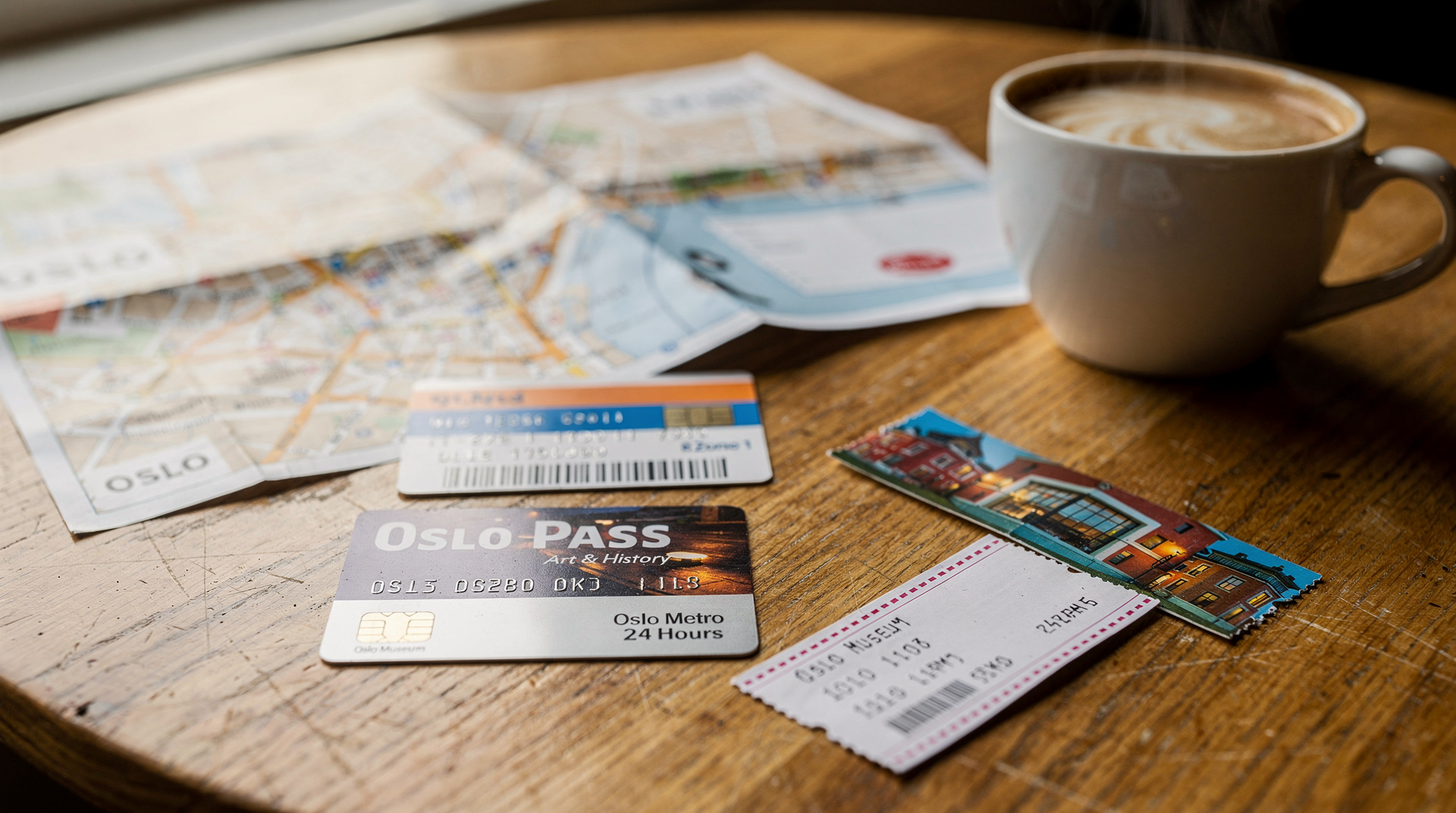
Before you start: Buy an Oslo Pass for 24 hours (NOK 595 / ~USD 64 adult). It covers unlimited Ruter transport plus free entry to most museums on this list. If you only visit two paid museums and take three bus or tram trips, you will likely break even. Check the honest Oslo Pass calculator guide first.
| Where | Central Oslo, Aker Brygge, Bygdøy and Vigeland Park |
| Cost (mid-range) | Around NOK 2 000–2 300 / ~USD 215–247 per person |
| Time needed | A full day, roughly 08:30–22:00 |
| Getting there | Flytoget or Vy train from Oslo Gardermoen to Oslo S |
| Best time | May–September for long daylight and the fjord cruise |
Morning: Karl Johans gate, Akershus Fortress, Aker Brygge
08:30 — Arrive at Oslo S (Oslo Central Station)
From the airport, take the Flytoget express train (~19 minutes, NOK 242 / ~USD 26) or the cheaper Vy regional train (~28 minutes, NOK 115 / ~USD 12). Both arrive at Oslo S (Oslo Sentralstasjon). Oslo S is free to enter and functions as the main Ruter transport hub.
Walk west along Karl Johans gate — Oslo’s main pedestrian boulevard. Pass the Grand Hotel (famous Nobel Prize guests), the National Theatre (Nationaltheatret), and up to the Royal Palace (Det Kongelige Slott) at the top of the hill. The palace grounds are free to enter; the interior requires a summer tour (July–August, NOK 175 / ~USD 19, included with Oslo Pass).
Total walk time: 20 minutes. Allow 15 minutes for photographs.
09:30 — Akershus Fortress (Akershus Festning)
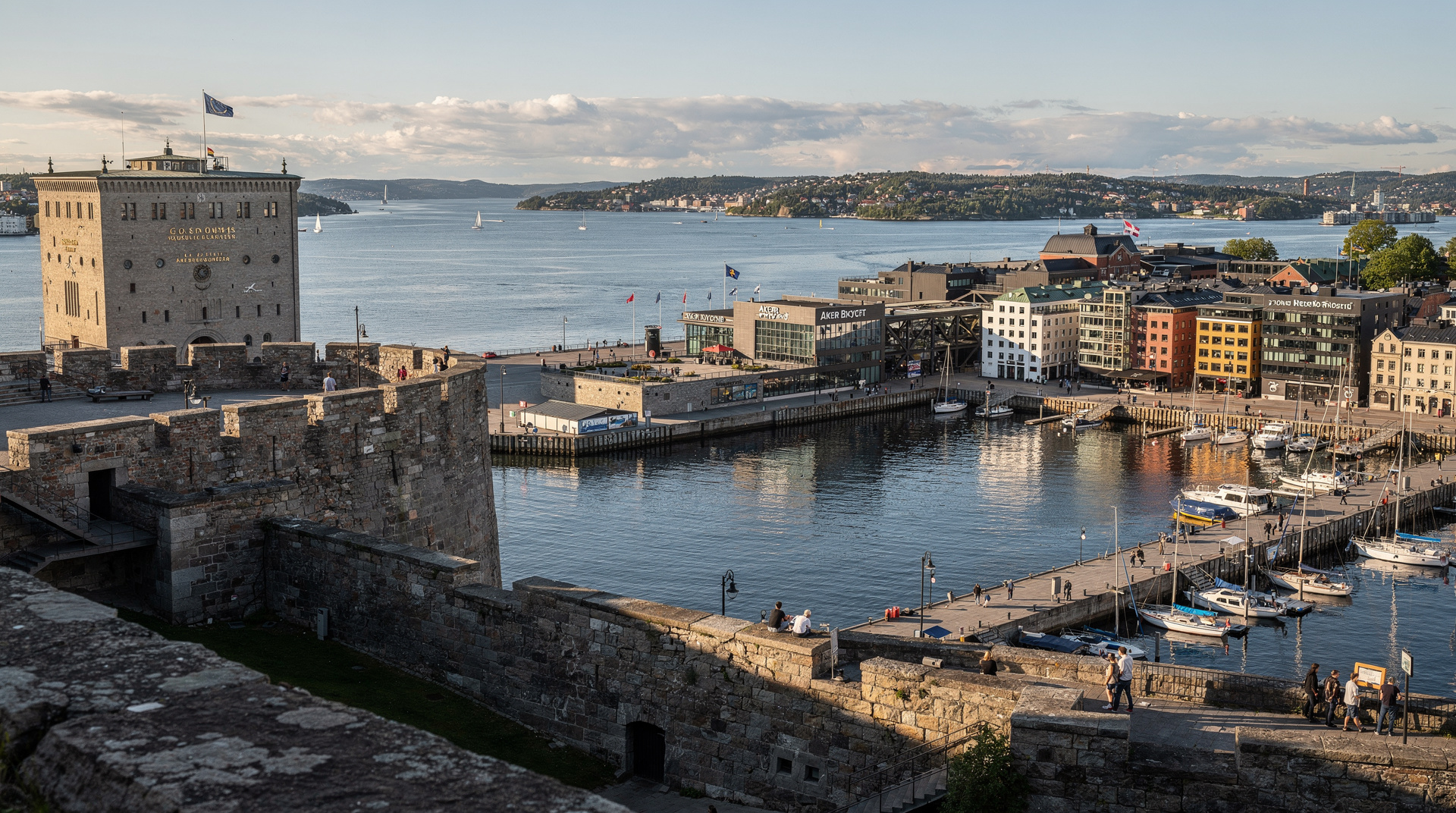
Head down from the palace area via tram 12 or 19 to Aker Brygge (3 stops from Nationaltheatret), then walk 5 minutes east along the harbour. Akershus Fortress is Oslo’s 700-year-old medieval castle, free to enter the grounds. The interior rooms and museum cost NOK 120 / ~USD 13 (free with Oslo Pass). Allow 45 minutes to explore the ramparts and harbour views.
The views from the fortress walls over the Oslofjord are outstanding — this is one of the genuinely free photo spots in an otherwise expensive city.
10:30 — Aker Brygge and Tjuvholmen
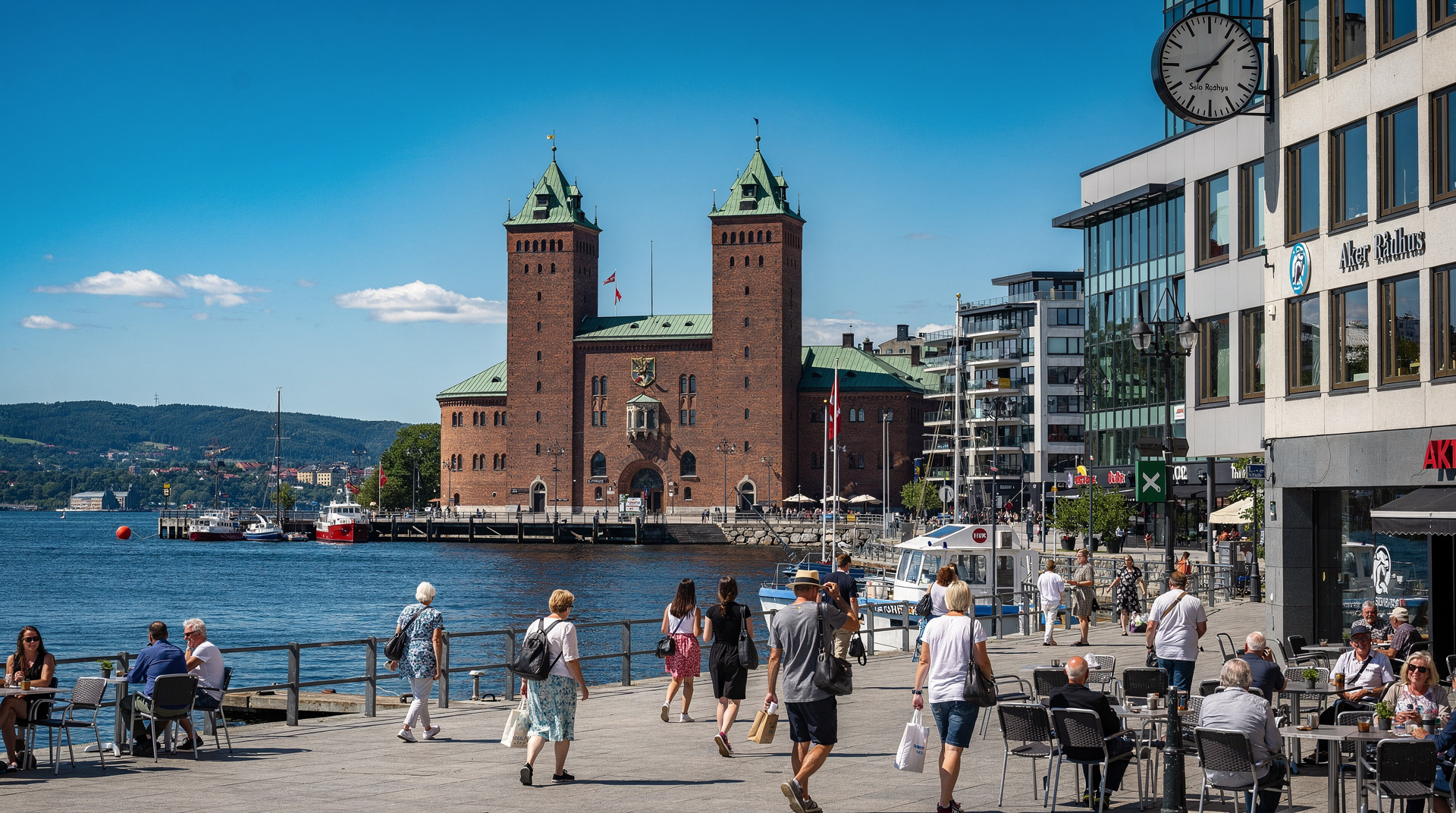
Walk west along the waterfront to Aker Brygge, Oslo’s renovated docklands. It is touristy but genuinely pleasant on a sunny day. Stop for a coffee at one of the harbour-facing cafés — a flat white at Pascal or Supreme Roastworks runs NOK 65–80 / ~USD 7–9. Avoid the sit-down restaurant traps along the main quay; prices are steep.
Continue west to Tjuvholmen, a newer design district with the Astrup Fearnley Museum of Modern Art (NOK 170 / ~USD 18, free with Oslo Pass). If contemporary Norwegian art interests you, allow 45 minutes. The building by Renzo Piano is spectacular from the water.
Midday: Bygdøy peninsula — museums and fjord air
12:00 — Catch bus 30 to Bygdøy
Board bus 30 from Aker Brygge (2-minute walk from Tjuvholmen). Ride 4 stops to Bygdøynes (~8 minutes). Ruter single ticket: NOK 42 / ~USD 4.5 (free with Oslo Pass).
Bygdøy is Oslo’s museum peninsula. Three museums compete for your limited time today:
- Fram Museum (Frammuseet): The actual polar ship Fram, the world’s strongest wooden vessel. NOK 190 / ~USD 20 (free with Oslo Pass). Allow 50–60 minutes. Highlights include the ship’s interior, Amundsen’s South Pole route map, and the authentic Arctic expedition equipment. The Fram Museum guide has full details.
- Kon-Tiki Museum: Thor Heyerdahl’s balsa raft. NOK 170 / ~USD 18 (free with Oslo Pass). Allow 30–40 minutes.
- Norsk Folkemuseum (Norwegian Folk Museum): Open-air museum of historical buildings including a stave church. NOK 220 / ~USD 24 (free with Oslo Pass). Allow 90 minutes if you have time.
On a one-day itinerary, choose one or at most two. The Fram Museum is the most Oslo-specific choice and fastest to cover thoroughly. Skip the Kon-Tiki if time is very tight.
Note: The Viking Ship Museum (Vikingskipshuset) at Bygdøy remains closed for reconstruction until approximately 2027. Instead visit Viking Planet in the city centre (Karl Johans gate area) for a modern VR-powered Viking experience.
13:30 — Lunch on Bygdøy or back at Aker Brygge
The museum café at Norsk Folkemuseum (open-air) serves traditional Norwegian lunch including kjøttkaker (meat patties) and lefse. Budget NOK 180–250 / ~USD 19–27 for a hot dish and drink. Alternatively, pick up smørbrød (open sandwiches) from a bakery near Oslo S before heading out.
Afternoon: Vigeland Park and Grünerløkka
14:30 — Vigeland Sculpture Park (Vigelandsparken)
Take bus 30 back to Aker Brygge, then tram 12 westward toward Frogner (alight at Vigeland Park stop). Total transit ~25 minutes. The park is completely free to enter at all times.
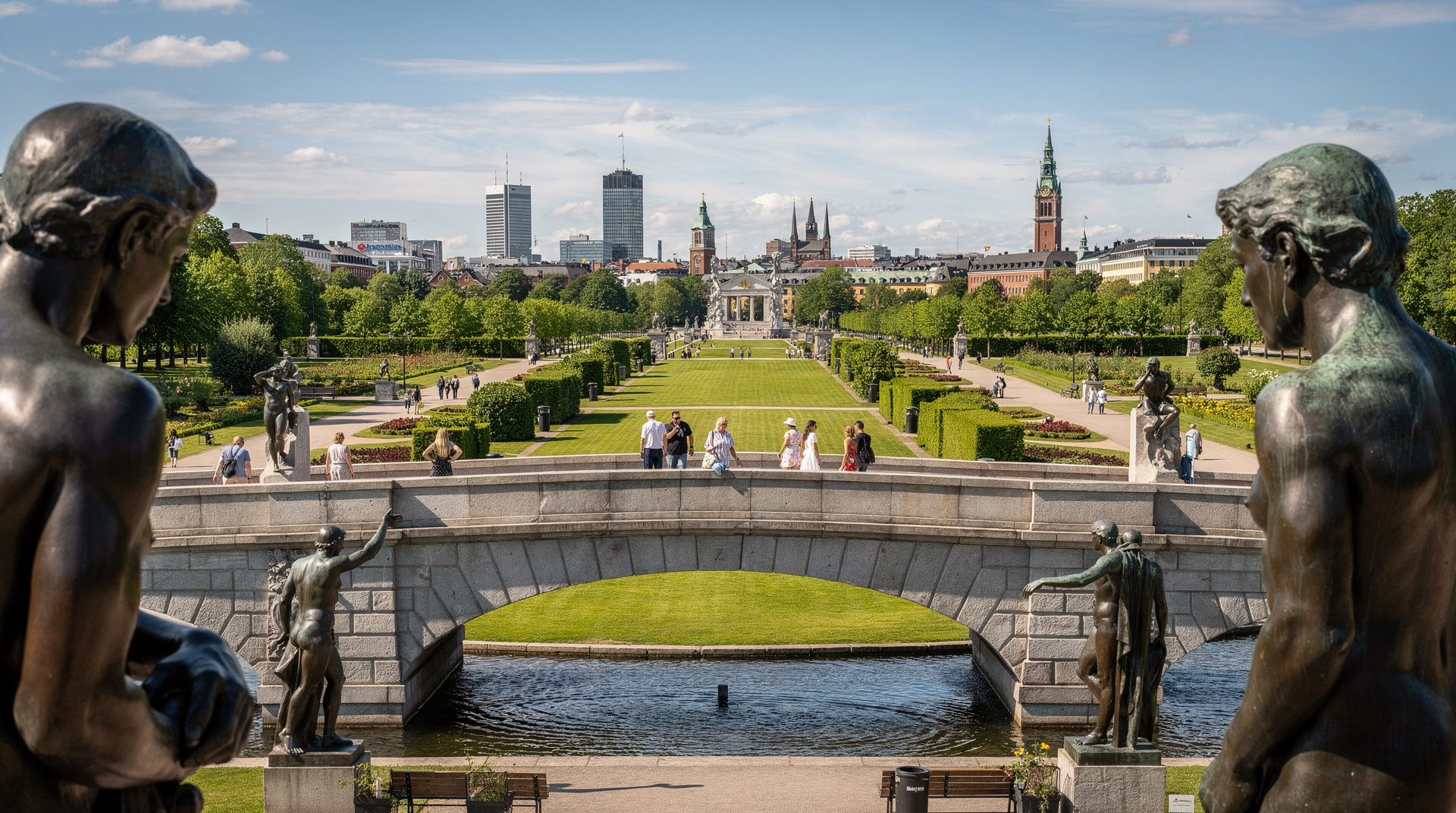
Vigeland Park contains 214 sculptures in bronze, granite and wrought iron by Gustav Vigeland — a genuinely remarkable public art installation. The Monolith (Monolitten), a 14-metre carved column of 121 human figures, is the centrepiece. Allow 60 minutes minimum; 90 minutes if you walk the full circuit.
See the Vigeland Sculpture Park guide for the best route through the park.
16:00 — Tram to Grünerløkka
Tram 12 from Vigeland Park heading east passes through Majorstuen. Change to tram 11 or 13 and ride to Grünerløkka (Schous plass or Olaf Ryes plass stop, ~20 minutes total). Grünerløkka is Oslo’s most appealing neighbourhood for an afternoon wander — independent coffee shops, vintage stores, street art, and the Akerselva river walk. Stop for a coffee at Tim Wendelboe (Grüners gate 1, one of the world’s most respected espresso bars — NOK 55–70 / ~USD 6–8 for a filter coffee).
See the Grünerløkka food guide for the best spots.
Evening: fjord cruise and dinner at Aker Brygge
18:00 — Return to Aker Brygge
Take tram 13 or bus 34 from Grünerløkka back toward the waterfront (~15 minutes). You are now positioned for the best evening experience in Oslo.
18:30 — Silent electric fjord cruise
A 2-hour guided cruise on the Oslofjord on a premium silent electric boat is consistently the highest-rated activity in Oslo. No engine noise, sweeping views of the fortress and city skyline, and an expert guide narrating Oslo’s history from the water. Departures typically at 17:00, 18:00 or 19:00 from Aker Brygge pier depending on season. Book in advance — popular slots sell out days ahead. Approximate cost: NOK 600 / ~USD 64.
20:30 — Dinner
For a mid-range dinner, Fiskeriet Youngstorget (Youngstorget 2, ~NOK 350–500 / ~USD 38–54 for a main with drink) is a popular fish market and restaurant. For something cheaper, Illegal Burger on Møllergata has excellent burgers from NOK 200 / ~USD 21. Budget-minded visitors should note: Oslo restaurants add a 25% VAT, service included — no need to tip beyond rounding up.
22:00 — Optional: evening stroll
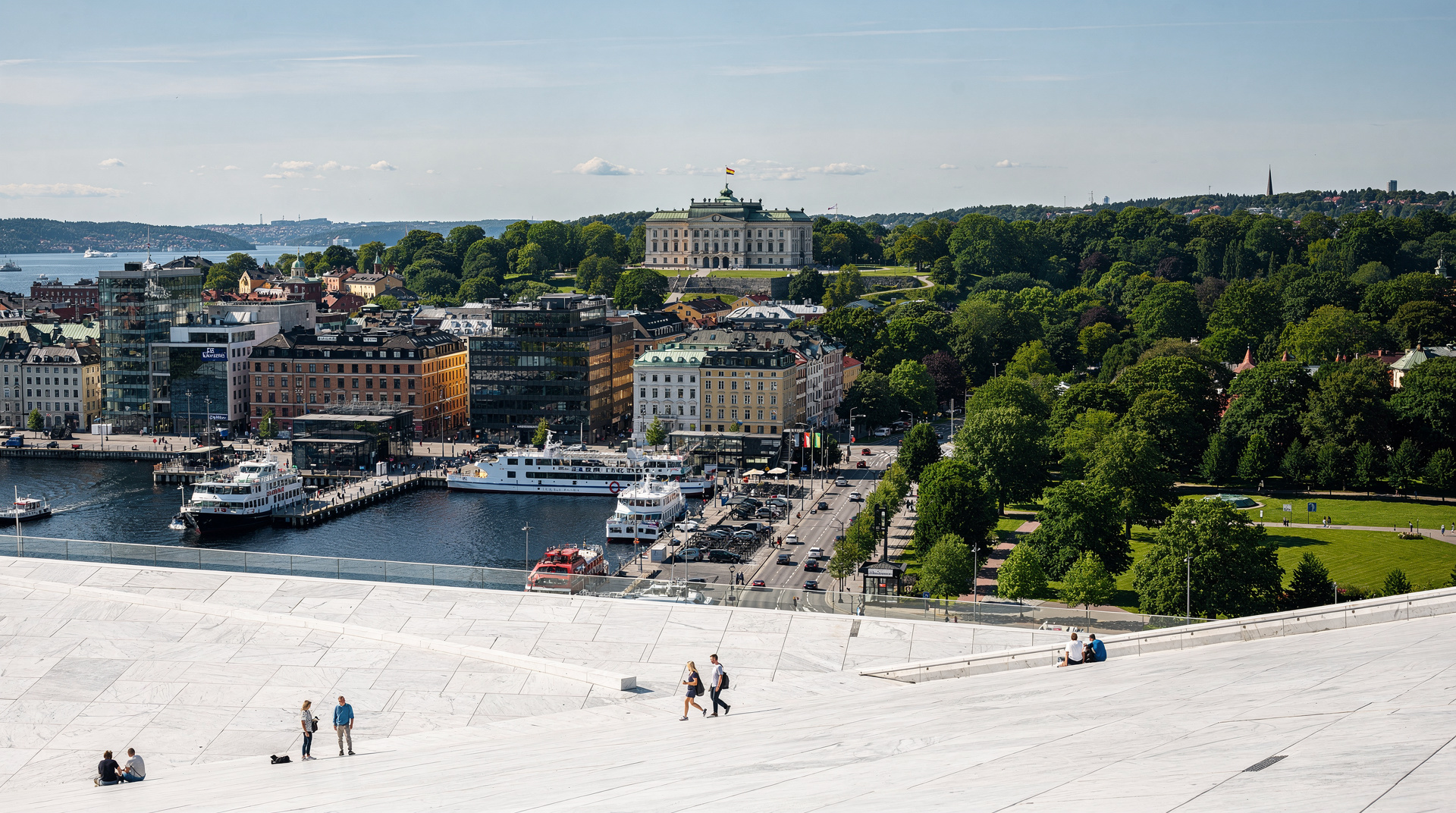
Oslo’s summer evenings (June–August) are light until midnight. Walk back along the waterfront to the Operahuset (Oslo Opera House) in Bjørvika — the rooftop is free to access and gives dramatic views over the fjord. In winter, the area around Karl Johans gate is quiet but pleasant.
Two ways to run this day
The route above is the balanced default — one museum cluster, one park, one neighbourhood, one cruise. If your priorities are narrower, swap the afternoon block for one of these variants rather than trying to cram in everything.
| Priority | Swap this | For this | Net effect |
|---|---|---|---|
| Museum-first | Grünerløkka wander (16:00) | A second Bygdøy museum or the National Museum at Aker Brygge | Deeper culture, less neighbourhood atmosphere |
| Outdoors-first | One Bygdøy museum | An extra hour at Vigeland Park or a free walk along the Akerselva | More green space, less indoor content |
| Budget-first | Silent electric cruise | A free Opera House rooftop visit at sunset instead | Saves roughly NOK 600 / ~USD 64 |
Whichever variant you choose, keep Akershus Fortress and Vigeland Park — they are free, fast, and cover Oslo’s two signature sights without eating into your museum budget.
If it rains
Oslo gets short showers even in summer, and this itinerary is built around walking and one outdoor cruise. If the forecast turns, the fix is simple: move the Vigeland Park visit earlier (sculptures are still worth seeing in drizzle, and the park empties out, which is its own reward), and swap the evening fjord cruise for the covered rainy-day museum options — the National Museum and Fram Museum are both a short tram ride from Aker Brygge and neither requires standing outside. The floating sauna and any boat cruise can usually still run in light rain; check with the operator only if there is a storm warning.
What one day cannot cover
Being honest about the trade-off matters more than pretending a single day is enough. On this itinerary you will not reach Holmenkollen, you will only fit one or two of the three main Bygdøy museums, and you will not have time for a neighbourhood dinner crawl through Grønland. If any of those matter to you specifically, look at the 2-day itinerary or the how many days in Oslo guide before you book flights — extending by even one day meaningfully changes what is realistic.
Practical notes for a one-day visit
Getting around: All trips on this itinerary use Ruter public transport. A 24-hour Ruter pass costs NOK 128 / ~USD 14 and covers metro, tram, bus and local ferry. This is included with the Oslo Pass. Download the Ruter app for live departures; Google Maps works well for Oslo public transport directions.
Money: Oslo is almost entirely cashless. Every café, museum and tram accepts contactless card. Keep NOK 100–200 in cash as a backup for small markets.
Budget for the day (mid-range): Flytoget from airport NOK 242 + Oslo Pass NOK 595 + fjord cruise NOK 600 + lunch NOK 220 + dinner NOK 450 + coffee stops NOK 160 = roughly NOK 2 267 / ~USD 244. Budget travellers who skip the cruise and buy a Ruter day pass instead: closer to NOK 1 300 / ~USD 140.
Frequently asked questions about one day in Oslo
Is one day enough to see Oslo?
One day is enough to see the city’s highlights — the waterfront, one or two museums, Vigeland Park, and a neighbourhood like Grünerløkka. You will not have time for Bygdøy and Holmenkollen both. Prioritise ruthlessly and consider extending to two days if you can.
Should I buy the Oslo Pass for just one day?
It depends on your itinerary. If you visit the Fram Museum (NOK 190), Astrup Fearnley Museum (NOK 170), and take four or five tram/bus rides (NOK 42 each), the NOK 595 pass pays for itself. Use the Oslo Pass calculator to run the numbers for your specific day.
Can I visit Bygdøy without a car?
Yes — bus 30 from Aker Brygge runs every 12 minutes in summer. In summer (May–September), ferry line 91 also departs from Aker Brygge pier, which is a scenic 10-minute ride (NOK 42, included with Oslo Pass).
What is the Viking Ship Museum situation?
The Viking Ship Museum (Vikingskipshuset) at Bygdøy is closed for reconstruction until approximately 2027. The collections are partially viewable at the Historical Museum (free entry) in the city centre and at Viking Planet near Karl Johans gate.
How do I get from Oslo Airport to the city?
Flytoget runs every 10 minutes and takes 19 minutes to Oslo S (NOK 242 / ~USD 26). The Vy regional train takes 25–30 minutes and costs NOK 115 / ~USD 12. Both arrive at Oslo S. See the airport transfer guide for full details including bus options.
Is the fjord cruise worth it on a short visit?
Yes — the silent electric cruise is the most distinctive Oslo experience and costs less than a restaurant dinner. It runs year-round (check seasonal schedules; winter departures are fewer). Book ahead especially in June–August when departures fill quickly.
Top experiences
Bookable activities with verified prices and instant confirmation on GetYourGuide.

Oslo: Oslo Pass with public transport and free museum entry
- Instant confirmation
- Free public transport
- Skip museum queues
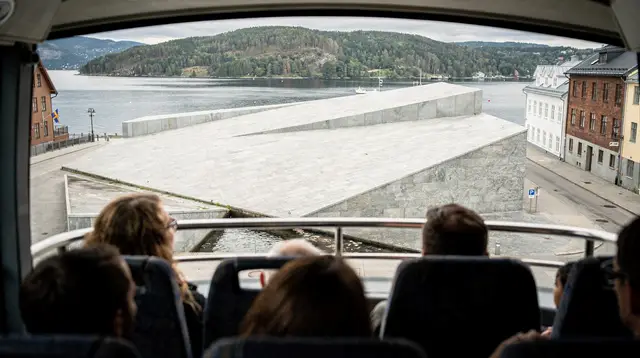
Oslo: City Sightseeing hop-on hop-off bus tour
- Instant confirmation
- Audio guide
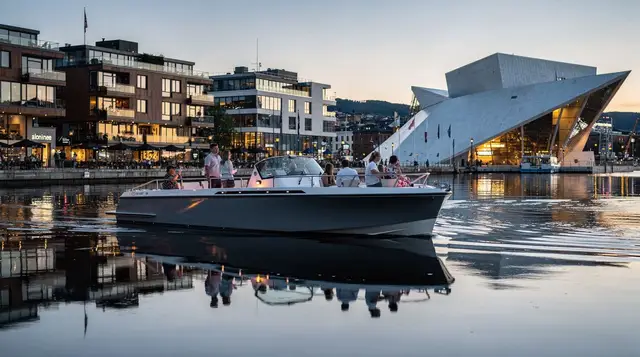
Oslo: guided sightseeing fjord cruise on a premium silent electric boat
- Silent electric boat
- Free cancellation
- Best seller
Oslo: 3-hour highlights and Vigeland Park private walking tour
- Private tour
- Vigeland Park
Oslo: Munch Museum admission ticket
- Skip the ticket line
- Instant confirmation