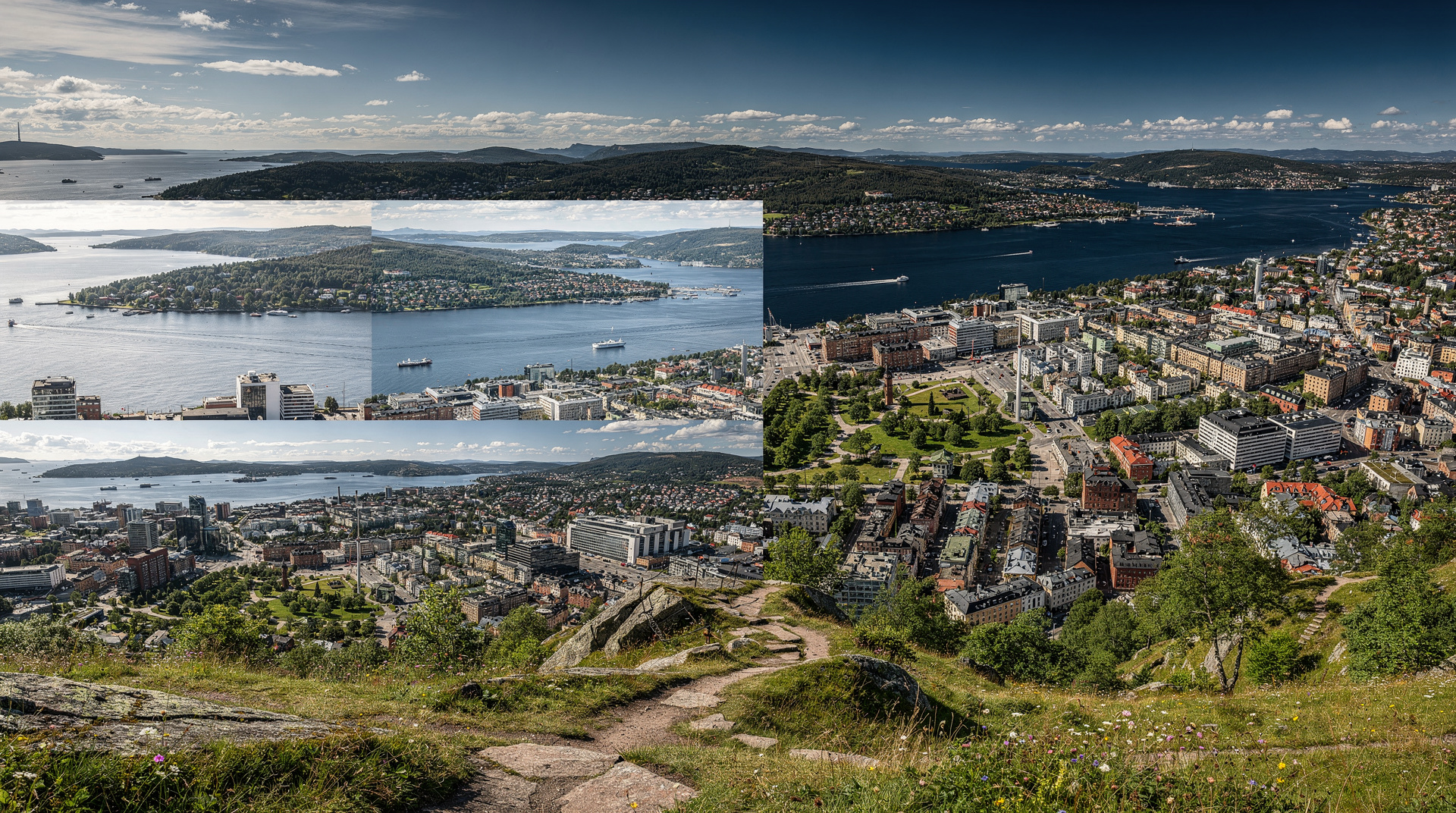
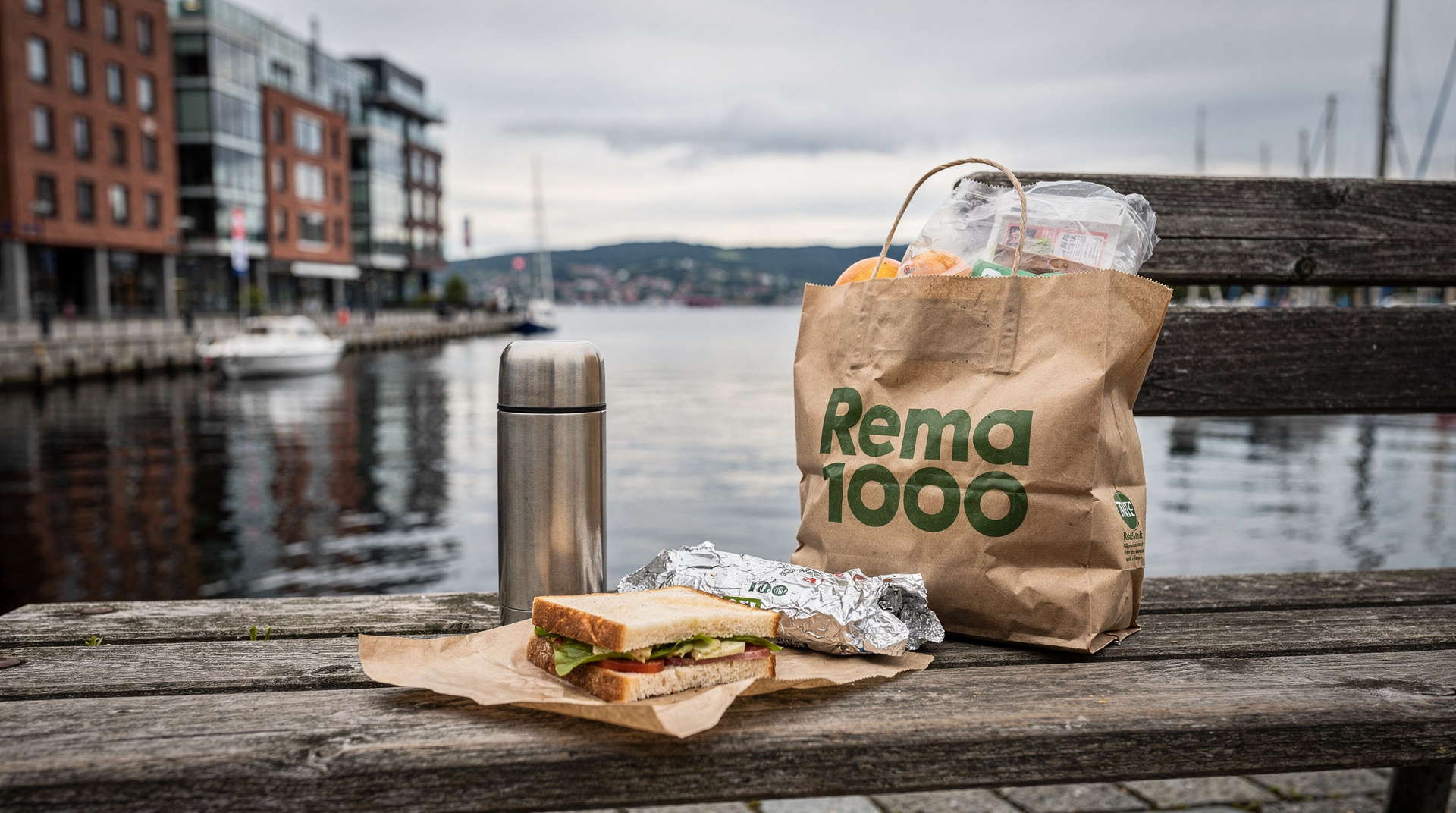
How many days in Oslo do you really need?
Oslo: Oslo Pass with public transport and free museum entry
Duration: 24-72 hours
- Instant confirmation
- Free public transport
- Skip museum queues
How many days should I spend in Oslo?
Two full days are enough to see the main highlights: the waterfront, Bygdøy museums, Vigeland Park, and Grünerløkka. Budget 3 days if you want one day trip (Drøbak, the islands, or Nordmarka). Four days lets you explore comfortably without rushing, including a day on the Oslofjord.
The honest answer depends on what you want
Oslo rewards depth, but it doesn’t demand it. The city’s core — Aker Brygge, the Opera House, Bygdøy, Vigeland Park, and Grünerløkka — can genuinely be covered in two full days at a relaxed pace. That said, Norway’s capital is one of the most expensive cities in Europe, so most travellers want to feel they’ve extracted real value from the trip before heading out.
The good news: Oslo is surrounded by nature that is almost absurdly easy to reach. Nordmarka forest begins at the end of metro line T-bane 1. The Oslofjord islands are 15 minutes by ferry from Aker Brygge. That means even a short visit can mix city culture and outdoors without car hire or complex logistics.
This guide gives you an honest, day-by-day framework — not a marketing push to fill a week you don’t need.
| Minimum worthwhile stay | 2 full days |
| Sweet spot | 3 days (adds one day trip or nature day) |
| Comfortable, unhurried | 4 days (adds a longer excursion) |
| Transport cost per day | Around NOK 42–125 depending on pass type |
| Best add-on if time allows | Oslofjord islands, Nordmarka, or Drøbak |
Days at a glance: what each length actually gets you
| Days | You’ll cover | You’ll miss |
|---|---|---|
| 1 day | Opera House, Aker Brygge, one Bygdøy museum, Vigeland Park | Grünerløkka depth, Holmenkollen, any day trip |
| 2 days | The above plus a second Bygdøy museum and a proper Grünerløkka evening | Islands, Nordmarka, day trips |
| 3 days | The above plus one full day trip (islands, Nordmarka, or Drøbak) | A longer excursion like Lillehammer or Fredrikstad |
| 4 days | The above plus a longer excursion or unhurried museum time | Deep hiking, multi-day fjord travel |
What you can do in 1 day
A single full day in Oslo is achievable, but you’ll need to accept trade-offs. The following is a realistic single-day walk:
Start at the Oslo Opera House in Bjørvika. Walk across the roof (free), then stroll along the Havnepromenaden waterfront towards Aker Brygge. Browse Tjuvholmen’s galleries (Astrup Fearnley Museum costs NOK 180 / about USD 19 to enter, or is free on Sundays). Take the ferry from Aker Brygge to Bygdøy (Ruter ticket valid, roughly 10 minutes) and choose one museum — the Fram Museum for polar exploration, the Norwegian Folk Museum (Norsk Folkemuseum) for living history, or the Kon-Tiki Museum for Thor Heyerdahl’s voyage. Afternoon: Vigeland Sculpture Park in Frogner (always free). End the day with dinner in Grünerløkka.
What you miss in one day: Viking history (note that the Viking Ship Museum is closed until approximately 2027 — head to the Viking Planet Museum on Brynjulf Bulls plass instead), Holmenkollen, and any day trip.
One day in Oslo is meaningful but tight. If you have only one day, it will still be worthwhile — this is a walkable, beautiful, very coherent city. But don’t try to rush Bygdøy plus Grünerløkka plus an island trip on the same day.
Two days: the comfortable minimum
Two full days is the standard recommendation, and for good reason. You can move at a human pace and come away with a real sense of the city.
Day 1 — Waterfront and culture: Morning at the Opera House and the Munch Museum (opens at 10:00; tickets from NOK 180 / USD 19). Walk the Havnepromenaden to Aker Brygge for lunch — Fiskeriet Youngstorget or one of the market stalls is cheaper than the tourist-facing harbour restaurants. Afternoon at Tjuvholmen and Akershus Fortress (fortress grounds are free; interior NOK 120 / USD 13). Evening in Grünerløkka.
Day 2 — Bygdøy and Frogner: Ferry to Bygdøy (April–October; off-season take bus 30 from Nationaltheatret). Visit two museums — the combination of Fram Museum and Norsk Folkemuseum covers polar history and Norwegian rural culture in a half-day. After lunch, walk or take the tram to Vigeland Sculpture Park (always free) and the surrounding Frogner district. If energy allows, ride metro line 1 up to Frognerseteren for panoramic views over the city.
The 2-day Oslo itinerary lays out this route in full detail with timings and transport directions.
Three days: the sweet spot
A third day is where Oslo genuinely opens up. The choice depends on season and preference.
Option A — Oslofjord islands (May–September): Take the ferry from Aker Brygge to Hovedøya or Gressholmen. Both are free to enter and covered by your Ruter ticket. Pack a picnic, swim if the weather allows (Oslofjord water temperature reaches 18–20°C in July–August), explore the ruins on Hovedøya. Return to the city for an evening sauna at one of the floating saunas on Tjuvholmen.
Option B — Nordmarka forest hike: Take T-bane line 1 to Frognerseteren (end of the line, about 25 minutes from Nationaltheatret), then walk the ridge trail down to Sognsvann lake and back by metro. This 8–12 km loop takes 3–4 hours and costs nothing beyond a Ruter zone 1 ticket. Best in late May through October.
Option C — Day trip to Drøbak: The small fjord town of Drøbak, about 40 km south of Oslo, is an easy 90-minute bus ride (Ruter zone 3 or 4). It feels like a different world — wooden houses, a small harbour, the best shrimp you’ll find close to Oslo. Read the full Drøbak day trip guide for bus details and what to do there.
See the 3-day Oslo itinerary for a pre-planned route across all three options.
Four days: unhurried and with a longer excursion
Four days is ideal if you want one proper overnight or long day trip out of Oslo.
Day 4 options:
- Lillehammer (2 hours by train from Oslo S, trains every hour; return ticket from NOK 500 / USD 54 with Vy): Olympic Park, Maihaugen open-air museum, and one of the best museums for Norwegian folk art. Strong choice in winter (ski season) or summer.
- Fredrikstad (1.5 hours by train; one of Scandinavia’s best-preserved wooden old towns, free to walk): combine with a ferry to the fortress island of Isegran.
- A full Norway in a Nutshell day trip from Oslo toward Flåm is theoretically possible in a very long day, but it is better as a 2-day trip with an overnight in Flåm or Voss. The Oslo to Bergen options guide covers the full journey.
Four days also means you don’t have to sprint through museums. The Oslo museum ranking can help you choose which two or three are worth your time rather than trying to hit them all.
Is a week too long?
For most first-time visitors, a week in Oslo alone is more than enough. If you’re considering a week, structure it as 3–4 days in Oslo proper plus an overnight in Bergen, a day on the Flåm Railway, or a night in a fjord village. Oslo works better as a hub than as a 7-day destination unless you’re specifically interested in deep hiking, sailing on the fjord, or winter sports at Holmenkollen. The Oslo summer vs winter guide helps you decide which season maximises your itinerary.
Practical considerations for any length of stay
Transport passes: A 24-hour Ruter ticket costs NOK 42 / USD 4.50. A 7-day pass costs NOK 360 / USD 39. If you’re staying 3+ days, the 7-day pass covers public transport for less than the cost of two single-day passes. See the Ruter deep dive for zone details.
The Oslo Pass: A 48-hour Oslo Pass costs around NOK 895 / USD 96 and includes unlimited public transport plus free entry to most major museums. For a 2-day visit with several museums, it often breaks even — but run the numbers against your actual itinerary on the Oslo Pass calculator before buying. See also our honest Oslo Pass review.
Museum closures: The Viking Ship Museum remains closed for renovation until approximately 2027. Do not plan your itinerary around it. The Viking Planet on Brynjulf Bulls plass is the nearest alternative. The National Museum (Nasjonalmuseet) reopened in its new building in 2022 and is now fully operational.
Season matters: Several Bygdøy ferry services run only from April or May through September. In winter, the islands are mostly deserted and some outdoor activities are reduced, but Nordmarka skiing and Holmenkollen are excellent compensations. The best time to visit Oslo guide covers seasonal trade-offs in detail.
Summary: recommended days by traveller type
- City-break traveller (2 days): Opera House, Aker Brygge, one Bygdøy museum, Vigeland Park, Grünerløkka.
- Culture traveller (3 days): Add a second day on Bygdøy plus either Viking Planet, the Munch Museum, or the National Museum.
- Nature + city traveller (3–4 days): Allocate one full day for Nordmarka, the islands, or Drøbak.
- Family with children (3–4 days): The family long-weekend itinerary paces museum visits with outdoor breaks to keep kids engaged. Budget extra time at Vigeland (children run free here).
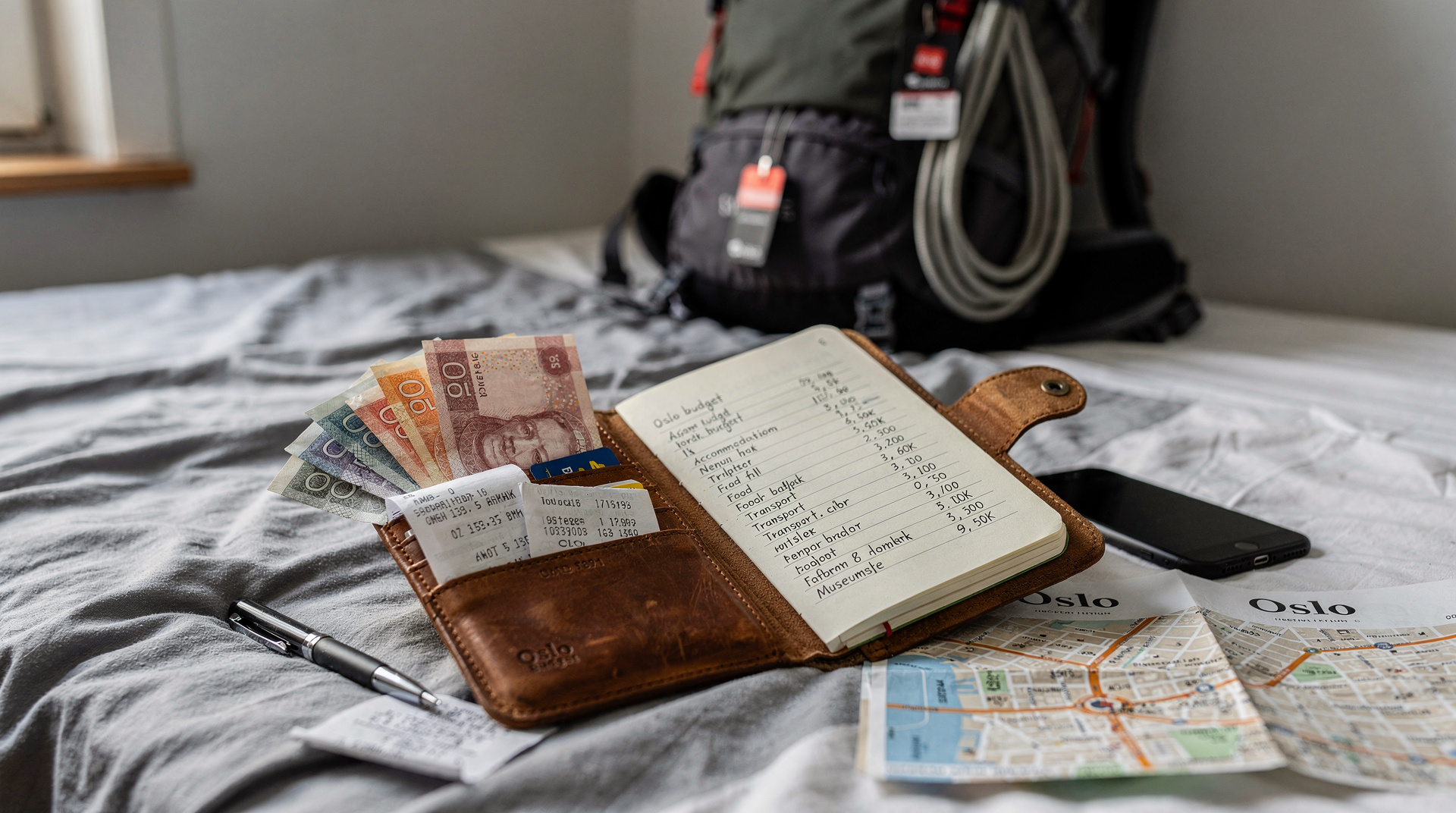
- Budget traveller: Oslo on a budget shows how to keep daily spend under NOK 700 / USD 75, which changes the calculus — longer is cheaper per-day once transport and accommodation are sorted.
The city is compact enough that two days done well beats four days done half-heartedly. Pick your priorities, be realistic about pace, and you’ll leave Oslo having actually seen it.
Neighbourhood-by-neighbourhood time estimates
If you’re building your own itinerary, here are realistic time allowances for Oslo’s main areas:
Bjørvika and the Opera House: 1.5–2 hours. Walk the roof, photograph the exterior, walk the Havnepromenaden east toward the Munch Museum. The Munch Museum itself needs 2–3 hours minimum if you’re engaged with the collection.
Aker Brygge and Tjuvholmen: 2–3 hours for a relaxed walk, lunch, and browsing. If you’re visiting the Astrup Fearnley Museum, add 1.5 hours. The floating sauna experience (if that’s on your list) takes 1.5–2 hours including the sauna session.
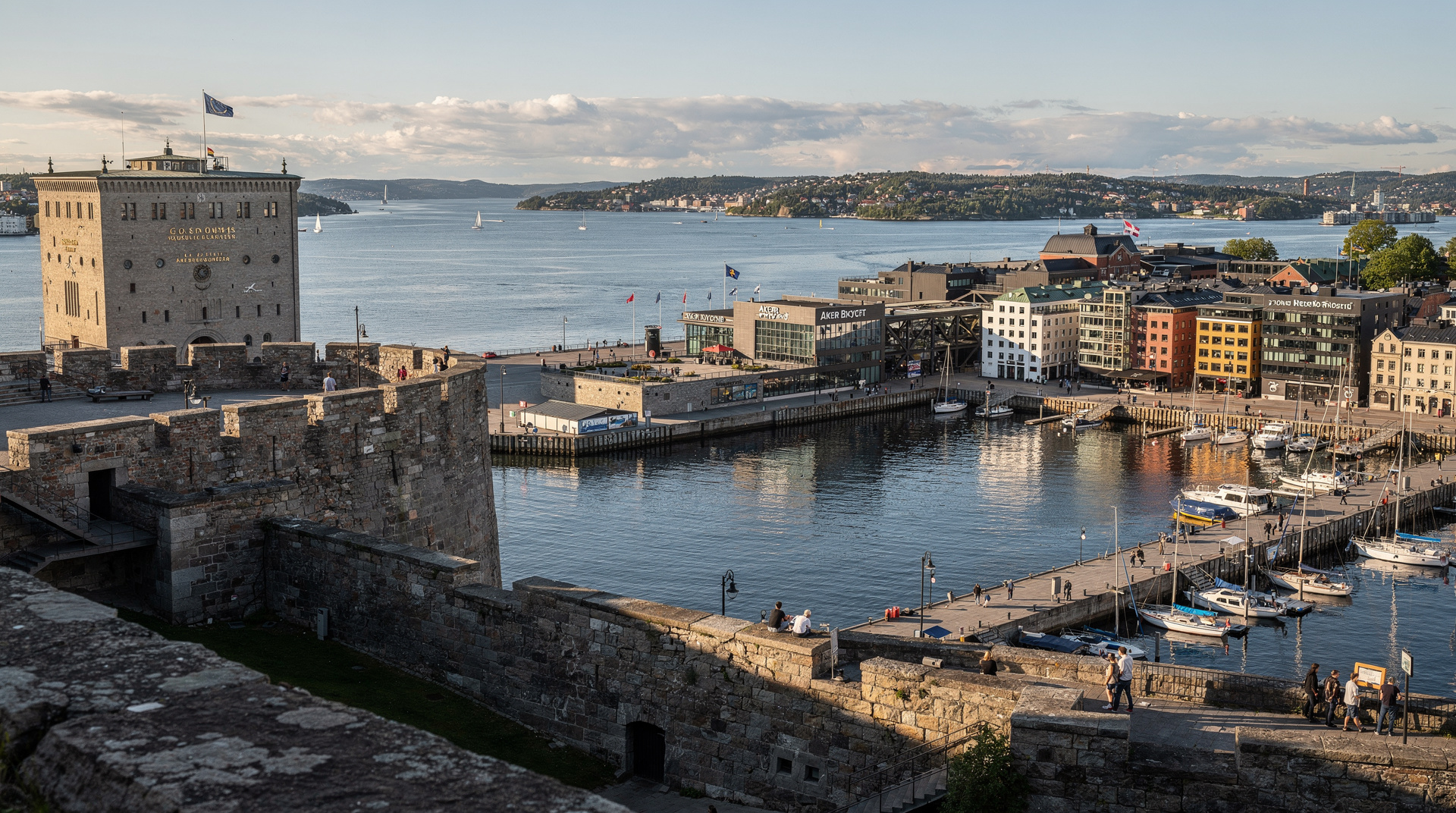
Akershus Fortress: 1–1.5 hours for the grounds, ramparts, and harbour views. Add 45 minutes if you’re visiting the interior or the Resistance Museum.
Karl Johans gate and city centre: 1.5–2 hours to walk from Oslo S to the Royal Palace, with stops at Parliament (Stortinget) and the National Theatre. Add time if you want to enter the Cathedral (Domkirke) or the National Gallery.
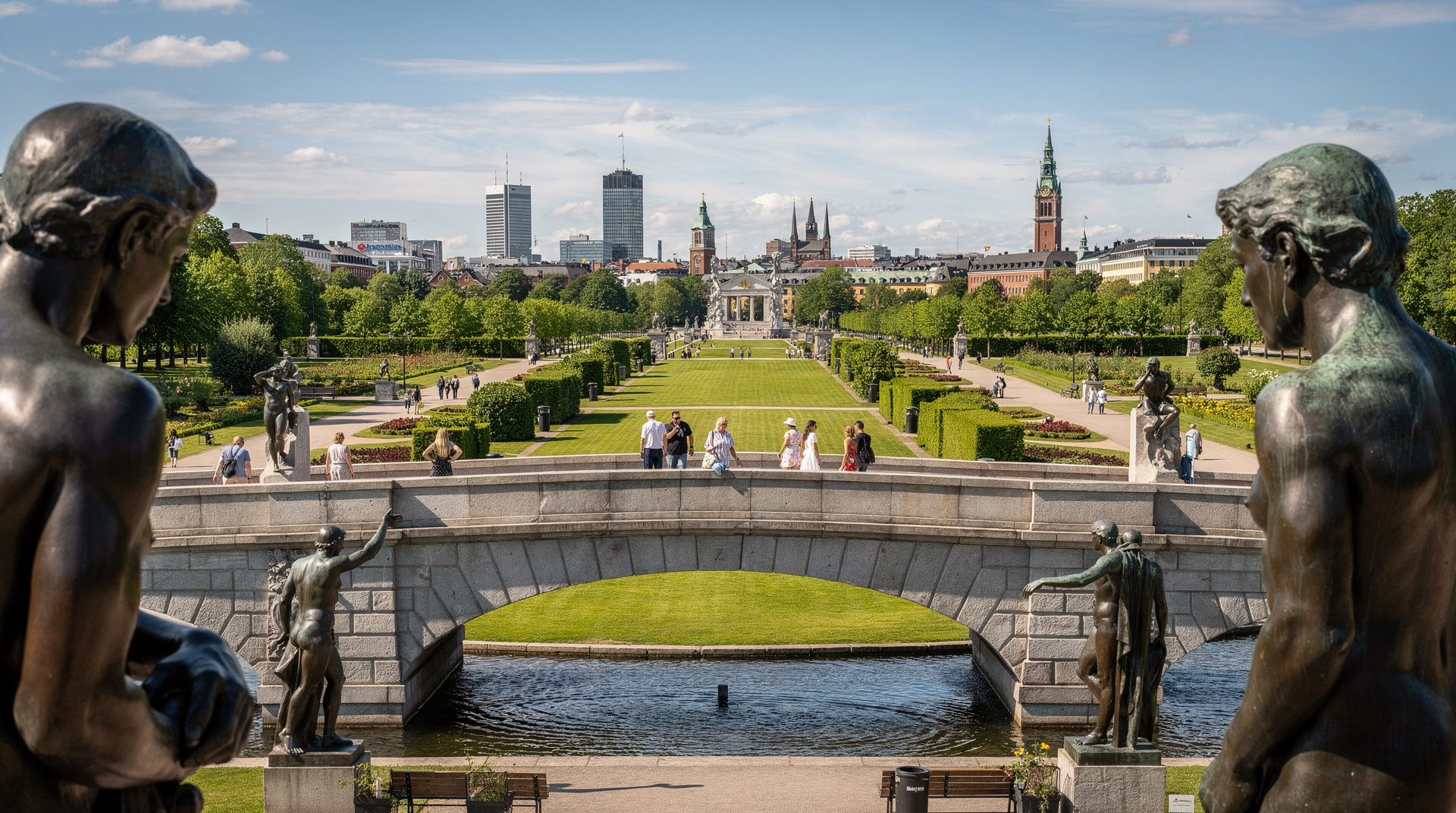
Vigeland Sculpture Park: 1.5–3 hours, depending on pace. The park is large. A rushed visit (bridge and Monolith only) takes 45 minutes; a thorough visit across all sections takes a full afternoon.
Bygdøy museums: Half a day minimum for two museums. A full day for the complete peninsula including the beaches. Factor in ferry time (10 minutes each way in season) or bus 30 (15–20 minutes).
Grünerløkka: 2–4 hours for wandering Thorvald Meyers gate, exploring the Akerselva riverside, and eating. The neighbourhood rewards unhurried exploration — bookshops, vintage markets, cafés, and the river park.
Holmenkollen: 2–3 hours for the ski jump area, the museum, and the view. Take T-bane line 1 directly.
Nordmarka: A half-day minimum for a proper hike. The Frognerseteren-to-Sognsvann loop takes 3–4 hours of walking at a moderate pace.
What to skip if time is short
Not everything in the guidebooks is worth your limited time. Honest omissions for a tight schedule:
The Holmenkollen ski jump interior (NOK 120 / USD 13 for the elevator to the platform) is impressive but the view from the observation point below is almost as good for free. Skip the paid section unless you’re specifically interested in ski history.
The Nobel Peace Center (Nobelsenteret): Worthwhile in itself, but in a 2-day visit, it competes directly with the Munch Museum, the Norsk Folkemuseum, and Vigeland for your limited time. The Nobel Prize Museum in Stockholm has higher production values.
The Royal Palace interior tours (summer only): Long queues in peak season for a 45-minute guided tour of state rooms. The exterior and park (Slottsparken) are beautiful and free. Skip the interior unless royal history specifically interests you.
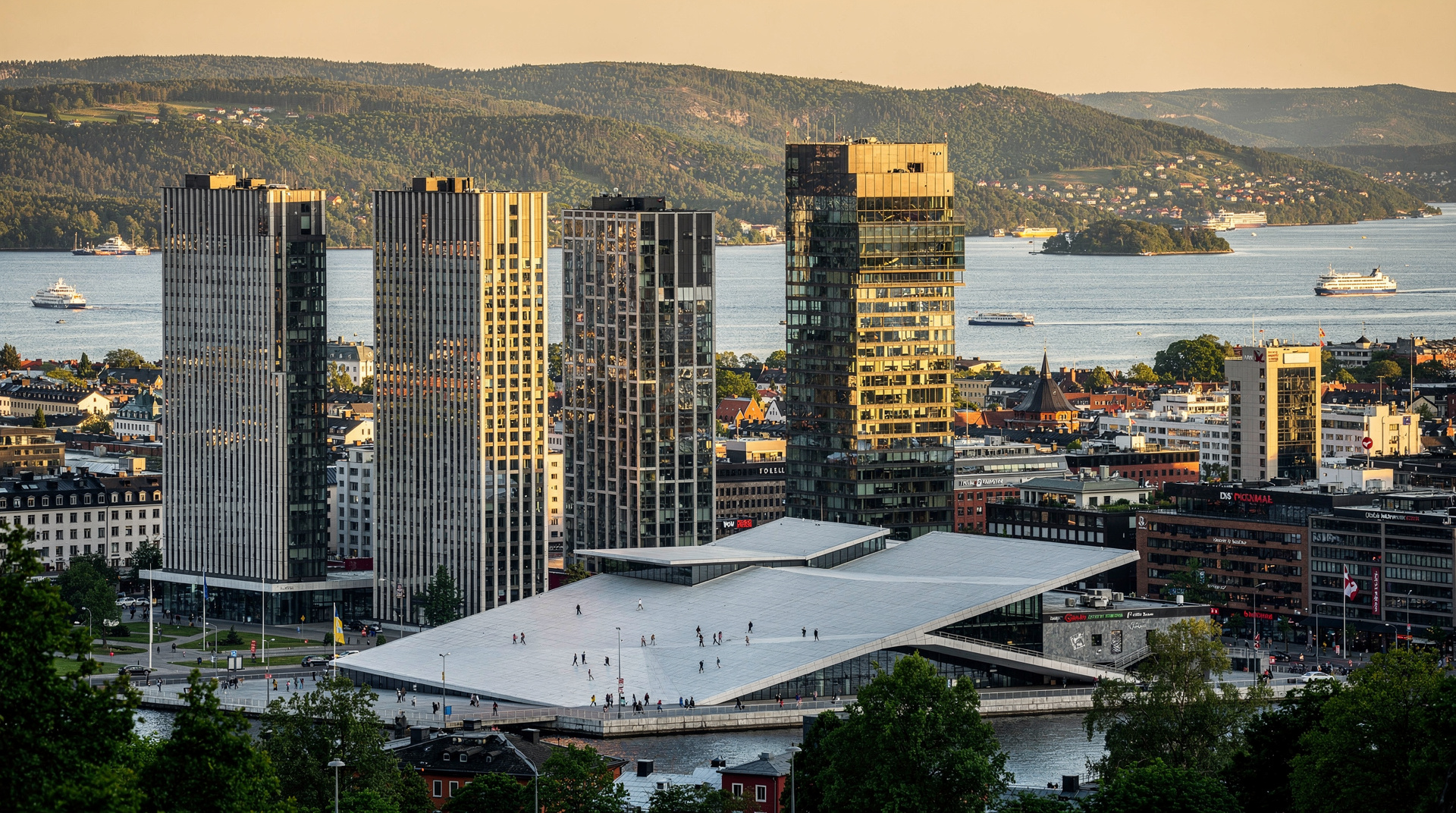
The Barcode high-rises (Bjørvika): Architecturally interesting as a planning phenomenon, but there’s nothing to actually do there beyond looking. The Opera House and surrounding waterfront are far more interesting on foot.
Planning for different seasons
Your ideal trip length also shifts with the season:
Summer (June–August): 3–4 days is optimal. Long daylight hours (until 22:00+) mean you can pack more into each day than at any other time of year. Island ferries run fully, outdoor café culture is at its best, and Nordmarka is accessible without special gear. The trade-off: more tourists and higher accommodation prices.
Shoulder season (May and September): Still excellent, slightly quieter. The Bygdøy ferry typically starts in mid-April and runs into October, so late May and September still have ferry access. Northmarka and the islands are less crowded. Prices are somewhat lower.
Winter (December–March): 2–3 days is usually enough, as outdoor activities shift toward skiing and the darkness limits some experiences. But Oslo’s museums don’t close in winter, and the Christmas market at Spikersuppa (December) is excellent. Holmenkollen’s major ski festival is in early March.
Getting the most from a single day
If you truly only have one full day — say, a transit stopover with 8–10 hours in the city — here’s the most efficient single-day route:
Start at the Oslo Opera House (arrive by 09:00, walk the roof). Walk the Havnepromenaden to Aker Brygge (30 minutes). Take tram 12 from Nationaltheatret toward Majorstuen — stop at Vigeland Sculpture Park for 90 minutes. Continue on tram or walk to Grünerløkka for lunch on Thorvald Meyers gate (NOK 120–150 / USD 13–16 at a kebab shop or market stall). Walk back through the Akerselva river park toward the city centre. End at Akershus Fortress ramparts for the fjord view before heading back to Oslo S.
This route covers Oslo’s four best free attractions in one manageable circuit, with minimal backtracking. Total transport cost: 2–3 Ruter tickets (NOK 84–126 / USD 9–14) or one 24-hour pass (NOK 155 / USD 17).
Making the decision
If you’re still unsure how many days to book, ask yourself:
- Are museums a priority? Each major museum deserves 2–3 hours. Three museums = one full day minimum.
- Do you want at least one outdoor/nature day? Add a day.
- Do you want a day trip? Add a day.
- Are you travelling with children who need a slower pace? Add half a day per child per 2 days.
Most visitors who come for 2 days wish they’d booked 3. Most who come for 4 days are satisfied and rarely feel they needed 5. The Goldilocks answer is almost always 3 days, with day trips making 4 days equally strong if you have them available.
First-time visitor vs repeat visitor: does the calculus change?
A first-time visitor should default to the standard framework above — hit the core sights once before deciding what to go deeper on. A repeat visitor often does better with fewer days spent on rechecking the highlights and more time on a single deep interest: a full day in Nordmarka, a proper Grünerløkka food crawl using the Grünerløkka food guide, or a slower Bygdøy visit that lingers at one museum rather than rushing three.
If you’ve already done the “greatest hits” once, 2 focused days often beats 4 generic ones on a second trip. This is also where seasonal timing pays off the most: a repeat winter visit built around the Holmenkollen ski festival, or a repeat summer visit centred on island-hopping and floating saunas, tends to feel far more distinctive than retracing the same first-timer route a second time.
Frequently asked questions about How many days in Oslo do you really need?
Can I see Oslo in one day?
A single full day is tight but possible if you focus on one area — say, the Aker Brygge waterfront, the Opera House, and a walk up Ekebergåsen. You'll miss Bygdøy and Grünerløkka. Save Vigeland and the museums for a second day.Is 3 days in Oslo enough?
Three days is the sweet spot for most travellers. Day 1: city centre and waterfront. Day 2: Bygdøy museums and Vigeland Park. Day 3: a day trip to the Oslofjord islands or Drøbak, or a hike in Nordmarka.What can I do in 4 days in Oslo?
Four days allows you to cover all the above plus a longer excursion — Lillehammer, Fredrikstad, or even a Norway in a Nutshell day from Oslo. You also get breathing room to linger in Grünerløkka's cafés, explore Grønland, and take the ferry to Nesodden.Is Oslo worth visiting for just a weekend?
Yes, easily. A Friday–Sunday visit (two nights, two full days) covers the waterfront, one or two Bygdøy museums, Vigeland Park, and a neighbourhood stroll. Oslo is compact and public transport is fast.How does Oslo compare to other Scandinavian capitals for time needed?
Oslo's walkable core is smaller than Stockholm or Copenhagen, so 2 days here covers proportionally more ground. The bonus is how quickly you can escape into nature — Nordmarka forest is 25 minutes from the city centre by metro.Should I add extra days for a winter visit or a summer visit?
Summer rewards extra days more than winter does — long daylight and full ferry service let you fit in islands, Nordmarka, and neighbourhood wandering across 3 to 4 days without feeling rushed. In winter, 2 to 3 days is usually enough since some outdoor options shrink, though the Holmenkollen ski festival in March is worth building a trip around specifically.Is it better to do Oslo as a standalone trip or combine it with Bergen or the fjords?
For most first-time visitors, combining works well: 3 to 4 days in Oslo plus an overnight toward Bergen or Flåm via the Norway in a Nutshell route makes a well-rounded week. Oslo alone for a full week is usually more time than the city needs unless you have a specific deep interest in hiking, sailing, or winter sports.
Top experiences
Bookable activities with verified prices and instant confirmation on GetYourGuide.
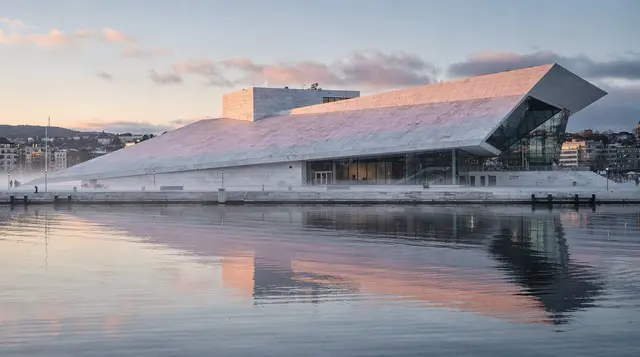
Oslo: guided walking tour of central Oslo with a local guide
- Local guide
- Small group
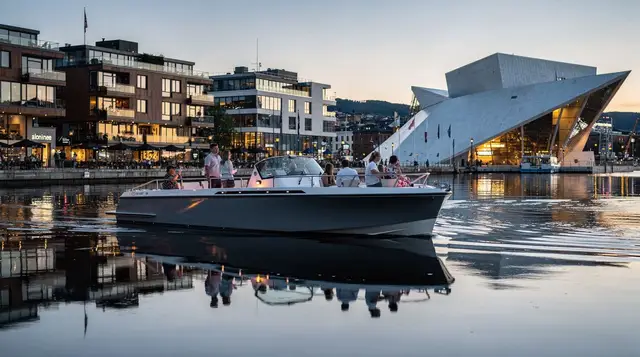
Oslo: guided sightseeing fjord cruise on a premium silent electric boat
- Silent electric boat
- Free cancellation
- Best seller
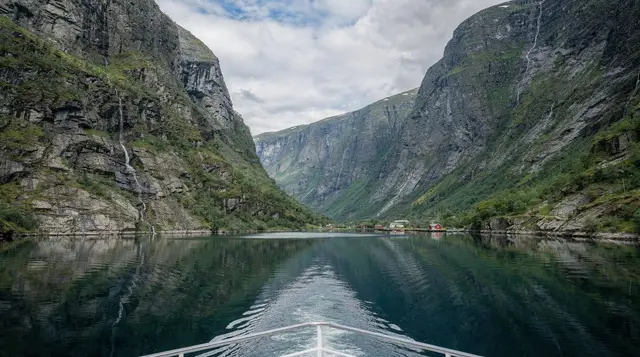
From Oslo: self-guided Norway in a Nutshell round trip (Flåm train and Nærøyfjord cruise)
- Flåm Railway
- Nærøyfjord cruise