Is Oslo worth visiting? The honest verdict
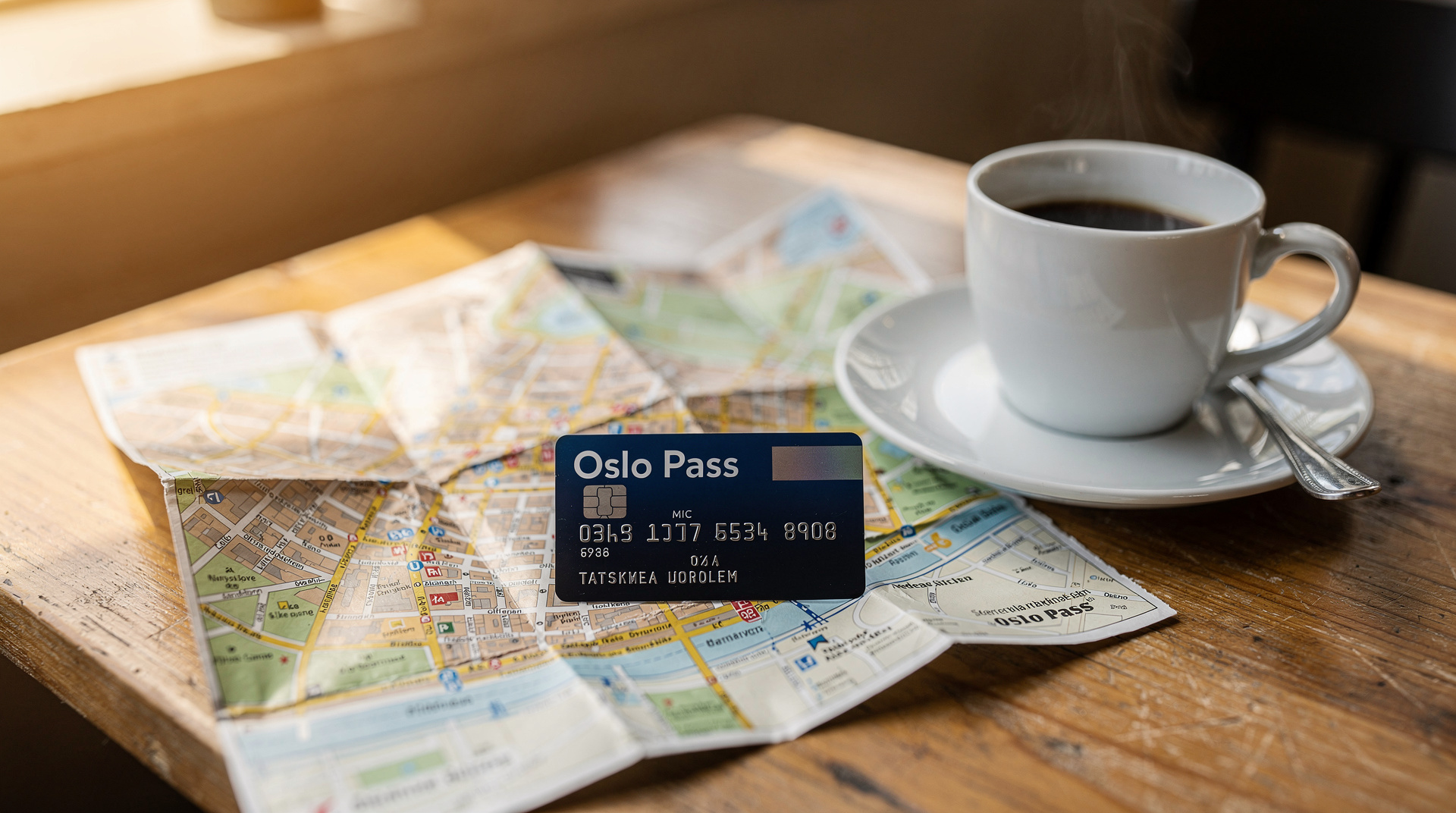
Oslo: Oslo Pass with public transport and free museum entry
Duration: 24-72 hours
- Instant confirmation
- Free public transport
- Skip museum queues
Is Oslo worth visiting?
Yes, but with honest expectations. Oslo is genuinely one of Europe's most expensive cities, and it rewards visitors who lean into its strengths: fjord access, world-class museums, design, and some of Europe's most accessible urban nature. If you're looking for cheap street food, packed nightlife, or Mediterranean warmth, Oslo isn't your city. If you want thoughtful, unhurried Scandinavian quality, it absolutely delivers.
The cost objection, addressed directly
| Best for | Museum lovers, outdoor travellers, architecture fans, winter sports base |
| Not ideal for | Cheap nightlife seekers, beach holidays, guaranteed northern lights |
| Typical daily cost (mid-range) | NOK 1 400–1 900 / USD 150–204 per person |
| How many days | 2–3 for the essentials, 4+ to add day trips |
| Best season | June–August for daylight and fjord access; Dec–Feb for skiing |
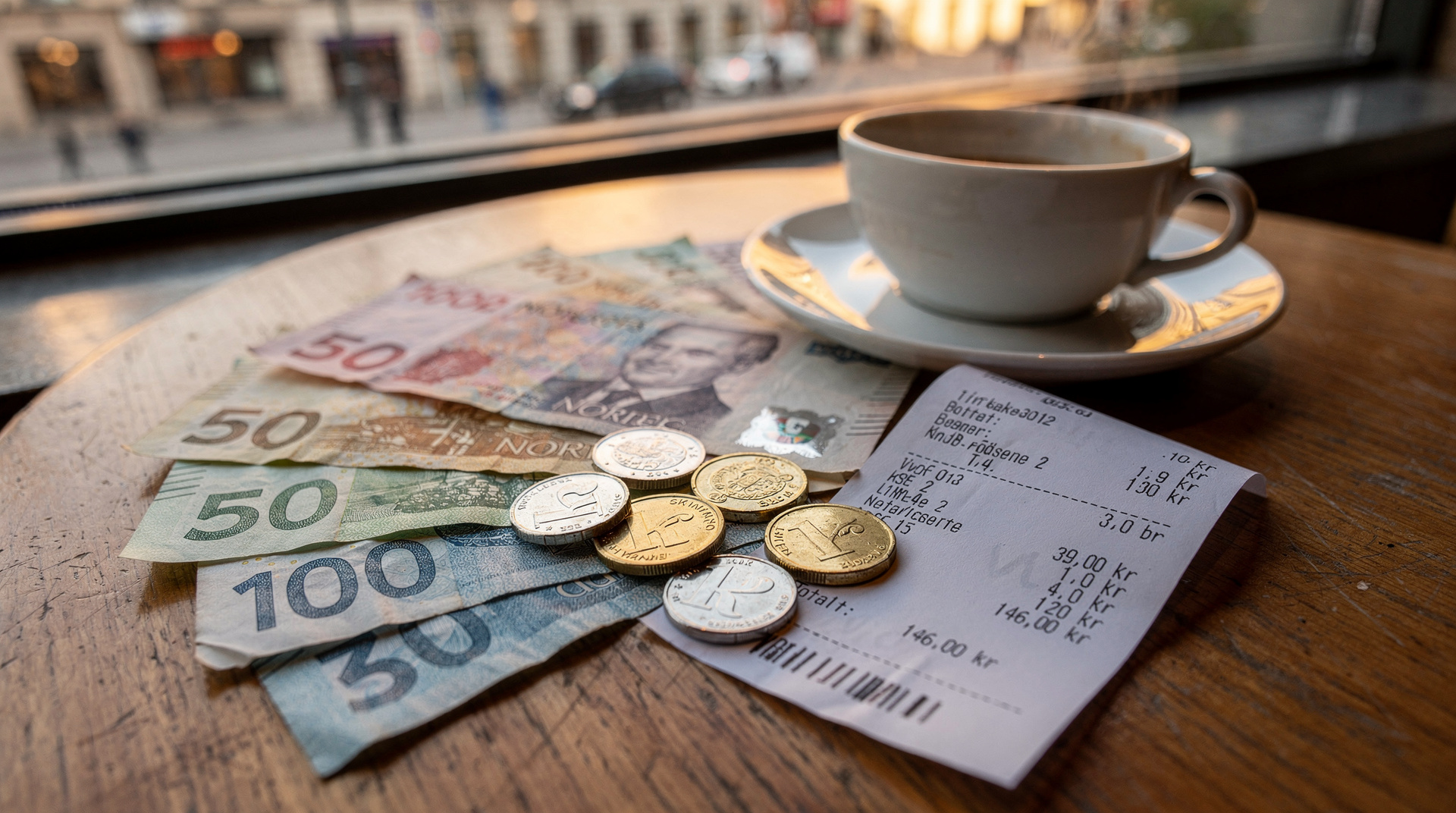
Let’s get the elephant in the room out of the way first. Oslo is consistently ranked as one of the two or three most expensive cities in Europe. A main course at a mid-range restaurant costs NOK 250–380 (USD 27–41). A pint of beer at a bar is NOK 100–130 (USD 11–14). A coffee is NOK 45–65 (USD 5–7). If you walked in expecting Barcelona prices, the first afternoon will be a financial shock.
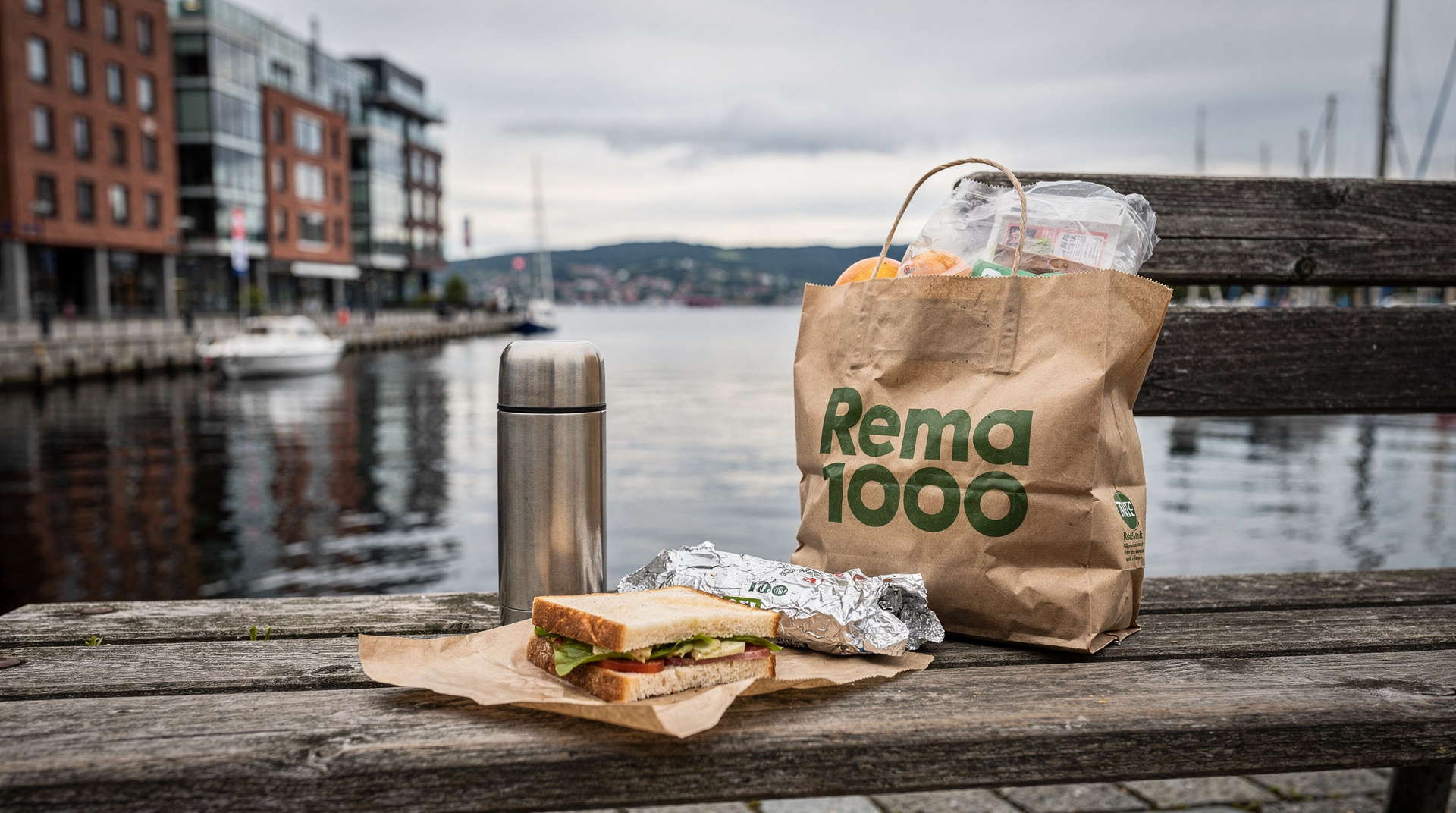
But “expensive” is only the full story if you spend like a tourist making uninformed choices. Locals eat well and cheaply at Mathallen food hall, Grünerløkka’s markets, and kebab shops along Thorvald Meyers gate. Supermarkets (Kiwi, Rema 1000, Coop Extra) sell outstanding Norwegian food at completely normal prices. The majority of Oslo’s best outdoor experiences — Vigeland Park, Nordmarka, the Oslofjord islands, the Opera House roof — are free. The complete list of free things to do is longer than most visitors expect.
More to the point: Oslo delivers quality-for-money in a way that cheaper cities don’t. Museums are thoughtfully curated. Transport runs on time. The city is clean. The nature is immediate. The question isn’t “is Oslo cheap?” — it isn’t. The question is whether the experience is worth what you pay.
What Oslo genuinely does well
Fjord access from the city centre
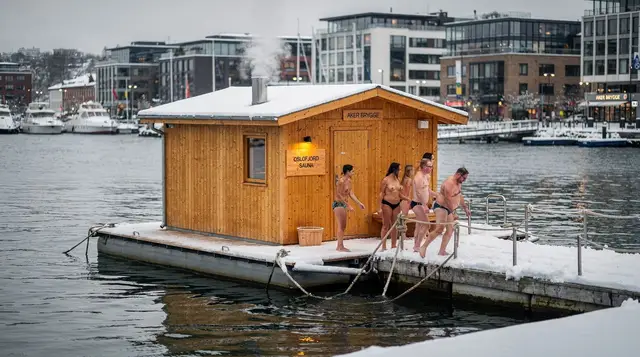
This is Oslo’s trump card and it is genuinely unusual in Europe. You can take a regular Ruter ferry from the Aker Brygge waterfront to Hovedøya island in 10 minutes, swim in the fjord, and be back in the city by lunchtime. In summer, the floating saunas at Tjuvholmen let you alternate between a 80°C sauna cabin and a cold plunge straight into the Oslofjord — an experience you simply cannot replicate in Rome, Paris, or Amsterdam.
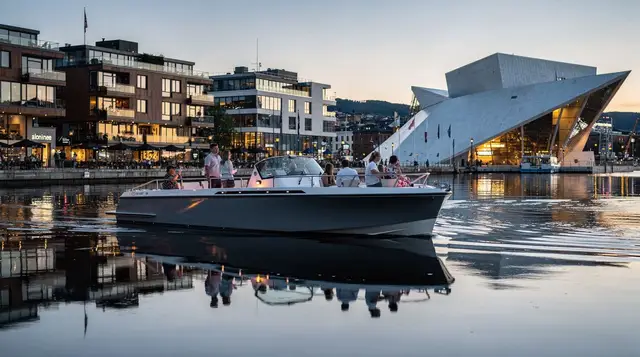
For a guided perspective, a silent electric boat cruise is the most relaxed way to see Oslo from the water. The boat passes the Opera House, Akershus Fortress, and the Bygdøy peninsula while the guide gives context on each landmark.
Museums that are actually among Europe’s best
The Munch Museum (Edvard Munch Museet) is world-class by any standard — the building alone is architecturally significant, and it holds thousands of Munch’s works, not just the famous Scream. The Norsk Folkemuseum (Norwegian Folk Museum) on Bygdøy is one of the world’s largest open-air museums, with 160 historic buildings moved from across Norway including a 13th-century stave church.
Note that the Viking Ship Museum is currently closed for complete renovation, with reopening expected around 2027. The ships are not on display. If Viking history is your primary reason for visiting, either plan for post-2027 or focus on the Viking Planet Museum on Brynjulf Bulls plass and the Historical Museum on Frederiks gate, which has an excellent Viking coin collection and artefacts.
Extraordinarily accessible nature
T-bane line 1 takes you from Nationaltheatret station to Frognerseteren — the entrance to Nordmarka forest — in about 25 minutes. The trail network is free, well-signposted, and used by Norwegians year-round. In summer, it is pristine and often empty on weekday mornings. In winter, kilometres of groomed cross-country ski trails begin right at the metro terminus.
This proximity to serious wilderness is something very few world capitals can offer. See the Nordmarka hiking guide for route specifics.
Architecture and urban design
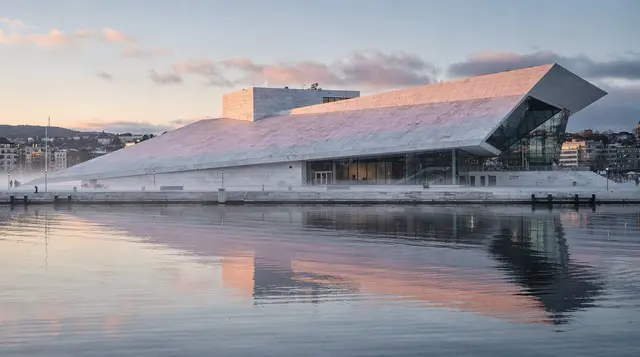
The Oslo Opera House (Operahuset) is one of the most successful pieces of public architecture built in Europe in the 21st century. The marble roof slopes down to the water’s edge and you can walk up it for free at any hour. Bjørvika, the wider waterfront district, has been rebuilt from an industrial port into a coherent, walkable cultural precinct over the past 15 years. The contrast with where it was in the 1990s is striking.
The Astrup Fearnley Museum of Modern Art at Tjuvholmen, designed by Renzo Piano, offers free Sunday admission (NOK 180 / USD 19 on other days).
The honest limitations
It is not a party city
Oslo’s nightlife exists, but it is expensive and doesn’t start until late. Bar closes are early by Southern European standards. The city winds down faster than Stockholm or Copenhagen. If three nights of cheap pub-crawling is your main motivation, look elsewhere.
Summer days are long, but this is not the midnight sun
Oslo in summer (June–August) has up to 19 hours of daylight and never gets fully dark — the sky stays pale even at midnight. This is magical, but it is not the midnight sun, which requires latitudes above the Arctic Circle. Expect pink, luminous midsummer skies rather than a sun visibly on the horizon at midnight.
No northern lights
This cannot be said clearly enough: Oslo is not a northern lights destination. At 59.9° North, it is almost 1,200 km south of Tromsø. Aurora tours sold in Oslo are, at best, a 4-hour drive north to increase slim odds. Anyone guaranteeing northern lights from Oslo is either confused or misleading you. Read our full breakdown at no northern lights in Oslo.
Some “Oslo experiences” are tourist traps
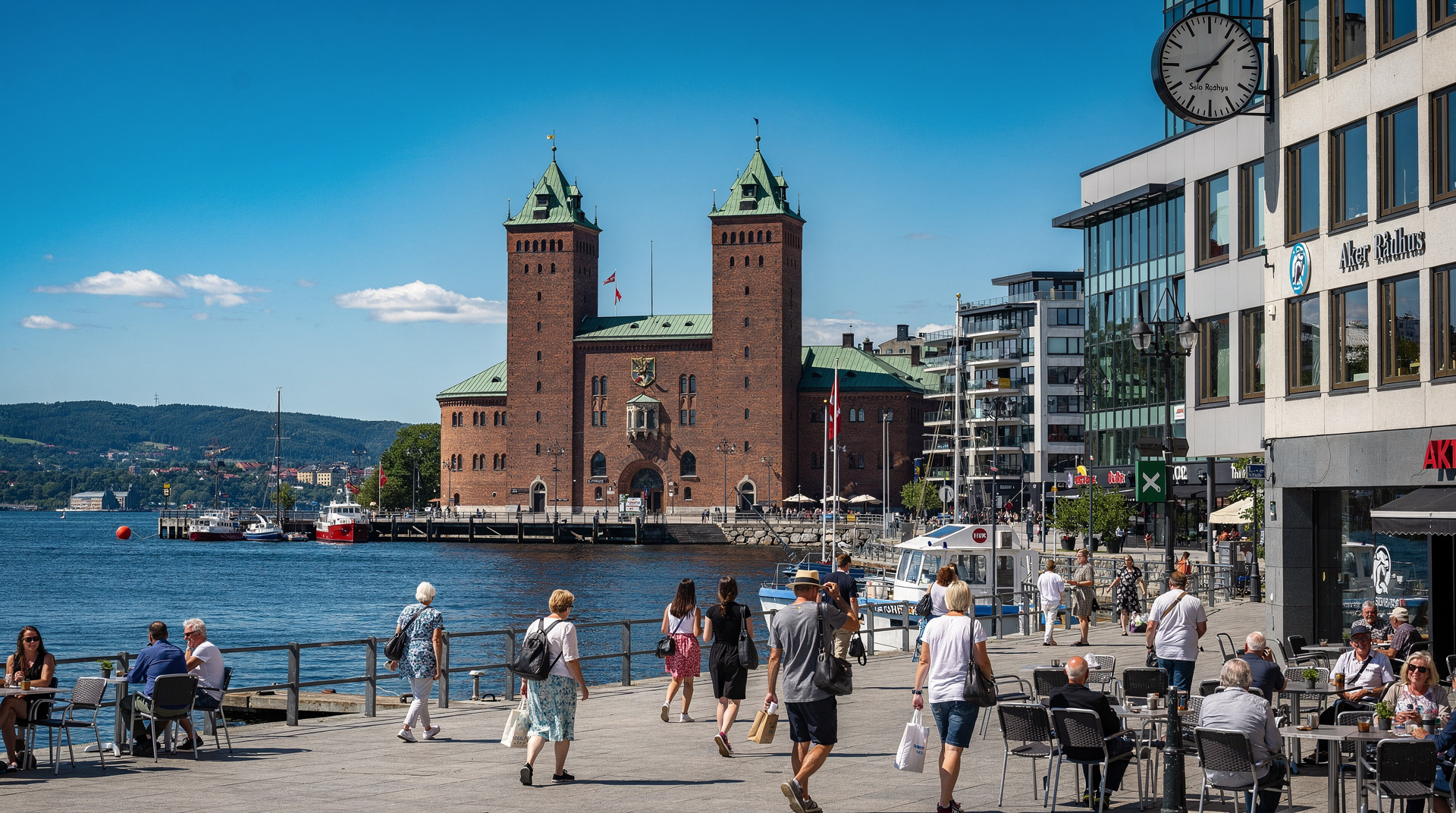
The harbour restaurants closest to Aker Brygge pedestrian zone — the ones with photos on laminated menus facing the street — charge Oslo prices for tourist-grade food. A shrimp sandwich (reker) costs NOK 280–380 (USD 30–41) in these places; the same dish at Fiskeriet or Mathallen is meaningfully better for less. See the tourist traps guide for the full list.
Who Oslo is best suited for
Oslo works best for:
- Culture and museum visitors who genuinely want to spend time inside excellent institutions
- Outdoor travellers who mix city days with fjord, island, or forest time
- Architecture enthusiasts drawn to the Opera House, the new National Museum, and the Barcode district
- Scandinavian design and food culture seekers who will appreciate quality over quantity
- Winter sports travellers using Oslo as a ski base for Nordmarka and Holmenkollen
Oslo is less well-suited for:
- Budget backpackers who want rock-bottom accommodation and street food
- Beach holiday seekers (wrong climate, though summer swimming is possible)
- Party tourists who want cheap nightlife
- Anyone specifically chasing Viking Ship Museum access before 2027
What a realistic visit costs
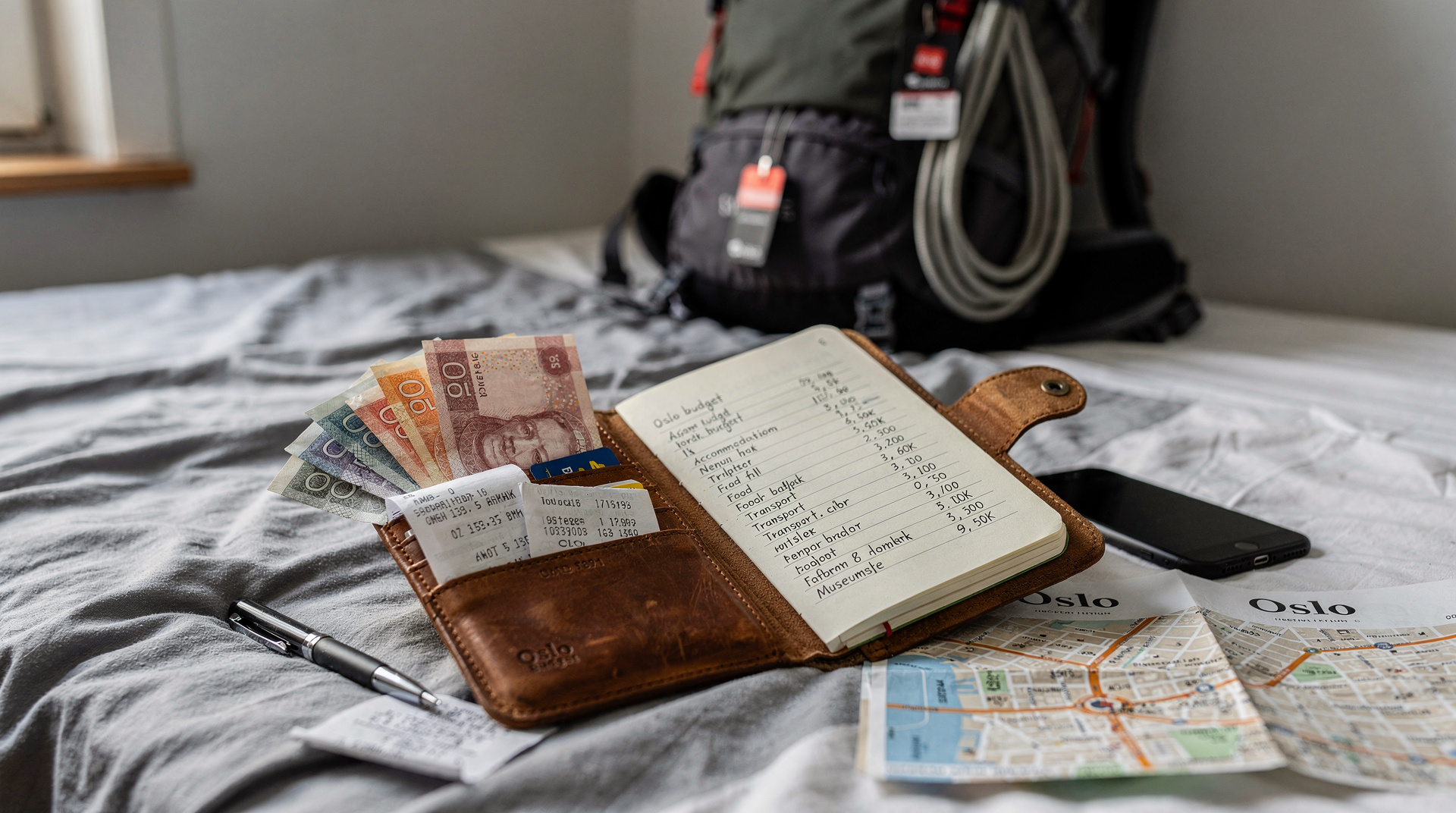
A 3-day mid-range visit for two adults — including a good hotel (NOK 1 400–2 000 / USD 150–215 per night), eating at a mix of restaurants and supermarkets, public transport via Ruter 7-day pass (NOK 360 / USD 39 each), and entry to 2–3 museums — typically costs NOK 10 000–14 000 / USD 1 075–1 505 total for both people. That is not cheap, but it is a complete, high-quality city break.
The full Oslo trip cost guide breaks this down with specific line items by traveller type. The Oslo on a budget guide shows how to cut these numbers meaningfully without sacrificing the best of the city.
The verdict
Oslo is worth visiting if you go in with accurate expectations and use the city intelligently. It is not cheap, it is not party-forward, and it does not do Mediterranean warmth. What it does offer — fjord access from the city edge, world-class polar and art museums, extraordinary urban nature, thoughtful architecture, and a high-functioning, near-cashless modern Scandinavian city — is genuinely excellent.
The travellers who come away underwhelmed from Oslo are usually the ones who spent all their time on the expensive tourist strip and didn’t make it to Grünerløkka, Nordmarka, or out onto the fjord. The ones who come away converted are the ones who used the city the way Norwegians do.
See the 2-day Oslo itinerary or 3-day Oslo itinerary for a pre-planned route that puts this approach into practice.
Things Oslo does surprisingly well for the price
Food quality
Norway’s relationship with food has shifted dramatically since the early 2000s. The New Nordic movement — Noma’s influence, farm-to-table values, and Norwegian chefs taking their own ingredients seriously — has raised the quality baseline in Oslo restaurants. Even mid-range options at NOK 280–380 / USD 30–41 for a main are often very good. The smoked salmon you buy in a Norwegian supermarket (NOK 45–80 / USD 5–9) is better quality than what’s served at premium hotel breakfast buffets in London.
The downside remains alcohol. Norwegian wine bar prices are simply prohibitive unless you’re on an expense account. The adjustment is to drink less but better, or to use Vinmonopolet for pre-dinner drinks at the accommodation.
Sustainability and green credentials
Oslo has been awarded the European Green Capital title and the investment shows. The city runs almost entirely on hydroelectric power. The public transport network is largely electric. There are more electric vehicles per capita here than almost anywhere on earth. For travellers who care about environmental impact, Oslo is among the world’s cleanest and most sustainable city destinations.
Cycling culture
Oslo’s cycling infrastructure has expanded substantially in recent years. Dedicated cycle lanes now connect most inner-city neighbourhoods, and the Oslo Bysykkel bike-share scheme (NOK 49 / USD 5.30 for 24 hours, trips under 45 minutes unlimited) makes cycling a genuinely practical way to explore. The Havnepromenaden and the stretch from Vigeland Park to Aker Brygge are particularly pleasant on a bike in summer.
Cafe culture
Oslo’s café scene is one of Europe’s best for specialty coffee. Tim Wendelboe in Grünerløkka is one of the most cited specialty roasters in Scandinavia. Fuglen on Universitetsgata combines 1950s Finnish design, great coffee (NOK 50–65 / USD 5.40–7), and a relaxed, non-touristy atmosphere. Java (multiple locations) is a local institution for filter coffee from NOK 42 / USD 4.50. Coffee culture here is taken seriously in a way that rewards visits to actual Oslo cafés rather than chains.
Myths about Oslo worth busting
“It’s just like Stockholm but more expensive”: Oslo has a distinct personality from Stockholm. It’s quieter, less grand architecturally (Stockholm’s Gamla Stan is more dramatic), but more immediately surrounded by nature. The Oslofjord at Aker Brygge on a summer evening is unlike anything in Stockholm.
“It’s cold and dark all the time”: Oslo averages about the same summer temperatures as London (17–22°C / 63–72°F in July). June, July, and August are warm, long-daylight months. The darkness is in December and January, not year-round.
“Norwegian food is bland”: This was truer 30 years ago. Modern Oslo has excellent food across cuisines, and traditional Norwegian ingredients — fresh fish, lamb, game, dairy — are genuinely outstanding in quality.
“You can see the northern lights from Oslo”: No. Oslo sits at 59.9°N, well below the auroral zone. The nearest reliable northern lights viewing from Norway is around Tromsø (69.6°N), a 2-hour flight north. See why there are no northern lights in Oslo.
Entry requirements in 2026
Norway is in the Schengen Area but outside the European Union. Visitors from the US, UK, Canada, Australia, and EU countries can enter without a visa for stays up to 90 days within any 180-day period.
ETIAS (European Travel Information and Authorisation System) is expected to come into effect in late 2026 for visa-exempt non-EU visitors (US, UK, Canada, Australia, etc.). This is an online pre-authorisation similar to the US ESTA — cost approximately EUR 7 for visitors under 70, valid for 3 years. It is not a visa. When ETIAS becomes active, you will need to apply before travelling to any Schengen country, including Norway. Monitor official EU/Norwegian immigration channels for the exact launch date.
Currency: Norwegian krone (NOK). Norway is effectively cashless — card and contactless payment is accepted everywhere, including market stalls. You do not need to carry cash. Exchange rate in mid-2026: approximately 9.3 NOK to the US dollar, 10 NOK to the euro.
The honest bottom line for specific traveller types
For the culture-focused traveller on a reasonable budget: Oslo delivers exceptional value. The Munch Museum, National Museum, and Norsk Folkemuseum would each justify a dedicated visit in their own right. If you’re coming for European cultural tourism rather than cheap holidays, Oslo belongs on the short list.
For the budget backpacker: Challenging but manageable. Hostels exist, supermarkets are good, free attractions are plentiful. The challenge is that even “budget” days in Oslo cost significantly more than in Southern or Central Europe. Manage expectations accordingly — or combine Oslo with cheaper Scandinavian options.
For the outdoors traveller: Oslo is unusually strong. The Oslofjord, Nordmarka forest, islands, and hiking trails available via public transport from the city centre make it one of the best urban bases for nature in Europe. If outdoor activity is a priority, Oslo competes favourably with much more expensive mountain resort destinations.
For families: Vigeland Park alone justifies the trip for families with children. The Norsk Folkemuseum, Fram Museum, and Bygdøy peninsula are excellent for older children. The Oslo with kids guide covers everything family-specific.
How Oslo compares directly with its Nordic rivals
Most itineraries planning Scandinavia weigh Oslo against Stockholm and Copenhagen, and sometimes against nearby Bergen for a Norway-only trip. The honest breakdown:
| Category | Oslo | Stockholm | Copenhagen |
|---|---|---|---|
| Fjord/nature access from centre | Exceptional (10–25 min) | Good (archipelago, further) | Weak (flat, no fjord) |
| Architecture | Strong (Opera House, Barcode) | Strongest (Gamla Stan) | Strong (canals, Nyhavn) |
| Food scene | Improving fast, still behind | Strong | Strongest in the Nordics |
| Cost | Highest of the three | Slightly cheaper | Comparable to slightly cheaper |
| Nightlife | Quiet, early closing | Livelier | Liveliest |
Oslo wins decisively on the nature axis and loses on nightlife and food-scene depth. If your priority is fjords, hiking and museums in one trip, Oslo is the strongest single Nordic base; if it’s food and nightlife, Copenhagen edges ahead.
A first-time visitor’s honest checklist
Before booking, be honest with yourself about these five points, because they determine whether Oslo will feel worth it:
- Can you accept NOK 250+ restaurant mains without resentment? If not, plan to self-cater more than you would elsewhere — see Oslo on a budget.
- Are you okay without guaranteed sunshine or warmth, even in July? Oslo summers are pleasant but not Mediterranean.
- Do you actually want to hike, swim in a fjord, or visit a sauna? If outdoor activity holds no appeal, some of Oslo’s best value goes unused.
- Is your trip only 1–2 days? Oslo rewards at least 3 days; see how many days in Oslo for the honest minimum.
- Were you hoping for northern lights? Oslo cannot deliver them — reset that expectation before you book, not after.
If your honest answers lean positive, Oslo delivers. If several lean negative, a different destination (or a shorter, more targeted Oslo stopover en route to Bergen or the fjords) may serve you better.
What repeat visitors say changes their mind
Talk to travellers who visited Oslo once, weren’t fully convinced, and came back, and a consistent pattern emerges. The first visit is usually spent almost entirely within the Karl Johans gate–Aker Brygge tourist corridor, hitting the big-name museums and eating at the nearest available restaurant.
The second visit tends to include at least one full day outside that corridor: a morning in Nordmarka, an afternoon at a fjord island, or a wander through Grünerløkka’s independent cafés and vintage shops. Almost universally, the second trip is rated more favourably than the first — not because Oslo changed, but because the visitor finally used the city the way locals do.
This matters for first-timers: build at least one “local rhythm” day into even a short trip rather than a checklist of paid attractions back to back. The 3-day Oslo itinerary is structured with exactly this balance in mind.
Frequently asked questions about Is Oslo worth visiting? The honest verdict
Is Oslo too expensive for tourists?
It's the second most expensive capital in Europe after Zurich. A sit-down lunch runs NOK 180–250 (USD 19–27), a beer NOK 100–130 (USD 11–14), and museum entry NOK 120–200 (USD 13–21) each. A realistic mid-range budget is NOK 1 800–2 400 per day (USD 195–260) including accommodation. Expensive, yes — but the budget strategies can cut that significantly.What is Oslo actually famous for?
The Munch Museum (The Scream), the Oslo Opera House, world-class Viking and polar exploration museums, Vigeland Sculpture Park (free), floating saunas on the fjord, and some of Europe's easiest urban-to-nature transitions via metro and ferry.Is Oslo worth visiting in winter?
Yes for a different reason: cross-country skiing in Nordmarka begins right at the city edge. Holmenkollen is a major ski destination. Christmas markets run December into early January. The trade-off is only 6–7 hours of daylight and temperatures between -7°C and 2°C (19–36°F).Does Oslo have northern lights?
No. Oslo sits at 59.9°N latitude, too far south for reliable aurora borealis. Any tour advertising 'northern lights from Oslo' is misleading. Head to Tromsø (69.6°N) for genuine aurora hunting — it's a 2-hour flight north.How does Oslo compare to Copenhagen or Stockholm?
Copenhagen has warmer weather and more cafe culture. Stockholm has more architectural grandeur. Oslo is quieter, greener, and has immediate fjord access from the city centre. Oslo wins on nature; Copenhagen on food scene; Stockholm on history and scale.Is Oslo safe for tourists?
Very. Oslo consistently ranks among Europe's safest capitals. Standard urban awareness applies (pickpockets at Oslo S and Karl Johans gate in peak summer), but the city is genuinely low-risk by any European measure.
Top experiences
Bookable activities with verified prices and instant confirmation on GetYourGuide.