Nobel Peace Center Oslo: what's inside, is it worth it, and Oslo Pass info
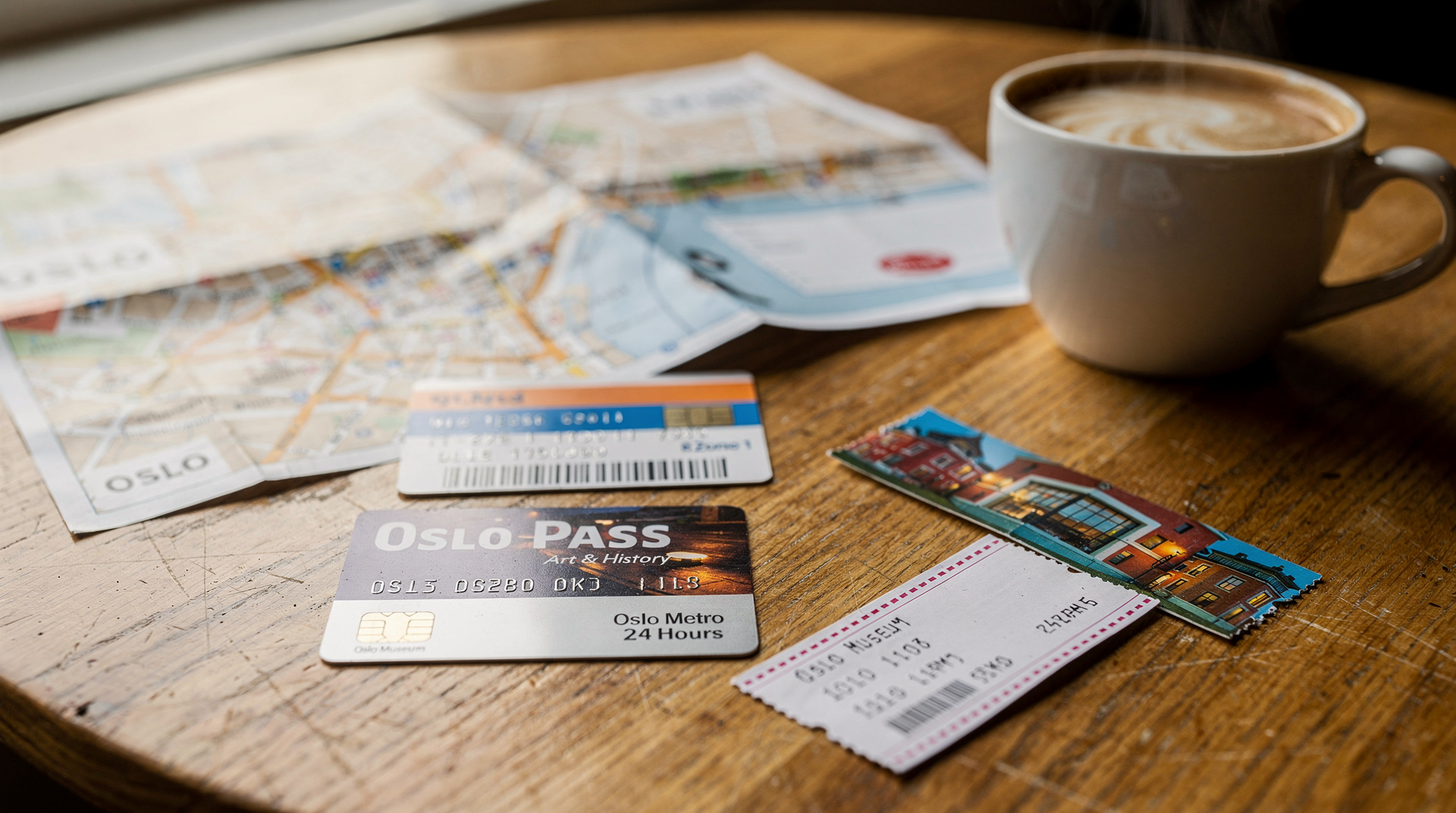
Oslo: Oslo Pass with public transport and free museum entry
Duration: 24-72 hours
- Instant confirmation
- Free public transport
- Skip museum queues
Is the Nobel Peace Center worth visiting?
Yes, for most visitors. The Nobel Peace Center presents the history and impact of the Nobel Peace Prize through thoughtful exhibition design, including the Nobel Field light installation. It's a genuine Oslo cultural experience — the Peace Prize ceremony happens next door at City Hall every December. The visit takes 60 to 90 minutes; it's free with the Oslo Pass and well-positioned near Aker Brygge.
The world’s most famous peace prize, in its home city
Alfred Nobel, the Swedish chemist who invented dynamite and accumulated a fortune from armaments manufacturing, specified in his 1895 will that one of the prizes bearing his name should be awarded to the person who has “done the most or the best work for fraternity between nations, for the abolition or reduction of standing armies and for the holding and promotion of peace congresses.”
| Where | Brynjulf Bulls plass 1, next to City Hall, Aker Brygge |
| Cost | Around NOK 130 (USD 14); free with Oslo Pass |
| Time needed | 60–90 minutes |
| Getting there | 15–20 min walk from Oslo S, or tram 12 |
| Best time | Any time; especially lively around 10 December |
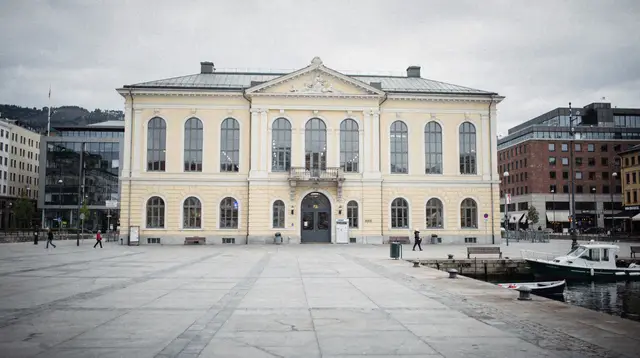
He also specified that this prize, unlike the science and literature prizes, should be decided by a Norwegian committee and awarded in Oslo rather than Stockholm. Why Nobel made this distinction is debated by historians; what it means in practice is that Oslo has hosted the Nobel Peace Prize ceremony since 1901, and the Nobel Peace Center — opened in 2005 in the former Vestbanen railway station building — is the custodian of that history.
The building and its context
The Nobel Peace Center occupies the former Oslo West Station (Vestbanen) building, a brick structure from 1872 that was the city’s first railway terminal. The building was renovated and reopened as the peace center; its position next to City Hall (Rådhuset), where the actual Peace Prize ceremony takes place every December, is not accidental.
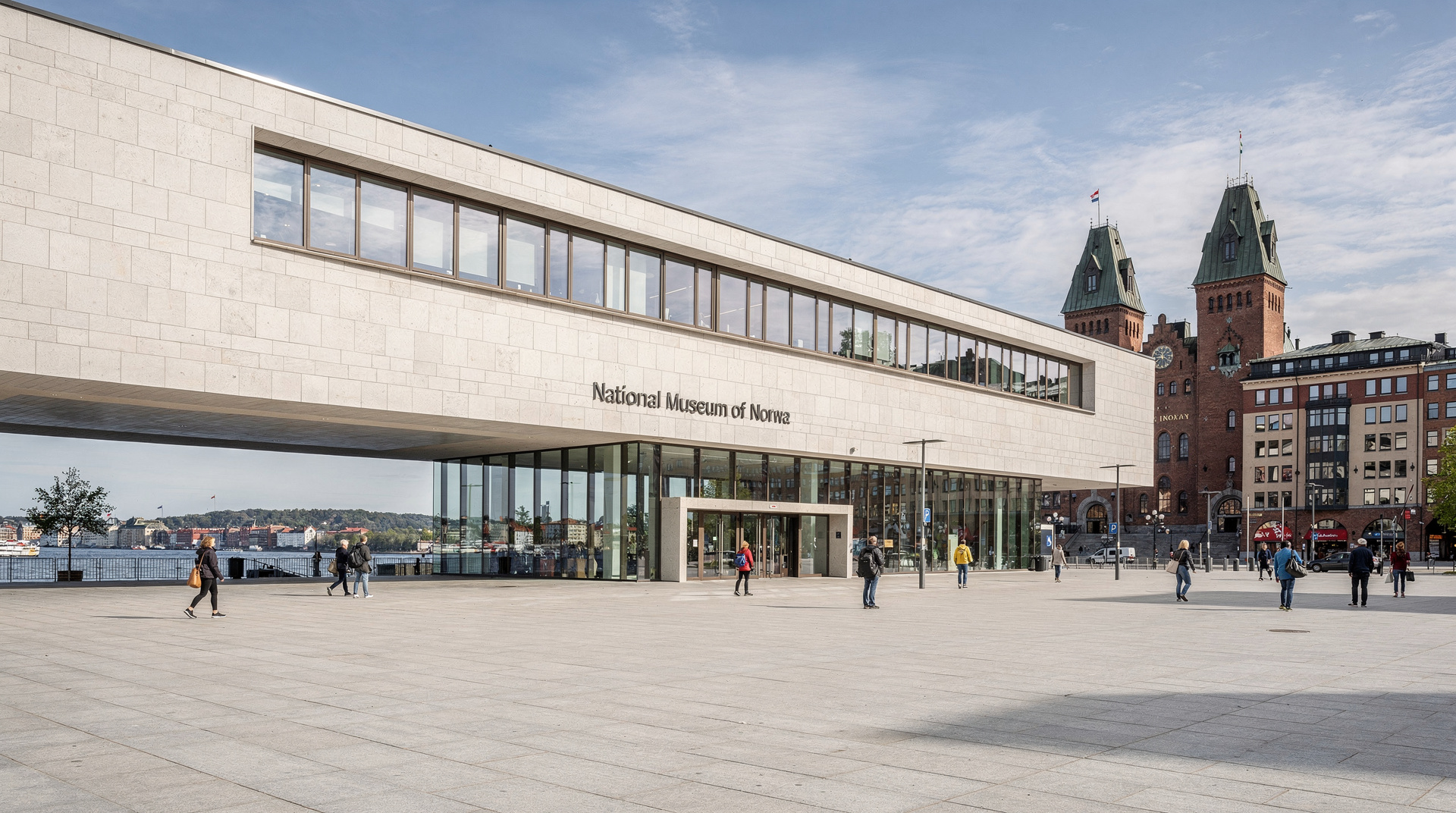
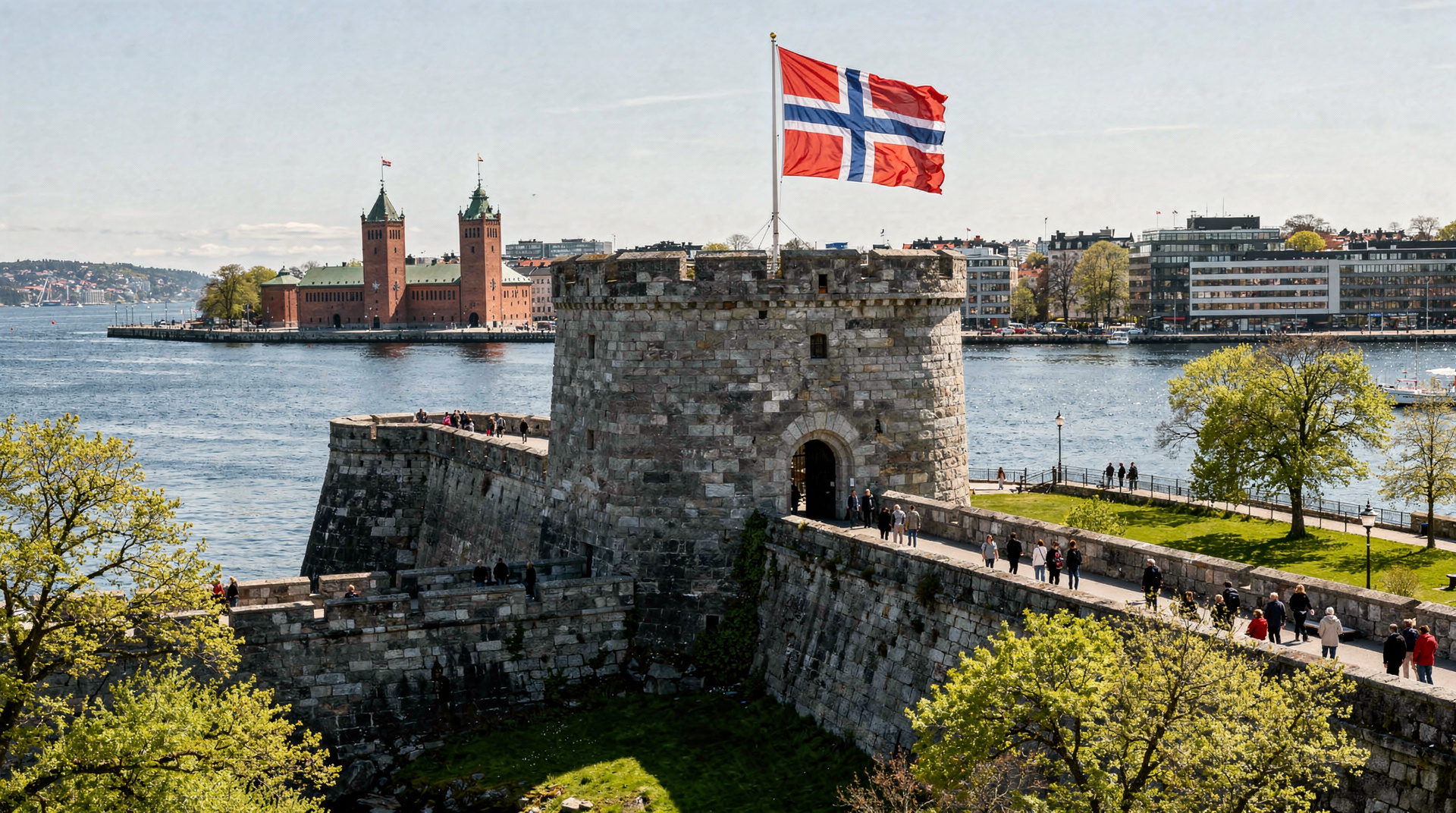
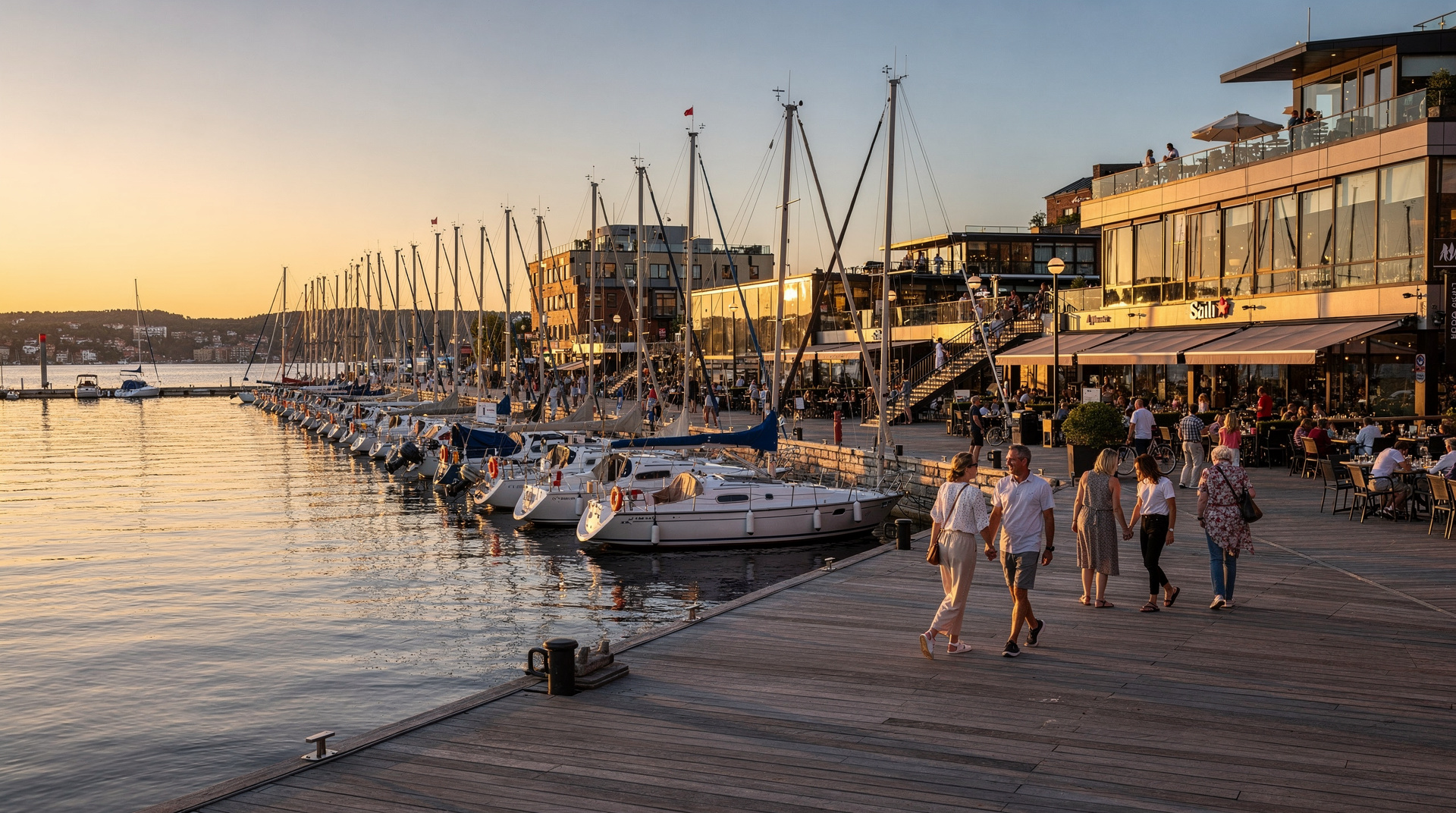
The center’s location on the Aker Brygge waterfront makes it a natural companion to the National Museum (5-minute walk), the Astrup Fearnley Museum at Tjuvholmen (10-minute walk), and Akershus Fortress (15-minute walk). See the Aker Brygge and Tjuvholmen guide for the full neighbourhood context.
The permanent exhibition
The permanent exhibition covers the Nobel Peace Prize’s history from 1901 to the present day. The exhibition design is contemporary and immersive rather than traditional display-case format.
Nobel Field: The center’s most striking installation is the Nobel Field — a room in which a grid of thin vertical rods carries individual light points, each representing a Nobel Peace Prize laureate. The installation is dynamic: lights shift, dimming and brightening as historical contexts are explained by audio accompaniment. It is the most visually memorable element of the visit.
Laureate profiles: Individual laureates are profiled with photographs, documentary material, and contextual information about their contributions. The list spans from the early 20th century (Henri Dunant, founder of the Red Cross; Bertha von Suttner, the anti-war campaigner who influenced Nobel himself) through the 20th century (Martin Luther King Jr., Nelson Mandela, Aung San Suu Kyi) to recent recipients.
Honest note on the exhibition: The Nobel Peace Prize has generated controversy at various points in its history — awards to politicians whose subsequent careers did not bear out the initial recognition, disputed omissions (Gandhi never received the prize), and the broader question of whether a prize can meaningfully accelerate the cause of peace. The center’s exhibition handles this with more nuance than a pure hagiography would allow, acknowledging contested decisions. This is the right approach.
Alfred Nobel: The exhibition includes a profile of Nobel himself — his invention of dynamite, his arms industry wealth, the newspaper story that mistakenly reported his death as “the merchant of death dies” and prompted him to reconsider his legacy, and the will that created the prizes. The biographical element provides important context for why a Swedish industrialist founded an institution that Norway now stewards.
Temporary exhibitions
The center hosts regular temporary exhibitions related to peace, human rights, and international conflict. These are often excellent and are frequently the most current element of the visit. The quality varies — some temporary exhibitions have been genuinely important contributions to public discourse; others have been less substantial. Check nobelpeacecenter.org for the current programme before deciding whether to visit.
The Peace Prize ceremony: what happens next door
Every 10 December, the Nobel Committee awards the Peace Prize in a ceremony at Oslo City Hall (Rådhuset), 200 metres from the Nobel Peace Center. The ceremony is attended by the Norwegian royal family, the laureate and their delegation, and invited guests. Unlike the Stockholm Nobel ceremonies (which are black-tie affairs at the Stockholm City Hall), the Oslo ceremony has a somewhat more restrained Scandinavian formality.
The day before the ceremony (9 December), the laureate traditionally gives the Nobel Peace Prize Lecture at Universitetsaula (the University of Oslo ceremonial hall on Karl Johans gate). This is open to the public with advance registration.
The center displays documentation from previous ceremonies including photographs and the speeches of laureates.
Practical visiting information
Address: Brynjulf Bulls plass 1, 0250 Oslo.
Admission: Approximately NOK 130 (USD 14) adults. Children under 15 free. Free with Oslo Pass. Buy tickets at nobelpeacecenter.org.
Opening hours: Tuesday to Sunday, 10am to 6pm. Closed Monday. Check nobelpeacecenter.org for current hours — these vary seasonally and during award periods.
Café: The center café is small but good for coffee. Prices are reasonable by Oslo standards. The outdoor terrace faces Aker Brygge — a pleasant place to sit in warm weather.
Shop: The center shop sells books on laureates and peace history, Nobel-branded items, and Norwegian design objects. One of the better museum shops in Oslo.
Photography: Permitted throughout the permanent exhibition. Some temporary exhibitions may restrict photography.
Notable recent laureates and what the exhibition covers
The Nobel Peace Prize laureates are not simply famous names — each award represents a specific argument about what constitutes meaningful work toward peace. The center’s exhibition takes this seriously.
Recent awards that illustrate the breadth of the prize:
The 2023 award to Narges Mohammadi of Iran, imprisoned for her activism against the compulsory hijab law and more broadly against state violence, was made while she remained in prison. The center’s documentation of her case and the circumstances of the award — the prize accepted on her behalf — is one of the exhibition’s most current and emotionally direct elements.
The 2022 award was shared by Memorial (Russia), the Center for Civil Liberties (Ukraine), and Ales Bialiatski (Belarus) — three organisations and individuals who document human rights abuses in their respective countries, all three operating under serious personal and institutional risk. The award was made two months after Russia’s full-scale invasion of Ukraine, and the political framing was explicit.
Earlier awards — the 1993 award to Nelson Mandela and F.W. de Klerk for ending apartheid, the 1997 award to Jody Williams and the International Campaign to Ban Landmines, the 2014 award to Malala Yousafzai — are presented in the context of the conditions that made each award significant.
The controversial awards: The center does not avoid the contested cases. Barack Obama’s 2009 award, given eight months into his presidency before any concrete peacemaking achievements, is acknowledged as having divided the Nobel Committee’s own precedents. Henry Kissinger’s 1973 award, shared with Le Duc Tho (who declined it), prompted two committee members to resign. The exhibition treats this history honestly.
Alfred Nobel’s motivation: a key context
Understanding why Nobel specified that Norway (not Sweden) should administer the Peace Prize is essential for understanding the center’s context.
Several theories have been proposed. The most commonly cited is that Nobel had a positive view of Norwegian liberalism and the Norwegian Parliament’s somewhat more democratic character compared to the Swedish Riksdag in the 1890s. Another theory relates to Norway’s role in international arbitration — Norway had a reputation for peaceful resolution of disputes that may have appealed to Nobel’s specific vision.
What is certain is that Nobel’s will created the anomaly of a Swedish-funded prize administered from Oslo by Norwegians. This anomaly has occasionally produced diplomatic tension between Sweden and Norway — most recently when the 2010 award to Chinese dissident Liu Xiaobo prompted China to diplomatically pressure both Norway and Sweden, but only Norway was responsible for the award.
The Nobel Peace Center displays a facsimile of Nobel’s 1895 will alongside the exhibition. Reading it places everything else in context.
Oslo City Hall: the ceremony venue next door
Oslo City Hall (Rådhuset), immediately adjacent to the Nobel Peace Center, is where the Peace Prize ceremony takes place each 10 December. The building is open to visitors free of charge outside ceremony periods.
The City Hall interior is covered with large-scale Norwegian artworks — murals, sculptures, and decorative painting commissioned from Norwegian artists when the building was completed in 1950. The Great Hall (Rådhussalen), where the Peace Prize ceremony takes place, is decorated with Henrik Sørensen’s enormous painting En ny dag (A New Day), measuring 12 by 13 metres. The painting survived debate about its socialist undertones during the Cold War period to become a permanent Oslo landmark.
The City Hall is an unusual building to visit — formally civic, visually exuberant, and surprisingly open. Free admission makes it an easy addition to a Nobel Peace Center visit.
The Norwegian Nobel Committee: how the prize decision is made
The Nobel Committee consists of five members appointed by the Norwegian Storting (parliament). Despite being appointed by parliament, the committee is legally independent — the government has no role in the selection process and no veto power over decisions.
This independence has been tested. In 2010, the Committee awarded the prize to Chinese dissident Liu Xiaobo. The Chinese government retaliated diplomatically against Norway, leading to a multi-year deterioration in Sino-Norwegian relations. The Norwegian government explicitly could not and did not override the Committee’s decision. The Nobel Center’s exhibition covers this episode as a demonstration of how institutional independence operates under pressure.
Committee members serve fixed terms and cannot be recalled for their decisions. The deliberation process is secret; individual committee members’ votes are not published. The official announcement occurs in October each year at a press conference in Oslo; the ceremony follows in December.
Accessibility and practical extras
The Nobel Peace Center is fully step-free — ramps and lifts serve all exhibition levels, and the building’s original 1872 station layout has been adapted with accessibility as a priority during the 2005 renovation. Audio guides are available in multiple languages at no extra cost, and the Nobel Field installation’s audio narration is captioned on accompanying screens for visitors who are deaf or hard of hearing. Cloakroom facilities near the entrance are useful if you’re arriving with winter layers or luggage before onward travel.
Comparing the Nobel Peace Center to Oslo’s other Aker Brygge museums
| Museum | Time needed | Cost | Best for |
|---|---|---|---|
| Nobel Peace Center | 60–90 min | ~NOK 130 | History, contemporary politics |
| National Museum | 2–4 hrs | ~NOK 160 | Art, design, The Scream |
| Astrup Fearnley | 1–1.5 hrs | ~NOK 145 | Contemporary art, sculpture park |
All three are free with the Oslo Pass and within a 10-minute walk of each other, making Aker Brygge a legitimate one-day museum cluster if you pace yourself — the rainy day museums guide has a suggested sequence.
Visiting around the announcement and ceremony
Two periods each year bring extra energy to the center. In early October, the Nobel Committee’s announcement of that year’s laureate draws international press to Oslo, and the center often has a temporary display responding to the news within days. In early-to-mid December, the run-up to the 10 December ceremony sees the city, and the center specifically, at its most animated — expect flags, media presence around City Hall, and sometimes public events tied to the laureate’s visit. Neither period requires special booking for the center itself, but hotel prices in central Oslo do rise around 10 December.
Pairing the center with the rest of central Oslo
The center sits comfortably inside a wider walk through the middle of the city. From here you can drift towards Karl Johans gate and the Sentrum neighbourhood, or head the other way to the Akershus Fortress guide sights on the harbour edge. Anyone building a first visit around the waterfront will find the Oslo city centre destination page a useful map of what lies within easy reach.
If the peace theme appeals, the Royal Palace guide covers another institution tied to the ceremony’s formality, and the Historical Museum guide offers a very different, older layer of Norwegian history for contrast.
Planning around budget and weather
Because the center is compact, it works well as a low-stress choice on days when the forecast is poor. The rainy day museums guide puts it alongside other indoor options, while free things to do in Oslo is worth a look if you want to balance a paid ticket with a no-cost stop such as City Hall. For the bigger picture on pass value, compare the Oslo Pass versus individual tickets before you decide how to pay.
Getting here is simple with the Oslo public transport guide, and the getting around Oslo guide explains how walking and trams combine across the centre. If you are still choosing how long to stay in the city, how many days in Oslo helps place a visit like this within your overall plan, and the top things to do in Oslo list shows where it ranks among the headline sights.
When to visit
The Nobel Peace Center is a good choice when you have 90 minutes between larger museum visits, as a standalone afternoon activity, or as part of an Aker Brygge day combining the National Museum and the waterfront walk.
The period around the Peace Prize announcement (early October) and the award ceremony (10 December) sees the center at its most active and is an especially good time to visit if you’re in Oslo then.
For a full day that includes the Nobel Peace Center alongside other Aker Brygge sights, see the Oslo in 2 days itinerary. For a museum-focused rainy-day plan, the Nobel Peace Center fits naturally into the sequence described in the rainy day museums guide.
Is it worth NOK 130 without the Oslo Pass?
For most visitors, yes. The exhibition is thoughtful, the Nobel Field installation is memorable, and the context it provides for the role of the Peace Prize in modern international relations is genuine. The 60 to 90 minute duration means you’re not overpaying per minute of engagement.
If you’re already visiting three or four other Oslo museums on the same day, you may find the Nobel Peace Center tips you past museum saturation — in that case, save it for a day when it’s your final cultural destination, not an add-on to an already full programme.
With the Oslo Pass, the question is moot. At NOK 0 marginal cost, it’s worth including without calculation.
Frequently asked questions about Nobel Peace Center Oslo
Is the Nobel Peace Center free with the Oslo Pass?
Yes. The Nobel Peace Center is included in the Oslo Pass. Adult admission without the pass is approximately NOK 130 (USD 14).Where is the Nobel Peace Center in Oslo?
Brynjulf Bulls plass 1, on the Aker Brygge waterfront adjacent to Oslo City Hall (Rådhuset). A 15-20 minute walk from Oslo Central Station, or tram 12 to Aker Brygge.What is the Nobel Peace Prize ceremony in Oslo?
The Nobel Peace Prize is awarded annually on 10 December (Alfred Nobel's death anniversary) at Oslo City Hall (Rådhuset) — next door to the Nobel Peace Center. The laureate receives the prize from the Norwegian Nobel Committee in a ceremony attended by Norway's royal family. Other Nobel Prizes are awarded in Stockholm; the Peace Prize is Oslo's alone.Who decides the Nobel Peace Prize?
The Norwegian Nobel Committee, appointed by the Norwegian Parliament, makes the selection. The Committee operates independently of the government. Award decisions are made in Oslo; this is one of the few significant distinctions between Norway and Sweden in the Nobel framework.How long should I spend at the Nobel Peace Center?
60 to 90 minutes covers the permanent exhibition and the Nobel Field installation at a comfortable pace. If a temporary exhibition is running, add 30 minutes. The center is compact — unlike the National Museum, there is no risk of exhibition fatigue.Can you see the Nobel Peace Prize medal at the center?
Replicas of the medal are on display; the actual medal belongs to the laureate. The center displays the prize scroll and documentation for each year's award.Can you visit Oslo City Hall without a Nobel Peace Center ticket?
Yes. Oslo City Hall (Rådhuset), immediately next door, is free to enter outside ceremony periods, and its Great Hall with Henrik Sørensen's large-scale mural is worth seeing regardless of whether you visit the Nobel Peace Center itself.Is the Nobel Peace Center suitable for children?
Yes for older children and teenagers who can engage with the historical and political content; younger children may find the Nobel Field light installation visually engaging but the exhibition text is aimed at adults. Expect 30–45 minutes to hold a younger child's attention rather than the full 90 minutes.
Top experiences
Bookable activities with verified prices and instant confirmation on GetYourGuide.