Oslo Pass vs individual tickets — the honest break-even maths
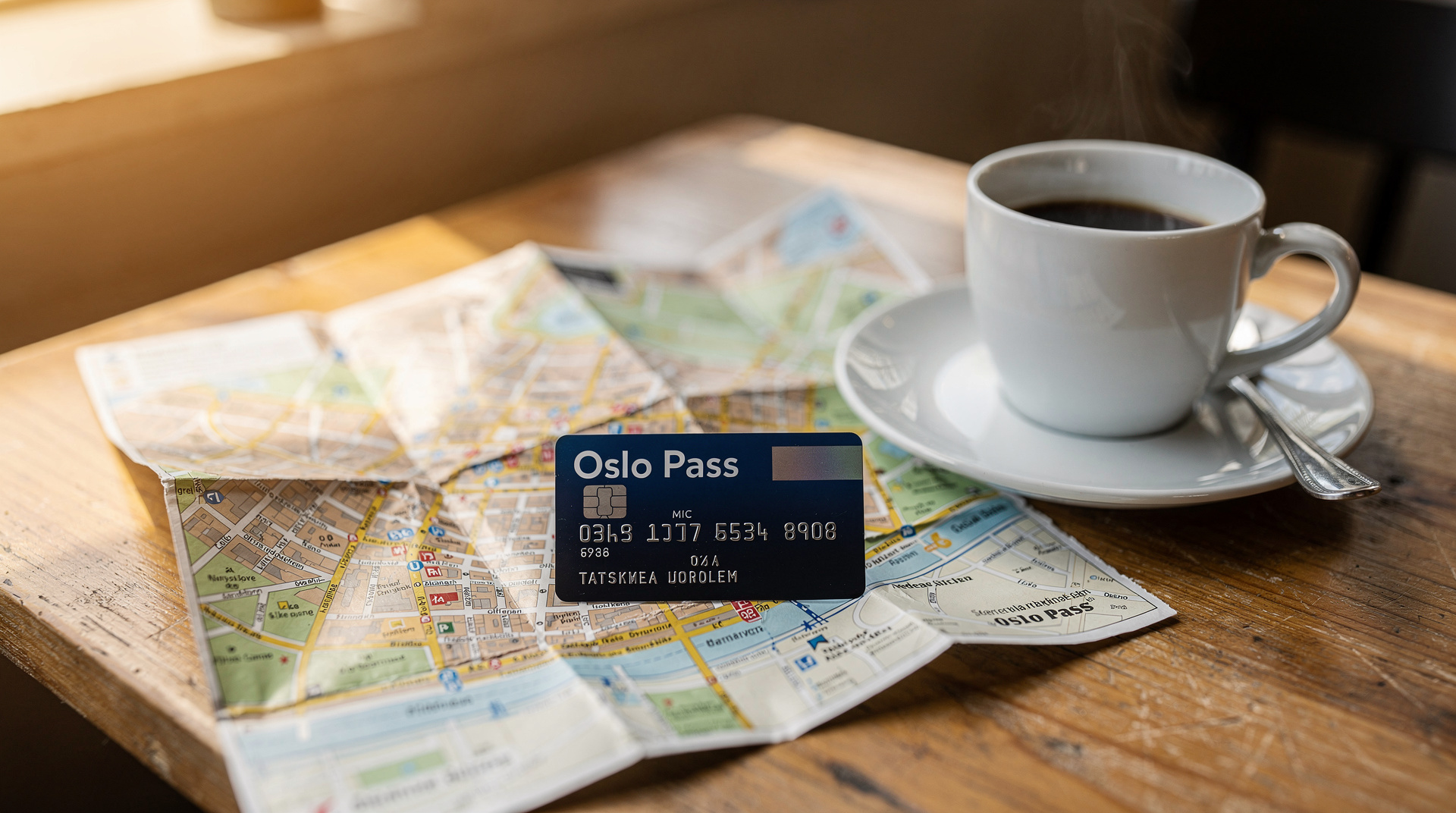
Oslo: Oslo Pass with public transport and free museum entry
Duration: 24-72 hours
- Instant confirmation
- Free public transport
- Skip museum queues
Is it cheaper to buy the Oslo Pass or pay for museums and transport individually?
The Oslo Pass pays off if you visit 4 or more paid museums and use public transport heavily, all within the pass window. For a visitor doing 2–3 museums and light transit use, individual tickets are usually cheaper. The calculator below shows the break-even point by pass duration.
The break-even calculation you need before buying
The Oslo Pass is marketed as a convenient way to see Oslo without constantly reaching for your wallet. That is true. Whether it actually saves you money depends entirely on how you spend your days — and most promotional content conveniently avoids showing you the arithmetic.
Here is the honest maths.
| Break-even | ~4 paid museums (24h/48h) or ~5 (72h) plus daily transit |
| Best for | Museum-heavy, transit-heavy visitors, families |
| Skip if | 1–2 museums, mostly outdoor/free sights |
| Buy where | visitoslo.com, Visitor Centre, or the Oslo Pass app |
| Clock starts | At first validation, not at purchase |
Oslo Pass prices (2026)
| Duration | Adult | Child (6–15) |
|---|---|---|
| 24 hours | NOK 545 (~USD 59) | NOK 305 (~USD 33) |
| 48 hours | NOK 745 (~USD 80) | NOK 415 (~USD 45) |
| 72 hours | NOK 945 (~USD 102) | NOK 525 (~USD 56) |
What you would pay individually for Oslo’s major attractions
| Attraction | Individual price |
|---|---|
| Munch Museum | NOK 180 (~USD 19) |
| National Museum | NOK 160 (~USD 17) |
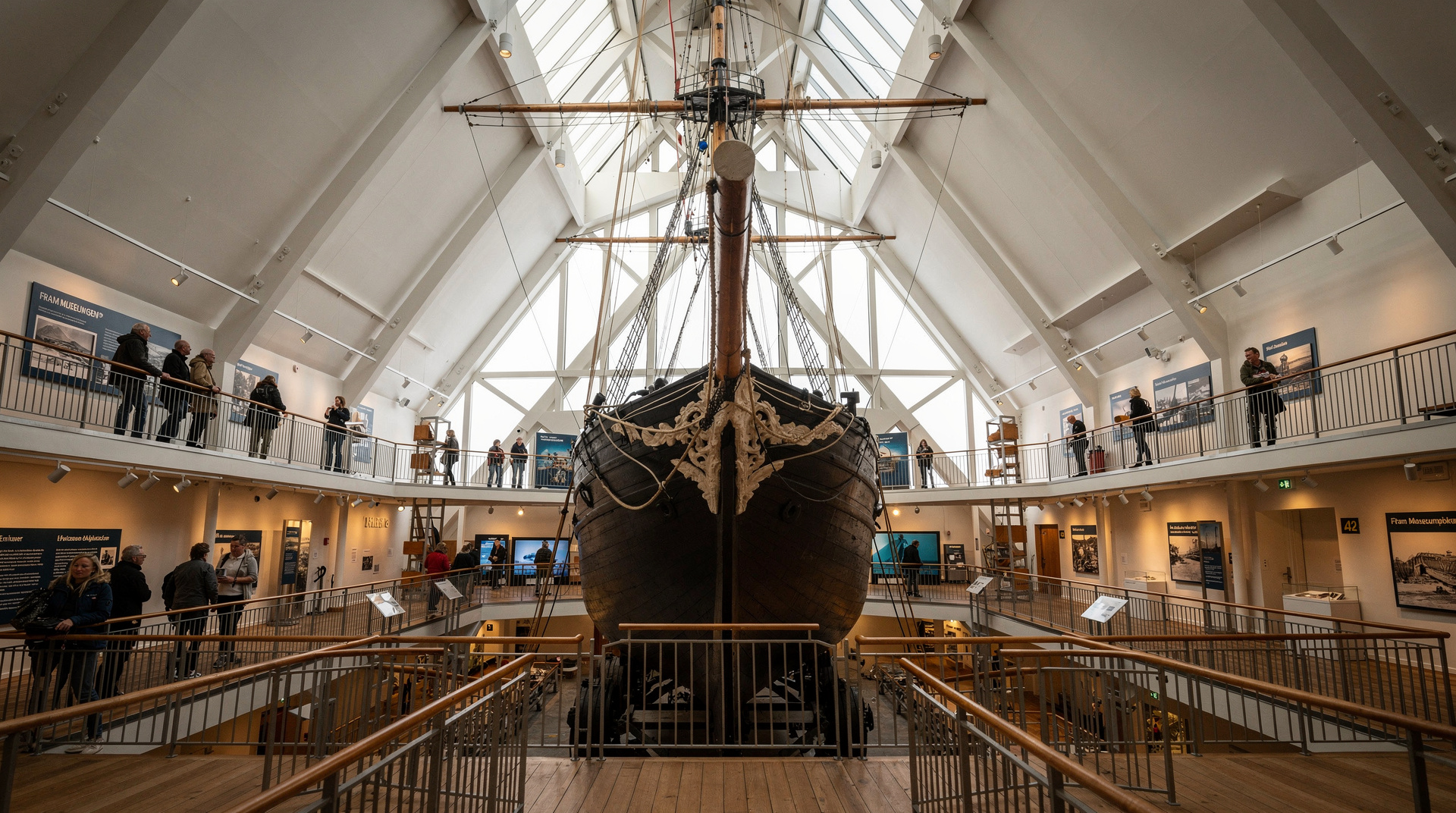
| Fram Museum | NOK 160 (~USD 17) |
| Norsk Folkemuseum | NOK 230 (~USD 25) |
| Kon-Tiki Museum | NOK 130 (~USD 14) |
| Akershus Fortress | NOK 100 (~USD 11) |
| Nobel Peace Center | NOK 120 (~USD 13) |
| Astrup Fearnley (temporary exhibitions) | NOK 150 (~USD 16) |
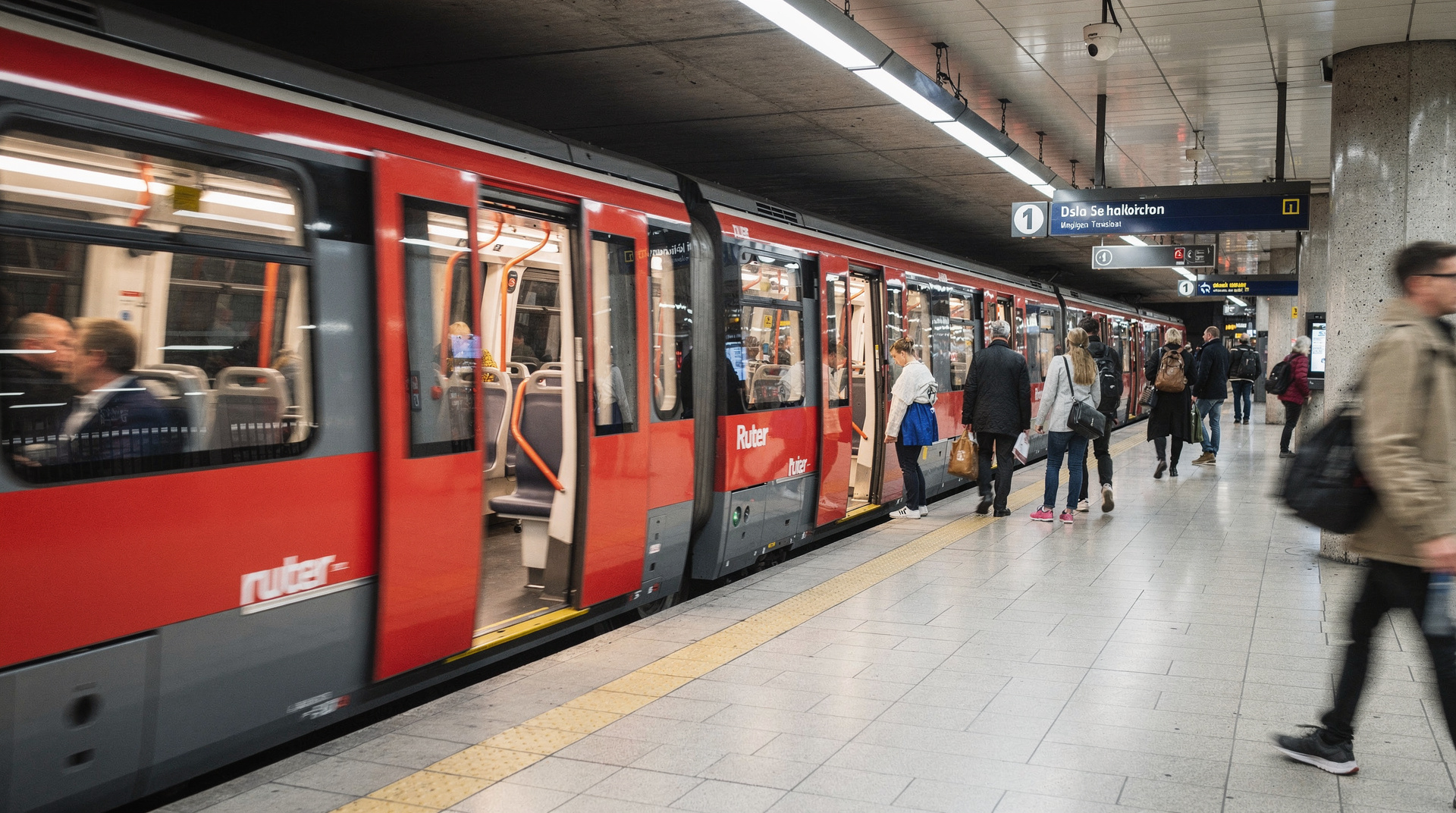
| Ruter 24-hour transit pass | NOK 135 (~USD 15) |
| Ruter 48-hour transit pass | NOK 200 (~USD 22) |
| Ruter 72-hour transit pass | NOK 260 (~USD 28) |
Note: Viking Ship Museum is closed until approximately 2027 and not included in the Oslo Pass calculation at this time.
The break-even calculation: 24-hour pass (NOK 545)
To break even on the 24-hour pass, you need to accumulate NOK 545 worth of value in a single day. Using realistic visit patterns:
Scenario A: museum-heavy day
- Munch Museum: NOK 180
- National Museum: NOK 160
- Ruter 24-hour pass: NOK 135
- Norsk Folkemuseum: NOK 230 (Bygdøy, requires transit)
- Subtotal: NOK 705
This scenario breaks even easily. The 24-hour pass saves NOK 160 (approximately USD 17).
Scenario B: 2 museums + transport
- Munch Museum: NOK 180
- Fram Museum: NOK 160
- Ruter 24-hour pass: NOK 135
- Subtotal: NOK 475
This scenario does NOT break even. You would spend NOK 475 individually but NOK 545 with the pass — a loss of NOK 70.
Scenario C: sightseeing without museums
- Vigeland Park (free): NOK 0
- Akershus Fortress exterior (free): NOK 0
- Walking Karl Johans gate: NOK 0
- Ruter 24-hour pass: NOK 135
- Subtotal: NOK 135
The Oslo Pass costs NOK 545 for this day. You lose NOK 410.
The break-even calculation: 48-hour pass (NOK 745)
Scenario D: moderate museum pace (2 days)
- Day 1: Munch Museum (180) + National Museum (160) + Ruter (200 for 2 days): NOK 540
- Day 2: Norsk Folkemuseum (230) + Fram Museum (160): NOK 390
- Subtotal: NOK 930
Clear winner for the pass: saves NOK 185.
Scenario E: one museum day, one outdoor day
- Day 1: Munch Museum (180) + Ruter (200): NOK 380
- Day 2: Vigeland Park (free) + hiking in Nordmarka (free): NOK 0
- Subtotal: NOK 380
The 48-hour pass at NOK 745 costs nearly double what you would pay individually. This is a significant loss.
What the maths shows
Buy the Oslo Pass if:
- You plan to visit 3 or more major paid museums within the pass window
- You are using public transport extensively (multiple trips per day across the city)
- You want to combine Bygdøy museums in one day (Norsk Folkemuseum + Fram Museum = NOK 390 for two, plus transit from the centre)
- You are visiting in summer when the Norsk Folkemuseum is at its best (outdoor elements open)
- You have children aged 6–15 (children’s pass is good value when doing museums)
Skip the Oslo Pass if:
- You only plan to visit 1 or 2 museums during your stay
- You are spending significant time outdoors (Vigeland Park, Nordmarka, the islands — all free or Ruter-only)
- Your visit is primarily about restaurants, cafés, and neighbourhood walking
- You are spending only 1 night in Oslo
- You use public transport lightly (walking or cycling is your main method)
The convenience factor is real but has a cost
The Oslo Pass genuinely reduces friction — you do not need to buy transport tickets, queue to pay at museum entrances, or track individual expenditures. For families with young children, this convenience has real value. For solo travellers or couples who are comfortable with apps and contactless payments, the friction cost of individual tickets is minimal.
Do not pay NOK 545 for the convenience of not buying a NOK 135 Ruter pass and two museum tickets.
A word on seasonal timing
The Oslo Pass value shifts by season. In summer, you are more likely to be doing outdoor activities (islands, fjord, hiking) that are not covered by the pass — reducing its value. In late autumn and winter, when museums dominate and outdoor activities are limited, the pass can be efficient if you want 3 or more museum visits in a 48-hour window.
The honest Oslo Pass verdict guide goes further into the behavioural and psychological factors that affect whether the pass serves you — including the “I’ve paid for it so I’ll visit museums I’m not that interested in” trap that the pass can create.
Matching the pass to your actual museum picks
The break-even maths only works if the museums you’d visit anyway are the ones the pass covers. Before running the numbers, decide on your shortlist rather than assuming “museums” as a category. The Oslo museums ranked guide is the fastest way to pick 3–4 genuinely worthwhile stops rather than padding your day with a weak fourth museum just to hit the break-even line — that instinct is exactly the trap the pass can set.
If your shortlist is Munch, National Museum, and Akershus Fortress, check each one’s individual page for current hours and what’s actually inside before committing: the Munch Museum guide, National Museum guide, and Akershus Fortress guide all cover whether the visit is worth the queue-free entry the pass gives you, independent of the pass question.
Families and budget travellers: a different calculation
For families, the arithmetic tilts further in the pass’s favour because children aged 6–15 pay roughly half price and the pass bundles transport that would otherwise mean buying multiple child tickets per journey. If cost is the main driver of your trip planning rather than convenience, read this alongside the Oslo on a budget guide and the wider Oslo trip cost breakdown — both help you see where the pass fits into the total daily spend rather than in isolation.
Where to buy and practical notes
The Oslo Pass is sold online (visitoslo.com), at the Oslo Visitor Centre in Østbanehallen (just west of Oslo Central Station), and at some hotels. The digital version loads into the Oslo Pass app — no need to print anything. The clock starts when you first scan (activate) the pass, so you can buy it the day before your museum day.
For transit-only needs without museum plans, Ruter’s own app or travel card is the straightforward option. Load credit with a credit card and tap in and out. A single Ruter trip costs NOK 42 (approximately USD 4.50) within the city zone.
See our Ruter transport guide for the full ticketing breakdown and zone explanation.
How to test the pass against your own itinerary
The scenarios above are templates, not verdicts. The most reliable method is to write your days down before you buy anything: list each stop, mark whether it charges admission, and note how many separate journeys you will make. Then add up the individual prices from the table and compare the total with the pass price for the same window. If the pass only wins when you add stops you would not otherwise choose, the honest answer is to leave it.
A few habits make this exercise more accurate:
- Start from a day-by-day plan. The Oslo in 2 days and Oslo in 3 days itineraries show how a realistic trip mixes museum days with free sights, which is exactly where the pass tends to lose value.
- Count only what you would do anyway. A museum you visit out of obligation is not a saving, it is an extra hour spent on something you did not want.
- Check opening days. Several museums close on certain weekdays, so a pass window that lands on a closure day can quietly remove a stop from your calculation.
- Be honest about transit. If you plan to walk between the centre, the waterfront and the main museums, the transport element of the pass contributes very little. The getting around Oslo guide explains which areas are comfortably walkable.
Clustering museums to protect the value
The pass rewards density. The more paid stops you can fit into one window without rushing, the better it performs. Two areas stand out for that.
The first is Bygdøy, where several museums sit close together. Pairing the Norsk Folkemuseum, the Fram Museum and the Kon-Tiki Museum in one outing gives you a concentrated block of paid entries with little dead time between them. The Bygdøy destination page helps you plan the logistics of a full day there.
The second is the waterfront and city centre, where the Nobel Peace Center and the Astrup Fearnley Museum can be combined with Akershus and the Opera House area. The Bjørvika destination page shows what else is nearby, including free sights that will not add to the pass value but will fill out the day pleasantly.
If your museum interest is thinner than that, you may be better served by free alternatives. The free things to do in Oslo guide lists plenty of ways to fill a day without spending anything, and it is a useful reality check on how much of the city does not need a pass at all.
When the pass is not the right tool at all
Some trips simply do not suit a museum pass, and that is fine. Visitors who come for the fjord, the forest and the saunas will spend most of their money on activities the pass does not cover. A fjord cruise or a visit to the Oslo Islands are examples of days where the pass contributes only the ferry or local transport element, if that.
Winter visitors face a slightly different picture. Cold, dark afternoons push people indoors, which can favour the pass, but the same weather also makes outdoor classics like skiing and sledging more appealing. The Oslo in winter activities guide and the rainy day museums guide are useful for judging how many indoor stops you will realistically want. Families deciding between museum days and outdoor play can also look at the Oslo with kids guide.
Reading the numbers with a cool head
Break-even tables are persuasive because they look precise, but they depend on assumptions. Prices change, inclusions are revised, and your own pace on the day is rarely what you planned. Treat every figure here as a way to frame the decision rather than a promise. Check the current list of included attractions at the point of purchase, and compare it against the shortlist you built earlier.
It also helps to place the pass inside your wider spending. Oslo is expensive, and a pass can feel like a way to control costs, yet the larger budget swings usually come from food and accommodation. The is Oslo expensive guide and the Oslo daily costs breakdown put the pass in proportion, so you do not over-optimise a small line item while overlooking a big one. And if you want the longer reasoning on whether the pass is worth it at all, the Oslo Pass guide covers what it includes and who it suits.
Frequently asked questions about Oslo Pass vs individual tickets — the honest break-even maths
How much does the Oslo Pass cost?
As of 2026: 24-hour pass NOK 545 (approximately USD 59), 48-hour pass NOK 745 (approximately USD 80), 72-hour pass NOK 945 (approximately USD 102). Children's prices (6–15 years) are roughly half. Under 6 free.What does the Oslo Pass include?
Free entry to around 30 museums and attractions, unlimited public transport on Ruter (T-bane, tram, bus, and the island ferries), and discounts at some restaurants and shops. Key inclusions: Munch Museum, National Museum, Fram Museum, Norsk Folkemuseum, Akershus Fortress, and more.Does the Oslo Pass include fjord cruises?
Discounts on some cruises but not free entry. Check the current Oslo Pass benefits list when purchasing as inclusions change periodically. The silent electric boat cruise, shrimp buffet cruise, and hop-on-hop-off bus are typically discounted but not free.Can children use the Oslo Pass?
Yes. Children aged 6 to 15 pay approximately half the adult price. Children under 6 travel free on Ruter transport and enter most Oslo museums for free, so the Oslo Pass is rarely worth buying for very young children.Where do I buy the Oslo Pass?
Online at visitoslo.com, at the Oslo Visitor Centre (Østbanehallen, near Oslo Central Station), and at some hotels. Digital versions are available via the Oslo Pass app. Buying online in advance avoids queuing.When does the 24-hour clock start on the Oslo Pass?
The clock starts when you first use (validate) the pass, not from the moment of purchase. So you can buy it the night before and start using it the next morning — maximising the 24-hour window.Does the Oslo Pass make sense for a single traveller?
It depends entirely on the museum count, same as for couples or families — a solo traveller doing 3 or more paid museums plus heavy transit still breaks even. Where solo travellers lose out is on the psychological pressure to 'use' the pass: without a companion to keep the pace honest, it is easy to add a low-value museum just because it feels included, which erodes the saving.Is the 72-hour Oslo Pass ever the best value option?
Only for a genuinely museum-heavy 3-day stay — 5 or more paid attractions plus daily transit across all three days. For most visitors, a 3-day trip mixes in at least one outdoor or islands day where the pass earns nothing, which usually makes two separate 24-hour passes (bought only on museum-heavy days) cheaper than one 72-hour pass covering the whole stay.
Top experiences
Bookable activities with verified prices and instant confirmation on GetYourGuide.