Oslo's most overrated attractions — what's overhyped and the better alternative
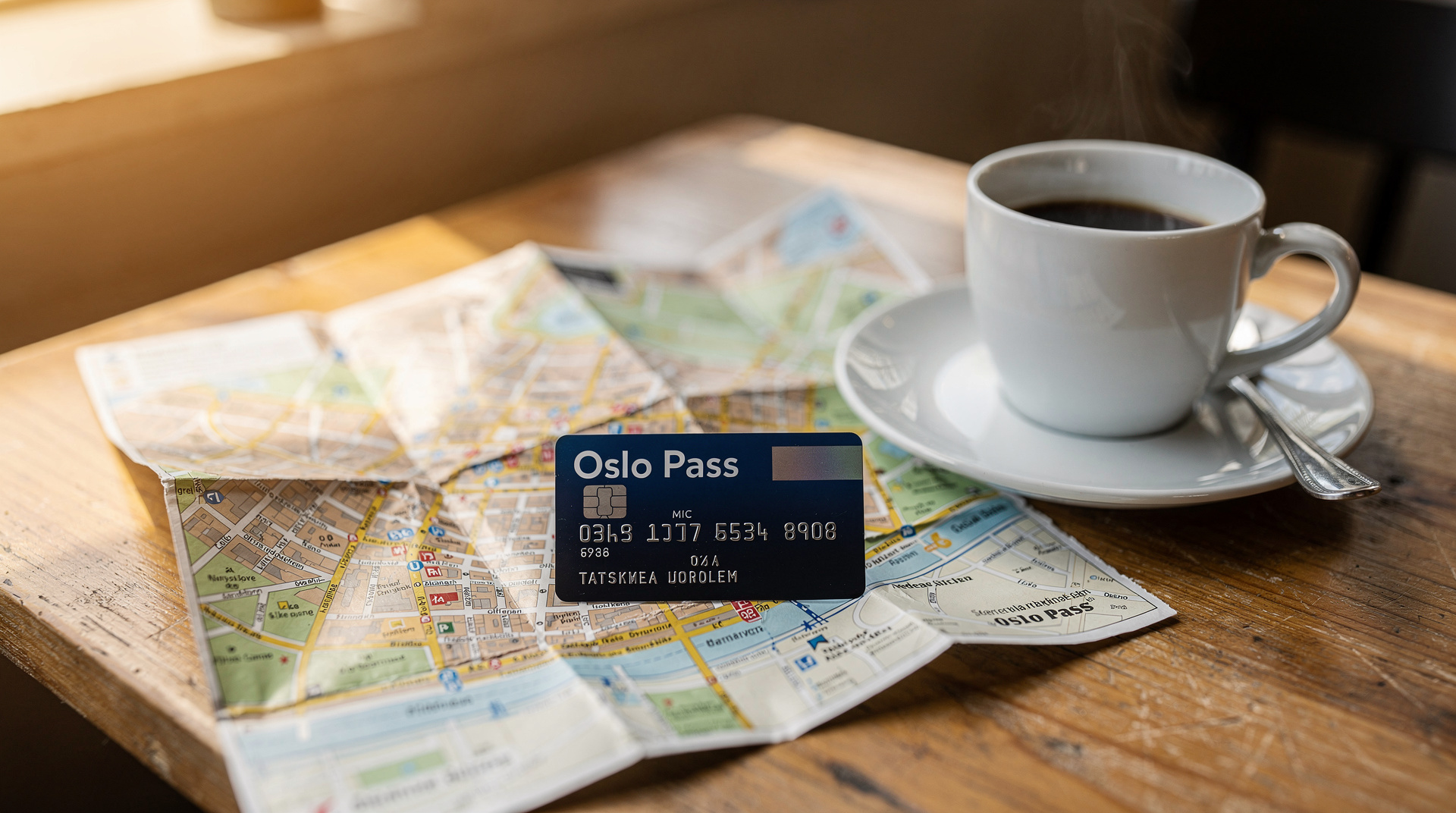
Oslo: Oslo Pass with public transport and free museum entry
Duration: 24-72 hours
- Instant confirmation
- Free public transport
- Skip museum queues
Which Oslo attractions are overrated?
The main candidates: the closed Viking Ship Museum still listed everywhere, the hop-on-hop-off bus for a walkable city, the Royal Palace exterior (limited interest), some heavily marketed fjord 'cruises' that barely leave the harbour, and tourist-trap seafood restaurants promoted as authentic experiences.
Being honest about what disappoints
Every city has a gap between tourist-marketing reality and visitor experience. Oslo is not exceptional in this regard, but its high cost means that disappointment here costs more than disappointment in budget destinations. An overrated attraction that wastes two hours in Bangkok costs you time; the same in Oslo may have cost you NOK 500 to 800 (approximately USD 54 to 86) in entry fees plus transport.
This guide names specific attractions where the hype outpaces the reality — and in each case gives you the better alternative.
| Biggest trap | Viking Ship Museum — still recommended everywhere despite being closed |
| Biggest overpay | Aker Brygge as a daily dining base |
| Skip entirely | Short “fjord cruises” that barely leave the harbour |
| Genuinely worth it | Munch Museum, Vigeland Park, Opera House roof, the islands |
| Rule of thumb | If it’s on every “top 10” list unchanged since 2019, verify it’s still open |
1. The Viking Ship Museum (closed — yet still everywhere)
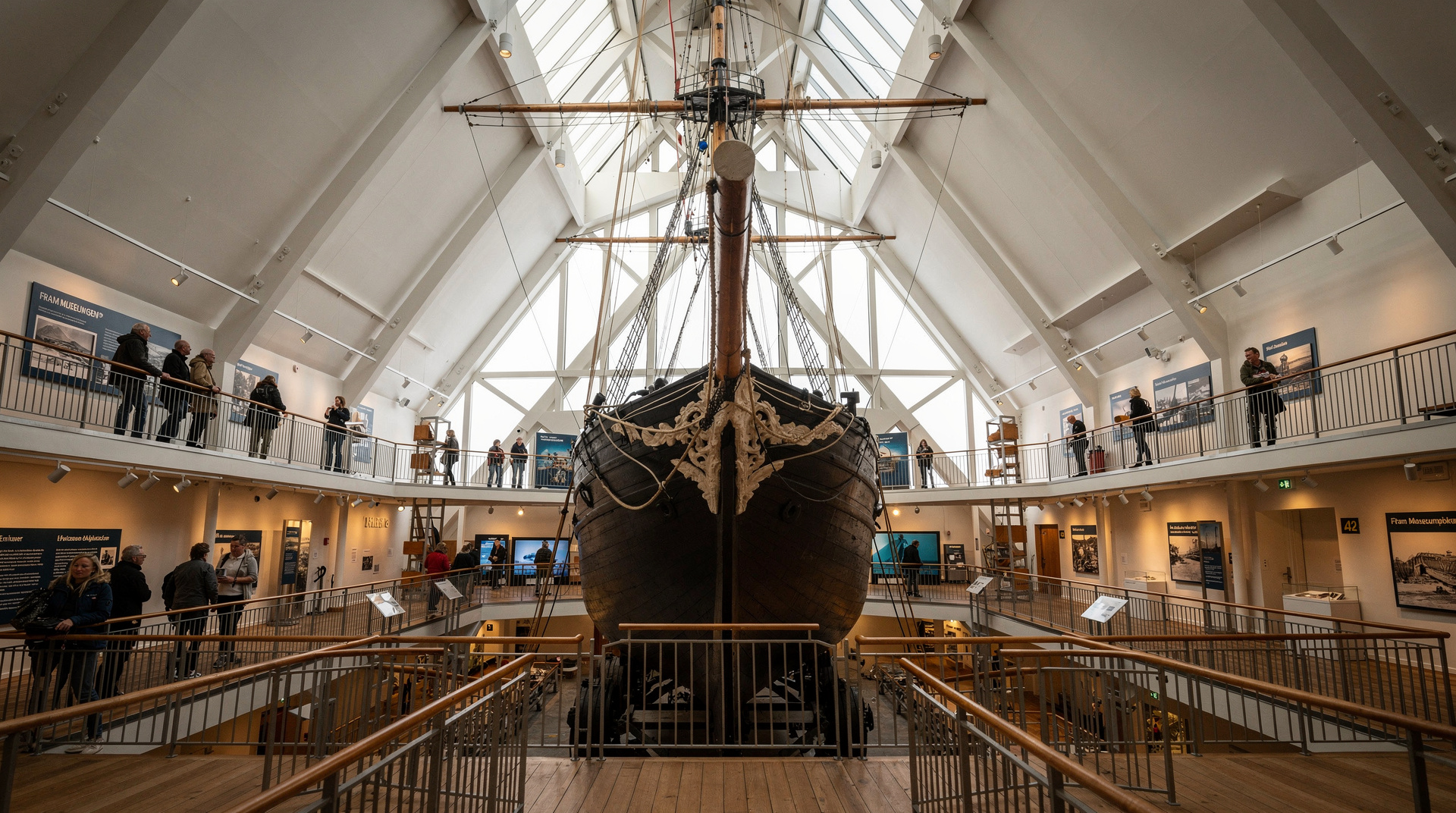
The Viking Ship Museum on Bygdøy is arguably Oslo’s most recommended attraction. It is also closed. It has been closed since 2020 for a major renovation and is not expected to reopen until approximately 2027. Despite this, it continues to appear in travel articles, YouTube videos, and “top 10 Oslo” lists that have not been updated.
What you get: a construction fence and a disappointed walk back to the ferry.
What to do instead: the Viking Planet near the Royal Palace (Kongensgate 5) has an interactive experience including a VR film and exhibits on Viking Age life. The Historical Museum (Historisk Museum, near the National Theatre) has genuine Viking-era artefacts and a well-curated Viking gallery. Neither replaces the ships, but both are open. Check the Visit Oslo website for the latest on the museum reopening timeline.
2. The “fjord cruise” that barely leaves the harbour
Several low-cost “fjord cruises” sold to tourists in Oslo amount to a loop around the inner harbour — they do not travel far enough into the fjord to see the islands, the dramatic cliff faces, or the wider water. They use the word “fjord” as a marketing term for what is essentially a harbour boat ride.
What this looks like: a 45-minute to 1-hour trip around Bjørvika, past the Opera House and back to Aker Brygge. Priced at NOK 200 to 350 per person (approximately USD 22 to 38).
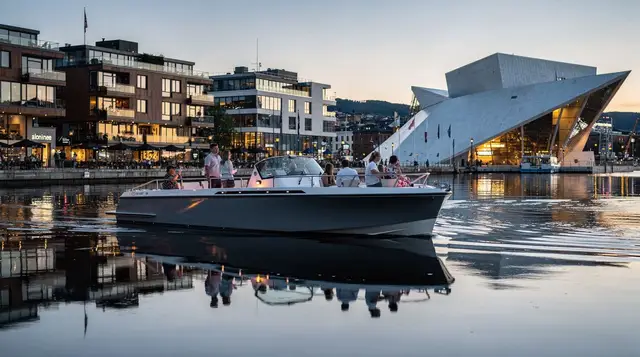
What to do instead: book a proper 2-hour fjord cruise that reaches the islands. The silent electric boat cruise goes past the Opera House, Akershus Fortress, into the island archipelago, and returns via Aker Brygge. The shrimp buffet evening cruise goes further out with a proper Oslofjord experience. If you are going to invest in a fjord cruise, invest properly.
3. The Royal Palace exterior tour
The Royal Palace (Slottet) sits at the top of Karl Johans gate and is on every “Oslo must-see” list. The grounds are open and the changing of the guard is a ceremony. The palace exterior is… a large, neoclassical government building. Without interior access (tours are limited, booked well ahead in summer, and in Norwegian), it is a moderately interesting building surrounded by tourists photographing a building.
The reality: most visitors stand outside, photograph the facade, watch the guard change at 13:30 if timing works, and then leave. The experience takes 15 to 20 minutes and feels like obligation rather than discovery.
What to do instead: walk through the Palace Park (Slottsparken) — the surrounding gardens are pleasant and free, with good city views. Then continue to the Vigeland Sculpture Park, a 15-minute tram ride away, which is one of Europe’s most genuinely remarkable free attractions. The 212 monumental sculptures by Gustav Vigeland, depicting the cycle of human life, make the Royal Palace exterior look like a minor footnote.
4. The hop-on-hop-off bus for a city this manageable
The Oslo hop-on-hop-off bus costs NOK 370 to 500 for a 24-hour pass (approximately USD 40 to 54). It serves a circuit that covers most tourist attractions but does so slowly, expensively, and with traffic delays.
Oslo’s central tourist triangle — Opera House, Sentrum, Aker Brygge, Akershus Fortress — is a 25-minute walk end to end. The T-bane metro reaches Bygdøy-area museums and Holmenkollen. Tram 12 reaches Vigeland Park in 15 minutes from the centre. The Ruter 24-hour pass costs NOK 135 (approximately USD 15) and covers all of this.
The one scenario where it works: if you have a mobility limitation that makes walking distances difficult, the hop-on-hop-off bus is a reasonable solution for seeing the city. Otherwise, it is an expensive way to sit in traffic.
5. Aker Brygge as a dining destination
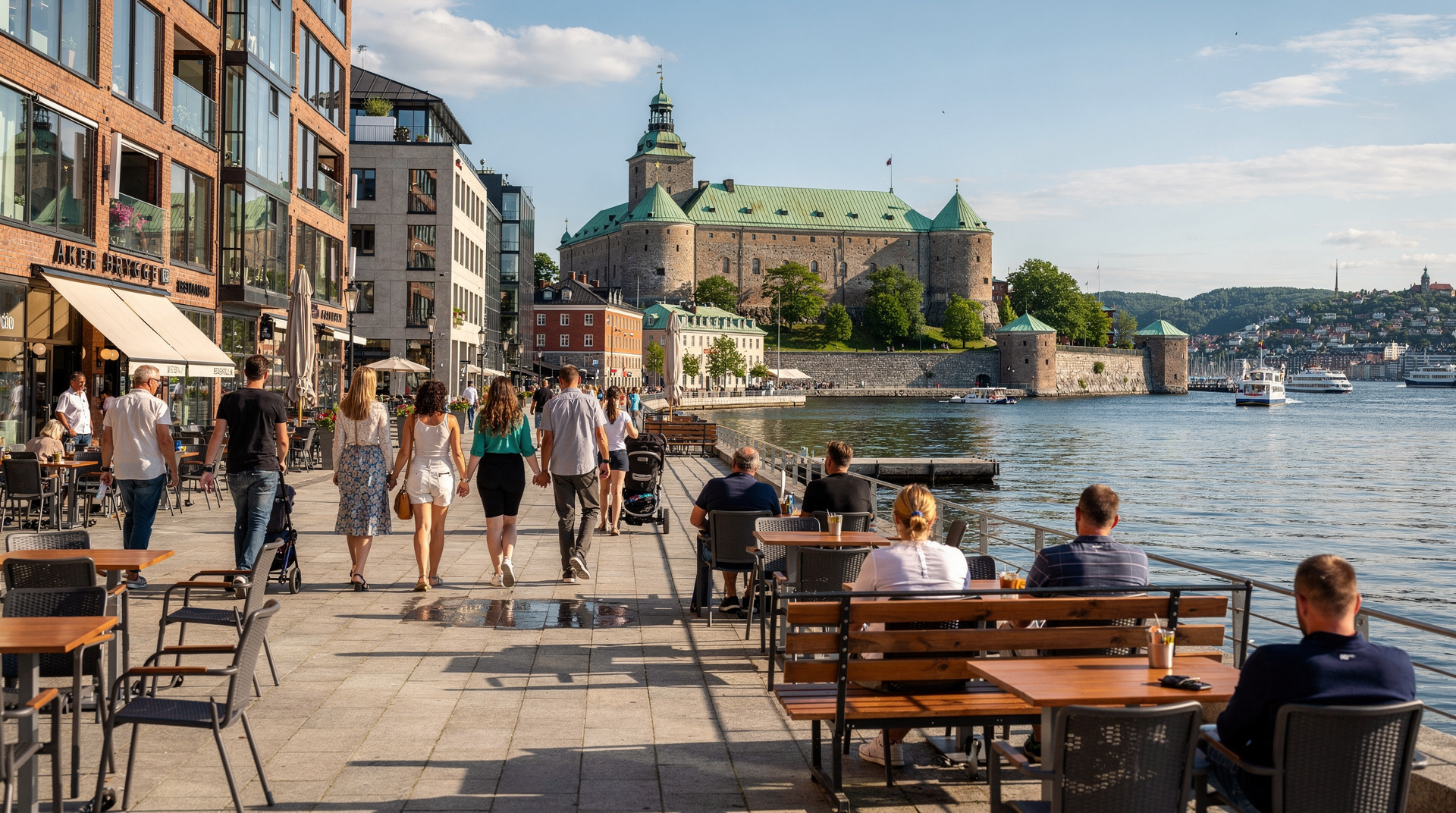
Aker Brygge is genuinely scenic — the old wharf area with fjord views and the Tjuvholmen contemporary art district nearby is one of Oslo’s most attractive urban spaces. Spending an evening walk there and one drink or one meal is not overrated; it is worth doing.
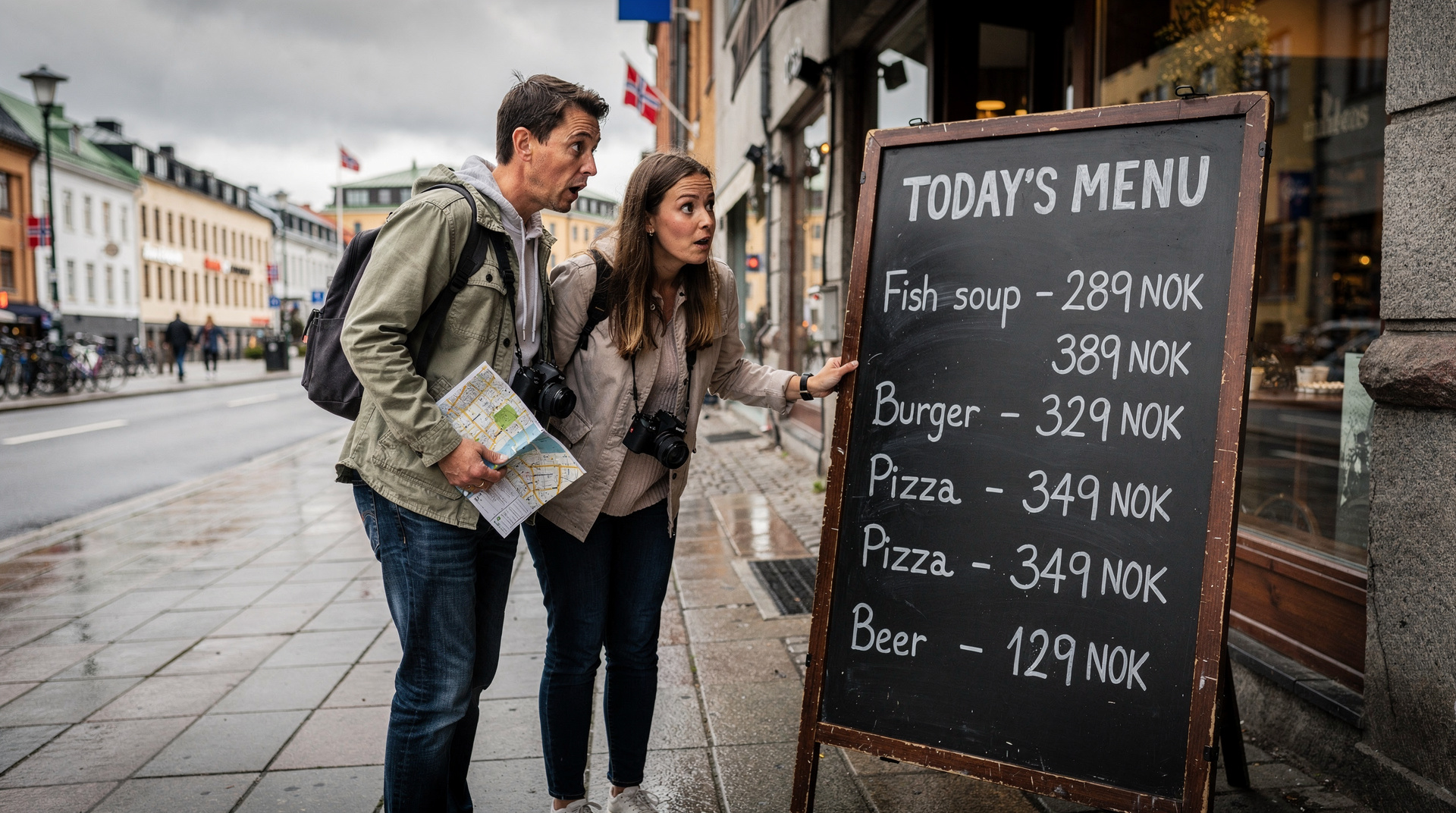
But Aker Brygge as a primary dining destination for your Oslo visit is a trap. The restaurants here have a captive audience of tourists seeking a “Norwegian waterfront experience” and price accordingly. A dinner for two with wine at an Aker Brygge restaurant typically runs NOK 1,200 to 1,800 (approximately USD 130 to 194). The food quality is generally good but not exceptional — you are paying 30 to 50% extra for the postcode.
What to do instead: use Aker Brygge for the setting — a post-museum walk, a pre-cruise drink, or one evening meal. Source your regular dining from Grünerløkka (10 minutes by tram, better food, lower prices) or Mathallen food hall at Vulkan. See our food pricing guide for the honest breakdown.
6. The Karl Johans gate souvenir shops
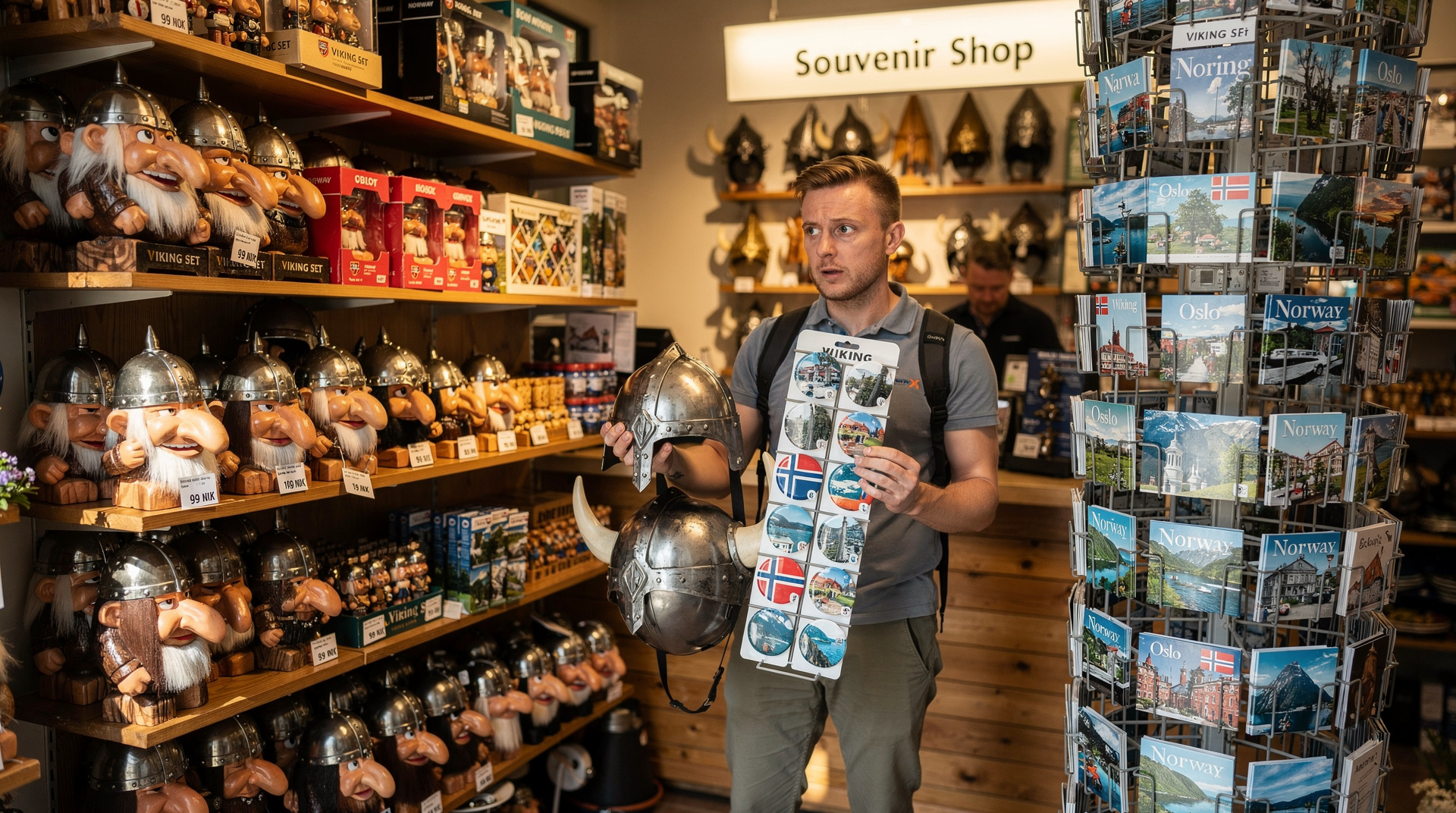
The souvenir shops along Karl Johans gate and the surrounding pedestrianised centre sell a range of items that are definitively “Norway-branded” rather than Norwegian. Trolls, “Norwegian sweaters,” and “traditional” craft items that are manufactured in Asia are common. Prices are high.
This is not unique to Oslo — most major tourist cities have this economy. The overrating here is the occasional travel writer who says “pick up a Norwegian sweater on Karl Johans gate” as though this is a meaningful experience. It is not.
What to do instead: Husfliden at Møllergata 4 sells genuine Norwegian handicrafts from Norwegian makers. The Norwegian Folk Museum shop at Bygdøy stocks authentic items. Both cost more than the tourist-strip versions but are actually what they claim to be.
7. “Nobel Prize city” tours without Nobel content
Oslo receives considerable marketing around being the home of the Nobel Peace Prize ceremony — the ceremony takes place at Oslo City Hall in December, and the Nobel Peace Center is on Aker Brygge. Several tours market themselves around the “Nobel city” angle.
The Nobel Peace Center (NOK 120, approximately USD 13) is a dedicated exhibition about the Prize and its laureates. It is thoughtfully curated and genuinely interesting for visitors interested in the prize and its history. But it is a medium-scale exhibition, not the transformative experience some marketing implies.
The honest verdict: the Nobel Peace Center is worth a visit for engaged visitors, but do not anchor an Oslo trip around it. It takes 60 to 90 minutes to do properly. Do not expect the scale of, say, the Munch Museum.
Why these attractions get overrated in the first place
Most of the disappointments above share a cause: a place becomes famous for a good reason, then the reputation outlives the reality. A museum closes but its listing stays alive. A harbour boat borrows the language of the fjord. A palace is photogenic from far away and plain up close. None of this means Oslo is a bad destination — the is Oslo worth visiting guide makes the positive case in full — it means a little scepticism before you pay is time well spent.
Another factor is simple crowd behaviour. Visitors tend to follow the same short list, so the same few streets and quays absorb most of the footfall. The result is queues, higher prices and a slightly staged atmosphere, while equally good places a few minutes away stay quiet. Our top things to do in Oslo list is a better starting point than a copied “must-see” list, and the Oslo tourist traps guide covers the pitfalls that are not strictly attractions.
Building a better plan around the overrated list
Knowing what to skip only helps if you replace it with something. Here is a practical way to use the swaps in this guide.
- Replace the Royal Palace stop with a park day. Walk the palace grounds briefly, then head to the Vigeland sculpture park and the surrounding Frogner neighbourhood, where a relaxed afternoon is easy to fill.
- Replace the hop-on-hop-off bus with your own loop. The getting around Oslo and Ruter public transport guides explain how trams, metro and ferries reach everything the bus does, on your own schedule.
- Replace the cheap harbour loop with a proper outing. Compare the options in which Oslofjord cruise to pick and the best Oslofjord cruises before booking anything.
- Replace the closed ships with Viking content that is open. The Viking Ship Museum status page tracks the closure, and the Viking Planet guide covers the alternative.
- Replace waterfront dinners with neighbourhood meals. The where to eat in Oslo guide and the Grünerløkka neighbourhood are better places to spend a food budget.
Overrated is not the same as skippable for everyone
A few of the attractions here are only overrated for some travellers. A first-time visitor with a single day may reasonably want a photograph outside the palace, and that is fine as long as it is a ten-minute stop rather than a centrepiece. Someone with limited mobility may find a guided bus loop genuinely useful. A visitor travelling with young children may enjoy a short harbour boat ride precisely because it is short. The point is not that these things are bad; it is that they should be chosen on purpose, not out of habit or because an old list said so.
If you are planning around a family, the Oslo with kids guide shows what actually works for younger travellers. If you are watching your spending, Oslo on a budget and the free things to do in Oslo budget guide show where the money goes furthest. And if you are still deciding how long to stay, how many days in Oslo helps you fit the genuinely good attractions into a realistic schedule, with the Oslo in 2 days itinerary as a ready-made example that leaves the overhyped stops out.
What is NOT overrated
To be clear: this guide targets the specific overrated category. Many Oslo attractions are not overrated and genuinely reward visitor time:
- The Munch Museum — extraordinary collection in a striking building
- Vigeland Sculpture Park — free, remarkable, worth at least 90 minutes
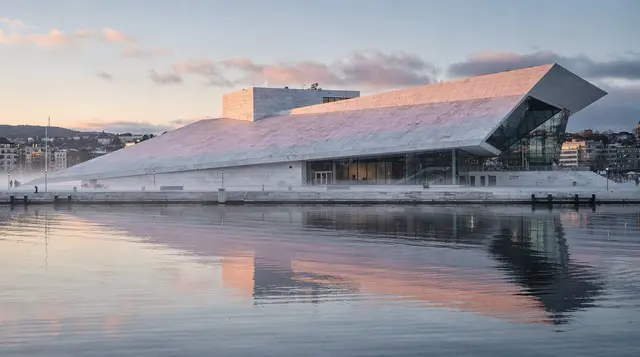
- The Opera House roof — free, photogenic, a genuine Oslo landmark
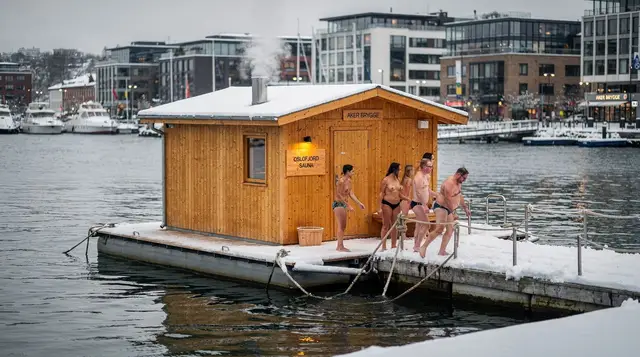
- Floating saunas at Tjuvholmen — authentic and memorable
- Oslo islands in summer — a genuine local experience
- Nordmarka for hiking or skiing — the city’s real natural asset
- National Museum — Norway’s primary art collection, excellent
The honest assessment: Oslo’s best attractions are genuinely good. The city’s reputation as expensive is well-earned, which makes it more important than usual to spend your budget on the real experiences rather than the overrated ones.
Overrated vs. genuinely worth it, side by side
| Overrated (or misleading) | Why | Better alternative |
|---|---|---|
| Viking Ship Museum | Closed until ~2027, still widely recommended | Viking Planet or the Historical Museum |
| Short “fjord cruises” | Barely leave the harbour | Silent electric boat cruise |
| Royal Palace exterior tour | 15–20 min obligation, limited access | Vigeland Sculpture Park, 15 min away |
| Hop-on-hop-off bus | Slow, expensive, redundant | Ruter 24-hour transport pass |
| Aker Brygge as dining base | 30–50% location premium | Grünerløkka restaurants |
How to avoid the trap generally
The pattern behind most of these disappointments is the same: content that hasn’t been updated since a change (a closure, a price shift, an area’s evolution) keeps circulating because it’s easy to copy from older articles. Before committing real money to an attraction, especially one tied to a specific site like the Viking Ship Museum, a quick check of the official website or our Oslo tourist traps guide avoids a wasted afternoon. The same logic applies to “must-do” lists generally — cross-reference against a guide with a recent lastReviewed date rather than trusting an older, unchecked source.
Frequently asked questions about Oslo's most overrated attractions — what's overhyped and the better alternative
Is Vigeland Sculpture Park overrated?
Not overrated — Vigeland Park is genuinely one of Oslo's best free attractions and well worth visiting. The issue is crowding in peak summer; go in the morning or visit in autumn for a better experience. The park and 212 sculptures are free to enter any time.Is the Munch Museum worth visiting?
Yes — if you go with the right expectations. It is not a museum about The Scream alone; it holds over 26,000 works by Munch and explores his full artistic life and psychological evolution. If you go expecting a room with one painting, you will miss the point. Allow 2 to 3 hours.Is the Oslo Opera House worth visiting?
The rooftop is free and the views over the fjord are excellent. Going inside for a performance requires planning and cost (tickets vary widely). Simply walking the marble ramps to the roof is one of Oslo's best free experiences and not overrated.Is Aker Brygge overrated?
As an evening walk and for one drink or meal, no — the setting is genuinely attractive. As a place to base your food and drink budget for an Oslo visit, yes — it is significantly overpriced and the food quality does not justify the premium.Is the Oslo hop-on-hop-off bus worth it?
For most visitors, no. Oslo is highly walkable, and the T-bane and trams cover all distances beyond walking range at a fraction of the hop-on-hop-off cost. Unless you have mobility limitations, skip it.Are Oslo's fjord cruises all overrated?
No — the honest issue is that some short, cheap 'fjord cruises' barely leave the harbour and use the word loosely as marketing. A properly chosen cruise that actually reaches the islands and open fjord, like the silent electric boat cruise, is one of Oslo's genuinely worthwhile experiences. The problem is the cheap imitations, not the category.Is Karl Johans gate itself worth walking?
Yes, as a orientation walk between Oslo S and the Royal Palace — it's free and takes 20–25 minutes past Parliament and the National Theatre. What's overrated is treating it as a shopping or dining destination; the souvenir shops and tourist-facing cafés along it are priced well above what the same categories cost a few streets away.
Top experiences
Bookable activities with verified prices and instant confirmation on GetYourGuide.