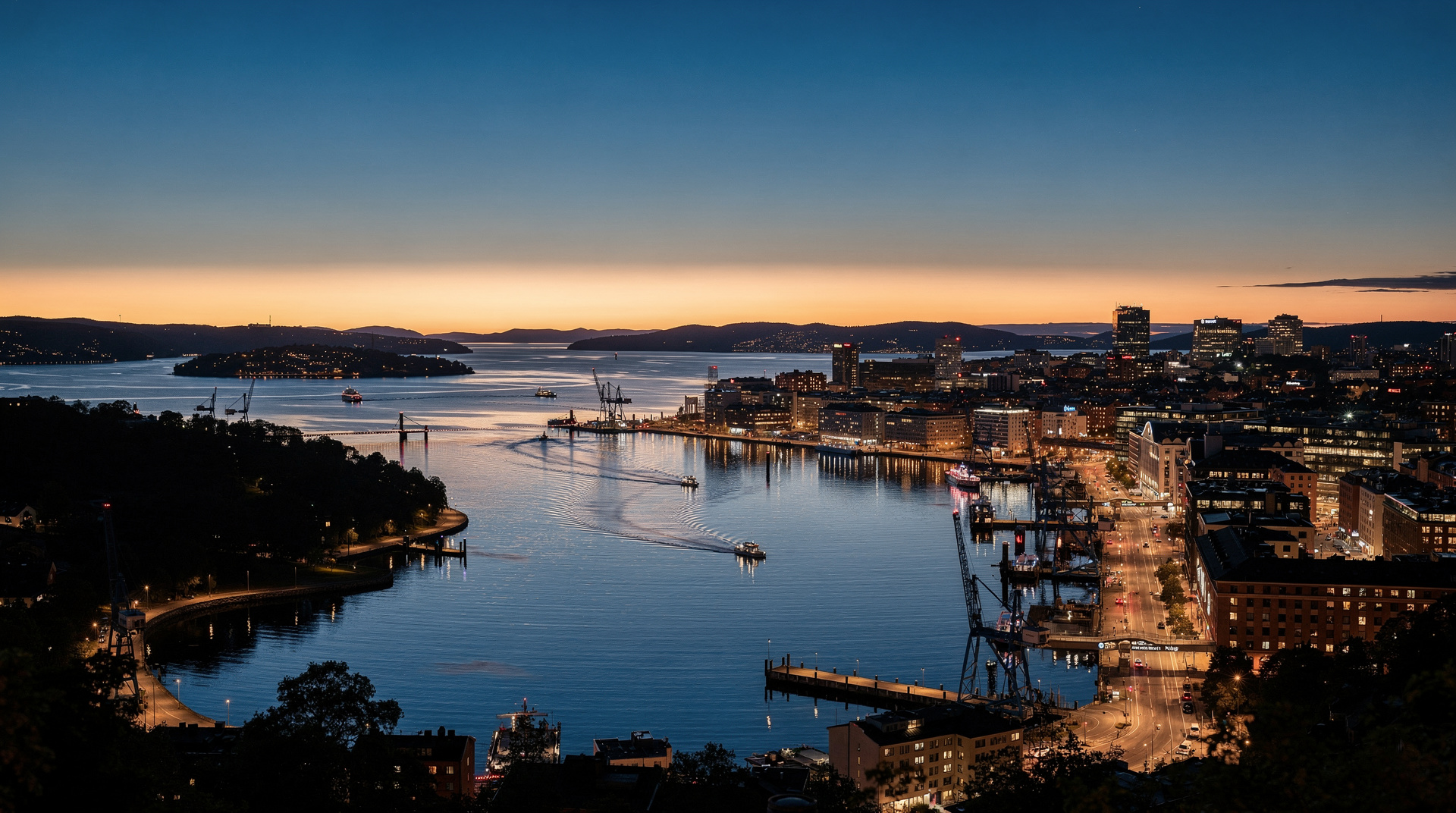
Oslo in autumn — colours, quieter crowds, and what closes
Oslo: Oslo Pass with public transport and free museum entry
Duration: 24-72 hours
- Instant confirmation
- Free public transport
- Skip museum queues
Is Oslo good to visit in autumn?
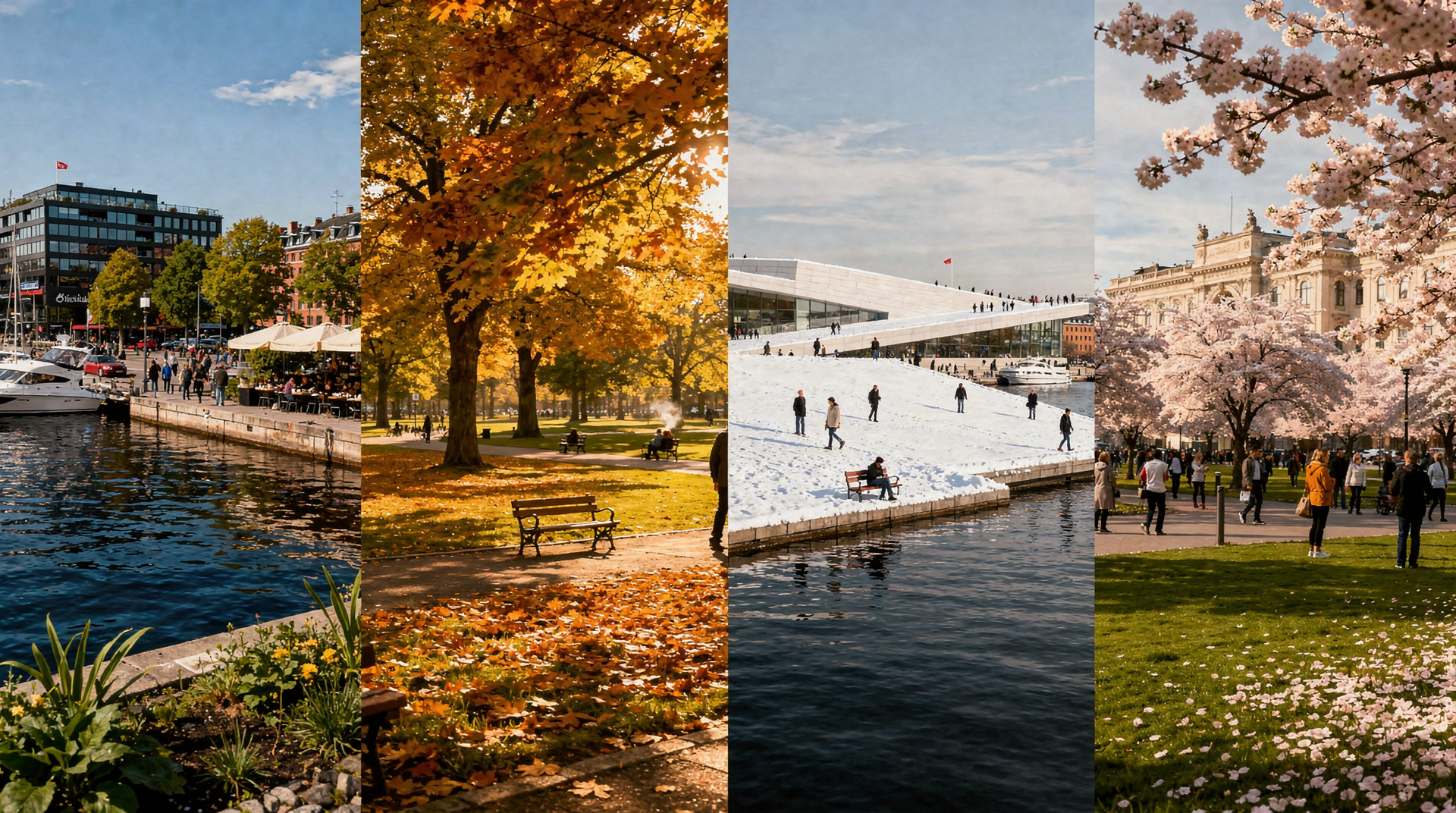
September is excellent — the crowds thin, prices drop, the weather is still mild, and autumn colour arrives in Nordmarka. October remains worthwhile for culture and hiking. November is grey and quiet with minimal outdoor activity.
Autumn in Oslo: honest expectations by month
Autumn is an underrated season in Oslo. The summer circus retreats, hotel prices drop, and the city settles back into the rhythm that Norwegians actually live — cosy cafés, outdoor runs in golden-lit forests, and museums without the selfie-stick crowd. The honest question is not whether autumn Oslo is enjoyable, but which weeks within autumn make sense and what you need to know closes.
| Best window | Early-to-mid September for weather, early October for colour |
| Temperatures | 8–18°C (Sept) down to 0–6°C (Nov) |
| Daylight | ~13.5hrs (Sept 1) down to ~7hrs (late Nov) |
| Fjord/island tours | Reduce from late Sept, mostly closed by mid-October |
| Hotel prices | Drop 20–45% from summer peak, lowest in November |
September: the sweet spot
September is the strongest autumn month and arguably rivals late May as the best time to visit Oslo overall. Here is why:
Temperatures remain comfortable — highs between 12 and 18°C in early September, cooling to 8–13°C by the 30th. Rain is possible but shorter-lived than in November. Daylight runs from about 13.5 hours at the start of the month to around 11 hours by the end.
The crowds that clog the Munch Museum in July are gone. You can walk straight in or book tickets the night before rather than weeks out. The National Museum and Astrup Fearnley are similarly uncrowded.
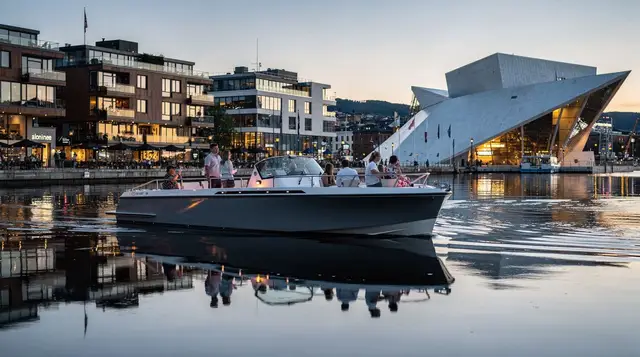
Fjord boat tours are still running in September. The Oslofjord cruise season typically continues through late September or early October, though check specific operator schedules before booking. The island ferries run a slightly reduced service from late September.
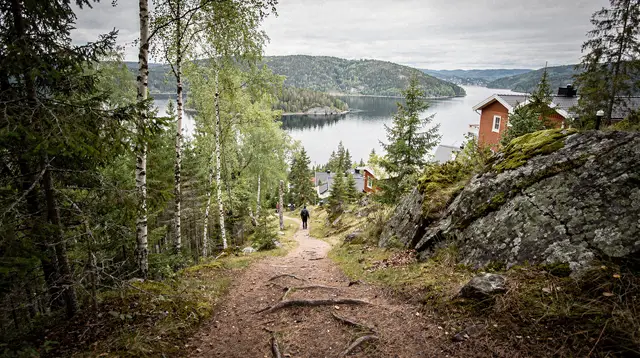
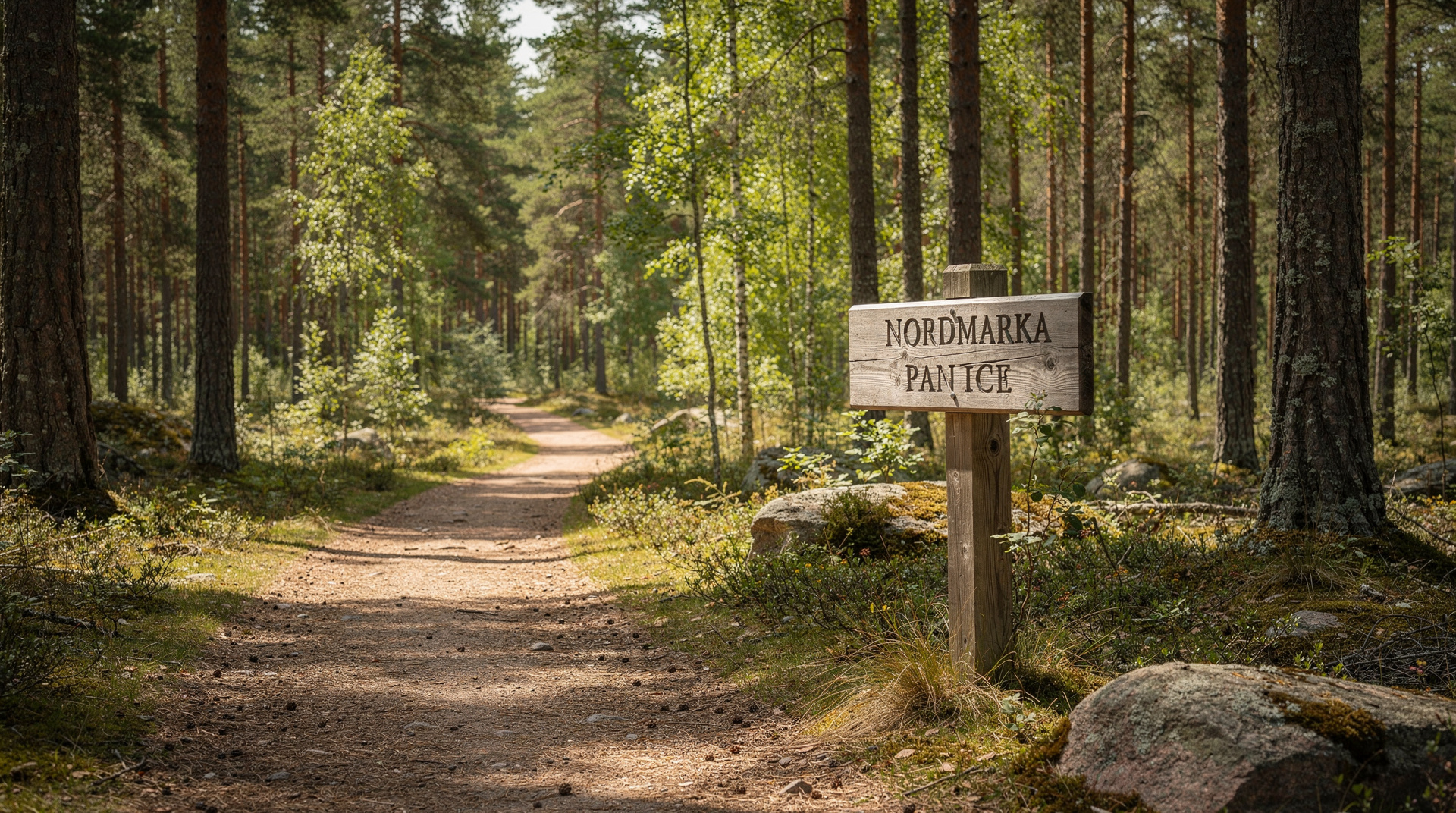
Nordmarka begins its colour turn in late September. Day hikes from Frognerseteren (T-bane line 1, endpoint) offer views over a forest shifting from green to amber — genuinely beautiful and requiring nothing more than decent walking shoes and a Ruter ticket.
October: colour peak, first closures
Early to mid-October is the colour peak in Nordmarka. The forests north of Oslo put on an autumn display that outdoor-oriented travellers will appreciate. The trails around Sognsvann lake (T-bane line 5, last stop) are flat and easy; the Vettakollen summit above Frognerseteren rewards a 45-minute uphill walk with panoramic views.
What you need to know closes: the Oslo island ferry service reduces significantly and most organised island tours end by mid-October. Outdoor kayaking and paddleboard rentals typically close by early October. Some summer-only outdoor bars and terraces close on weekdays.
Temperatures in October drop to 5–12°C, with cold nights. Pack a proper jacket and waterproof layer. Daylight falls to about 10 hours by month’s end.
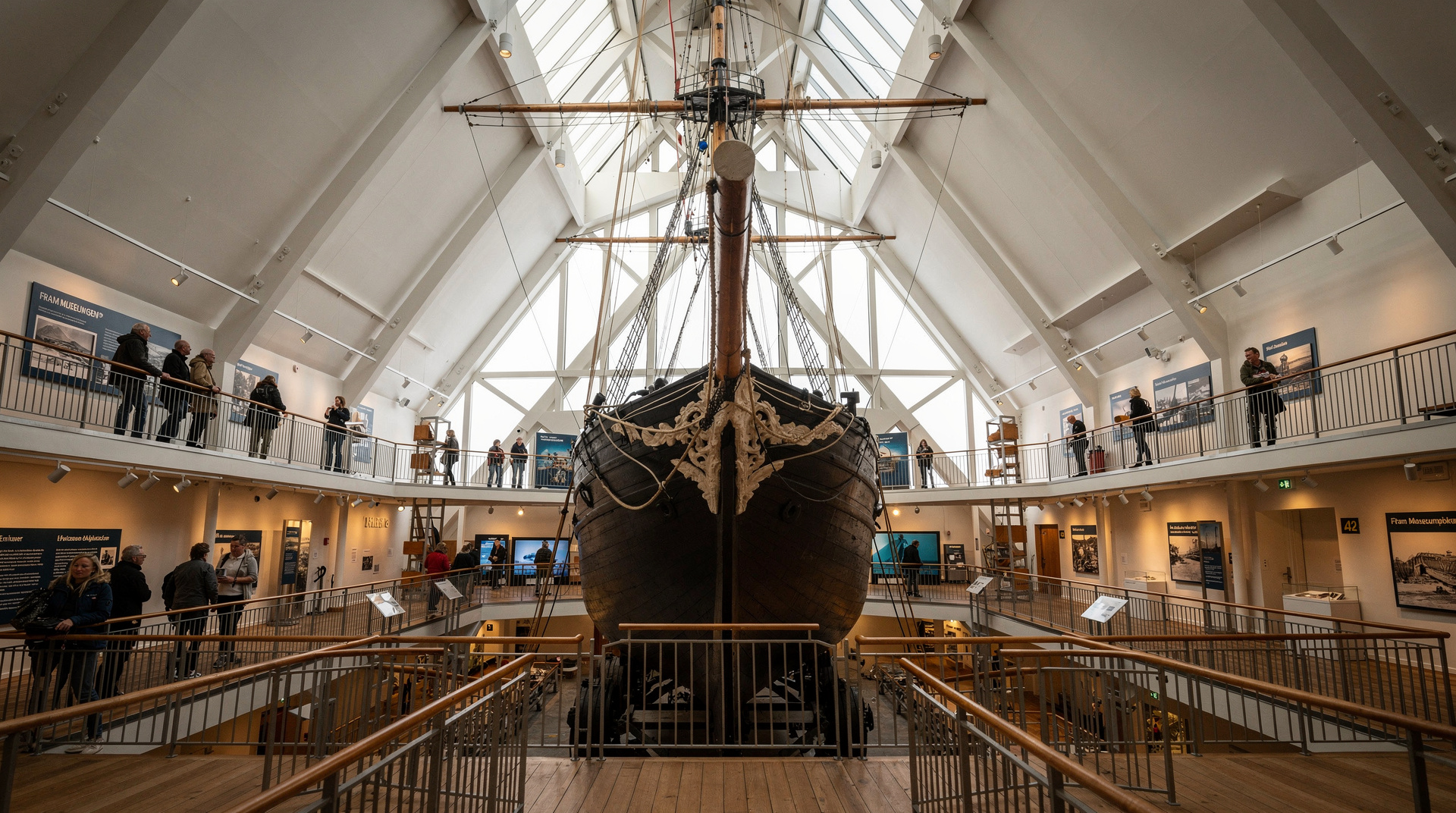
The rainy-day calculation improves: October is one of the best months for museum visits. The Munch Museum in Bjørvika, the National Museum, and the Fram Museum on Bygdøy are all far more pleasant with small crowds.
November: quiet and grey
November is the hardest autumn month to recommend. Daylight falls to 7–8 hours, temperatures hover around 0–6°C, and the city takes on a damp, grey pallor. Outdoor activities have largely shuttered for the season. Snow has not yet arrived to redeem winter — November is neither autumn nor proper winter.
The upside: hotel rates are at or near their annual lows. If you want to visit Oslo’s museums on a budget and do not need outdoor activities, November works as a pure culture trip. The Grünerløkka café scene is at its most cosy in November — the neighbourhood’s independent coffee shops and bakeries lean into hygge in a way that feels authentic rather than staged.
November events: the Oslo World Music Festival brings international artists to venues across the city in late October and early November. The film festival IF (Images from the Future) screens work in late November. Neither is a major travel draw, but they add life to an otherwise quiet month.
Autumn hiking in Nordmarka
The forest belt north of Oslo is one of the city’s most underappreciated assets. In summer it is green and pleasant; in autumn it is spectacular. The main access points by public transport:
Frognerseteren (T-bane line 1, ~30 minutes from city centre): the endpoint station sits at 480m altitude with views over the city and forest. The traditional Frognerseteren Restaurant serves waffle with sour cream and jam for NOK 150 to 200 (approximately USD 16 to 22) — a proper autumn hiking reward. From here, trails fan out into Nordmarka in every direction.
Sognsvann (T-bane line 5, ~20 minutes): a calm lake surrounded by forest with a flat 4km loop — accessible for all fitness levels, even with children.
Vettakollen: a 45-minute climb from Frognerseteren up to a summit with arguably the best free city view in Oslo. No guide needed; the trail is well-marked.
Weather in autumn can deteriorate quickly in Nordmarka. Carry a waterproof layer and extra warmth regardless of the forecast. The trails can be muddy from October onwards.
What to do in Oslo in autumn: practical list
Culture and museums: the museum season is genuinely excellent in autumn. The Munch Museum, National Museum, Astrup Fearnley, Fram Museum, and Norsk Folkemuseum all reward calm autumn visits. Note: the Viking Ship Museum remains closed until approximately 2027.
Grünerløkka and Mathallen: autumn is perfect for exploring Oslo’s food culture. The Mathallen food hall at Vulkan is ideal for a leisurely lunch. The neighbourhood around Grünerløkka’s Thorvald Meyers gate has the highest density of independent cafés in Norway.
Akershus Fortress: the medieval fortress overlooking the fjord is beautiful in autumn light. Entry to the grounds is free; the Resistance Museum inside is NOK 100 (approximately USD 11) and well worth an hour.
Holmenkollen: in autumn the ski jump arena is quiet and the museum (Ski Museum) is open year-round. The views from the jump platform over Oslo and the fjord are dramatic in autumn light. Tram 19 connects the centre to the Holmenkollen stop.
Autumn budget reality
Autumn is meaningfully cheaper than summer for accommodation. A mid-range hotel in Sentrum that costs NOK 2,200 per night in July might run NOK 1,400 to 1,600 in September and NOK 1,000 to 1,200 in October and November (approximately USD 108 to 172 and USD 108 to 129 respectively).
Food and drink costs do not change seasonally — Oslo is expensive year-round. A dinner for two at a mid-range restaurant remains NOK 700 to 1,200 (approximately USD 75 to 130). Plan your food budget carefully regardless of when you visit. The budget eats guide identifies the best-value options across the city.
Alcohol deserves particular emphasis: bar prices in Oslo run NOK 90 to 130 for a beer (approximately USD 10 to 14) regardless of season. Pre-purchasing wine or spirits at Vinmonopolet before dinner at a restaurant or for your accommodation is a legitimate strategy many visitors use.
Getting around in autumn
Ruter runs the same network year-round. T-bane, tram, and bus coverage is excellent. Taxis and ride-share are disproportionately expensive in Oslo — a 5km taxi ride can cost NOK 250 to 350 (approximately USD 27 to 38). Use the T-bane.
Cycling in Oslo in autumn is possible through September and into October with decent rain gear. The Bysykkel city bike docking stations are active until late autumn (typically removed in November or December). After that, cycling in winter requires your own bike with appropriate tyres.
Is the Oslo Pass worth it in autumn?
The Oslo Pass is more borderline in autumn than in summer, because some of the activities it covers (fjord cruises, island tours) have closed or reduced. Its core value in autumn is museum access — if you plan to visit 4 or more of the paid museums (Munch Museum at NOK 180, National Museum at NOK 160, Fram Museum at NOK 160, Norsk Folkemuseum at NOK 230) plus use public transport heavily, the 24-hour or 48-hour pass can break even. Below that density, buy individual tickets. Our Oslo Pass vs individual tickets guide runs the maths.
Autumn day trips from Oslo
September’s stable weather and still-frequent train and ferry schedules make it the best autumn month for day trips, and the routes stay genuinely pleasant into October if you dress for the cold.
Fredrikstad, about an hour southeast by train, has Northern Europe’s best-preserved fortress town — cobbled streets, moats, and ramparts that look particularly good under low autumn light with far fewer visitors than in summer. See the Fredrikstad day trip guide for the full route.
Drøbak, an hour south on the Oslofjord’s edge, is a wooden harbour town with a Christmas-shop tradition and a genuinely scenic waterfront walk. Autumn strips away the summer crowds and leaves the town looking closer to how Norwegians actually experience it. The Drøbak day trip guide covers transport and timing.
Lillehammer, about two hours north by train, works well in early autumn for the Olympic sites and the Maihaugen open-air museum, though by late October the mountain weather turns noticeably colder than Oslo itself. Check the Lillehammer day trip guide before committing to a date.
By November, reduced weekend ferry frequencies and shorter daylight make day trips more of a logistics exercise — a car, or a train-only itinerary, becomes the more reliable choice.
Planning your days around the light
Autumn in Oslo is a season where the clock matters more than the calendar. Daylight shrinks week by week, so the sensible rhythm is to put outdoor plans in the middle of the day and keep museums, cafés and long dinners for the dark hours. Our daylight by season guide shows how quickly the evenings close in, and it is worth a glance before you decide how many hikes to stack into one trip. If you are still choosing a month, the best time to visit Oslo puts autumn next to the other seasons, and Oslo in summer is the useful comparison if you are torn between a last warm trip and a quieter one.
Sample autumn days that work
A colour day in the forest. Take the T-bane up to Nordmarka in the morning, walk while the light is good, and finish with something warm. The Nordmarka hiking guide lays out the options, and the best Oslo hikes helps you match a route to your energy. For a shorter outing, the Sognsvann lake loop and the Vettakollen hike both suit a half day. If you would like the full forest-to-city experience, the forest to fjord walk connects the two.
A culture day when the rain arrives. Autumn weather turns without warning, so keep a museum plan in your pocket. The rainy day museums guide is built for exactly this, and rainy day with kids covers families. The Astrup Fearnley Museum and the Historical Museum both reward an unhurried visit when the halls are quiet.
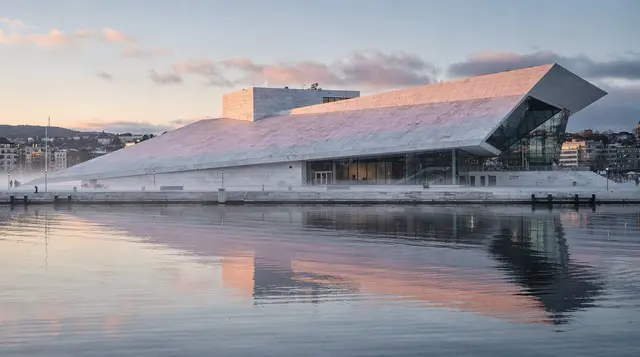
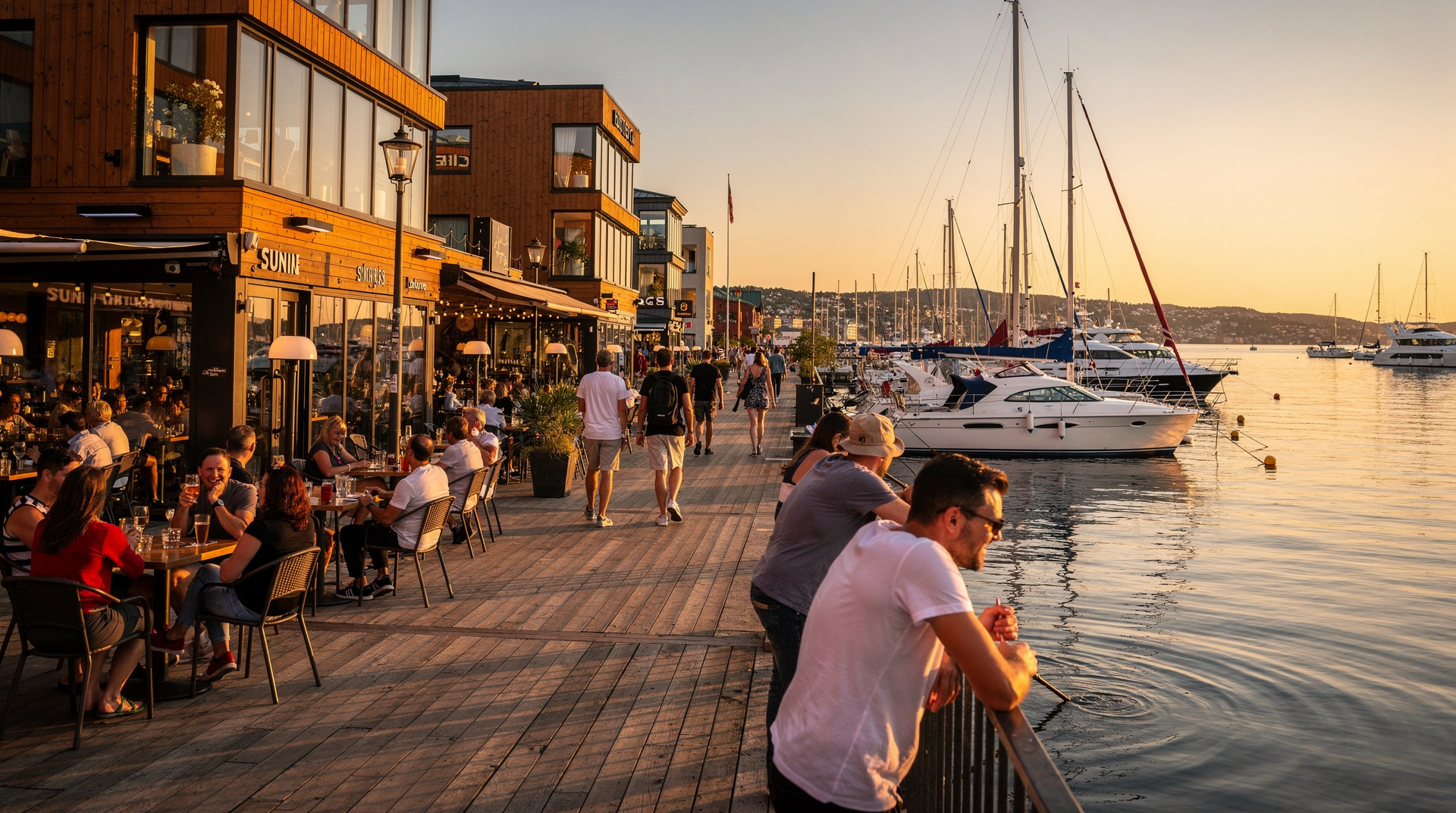
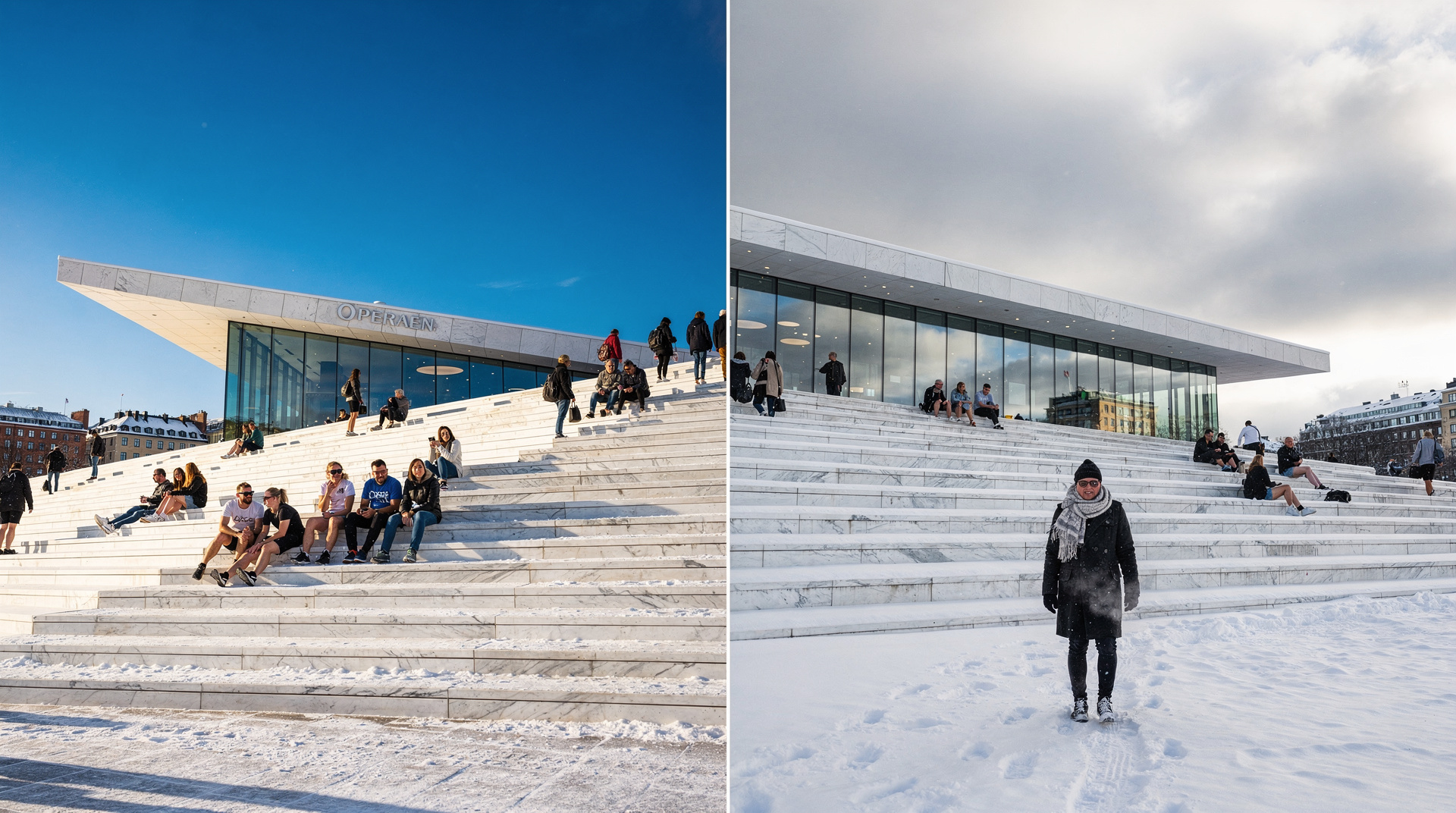
A slow city day. Walk Karl Johans gate in soft light, then drift to the waterfront at Aker Brygge and Tjuvholmen or the opera roof in Bjørvika. Neighbourhoods such as Grünerløkka and Frogner are at their best when you have time to wander without queues, and Vigeland Sculpture Park is lovely under bare and golden trees.
Warming up: saunas, food and cosy stops
Cold weather is the best argument for Norway’s sauna habit. Once the air turns sharp, a session by the water feels less like a novelty and more like the obvious thing to do. Start with the best Oslo saunas compared, and read the sauna etiquette guide so you know what to expect before you walk in. If the idea of a cold dip appeals, sauna and cold plunge in Oslo explains how the two go together.
On the food side, autumn is a good time to try the country’s heartier dishes. Norwegian food to try and brown cheese and specialties give you a short list, while where to eat in Oslo helps you choose a neighbourhood. Because the city is costly, cheap eats in Oslo and the overpriced food warning are worth reading before you book a table. For coffee stops between museums, Oslo coffee culture points you to the places locals actually use.
Making autumn fit a wider trip
Autumn is a natural moment to build a longer plan, because the lower pressure means fewer decisions made in a hurry. The Oslo in 3 days itinerary and the Oslo in 2 days itinerary both adapt well to the season if you swap outdoor stops for indoor ones. For a trip built around eating and design, see the food and design weekend. Travellers who care about cost should read the Oslo trip cost guide and the Oslo on a budget guide, and anyone wondering whether a longer stay is justified can check how many days in Oslo.
If you want a personal account of the forest at its best, the blog post on autumn colours in Nordmarka is a good companion, and Oslo’s design scene suits an indoor afternoon. Looking ahead to colder months, Christmas in Oslo and Oslo in winter show where the season leads once the leaves are down.
Autumn seasonality at a glance
| Month | Weather | Crowds | Fjord/island access | Verdict |
|---|---|---|---|---|
| September | Mild, 8–18°C | Low, thinning fast | Full or near-full schedule | Best overall month |
| October | Cooler, 5–12°C, more rain | Very low | Reduced, ends mid-month | Best for colour + museums |
| November | Cold, 0–6°C, grey | Lowest | Closed | Culture-only, cheapest hotels |
Frequently asked questions about Oslo in autumn — colours, quieter crowds, and what closes
What is the weather like in Oslo in autumn?
September averages 8–18°C with plenty of dry days. October drops to 5–12°C with more rain. November is 0–6°C, often grey. Daylight falls from 13 hours in early September to about 7 hours by late November.When do Oslo fjord boat tours close for autumn?
Most fjord cruise and island-hopping tours close or reduce significantly by mid-October. The silent electric boat cruise typically runs through late September or early October — check the specific operator schedule when booking. Winter cruises (fish soup, sailing ship) continue but with a reduced programme.Is Nordmarka good for autumn hiking?
Yes — early October is excellent for autumn colour hiking in Nordmarka. The forests turn amber, red, and gold, and the trails are far less crowded than in summer. The T-bane to Frognerseteren (line 1) or Sognsvann (line 5) is the easiest access point.Are Oslo museums less crowded in autumn?
Yes, significantly. The Munch Museum and National Museum are most pleasant in September and October when summer queues have largely disappeared. Booking ahead is still sensible for the Munch Museum on weekends.What events happen in Oslo in autumn?
The Ultima contemporary music festival runs in October. The Oslo World Music Festival is in late October to early November. The Mela multicultural festival typically takes place in late August, on the edge of autumn.Does Oslo get northern lights in autumn?
No. Oslo is at 59.9°N — far too south for reliable aurora viewing. Strong geomagnetic storms very occasionally allow a faint aurora to be seen from dark hilltops outside the city, but this cannot be planned for. Tromsø and Alta (69–70°N) are where you go for a real northern lights trip.What should I pack for Oslo in autumn?
Layers, above all. A waterproof shell jacket, a warm mid-layer (fleece or light down), sturdy waterproof shoes for muddy Nordmarka trails from October, and a light scarf for cool evenings. September needs less insulation than November, but the weather can shift within a single day, so pack for the coldest scenario rather than the average.Are day trips from Oslo good in autumn?
Yes, especially in September while ferries and trains still run full schedules. Fredrikstad's Old Town and Drøbak's harbour are both pleasant autumn walks with far fewer visitors than in July. By November, reduced ferry and bus frequencies make day trips slower to plan but still workable with a car or train.
Top experiences
Bookable activities with verified prices and instant confirmation on GetYourGuide.