Oslo in winter: 3-day itinerary for snow, ski and the fjord
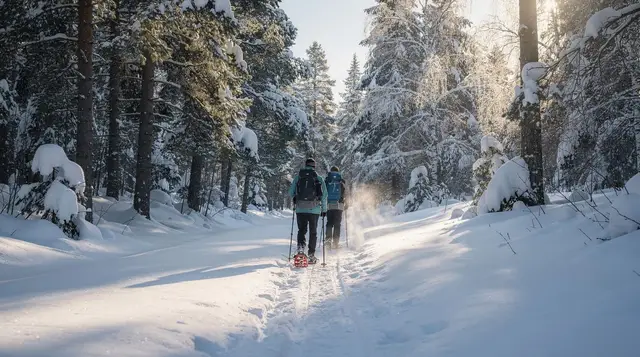
From Oslo: Oslomarka forest guided snowshoeing tour
Duration: 3 hours
- Winter only
- Snowshoes included
Winter Oslo: a 3-day guide for cold-weather enthusiasts
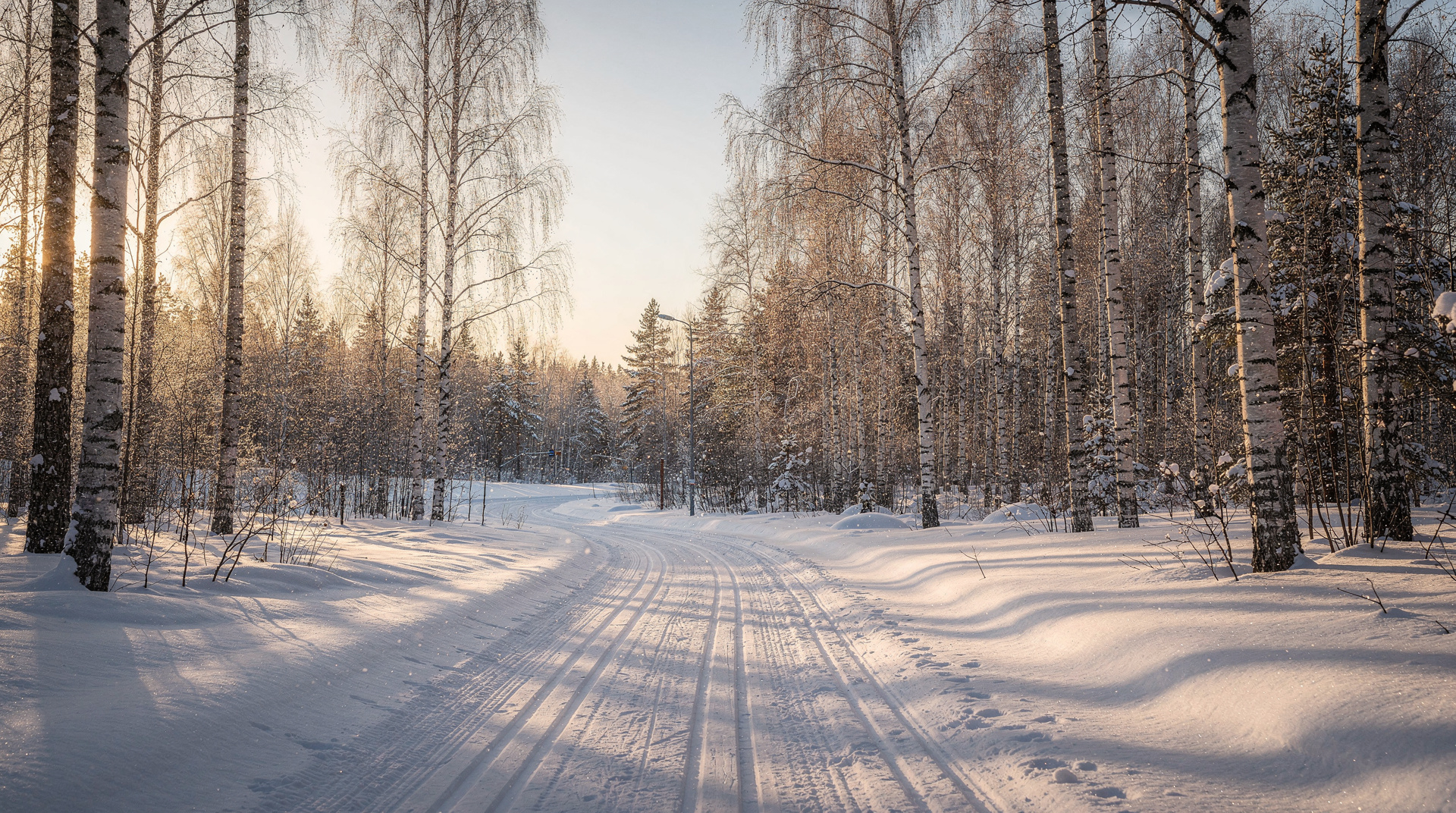
Oslo in winter is a different city from the summer version — quieter, colder, and in many ways more authentically Norwegian. From December to March, the Nordmarka forest north of the city becomes a vast cross-country skiing terrain accessible directly by metro. Holmenkollen wears snow. The Oslofjord steams with cold air on icy mornings. And the floating saunas — with their contrast of 90°C wood heat against near-freezing fjord water — are at their most dramatic.
Reality check on winter conditions:
- Daylight: 6–7 hours in December (sunrise ~09:00, sunset ~15:30); slightly better in February (7–9 hours)
- Temperature: typically −7 to +2°C, with reliable snow from January through March; December can be mild and rainy
- Snow in Nordmarka: usually reliable from late December, with machine-groomed cross-country tracks maintained from Sognsvann upward
- Ski conditions: check
skiforeningen.no(Oslo ski association) for current conditions and open tracks
This itinerary is designed for December–March. Christmas market dates (late November – 23 December) allow an alternative version covered in the FAQ.
Oslo Pass in winter: The 72-hour Oslo Pass (NOK 1 040 / ~USD 112) covers Holmenkollen Ski Museum, all standard city museums, and unlimited Ruter transport including metro to Holmenkollen and Sognsvann. Useful for Days 1–2; on Day 3 (snowshoeing tour) you may not need it.
| Where | Oslo, Nordmarka forest, Holmenkollen |
| Cost | Around NOK 3 500–4 500 / ~USD 375–483 per person for activities across 3 days |
| Time needed | 3 full days, December–March |
| Getting there | Metro lines 1 and 3 reach all Nordmarka and Holmenkollen starting points |
| Best time | January–early March for reliable snow; December is variable |
Day 1: snowshoeing in Oslomarka
Morning: guided snowshoe tour
09:30 — Guided snowshoeing in Oslomarka
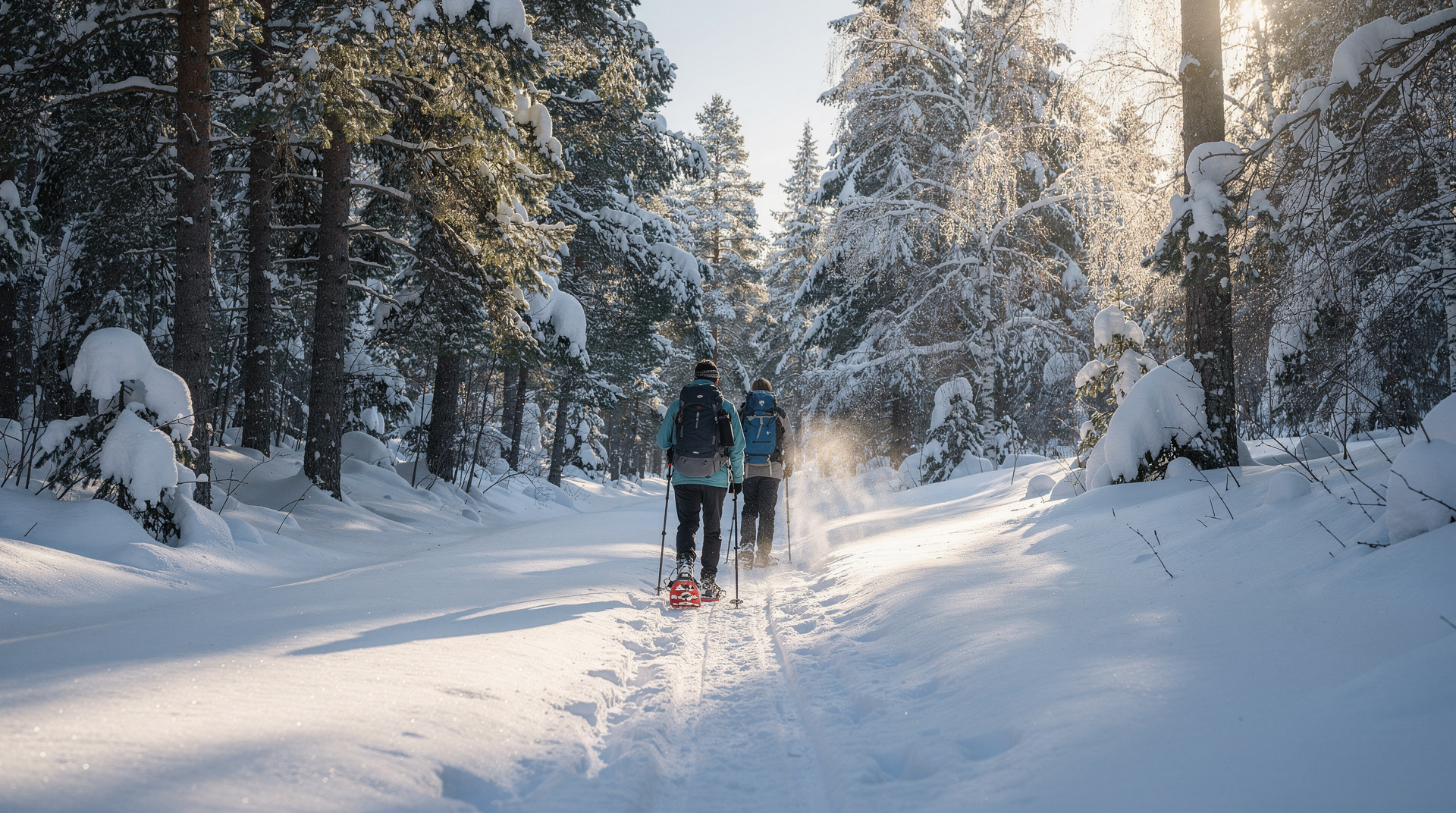
The guided snowshoeing tour from Oslo into Oslomarka is the single best winter outdoor experience near the city. Departing from Frognerseteren (metro line 1, end of the line, ~40 minutes from Nationaltheatret — included with Oslo Pass), the tour ventures 3–4 kilometres into the forested hills on snowshoes provided by the guide. Expect birch forest, views over Oslo, and the profound silence of a snow-covered Nordic landscape.
Duration: 3 hours. Snowshoes included. Dress warmly: merino base layers + mid-layer + waterproof outer shell. Gloves and hat essential. Temperature at Frognerseteren (514 m altitude) is typically 3–7°C colder than central Oslo. Approximately NOK 600–700 / ~USD 64–75. Pre-book — group sizes are limited. See our snowshoeing guide for what to expect.
12:30 — Lunch at Frognerseteren
Frognerseteren Restaurant is one of the most atmospheric places to eat in Oslo — a traditional Norwegian timber building perched above the city with panoramic winter views. Try the fish soup (fiskesuppe, NOK 195 / ~USD 21) or reindeer stew (reinsdyrgryte, NOK 340 / ~USD 37). The apple cake with cream is legendary. Budget NOK 280–420 / ~USD 30–45 for a two-course lunch.
Afternoon: Voksen Skog and ski trail walk
After lunch, walk or ski (rentals available near Tryvann and Frognerseteren, NOK 350–450 / ~USD 38–48 for a half day) along one of the marked trails for 1–2 hours. The signposted loop to Ullevålseter (a ski cabin, 6 km one-way) is doable in 90 minutes each way; for a shorter option, the 3 km circuit to Tryvannstårnet observation tower returns to the metro easily.
15:30 — Metro back to city
The metro descends through forested hillside, giving views over Oslo in the winter light. The afternoon light in Oslo in winter is amber and short — by 15:00 it is golden hour.
Evening: museums and the National Museum
17:00 — National Museum (Nasjonalmuseet)
The National Museum at Aker Brygge closes at 20:00 on Thursdays. On other days, check current opening times. Free with Oslo Pass. The winter evening, with the museum’s illuminated atrium, is a comfortable contrast to the outdoor day. Allow 60–75 minutes. If the National Museum is closed or you prefer something shorter, the Nobel Peace Center (Rådhusplassen) closes at 18:00.
19:00 — Winter dinner
Oslo’s winter dining is excellent. Try Maaemo (tasting menu, book months ahead), or more practically: Statholdergaarden (Rådhusgata 11, traditional Norwegian fine dining, NOK 450–700 / ~USD 48–75 for mains), or the classic Engebret Café (Bankplassen 1, since 1857, NOK 320–480 / ~USD 34–52).
Day 2: cross-country skiing and Holmenkollen
Morning: cross-country skiing with equipment and guide
09:00 — Metro to Sognsvann or Frognerseteren
Metro line 3 to Sognsvann (end of line, ~28 minutes from Nationaltheatret) or metro line 1 to Frognerseteren. Both are starting points for the Nordmarka cross-country skiing network.
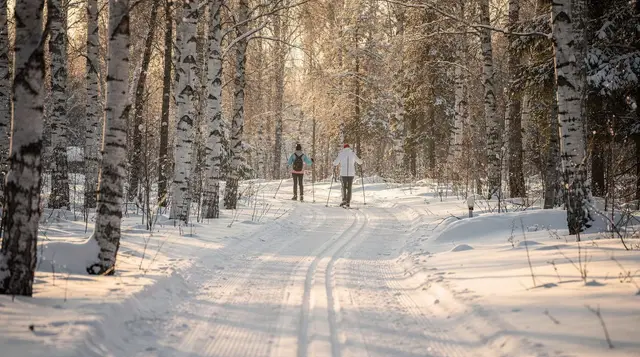
09:30 — 3-hour cross-country skiing trip with equipment and guide
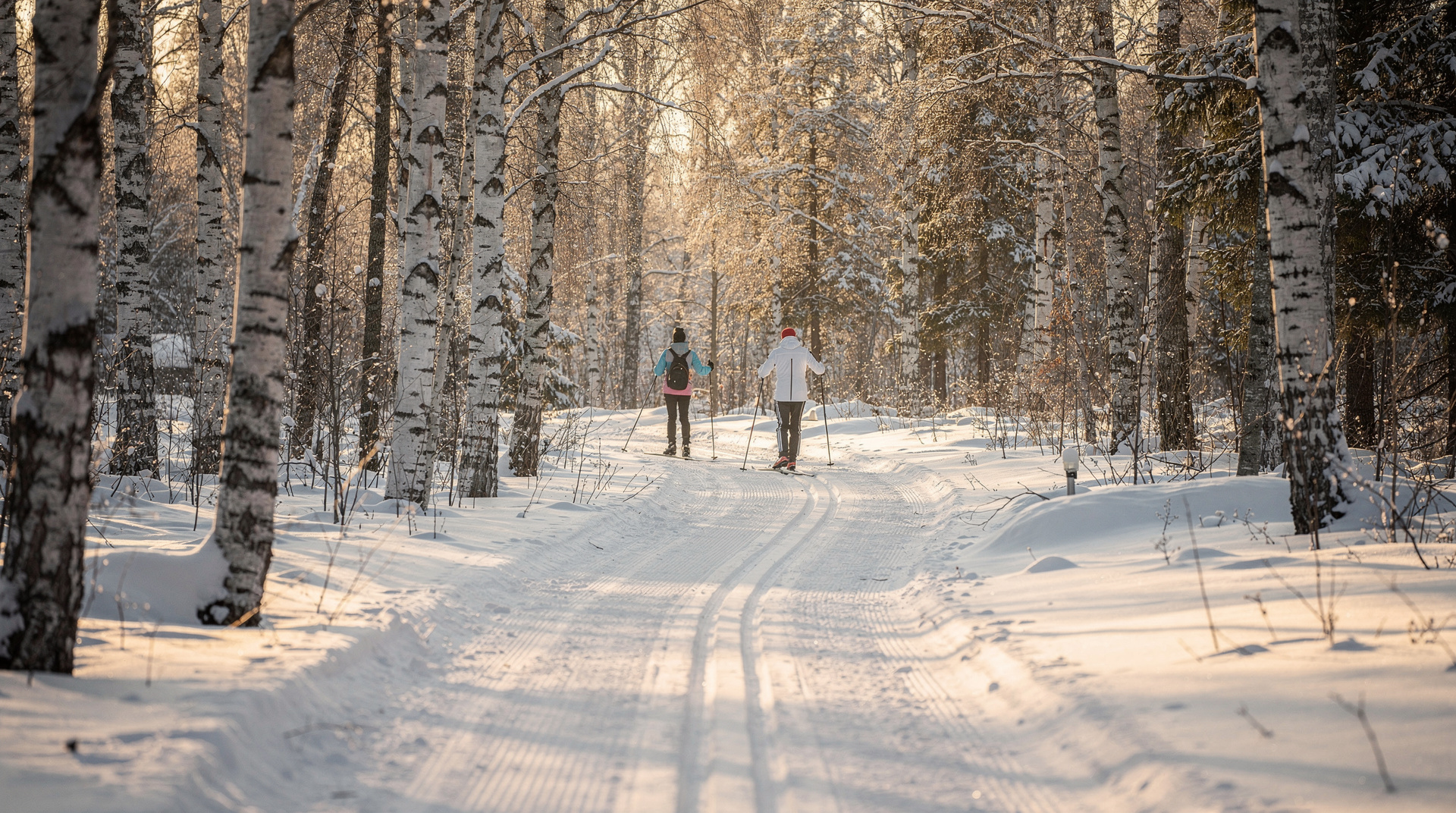
The guided 3-hour cross-country session includes equipment rental (classic skis, poles, boots) and a guide who teaches technique to beginners or leads confident skiers on a longer route. Oslo Norwegians cross-country ski the way London Londoners cycle — it is genuinely normal here, with families, elderly people and office workers all out on the tracks on a winter Saturday. Approximately NOK 850–950 / ~USD 91–102 including equipment.
If you already ski confidently: equipment rental only is available at Skiservice Oslo (Sognsvannsveien, Sognsvann) for ~NOK 350 / ~USD 38 per day. The Nordmarka trail network (Skiforeningens løyperegister) has hundreds of kilometres of machine-groomed tracks.
See our cross-country skiing guide for track recommendations by ability level.
13:00 — Early lunch / hot drink at ski cabin
Ullevålseter cabin (a traditional DNT hut, ~4 km from Sognsvann) serves waffles with brown cheese and hot chocolate (NOK 85–120 / ~USD 9–13). This is the authentic Norwegian ski cabin experience. Cash accepted.
Afternoon: Holmenkollen
13:30 — Metro to Holmenkollen
Return to Sognsvann then change for metro line 1 toward Holmenkollen (~20 minutes).
14:00 — Holmenkollen Ski Jump and Museum
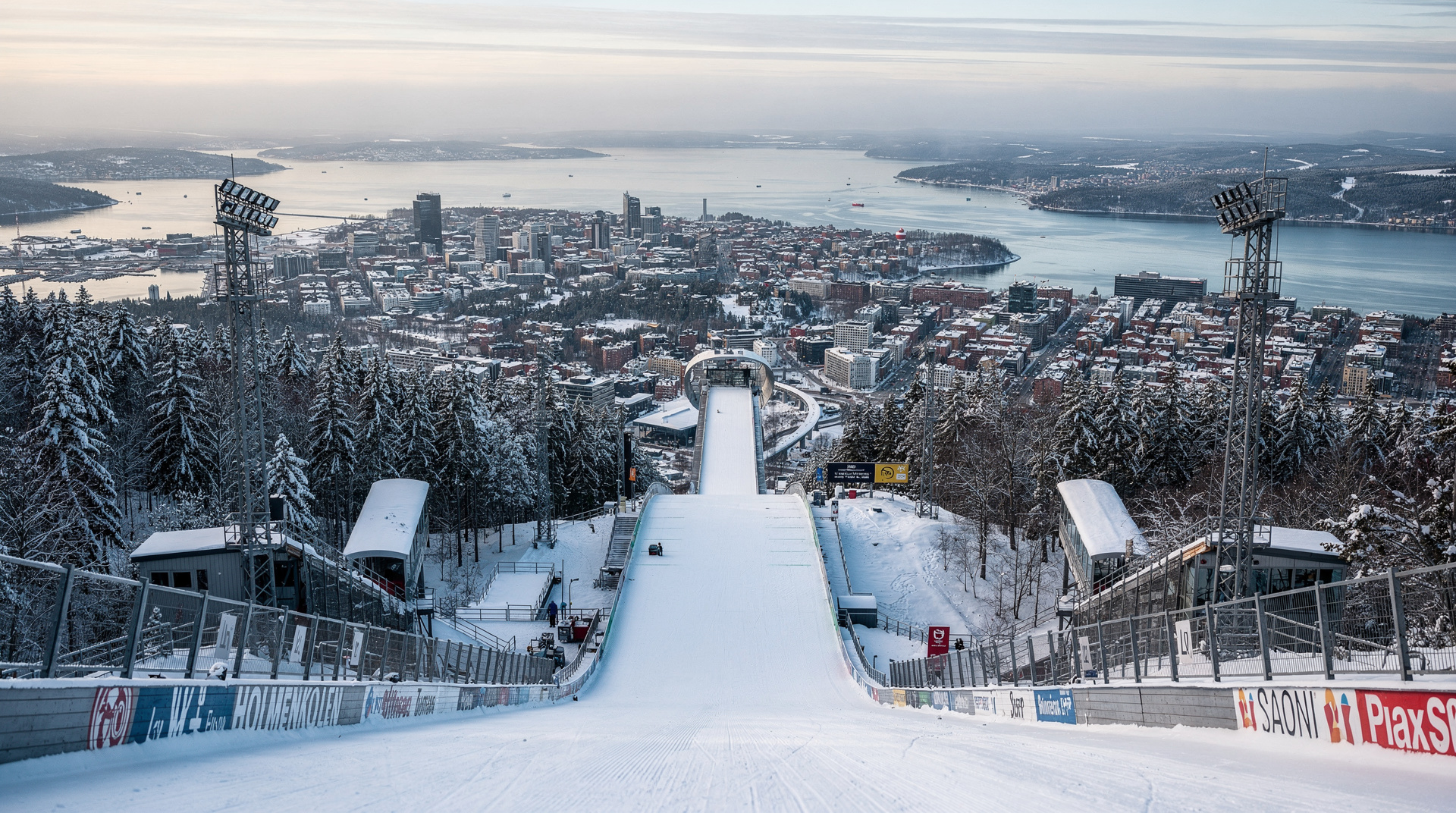
Holmenkollen in winter is the real thing. The ski jump tower (NOK 150 / ~USD 16, free with Oslo Pass) gives views that in clear winter weather extend across the Oslofjord to Vestfold. The Holmenkollen Ski Museum in the base of the jump is the world’s oldest ski museum, with fascinating exhibits on Nordic skiing going back 4 000 years. Allow 75 minutes.
Check the schedule for ski jumping competition dates — the Holmenkollen Festival in early March is the world’s largest ski festival, with 50 000+ spectators. Event tickets cost NOK 200–700 / ~USD 21–75 depending on day and category. See our Holmenkollen guide.
Evening: sauna at Tjuvholmen
17:00 — Floating sauna at Tjuvholmen
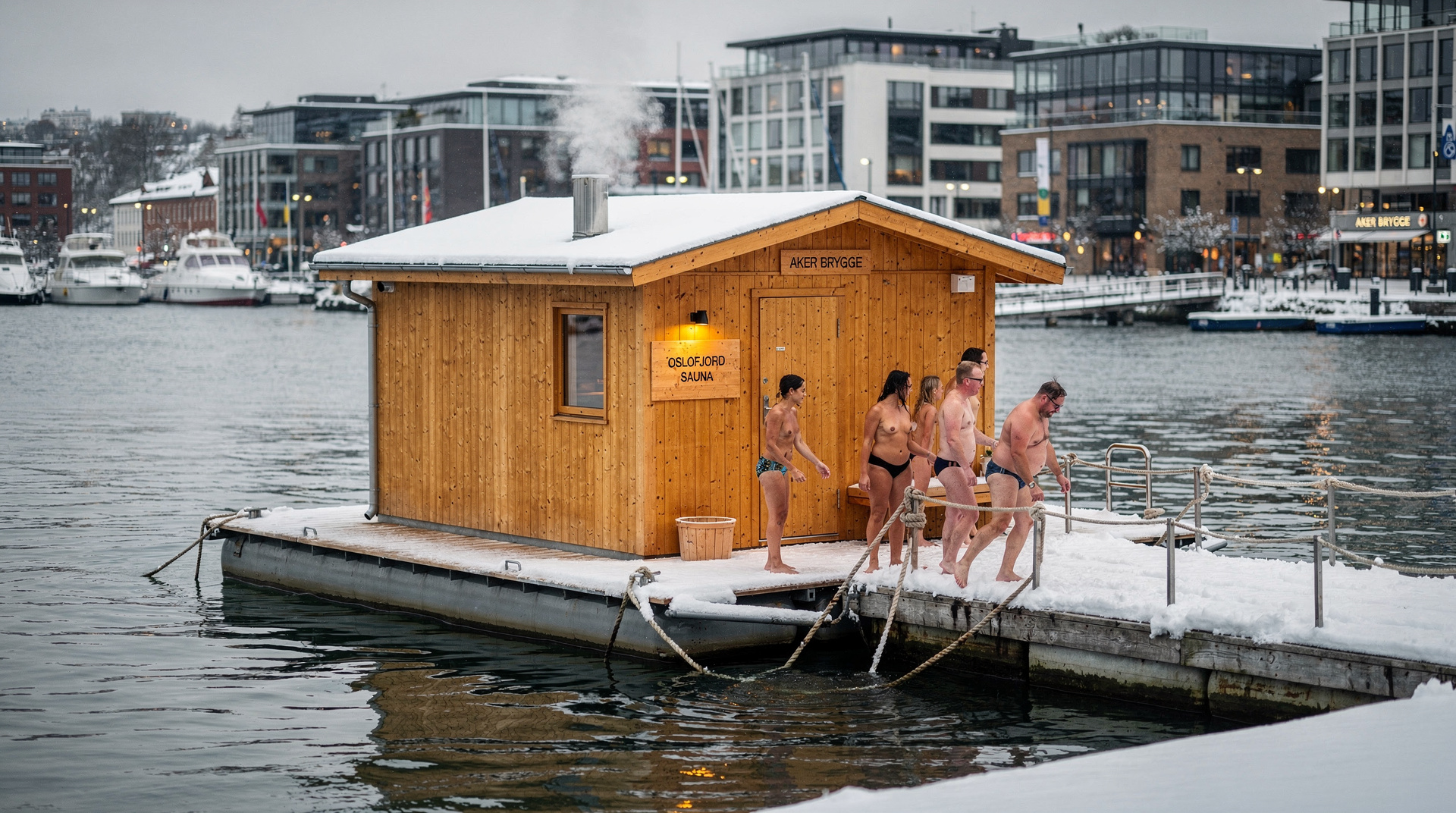
The floating sauna experience is most dramatic in winter. Temperature difference between sauna (85–90°C) and fjord (3–5°C in January–February) is extreme — the contrast is simultaneously shocking and exhilarating. The steam rising from your body when you step from fjord to sauna is a genuine sensory experience. Book in advance (NOK 200–250 / ~USD 21–27); towel rental available. See our sauna guide.
19:30 — Dinner and nightlife
Oslo’s winter evenings start early (dark by 15:30) and warm up around 20:00. Good options near Tjuvholmen: Tjuvholmen Sjømagasin (upscale seafood, NOK 500–700 / ~USD 54–75 for mains) or head to Grünerløkka for more affordable restaurant options (NOK 200–350 / ~USD 21–38 range).
Day 3: city museums, Christmas markets (seasonal), and winter fjord
Morning: Munch Museum and opera house
09:30 — Munch Museum (MUNCH)
The Munch Museum at Bjørvika is particularly moving in winter — Munch’s dark winter interiors and psychological tension resonate differently in a January atmosphere. Allow 90 minutes. Free with Oslo Pass (normally NOK 200 / ~USD 21). Book timed entry online.
11:15 — Oslo Opera House
Five minutes walk from the Munch Museum. The white marble rooftop remains dramatic in winter; if it has snowed recently the effect is extraordinary. Free access always.
Midday: city and indoor attractions
12:00 — Lunch near the National Theatre
Theatercaféen (Hotel Continental, Stortingsgata 24–26) is Oslo’s most beautiful traditional restaurant, with Art Nouveau interiors and Austrian-influenced menu. NOK 280–420 / ~USD 30–45 for a main dish. Reservations recommended at lunch.
13:30 — National Museum
If you did not visit on Day 1, the National Museum (Nasjonalmuseet) at Aker Brygge has the oil-on-board version of The Scream alongside Norwegian and international art. Free with Oslo Pass. Allow 60–90 minutes.
Afternoon: Christmas markets (late November – December only)
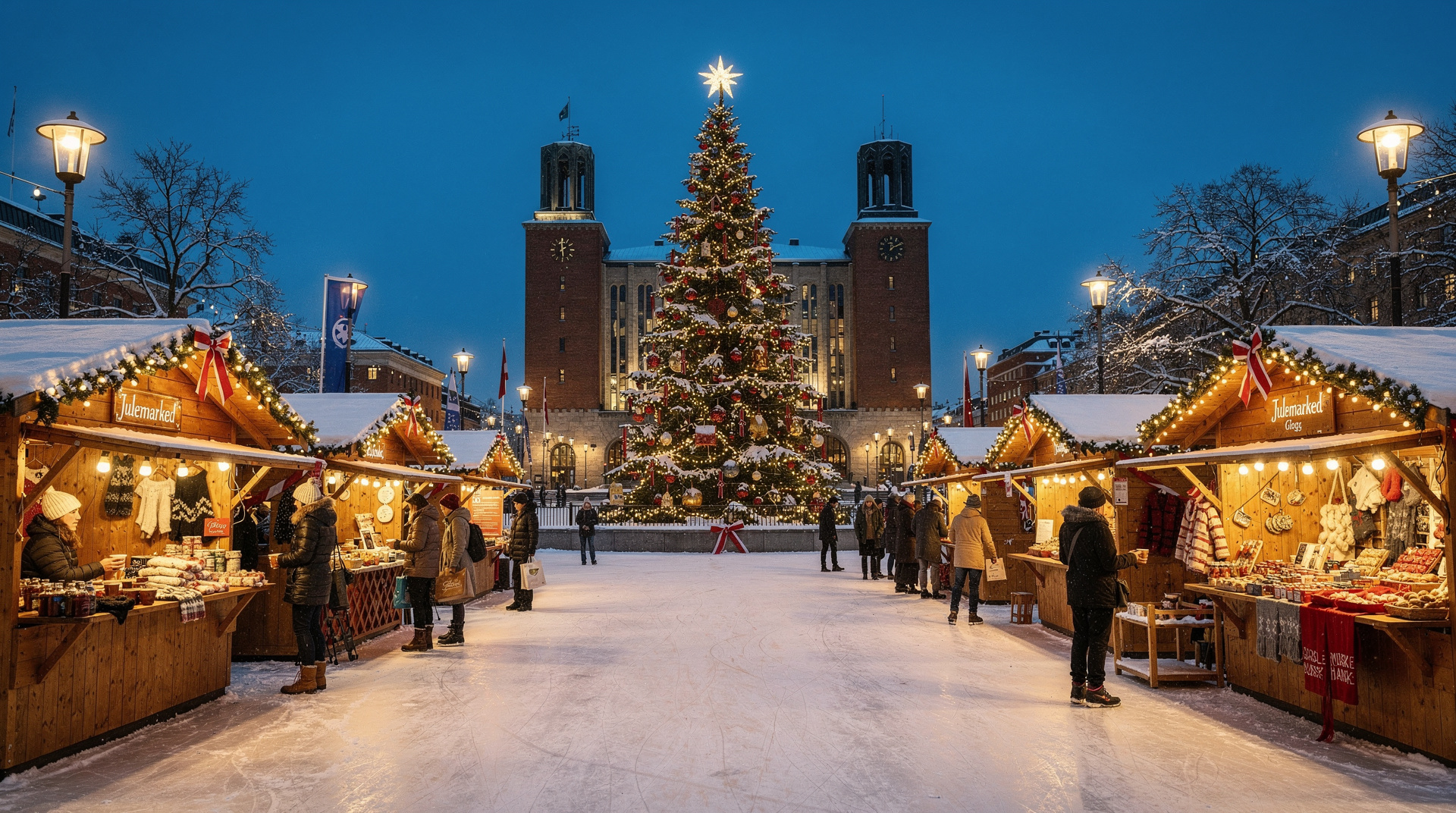
If visiting in December: Oslo’s Christmas markets run from late November to 23 December. The main markets are at Spikersuppa (ice rink + stalls, Karl Johans gate), Aker Brygge (outdoor illuminated market), and the Norwegian Folk Museum at Bygdøy (traditional crafts, mid-December weekends only).
The Christmas gløgg tour (guided, ~2.5 hours) covers the main Christmas markets with stops for gløgg (mulled wine) and traditional sweets. NOK 500–600 / ~USD 54–64. Runs December only.
Afternoon: winter fjord cruise
15:00 — Winter fjord cruise with fish soup
An Oslo winter fjord cruise (skyline cruise with fish soup included) departs from Aker Brygge and runs year-round, weather permitting. The 2-hour cruise in clear winter air, with the city skyline and fortress lit up, is genuinely atmospheric and nothing like the summer version. Fewer passengers, more intimate. Approximately NOK 735 / ~USD 79 including fish soup. Book via the GYG catalog. See our winter fjord cruise guide.
Evening: final dinner
18:30 — Farewell dinner
Dinner options for the final evening: Fiskeriet Youngstorget (Youngstorget 2, Norwegian fish, NOK 280–380 / ~USD 30–41 for mains) or Olympen gastropub (Grønlandsleiret 15, warm, buzzing, Norwegian comfort food from NOK 200 / ~USD 21).
Practical notes for Oslo in winter
What to pack: Thermal base layers (merino recommended), mid-layer fleece, waterproof outer jacket and trousers, insulated boots rated to at least −15°C, merino wool socks, gloves (waterproof outer with liner), wool hat. Oslo winter fashion is practical — no need for anything fashionable.
Ruter in winter: The metro, tram and bus operate normally in all weather. Cross-country skiing tracks in Nordmarka are accessible from the metro terminus. Note that some Bygdøy ferry services are reduced or suspended in winter — take bus 30 instead.
Ice warning: Oslo pavements can be icy (is) in January–February. Shops sell ice grips (brodder, ~NOK 100 / ~USD 11) that clip over normal shoes — genuinely useful. Most Osloites use them.
Northern lights: Oslo is at 59.9°N latitude — northern lights are not visible here. Do not book a “northern lights tour” from Oslo; these do not exist legitimately. See our honest guide on this topic.
Day-by-day summary
| Day | Morning | Afternoon | Evening |
|---|---|---|---|
| Day 1 | Guided snowshoeing at Frognerseteren | Ski trail walk to Ullevålseter or Tryvannstårnet | National Museum, dinner near National Theatre |
| Day 2 | Cross-country skiing from Sognsvann | Holmenkollen Ski Jump and Museum | Floating sauna at Tjuvholmen, dinner near Aker Brygge |
| Day 3 | Munch Museum and Opera House | National Museum or Christmas markets (December) | Winter fjord cruise with fish soup, farewell dinner |
How this compares to a summer visit
Winter Oslo trades the long, warm evenings of June and July in Oslofjord for something quieter and, for many repeat visitors, more distinctive: cross-country skiing straight off the metro, a floating sauna that only really makes sense against cold water, and streets that empty out after dark.
If you have flexibility on dates and want the more sociable, outdoor-terrace version of the city, our 48 hours in Oslo piece captures the warmer-weather rhythm; this itinerary assumes you specifically want the cold-weather experience, not a compromise on it. Read our winter in Oslo: what to expect for a first-timer’s honest take before you commit to a December–March trip.
Budgeting for three winter days
Across the three days above, activities alone (snowshoeing, cross-country skiing with guide, Holmenkollen entry, sauna, fjord cruise) run to roughly NOK 3 500–4 500 / ~USD 375–483 per person, before food and accommodation. The Oslo Pass (NOK 1 040 / ~USD 112 for 72 hours) offsets some of this on Days 1–2 through free museum entry and transport, though it does not cover the paid guided activities. For a full breakdown of what a realistic Oslo trip costs across seasons, see Oslo on a budget: real numbers and why Oslo is worth the price.
Frequently asked questions about Oslo in winter
When is the best time to ski in Oslo?
January through early March is the most reliable snow period. December is variable — can be grey and mild, or beautifully snowy. The Holmenkollen Festival in early March combines ski jumping competition crowds with reliable late-season snow.
Can complete beginners try cross-country skiing?
Yes, with the guided lesson package. Classic cross-country skiing on flat terrain is significantly easier than alpine skiing and most beginners can manage basic tracks within 1–2 hours. The guides on the introductory session are used to absolute beginners.
Is the floating sauna really comfortable in freezing weather?
The sauna itself (inside the heated cabin) is warm and comfortable. The decision to plunge into 4°C fjord water is entirely optional — you can simply step out, feel the cold air, and return inside. Most visitors do plunge, and report that the adrenaline rush lasts hours.
Are Christmas markets worth visiting in Oslo?
The Aker Brygge market is atmospheric and pleasant. The Norwegian Folk Museum market (mid-December weekends) is the most authentic — traditional craft demonstrations, real folk costumes, and Norwegian Christmas foods. The Karl Johans gate Spikersuppa market is busy and more commercial. See our Christmas guide.
Do I need ski equipment or can I rent everything?
You can rent everything. Ski rental is available at multiple points around the Nordmarka access metro stations (Sognsvann, Frognerseteren). Snowshoeing tour packages include all equipment.
How cold does Oslo actually get in winter?
January average: −4°C (25°F) daytime, −10°C (14°F) at night. February similar. March: −1 to +3°C. Wind chill along the waterfront makes it feel colder. Dress in proper layers and you will be comfortable; Oslo residents are neither particularly tough nor bothered by the cold.
Is Oslo worth visiting in winter if I don’t ski?
Yes. The Munch Museum, Opera House, National Museum and floating saunas all work regardless of ski ability, and the winter fjord cruise with fish soup is arguably more atmospheric than the summer version thanks to fewer crowds and the lit-up city skyline. Swap the guided cross-country skiing on Day 2 for extra museum time or a longer sauna session if skiing doesn’t appeal.
How much daylight will I actually have?
December is the tightest: roughly 6–7 hours between a 09:00 sunrise and 15:30 sunset. By February this extends to 7–9 hours, and by early March closer to 10–11 hours. Plan outdoor activities (snowshoeing, skiing, Holmenkollen) for the daylight hours and save museums and dinner for after dark — this itinerary is structured that way deliberately.
Top experiences
Bookable activities with verified prices and instant confirmation on GetYourGuide.
From Oslo: Oslomarka forest guided snowshoeing tour
- Winter only
- Snowshoes included
Oslo: 3-hour cross-country skiing trip with equipment and guide
- Winter only
- Gear + guide
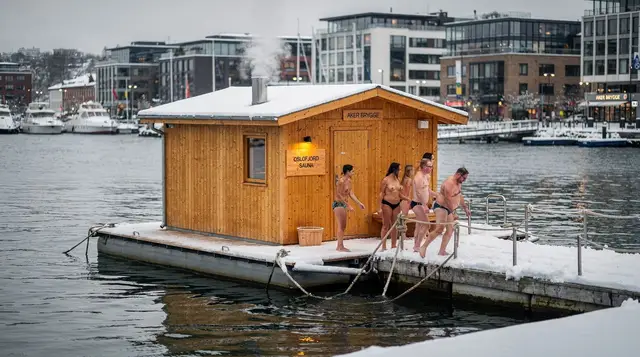
Oslo: self-service public floating sauna ticket, Tjuvholmen
- Floating sauna
- Fjord swim
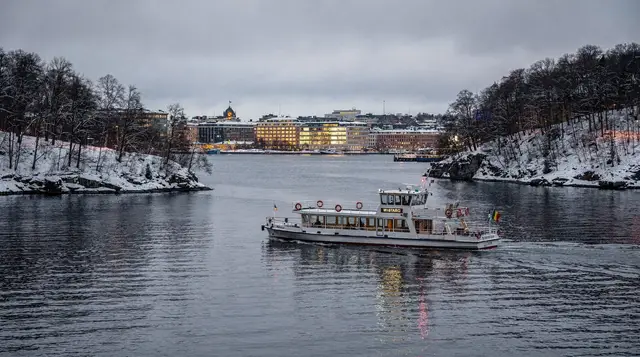
Oslo: skyline in winter with fish soup cruise
- Winter cruise
- Fish soup included
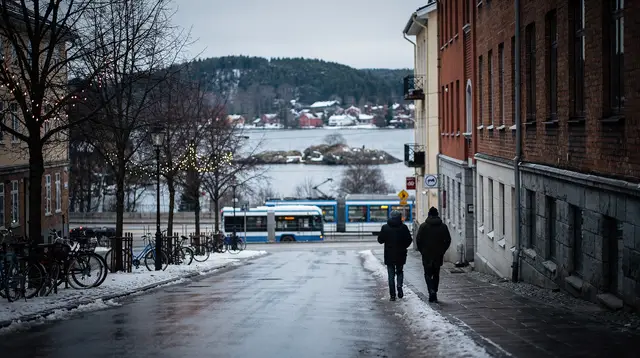
Oslo: Christmas tour with gløgg and Christmas sweets
- December only
- Gløgg included