Hardangerfjord — orchards and waterfalls
Hardangerfjord combines apple blossom in spring, Norway's most famous waterfall, Trolltunga hike, and the town of Voss — here's how to plan it.
Bergen: Hardangerfjord, Voss gondola and great waterfalls
Duration: Full day
- Hardangerfjord
- Voss gondola
Quick facts
- Best time
- May for apple blossom; June–August for hiking; October for autumn colour
- Days needed
- 2–3 days minimum from Bergen; 3–4 days from Oslo including travel
- Getting there
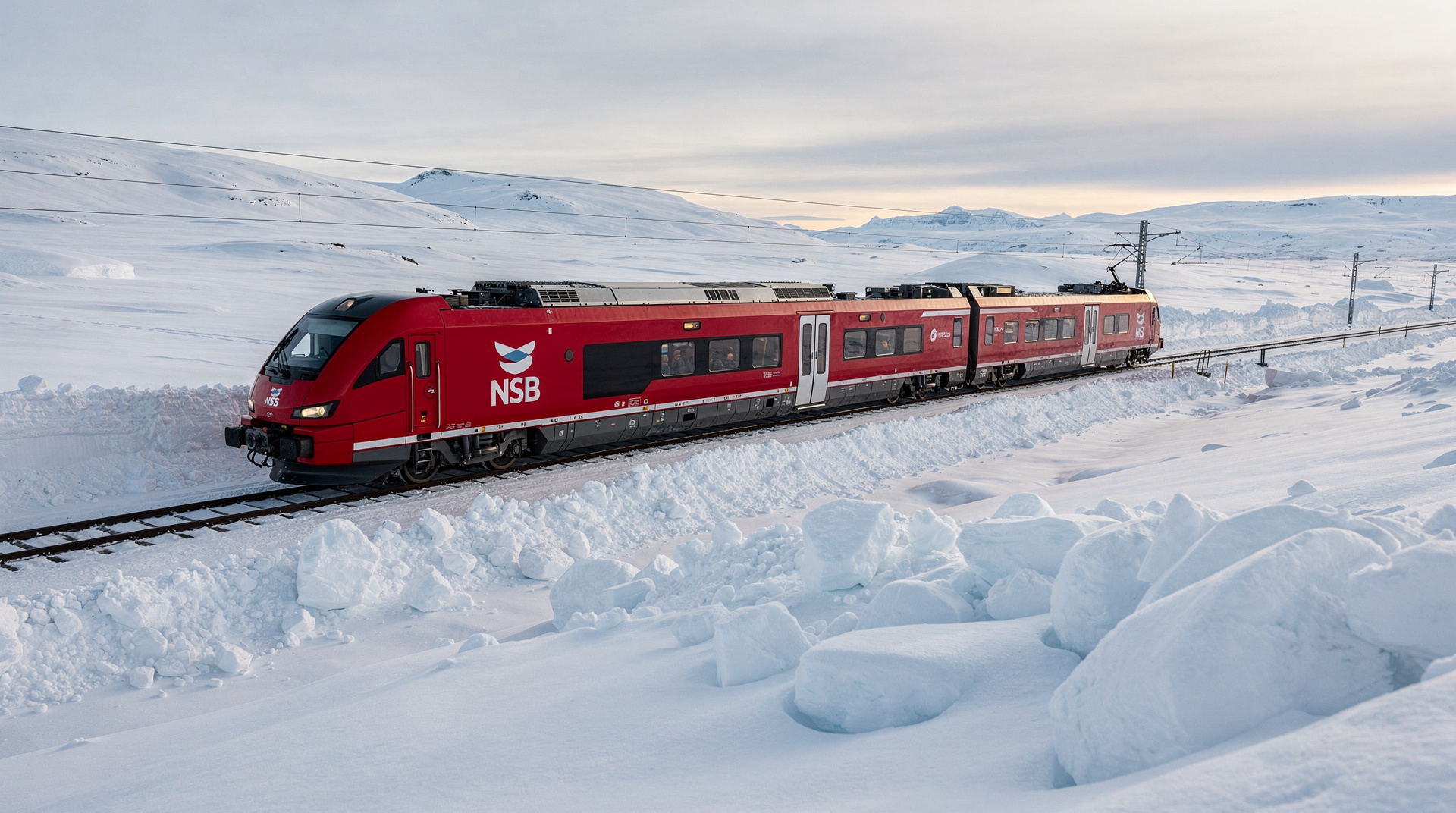
- Train Oslo → Voss (3.5–4h), then bus to Granvin/Eidfjord; or Bergen → Norheimsund by bus
- Budget per day
- NOK 700–1 300 (USD 75–140) excluding accommodation and Oslo train
A different kind of fjord country
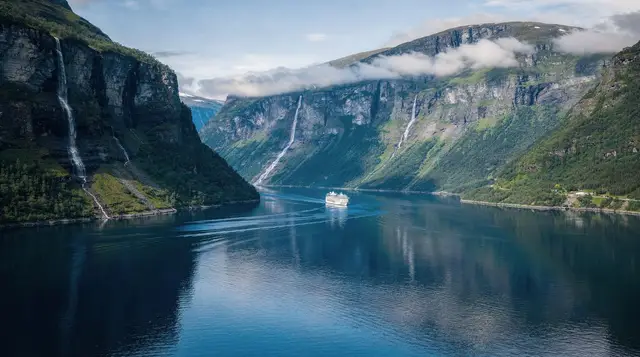
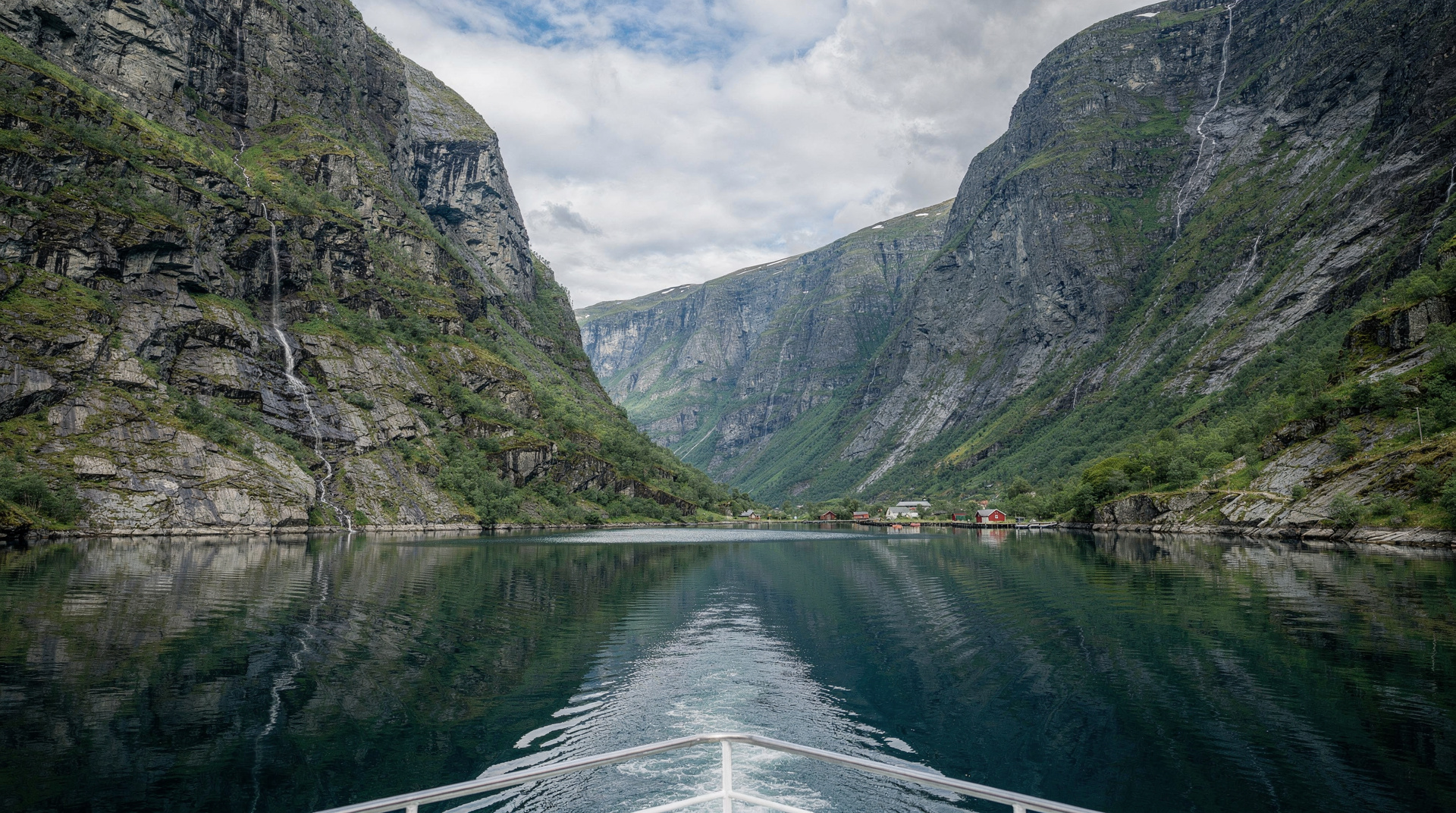
The Hardangerfjord occupies a distinct corner of the Norwegian fjord landscape — distinct in scale (Norway’s second-longest fjord, 179 km), distinct in character (sheltered, relatively broad, with a settled agricultural life on its shores), and distinct in what it offers visitors. Where the Nærøyfjord is about raw vertical drama and UNESCO grandeur, the Hardangerfjord is about variety: the orchards in bloom, the waterfalls cascading off the plateau above, the accessible upland hiking, and the town of Voss at its eastern end with its outsized adventure sports scene.
If you are travelling from Oslo, the Hardangerfjord is not a quick side trip — it requires at least two dedicated days and preferably three. But for travellers with time, it offers a depth of experience that the more heavily visited Norway in a Nutshell corridor cannot match.
The most practical base for the Hardangerfjord is Bergen, which is two to three hours away depending on the route. The Bergen page covers how to reach the city from Oslo — the Bergen Railway takes approximately 6.5–7 hours and is the scenic route in itself.
| Where | Western Norway, reached via Voss or Bergen |
| Best base | Bergen (2–3hrs away) or Lofthus/Eidfjord for blossom and waterfalls |
| Time needed | 2–3 days minimum from Bergen; 3–4 days from Oslo |
| Typical spend | Around NOK 700–1 300/day (USD 75–140), excluding accommodation and the Oslo train |
| Best time | May for blossom, June–August for hiking and full waterfall flow |
The orchards of Hardanger: spring blossom season
The flatlands and hillside terraces around the inner Hardangerfjord — particularly around Lofthus, Ullensvang, and Utne — are covered in fruit trees: apples, pears, cherries, and plums. In normal years, the trees come into bloom between late April and mid-May, depending on the year’s temperatures. For about two weeks, the fjord banks are white and pink with blossom, with the snow-capped Folgefonna glacier on the south shore as a backdrop.
This is not a manufactured tourist attraction. The orchards have been here since the 18th century and are still commercial — the Hardanger region produces about 40% of Norway’s total fruit crop. The blossom is simply something that happens on an agricultural working landscape, and that is what makes it remarkable.
Lofthus is the village most associated with blossom walks. The Munketrappa — a stone staircase path ascending through orchards above the village — dates to the Middle Ages and offers the best combination of orchard scenery and fjord views. The Hotel Ullensvang at Lofthus is the traditional blossom-season stay (rooms NOK 1 600–2 600 / USD 172–280 in May); it is perfectly placed and books out weeks ahead during blossom.
For timing the blossom: check the Hardanger blossom forecast (hardinblome.no) which publishes projected dates based on temperature data. The window is typically 10–14 days. A late or early spring can shift the dates by two to three weeks.
Vøringsfossen: the waterfall everyone comes to see
The Vøringsfossen drops 182 metres — not continuously, but in a dramatic free-fall that is visible from the viewing platform at the top of the Måbødalen valley. It is the most visited single natural attraction in Norway, receiving around 600 000 visitors per year.
Access is from the Eidfjord area, about 30 kilometres inland from the fjord. The classic approach is from Fossli Hotel (built 1891, still operating) near the top of the falls — you walk a few hundred metres from the parking area to the viewpoint. There is also a lower viewing point accessible from Eidfjord village, requiring a longer walk up the valley (2–3 hours return, steep).
The falls are fed by snowmelt and the plateau above — flow is highest in May and June. By late August, the volume reduces significantly. Winter closes the road access to the top.
The nearby Hardangervidda plateau — the largest high-mountain plateau in northern Europe — extends for 8 000 square kilometres above Eidfjord. The Rv7 highway crosses the plateau between Eidfjord and the Bergen Railway at Geilo — this is the most dramatic high-plateau road crossing in southern Norway, open typically from May to October. Bus services cross the Hardangervidda on this road in summer.
Trolltunga: what you actually need to know
Trolltunga — “troll’s tongue” — is a ledge of rock projecting horizontally from a cliff face 700 metres above Lake Ringedalsvatnet, near Odda at the southern end of the Hardangerfjord. It is one of the most photographed spots in Norway, with queues for the selfie spot reaching 30–60 minutes in high summer.
The facts first:
Distance: 22 kilometres return (some sources say 27–28 km including parking approach). Elevation gain: approximately 800 metres. Duration: 8–12 hours return for most hikers. Difficulty: strenuous — this is a serious mountain hike, not a walk.
When is Trolltunga open? The trail is officially open June to October, with the safest conditions July–September. Outside these months, ice and snow make the route genuinely dangerous without crampons and experience. Multiple rescues happen each year from hikers underestimating the winter risk.
Booking: no permit is required, but guided tours are strongly recommended for first-timers. The guide companies in Odda (Trolltunga Active, Up Norway) run groups throughout the season and provide safety equipment and local knowledge.
Getting there from Bergen: by train or bus to Voss (about 1.5 hours from Bergen), then bus to Odda (2.5 hours, Skyss routes). Alternatively, guided day tours depart Bergen by minibus. From Oslo, the Trolltunga hike is effectively a multi-day trip given the travel time involved. For context on other serious hikes in the Oslo region, see the Oslo hiking guide.
One honest note: the queueing at the iconic rock ledge in peak summer (the photo queue) is a genuine issue. Those who want a solo photograph need to start before 06:00 or go in early June or late September.
Voss: adventure capital of western Norway
Voss sits at the eastern edge of the Hardangerfjord’s catchment and functions as the adventure sports capital of western Norway. The town is a junction on the Bergen Railway (Oslo → Bergen trains stop here, about 1 hour east of Bergen), which makes it easily accessible.
What Voss offers: white-water rafting on the Vosso river (Class III–IV, run by several local operators, NOK 700–950 / USD 75–102 per person), paragliding from the Hangursfjell mountain above the town, skydiving at Voss Fallskjermklubb (one of the best skydiving centres in Norway), and mountain biking on well-marked trails from the Hangursbanen cable car.
In winter, Voss is a downhill ski resort — smaller than Alpine resorts but with reliable snow and good facilities for families. The resort is also the setting for the annual Ekstremsportveko (“extreme sports week”) in June — a week of competitions and events in kayaking, rafting, paragliding, and BASE jumping.
Practical: Voss has a decent selection of hotels and hostels. The Voss Vandrehjem (hostel) is the budget option, with dorms from NOK 350–480 (USD 38–52). For the town’s best food, Fleischer’s Hotel restaurant is a reliable mid-range option.
Getting to the Hardangerfjord from Oslo and Bergen
From Bergen: the most direct route to the Hardangerfjord is the bus from Bergen to Norheimsund (about 2 hours) or the longer route around to Eidfjord and Ullensvang (3–4 hours by bus/ferry combination). The Hardangerfjord is reachable for a day trip from Bergen, but it is long — better as an overnight or part of a tour.
From Oslo: train to Voss (on the Bergen Railway, about 4 hours from Oslo S), then local bus to Granvin or Eidfjord. Alternatively, train all the way to Bergen and then bus or tour into Hardanger. The Bergen Railway guide covers the main-line journey. The fjord day trips guide gives a realistic picture of what can be done from Oslo without an overnight stay.
By car from Bergen: the fastest route is via the E16 to Voss, then the Rv13 south to Granvin and Hardanger. In summer, the scenic alternative is via the Folgefonnstunnelen or the Hardangerbrua suspension bridge — one of the longest suspension bridges in Norway, opened in 2013, connecting the north and south shores.
Car vs. public transport: the Hardangerfjord is significantly easier to explore with a car than by public transport. Bus connections between the fjord villages are infrequent and timetables change seasonally. If you are travelling without a car, guided day tours from Bergen are the most time-efficient approach.
Hardanger apple cider and local produce
Hardanger produces exceptional fruit, and in recent years a craft cider industry has grown out of the orchards. The Hardanger Cider festival runs each October in Ullensvang, but cider is available year-round from local producers. Look for Balholm, Ringnes Hardanger, and Ciderhuset products at farm shops and local supermarkets.
The apple harvest runs September–October — a different kind of landscape beauty from the spring blossom, with the trees heavy with red and gold fruit and the hillsides turning in autumn colour. Fruit prices at farm stands are remarkable by Norwegian standards: expect to pay NOK 40–60 (USD 4–6) per kilo for freshly picked apples.
Combining Hardangerfjord with Bergen and the Nutshell route
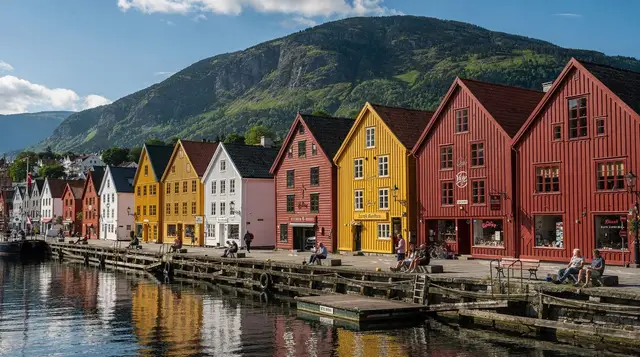
The Hardangerfjord pairs naturally with a Bergen stay. The standard approach for visitors doing the full Norway in a Nutshell circuit (Oslo → Flåm → Nærøyfjord → Voss → Bergen) is to add one to two days in Bergen and then take a guided tour or rental car into Hardanger before flying back from Bergen Flesland.
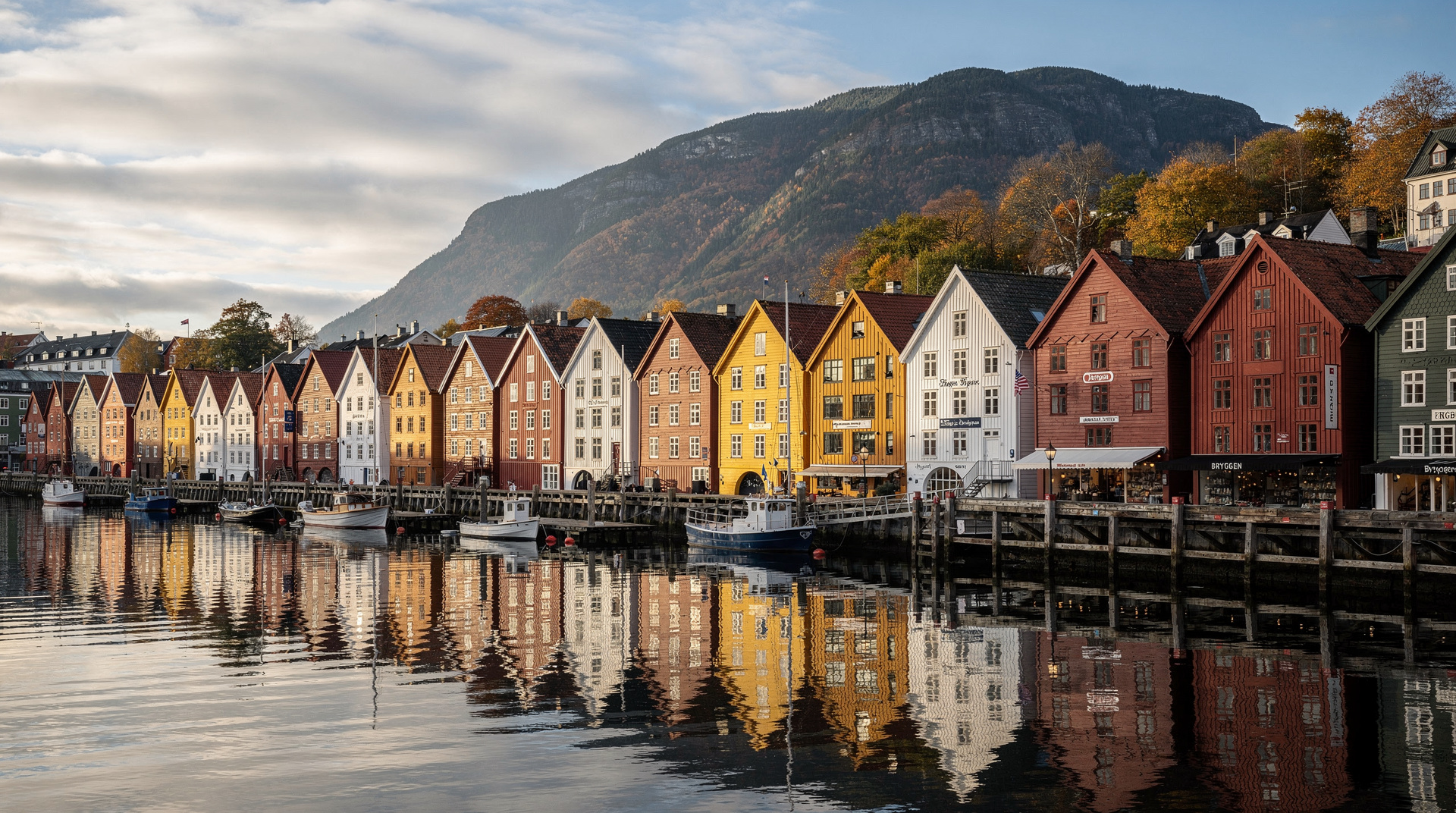
For a 4-day western Norway itinerary from Oslo: Day 1 Oslo → Bergen (Bergen Railway). Day 2 Bergen exploration and Bryggen. Day 3 Hardangerfjord day (guided tour or car to Lofthus/Eidfjord/Vøringsfossen). Day 4 Bergen → Voss → Myrdal → Flåm → Nærøyfjord cruise → Gudvangen → Voss → Bergen, evening flight to Oslo.
This is ambitious but covers all the major highlights. It requires careful logistics — book everything at least 4–6 weeks ahead in summer.
Seasonal summary for the Hardangerfjord
| Season | Highlights | Watch out for |
|---|---|---|
| May | Apple blossom, highest waterfalls, fewer crowds | Cold evenings, some roads still closed |
| June–August | All activities open, best hiking weather | Peak crowds at Trolltunga, Vøringsfossen queues |
| September–October | Autumn colours, harvest, cider season | Some boats and buses reduced after September |
| November–April | Quiet, dramatic winter landscape | Most tourist infrastructure closed; Trolltunga dangerous without guide |
Where to stay for a Hardangerfjord trip
Lofthus and Ullensvang are the right base for blossom season and general orchard-and-fjord scenery — the Hotel Ullensvang is the well-known option, but smaller guesthouses and farm stays around Lofthus are cheaper (NOK 900–1 400 / USD 97–150) and just as well placed for the Munketrappa walk.
Eidfjord is the practical base if Vøringsfossen and the Hardangervidda plateau are your priority — it sits closest to the Måbødalen valley approach, cutting travel time to the falls to under 30 minutes.
Odda is essential if Trolltunga is on your list — most guided groups and independent hikers alike stage from Odda, and starting the hike from anywhere else adds hours to an already long day.
Voss works best if you are combining the Hardangerfjord with the Bergen Railway or the Norway in a Nutshell route, since it sits directly on that line and offers the widest choice of hotels and hostels in the region.
Booking 4–6 weeks ahead is sensible for May (blossom) and July–August (peak hiking); outside those windows, availability is far more forgiving.
Frequently asked questions about the Hardangerfjord
How long does it take to get to the Hardangerfjord from Oslo?
Expect 5–6 hours by train and bus. Train from Oslo S to Voss takes about 3.5–4 hours; buses from Voss into the Hardangerfjord add another 1–2 hours. If going via Bergen first, the total door-to-destination time is 8–9 hours. A car reduces this to 4–5 hours on the direct route via the E16 and Rv7.
Is Trolltunga safe?
Trolltunga is safe for fit, experienced hikers in the recommended season (July–September) with proper footwear and weather awareness. It is genuinely dangerous in shoulder seasons when ice can be present and for inexperienced hikers who underestimate the distance and elevation. Multiple rescues happen annually. Go with a guide if it is your first time.
When do the Hardanger orchards bloom?
Typically between late April and mid-May, but the exact dates vary by year. The Hardanger Cider association publishes a blossom forecast at hardinblome.no in early spring. The blossom window is usually 10–14 days. Book accommodation months in advance if the blossom is your primary goal.
Can I visit the Hardangerfjord without a car?
Yes, but it requires more planning. Bus services from Bergen connect to Norheimsund, Lofthus, Ullensvang, and Eidfjord, but they are infrequent and timetables are seasonal. Guided day tours from Bergen are the most practical car-free option for day visitors. The train to Voss from Bergen or Oslo is the most efficient entry point.
What is the best base for exploring the Hardangerfjord?
For spring blossom and fjord scenery: Lofthus or Ullensvang. For Vøringsfossen access: Eidfjord. For Trolltunga: Odda. For adventure sports and train connections: Voss. Bergen works as an overall base for multiple day trips.
Is Hardangerfjord or Nærøyfjord more impressive?
They are different experiences. The Nærøyfjord offers concentrated, dramatic scenery in a narrow corridor — it is the more intense single experience. The Hardangerfjord is broader, more varied, and adds the orchards, waterfalls, and hiking that the Nærøyfjord area lacks. Both are worth visiting if you have time. If you have one day in western Norway, choose the Nærøyfjord via the Norway in a Nutshell route.
Top experiences
Bookable activities with verified prices and instant confirmation on GetYourGuide.