How Grünerløkka changed: Oslo's most interesting neighbourhood now
Oslo: Grünerløkka hipster tour
Duration: 2 hours
- Grünerløkka
- Local guide
The neighbourhood that keeps getting written about
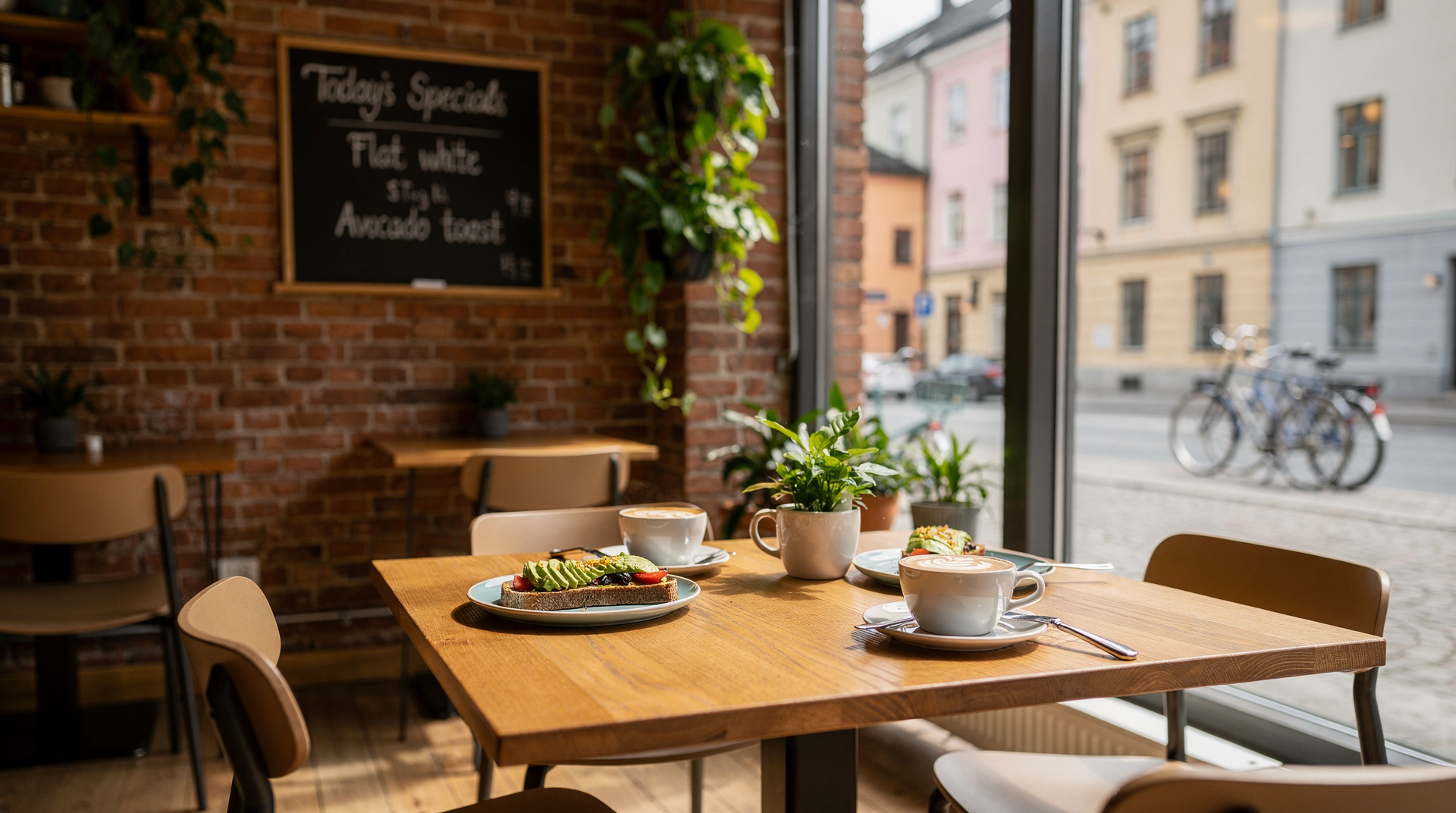
There is a certain irony in writing about Grünerløkka’s gentrification. By the time any neighbourhood earns the “coolest in the city” designation, the process that made it interesting is already well advanced and the genuine risk is that it tips into parody — boutique coffee shops selling NOK 80 cortados next to concept stores selling repurposed vintage denim next to wine bars with 12-word tasting notes and no bottles visible from the street. We want to be honest about this risk, because Grünerløkka is definitely in that territory.
And yet. For all its self-consciousness, Grünerløkka remains the most interesting neighbourhood in Oslo to spend time in. There is enough genuine life here — a mixed enough population, enough old-school businesses surviving alongside the new wave, enough connection to the Akerselva river and the outdoor life of the city — that it does not feel entirely hollowed out. Not yet, anyway.
Here is the story of how it got here, and what is worth your time when you visit.
| Where | East bank of the Akerselva, north of the city centre, tram 11/12/13 |
| Time needed | Half a day, more if you linger over coffee |
| Cost | A coffee NOK 60–80, a meal NOK 200–350 (USD 22–38) |
| Best time | Warm evenings for Olaf Ryes plass; daytime for shopping and cafés |
| Getting there | Tram 11 or 12 from Sentrum, or walk the Akerselva path |
Then vs now
| 1980s–90s | Today | |
|---|---|---|
| Population | Working-class, immigrant communities | Mixed, increasingly affluent |
| Rent | Among the cheapest in Oslo | Among the highest in Oslo |
| Riverside | Derelict mills, squats | Studios, galleries, climbing walls |
| Main draw | Cheap housing, artist studios | Coffee, design shops, restaurants |
| Character | Rough, industrial | Polished, self-consciously “cool” |
Working class, immigrant Oslo: the neighbourhood before
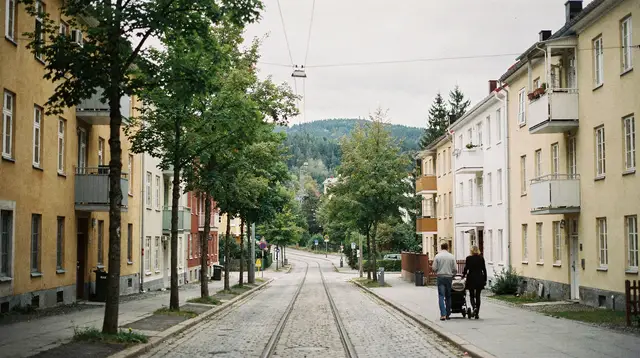
Grünerløkka (pronounced roughly “Grooner-luhka”) developed in the latter half of the 19th century as a working-class residential area on the east bank of the Akerselva river, just north of what was then the city edge. The river powered textile mills, sawmills, and paper factories. Workers needed housing. The characteristic dense apartment blocks — 4–5 storeys, shared courtyards, ground-floor shops — went up quickly from the 1880s onward.
For most of the 20th century, it was an ordinary working-class neighbourhood, and later a landing zone for Oslo’s immigrant communities. The Pakistani, Vietnamese, and Somali communities that settled in Grünerløkka and the adjacent Grønland district in the 1970s and 1980s brought grocers, restaurants, and social institutions that are still part of the neighbourhood’s fabric today, albeit somewhat submerged by the new layer of artisan everything.
By the late 1980s, the neighbourhood had decayed significantly. Property prices were low. Several buildings were derelict. The textile industry that had given the Akerselva its industrial identity was gone, leaving behind empty factory buildings that became squatted or simply boarded up.
The turn: 1990s through 2010s
The Grünerløkka transformation is a textbook gentrification story, but it happened with unusual speed. The trigger was a combination of low property prices attracting artists, the Vulkan development (a former industrial site transformed into a mixed-use cultural complex in the 2000s), and Oslo’s general prosperity pushing wealthier residents east into previously unfashionable territory.
By the early 2000s, the pattern was established: artists and musicians rent cheap apartments, open DIY venues and studios, bring critical mass of interesting cultural activity. Young professionals arrive because the neighbourhood now has “character”. Property values rise. First-wave arrivals are priced out or buy in and become unwilling participants in the appreciation they helped create.
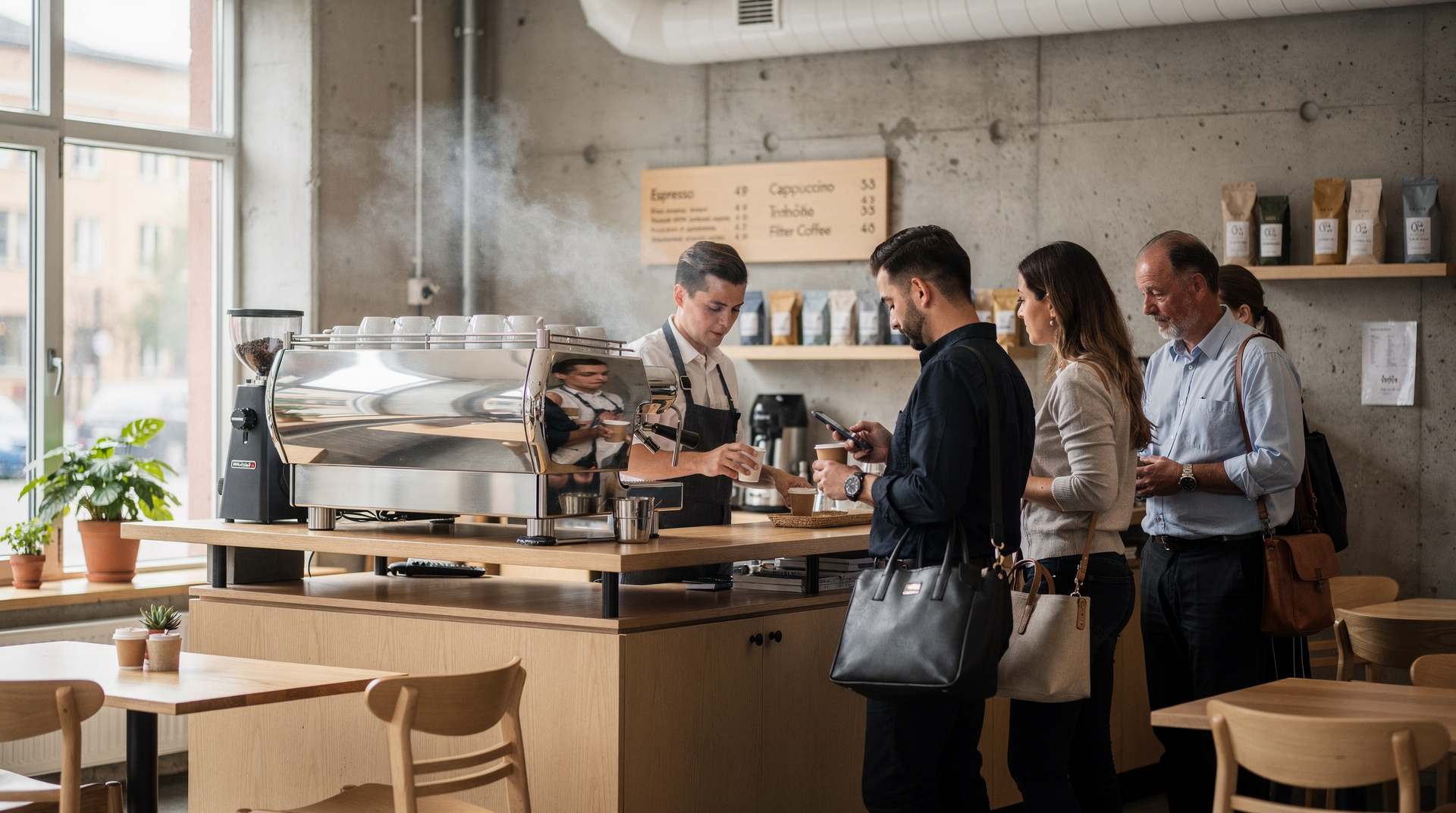
Tim Wendelboe opened his roastery on Grüners gate in 2007. Fuglen’s second location in Grünerløkka followed. Supreme Roasters, Bar Boca, a dozen natural wine bars, record shops, design stores. The international press started calling Grünerløkka one of the coolest neighbourhoods in Europe, which made it more expensive, which brought more upscale businesses, which raised it further.
The current average rent for a one-bedroom apartment in Grünerløkka is among the highest in Oslo. The neighbourhood that was cheap 25 years ago is now anything but.
What Grünerløkka actually looks like today
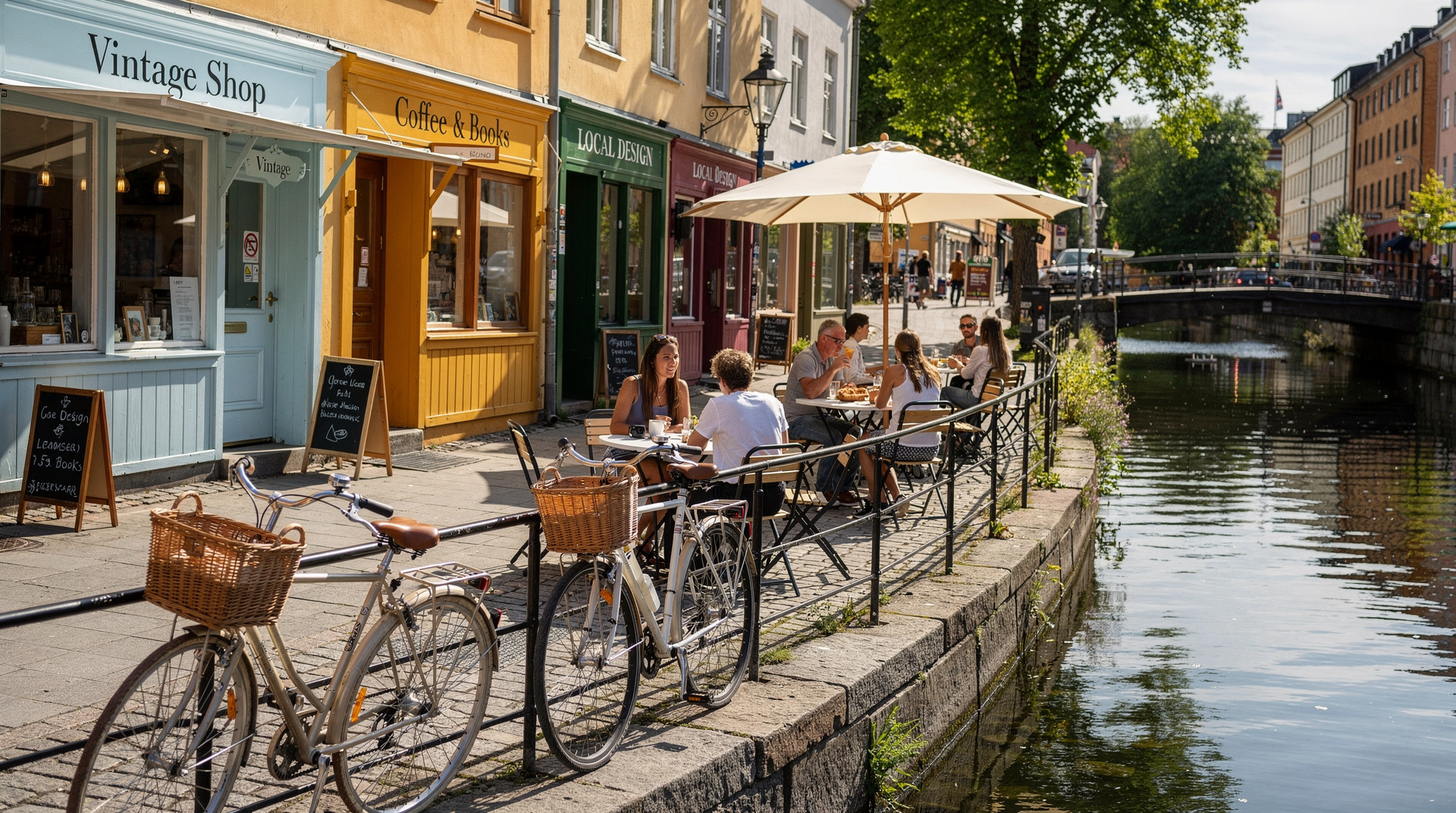
The physical neighbourhood is genuinely beautiful. The apartment blocks have been renovated — the courtyard gardens (gårdsrom) are planted and maintained, the street facades cleaned, the ground-floor retail broadly good. Olaf Ryes plass, the main square, has the feel of a Mediterranean piazza transplanted to northern Europe: restaurants and cafés spilling onto the square in summer, chess players under the trees, children on the playground. On a warm evening in July it is one of the most pleasant places in Oslo.
Thorvald Meyers gate is the main artery — a long, slightly curved street running the length of the neighbourhood with a near-continuous run of shops, cafés, bars, and restaurants. It is a good street for wandering without a plan. Turn off it in either direction and you find the quieter residential streets where the actual neighbourhood life is visible.
The Grünerløkka neighbourhood guide has the complete logistics — where to start, where to eat, where to drink, how long to budget. Our Grünerløkka food guide goes deeper on specific restaurant and café recommendations with current prices. For a broader overview of the district and its boundaries, see the Grünerløkka destination page. If you are hungry before you arrive, Mathallen Food Hall in neighbouring Vulkan is a reliable, varied lunch stop.
The Akerselva: the neighbourhood’s backbone
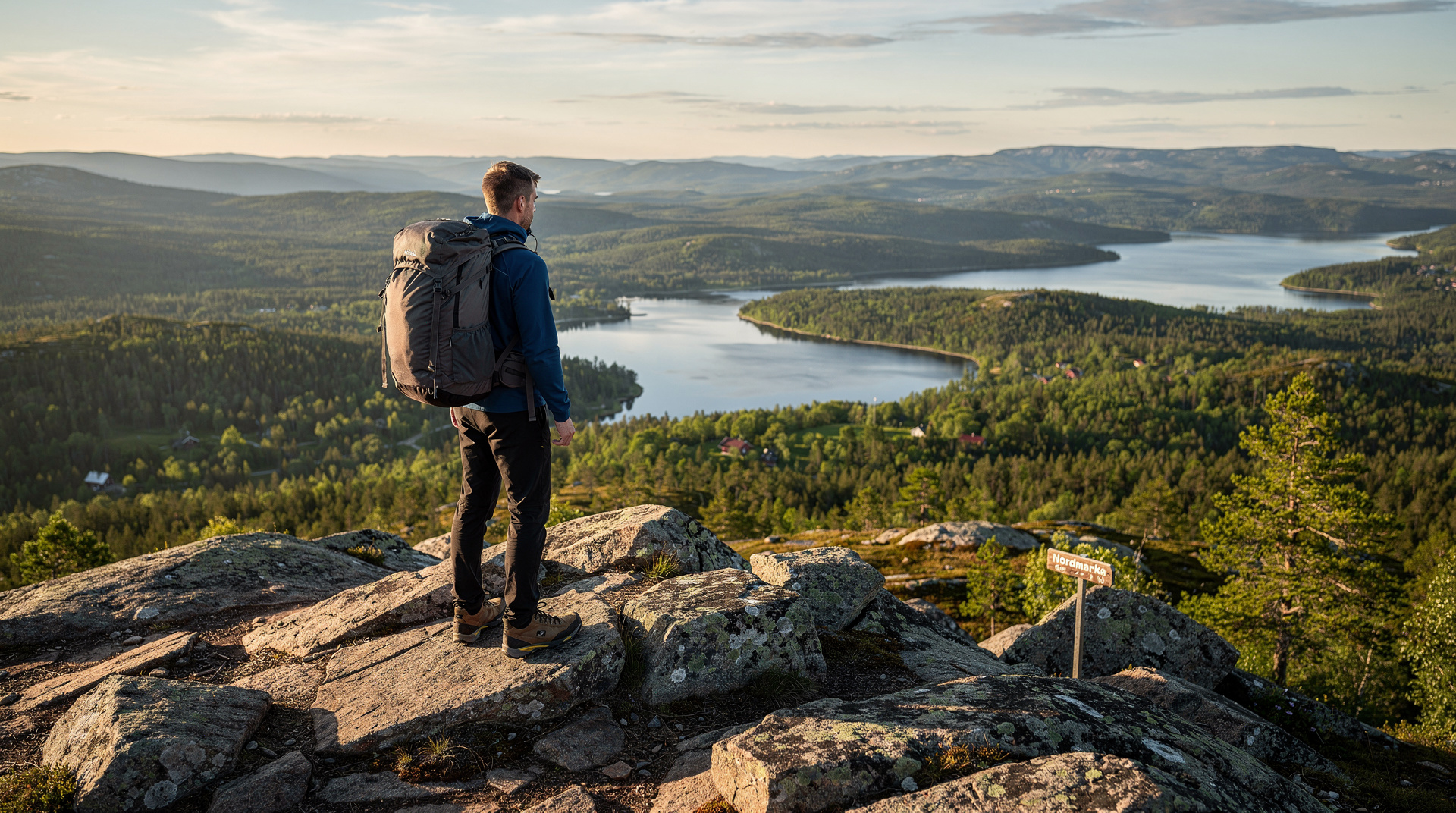
The Akerselva river defines Grünerløkka’s western edge, and the riverside path is one of Oslo’s underappreciated pleasures. The stretch from Vulkan south to Bjørvika passes through the heart of the Grünerløkka industrial heritage — former mill buildings converted into studios, galleries, and climbing walls; the Blå music venue in an old bus garage; the Fabrikken arts complex. In summer, people swim in the river at the Pool behind the Hønse-Lovisas Hus courtyard museum. It is a very Oslo combination: post-industrial architecture, outdoor culture, coffee.
Walking the Akerselva from Grünerløkka to the centre (about 3 km) is one of our recommended ways to arrive at or leave the neighbourhood. It passes through several distinct urban environments and gives a better sense of the city’s texture than any tram route.
Where the neighbourhood is heading
Grünerløkka is a victim of its own success in the usual ways — it is significantly more expensive than it was, the original populations that gave it character have largely been priced out, and there are enough chain businesses and generic upscale operations to suggest the most interesting period of organic development may be behind it.
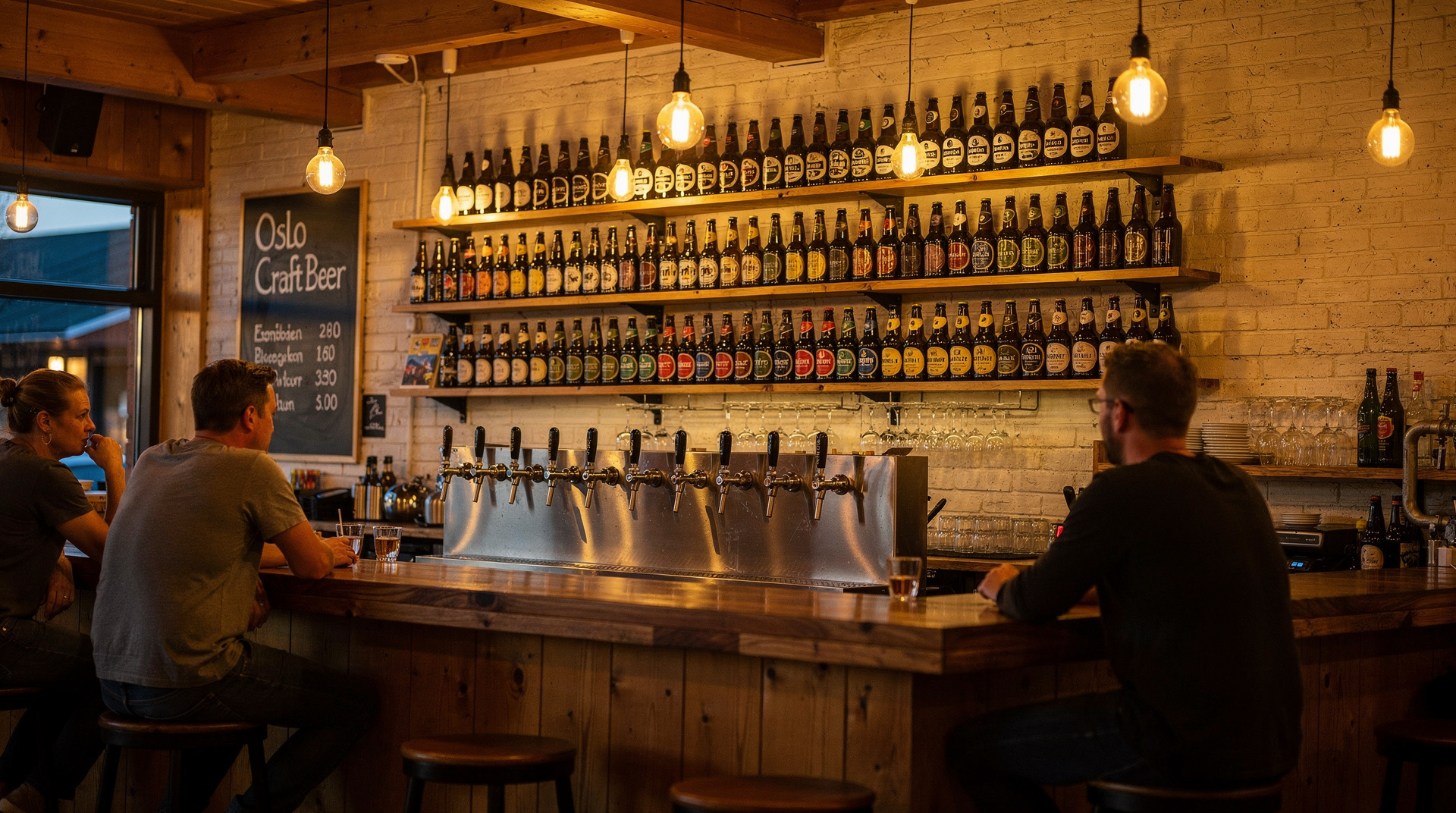
But it still has enough genuinely good places — the coffee culture is real, the craft beer scene is strong, and the density of good food options remains impressive — to reward time spent here. The adjacent Grønland district to the south is in some ways at an earlier and more interesting point in its evolution, with the immigrant-run restaurants and grocers still setting the tone.
Our honest recommendation: spend a morning or afternoon in Grünerløkka, use the food guide and coffee guide for specifics, and walk the Akerselva river path at least in one direction. The neighbourhood rewards a slow, exploratory approach more than a punishing tick-list. Arrive without a rigid plan and you will find something interesting. Try to optimise every stop and you will exhaust yourself and end up spending more than you intended.
Evening life
Grünerløkka’s evening scene has grown alongside the daytime cafés — a dense cluster of natural wine bars, cocktail spots, and the occasional dive bar that survived the gentrification wave. Our best bars in Oslo guide flags the standouts, and the Oslo nightlife guide covers how the neighbourhood fits into a bigger night out that might continue toward Sentrum or Grønland.
Doing it without the premium prices
The gentrified prices are real, but they are avoidable if you know where to look. Supermarket picnics by the river, the free Akerselva walk itself, and the still-affordable Grønland restaurants a few minutes south keep a Grünerløkka day cheap even if the headline cafés are not. Our free things on a budget guide has more citywide ideas, and where to stay in Oslo covers whether basing yourself in Grünerløkka itself makes sense for your trip.
Top experiences
Bookable activities with verified prices and instant confirmation on GetYourGuide.