Holmenkollen ski festival: Oslo's biggest winter party
Oslo: panoramic sightseeing bus with Holmenkollen and Vigeland Park
Duration: 3 hours
- Hotel pickup
- English guide
The hill that Oslo climbs every March
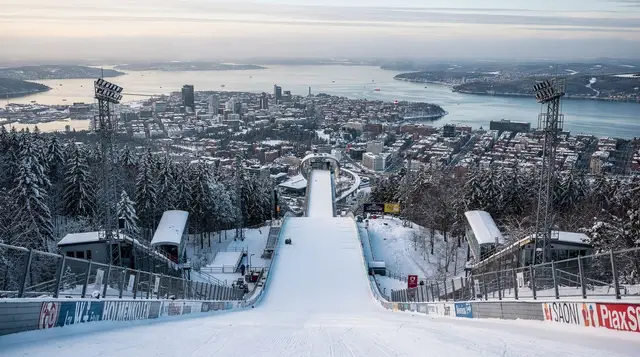
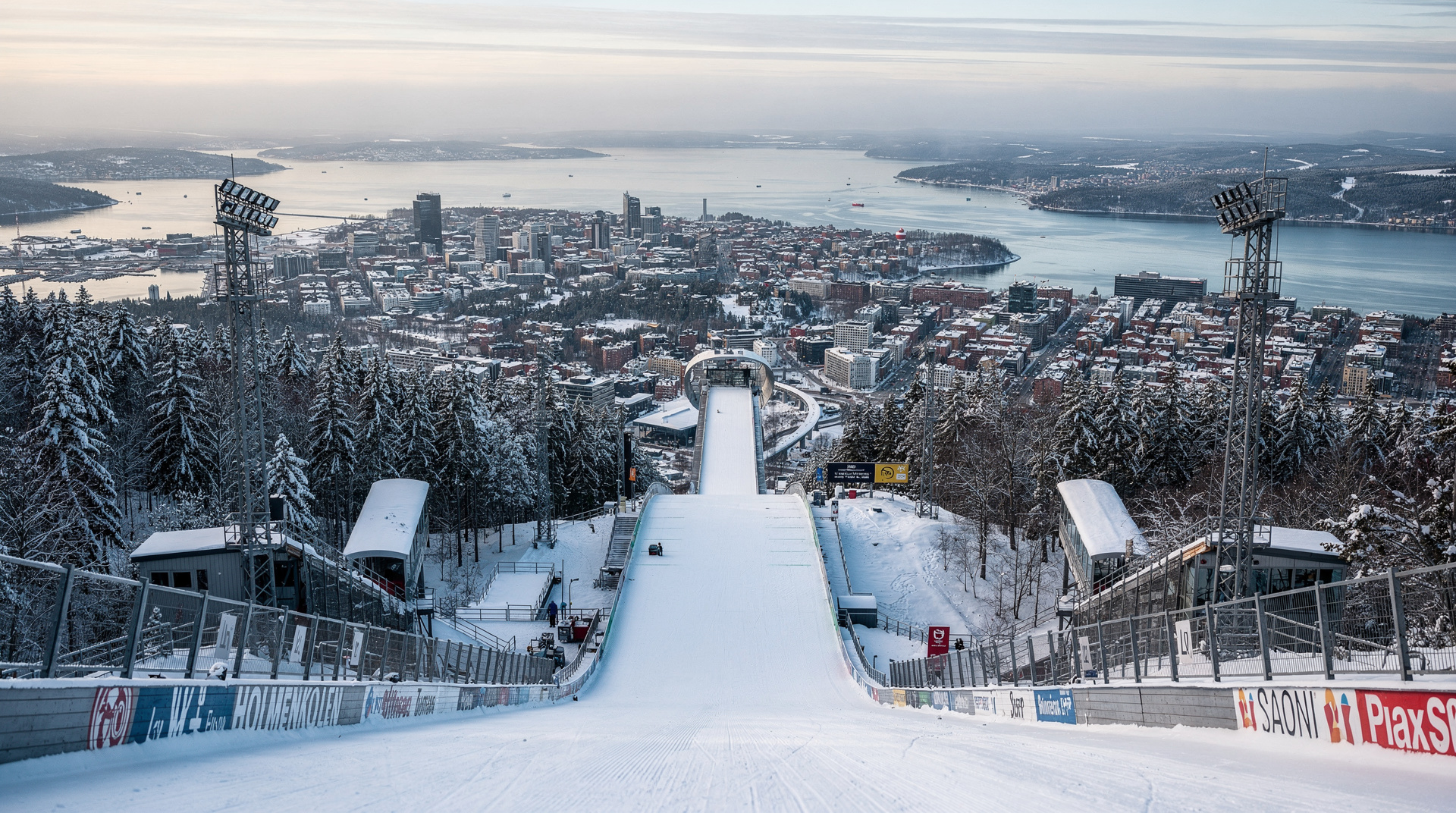
There is an image that every Norwegian child knows: Holmenkollen ski jump, the white parabolic tower against the sky, crowds packed on every slope and vantage point, the tiny figure of a ski jumper suspended for a moment above the city before the arc of the descent. This image has been repeated — with the jump structure updated several times over the decades — since the first Holmenkollen competition in 1892. The festival is one of the oldest sporting events in the world and, by Norwegian standards, something approaching a national holiday.
We have been to the Holmenkollen festival three times. Here is an honest account of what it is like to be there, what the logistics require, and why we think it is one of the most genuinely unusual sporting experiences you can have in a European capital.
| Where | Holmenkollen, T-bane line 1 from central Oslo |
| When | Main weekend typically third weekend of March |
| Cost | Standing tickets NOK 200–300; jumping/premium NOK 400–800 |
| Time needed | A full day for competition day; 2 hours for the tower/museum off-season |
| Booking | Weeks ahead for the main festival weekend |
Ticket types compared
| Ticket type | Rough price | What you get |
|---|---|---|
| Standing, cross-country | NOK 200–300 (USD 21–32) | Course-side spot, move between viewing areas |
| Standing, jumping | NOK 300–500 (USD 32–54) | Hillside view of the jump and landing |
| Premium/seated | NOK 400–800 (USD 43–86) | Reserved view, less crowd jostling |
| Jump tower + Ski Museum (non-event days) | Around NOK 150 (USD 16) | Year-round viewing platform and museum |
What the festival actually is
The Holmenkollen festival is not a single day but a week-long series of Nordic skiing events held in the hills of Nordmarka above Oslo. The disciplines include cross-country skiing (mass starts, pursuits, relays, sprint events), biathlon (the combination of cross-country skiing and rifle shooting that is taken very seriously in Norway), Nordic combined, and ski jumping. The jumping events — which take place from the main Holmenkollen jump — are the most attended and the ones around which the festival’s reputation has been built.
The main competition weekend, typically the third weekend of March, is when the city transforms. Roughly 70,000–100,000 people attend the jumping events alone. The hill below and around the jump fills with spectators who have come in national costume (bunad), Norwegian flags, and significant quantities of hot food and beer. The atmosphere is something between a sporting event, a folk festival, and a kind of collective seasonal release after a long winter.
Holmenkollen also hosts several World Cup events each year, and the quality of competition is consistently at the highest level.
Getting there
Holmenkollen is accessible on T-bane line 1 from central Oslo. The journey from Majorstuen takes about 20 minutes; from Nationalteatret station in the city centre, add another 10 minutes. During festival events, special trains run at high frequency and the system is reliable, if crowded.
Our Holmenkollen guide covers the transport logistics, ticket purchasing, and the attractions you can visit outside competition days — including the Ski Museum (the oldest ski museum in the world) and the jump tower, which has a viewing platform open year-round.
One important note: during major competition weekends, trains to Holmenkollen are extremely busy. Go early. The crowds on competition days are real, and the later you leave it, the more uncomfortable the journey becomes.
The atmosphere: what makes it different
The thing that distinguishes Holmenkollen from a generic international sporting event is its embeddedness in Norwegian culture. The people around you are not primarily tourists — they are Osloites, and Norwegians from across the country, who have grown up with this event and treat it with a mixture of casual familiarity and genuine passion.
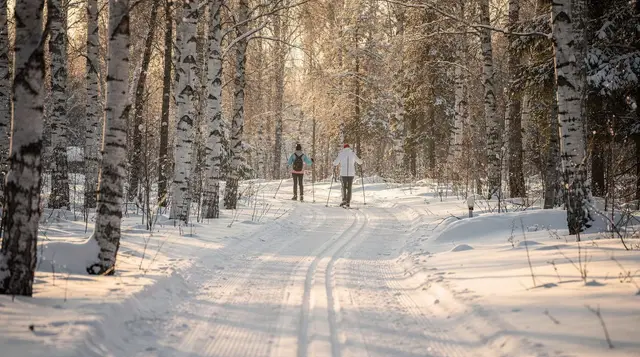
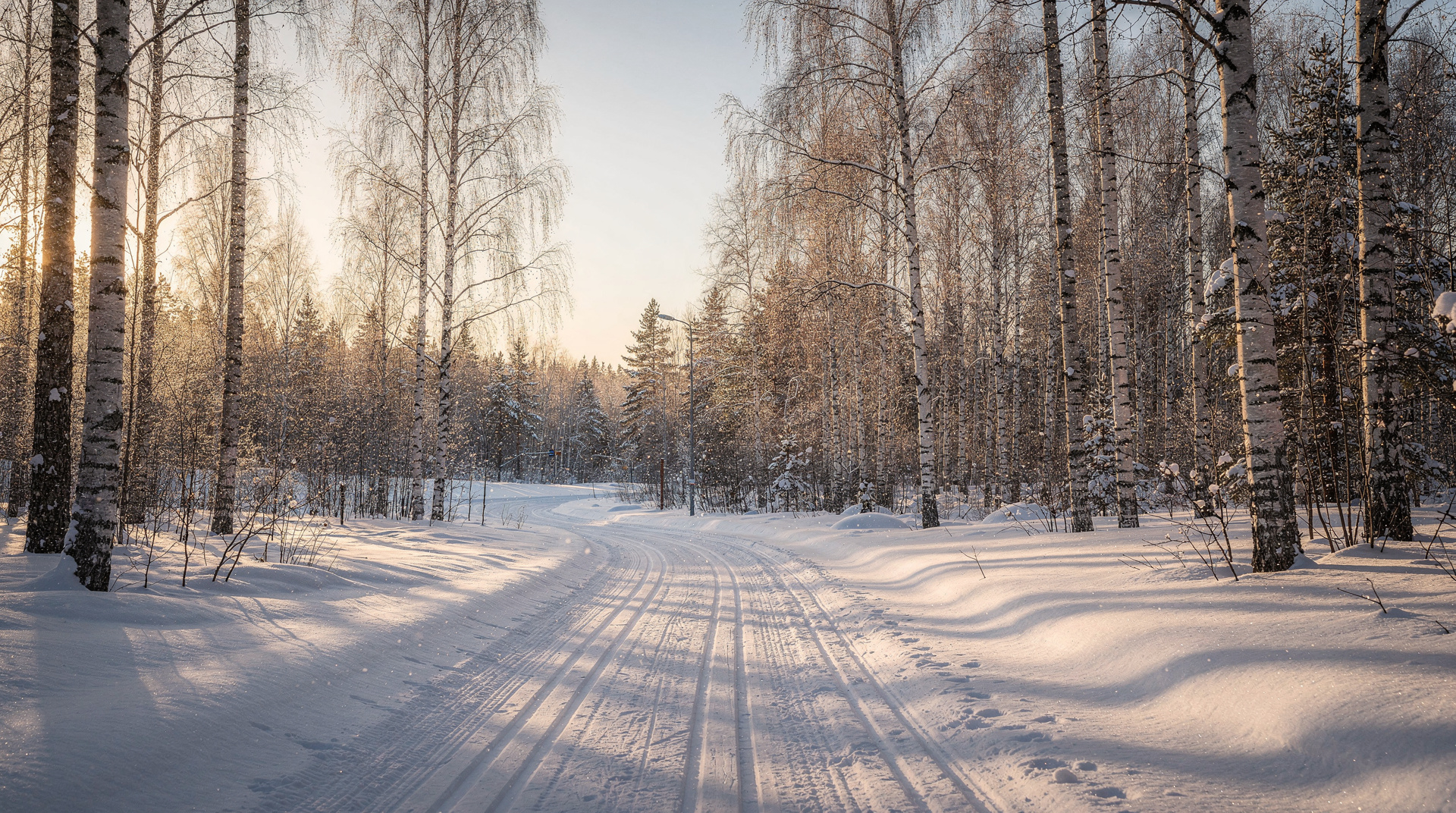
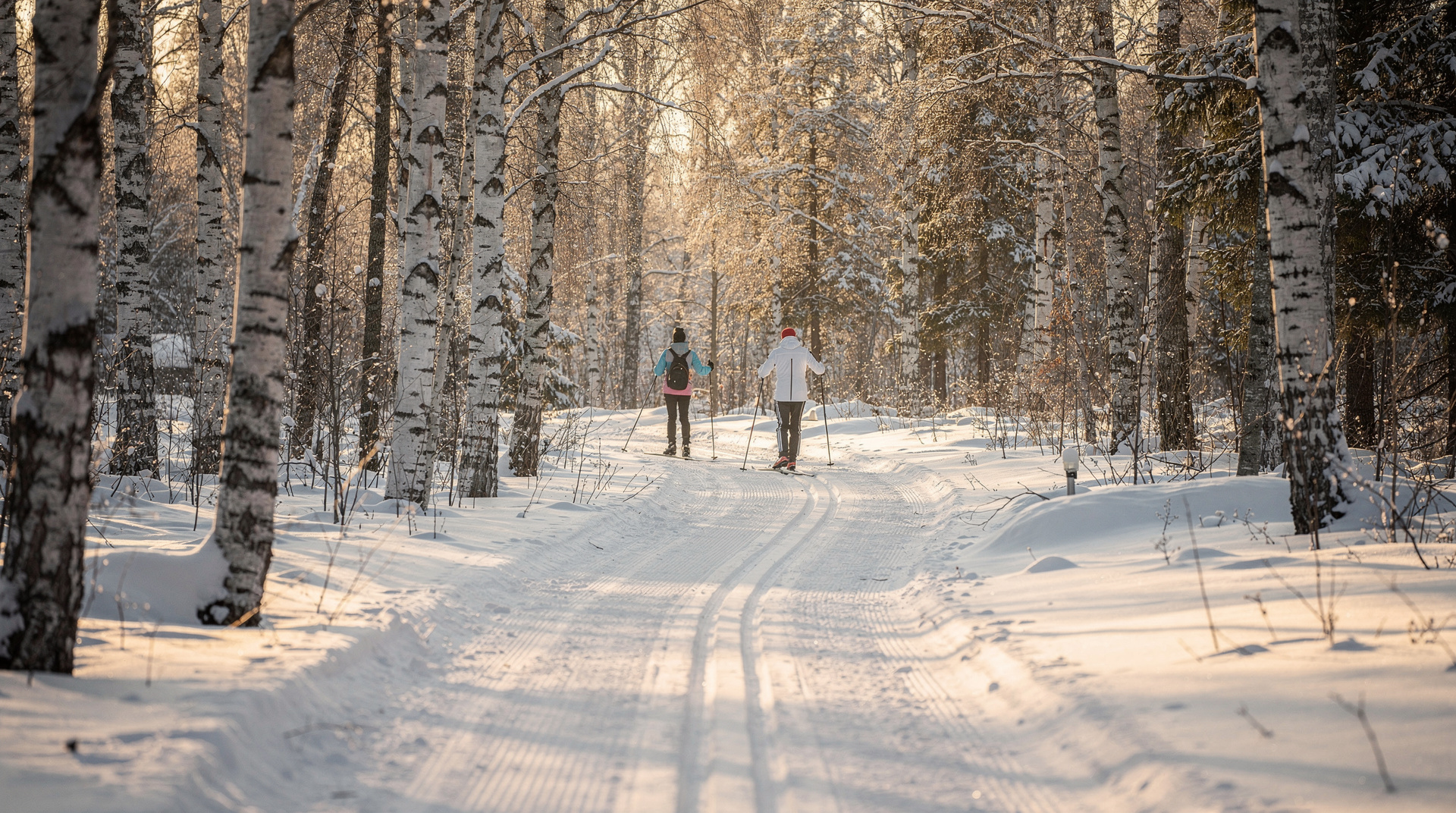
Cross-country skiing is not a spectator sport in the sense that football or athletics is. The course winds through the forest; you see each competitor for perhaps 30 seconds at any given point on the circuit. The spectating culture has adapted to this: people find a good spot on the course, build a small community around it (many bring packed lunches, thermoses, and camp chairs), and cheer every competitor through. The noise on the course is surprisingly intense for what is, technically, people skiing through a forest.
The ski jumping events have a different atmosphere — more concentrated, more dramatic. The jump tower looms above the hill. The moment before each jump, a brief silence; then the jump itself, the arc through the air, the landing, and then the roar of the crowd. The scoring appears instantly on the scoreboard. It is faster and more legible than cross-country.
What to eat and drink
The food at Holmenkollen is festival food — hot dogs (pølse), waffles with brown cheese and jam, hot chocolate, and a lot of beer. None of it is exceptional; all of it is entirely appropriate to standing on a snow-covered hill in March. Prices are festival-level, meaning slightly painful: NOK 60–80 (USD 6.50–8.60) for a simple hot dog, NOK 100–130 (USD 11–14) for a beer.
The alternatives: bring your own food. Norway has a strong tradition of outdoor eating (“friluftsliv” — the outdoor life) and it is entirely normal to bring a packed lunch and a thermos to a ski event. There is no cultural awkwardness about eating your own food while standing on the hill.
Tickets and practical planning
Major Holmenkollen events require tickets, which should be bought weeks in advance — the most popular competitions sell out quickly. Prices vary by event and location: standing on the hill for cross-country events can be as low as NOK 200–300 (USD 21–32); premium seating areas and jumping event tickets are NOK 400–800 (USD 43–86).
The festival website publishes dates in autumn for the following March. For most World Cup events outside the main festival weekend, tickets are often available closer to the date.
Dress for cold: March in Oslo means 0°C to −5°C on the hill, with wind chill making it feel colder. Warm layers, waterproof outer layer, good boots, and hand warmers. The Norwegians around you will look completely comfortable; they have been doing this since childhood.
Beyond competition days
Holmenkollen is not only worth visiting during the festival. The jump tower viewing platform is open year-round (entry around NOK 150 / USD 16), and the view over Oslo from the top is one of the finest in the city — the entire urban bowl laid out below, the fjord in the distance, the forests of Nordmarka behind. In summer, you can see Bygdøy and the islands on a clear day.
The Ski Museum beneath the jump is surprisingly engrossing — the oldest in the world, covering 4,000 years of skiing history from prehistoric wooden skis found in Norwegian bogs to modern competition equipment. Entry is included with the jump tower ticket.
Our winter activities guide and the winter itinerary position Holmenkollen alongside the other great winter Oslo experiences. For context on the broader skiing culture around Oslo, the cross-country skiing guide is the place to start. General winter in Oslo expectations are worth reading too if March is your first cold-weather visit.
Making a full winter day of it
Holmenkollen sits at the edge of Nordmarka, and if the ski festival crowds feel like too much, there is a quieter way to spend the same afternoon: the toboggan run at Korketrekkeren starts near the top station and is a genuinely fun, low-cost family activity, and snowshoeing near Oslo routes head into the forest right from the same T-bane stop. Either pairs naturally with a festival day if you want variety, or works as a standalone outing on a non-event weekend.
Planning around the festival
A festival day pairs well with a slower day elsewhere in the city. Getting to the T-bane and back is simpler once you understand how Ruter tickets work, and the wider getting around Oslo guide helps if you are juggling several outings. If you are deciding when to come at all, the best time to visit Oslo puts March in context against the other seasons, and the daylight hours guide explains why winter days feel short.
For a cultural counterweight after a day on the hill, the ranked museums list and the rainy-day museums guide give indoor options when the weather turns. Visitors thinking about the whole trip rather than one weekend can start from the how many days in Oslo guide.
Where to stay for a Holmenkollen trip
Because Holmenkollen sits well outside the centre, staying near a T-bane line 1 station — Majorstuen is the obvious choice — cuts the journey time noticeably on a crowded festival day. Our where to stay in Oslo guide covers this trade-off if you are choosing a neighbourhood partly around this trip.
Top experiences
Bookable activities with verified prices and instant confirmation on GetYourGuide.