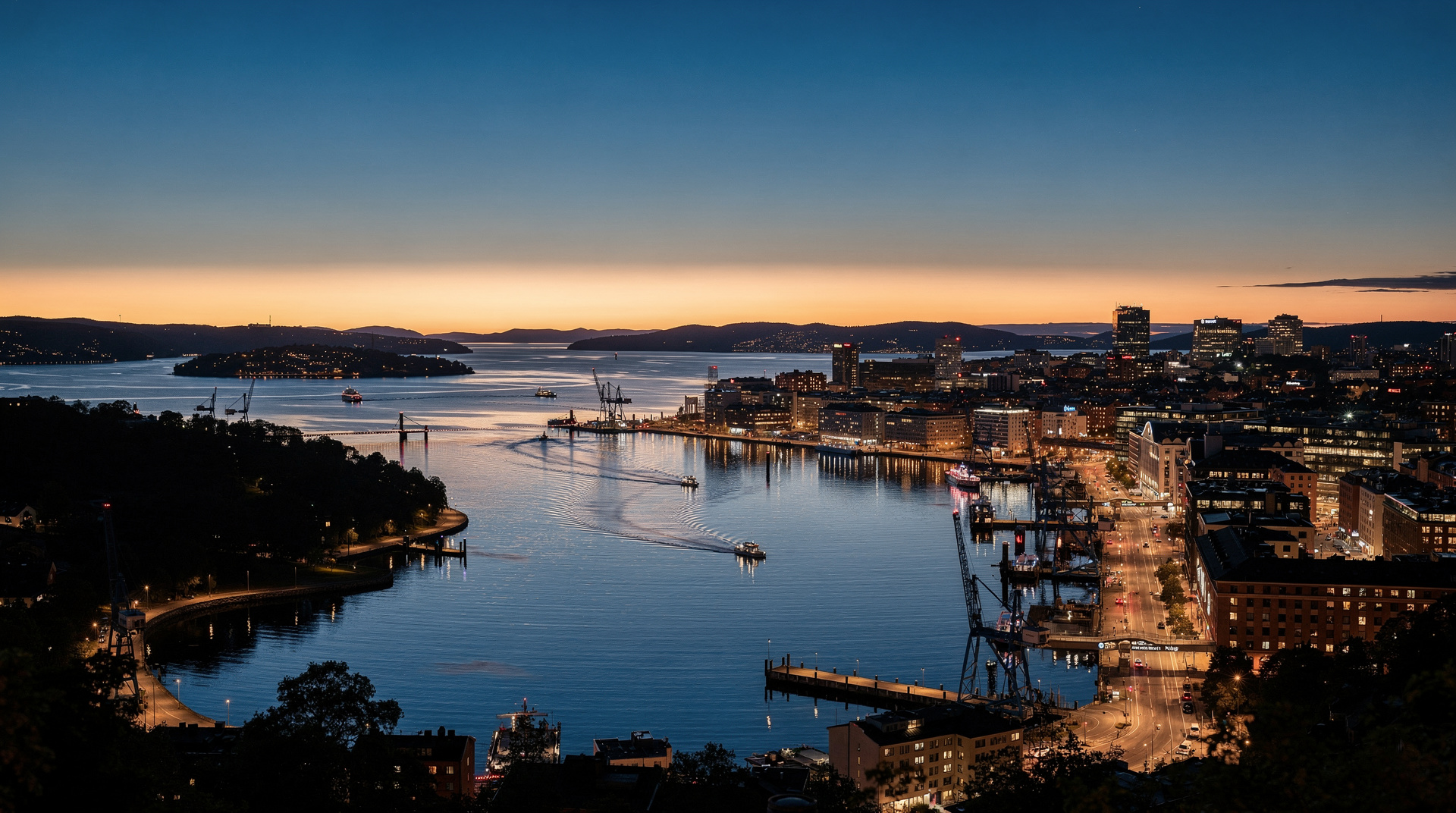
Winter in Oslo: what to actually expect (and why we love it)
Oslo: 3-hour cross-country skiing trip with equipment and guide
Duration: 3 hours
- Winter only
- Gear + guide
The honest winter briefing
Oslo in December receives about 6 hours of daylight. The sun rises around 9 am and sets before 3:30 pm. On overcast days — which are common from November through January — the sky rarely gets fully bright, producing a peculiar permanent twilight that some visitors find beautiful and others find oppressive. There is a Norwegian word for the art of making these dark months cosy and bearable: koselig, which translates roughly as cosiness and warmth, and which is best understood as a whole orientation toward the season rather than a simple state.
We want to say this clearly, because some travel content implies that a winter visit to Oslo is simply a matter of wrapping up warm and going skiing: winter in Oslo is genuinely dark and cold, and you need to want that kind of trip in order to enjoy it. If your idea of a holiday requires sunshine, pleasant outdoor café temperatures, and long evenings, Oslo in December is not for you. Come in June instead.
If, however, you are drawn to the particular atmosphere of a northern city in winter — lit streets, the smell of snow, warm interiors after cold air, the particular quality of the light at 2 pm when it is already heading for golden hour — then Oslo does this exceptionally well. One thing winter Oslo is not, worth flagging early: a reliable place to see the northern lights. We cover why, and what to do instead, in our why we skipped the northern lights tour post and the dedicated no northern lights in Oslo guide.
| Daylight (December) | About 6 hours; sunrise ~9am, sunset ~3:30pm |
| Typical temperature | −4°C to +1°C (Dec); −7°C average (Jan–Feb) |
| What to pack | Layers, insulated boots, “brodder” ice grips (NOK 150–250) |
| What stays open | Museums, restaurants, cafés — all normal winter hours |
| What scales back | Fjord cruises, island ferries, outdoor swimming |
What the cold actually means
December average temperatures in Oslo range from about −4°C to +1°C (25–34°F). January is typically the coldest month, with averages around −7°C (19°F) and occasional drops to −15°C or colder. February and March are similar, with variable snow cover.
The cold is generally dry and still, which makes it more manageable than the damp cold of London or Amsterdam. With proper layering — a base layer, insulating mid-layer, and a wind and waterproof outer layer — plus good insulated boots, hats, and gloves, you can be comfortable at −10°C without particular hardship. The Norwegians dress practically for this: down jackets, wool, and good footwear. Follow their lead.
What catches visitors off-guard is the icy pavements, particularly after a freeze-thaw cycle when overnight snow compacts into sheet ice. Oslo is quite good about gritting major routes, but side streets can be treacherous. Good grip on your boots matters. We always recommend buying a pair of “brodder” — small spiked rubber slip-ons that go over the bottom of your existing shoes — which you can find at most Oslo sports shops for NOK 150–250 (USD 16–27). They transform icy pavements.
Daylight: planning around the light
With 6 hours of usable light in December, you need to plan differently than you would in summer. Schedule outdoor activities and photography in the core daylight hours — roughly 10 am to 2 pm for the best natural light. Use the darker hours (early morning and evening) for indoor museums, cafés, and dinners.
The daylight hours by season guide gives you the precise sunrise/sunset times for each month. The key planning insight is this: the short days require you to prioritise. In summer, you can wing it because there is always more time. In winter, you have to be deliberate about what you see first.
The early morning before sunrise is not wasted time — Oslo’s streets under snow or frost, lit by streetlights at 8 am, have a quality that is worth an early alarm. The colours are remarkable: the warm orange of sodium lights, the blue-white of the sky, the reflections on ice. This is not the Oslo of the tourist brochures, and it is often better.
Cross-country skiing: the winter Oslo people don’t talk about enough
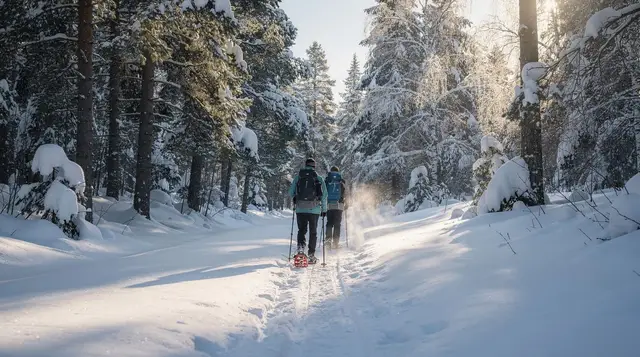
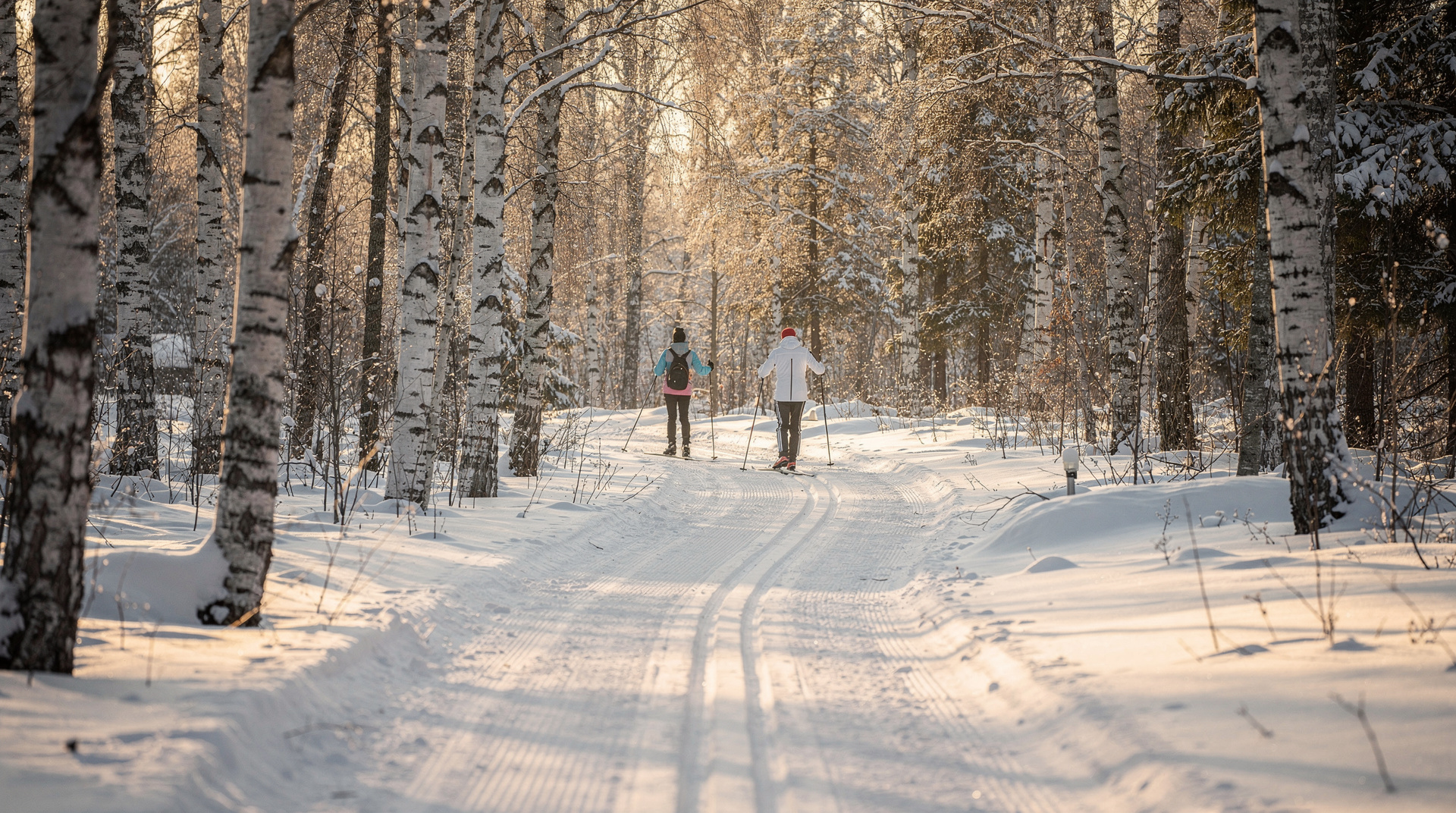
Ask an Osloite how they survive winter and most of them will tell you: they ski. Not downhill skiing at a resort (though that is available — see our ski day trips guide) but cross-country skiing in Nordmarka, the vast forest that begins at the city’s northern edge.
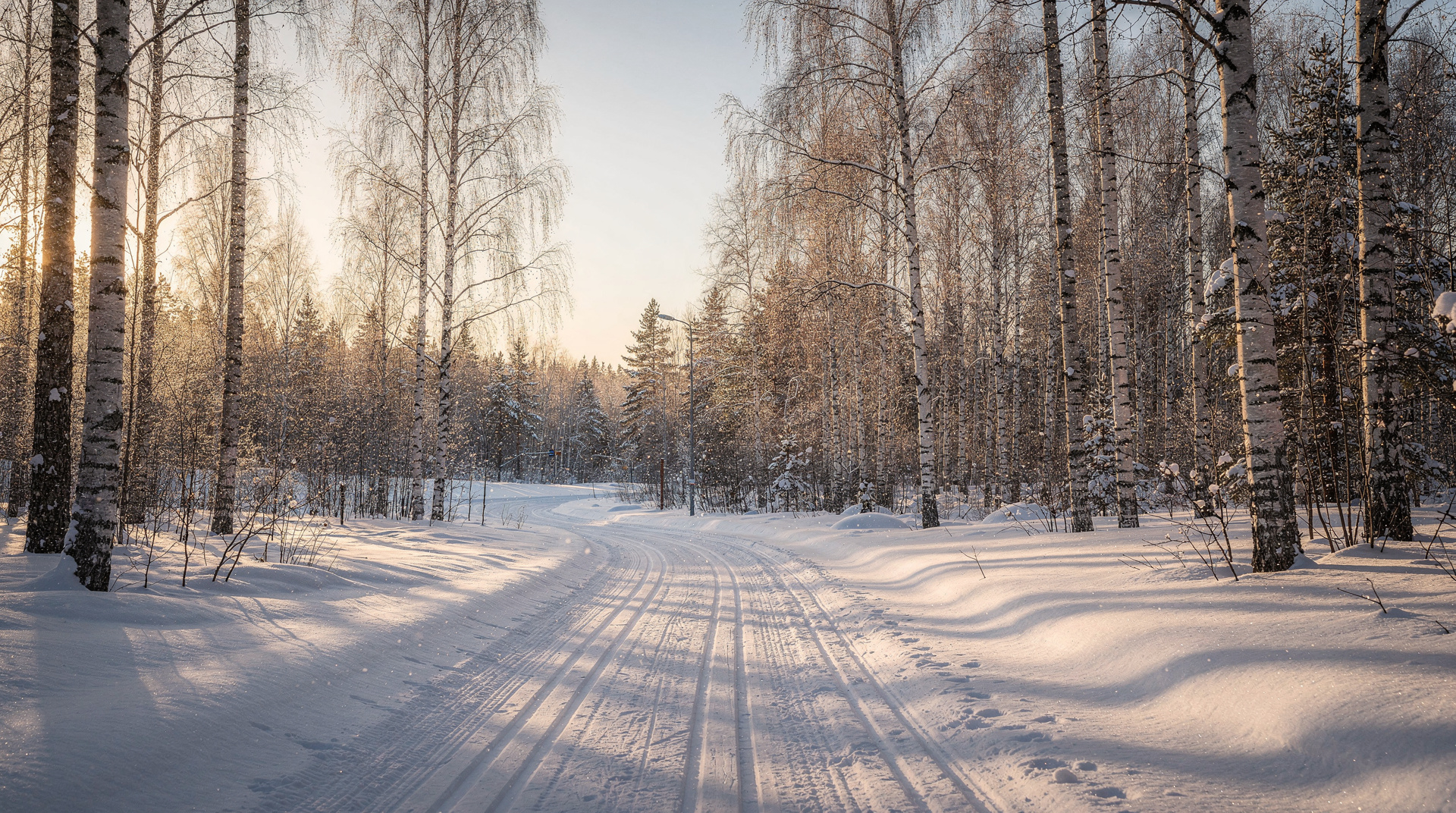
When there is adequate snow — typically from late December through March — Nordmarka has over 2,600 km of marked ski trails, many of them machine-groomed and lit for evening skiing. You take T-bane line 1 to Frognerseteren (about 35 minutes from central Oslo), rent skis at the top (NOK 300–500 / USD 32–54 per day), and ski into the forest. The trails range from flat, easy routes around frozen lakes to steeper terrain for the more experienced. You can ski for four hours and barely pass another person once you are a kilometre or two from the main trail heads.
The cross-country skiing guide covers rental, the main trail networks, and what level of experience you need. The honest answer is: almost none. The basic tracks are genuinely beginner-friendly, and the reward-to-effort ratio is very high.
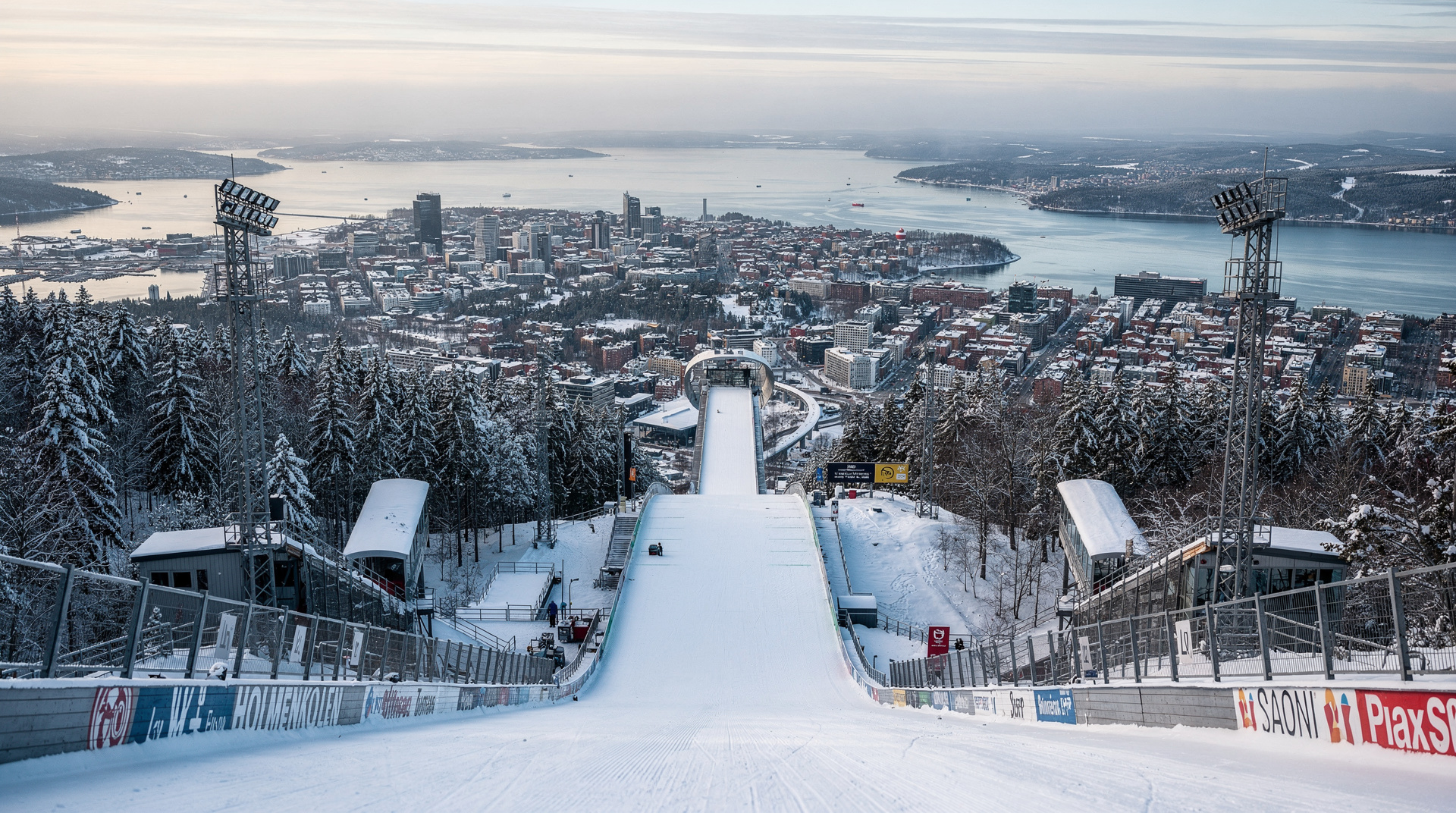
Holmenkollen itself is worth a visit in winter, even without skiing — the Holmenkollen guide covers the ski jump tower, the Ski Museum, and the early March festival that brings the city to a standstill in the best possible way. See also our Holmenkollen ski festival post for the festival atmosphere specifically.
Christmas is its own winter Oslo
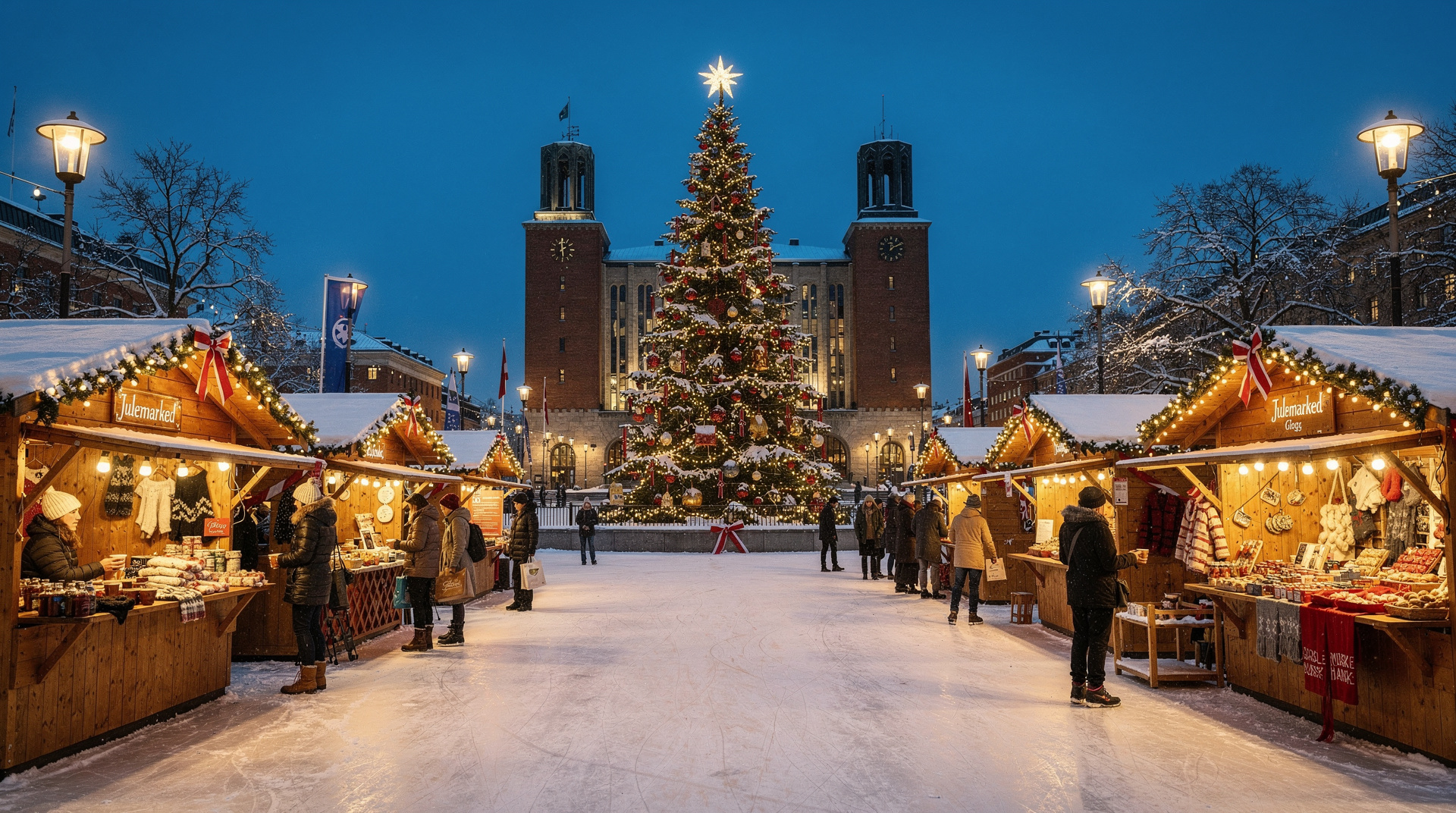
If your winter trip lands in late November through December, Oslo shifts into a distinct Christmas mode that is worth planning around specifically. Our Christmas in Oslo guide covers the season’s traditions, and the Christmas markets post is the practical companion for which markets are actually worth visiting versus which are tourist-oriented filler. The city centre’s lighting displays and the general koselig mood are, in our view, reason enough to time a winter trip around Christmas even without the markets themselves.
More snow options if skiing isn’t for you
Cross-country skiing gets most of the attention, but it is not the only way to enjoy Nordmarka’s snow. Snowshoeing near Oslo needs no technique and works for a wider range of fitness levels, and the SNØ indoor ski dome guarantees snow regardless of that particular winter’s natural cover — a useful fallback in a light-snow year.
What stays open (and what closes)
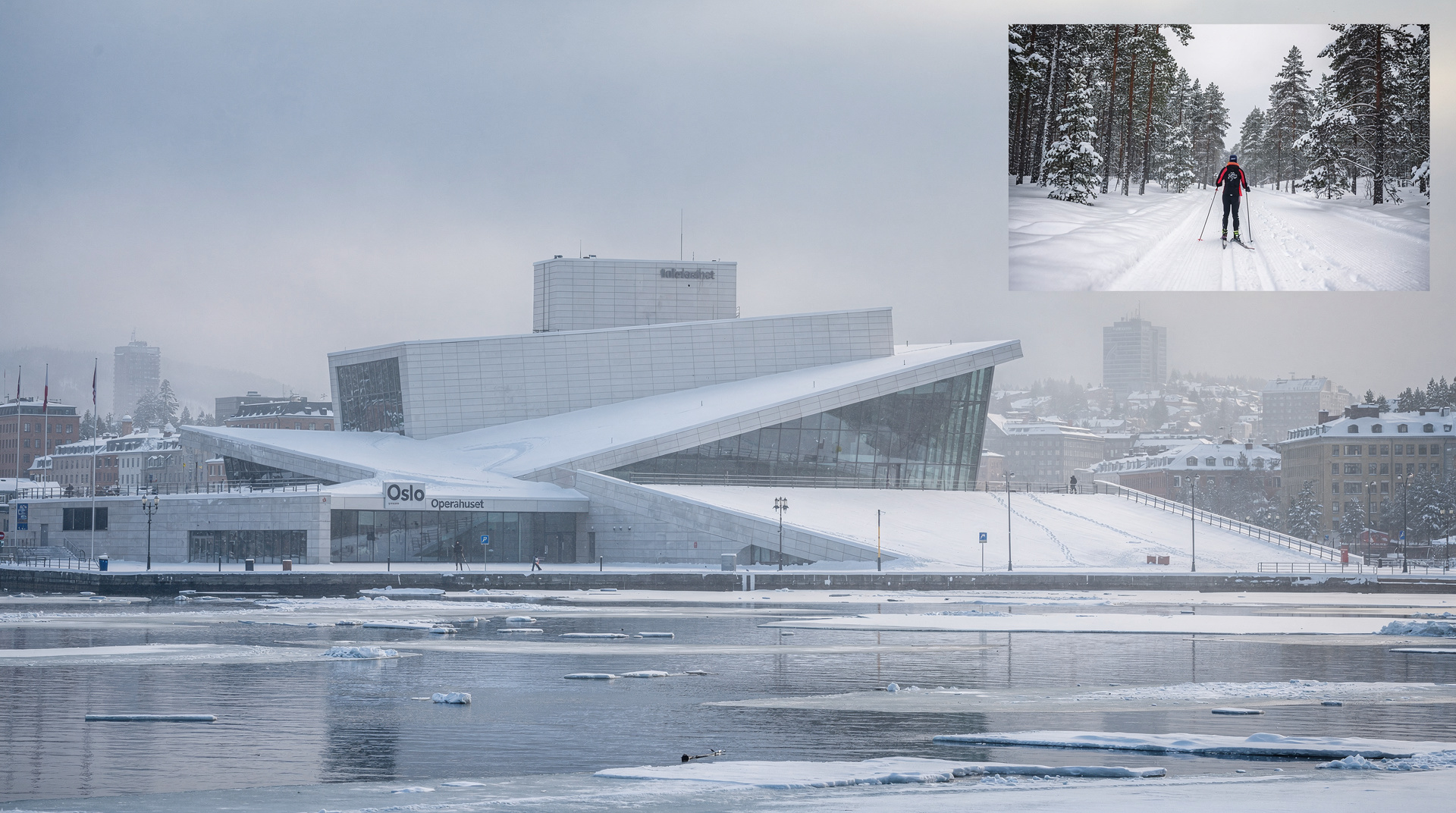
The good news: Oslo’s museums, restaurants, cafés, galleries, and most indoor attractions operate year-round with normal hours. The Munch Museum, National Museum, Fram Museum, Norsk Folkemuseum — all open in winter. The Opera House runs its full season. Restaurants and bars are busy, particularly in the weeks around Christmas when the city fills up for the markets and festivities.
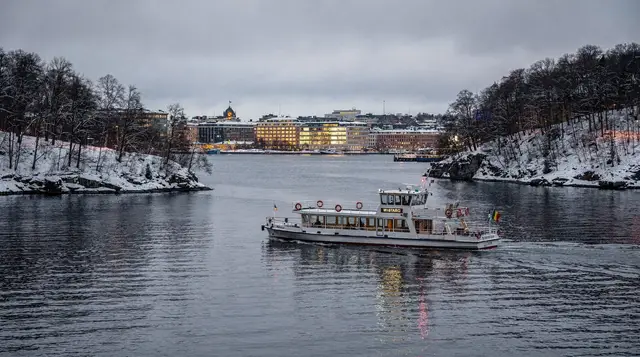
The seasonal closures are mostly outdoor activities: fjord cruises are greatly reduced (a winter fjord cruise does run, but the large sightseeing vessels often scale back significantly). The island ferries to the outer islands of the Oslofjord operate reduced winter schedules or suspend service entirely to the smaller islands. Kayaking and outdoor swimming are off the table.
The Sognsvann lake in Nordmarka freezes most winters, providing a natural ice skating rink — check current ice conditions locally before walking onto it. The Spikersuppa outdoor rink in central Oslo (near Stortinget) opens for free skating from around late November. Ice skating in the city centre is one of the winter experiences we recommend most enthusiastically — it costs nothing, it is genuinely fun, and it is what Osloites actually do. Our complete winter activities guide maps everything available.
The cosy interior culture
If the short days and cold are the challenge, the interior culture is the reward. Oslo’s café scene is, as we have written about elsewhere in our coffee obsession post, world-class. In winter, the pleasure of a good café is qualitatively different — coming in from below-zero cold to a warm, well-lit space with excellent coffee, leather-bound books, and warm light is an experience that summer visits cannot replicate.
The restaurant culture also has a winter character. Slow-cooked Norwegian dishes — reindeer stew, bacalao, lamb ribs (pinnekjøtt), lutefisk for the adventurous — are eaten in their proper season, and the winter months are when Norwegian food culture shows itself most fully. Our Norwegian food guide covers the seasonal specialties.
Our 3-day winter Oslo itinerary puts together a realistic plan that balances outdoor and indoor experiences across the short daylight window. The winter activities guide is the practical reference for everything from snowshoeing to indoor spa options.
Winter in Oslo is not for everyone. But for those who seek it out knowing what it is, it is one of the most distinctive city-in-winter experiences in Europe.
Top experiences
Bookable activities with verified prices and instant confirmation on GetYourGuide.