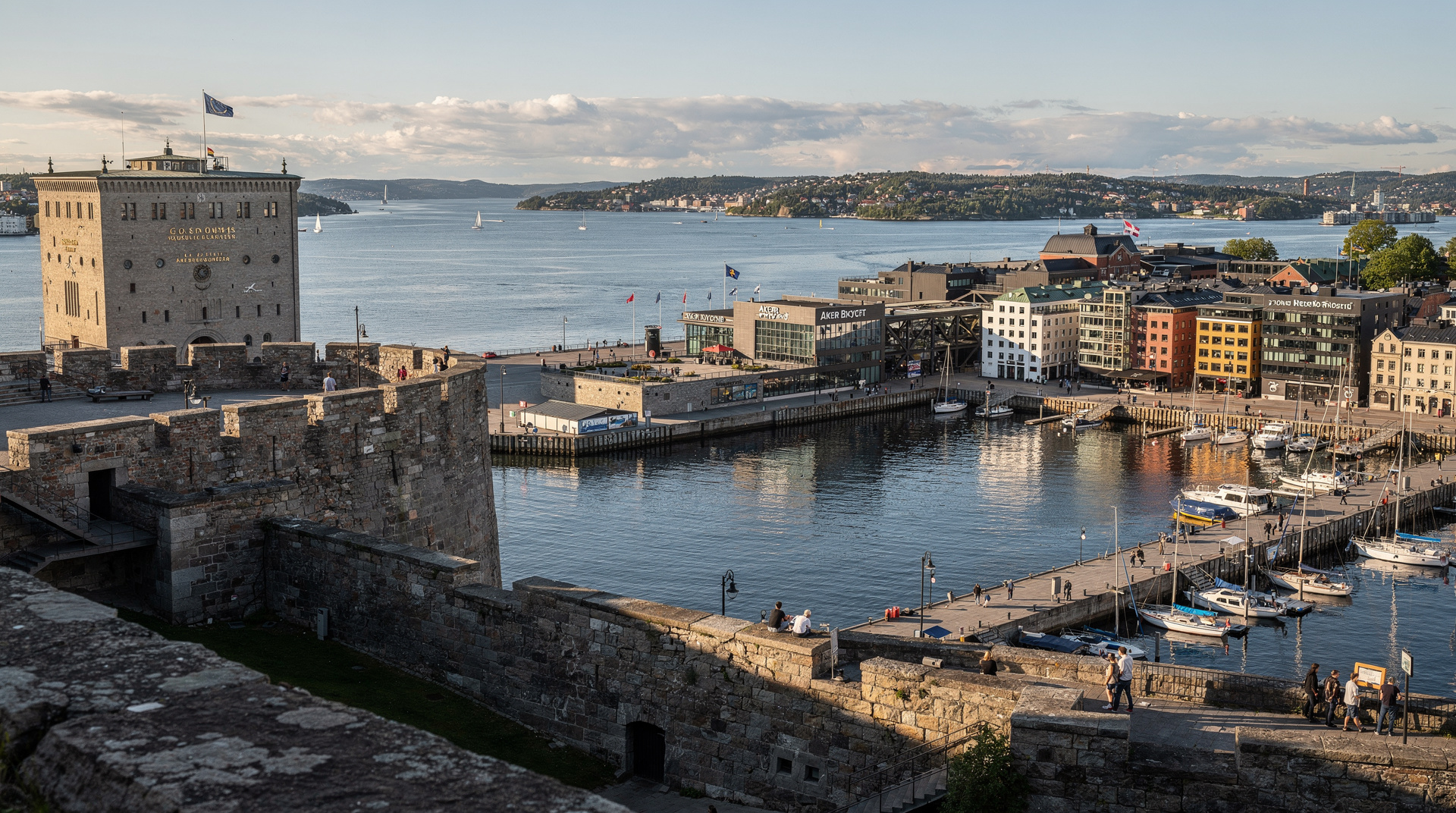
Oslo vs Bergen: the Norwegian city debate, settled (sort of)
From Oslo: one-way self-guided tour to Bergen (rail and cruise)
Duration: Full day
- Scenic railway
- Fjord cruise
The debate that every Norway visitor faces
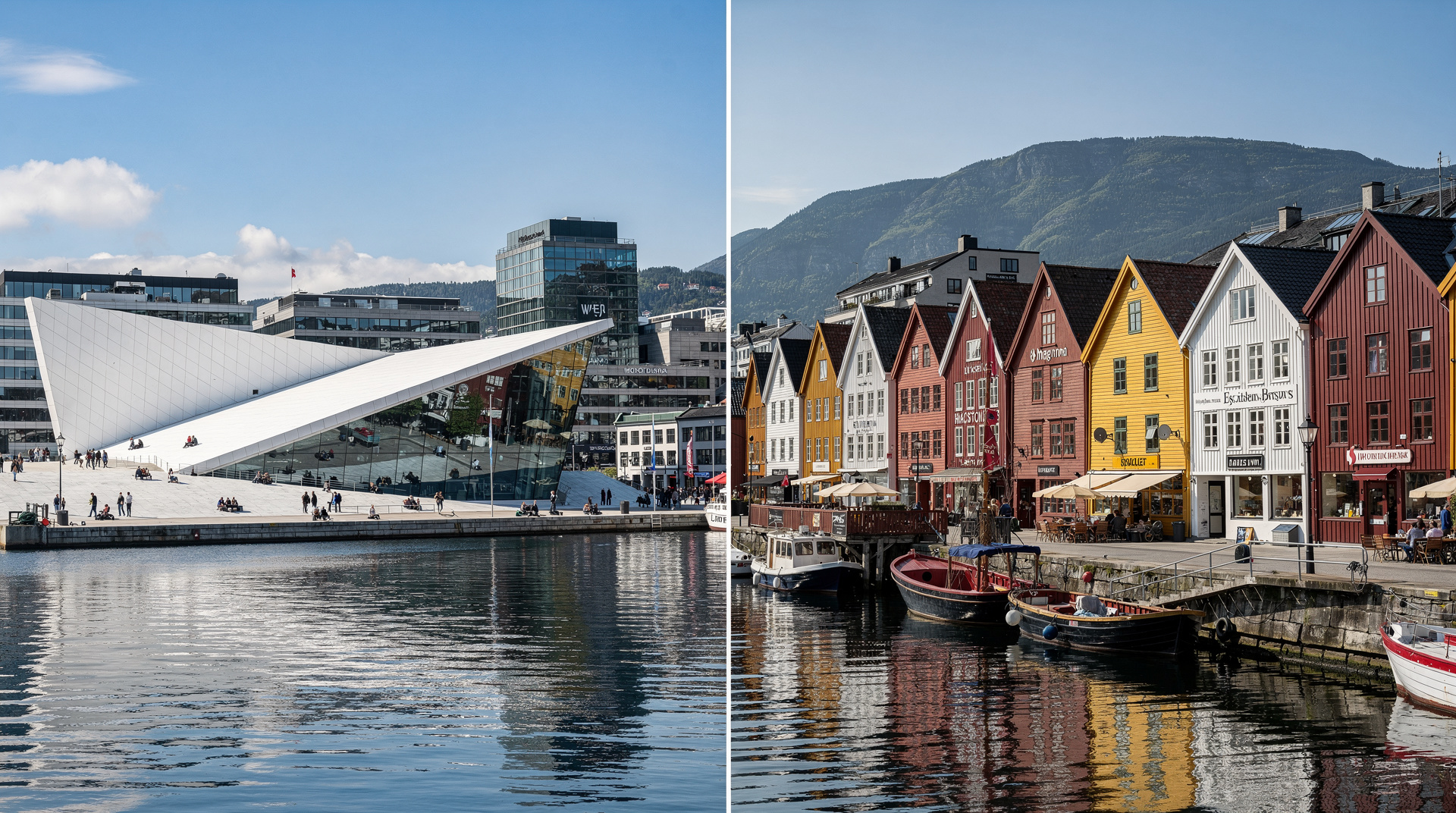
Norway has two great cities, and almost every first-time visitor ends up asking the same question: Oslo or Bergen? With limited time and significant travel costs, it feels like a choice. Locals, meanwhile, treat this as a matter of civic identity that approaches religion in its seriousness. Bergen people will tell you their city has the fjords, the bryggen wharf, the real Norwegian character, and that Oslo is a corporate non-entity with good museums and overpriced coffee. Oslo people will tell you Bergen is charming but provincial, forever damp, and that if you want to actually understand Norway as it is in the 21st century, Oslo is the only place.
Both positions contain truth. Neither is complete. Here is our attempt at an honest comparison.
| Population | Oslo 750,000 vs Bergen 280,000 |
| Weather edge | Oslo — Bergen rains roughly 239 days a year |
| Fjord edge | Bergen — closer to Nærøyfjord and Sognefjord |
| Getting between them | Bergensbanen train, about 7 hours |
| Best if you only pick one | Oslo, for museums and access to day trips |
Oslo vs Bergen at a glance
| Category | Oslo | Bergen |
|---|---|---|
| Weather | more reliably sunny summers | wettest city in Europe, ~239 rain days/year |
| Fjords | Oslofjord, broader and gentler | Nærøyfjord, Hardangerfjord — the dramatic western fjords |
| Museums | Munch, National Museum, Fram, Kon-Tiki | Bryggen, KODE, smaller but distinctive |
| Character | bigger, more varied, harder to read quickly | compact, immediately legible, UNESCO wharf |
| Cost | expensive, wide range of price points | expensive, narrower price dispersion |
| Best for | first-time visitors, culture and day trips | fjord-focused trips, a shorter distinctive stay |
Weather: Bergen loses this one badly
This is the category where the difference is not close. Bergen is one of the wettest cities in Europe. It rains, approximately, 239 days per year. The city sits in a bowl surrounded by seven mountains that trap Atlantic weather systems and wring them out repeatedly. Bergen’s annual rainfall is roughly double Oslo’s. On a beautiful day, Bergen is transcendently lovely — the Bryggen wharf, the Fløyen viewpoint, the fish market, all of it lit by the kind of light that only emerges after rain. The problem is that beautiful days are rationed.
Oslo is not a sunshine capital, but by Scandinavian standards its weather is reasonably balanced. Summers (June–August) are genuinely warm and often sunny, with average highs of 22–25°C. Winters are cold and grey but not constantly wet. If you are planning a single summer holiday and the weather matters, Oslo is the safer bet. Bergen rewards the patient or the lucky.
The fjords: Bergen has the edge — but only just
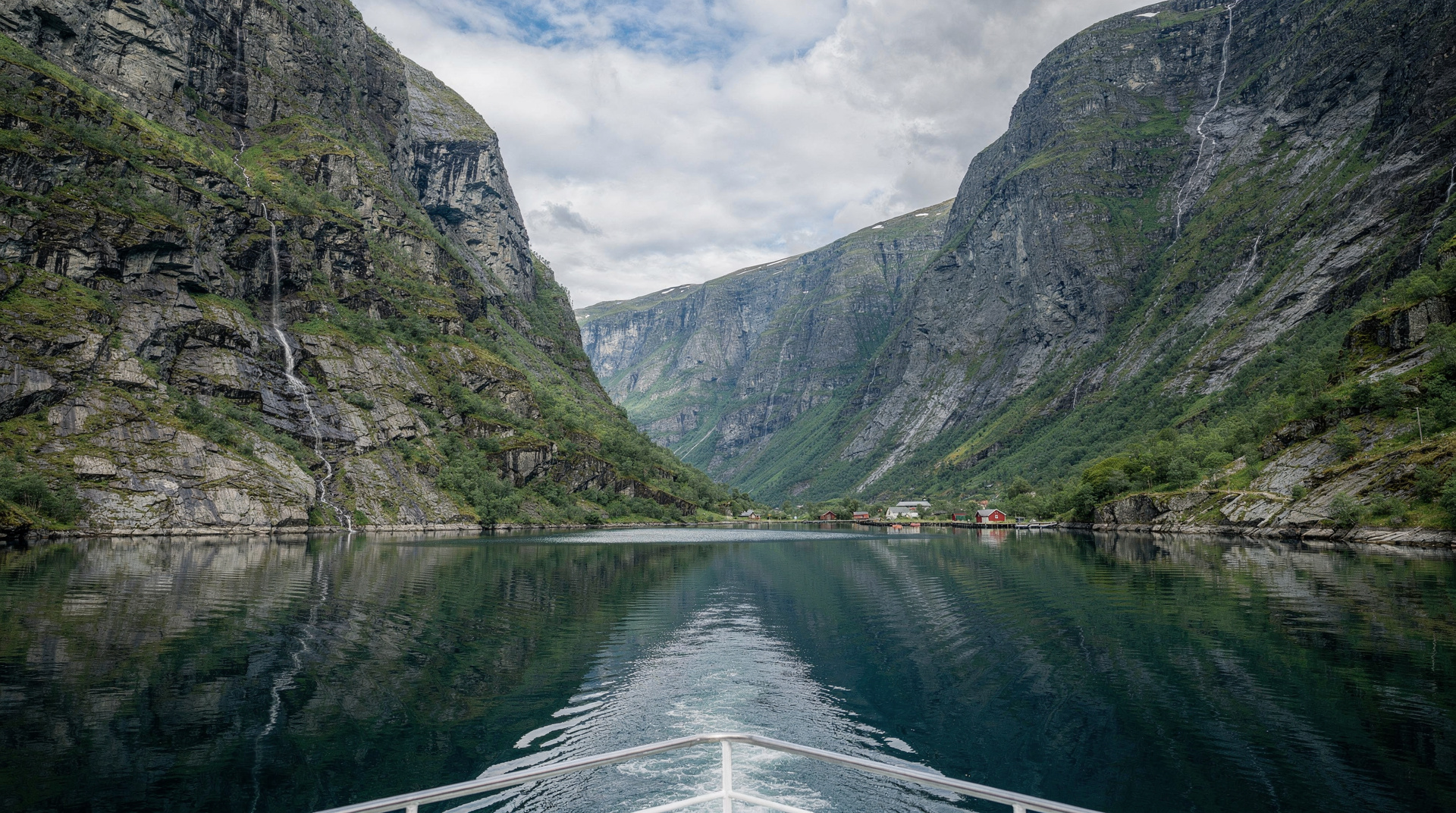
This is the claim Bergen makes most convincingly: that if you want real Norwegian fjords — Hardangerfjord, Nærøyfjord, Sognefjord — you need to be based in Bergen. There is something to this. The most dramatic fjord landscapes (Nærøyfjord in particular, at the western end of Sognefjord, with cliffs that drop 1,400 metres to the water) are more easily accessed from Bergen.
However. The Oslofjord is also genuinely beautiful — lower and broader than the western fjords, with a different character, but not a consolation prize. And the “Norway in a Nutshell” route, which reaches Nærøyfjord via Flåm railway from Myrdal, can be done from Oslo as a day trip — it is a long day (we recommend two days), but the route is entirely feasible starting from the east. Our Norway in a Nutshell guide covers it in detail.
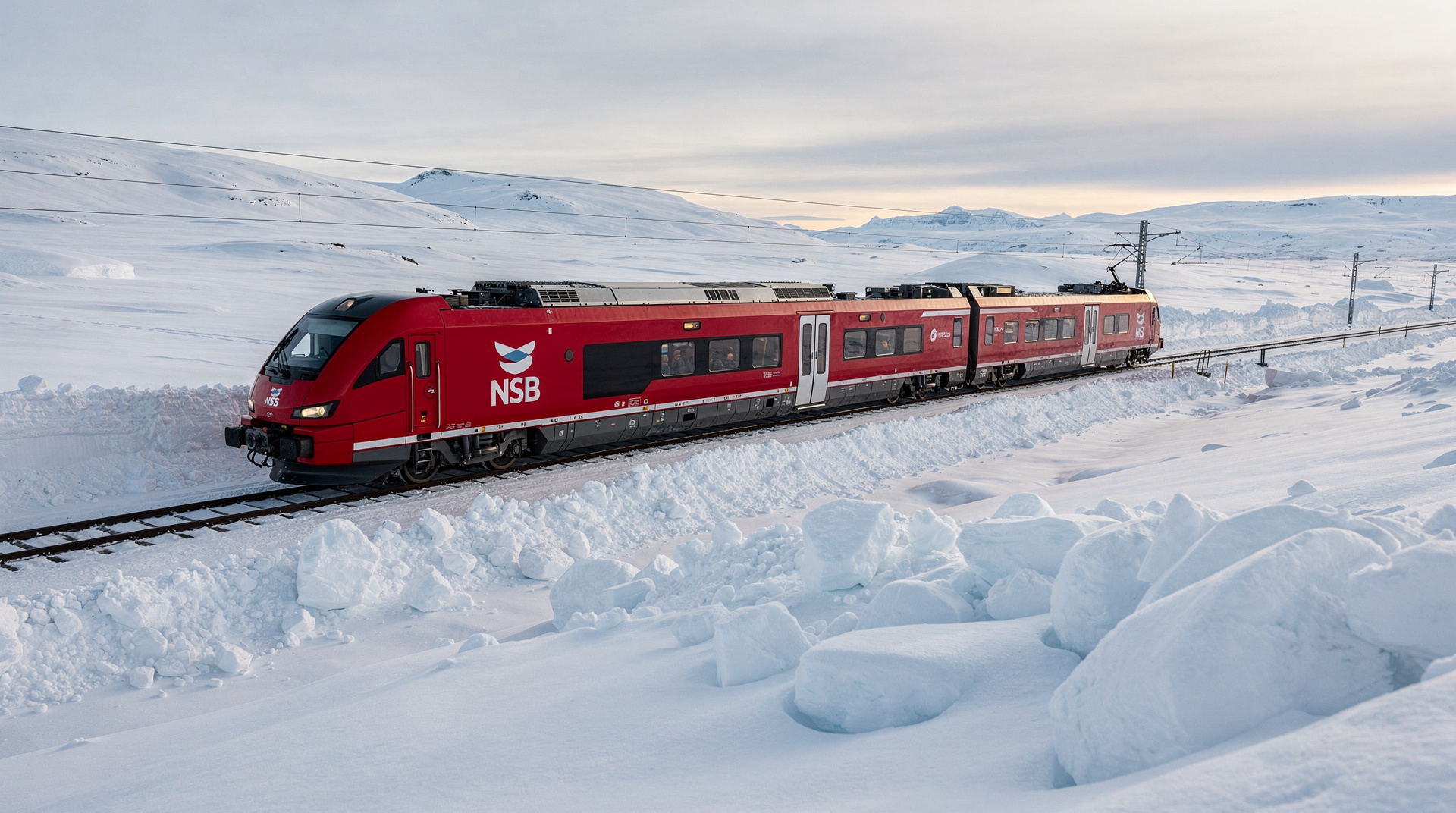
The train from Oslo to Bergen — the Bergensbanen — is itself one of the most beautiful rail journeys in the world. Seven hours across the Norwegian mountains, over the Hardangervidda plateau (the largest mountain plateau in northern Europe), descending through increasingly dramatic terrain toward Bergen. Doing this journey is not a concession to Bergen’s geographic superiority. It is one of the best travel experiences in the country regardless of where you start or end. Read our Oslo to Bergen train guide before booking.
Atmosphere and character
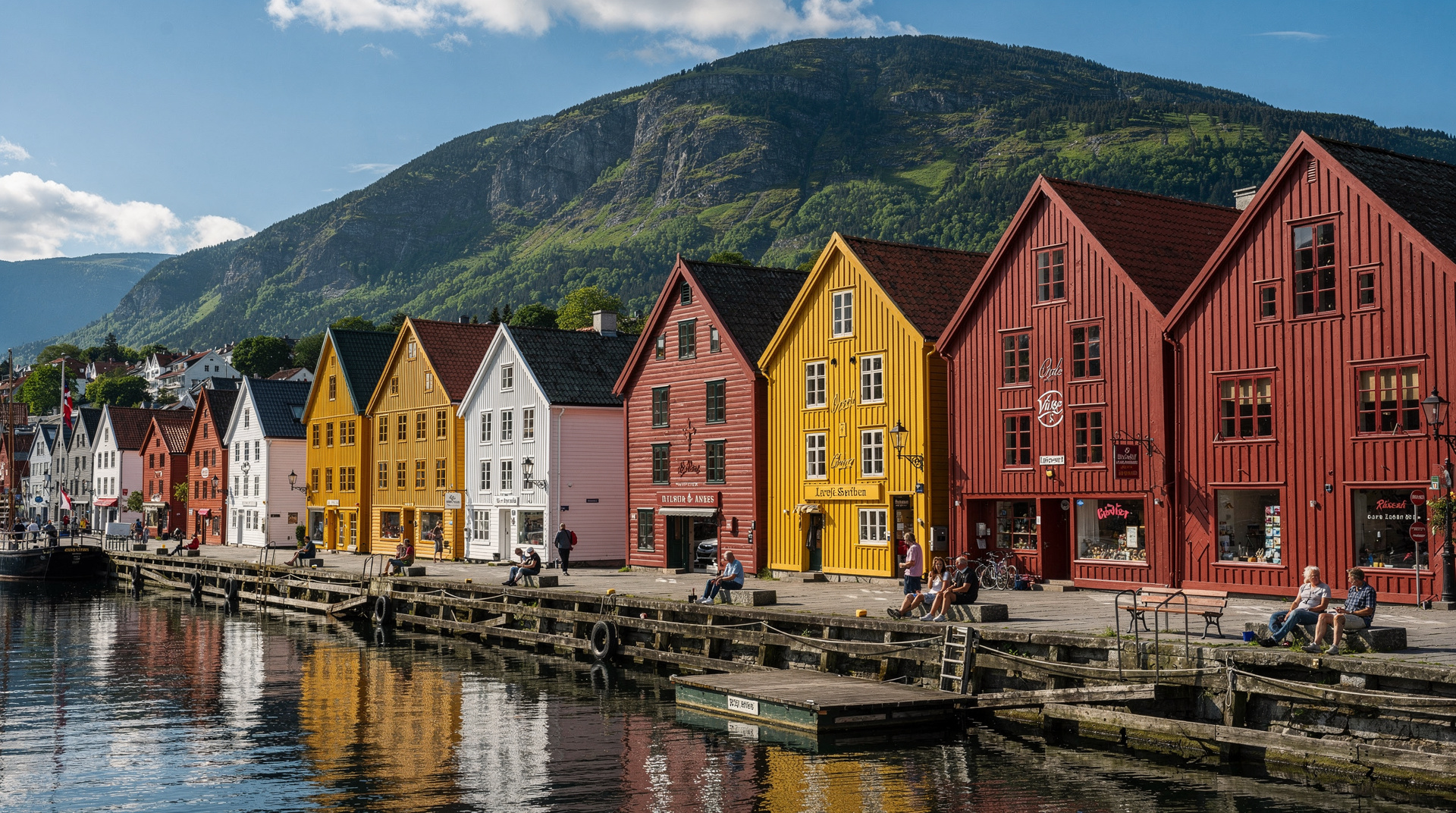
Here is where the debate gets more interesting. Bergen has a genuinely distinctive urban character. The Bryggen wharf — the row of painted timber merchants’ houses listed as a UNESCO World Heritage Site — is the image most associated with Norway internationally, and it is in Bergen. The Fløyen funicular, the fish market, the Floybanen — all of it has a quality of condensed Nordicness that is immediately legible. Bergen is a city that knows what it looks like and wears it comfortably.
Oslo is harder to read. It is bigger (750,000 vs Bergen’s 280,000), more diverse, more architecturally varied, and less immediately coherent. The waterfront has been transformed radically by the Bjørvika development. The Grünerløkka neighbourhood is genuinely hip in a way that Bergen’s small creative district is not quite. The museum culture — Munch, Fram, Norsk Folkemuseum, the new National Museum — is world-class. Oslo has more of everything, but more is not always better.
Our full Oslo vs Bergen comparison guide goes deeper into this, with categories covering food, nightlife, family travel, and cost.
If Oslo’s variety is what draws you, the Oslo destination page is a good place to see how the neighbourhoods fit together, and the Bergen destination page does the same for the western city. For a sense of Oslo’s cultural weight, start with the Munch Museum guide or our ranking of the best museums in Oslo.
Cost
Both cities are expensive by European standards. Oslo has the edge in sheer variety — more options at different price points, from street food at Mathallen to Michelin restaurants. Bergen’s smaller size means the price dispersion is narrower. A meal out in Bergen costs broadly similar to Oslo; accommodation in Bergen can actually be slightly cheaper outside peak season, but varies. If budget is the deciding factor, our guides to whether Oslo is expensive and travelling Oslo on a budget show where the money really goes, and the Oslo Pass guide helps you judge whether a pass is worth it for a museum-heavy stay.
Day trips: another point for Oslo
One factor the classic Oslo-versus-Bergen framing underplays is what each city gives you access to as a base. Oslo sits within day-trip range of Lillehammer, Fredrikstad, Drøbak, and the Oslofjord islands, plus longer excursions to Bergen itself via the Bergensbanen. Bergen’s day-trip options lean almost entirely toward the western fjords — spectacular, but narrower in range. If your trip includes several days based in one city rather than constant movement, Oslo’s broader menu of nearby options is a real practical advantage, covered in full in the best day trips from Oslo guide and the fjord day trips guide.
The honest answer
If you have ten days in Norway and are choosing between seeing one city or the other: see Oslo. It is more representative of modern Norway, has a richer museum offering, sits at the centre of multiple excellent day trips, and gives you access to the fjords via train.
If you have enough time to do both: take the Bergensbanen from Oslo to Bergen, spend two or three days there, and fly back to Oslo (or take the train again — it is different in the other direction). This is the Norway trip most of our team would choose. Our Bergen from Oslo guide and the transport options guide cover the logistics.
The Oslo vs Bergen debate is ultimately a false choice. Norway is a country with two remarkable cities and a train line between them that is itself worth the trip. The answer is not either/or; it is how to build the trip that includes both.
Top experiences
Bookable activities with verified prices and instant confirmation on GetYourGuide.

Oslo: Oslo Pass with public transport and free museum entry
- Instant confirmation
- Free public transport
- Skip museum queues
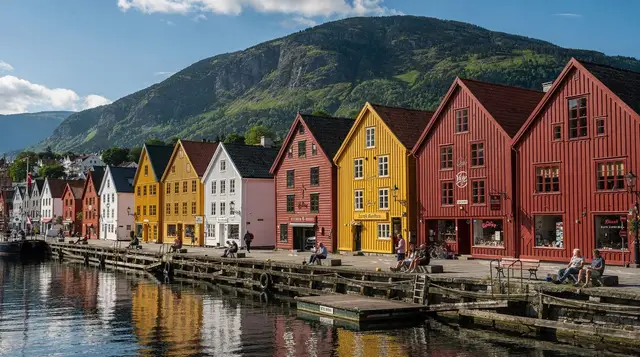
Bergen: city sightseeing, fjord cruise and Mt Fløyen funicular
- Fløibanen
- Fjord cruise
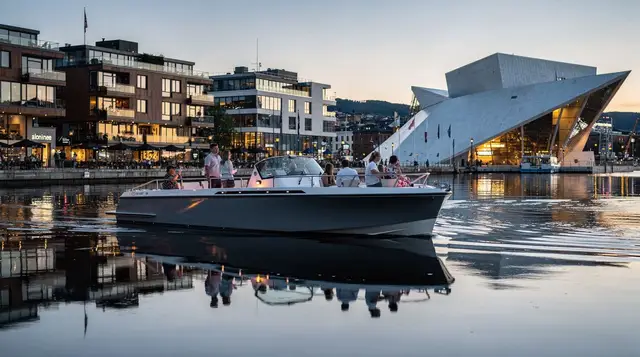
Oslo: guided sightseeing fjord cruise on a premium silent electric boat
- Silent electric boat
- Free cancellation
- Best seller