Green mobility in Oslo: electric ferries, buses, cars, and a car-free centre
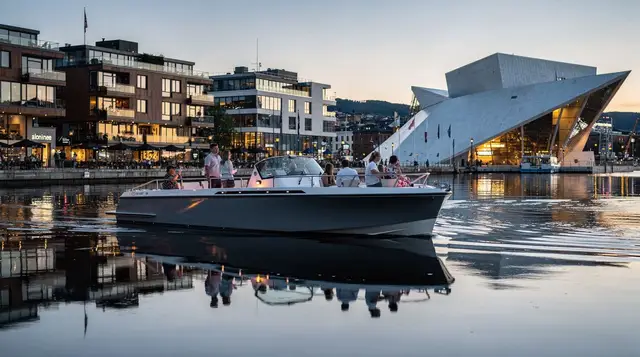
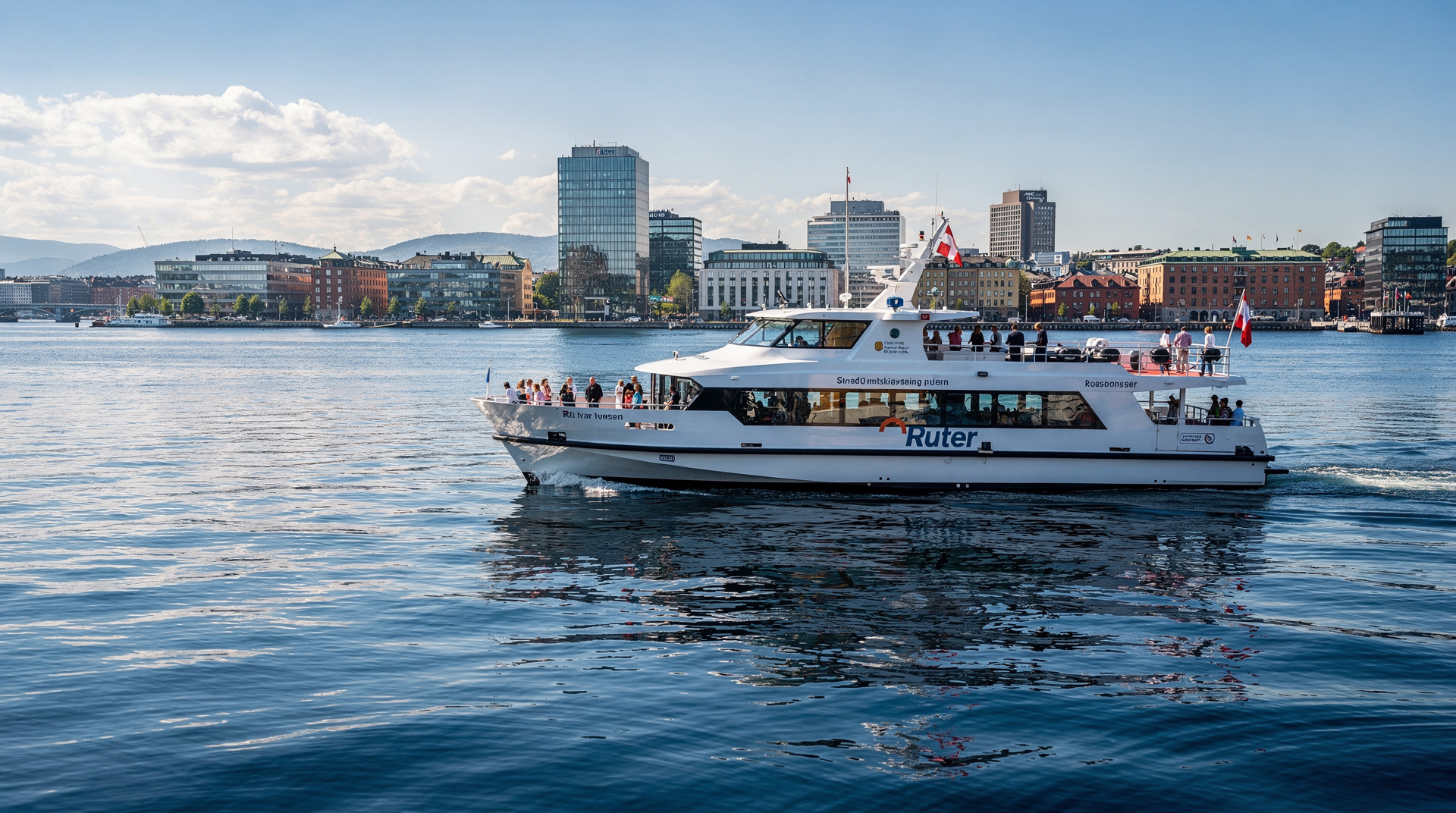
Oslo: guided sightseeing fjord cruise on a premium silent electric boat
Duration: 2 hours
- Silent electric boat
- Free cancellation
- Best seller
The city that bet on electricity and won
When Oslo announced in 2017 that it intended to make its city centre car-free and its entire public transport network emissions-free, the response from urban planners in other cities was a mixture of admiration and scepticism. Oslo had the political will, the municipal wealth, and the hydroelectric infrastructure to back the ambition. But the scale was genuinely unprecedented for a European capital.
In 2026, the experiment has largely succeeded. The results are visible and measurable in ways that visitors notice immediately, whether or not they are paying attention to urban sustainability policy.
| What’s electric | Metro, tram, most buses, most inner-fjord ferries, most taxis |
| Visitor cost | Ruter day pass around NOK 115 (USD 12), unlimited travel |
| Car-free zone | Central Sentrum streets, parts of Aker Brygge and Bjørvika |
| Do you need a car | No — public transport and walking cover the city fully |
| Cycling | Improving but hilly; Bysykkel bike-share, NOK 50–80/day |
Oslo’s transport modes, how green they are
| Mode | Electrification | Visitor relevance |
|---|---|---|
| T-bane (metro) | Fully electric, always has been | Fastest way across the city and to Nordmarka |
| Trams | Fully electric | Best for short central hops, e.g. to Grünerløkka |
| Buses | Majority electric/hydrogen | Fills gaps trams and metro don’t reach |
| Inner-fjord ferries | Majority electric/hybrid | Island hopping, Bygdøy access |
| Taxis | Nearly all electric | Quiet, but still the most expensive option |
| Bysykkel bikes | N/A (pedal, some e-bike stock) | Good on waterfront and Akerselva routes only |
The car-free centre: what it actually means
Oslo’s city centre “car-free zone” (bilfritt byliv, literally “car-free city life”) does not mean absolutely no motor vehicles. Emergency vehicles, service deliveries (during permitted hours), and vehicles serving people with disabilities can still access the central streets. What it means in practice is the removal of private car parking from the centre — approximately 700 parking spaces eliminated — combined with the pedestrianisation and repaving of several central streets.
Karl Johans gate, the main street running from Oslo Central Station to the Royal Palace, has been pedestrian for decades. The car-free policy extended this logic to the side streets of Sentrum and to parts of Aker Brygge and Bjørvika.
The effect for visitors is straightforwardly pleasant. The central streets are quieter, wider-feeling, and easier to navigate on foot. Street furniture has improved significantly as the space released from parking has been redesigned for cycling infrastructure, seating, and planting. The air quality in the central streets, while not immediately noticeable to a short-term visitor, is measurably better than in comparable European capitals.
The getting around Oslo guide covers the practical implications for navigation, and the do you need a car in Oslo guide makes the case — clearly, we think — that visitors do not need or want a car within the city.
The EV situation: genuinely remarkable
Norway has the highest electric vehicle density in the world, and this is most visible in Oslo. In 2025, new private car sales in Norway were approximately 90% electric. On the city streets, the proportion of electric vehicles in the moving traffic is striking even to visitors who do not seek it out.
The reasons are a combination of substantial government incentives (lower purchase tax, reduced road tolls, access to bus lanes, cheaper parking), national wealth that makes the higher upfront cost of EVs more accessible, and the abundance of cheap hydroelectric power that makes electricity effectively free at the point of charging relative to petrol.
The effect for visitors is primarily experiential: Oslo’s traffic is quieter than it should be for a city of 700,000 people. The absence of diesel engine noise from the most common vehicles changes the acoustic texture of the city in a subtle but real way. Taxis — almost entirely electric in Oslo by 2025 — arrive and depart in near silence.
Car rental in Oslo is available through standard international operators, and the electric vehicle proportion of rental fleets has grown significantly. If you are renting a car for an excursion outside the city, an electric rental is straightforward. For charging logistics on Norwegian roads, the Norgesbil and Grønn Kontakt networks provide dense coverage on the major routes.
The electric ferry network
The Oslofjord ferry system has been progressively electrified since the first hybrid-electric passenger ferry entered service in 2017. By 2025, the majority of the commuter ferry lines serving the inner Oslofjord — the routes connecting central Oslo with Nesoddtangen, Nesodden, and the inner islands — operate on electric propulsion.
For visitors, the most relevant manifestation is the island ferry service from Rådhusbrygge and Aker Brygge. The ferries serving Hovedøya, Lindøya, Gressholmen, and Nakholmen are electric. The silence on board these ferries is part of the island-hopping experience described elsewhere on this site — see the Oslofjord ferries guide for the practical details.
The electric tourist cruise boats — including the silent electric sightseeing cruises on the fjord — represent the same technology applied to visitor experiences. The silent electric boat cruise is perhaps the most direct way to experience Oslo’s commitment to electric marine transport as an aesthetic and practical choice rather than just a policy commitment.
The public transport network
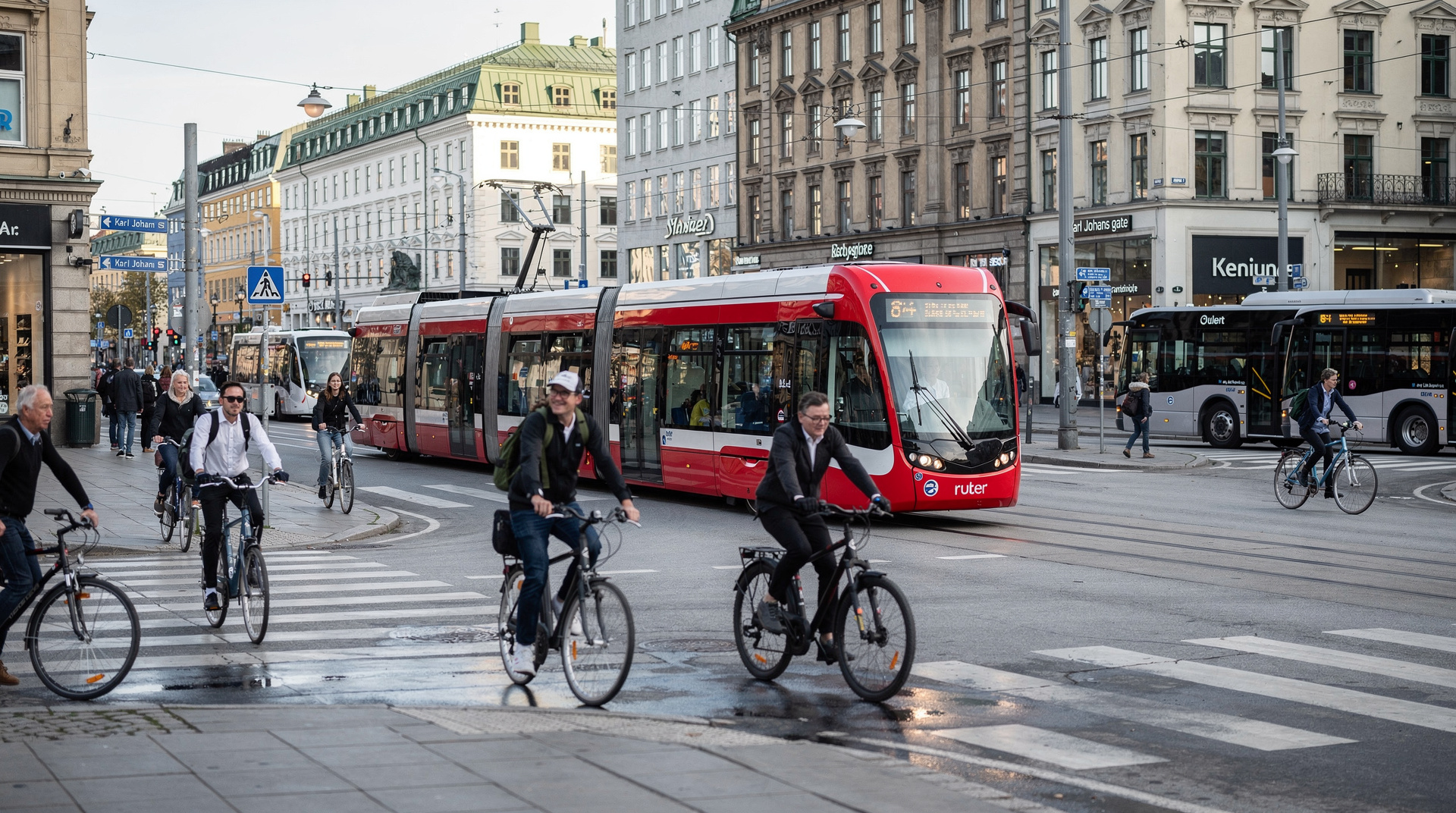
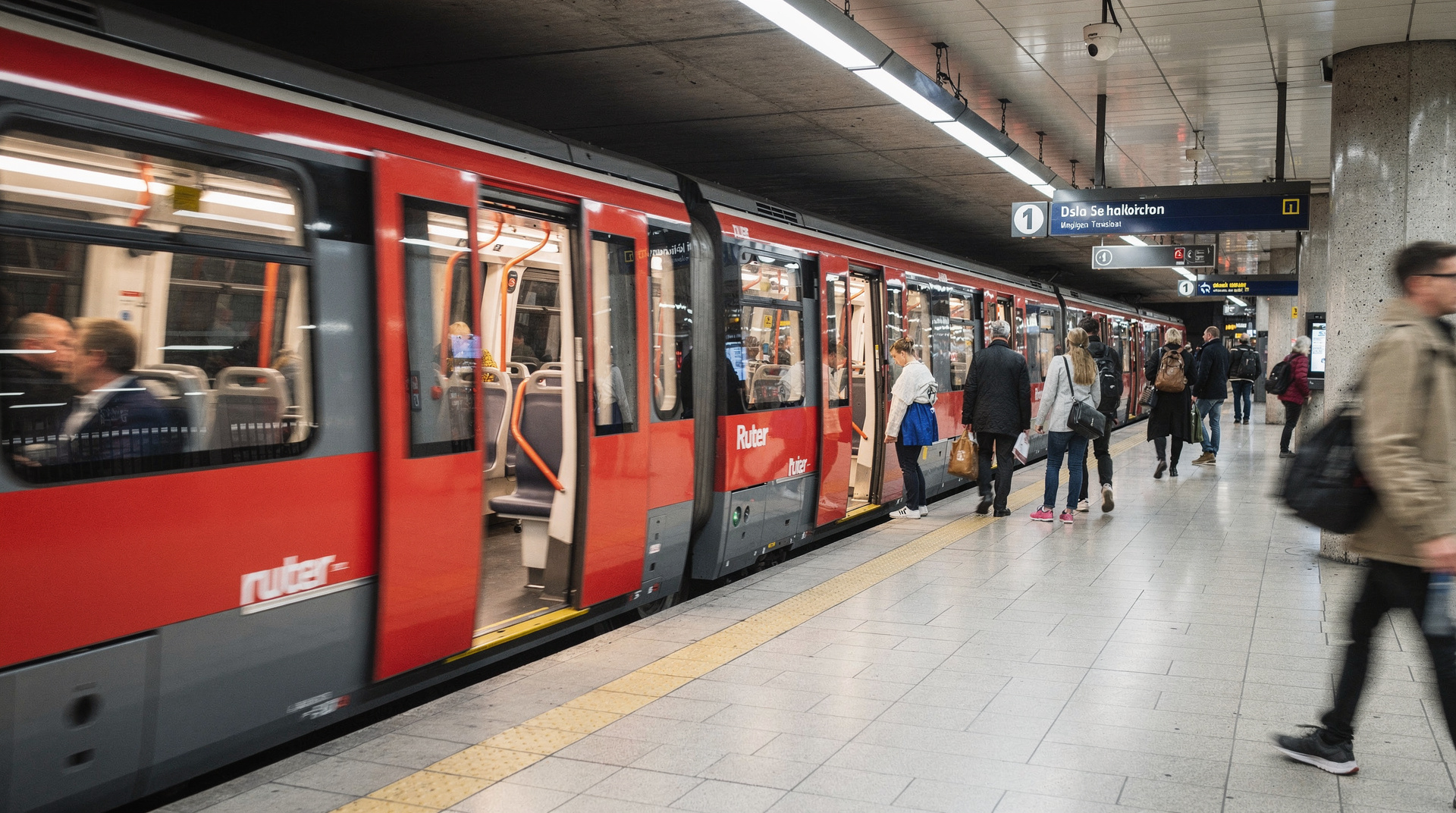
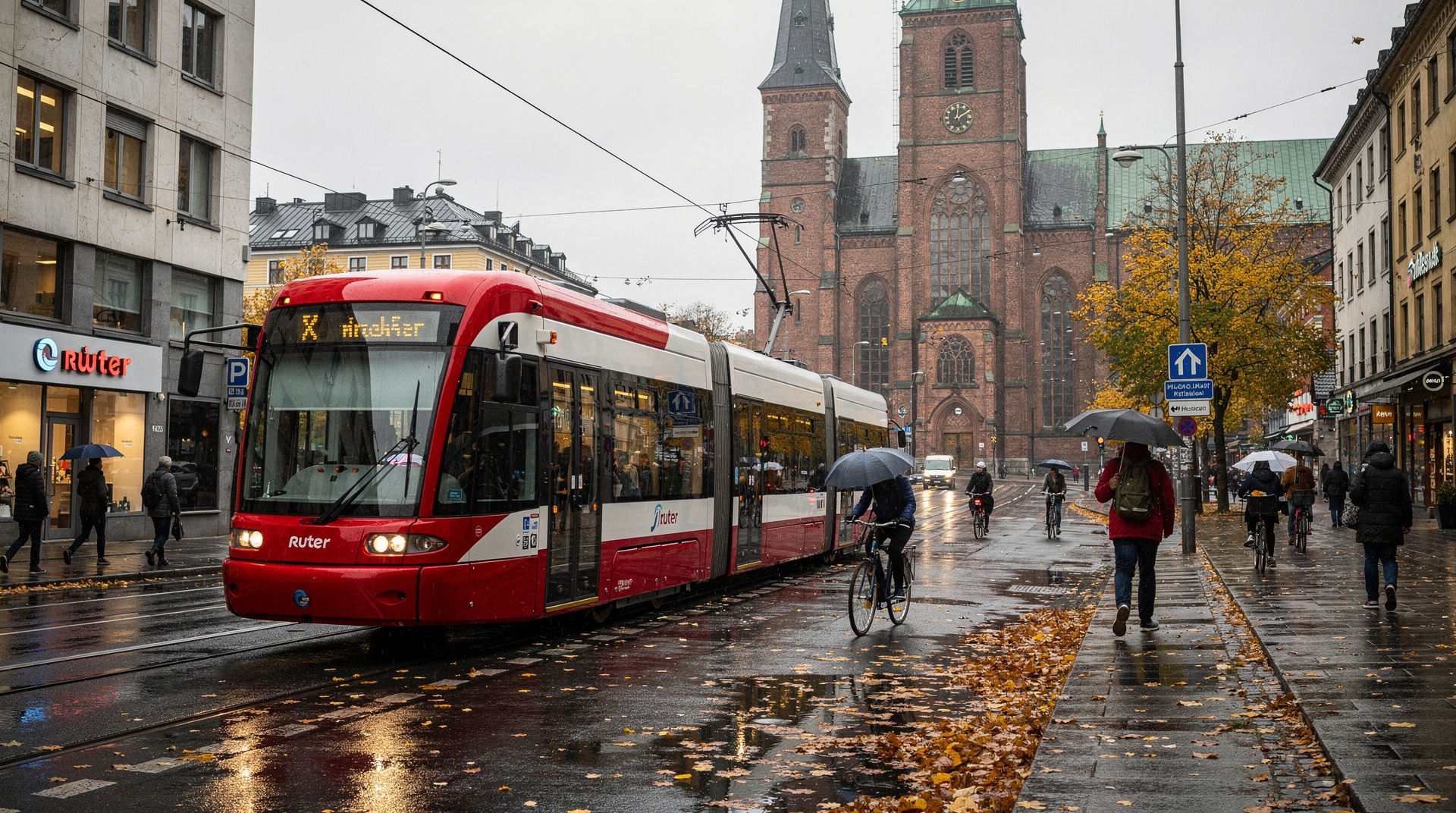
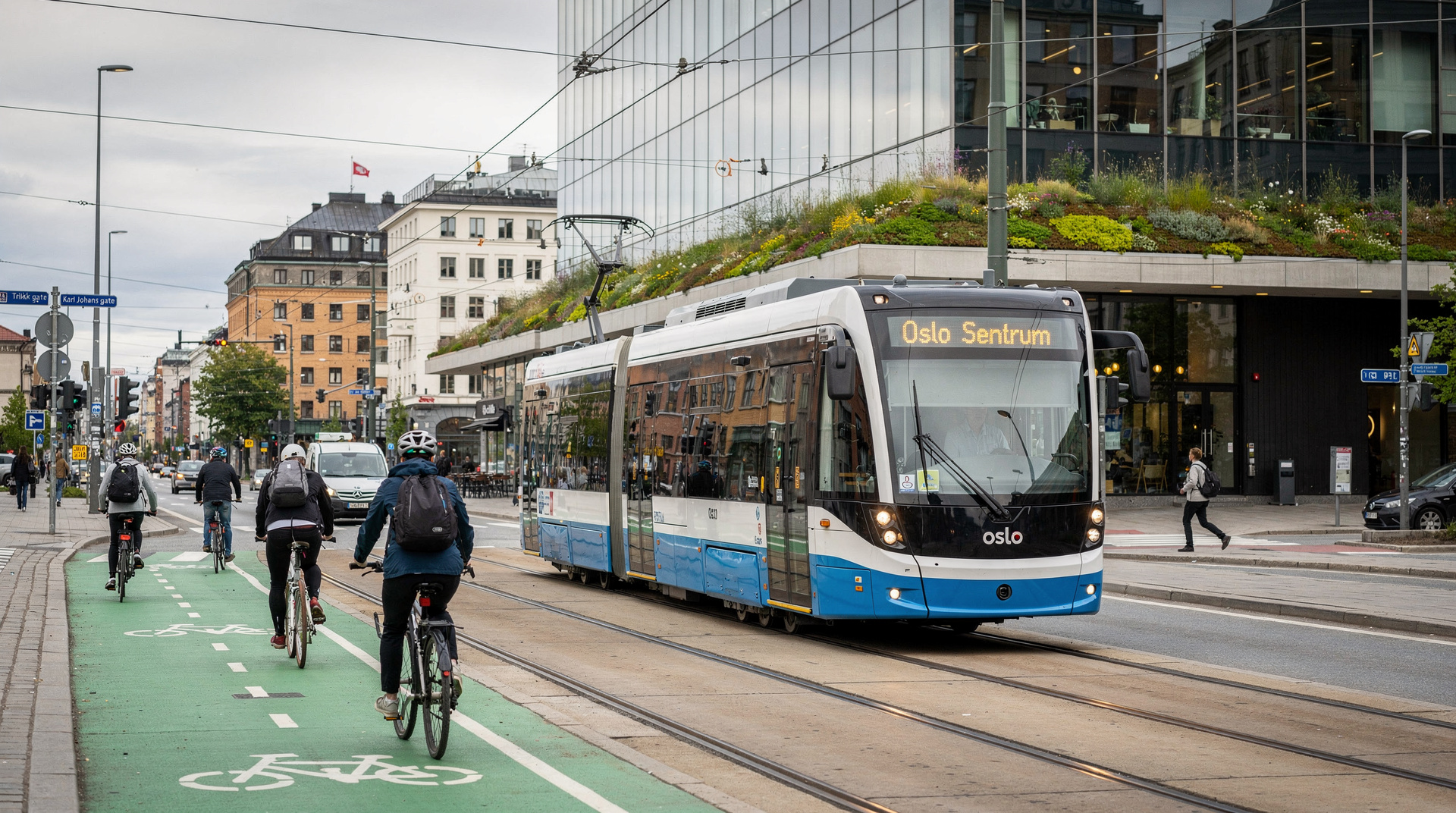
The Ruter public transport network — covering metro, tram, bus, and local ferry — is central to Oslo’s green mobility story. The metro (T-bane) has been electric since its opening. The tram network was always electric. The bus fleet, which was the largest source of fossil fuel emissions in the urban transport system, has been undergoing rapid electrification since 2019.
By 2025, the majority of Oslo’s bus fleet was electric or hydrogen-powered, with the remainder running on biodiesel. The target of a fully zero-emission public transport network by 2028 appears achievable.
For visitors, this translates to: the public transport system is quiet, clean, and effective. A Ruter day pass at NOK 115 (USD 12) covers unlimited travel across all modes — metro, tram, bus, and local ferry — on a network that is genuinely efficient and well-integrated. The Ruter public transport guide covers the practical details of using the system.
Cycling: the missing piece and current progress
The honest assessment of Oslo cycling infrastructure is that it lags behind the ambition. Oslo has invested in cycling lanes and the city-wide Bysykkel bike-share scheme (NOK 50 to 80 per day for the tourist pass), but the terrain — Oslo is genuinely hilly — and the pace of infrastructure investment have left the cycling experience less coherent than Copenhagen, Amsterdam, or even Bergen.
The waterfront cycling route from Bjørvika through Aker Brygge to Bygdøy is excellent: flat, wide, and largely separated from traffic. The Akerselva river path, running north from the Opera House through Grünerløkka, is another strong cycling route. Beyond these corridors, cycling in central Oslo involves navigating a mixture of dedicated lanes, shared paths, and ordinary roads that requires attention.
For visitors who want to explore the city on a bike, the waterfront and Akerselva routes are the right starting point. The Bysykkel stations are dense in the centre and the app is easy to use.
What this means for a visitor
The practical upshot of Oslo’s green mobility revolution is simple: you will have a better visitor experience than you might expect in terms of air quality, noise levels, and the ease of navigating by public transport or on foot.
Oslo in 2026 is a city where the sustainability commitments have materialised enough to be experiential rather than purely statistical. The fjord air is clean. The central streets are quiet. The public transport system works consistently. The electric ferries are beautiful to ride.
None of this makes Oslo less expensive. The green premium, where it exists in the city’s cost structure, is real. But it means that the cost buys something genuine.
Putting it to use on an island day
The electric ferry network is at its best on an island hopping day from Rådhusbrygga or Aker Brygge — silent boats, short hops, and a Ruter fare that costs the same as a tram ride. Combine it with one of the Oslofjord cruises for a longer stretch on the water and you get a full day of Oslo’s electric marine transport without touching a car. Our Scandinavia’s greenest capital guide puts the transport story in the context of the city’s broader sustainability commitments.
Arriving without a car
The green mobility story starts before you reach the city centre. The Flytoget express train from Oslo Airport runs electric and reaches Oslo Central in 19 minutes; the cheaper Vy regional train takes about 25 minutes on the same electrified line. Neither requires a car rental, and both drop you inside the car-free zone. See the airport to city guide for the full comparison, and the daily costs guide if you are weighing transport against the rest of your budget.
Top experiences
Bookable activities with verified prices and instant confirmation on GetYourGuide.