Do you need a car in Oslo? The honest answer
Oslo: Oslo Pass with public transport and free museum entry
Duration: 24-72 hours
- Instant confirmation
- Free public transport
- Skip museum queues
Do I need to rent a car in Oslo?
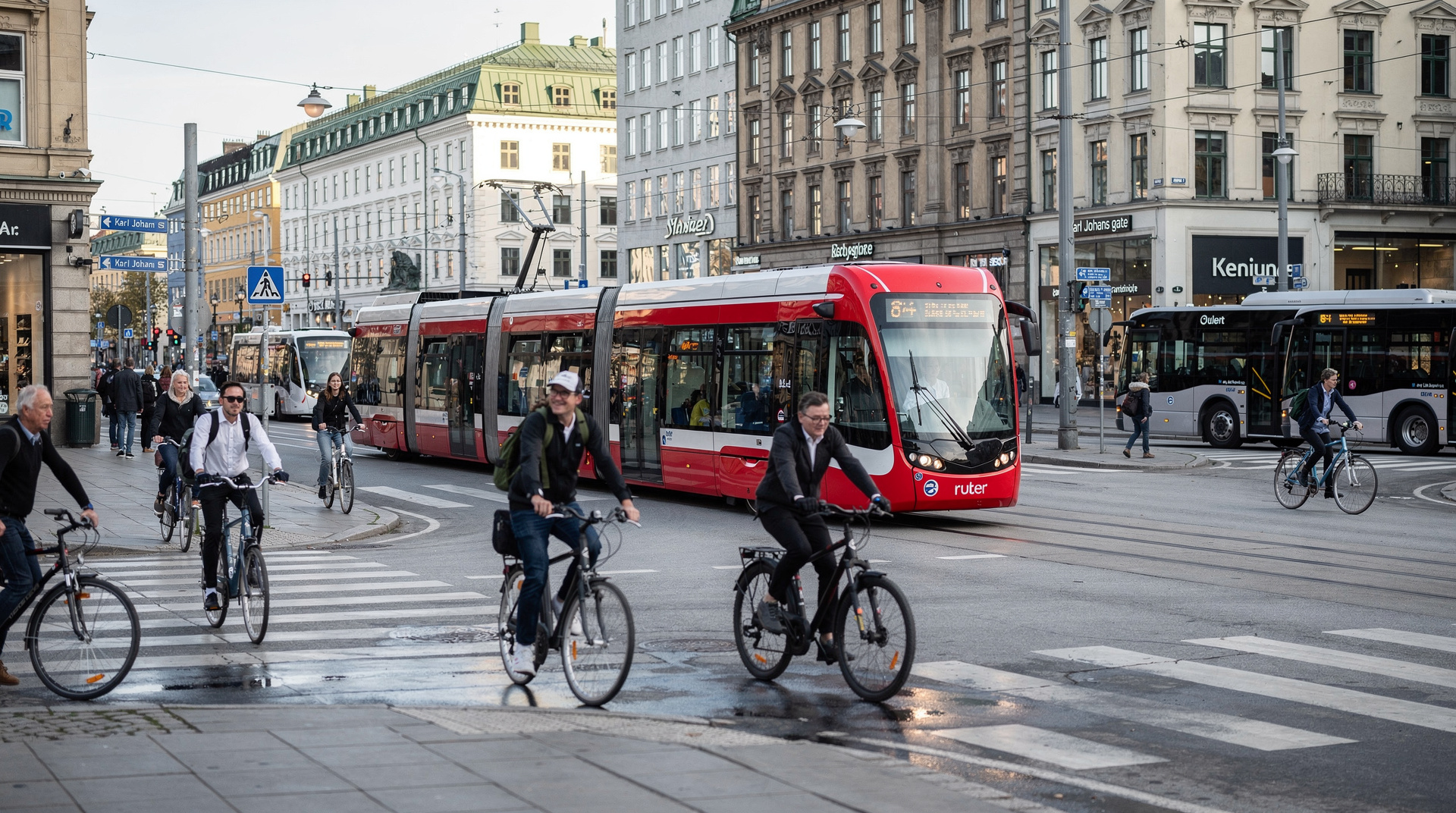
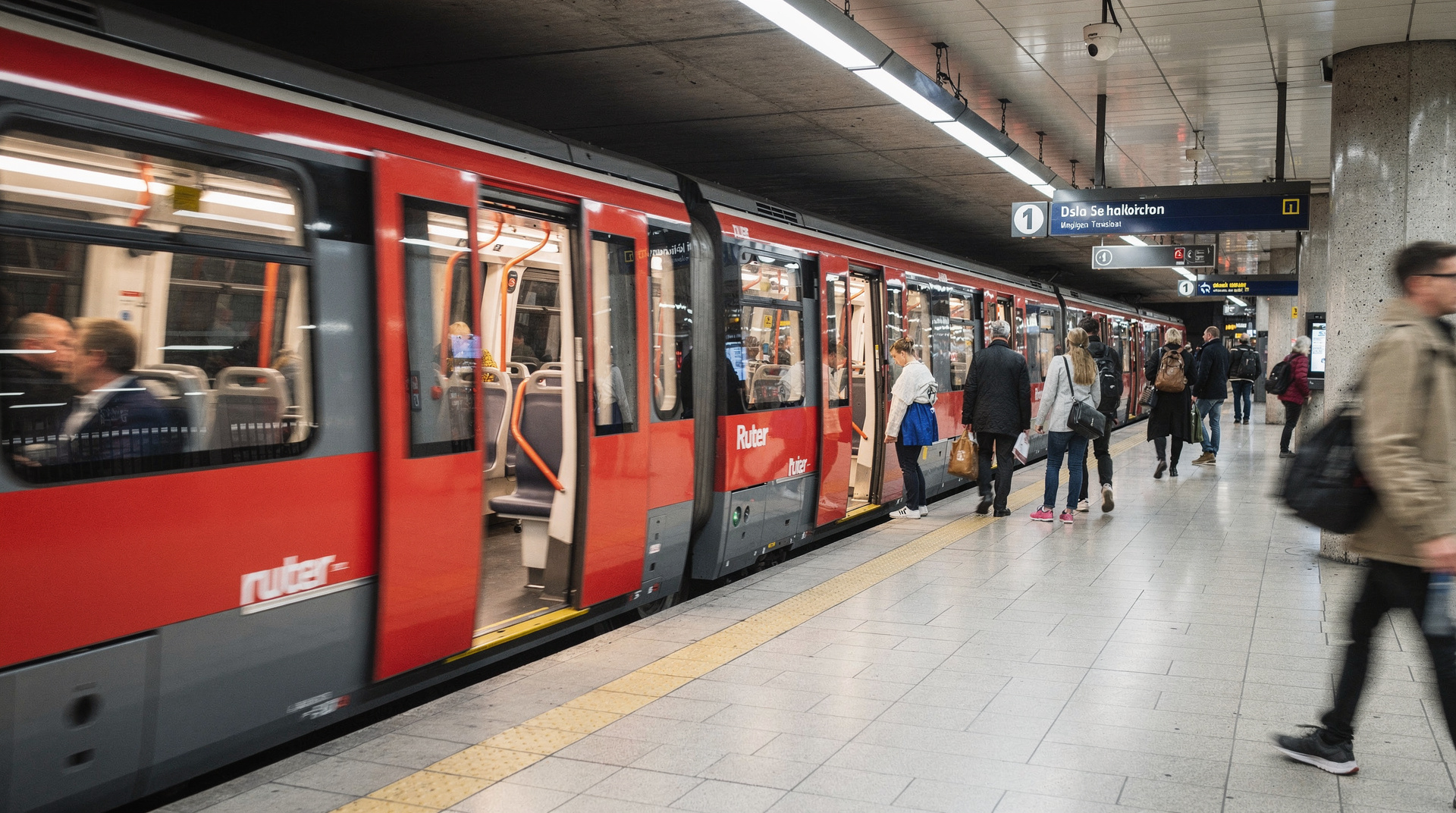
No, for the city itself. Oslo's Ruter public transport network is excellent, cheap, and covers all major attractions including Bygdøy, Holmenkollen, and the Oslofjord island ferries. Parking in central Oslo costs NOK 50–80 per hour (USD 5–9) and city driving is stressful. A car is useful for specific rural day trips — Telemark, Hadeland, the outer Oslofjord — but not for most standard itineraries.
The city: you don’t need a car
Oslo’s compact core and excellent Ruter network make a car not just unnecessary but actively inconvenient for visiting the city itself. Here’s why:
| City itself | No car needed — Ruter covers everything |
| Parking | around NOK 50–80/hour centrally |
| Toll ring | around NOK 15–35 per entry, automatic |
| When a car helps | Hadeland, Telemark, outer Oslofjord |
| Rental cost | around NOK 500–900/day, compact car |
Parking costs are punishing. Central Oslo parking costs NOK 50–80 / USD 5–9 per hour at street meters. Underground garages charge NOK 200–350 / USD 22–38 for a full day. A weekend of city parking can easily add NOK 800–1 500 / USD 86–161 to your trip cost.
Toll ring charges apply on most city entry roads. Oslo’s bomringen (toll ring) charges NOK 15–35 / USD 1.60–3.80 each time you pass a camera, and there are cameras on most major routes into and out of the city. These are charged automatically; rental companies add them to your bill at the end of the rental.
The public transport network covers everything. Bygdøy (bus 30, or seasonal ferry line 91), Holmenkollen (T-bane line 1), Frognerseteren (T-bane line 1), Grünerløkka (tram 11), Vigeland Park (tram 12), the Oslofjord islands (Ruter ferries from Vippetangen) — all reachable by Ruter zone 1 ticket for NOK 42 / USD 4.50 per single journey. See the full network overview at Ruter guide.
City driving is stressful. Oslo has extensive dedicated cycle lanes, tram tracks, and pedestrianised zones. Navigating by car around the one-way systems in the centre and finding a parking space adds time rather than saving it.
The only thing a car genuinely improves within Oslo itself is luggage transport from the airport to your hotel — and the train handles that fine.
When a car makes sense
There are specific excursions where a rental car adds real value:
Rural Hadeland and Randsfjord
The lake and farmland area west of Oslo (Hadeland) is poorly served by public transport but makes a beautiful day drive. Crystal Glassverk factory at Jevnaker, organic farms, and the lake at Randsfjorden are all accessible within 90 minutes by car. There’s no practical public transport to most of these destinations.
Telemark Canal
The Telemark region (2–3 hours southwest of Oslo) is famous for its canal system, stave churches, and mountain scenery. While some towns in Telemark can be reached by train or bus, exploring the canal villages and rural landscape requires a car. A driving day trip from Oslo allows you to cover Notodden (Heddal Stave Church — the largest medieval stave church in Norway), Skien, and return via the E18 in a full day.
Outer Oslofjord communities (south of Drøbak)
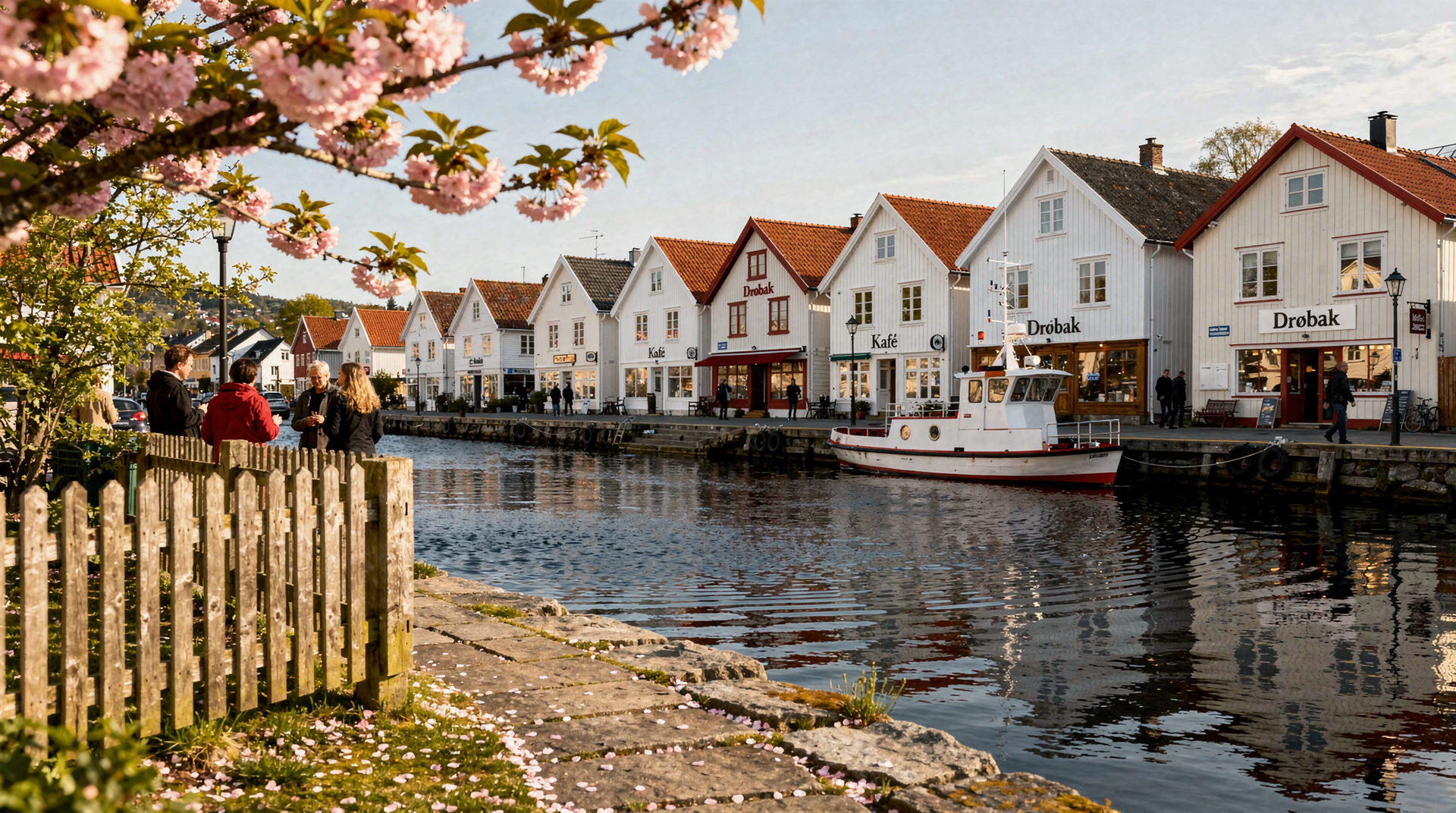
Drøbak itself is reachable by bus (Ruter zone 3–4) and is an excellent car-free day trip — see the Drøbak guide. But the communities further south on the Oslofjord’s eastern shore — Hvitsten, Son, Moss — are harder to reach by public transport and reward a driving loop down the E6 with side roads to the water. This is a local experience rather than a tourist route, which makes it more interesting.
Hardangerfjord by car (extended trip)
The Hardangerfjord, though easier to visit from Bergen, can be approached from Oslo via the E16 and the Hardanger road. Driving the Hardangervidda plateau and descending to the fjord at Eidfjord or Odda takes 3–4 hours one-way — a proper road trip destination rather than a day trip, but spectacular in summer when the mountain road (Rv7) is open. Note that the high-altitude sections of this road are snow-covered from November to April.
Winter: ski resorts beyond Nordmarka
If you’re a downhill skier and want to go beyond Nordmarka’s cross-country network, Hafjell (near Lillehammer, 2 hours by car or train) and Geilo (2.5 hours by car, 3+ by train) are the main alpine ski resorts within day-trip range. Geilo in particular is more convenient by car, as the station is 2 km from the main ski area and a bus connection adds time. Hafjell is 10 km from Lillehammer station — also manageable by taxi but easier by car if you’re carrying ski gear.
Practical car rental tips
Pick up at Gardermoen Airport, not city centre. Airport car rental depots are large, well-stocked, and prices are typically lower. You avoid driving into the toll ring and parking in the city. Pick up the car on the day you’re leaving Oslo for a rural day trip; return it the day you come back.
All major international companies operate at Gardermoen: Hertz, Avis, Europcar, Sixt, Budget, and Thrifty all have desks in the arrivals hall. Norwegian company Rent-a-Wreck (strange name; legitimate company) is sometimes cheaper for basic cars.
Expect NOK 500–900 / USD 54–97 per day for a compact car with basic insurance. Fully comprehensive coverage (CDW with zero excess) adds NOK 150–300 / USD 16–32 per day and is worth considering given Norway’s tight mountain roads.
Electric cars are a great option in Norway. Norway has the world’s highest EV penetration rate and one of the densest fast-charging networks per km of road. Renting an EV in Norway is practical even for longer distances — charging time at fast chargers (Ionity, Recharge) is 30–45 minutes for an 80% charge. Charge at the hotel overnight on a standard outlet for 100% in the morning.
Toll costs: AutoPASS cameras log foreign rental cars automatically. Budget NOK 100–250 / USD 11–27 for a full day of driving around greater Oslo. For a Bergen or Hardanger day trip, add toll charges on the E16 and mountain roads.
Ferry crossings: Several short ferry crossings across the Oslofjord and fjord arms save significant driving time. For example, the Moss–Horten ferry (20 minutes; approximately NOK 100–150 / USD 11–16 per car) shortens the drive from Oslo to the Telemark or western regions considerably.
Summary: car vs public transport by itinerary
| Itinerary | Car needed? |
|---|---|
| City sightseeing (museums, Vigeland, Aker Brygge) | No |
| Bygdøy museums | No (bus 30 or ferry) |
| Holmenkollen | No (T-bane line 1) |
| Oslofjord islands | No (Ruter ferry) |
| Drøbak | No (bus) |
| Fredrikstad | No (train) |
| Lillehammer | No (train) |
| Bergen | No (train or flight) |
| Hadeland/Randsfjord | Yes |
| Telemark/stave churches | Yes |
| Outer fjord villages (Son, Hvitsten) | Yes |
| Hardangervidda by car | Yes |
| Geilo ski resort | Recommended |
For most first-time visitors on a standard 2–4 day Oslo trip, a car is not required and not recommended. The getting around Oslo guide shows how to reach every major sight by public transport.
Driving in Oslo: the practical reality
If you do have a car for part of your trip, here’s what driving in Oslo actually involves:
The toll ring (bomringen): Oslo has a ring of automatic toll cameras on all major roads entering and exiting the city. Foreign rental cars are recognised automatically and the toll is charged to your rental agreement. Charges vary by time of day and traffic zone — typically NOK 15–35 / USD 1.60–3.80 per camera point. On a day’s driving in and around Oslo, expect NOK 80–200 / USD 9–22 in toll charges added to your rental bill at the end.
Parking: Central Oslo parking costs NOK 50–80 / USD 5–9 per hour at street meters. The city is divided into three parking zones (zone 1 being the most expensive inner core). Underground garages at Aker Brygge, Vika, and near Oslo S charge NOK 200–350 / USD 22–38 for a full day. Several residential neighbourhoods have permit-only street parking — check the signage carefully.
One-way streets and tram tracks: Much of central Oslo’s street grid is partially one-way, and tram tracks run in the middle of several main streets. Be aware that trams have absolute right of way. Avoid driving across tram tracks at an angle — tram rail grooves can catch a car wheel.
Electric vehicle infrastructure: Norway’s charging network is exceptional. If you rent an EV (widely available at Gardermoen), you’ll find Ionity, Recharge, and Tesla Supercharger networks throughout Oslo and along the E6 and E16. Many hotels and car parks have charging. Oslo is arguably the easiest European city to drive an EV in.
Driving from Oslo to Bergen vs taking the train
A car trip from Oslo to Bergen by road takes approximately 6.5–7 hours via the E16 (via Lærdal tunnel) or E134 (via Haukelid). Both routes cross mountain passes that may be closed or require snow chains in winter (roughly November–April on the mountain sections).
By comparison, the Bergensbanen train takes the same amount of time (about 7 hours) and requires no driving. The train is more relaxing and more scenic for most of the journey.
A car makes sense for the Oslo–Bergen trip only if you want to stop at specific rural locations along the way — Borgund Stave Church (accessible by car, not easily by train), specific fjord viewpoints, or family/accommodation in a specific rural location. For most travellers, the train is the better choice.
Recommended driving day trips from Oslo
If you do have a rental car, these are the most rewarding single-day drives from Oslo:
Drive 1: Hadeland and Randsfjord (120 km round-trip) Take the E16 northwest from Oslo toward Hønefoss, then turn north into Hadeland. Visit the Hadeland Glassverk crystal factory at Jevnaker (workshop tours available, NOK 80–120 / USD 9–13). Continue to the Randsfjorden lake and return via the E16 or Highway 4. 4–5 hours total including stops.
Drive 2: Telemark route and Heddal Stave Church (280 km round-trip) Take the E134 southwest from Oslo. Heddal Stave Church (the largest stave church in Norway, dating from the 13th century) is near Notodden — approximately 2 hours from Oslo. Continue to the Telemark Canal at Skien or Ulefoss if time allows. Full day of 7–8 hours.
Drive 3: Outer Oslofjord (Son, Hvitsten, Moss, 120 km round-trip) Head south on the E6, then branch off to the E18 and small roads following the western shore of the Oslofjord. Son village (1.5 hours from Oslo) is a charming wooden-house community on the water. Hvitsten has one of Edvard Munch’s former summer houses (exterior viewing). Return via the Moss–Horten ferry to the western shore for variety.
Parking at Oslo Airport for day trips
If you fly into Gardermoen and want to rent a car for a day trip before coming into the city, the airport’s P-hus (covered multi-story) and P-Nordic (long-stay) car parks are practical for short-term parking while you return to the airport at the end of the day. Prices are approximately NOK 300–400 / USD 32–43 per day in the covered car park, cheaper in the outdoor long-stay.
Alternatively, rent the car from Gardermoen on the day you’re going to the rural location, and return it before you head into Oslo. This avoids all inner-city parking costs.
Fuel prices in Norway
Fuel (petrol/gasoline and diesel) is expensive in Norway due to high taxes. In mid-2026, expect approximately NOK 20–24 / USD 2.15–2.60 per litre for unleaded petrol (95 octane). Diesel is slightly cheaper. A full tank on a compact car costs NOK 700–900 / USD 75–97.
Many rental cars at Norwegian airports are EVs — which are significantly cheaper to run (electricity costs approximately NOK 2–5 / USD 0.22–0.54 per kWh at public chargers, versus NOK 20–24 / USD 2.15–2.60 per litre of petrol). This makes EV rentals an economical choice for longer drives in Norway.
Public transport alternatives to a rental car
Before booking a rental, check whether the destination you have in mind for a car trip is actually reachable without one:
Lillehammer: Train from Oslo S, about 2 hours, no car needed — see our Lillehammer guide and Lillehammer day trip guide.
Fredrikstad: Train, under an hour — see the Fredrikstad day trip guide.
Bergen: The scenic Bergensbanen train takes about the same time as driving and is more relaxing — see Bergen railway scenic guide and Bergen from Oslo guide.
Fjord day trips generally: Most popular fjord excursions from Oslo run as organised bus-and-boat day trips rather than requiring self-driving — see our fjord day trips from Oslo guide for the full list.
If none of your planned destinations require rural driving, skip the rental entirely — the savings on parking, tolls, and fuel are significant, and Oslo’s own public transport network genuinely covers everything within the city and its immediate surroundings.
Frequently asked questions about Do you need a car in Oslo? The honest answer
Is driving in Oslo easy?
City driving is manageable but congested during rush hours (07:30–09:00 and 15:30–17:30). The E6 and E18 ring roads have city toll charges (AutoPASS, charged automatically). Parking in the centre is expensive and limited. Most visitors who rent a car for day trips pick it up at the airport and return it before driving into the city.Is there a congestion charge in Oslo?
Yes. Oslo has a toll ring system (bomringen) with automatic charges on the main entry roads. Charges vary by time of day — roughly NOK 15–35 (USD 1.60–3.80) per entry point. Foreign rental cars are registered automatically; the fee is typically added to your rental bill.What day trips require a car?
Most Oslo day trips do not require a car. Drøbak, Fredrikstad, Lillehammer, and Bergen are all served by buses or trains. A car adds convenience (not necessity) for exploring the Hardangervidda plateau, Telemark Canal, rural Hadeland area, or the outer Oslofjord communities beyond Drøbak.Where can I rent a car near Oslo city centre?
All major rental companies (Hertz, Avis, Europcar, Sixt) have desks at Oslo Gardermoen Airport and in the city centre (near Oslo S and in some major hotels). Picking up at the airport is usually cheaper than city centre pickup.Can I drive to the Oslofjord islands?
The main inner-fjord islands (Hovedøya, Langøyene, Gressholmen) are car-free and accessible only by ferry. Some outer fjord communities (Drøbak, Hvitsten) are accessible by car.
Top experiences
Bookable activities with verified prices and instant confirmation on GetYourGuide.
Oslo: 24 or 48-hour hop-on hop-off sightseeing bus (Gray Line)
- Free cancellation
- Multiple stops
From Oslo: self-guided Norway in a Nutshell round trip (Flåm train and Nærøyfjord cruise)
- Flåm Railway
- Nærøyfjord cruise
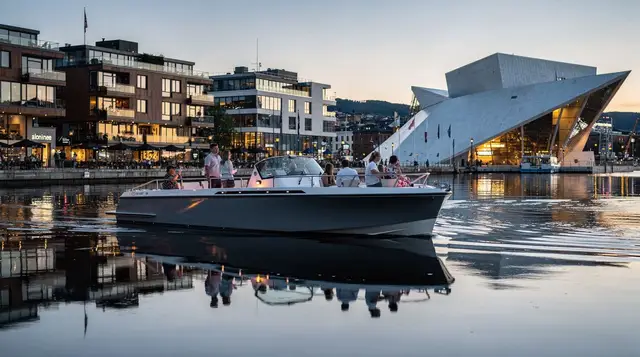
Oslo: guided sightseeing fjord cruise on a premium silent electric boat
- Silent electric boat
- Free cancellation
- Best seller