Oslo sauna etiquette: rules, nudity norms, what to bring, and how to book
Oslo: self-service public floating sauna ticket, Tjuvholmen
Duration: 1 hour
- Floating sauna
- Fjord swim
Are Oslo's floating saunas clothing optional?
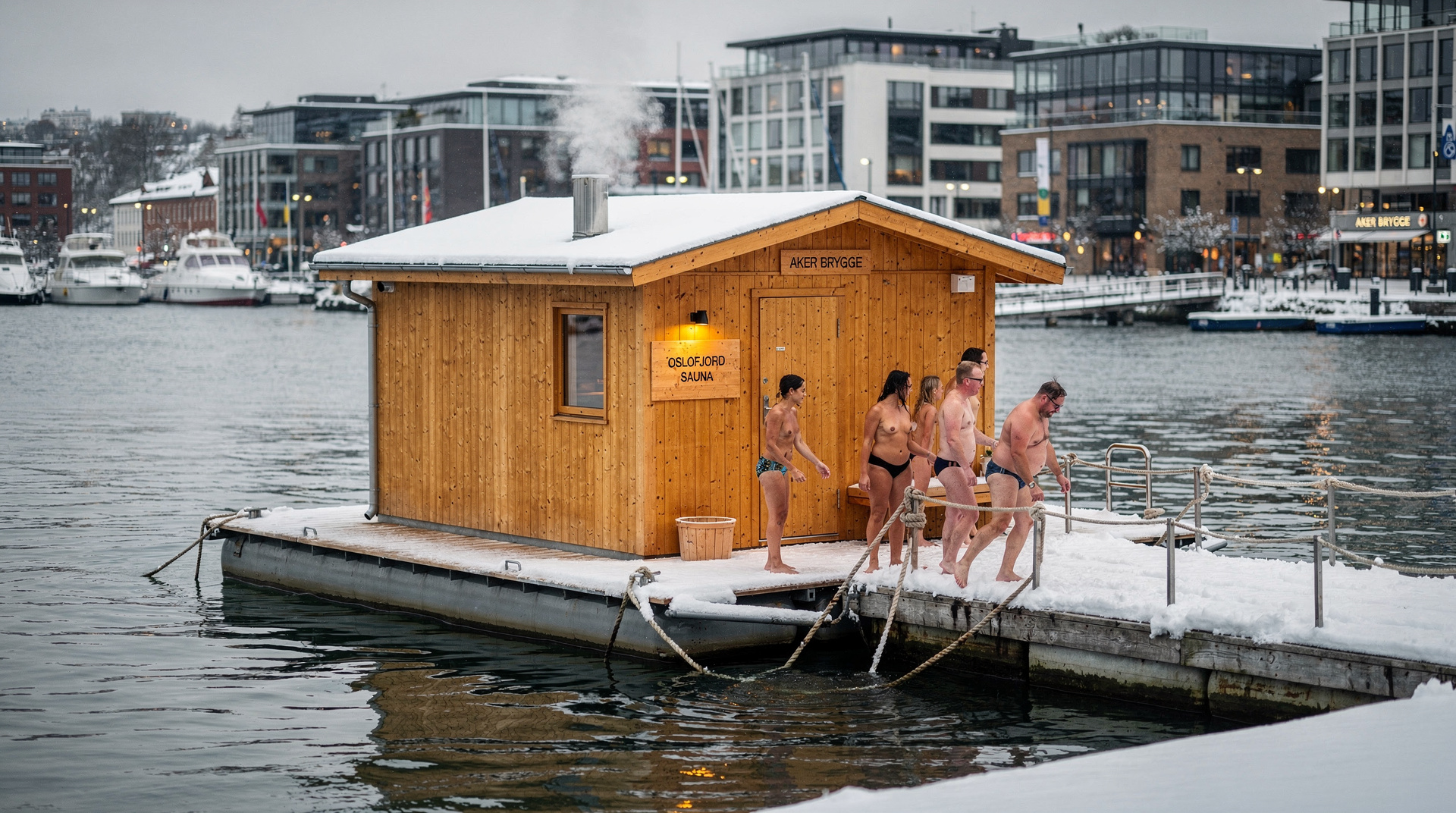
In the communal public sauna, nudity is common among Norwegians but swimwear is entirely accepted and you will not be the only person wearing one. On the outdoor deck and in private pods, swimwear is standard. No one will comment on your choice either way — Norwegians are non-judgmental about sauna dress codes.
What nobody tells you before your first Oslo sauna
Oslo’s floating saunas have an undeserved reputation for being intimidating. The nudity question looms largest in most visitors’ minds, followed by anxiety about doing something embarrassing in front of Norwegians who have been sauna-bathing since childhood. The reality is calmer: the etiquette is simple, Norwegians are unfailingly relaxed about it, and the few rules that exist are mostly practical rather than ceremonial.
This guide covers everything you need to know before stepping onto the pontoon at Tjuvholmen — what to pack, how to behave, how the nudity question actually plays out, and the booking process so you arrive prepared.
| Nudity | Common but optional; swimwear is equally normal |
| Bring | Two towels, swimwear, sandals, water bottle |
| Cost | NOK 250–310 communal; NOK 650–800 private pod |
| Phones | Left outside the cabin, always |
| Book | 2–3 days ahead for evenings and weekends |
What to bring
Non-negotiables:
- Two towels: one to sit on in the sauna (required — bare wood hygiene is real), one to dry with after the cold plunge. Some operators offer towel rental at the pontoon (NOK 30–50 / $3–5) but availability isn’t guaranteed.
- Swimwear: even if you intend to be nude in the sauna, you’ll want something for the outdoor deck and the cold plunge ladder area.
- Flip-flops or sandals: the pontoon deck is wooden, often wet, and occasionally slippery. Bare feet are fine in the sauna cabin but footwear is practical outside.
- Water bottle: you will lose fluid rapidly in the heat. Bring at least 500ml and drink it before entering the sauna, not after you’re already sweating.
Useful additions:
- A warm changing robe or oversized towel for between rounds in winter. Sitting on the deck at 0°C after a cold plunge in a damp swimsuit is the main source of discomfort in cold weather — a robe solves it.
- A small dry bag for your phone and wallet, kept outside the sauna cabin.
- Wool socks for warming up between rounds in winter (the cold-to-warm transition in your extremities is one of the best feelings of the experience).
- Shampoo and soap if you want to shower after — most pontoons have a basic shower area.
Leave behind:
- Valuables you can’t secure. The locker systems are basic; don’t bring your laptop or expensive watch.
- Thick paperback books, which warp in the humidity.
- Perfumes or heavily scented products — the sauna amplifies smells and others will be exposed to yours.
The nudity question, answered honestly
Nudity is traditional in Scandinavian sauna culture. Historically, saunas were single-sex, fully nude affairs. Oslo’s modern floating saunas have evolved to accommodate mixed groups and international visitors, so the current reality is more varied:
In the public communal sauna: You’ll see both nude and swimsuit-wearing bathers. Norwegian regulars often go nude; tourists and younger visitors often wear swimwear. Neither group makes a point of it. If you’re nude, you’re unremarkable. If you’re in a swimsuit, you’re equally unremarkable. The only way to make it awkward is to stare or comment.
In private pods: Entirely your group’s choice. No one else is present, so do whatever you’re comfortable with.
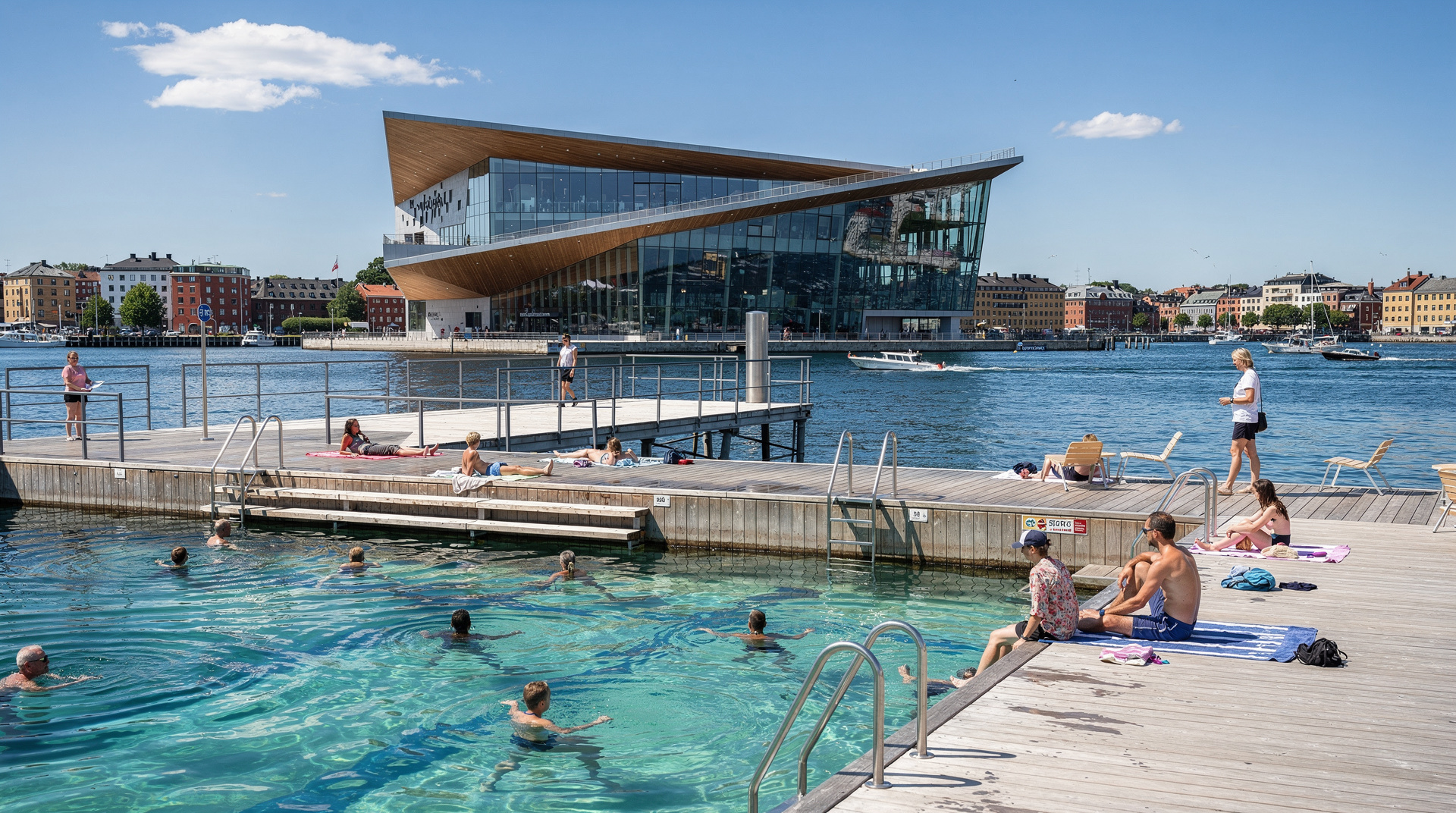
On the outdoor deck: Swimwear is standard here. The deck is visible from the waterfront promenade; nudity on the open deck would be noticed and is generally avoided.
The towel rule: Regardless of whether you’re nude or clothed, you must always sit on a towel in the sauna. Sitting bare on wooden benches is unhygienic and universally considered bad manners.
Sauna behaviour: the unwritten rules
Silence is golden: The sauna is not a café. Norwegians use it for quiet decompression. Sitting in silence with strangers is normal and comfortable; you’ll quickly feel the social pressure to match the energy of the room. Short exchanges are fine (“is it warm enough for you?”, “are you visiting Oslo?”) but keep them brief unless you’re clearly invited into a longer conversation.
No phones in the cabin: This one is consistent across all Oslo sauna operators. Phones go in the locker or the dry bag outside. The heat damages the electronics anyway. Taking photos of other bathers — especially nude ones — is a serious breach that will result in being asked to leave.
Ladle etiquette: If there’s a communal ladle and stones, you’re welcome to add water, but small quantities slowly. Ask the room first with eye contact or a brief “okay?” — especially if there are people already at maximum comfort with the heat. In a guided session, your guide manages this.
Enter and exit quietly: Don’t slam the sauna door (temperature regulation matters). Don’t burst in talking loudly. The small ritual of entering the hot room shifts the energy; respect it.
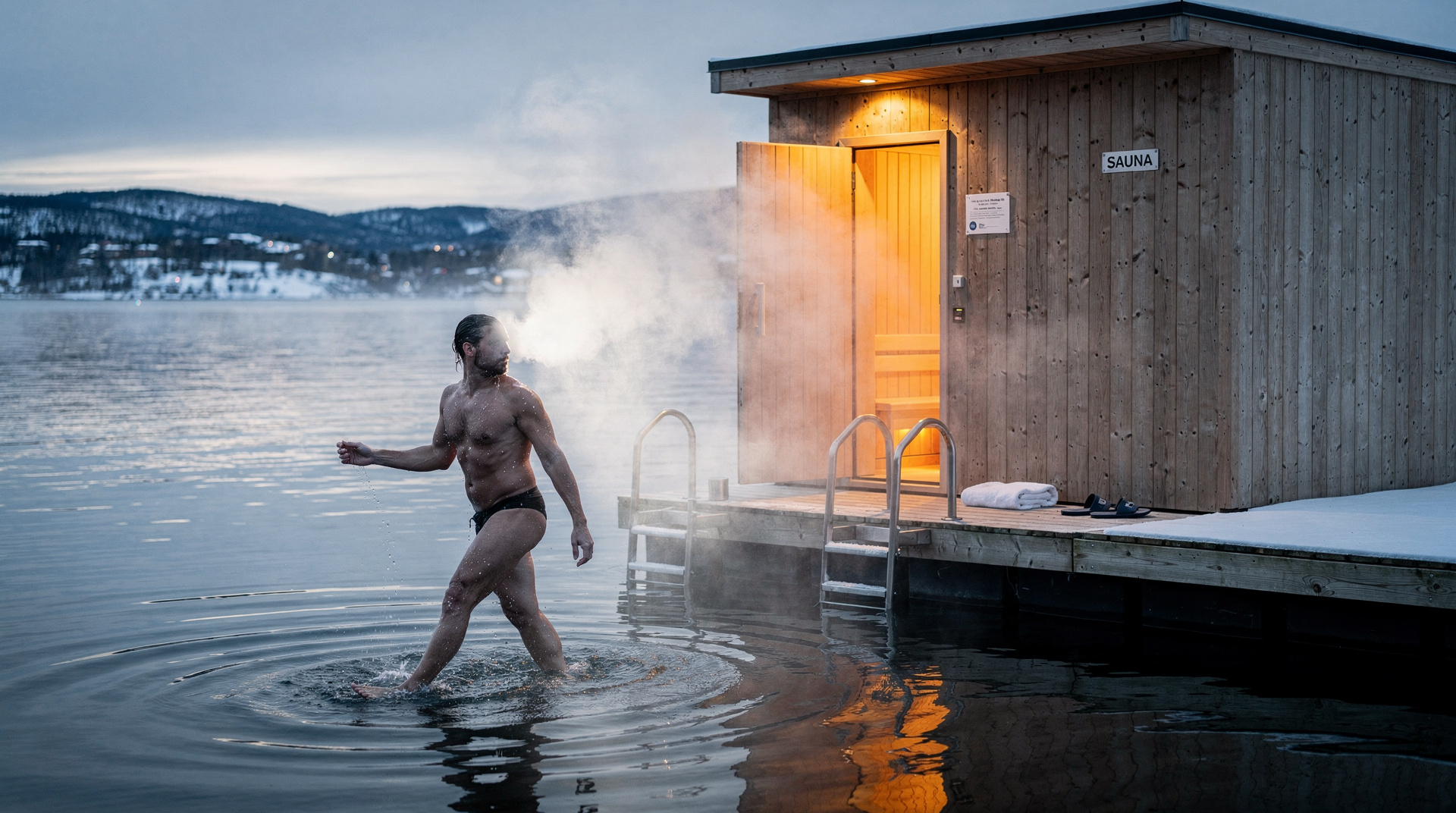
Cold plunge ladder: There are usually two or three ladder positions on the pontoon. Wait your turn if someone else is entering or exiting. Don’t push or rush. After your plunge, clear the ladder area promptly so others can use it. If you want to float or swim in the fjord beyond the immediate ladder area, move away from the pontoon edge.
Time limits in the sauna: Most sessions have a maximum duration you’ve booked. Don’t linger past your slot time — the next group is waiting.
How booking works step by step
Step 1: Choose your session type. Public communal (NOK 250–310 / $27–33), private pod (NOK 650–800 total for a pod / $70–86), or guided experience (NOK 600–650 per person / $65–70). See the full comparison if you’re undecided.
Step 2: Select your date and time. Evening slots on Fridays and Saturdays fill first in summer. Weekday afternoons offer the most availability. Winter evening slots (17:00–21:00) are popular with locals; book 2–3 days ahead.
Step 3: Book online. The operator website and GetYourGuide both offer instant confirmation. Bring your booking confirmation on your phone — the pontoon staff check you in at the entrance.
Step 4: Arrive 10 minutes early. Change in the locker area, stow your valuables, and be ready at the pontoon entrance when your slot opens. Late arrivals lose time from their session; the schedule is strict because the next group’s session follows.
Step 5: Follow the pontoon staff’s instructions. They’ll indicate which sauna cabin is yours, brief you on the basic rules, and let you know about water temperature and any operational details for that day.
First-time tips that make a real difference
Go in slowly: Your instinct when you enter the cold fjord water will be to get it over with quickly. Resist. Lower yourself via the ladder, stop at chest height for two breaths, then let yourself down to the shoulders. The shock is managed much better this way than a jump.
Don’t count rounds as a competition: The goal isn’t to do the most rounds or stay in the cold water the longest. Pay attention to how you feel. If your hands are numb and you feel cold rather than invigorated, you’ve gone past your current limit. Three rounds with proper intervals is a complete session.
Eat lightly beforehand: A heavy meal before a sauna is uncomfortable. A light snack 60–90 minutes before is fine. Save the proper meal for after — post-sauna hunger is real and enjoyable.
Shower before entering: Oslo’s floating saunas, like most Scandinavian saunas, expect bathers to shower before entering the communal space. This is both hygienic and courtesy to others. The shower area is usually just outside the changing room.
Give it multiple rounds: First-timers often find the first cold plunge alarming enough to want to leave. If you pushed through to the second round, the experience transforms. By the third plunge, most people are converts.
For full session details and booking links, see the complete floating saunas guide. For the physiology of the hot-cold ritual and what to expect your body to do, read the cold plunge explained.
Etiquette differences: private pods vs communal sessions
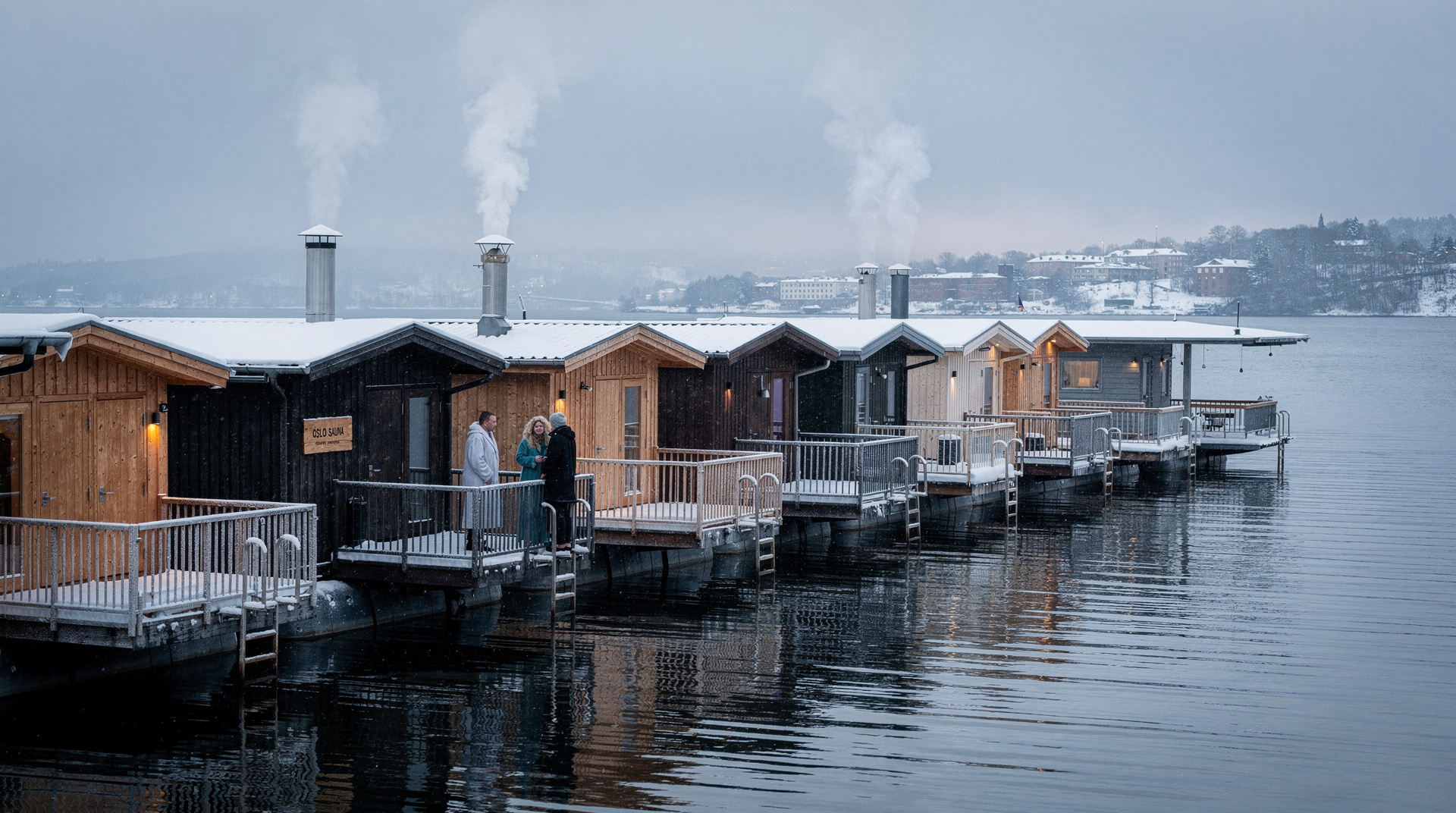
Most of the rules above apply to communal public sauna sessions, where you’re sharing the cabin with strangers. Booking a private pod at Tjuvholmen changes the calculus: nudity, conversation volume, and phone use inside the pod are entirely between your group, since no one else is present. The one rule that still applies universally is the towel-on-the-bench rule — hygiene standards don’t relax just because you’ve booked privately, and most operators note this explicitly in their house rules.
Guided sauna sessions add a third layer of etiquette: your guide manages the ladle and the water temperature for the whole group, so defer to their timing rather than adding water yourself. This is common at operators running combined sauna-and-swim experiences alongside the regular Oslo swimming spots.
Sauna etiquette in winter vs summer
The core rules don’t change by season, but the practical experience does. In winter, the cold plunge is genuinely cold — often 2–5°C rather than summer’s 15–20°C — so the etiquette around “going in slowly” and not treating rounds as a competition matters more; rushing a winter plunge is where most minor injuries and genuine discomfort happen. Bring a warm robe and wool socks for the deck between rounds; standing around in a wet swimsuit at sub-zero temperatures is the single biggest first-timer complaint in winter. See the Oslo in winter activities guide for how a sauna session fits alongside other cold-season plans.
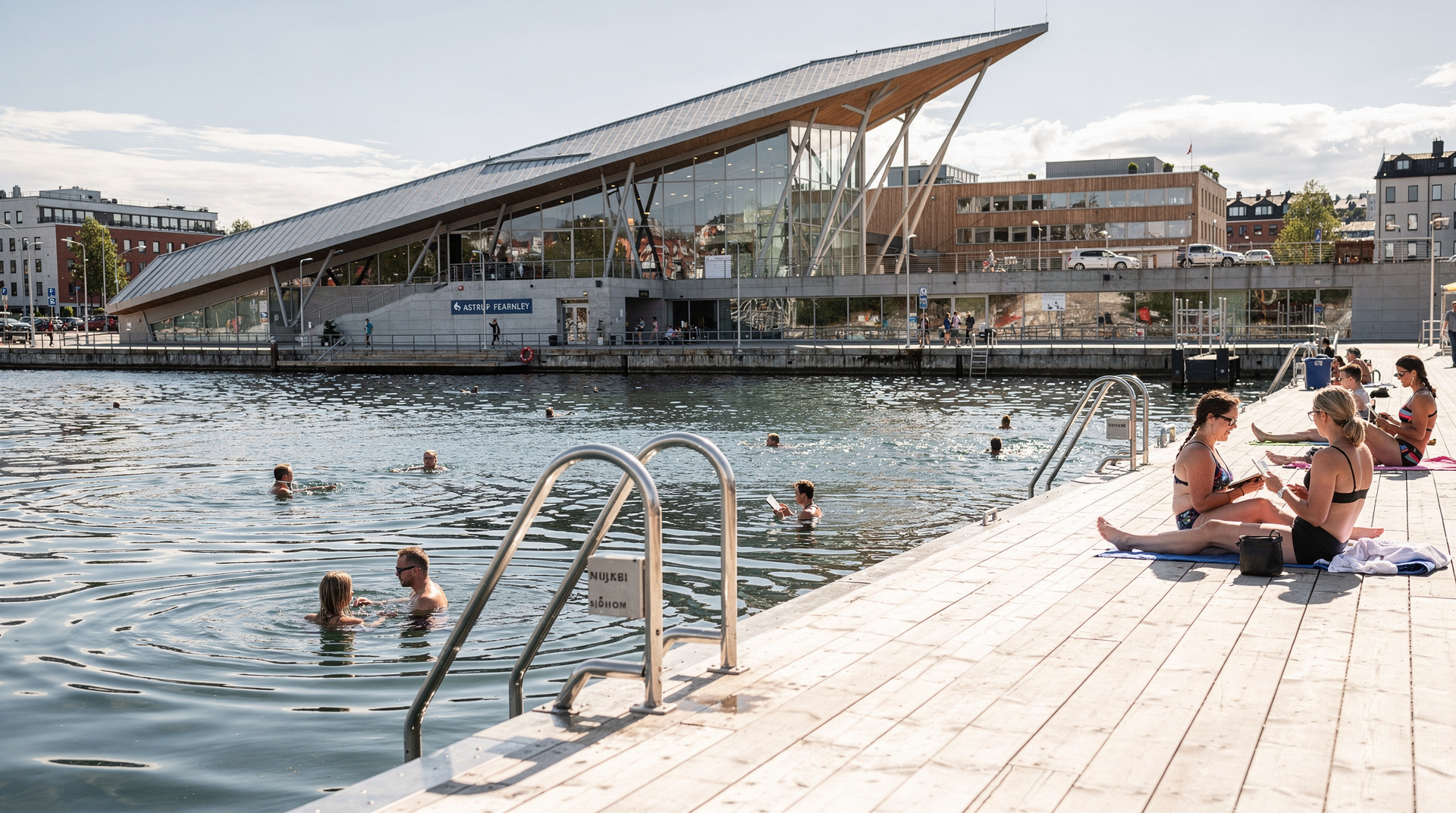
In summer, the etiquette shifts toward crowd management: sessions book out faster, decks are busier, and the informal rule of clearing the cold-plunge ladder promptly for the next person matters more when there’s a queue behind you.
Before and after your session
A good sauna visit starts before you reach the pontoon and ends well after you leave it. Treat the session as one part of an unhurried afternoon or evening rather than something squeezed between two sightseeing stops. Visitors who rush in from a museum queue and rush out to a dinner reservation tend to enjoy it least, because the whole point of the ritual is to slow down. If you are building a day around it, the winter activities guide and the summer guide both help you decide what to pair it with.
Plan your arrival. Give yourself time to walk to the waterfront without hurrying. Arriving flustered and sweaty before you even enter the cabin makes the first round less pleasant and makes it harder to settle into the quiet mood the other bathers are in. The area around Tjuvholmen is easy to explore on foot, and the getting around Oslo guide explains how to reach the waterfront without a car.
Pace your rounds. Between each trip into the heat and each dip in the fjord, sit on the deck and let your breathing settle. Drink some water. This pause is not wasted time: it is where the calm feeling people talk about actually arrives. Rushing from cabin to water and back again is the quickest way to feel light-headed rather than refreshed.
Respect the shared space. Wipe down or rinse anything you used, keep your belongings tidy so they do not spill across the benches or deck, and leave towels where the operator asks you to leave them. Small habits like these are what keep a busy pontoon pleasant for the next group, and staff notice and appreciate them.
Afterwards, go easy. Many first-timers feel pleasantly drowsy once they dress. Rehydrate, eat something simple, and avoid planning anything strenuous straight away. A relaxed meal nearby is the natural end to the session, and our where to eat in Oslo guide has ideas for every mood. If you are watching your spending, the Oslo on a budget guide shows where a sauna session fits alongside cheaper plans.
Going with a group. If you are visiting with friends or family, agree on the ground rules before you arrive: who is comfortable with nudity, who prefers swimwear, and who wants to skip the cold water altogether. Nobody should feel pressured, and splitting up for a round while someone else rests on the deck is completely normal. The same applies to mixed-confidence groups: let the nervous person go last, and never dare anyone into the water.
Staying considerate on the deck. Even after you leave the cabin, you are still sharing a small floating platform. Keep your voice low, avoid blocking walkways with bags, and give people space near the ladder. If you want a longer rest, choose a spot out of the main traffic flow so others can pass easily.
Frequently asked questions about Oslo sauna etiquette
Is it rude to talk in an Oslo sauna?
Not rude, but keep it quiet and brief. The sauna is considered a place for relaxation, not conversation. Norwegians typically sit in companionable silence or exchange short pleasantries. Loud talking, laughing, or phone use is considered poor form.Do I need a towel in the sauna?
Yes. Sitting directly on wooden benches is unhygienic and generally frowned upon. Bring a towel large enough to sit on and another for drying after the cold plunge. Most operators sell or rent towels if you forget, at around NOK 30–50 ($3–5).Can I use my phone inside the sauna?
Leave it outside. Phones are a social no-no in the sauna — the heat will also damage many phones over time. Leave your phone in the locker or with your dry bag outside the cabin. Taking photos on the deck in a way that captures other bathers without consent is also unwelcome.How do I add water to the sauna stones?
In a public sauna, ask first or follow the lead of whoever is managing the ladle. Adding too much water too quickly raises the humidity sharply and can make the sauna uncomfortable for others. A small ladleful (200–300ml) is appropriate. Pour slowly onto the centre of the stones.What should I do if I feel unwell in the sauna?
Leave immediately. Sit or lie down on the deck in the open air, breathe slowly, and cool down gradually. Do not jump into cold water if you feel dizzy or lightheaded — enter the fjord only when you feel stable. Staff on the pontoon can assist if needed.Can I bring food and drinks into the sauna?
Water is fine (and encouraged — hydration is important). Food and alcohol are generally prohibited inside the sauna cabin. On the deck between rounds, non-alcoholic drinks are fine. Some private pod operators allow a beer on the deck; check the house rules when booking.
Top experiences
Bookable activities with verified prices and instant confirmation on GetYourGuide.