Oslo winter snowshoeing in Oslomarka: review, tips and booking
From Oslo: Oslomarka forest guided snowshoeing tour
Duration: 3 hours
- Winter only
- Snowshoes included
Snowshoeing in Oslo: the context
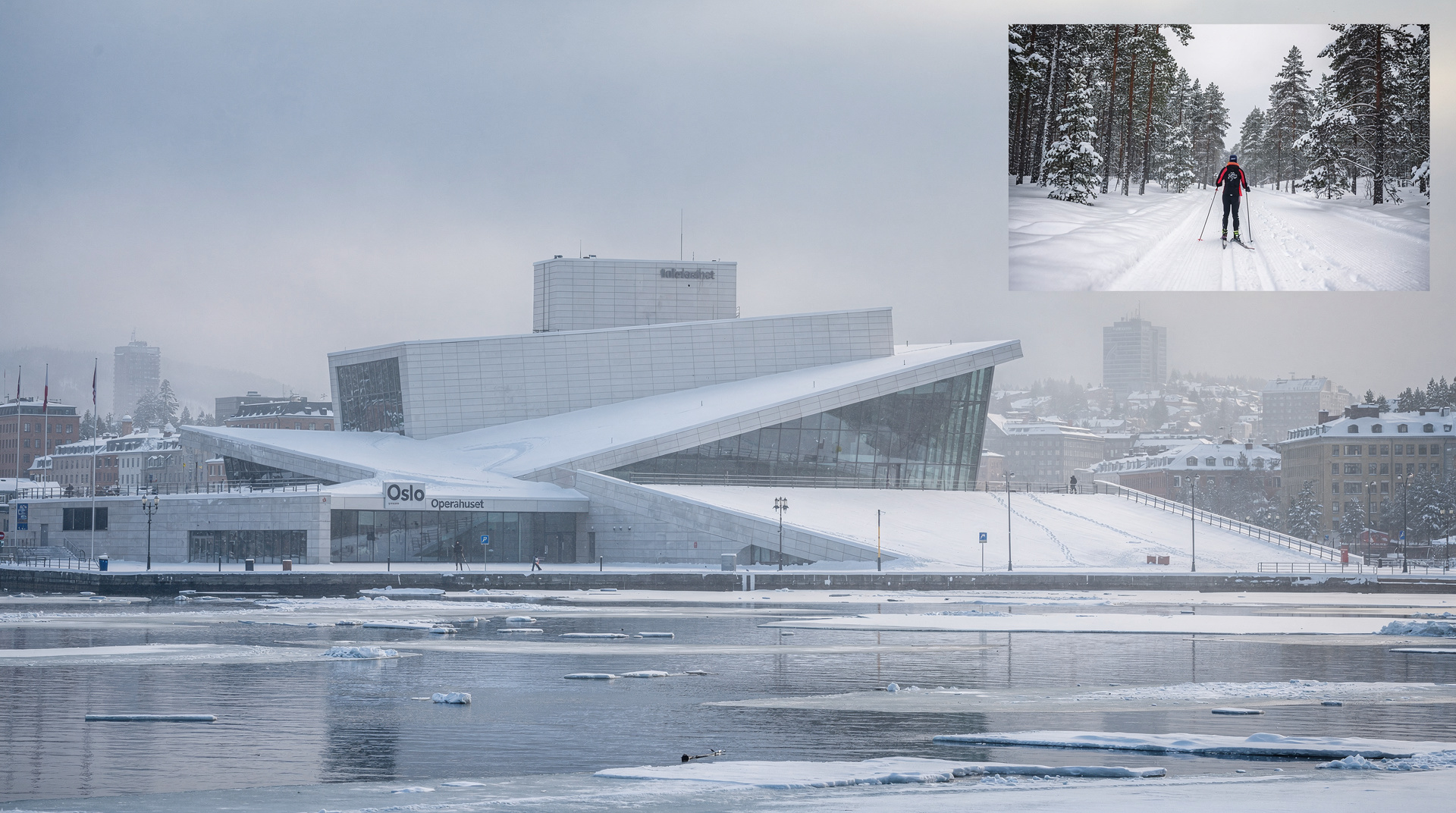
Oslo is unusual among major European capitals in having a vast wild-forest reserve beginning almost within the city boundaries. Oslomarka — the collective name for the forested belt wrapping around Oslo’s northern and eastern edges — starts where the suburban streets end, accessed by metro from central Oslo in under 30 minutes. In winter, when the forest holds 60 to 100 centimetres of snow and the lakes freeze solid, the contrast between Norway’s capital and its immediate hinterland is stark and striking.
| Where | Oslomarka, accessed via metro (T-bane) from central Oslo |
| Cost | around NOK 870–970/adult (standard), NOK 1 100–1 150 (BBQ version) |
| Time needed | 3 hours standard, 4 hours with BBQ, 2–3 hours torchlight walk |
| Best time | January–February for reliable snow; March for longer daylight |
| Getting there | T-bane to the trailhead, or transport included — confirm when booking |
Snowshoeing is the right technology for exploring this landscape if you do not cross-country ski. Snowshoes distribute body weight over a wider surface, allowing you to walk across fresh snow without sinking to your knees. The technique takes five minutes to learn; the reward is access to quiet forest trails that would be unpassable on foot alone. Unlike cross-country skiing, which requires technique, balance, and at minimum a half-day learning curve, snowshoeing is genuinely immediate — you strap on the frames and go.
The guided snowshoeing tours from Oslo use Oslomarka’s accessible northern edges — typically around Sørkedalen, Maridalen, or the Holmenkollen plateau — as their terrain. These are beautiful, genuinely wild-feeling places despite being within the administrative boundary of the Norwegian capital. The city of Oslo owns and manages the majority of Oslomarka under a special legal framework that prohibits residential development, protecting this enormous forest wilderness for public use in perpetuity.
What happens on the guided tour
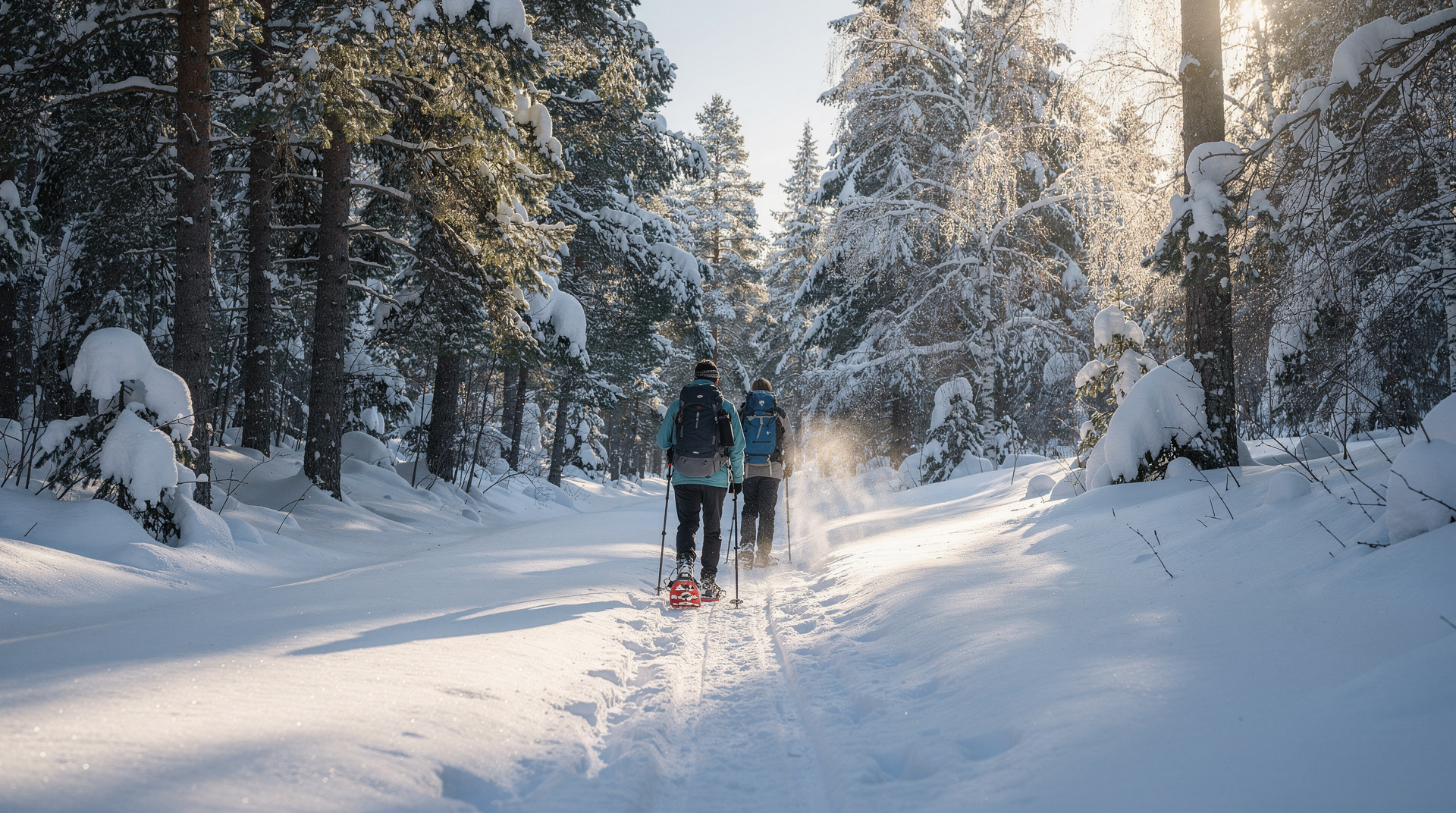
The standard Oslomarka snowshoeing tour (oslo-snowshoe-oslomarka) runs approximately 3 hours and begins at a meeting point in central Oslo or near the forest edge (transport details confirmed when booking — sometimes this includes a T-bane ride to the trailhead, sometimes transport is provided). The guide supplies snowshoes in multiple sizes and poles, gives a brief technique demonstration that takes about five minutes, and then leads the group through the forest on a trail suited to the day’s snow conditions.
The route typically covers 5 to 8 kilometres at an unhurried pace. You pass through mixed birch and pine forest — the birch stands are silver and bare in winter, the pines holding snow on their branches. Frozen lakes appear through the trees; in deep winter these surfaces are solid enough to walk on and the guides sometimes incorporate a lake crossing into the route. Occasional viewpoints open up over the city in the distance below — from some vantage points you can see the Oslofjord glinting beyond Oslo’s roofline on clear days.
The guide provides commentary on Norwegian winter ecology as you walk: moose (elg) tracks in the snow are common, and occasionally in the early morning you will see the animals themselves at the forest edge. Foxes, ravens, and various tit species are regular sightings. The guide also covers the cultural importance of friluftsliv — the Norwegian concept of outdoor life as a fundamental right and value — and how Oslomarka specifically embodies this in the life of the city. This is not abstract: Oslomarka on a Sunday is full of Norwegian families with children and toddlers in pulks (sled carriers), moving quietly through the forest at their own pace. The tours run alongside this local culture rather than as a separate tourist bubble.
The pace is accessible. This is not a mountaineering challenge; it is a winter walk in a beautiful forest with the added satisfaction of moving competently through deep snow. Most participants describe it as physically comfortable rather than demanding, with the novelty of the snowshoe technique and the winter landscape providing the interest.
The Norwegian BBQ variation: what it adds
The snowshoeing with Norwegian BBQ tour (oslo-snowshoe-norwegian-bbq) runs 4 hours and includes a midpoint stop at a forest lavvo (a traditional Sami-style tent structure) or a dedicated forest fireplace shelter where a Norwegian outdoor meal is prepared over an open fire. The menu typically includes grilled meat sausages (pølse), flatbread, and a hot drink such as coffee or a warming broth — food designed for outdoor winter consumption and eaten standing around a fire or seated on log sections.
The fire stop is not merely logistical. Gathering around a fire in a snowy forest, eating something hot, is a Norwegian winter ritual with deep cultural roots. The concept of bålkos — the comfort and warmth of a campfire in a cold landscape — is genuinely important to Norwegian outdoor culture, and the guide explains this while you experience it. For many participants this element — the fire, the food, the heat against a cold back — is as memorable as the snowshoeing itself.
The BBQ tour costs slightly more than the standard version (around NOK 1 100 to 1 150, USD 118 to 124) and is the better choice for anyone who wants the full winter forest experience rather than the walk alone. If you are travelling with people who might be lukewarm about a long walk in the cold, the promise of a fire and hot food midway provides a stronger incentive.
Torchlight campfire walk: the evening alternative
The torchlight and campfire walk (oslo-torchlight-campfire-walk) is a different product sharing some DNA with the snowshoeing tours but distinctly its own thing. It runs in the evening — typically starting at 17:00 or 18:00 in winter — with participants carrying torches or headlamps through the forest to a prepared campfire site. No snowshoes; it is a regular winter walk at a gentle pace, approximately 2 to 3 kilometres. The campfire element at the end is the social centrepiece: hot drinks, traditional baked goods, and time to sit around the fire before returning.
The darkness is part of the appeal rather than a limitation. Walking through a snowy forest by torchlight with the sky above absolutely clear and full of stars (Oslo’s light pollution fades quickly once you are into Oslomarka) is an experience that many participants describe as the most unexpectedly atmospheric thing they did in Oslo. The campfire at the end anchors the walk in warmth and comfort.
This tour suits people who want an atmospheric winter evening experience rather than exercise or skill-building. It is more accessible physically — shorter, slower, no specialist equipment — and particularly popular with couples and groups looking for something atmospheric and distinctly Norwegian. It also runs well as an add-on for the same day as another Oslo activity: you can visit a museum in the morning, have dinner early, and join the evening forest walk.
Friluftsliv: understanding Norwegian outdoor culture
The Norwegian word friluftsliv (literally “open-air life”) was popularised by playwright Henrik Ibsen in the 1850s and has since become a cornerstone of Norwegian national identity. Norway’s Outdoor Recreation Act (Friluftsloven) of 1957 codifies the right of access to all uncultivated land — including privately owned forests — for pedestrian recreation, which is why Oslomarka feels like a public resource rather than a managed park. You are not on a designated trail system; you are in a working forest that happens to welcome walkers.
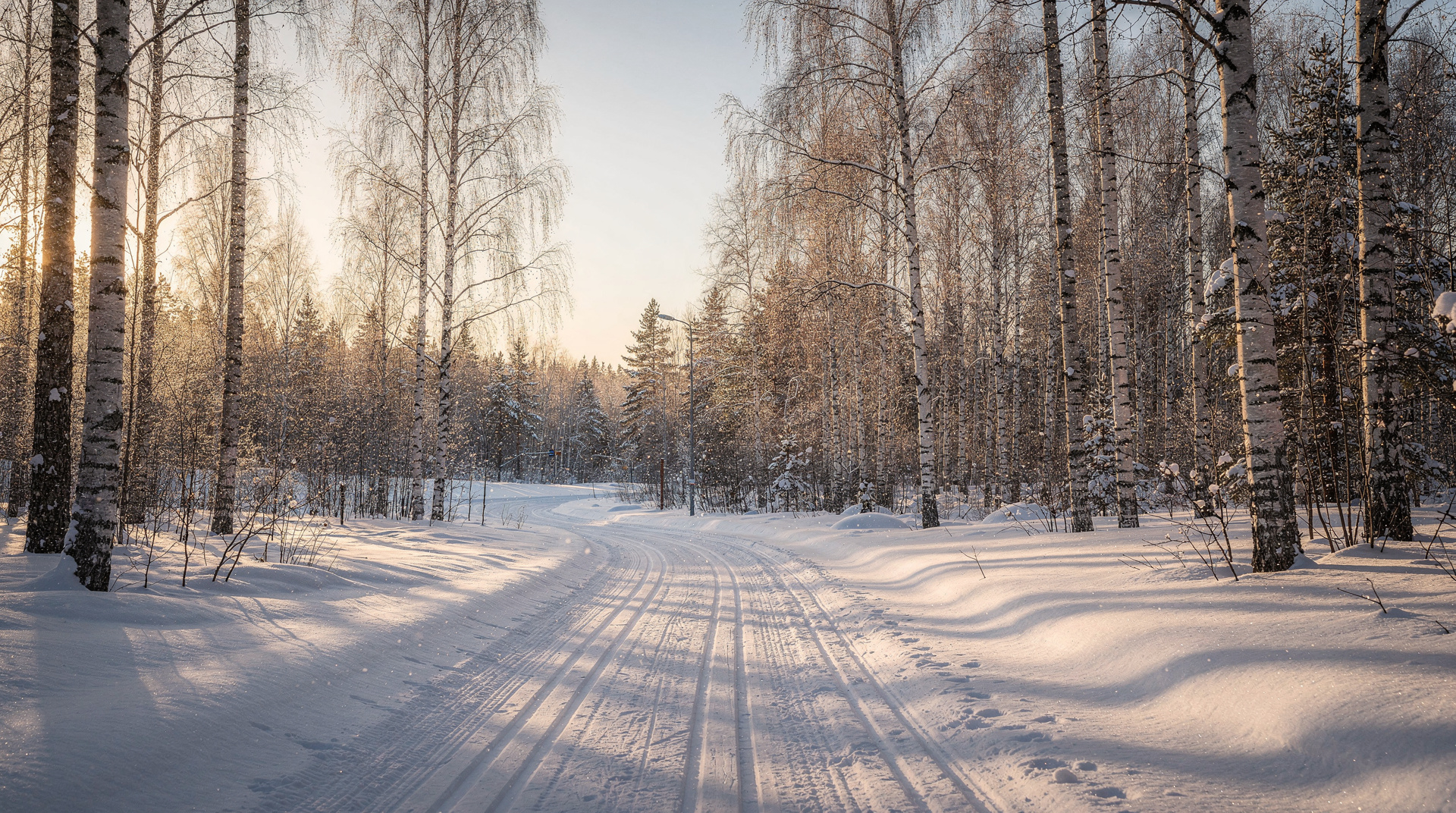
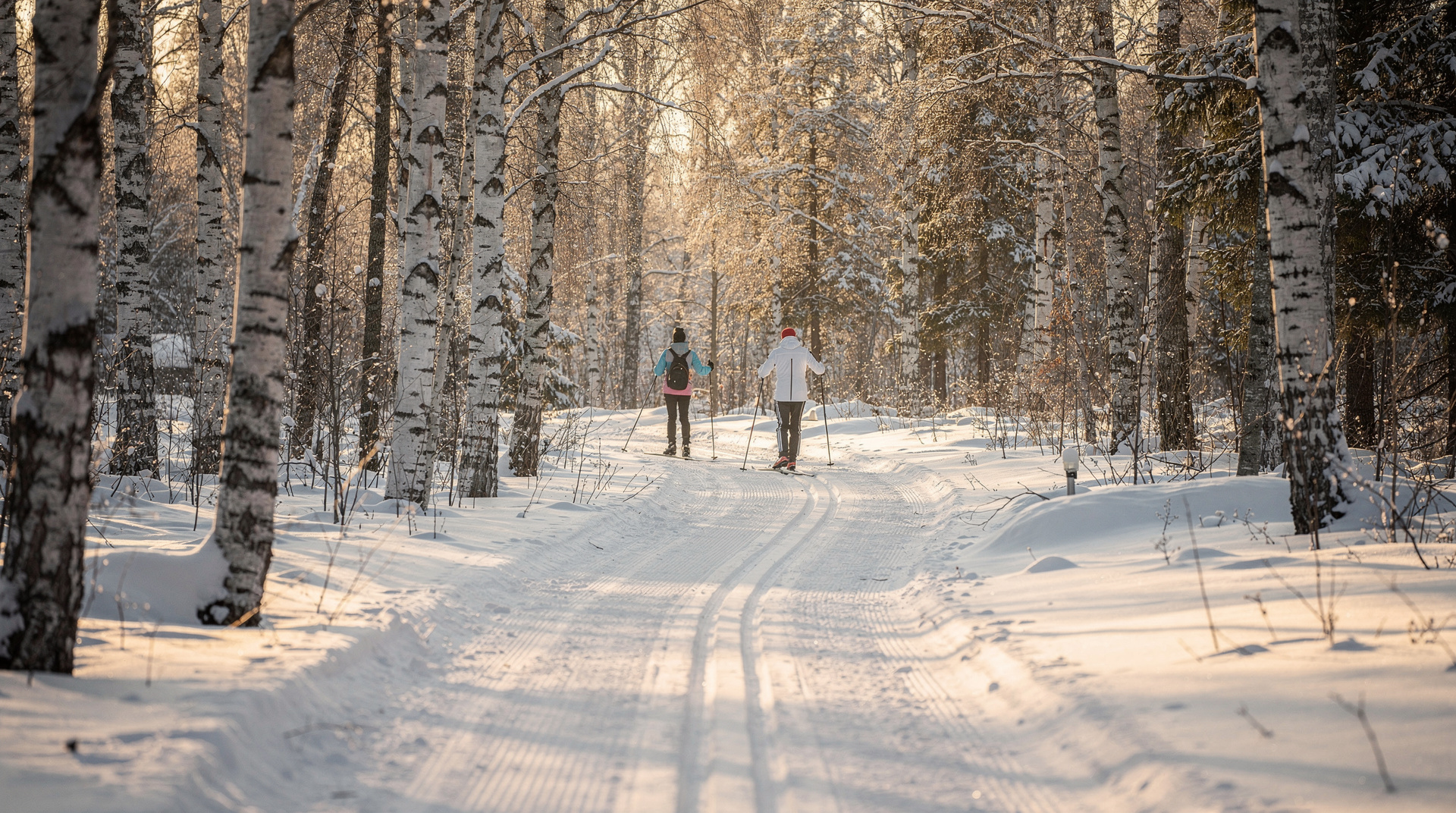
In winter, friluftsliv in Oslomarka means cross-country skiing above all else — the Holmenkollen area alone has 2 600 kilometres of prepared ski trails — but snowshoeing is an equally legitimate way to access the forest. Guided tours make the cultural and ecological layer of the experience accessible to visitors who would not know where to go or what they were looking at independently.
Understanding this context changes how you experience the tour. The other people you see in the forest are not tourists; they are Oslo residents doing what they do every winter weekend. That normalcy is itself part of the appeal.
When to go: timing the Oslo winter
January and February are statistically the most reliable months for guaranteed snow cover in Oslomarka. Oslo’s maritime climate, moderated by the North Atlantic, means snowfall is less predictable than in more continental Norwegian cities like Lillehammer or Trondheim. A December visit may find excellent snow or thin, inconsistent cover depending on the year. January and February almost always have snow.
March still has excellent snowshoeing conditions in most years and offers meaningfully longer daylight: 9 to 10 hours versus 6 hours in January. The forest light in late March, when the sun is higher and the shadows sharper, is beautiful in a different way from the blue-grey dimness of January. Snow quality in March can shift from powder to a harder crust as temperatures fluctuate more; the guides adapt the route accordingly.
April snowshoeing tours run only if conditions permit. The season typically ends in late March or early April at lower Oslomarka elevations, though higher ground holds snow later.
For a broader overview of Oslo in winter — what else to do when the snow is on the ground — see Oslo winter activities and the Oslo winter 3-day itinerary. The cross-country skiing guide is the companion piece if you want to try the skis rather than snowshoes — Oslomarka’s prepared ski trails are some of the most accessible in Norway and can be skied from Oslo city limits.
Comparing the tours with similar winter activities
The snowshoeing tour sits in the outdoor-activity tier of Oslo’s winter programme alongside cross-country skiing, tobogganing at Korketrekkeren (a public toboggan run near Frognerseteren), and the SNØ indoor ski dome. Each serves a different purpose:
Cross-country skiing requires a few hours of instruction for beginners and remains challenging for the duration. Tobogganing at Korketrekkeren is excellent for families and takes about two hours total. SNØ is a climate-controlled ski dome near Lørenskog — a short drive from Oslo — that allows year-round downhill skiing regardless of natural snow conditions.
Snowshoeing sits between these options: more physically engaging than tobogganing, more accessible than cross-country skiing, and weather-dependent in a way that SNØ is not. It is also the activity that brings you deepest into genuine Oslomarka rather than a prepared recreational facility.
| Activity | Duration | Cost (per adult) | Best for |
|---|---|---|---|
| Standard snowshoeing (oslo-snowshoe-oslomarka) | 3 hours | around NOK 870–970 | first-timers wanting a genuine forest walk |
| Snowshoeing with Norwegian BBQ (oslo-snowshoe-norwegian-bbq) | 4 hours | around NOK 1 100–1 150 | groups wanting food and fire as part of the day |
| Torchlight campfire walk (oslo-torchlight-campfire-walk) | 2–3 hours | typically slightly less than standard | evening, atmosphere over exercise |
| Cross-country skiing | half-day+ | varies by rental/instruction | visitors willing to invest in a new skill |
| Korketrekkeren tobogganing | about 2 hours | low-cost, ticket-based | families with young children |
| SNØ indoor ski dome | flexible | entry + rental fees | any season, guaranteed snow |
For the Holmenkollen experience in winter, the metro ride to Holmenkollen station (T-bane line 1, 30 minutes from Majorstuen) combines with the ski museum, the jump tower, and the surrounding trails for a full winter day.
Who this tour suits — and who should look elsewhere
The standard Oslomarka snowshoeing tour suits first-time winter visitors who want a genuine forest experience without committing to a full day of instruction, as cross-country skiing requires. It also suits families with children aged roughly 6 and up who are comfortable with a few hours of outdoor walking, and anyone curious about friluftsliv who wants to experience it rather than just read about it. Photography enthusiasts benefit from the birch-and-pine contrast and the lake crossings, which are more visually striking than a groomed ski trail.
It suits less well anyone hoping for a fast-paced physical challenge — this is a moderate walk, not a workout — and travellers visiting outside December to March, for whom the tour simply will not run. If snow reliability matters more than authenticity, the SNØ ski dome guide or a visit built around indoor winter activities is the safer bet. Anyone with mobility restrictions that make 5 to 8 kilometres of uneven, snow-covered terrain difficult should also consider the shorter torchlight walk instead, or the sledging at Korketrekkeren, which requires far less sustained walking.
What to expect from the guide
The guides on these tours are typically outdoor professionals with backgrounds in Nordic ecology, wilderness first aid, and often cross-country skiing instruction. They are not tourist-industry guides reading from a script but outdoor specialists with genuine knowledge of Oslomarka, its wildlife, and its seasons.
Group sizes are kept small — usually 6 to 14 people — which allows the guide to adapt the route, pace, and commentary to the group’s composition. A group with young children will move differently from a group of athletic adults, and the guide accommodates this without making anyone feel they are holding others back.
Practical details
- Season: December through March (January and February most reliable for snow)
- Duration: 3 hours (standard tour), 4 hours (BBQ variation), 2 to 3 hours (torchlight campfire walk)
- Price: NOK 870 to 970 adult (USD 94 to 104) standard; NOK 1 100 to 1 150 BBQ version; torchlight walk slightly less
- Includes: snowshoes, poles, guide; transport to trailhead varies — confirm when booking
- Physical requirement: basic walking fitness; no prior snowshoeing experience needed
- Minimum age: typically 6 years old; children’s snowshoes available
- What to wear: waterproof boots reaching above the ankle, waterproof trousers, warm mid-layer, windproof outer jacket, hat, gloves; avoid jeans (they get wet and cold quickly)
- Group size: usually 6 to 14 people
- Booking: advance booking recommended for December to February weekends; GetYourGuide offers free cancellation up to 24 hours before departure
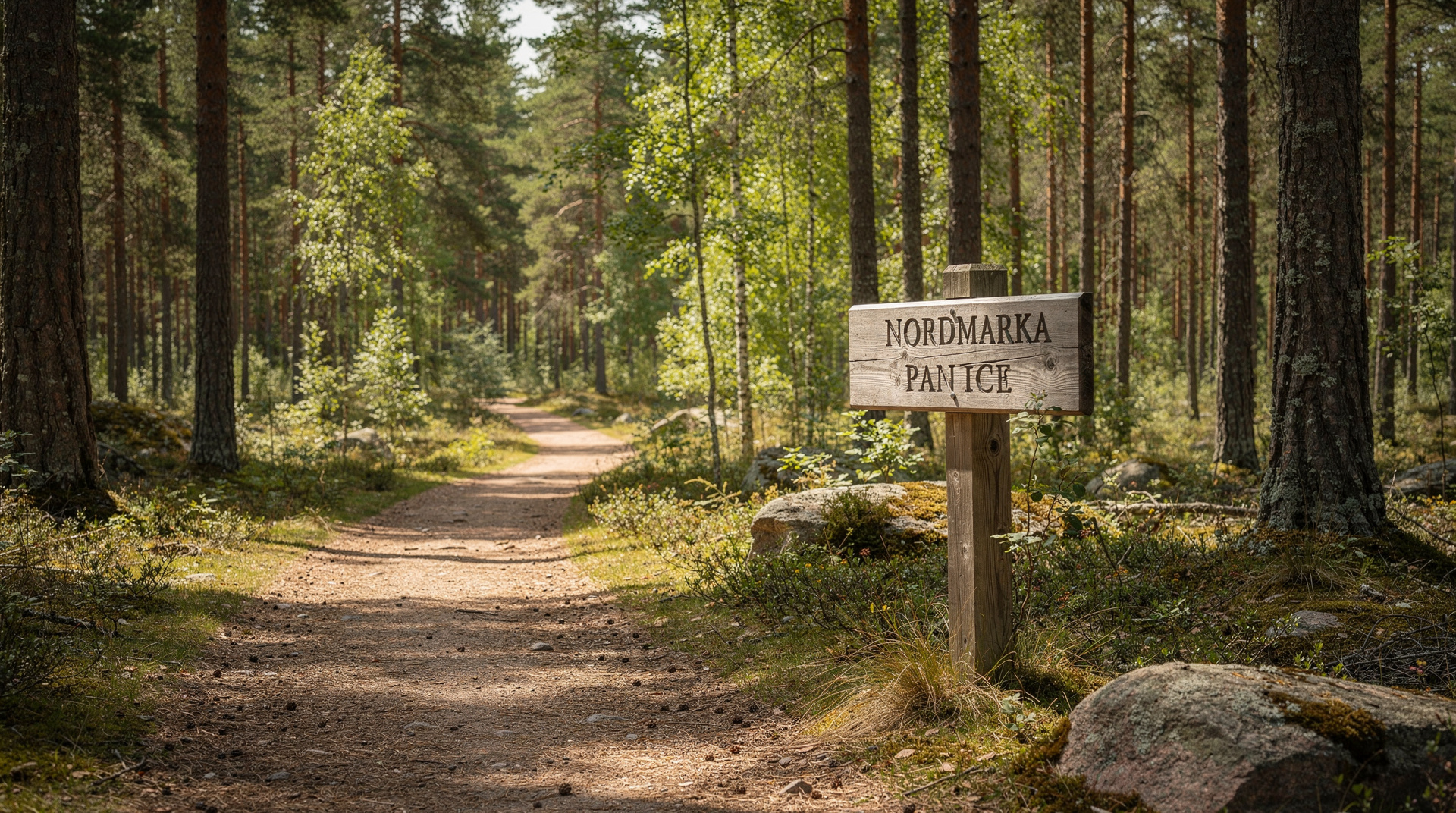
The Nordmarka guide covers the broader forest zone and independent hiking options for those who want to explore Oslomarka without a guide during the rest of the year.
Compare alternative tours
Frequently asked questions about Oslo winter snowshoeing in Oslomarka
When is the Oslo snowshoeing season?
The snowshoeing season in Oslomarka typically runs from December through March. January and February are the most reliable months for deep snow. Late November and early December can be hit or miss; April usually sees the snow retreat to higher ground.How much does the Oslo snowshoeing tour cost?
The guided Oslomarka snowshoeing tour costs around NOK 870 to 970 per adult (approximately USD 94 to 104) in 2026. The price includes snowshoes, poles, and the guide. Transport to the forest edge is sometimes included; confirm when booking.Do I need snowshoeing experience?
No experience is necessary. Snowshoes are intuitive — the guide explains technique at the start and the pace is gentle. If you can walk, you can snowshoe.Is the snowshoeing tour suitable for children?
Most operators accept children from age 6 upward. Children's snowshoes are available. The guided Oslomarka tour is a 3-hour activity and requires the child to walk 5 to 8 kilometres through snowy forest — manageable for most children if they are used to outdoor walks.What is Oslomarka?
Oslomarka is the vast forest-and-lake zone surrounding Oslo — roughly 1 700 square kilometres of protected mixed forest, frozen lakes, and marked trails. In winter it becomes one of Europe's largest cross-country skiing and snowshoeing areas, accessed directly from Oslo by metro (T-bane) or local train.What is the difference between the snowshoeing tour and the Norwegian BBQ tour?
The standard snowshoeing tour (oslo-snowshoe-oslomarka) focuses on forest exploration and winter landscape; the Norwegian BBQ tour (oslo-snowshoe-norwegian-bbq) adds an outdoor grilled meal at a forest fireplace — a more social, food-and-experience combination. The BBQ version runs approximately 4 hours versus 3 hours for the standard tour.What should I wear for snowshoeing?
Waterproof boots (or thick winter boots that reach above the ankle), waterproof trousers, a warm mid-layer, a windproof outer layer, hat, and gloves. The guide will advise on conditions when you book. Avoid jeans — once wet they become cold quickly.Can I book the Oslo snowshoeing tour on the same day as another activity?
Yes. The standard 3-hour tour typically finishes by early afternoon, leaving time for a museum visit at Bygdøy or a walk along Karl Johans gate the same day. The torchlight campfire walk runs in the evening, so it pairs naturally with a daytime activity like a Munch Museum visit or an Akershus Fortress tour on the same date.Is snowshoeing better than the SNØ ski dome for a short Oslo visit?
They serve different purposes. Snowshoeing in Oslomarka is weather-dependent and only runs in genuine winter conditions, but delivers an authentic forest and Oslofjord-adjacent landscape you cannot get indoors. The SNØ dome near Lørenskog guarantees snow year-round but is an artificial, climate-controlled facility. If your visit falls outside December to March, SNØ is the only snow-sport option; if it falls within season, Oslomarka snowshoeing is the more memorable choice.